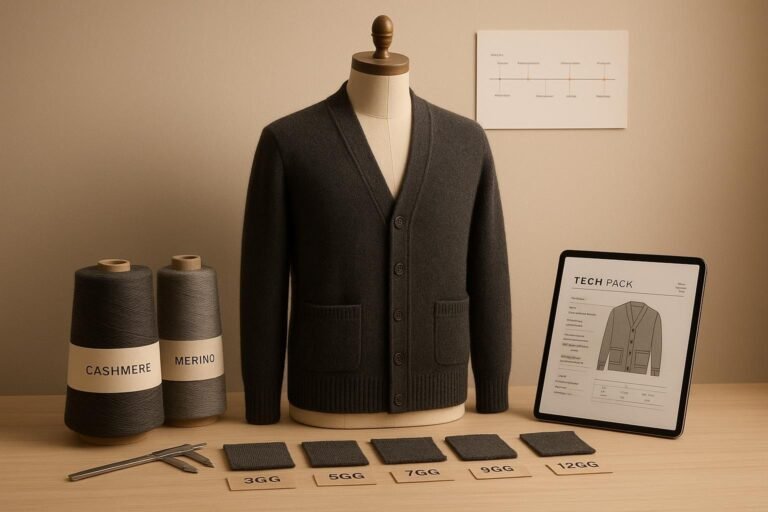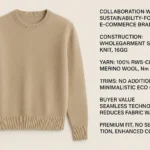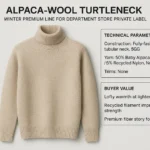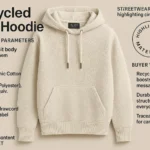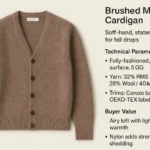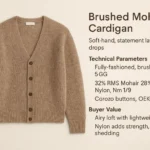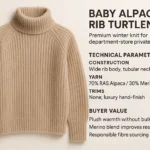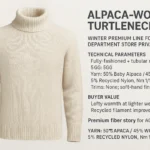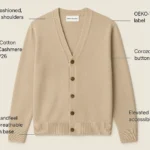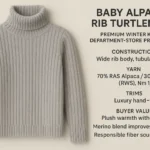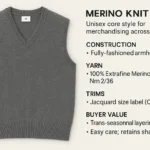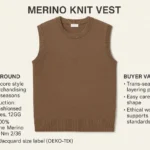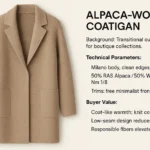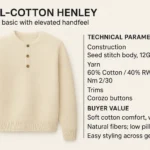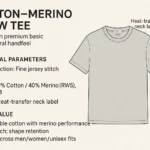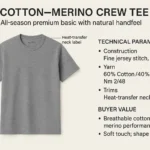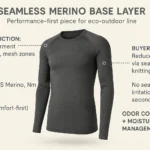


When you look at Cashmere vs Merino Wool for men’s fancy knitwear, you have a big choice to make. If you want the softest and warmest feel, cashmere is the best. It is great for jumpers on cold days or for dressing up. Merino wool is stronger and lasts longer. It is a good choice for hoodies you wear every day or for being active. Here is how they compare:
Feature | Cashmere | Merino Wool |
|---|---|---|
Warmth | Good warmth, less insulating | |
Softness | Extremely soft, luxurious | Soft, slightly coarser |
Durability | Less durable | More durable |
Style | Best for formal wear | Versatile for any setting |
Pick cashmere if you want it super soft and extra warm. Choose merino wool if you want something strong and good for many uses.
The world market for men’s fancy knitwear is getting bigger. It reached $3.48 billion in 2024 and may go up to $4.86 billion by 2032. This means you will have more options than ever before.
Key Takeaways
Cashmere feels very soft and keeps you warm. It is great for special events and cold weather. Merino wool lasts longer and can be used in many ways. It is good for daily use and for people who move a lot. Both fabrics need special care. Cashmere needs gentle washing and careful storage. Merino wool is easier to take care of. Think about what you need. Pick cashmere if you want luxury and warmth. Pick merino wool if you want comfort and strength. Check for sustainability labels. This helps you know your knitwear is made the right way and is good for the planet.
Introduction — Cashmere or Merino Wool?
Why the Comparison Matters
Many people talk about cashmere and merino wool. They do this when they shop for men’s fancy knitwear. Both fabrics are special, but they are good for different things. Some people want the softest and warmest jumper for a big event. Others want a hoodie that is strong and looks nice every day.
Here is a simple chart to show the differences:
Feature | Cashmere | Merino Wool |
|---|---|---|
Rarity | Very rare | More common |
Price | High | Moderate |
Everyday Use | Special events | Daily wear |
Cashmere is very soft and warm. It is great if you want a light but cozy layer.
Merino is comfy, lets your skin breathe, and stretches well. You can wear it for many things.
When you look at both, you can choose what you like best. You might want luxury, comfort, or something strong for every day. This guide will help you pick what fits your style and needs.
The Rise of Natural Fibers in Modern Knitwear
Natural fibers are now very popular in men’s knitwear. More brands use wool, merino, and cashmere. People want better quality and more comfort.
Fiber Type | Characteristics | Market Segment |
|---|---|---|
Wool | Keeps you warm, lets air in, feels nice | Premium segment |
Merino Wool | Super comfy, lasts long, keeps you cool or warm | High-end market |
Cashmere | Extra soft and warm, great for people who love quality | Luxury knitwear |
More people want fancy and earth-friendly clothes.
Shoppers look for comfort and something special.
Many care about how their clothes are made and want green choices.
The fancy knitwear market is getting bigger. People want clothes that feel good, look nice, and last a long time. This guide will help you find what is best for your closet.
Cashmere vs Merino Wool Comparison
Warmth & Insulation
When you look at warmth, you notice a difference. Cashmere comes from goats. The fiber holds heat very well. It keeps you cozy on cold days. Cashmere jumpers are warm but not heavy. Merino wool also keeps you warm. It does not trap heat as much as cashmere. Merino is good for layering. It works well if you go inside and outside a lot. Both are good for winter or chilly offices. Cashmere gives you a little more warmth.
Softness & Feel
Comfort is important in a sweater. Cashmere feels very soft and smooth. Many people think it is the softest material. You can feel the difference with cashmere. Merino wool sweaters are also soft. The fibers are a bit thicker than cashmere. Some people think merino feels more textured. It still feels nice to wear. If you want the softest sweater, pick cashmere. If you like a sweater with more shape, merino is a good choice.
Durability & Pilling Resistance
It is important that your sweater lasts long. Here are some things to know:
Merino wool is strong and lasts for daily use.
Cashmere is fine and can pill if not cared for.
Both can keep their shape if you care for them.
Both need special care to last a long time.
Cashmere is delicate and pills if worn too much.
If you wear your sweater a lot, merino is better. Cashmere needs gentle care. Do not wear it every day. Think about how often you will wear your sweater. Also, think about how much care you want to give it.
Breathability & Moisture Control
Softness is not the only thing that matters. You want your sweater to breathe and keep you dry. Cashmere lets air move through it. Its thin fibers help moisture escape. This keeps you comfortable. Merino wool is also known for breathability. It can hold water vapor before feeling wet. Merino moves sweat away from your skin. This helps control your body temperature. Both are good for active days or changing weather.
Price & Availability
Price is important when you choose between the two. Cashmere is rare and takes time to collect. This makes it cost more. Cashmere sweaters are usually more expensive. Merino wool is easier to find and costs less. You can buy merino sweaters in many stores. They come in many prices. Cashmere is good for special events. Merino wool is great for everyday use and comfort.
Sustainability
You may care about how your sweater is made. Both wool and cashmere can be green choices. Look for special labels to know for sure.
Key Features | |
|---|---|
Responsible Wool Standard (RWS) | Focuses on animal care and the environment. Needs 100% RWS wool. |
NATIVA™ | Checks the whole supply chain for animal care and responsibility. |
ZQ Certification | Makes sure animals are treated well and no mulesing is used. |
SustainaWOOL | Sets rules for sheep health and the environment in Australia. |
GRS (Global Recycled Standard) | Needs at least 20% recycled fibers and protects workers. |
RCS (Recycled Content Standard) | Lets you know how much recycled fiber is in the sweater. |
If you want to help the planet, check for these labels. Both wool and cashmere can be good for animals and nature. A cashmere blend is also a smart choice for comfort and the earth.
Tip: Always read the label before you buy a sweater. This guide helps you pick what is best for you.
Cashmere Overview
What Is Cashmere?
Cashmere is a luxury fiber that comes from the soft undercoat of cashmere goats. The name comes from Kashmir, India, where people first prized this material. Today, most cashmere comes from Mongolia, China, Nepal, and parts of Iran. In the past, rulers in Europe and Asia wore cashmere shawls to show power and status.
You get cashmere by gently combing the goats in spring. This process collects the fine, soft hairs without hurting the animals. Workers then sort, wash, and spin these fibers into yarn. The yarn is dyed and turned into garments like cashmere sweaters. This method is different from regular wool, which is usually sheared from sheep. Cashmere fibers are much finer than wool, making them softer and more luxurious.
Advantages
You will notice several benefits when you wear cashmere:
Cashmere feels incredibly soft and light on your skin.
It keeps you warm without feeling heavy or bulky.
The fiber breathes well, so you stay comfortable in both cool and warm weather.
Cashmere wicks away moisture, helping you stay dry.
The natural temperature control makes it great for many climates.
If you compare cashmere vs merino wool, you will find that cashmere offers more warmth and a softer touch. Many people choose cashmere sweaters for their comfort and quality.
Drawbacks
Cashmere does have some downsides you should know:
Pilling can happen, especially in areas like sleeves and collars. This means small balls of fiber may form due to friction.
All cashmere will pill, but lower quality cashmere pills faster.
The fabric needs gentle care and can lose shape if not handled properly.
Cashmere is more expensive than other fibers.
You might see pilling more often if you wear your sweater a lot or store it the wrong way.
Care Tips
To keep your cashmere looking its best, follow these tips:
Wash your sweater gently with a special cashmere detergent.
Press out extra water and lay it flat to dry.
Fold your cashmere instead of hanging it to keep its shape.
Store it in a cool, dry place using breathable containers.
Add natural moth repellents like lavender or cedar chips.
Check and refold your sweater often to avoid creases.
Keep it away from rough fabrics that can snag the fibers.
Clean your cashmere before storing to prevent odors and moths.
Tip: Taking a little extra care will help your cashmere last for years and keep its soft, luxurious feel.
Merino Overview
What Is Merino Wool?
You may wonder why merino wool is so special. Merino wool comes from Merino sheep. These sheep mostly live in Australia and New Zealand. The fibers are very thin and soft. They are about one-third as thick as a human hair. Most merino wool fibers are between 15 and 24 microns. This is much finer than regular wool. Because of this, merino sweaters feel soft on your skin. They are comfy to wear all day.
Merino wool fibers are very thin and soft.
Merino sheep are mostly found in Australia and New Zealand.
The fibers are between 15 and 24 microns, which is thinner than most wool.
Advantages
If you pick good merino wool, you get many perks. Merino feels soft and light. You can wear it all day without itching. The fibers have a natural crimp. This helps trap heat and keeps you warm. The fabric also lets air move through. This keeps you cool when it is warm. Merino wool can hold a lot of moisture. It can soak up to 30% of its weight and still feel dry. It does not smell bad easily. It fights off bacteria, so you do not need to wash it often.
Soft and light, great for wearing next to your skin.
Keeps you warm because of the fiber’s crimp.
Breathes well and helps control your body temperature.
Holds a lot of moisture but still feels dry.
Does not smell bad and is easy to care for.
Handles sweat well and does not feel wet.
Keeps your skin feeling just right.
Works better than other fibers at handling moisture.
Helps your body stay comfortable with less effort.
Tip: Merino wool sweaters are great for travel, sports, or daily use. They keep you comfy in many types of weather.
Drawbacks
Merino wool has some downsides you should know. Some people with very sensitive skin may feel itchy. The way the wool is made can change how it feels. Some people are allergic to lanolin or wool fibers. If your skin is very sensitive, you may need to avoid merino wool. Merino can also pill if you wear it a lot. It is not the best for rough use.
Merino wool can feel itchy for people with sensitive skin.
Some people are allergic to lanolin or wool fibers.
People with sensitive skin may need to skip merino wool.
Merino wool can pill and is not good for rough use.
Care Tips
Taking care of merino wool helps it last longer. Wash big items by hand with gentle soap. Do not use bleach or softeners. You can wash socks in the machine on a gentle cycle. Never put merino in the dryer. Lay it flat or hang it to dry. Store merino in a cool, dry spot. Use containers that let air in and add moth repellents. You can wear merino sweaters many times before washing. Sweaters can be worn 10 to 20 times. Underwear can be worn 5 to 10 times. Only iron if you need to. Use low heat and a cloth to protect the wool.
Care Practice | Description |
|---|---|
Washing | Hand wash big items; machine wash socks gently. Do not use bleach or softeners. |
Drying | Never use a dryer. Lay flat or hang to dry. |
Storing | Keep in a cool, dry place. Use containers that let air in and add moth repellents. |
Frequency of Washing | Wear many times before washing. Sweaters: 10-20 wears. Underwear: 5-10 wears. |
Ironing | Iron only if needed. Use low heat and a cloth, or steam. |
Let merino clothes air out between wears to wash less.
Move stored clothes around to stop wrinkles and let air in.
Use good hangers to keep clothes from stretching or snagging.
Note: If you care for merino wool, it will stay soft and look nice for years.
Style Guide: Jumpers, Hoodies & More
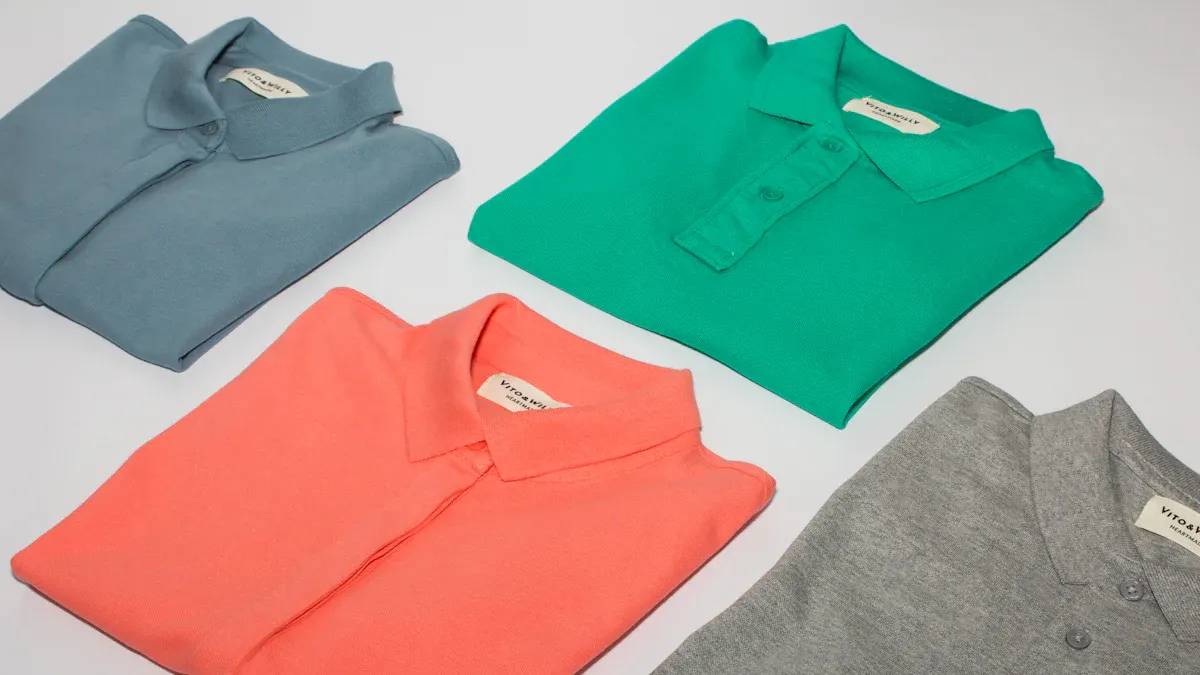
Jumpers: Cashmere vs Merino Wool
When you buy men’s sweaters, you want them to be warm and comfy. You also want them to look good. Choosing between cashmere and merino wool is a big deal for jumpers. Here’s a simple chart to help you:
Factor | Cashmere | Merino Wool |
|---|---|---|
Warmth | Warmer than merino wool | Good warmth, great for outdoor use |
Style | Bulkier, often more luxurious | Versatile, fits year-round fashion |
Durability | Less durable, prone to pilling | More elastic and durable, lasts longer |
Moisture Management | Wicks moisture but less effective | Excellent moisture-wicking |
Odor Resistance | Naturally antibacterial | Naturally antibacterial |
Care and Maintenance | Harder to clean, needs careful handling | Easier to wash and maintain |
Sustainability | Environmental concerns in production | More sustainable if sourced responsibly |
Cashmere feels fancy and keeps you very warm. Merino wool sweaters last longer and work for many seasons. If you want a sweater for every day, merino is a smart choice.
“If you care about the planet, it is better not to buy cashmere. Sheep, yaks, and camels can make soft wool too. These animals give more fiber each year than cashmere goats. They do not hurt the earth as much.” – The New York Times Opinion
Hoodies: Cashmere vs Merino Wool
A hoodie should feel soft and keep you cozy. Cashmere hoodies are super soft and feel fancy. They are best for relaxing or looking nice. Merino wool hoodies are strong and easy to clean. You can wear them for sports or outside. They dry fast and handle sweat well. If you want a hoodie for busy days, pick merino wool. For pure comfort and style, cashmere is a great choice.
Luxurious Cashmere Sweaters
Cashmere sweaters are special in men’s fashion. They feel gentle on your skin and keep you warm. You can wear them for both casual and fancy events. Here’s why people like them:
Softness: Cashmere feels smooth and buttery.
Warmth: It keeps you warm but is not heavy.
Breathability: Air moves through, so you stay comfy.
Durability: Good cashmere lasts for years with care.
Versatility: You can dress up or down.
Luxurious style: Cashmere makes any outfit look classy.
Cashmere jumpers look fancy and stylish. The smooth feel and rich colors make your outfit look special. They show you have good taste.
Cardigans & Pullovers
You can find cardigans and pullovers in both wool and cashmere. Cashmere cardigans are silky and warm, great for cold days. Merino wool cardigans are soft and last longer. Merino pullovers are good for layering. Pick cashmere if you want a fancy sweater. Choose merino wool if you need something for every day.
Characteristic | Cashmere | Merino Wool |
|---|---|---|
Softness | Luxurious, buttery, silky feel | Soft but slightly coarser |
Warmth | Good warmth, less insulating than cashmere | |
Durability | More delicate, prone to pilling | More durable, withstands wear and tear |
Breathability | Breathable, comfortable against skin | Excellent moisture-wicking properties |
Thermoregulation | Retains body heat in cold, cools in warmth | Regulates temperature well |
Price | Generally more expensive | More affordable, good performance |
Cashmere Coats & Trousers
Cashmere coats and trousers feel soft and keep you warm in winter. They look nice and feel special. But they need gentle care and are not for every season. Merino wool coats and trousers are easier to care for and last longer. They let air in and work for all seasons. If you want something for cold days or special times, cashmere is a good pick. For daily use, merino wool is better.
Knitwear for Every Season
You want knitwear that matches your weather. Cashmere is best for cold, dry days. Merino wool works in all seasons. It feels light in summer and warm in winter. For hot days, try extra fine merino or blends with cotton or linen. Wool and cashmere blends give comfort and style all year. Pick good quality for the best feel and look.
Understanding Cashmere Wool Yarn
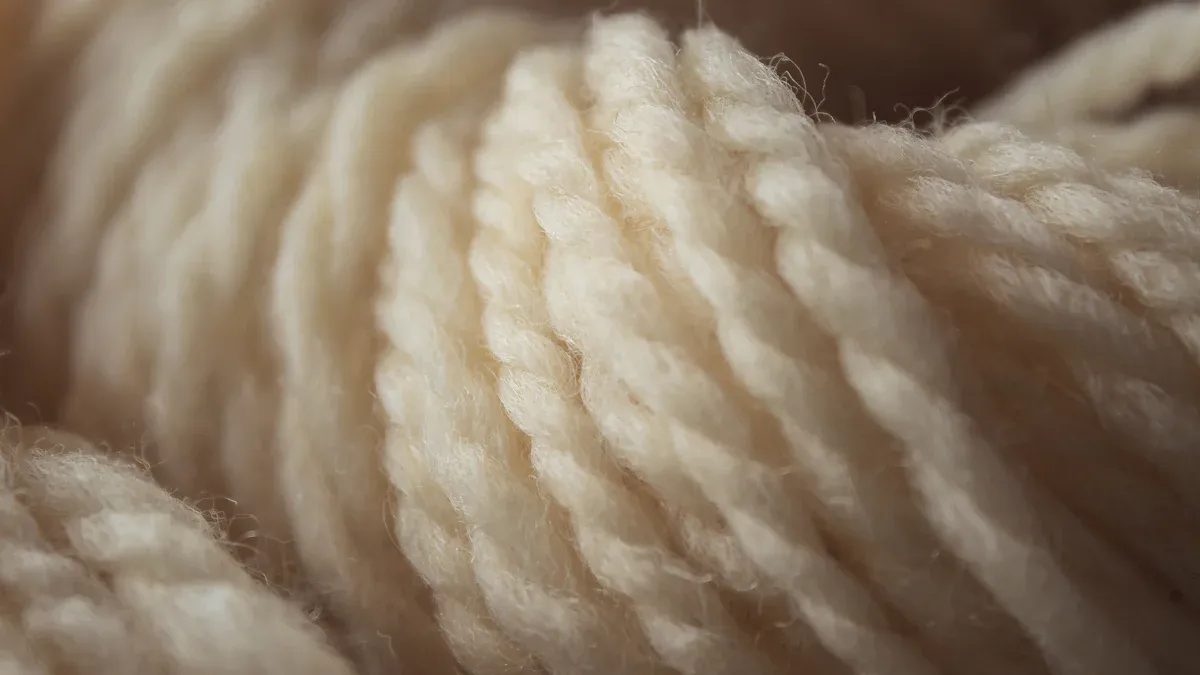
Yarn Composition
When you pick out a cashmere sweater, you want to know what makes it feel so special. Cashmere yarn stands out because it comes from the soft undercoat of cashmere goats, mostly found in Mongolia and China. These fibers are much finer than regular sheep’s wool, which gives cashmere its famous softness.
Here’s a quick look at what makes up luxury cashmere yarn:
Characteristic | Description |
|---|---|
Fiber Source | Cashmere goats (mainly Mongolia and China) |
Fiber Length | 28 to 42mm; longer fibers mean better quality and more durability |
Fiber Thickness | 15 to 19 microns; thinner fibers feel softer |
Yarn Construction | Two-ply yarn is softer, warmer, and more resistant |
Scarcity | Limited supply and careful collection make cashmere expensive |
You’ll notice that the longer and finer the fibers, the softer and more durable your sweater will be. Cashmere yarn is often dyed in many trendy shades, so you get both comfort and style.
Gauge & Handfeel
Gauge tells you how thick or thin the yarn is. A higher gauge means a lighter, finer knit. A lower gauge gives you a chunkier, warmer sweater. Cashmere yarn usually has a high gauge, which makes it feel light and smooth on your skin. The handfeel, or how the yarn feels when you touch it, is what makes cashmere so popular. Cashmere fibers can measure under 14 microns in diameter, which is even finer than most merino wool. This gives you a sweater that feels softer each time you wear it.
Tip: If you want a sweater that feels softer over time, choose cashmere with a high gauge and long fibers.
Finishing Processe
After knitting, your cashmere sweater goes through several finishing steps. These steps make a big difference in how the final garment feels and looks. The fabric gets washed to remove oils and impurities. Then it is dried and pressed to give it a smooth finish. Some sweaters go through extra steps like milling, which helps the fabric hold its shape and feel even softer.
The finishing process makes the fabric stable and ready to wear.
It removes any leftover oils or chemicals.
It improves the look and feel of your sweater.
It ensures your sweater is soft, smooth, and fit for your closet.
You get a sweater that not only looks great but also feels amazing every time you put it on.
Ultimate Guide: Buying Tips
Assessing Needs
Think about what you want before buying a sweater. Do you want it super soft or do you want it to last? Maybe you need it for winter or for all seasons. Here’s a table to help you compare:
Criteria | Cashmere | Merino Wool |
|---|---|---|
Softness | Extremely soft | Soft, but less so than cashmere |
Warmth | Exceptional warmth | Good warmth, less insulating |
Durability | Less durable | More durable |
Hypoallergenic | Generally hypoallergenic | Generally hypoallergenic |
Moisture-wicking | Moderate moisture-wicking | Excellent moisture-wicking |
Temperature regulation | Good temperature regulation | Excellent temperature regulation |
Budget considerations | Higher price point | More budget-friendly |
Pick cashmere if you want a sweater that is very soft and warm for cold days or special times.
Choose merino wool if you want something strong, easy to care for, and good for many uses.
This guide helps you match what you need to the right material.
Budget
Decide how much money you want to spend before shopping. Cashmere costs more because it is rare and takes longer to make. For example, a cashmere scarf can cost $175. A cashmere sweater can be about $450. A cashmere suit can cost up to $2,500. Merino wool sweaters cost less and work in many types of weather. Pick the best quality you can afford.
Where to Buy
You can buy cashmere and merino wool sweaters at department stores, special shops, and online. Look for brands that are known for good quality. Read reviews and check if you can return items. If you shop in person, you can touch the fabric and try it on.
Authenticity Tips
Make sure you get real cashmere or merino wool. Check the label for what the sweater is made of. Real cashmere should say “100% cashmere.” Real merino wool should say “100% merino wool.” Touch the sweater. Real cashmere feels soft and light. Merino wool feels smooth and bouncy. If the price is very low, it might not be real. Ask the seller where it comes from and look for special labels.
Tip: Real cashmere or merino wool sweaters last longer and feel better. Trust how it feels and always check the label.
Care & Maintenance
Washing & Drying
You want your cashmere and merino wool sweaters to stay soft and last a long time. Washing them the right way makes a big difference. You should always check the care label first. Most luxury knitwear needs gentle cleaning.
How to Wash Your Sweater:
Fill a basin with cool water. Add a small amount of wool or cashmere detergent.
Turn your sweater inside out. Place it in the water and gently swirl it around.
Let it soak for about 10 minutes. Don’t rub or wring the fabric.
Rinse with cool water until the soap is gone.
How to Dry Your Sweater:
Lay the sweater flat on a clean towel. Roll up the towel to press out extra water.
Unroll and reshape the sweater. Lay it flat on a dry towel or drying rack.
Keep it away from direct sunlight and heat.
Tip: Never hang your sweater to dry. Hanging stretches the fibers and ruins the shape.
Here’s a quick table to help you remember:
Step | Cashmere | Merino Wool |
|---|---|---|
Water Temp | Cool | Cool |
Detergent | Wool/Cashmere | Wool/Cashmere |
Drying | Flat, no heat | Flat, no heat |
Storage & Folding
You want your sweaters to look good every time you wear them. Storing them the right way keeps them fresh and safe from damage.
How to Store Your Sweater:
Fold your sweater instead of hanging it. Hanging causes stretching.
Place it in a breathable cotton bag or box.
Add cedar balls or lavender sachets to keep moths away.
Store in a cool, dry place.
How to Fold Your Sweater:
Lay the sweater flat.
Fold the arms across the chest.
Fold the body in half or thirds.
Note: Refold your sweaters every few months. This helps prevent creases and keeps them looking new.
If you follow these steps, your cashmere and merino wool knitwear will stay soft, cozy, and stylish for years. 😊
You now understand the main ways cashmere and merino wool are different. Cashmere feels very soft and keeps you warm. Merino wool is tough and works for many things. Here’s a simple chart:
Feature | Cashmere | Merino Wool |
|---|---|---|
Warmth | ⭐⭐⭐⭐⭐ | ⭐⭐⭐⭐ |
Durability | ⭐⭐ | ⭐⭐⭐⭐⭐ |
Style | Luxury | Everyday |
Tip: Wear cashmere when you want to feel cozy or for special times. Use merino wool for normal days or when you are busy. Think about what you need and what you like—then you can buy the right sweater! 😊
FAQ
Is cashmere really warmer than merino wool?
Yes, cashmere feels warmer than merino wool. The fibers trap more heat, so you stay cozy even on cold days. If you want the warmest sweater, cashmere is your best pick.
Can I machine wash my cashmere or merino wool sweater?
You should not machine wash cashmere. Hand wash it gently. For merino wool, you can use a gentle machine cycle, but always check the care label first. Lay both flat to dry.
Why does my sweater pill, and how do I fix it?
Pilling happens when fibers rub together. Cashmere pills more than merino wool. You can use a sweater comb or fabric shaver to remove pills. Always wash and store your sweaters with care.
Which is better for sensitive skin: cashmere or merino wool?
Both feel soft, but cashmere is usually gentler on sensitive skin. Fine merino wool also works for most people. If you have allergies, test a small area first.
How do I know if my sweater is real cashmere or merino wool?
Check the label for “100% cashmere” or “100% merino wool.” Real cashmere feels very soft and light. Merino wool feels smooth and springy. If the price seems too low, it might not be genuine.