
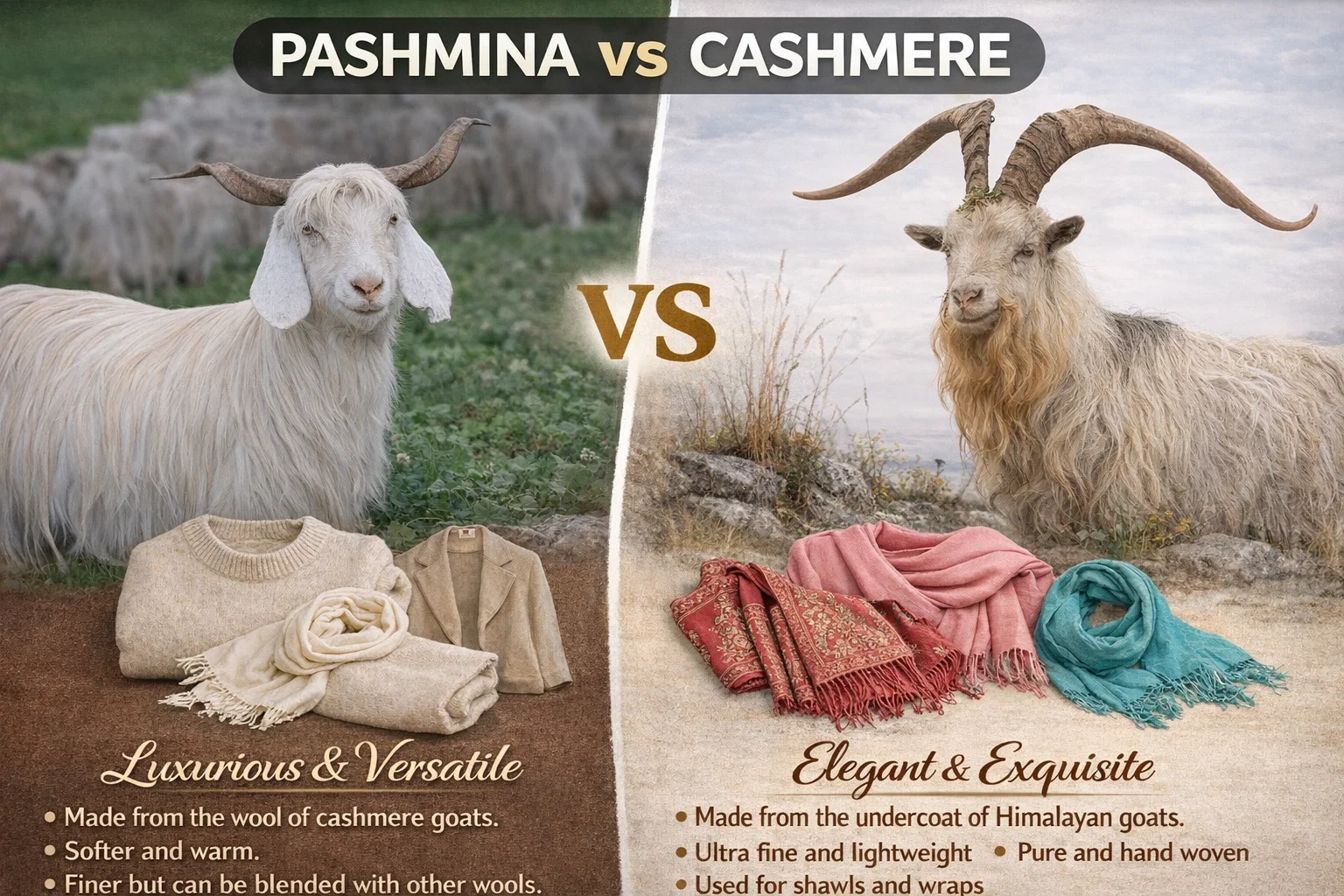
Imagine you are in a store, comparing two soft scarves. One is labeled cashmere, and the other is labeled pashmina. You start to wonder about cashmere vs pashmina and how they are different. The cashmere vs pashmina debate can easily confuse shoppers. Both materials feel luxurious, but each has its own unique qualities. They also come with distinct histories. Many people assume cashmere vs pashmina means the same thing, while others believe pashmina is simply a superior form of cashmere. In reality, “pashmina” is sometimes used to describe imitation products. Understanding the facts about cashmere vs pashmina helps you make a smart choice. Here are some common mistakes people make:
Misconception | Explanation |
|---|---|
All cashmere is the same | People often think all cashmere is identical, not realizing the special qualities that set pashmina apart in the cashmere vs pashmina comparison. |
Pashmina is just better cashmere | Many believe pashmina is just a higher grade of cashmere, but cashmere vs pashmina reveals that pashmina has its own unique traits. |
Misuse of ‘pashmina’ in marketing | The term ‘pashmina’ is frequently misused in marketing, which adds to the confusion about authentic cashmere vs pashmina products. |
Key Takeaways
Pashmina comes from the Changthangi goat. It is lighter and softer than cashmere. This makes it a fancy and special choice.
Cashmere is thicker and lasts longer. It is good for daily use and keeps you warm. You can find cashmere in many stores. Always check the label to see if it is real.
Look for ‘100% Cashmere’ or ‘100% Pashmina’ to make sure it is good quality. Be gentle with both fabrics. Wash them softly and store them the right way. This helps them stay soft and last longer.
Think about what you need. Pick pashmina for special events. Choose cashmere for everyday comfort.
Origins Of Cashmere And Pashmina

You might wonder where cashmere and pashmina come from. Both fibers started in the mountains of Asia. Their stories begin in cold, high places. Special goats live there and grow soft, warm undercoats. These undercoats make cashmere and pashmina feel so nice.
Cashmere Origins
Cashmere comes from the soft undercoat of goats. These goats live in some of the world’s coldest places. You can find these goats in:
China
Mongolia
Iran
Afghanistan
The Ladakh region in India is famous for Changthangi goats. These goats make the best cashmere fibers. People have loved cashmere for its warmth and softness for a long time. That is why cashmere is called the “king of wools.”
Pashmina Heritage
Pashmina is more than just a type of cashmere. It is a special craft from Kashmir, India. Artisans use wool from Changthangi goats. They spin and weave it by hand. This makes shawls that are lighter and softer than regular cashmere. Pashmina weaving is an art passed down in families. Pashmina is a symbol of tradition and skill.
Note: Long ago, kings and nobles got pashmina shawls as gifts. These shawls were treasured in royal courts.
Historical Context
The story of cashmere and pashmina goes back many years. Both have been linked to wealth and status. You can see their history in this table:
Time Period | Significance |
|---|---|
3rd century B.C. | Cashmere was loved for softness and warmth in India. |
14th century | Kashmiri artisans became experts at spinning and weaving. |
16th century | Mughal emperors made Kashmiri shawls a sign of honor. |
18th century | European markets wanted cashmere and pashmina shawls. |
19th century | Paisley shawls became very popular in Europe. |
20th century | Cashmere and pashmina became luxury items in fashion. |
You can see how these fibers went from mountain villages to royal courts. Later, they appeared on fashion runways. Today, cashmere and pashmina still show luxury and heritage.
Cashmere vs Pashmina: Key Differences
Cashmere and pashmina both feel fancy and soft. But they are not the same. You should know how they differ before you buy one.
Fiber Source And Breed
The goats are what make cashmere and pashmina different. Cashmere comes from many Himalayan goat breeds. These include Malra, Chegu, Chyangara, and Changthangi. Pashmina only comes from the Changthangi goat. This goat lives in Ladakh and Kashmir. It grows a thin undercoat to stay warm. All pashmina is cashmere, but not all cashmere is pashmina. The Changthangi goat makes the finest fibers. That is why pashmina is special.
Thickness And Fineness
The thickness of the fibers is another difference. Pashmina fibers are thinner than cashmere fibers. Cashmere fibers are 14-19 microns thick. Pashmina fibers are 12-16 microns thick. This makes pashmina lighter and softer. Here is a table to help you see:
Feature | Cashmere | Pashmina |
|---|---|---|
Fiber thickness | 14-19 microns | 12-16 microns |
Thin fibers make pashmina soft and delicate.
Texture And Feel
You can feel the difference when you touch them. Pashmina feels light and airy. It is soft on your skin. Cashmere feels thicker and more solid. It keeps you warmer and feels cozy. Here are some things to remember:
Pashmina has a gentle texture.
Cashmere has a fuller texture.
If you want something soft and light, pick pashmina. If you want warmth and strength, pick cashmere.
Production And Craftsmanship
How people make these fabrics is also different. Pashmina is made by hand. Artisans collect wool in spring when goats shed. They spin the fibers with a charkha. They weave the yarn by hand and add embroidery. Cashmere wool is also collected in spring. Workers sort, card, and spin the fibers. Many cashmere items are made with machines now. Pashmina is still made by hand, which makes it special.
Tip: Hand-made pashmina shawls are rare and worth a lot. Machine-made cashmere is easier to find and costs less.
Durability And Longevity
Cashmere is thicker, so it lasts longer. It keeps its shape for years. You can wear cashmere sweaters and scarves for a long time. Pashmina is softer and lighter, but it is fragile. You must be careful with pashmina. If you want something strong, choose cashmere. If you want something fancy for special days, choose pashmina.
Price And Value
Cashmere and pashmina have different prices. Pashmina costs more because it is finer and takes longer to make. Here is a table to show prices:
Market Type | Price Range |
|---|---|
Street Markets | $15 – $100 |
Boutique Shops | $50 – $250 |
Craft Fairs | $40 – $200 |
Pashmina shawls and scarves cost more than cashmere ones. The price is higher because of the fine fibers and handwork. For the best value, buy real pashmina or good cashmere.
Authenticity And Labeling
Check the label before you buy cashmere or pashmina. Look for “100% Cashmere” or “100% Pashmina.” The tag should say where it is made, like Mongolia, China, or Kashmir. Some items have special marks like GI tags or Good Cashmere Standard. If the label says “Blend,” it is not pure. Stay away from labels that say “Cashmere-like” or “Cashmere feel.” These usually mean fake fibers.
Note: Real pashmina comes from the Changthangi goat. If the label does not say this, it may not be real.
Pashmina vs Cashmere: Similarities
Shared Qualities
When you compare pashmina and cashmere, you see they are alike in many ways. Both come from goats that live in cold, high mountains. These goats grow soft undercoats to stay warm. Pashmina and cashmere both feel soft and gentle on your skin. They keep you warm but do not feel heavy. You can wear them in different weather because they trap heat and let your skin breathe.
Here is a table to help you compare their main qualities:
Property | Cashmere | Pashmina |
|---|---|---|
Softness | Renowned for its luxurious softness | Known for its gentle texture |
Warmth | Provides significant warmth | Offers excellent insulation |
Insulation | Natural insulating properties | Efficient heat trapping |
Weight | Lightweight yet warm | Lightweight yet warm |
Climate Adaptability | Suitable for various climates | Ideal for various climates |
You can see that both pashmina and cashmere give you comfort, warmth, and style.
Common Uses
Pashmina and cashmere are used in fancy clothes. Designers use them for sweaters, scarves, wraps, and shawls. These fibers make winter clothes that are soft and look nice. You can wear a cashmere sweater to stay cozy. You can wrap a pashmina shawl around your shoulders for special events. Both are good for accessories like stoles and scarves. They are light for cool nights and warm for cold days.
Cashmere is used for sweaters, scarves, wraps, and shawls.
Pashmina is used for scarves, stoles, and shawls.
Both are perfect for winter and mid-season wear.
When you look at pashmina and cashmere, you see they fit in your closet in the same way.
Luxury Status
Pashmina and cashmere are both seen as luxury items. You see them in designer collections and on runways. Pashmina is rare and sometimes passed down in families. Cashmere is easier to find but still special. Both show fine skill and care. Pashmina is made by hand and sometimes has hand embroidery. Cashmere can be made by hand or machine, but it always feels nice.
Here is a table to show how they compare as luxury goods:
Feature | Cashmere | Pashmina |
|---|---|---|
Softness | Soft and warm | Exceptionally soft and light |
Exclusivity | More accessible and common | Rare and considered heirloom pieces |
Price | More affordable luxury option | More expensive due to rarity and craftsmanship |
When you pick pashmina or cashmere, you choose from two of the world’s most special fibers. Both make your life more stylish and comfortable.
Choosing Between Cashmere And Pashmina
Factors To Consider
When you pick between cashmere and pashmina, focus on quality and if it is real. Check the fiber size. Pashmina fibers are only 10-14 microns wide. This makes them much finer than cashmere. Because of this, pashmina keeps you warm without feeling heavy. You get more warmth for less weight. If you want something soft and warm, pashmina is a great choice. Think about how much you want to spend. Cashmere usually costs less than real pashmina. Pashmina is rare and takes longer to make. Always look for good cashmere if you want something strong and soft.
Here are some things to remember:
Check the quality of both cashmere and pashmina.
Think about how warm and soft you want your item.
Decide how often you will wear it.
Real pashmina is very comfortable.
Make sure it is real before you buy.
Best Uses
Cashmere and pashmina are used for different clothes. Cashmere is good for wraps like ponchos, capes, ruanas, and stoles. These are big and loose, so you get style and warmth. Pashmina is best for shawls. Real pashmina shawls are light but keep you warm. Some pashmina shawls mix silk in to feel soft and cost less. Pick real pashmina for special events. For daily use, good cashmere is soft and lasts a long time.
Identifying Genuine Products
You should check if your pashmina or cashmere is real. Use these steps to help you:
Touch the fabric. Real pashmina and cashmere feel smooth and nice.
Look at the surface. Real ones look matte, not shiny.
Check the weight. Real pashmina and cashmere are lighter than wool.
Look at the weave. Handwoven pashmina has tiny uneven spots.
Read the tag. It should say “100% Pashmina” or “100% Cashmere.”
Ask the seller for a guarantee.
Buy from shops you trust to be sure it is real.
Notice the warmth. Real pashmina feels cozy right away.
Tip: Take care of your cashmere and pashmina. Keep them in a cool, dry place. Wash them gently by hand. This helps them stay nice for many years.
Care Tips For Cashmere And Pashmina
Washing And Storage
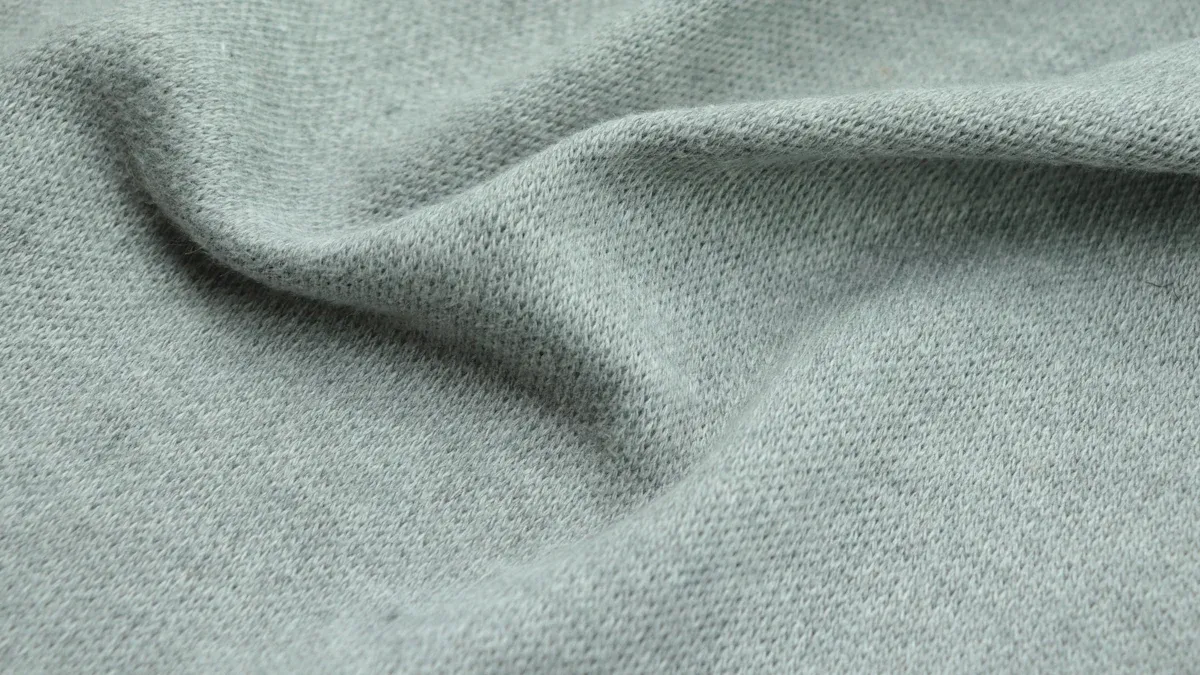
You want your cashmere and pashmina to stay soft and beautiful. Proper washing and storage make a big difference. Always handle these fabrics with care.
Wash by hand in cold or lukewarm water. Use a mild detergent like Woolite or baby shampoo. Make sure the detergent dissolves before you add your item.
Never use bleach or fabric softener. These can damage the delicate fibers.
Do not twist or wring the fabric. Lay it flat on a towel and roll it up to remove extra water. Pat gently to keep the shape.
Air dry your garment. Lay it flat in a shaded spot. Avoid direct sunlight, radiators, or dryers.
If you need to iron, use a very low temperature. Place a cloth between the iron and your cashmere or pashmina.
Hang your item un-bunched to avoid wrinkles.
For storage, keep your cashmere and pashmina in a cool, dry place. Choose a closet with a solid door to block light and heat. Fold your items instead of hanging them to prevent stretching. Use breathable, zippered garment bags or knitwear bags. Place acid-free tissue paper between layers to avoid pressure marks. Cedar blocks or a cedar chest help keep moths away. Rotate your stored items every few months for air circulation.
Tip: Always clean your shawl before storing it. This prevents stains and odors from setting in.
Longevity Tips
You can help your cashmere and pashmina last for many years with a few simple habits.
Clean only when needed. Too much washing weakens the fibers.
Avoid harsh weather. Rain and snow can harm the wool.
Air out your shawl every few weeks. Hang it in a well-ventilated area.
Never store in plastic bags. These trap moisture and can cause mold.
Inspect your items for moths. Clean storage spaces often.
If you spill something, blot gently with a damp cloth and let it air dry.
Fold or roll your shawl for storage. This prevents creases and keeps the shape.
Note: Gentle care keeps your cashmere and pashmina looking and feeling luxurious for years. 🧣
You have learned that cashmere and pashmina both keep you warm and feel fancy, but they are not the same. Knowing how they are different helps you find real items and make good choices:
Pashmina is thinner, lighter, and costs more money.
Cashmere is thicker, lasts longer, and is easier to buy.
Both need gentle care to stay nice for a long time.
When you shop, try these ideas:
Look for items made from 100% natural fibers.
Touch the fabric to see if it feels soft and warm.
Ask where it comes from and if it is certified.
If you take care of your scarf, it will stay soft and pretty for many years. 🧣
FAQ
What is the main difference between cashmere and pashmina?
You find that cashmere comes from many goat breeds, while pashmina only comes from the Changthangi goat. Pashmina feels lighter and softer. Cashmere feels thicker and warmer. Both give you luxury and comfort.
How can you tell if your pashmina is authentic?
You can check the label for “100% pashmina” and the region of origin. Authentic pashmina comes from Kashmir or Ladakh. You should feel a soft, light texture. Ask the seller for proof if you want to be sure.
What are the steps in how pashmina is made?
You see that how pashmina is made starts with collecting the undercoat from Changthangi goats. Artisans hand-spin the fibers and weave them into shawls. This process uses traditional tools and skills passed down through families.
How cashmere is made?
You learn that how cashmere is made begins with combing the soft undercoat from goats. Workers clean, spin, and weave the fibers. Some cashmere is made by machine, but the best quality uses careful handwork.
Why does pashmina cost more than cashmere?
You pay more for pashmina because the fibers are finer and the process takes longer. Authentic pashmina uses handwork and rare materials. Cashmere is more common and often made by machine, so it costs less.