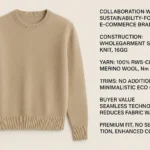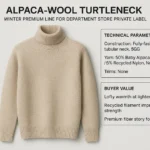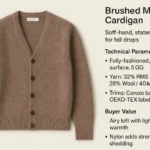


Choosing between a circular yoke vs raglan can be tricky when deciding which sweater fit is best for you. There’s no one-size-fits-all answer, as the decision between circular yoke vs raglan really depends on your body shape and personal comfort. Many knitters prefer raglan sweaters for those with smaller busts or more square shoulders, while a circular yoke vs raglan comparison often shows that circular yoke sweaters are easy to wear and tend to fit a wide range of people. You’ll notice differences in comfort, how the sweater sits on your shoulders, and the level of customization you can achieve with each style. If you’re new to knitting, understanding circular yoke vs raglan is helpful: a circular yoke shapes the top of the sweater in a round, continuous way, while a raglan uses diagonal lines extending from the neck to the underarm.
Key Takeaways
Think about your body shape before you pick a sweater style. Circular yoke sweaters fit many body shapes. Raglan sweaters are better for people with small busts or square shoulders.
Think about how the sweater feels and moves. Circular yoke sweaters are looser and more relaxed. Raglan sweaters look more fitted and neat. Pick the one that feels best to you.
Measure yourself carefully to get the right fit. Ask a friend to help you measure. Make sure the tape is close but not too tight. Good measurements help you change patterns if needed.
Try both sweater styles to see what you like. Put on a circular yoke and a raglan sweater. See which one looks and feels best on you. What you like matters most.
Make your sweater match your style. Circular yoke sweaters can have many designs. Raglan sweaters are easier to change and fit.
Circular Yoke vs Raglan Fit
Sweater Shoulder and Armhole Differences
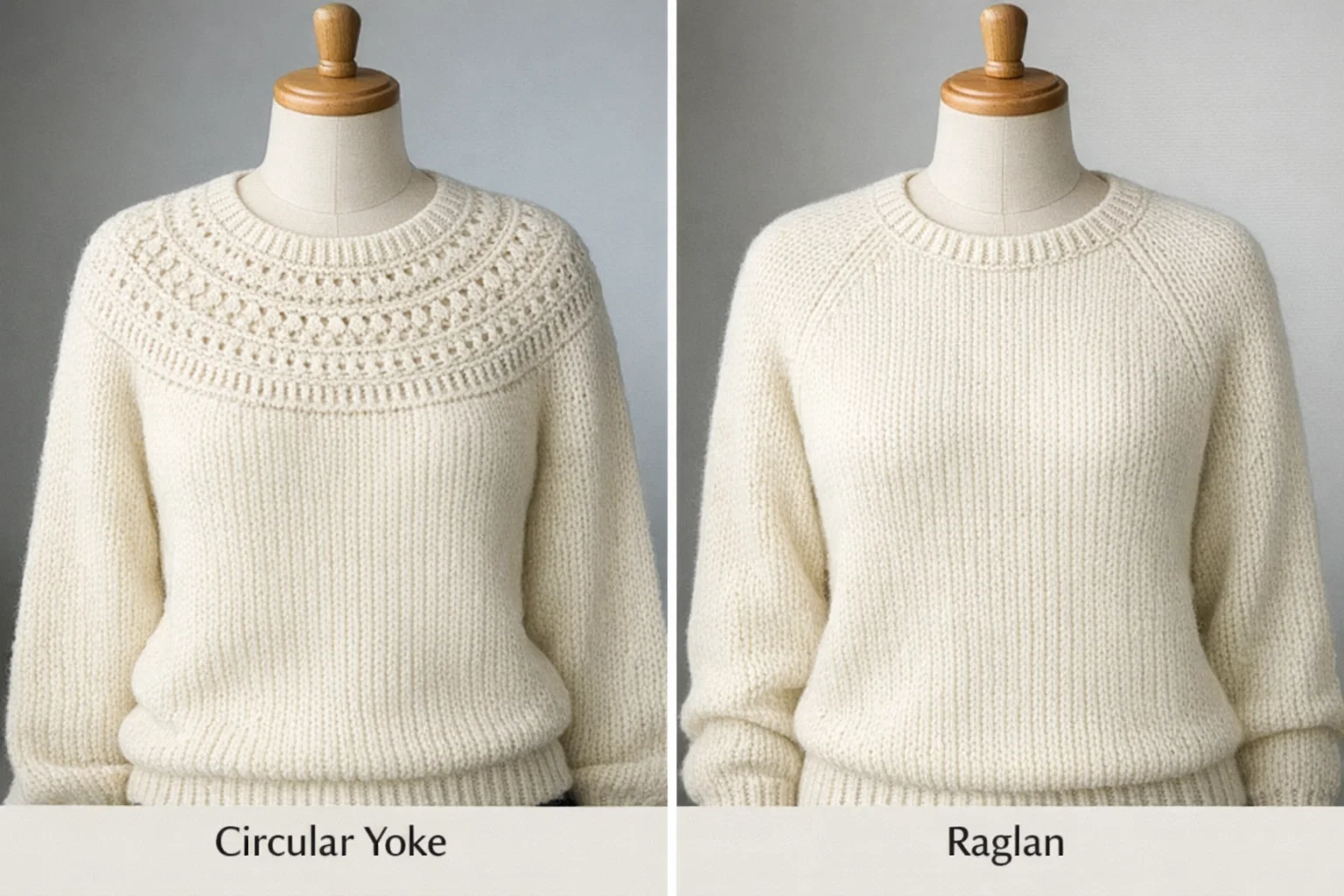
When you look at the circular yoke vs raglan styles, the first thing you notice is how the shoulders and armholes are built. The circular yoke creates a rounded, soft line across your shoulders. In this style, increases are spread out evenly, so the sweater shape feels smooth and gentle. You might see this in classic Icelandic sweaters, where the yoke curves beautifully around the top.
The raglan, on the other hand, uses diagonal seams that run from the neckline down to the underarm. These seams give the sweater a sporty look and make the fit more tailored. You get a clear shoulder area, which can help the sweater stay in place and feel more stable.
Circular yoke construction features evenly distributed increases around the yoke, resulting in a rounded and soft silhouette.
Raglan construction has diagonal seams extending from the neckline to the underarm, which gives it a more structured and sporty appearance.
If you want a sweater that feels traditional and flows over your shoulders, the circular yoke might be your pick. If you prefer a sweater with a defined shoulder and a bit more structure, the raglan could be the better choice.
Ease and Structure Comparison
Ease is all about how much extra room you have in your sweater. When you compare circular yoke vs raglan, you’ll see that circular yoke sweaters usually have more ease. This means they feel looser and give you more space to move. Raglan sweaters tend to be more fitted, hugging your body a bit closer.
Let’s look at how structure affects stability:
Sweater Type | Structure Impact on Stability |
|---|---|
Raglan Sweater | Provides more stability due to seams and a defined shoulder area, contributing to a tailored fit. |
Circular Yoke Sweater | Typically seamless, leading to less structure and potential twisting or sagging over time, especially with non-elastic yarns. |
You might notice that raglan sweaters hold their shape better because of those seams. Circular yoke sweaters, without seams, can sometimes twist or sag, especially if you use yarn that isn’t very stretchy. If you want a sweater that keeps its shape and feels sturdy, raglan is a solid option. If you like a softer, more relaxed fit, circular yoke is worth trying.
Comfort and Movement
Comfort is a big deal when you’re choosing between circular yoke vs raglan. Many knitters say that circular yoke sweaters feel more comfortable, especially if you like a little extra room. The round yoke lets you hide increases and decreases, so the sweater moves with you and doesn’t feel tight.
Some knitters prefer the look and fit of yokes over raglans, saying they feel better and look nicer. Others find raglan sweaters less flattering, especially if the fit around the bust or armholes isn’t quite right. If you have a standard body shape and want a looser fit, circular yoke is a good choice. If you want a more fitted look and don’t mind adjusting the pattern, raglan might suit you better.
A knitter prefers the look and fit of yokes over raglans, indicating a preference for comfort and style.
Another knitter mentions discomfort with raglan sweaters due to fit issues related to body shape.
You’ll find that round yoke sweaters need more ease than raglan sweaters. This extra room means you can move your arms and shoulders easily, which is great for everyday wear. Raglan sweaters, with their closer fit, might feel snug but offer a sporty style.
Tip: If you have a busty figure, the circular yoke narrows from bust to shoulder, which can help the sweater fit better. Both styles can be tricky for unusual body shapes, so you might need to adjust the pattern for the best fit.
When you compare circular yoke vs raglan, think about how you want your sweater to feel and move. Do you want a relaxed, flowing sweater shape, or do you prefer something more structured and sporty? Your answer will help you pick the style that fits you best.
Circular Yoke Sweater Features

Construction Basics
You might wonder how circular yoke sweaters come together. The process is pretty straightforward, and you can follow these steps to get started:
Measure your gauge by counting stitches and rows in a 4-inch swatch.
Record your stitch and row counts to figure out your gauge.
Take measurements from a comfy sweater you already own. Check the bust line, hem line, neck width, and yoke depth.
Write down all your measurements on a calculation sheet for easy reference.
You can use two main techniques to build circular yoke sweaters. The top down method starts at the neckline, and you increase stitches evenly until you reach the armhole. The bottom up method begins at the hem, and you knit in a tube up to the armholes. Many knitters love the versatility of these methods. If you want a warm and classic look, you might try the Icelandic ‘lopapeysa’ style, which uses Lopi wool.
Tip: Try both top down and bottom up to see which feels like the best sweater construction method for you.
Fit Characteristics
Circular yoke sweaters usually offer a relaxed fit. You get more ease, which means extra room for movement and comfort. This style works well if you want a sweater that doesn’t feel tight or restrictive. The yoke sits smoothly across your shoulders, and the increases blend in, so you don’t see harsh lines.
Here’s a quick look at how circular yoke sweaters compare to other styles:
Sweater Type | Ease Required |
|---|---|
Circular Yoke | More ease |
Moderate ease | |
Set-in Sleeve | Least ease |
If you want a sweater that feels soft and roomy, circular yoke sweaters might be your best choice. You can wear them over layers or on their own, and they still look great.
Pros and Cons
Let’s break down the good and not-so-good parts of circular yoke sweaters:
Pros:
You get a smooth, classic look across the shoulders.
The fit feels relaxed and comfortable.
You can use different construction methods.
Great for showing off colorwork or patterns.
Cons:
Sometimes the fit around the bust or upper arms feels loose.
The sweater may twist or sag if you use yarn that isn’t stretchy.
Adjusting the fit for unique body shapes can take extra work.
If you want a sweater that feels easy to wear and looks timeless, circular yoke sweaters are a solid pick. You can experiment with yarns and techniques to find what works best for you.
Raglan Sweater Features
Construction Basics
If you want to knit a raglan sweater, you start with the collar. You decide how many stitches you need for the neck. For example, you might cast on 84 stitches using 3.75mm needles. After you knit one row around the collar, you place four stitch markers evenly. These markers show you where to increase stitches every other row. This helps shape the raglan sleeves and gives the sweater its classic look.
You can work raglan shaping from the top down, which means you begin at the neck and knit toward the hem. Some knitters prefer to make the sweater in pieces and then sew it together. You use different increase techniques, like knit front and back (kfb), make one right (M1R), and make one left (M1L). If you want a decorative touch, you can use yarn overs. You need a longer round needle for the body and stitch markers to keep track of your increases. Many people like yarns such as Caron cakes skinny cakes for this style.
Tip: Place your stitch markers carefully. They help you keep the increases even and make your sweater look neat.
Fit Characteristics
Raglan sweaters give you a tailored fit. The diagonal seams from the neck to the underarm help the sweater follow your body’s curves. You might notice that raglan sleeves create a sporty style. Sometimes, basic raglan shaping can make the armpits baggy or the neckline awkward. To get a better fit, you can add short rows over the arm. This helps the sweater sit comfortably and look smooth.
Raglan sweaters need special adjustments for a good fit.
Short row shaping helps the sweater follow your body’s natural curves.
Standard raglan shaping can feel loose in some areas, so you may want to tweak the pattern.
Pros and Cons
Here’s a quick look at the advantages and disadvantages of raglan sweaters:
Advantages of Raglan Sweaters | Disadvantages of Raglan Sweaters |
|---|---|
Seamless construction can provide a clean look. | Basic raglan construction may distort the fit due to lack of drop at the back neck. |
Diagonal lines can create a stylish silhouette. | Diagonal lines may draw attention to the upper arm area, which can be unflattering for some body types. |
You get a clean look with seamless construction. The diagonal lines make the sweater look modern and stylish. Some people find that raglan sleeves highlight the upper arms, which may not be their favorite feature. If you want a sweater with a sporty vibe and a close fit, raglan is a great choice. You can always adjust the pattern to make the fit just right for you.
Customizing Sweater Fit
Measuring for Best Fit
Getting the right measurements makes a big difference in how your sweater feels and looks. Here’s a simple way to measure yourself for the best results:
Wear close-fitting clothes and the undergarments you plan to wear with your sweater.
Ask a friend to help measure you. This helps keep your arms relaxed and your posture natural.
Make sure the measuring tape stays level and snug, but not too tight.
Measure around your chest at the highest point, right under your armpits. This is your upper torso circumference.
Measure around the fullest part of your bust or chest.
Check how much extra room (ease) the pattern suggests.
Compare your numbers to the pattern’s chart. This helps you see if you need to make any changes.
Tip: Always double-check your numbers before you start knitting. A little extra care now saves time later!
Adjusting Ease and Structure
Ease is the space between your body and the finished sweater. You can change the look and feel by adjusting ease. Here’s how it works:
Adding more ease gives you a looser, more relaxed sweater.
Less ease creates a closer, more fitted look.
Designers think about the style and construction when they suggest ease.
Your personal taste matters most. Some people love a roomy sweater, while others want a snugger style.
Ease is the difference between your body size and the finished sweater size. Positive ease means the sweater is bigger than you. Negative ease means it’s smaller and hugs your body. The amount of ease changes how the sweater fits at your bust, shoulders, and hips.
You can also shape your sweater to match your body. Here’s a quick table to show your options:
Technique | Description | Benefits |
|---|---|---|
Full Shaping | Follows your body’s curves closely | Best for unique body shapes |
Subtle Shaping | Adds gentle curves | Good for some customization |
No Shaping | Straight, standard fit | Easiest, but may not suit all body types |
Hybrid Yoke Options
If you want the best of both worlds, try a hybrid yoke. This style mixes features from circular yoke and raglan sweaters. You start with raglan shaping, which gives you a nice slope at the shoulders. After a while, you switch to a saddle-shoulder method. You work the sleeve stitches back and forth, joining them to the body as you go. This creates a strong, comfortable shoulder and a neat finish.
Note: Hybrid yokes can help you get a better fit, especially if you have trouble with standard patterns. They combine structure and comfort for a unique look.
Circular Yoke vs Raglan Sweater Comparison Table
Fit
You want your sweater to fit well. Circular yoke sweaters have a soft, round shape at the shoulders. Raglan sweaters use slanted lines for a stronger look. If you like a loose style, circular yoke is a good choice. Raglan sweaters are simple to change, so you can make them bigger or smaller. Here’s a table to help you compare:
Criteria | Circular Yoke | Raglan |
|---|---|---|
Visual style | Rounded, soft | Structured, diagonal |
Fitting and adjustment | Less precise | Easier to adapt |
Ideal for | Colorwork, patterns | Beginners, variety |
Comfort
It’s important for your sweater to feel good all day. Circular yoke sweaters feel smooth on your shoulders. They have no seams, so they move with you. Raglan sweaters have seams from your underarm to your neck. These seams help your arms move easily. You can stretch and reach without feeling tight. Raglan sleeves are great for everyday wear because they give you more freedom.
Tip: Try both styles to see which one feels best for you.
Appearance
Circular yoke sweaters look neat and classic. The round yoke goes around your body and sleeves. This makes a smooth shape. If you like bright colors or patterns, this style is great. Raglan sweaters show off slanted seams. These seams make your sweater look sporty and modern. Raglan sleeves give your sweater a relaxed look.
Circular yoke: Seamless, rounded, smooth.
Raglan: Diagonal seams, sporty, casual.
Customization
You can make your sweater special. Circular yoke sweaters let you try many designs. You can use lots of colors and patterns. Raglan sweaters are easier to fit, but you get fewer ways to change the look. Here’s a table to show your choices:
Sweater Type | Customization Options |
|---|---|
Circular Yoke | Many design possibilities, colorwork, patterns |
Raglan | Easy to fit, fewer design variations |
If you want to be creative, circular yoke sweaters are fun to try. Raglan sweaters are simple and quick to make.
Circular yoke and raglan sweaters have different shapes. Each style feels different when you wear it. Before you pick your next sweater, check your size. Think about how you want your sweater to fit. You can change the pattern or add your own ideas. Many knitters like to change the length or neckline for a new look.
Every sweater you make helps you learn more. You get better at knitting and feel more confident. Try new tips and keep practicing. You can make sweaters that fit well and show your style!
Good measurements help your sweater fit right.
Changing your sweater lets you show your style.
Learning to change patterns helps you design more sweaters later.
FAQ
Can I adjust the fit of a circular yoke sweater if I have broad shoulders?
Yes, you can! Try adding extra increases in the yoke section. This gives you more room across your shoulders. You can also add short rows for a better fit.
Which style is easier for beginners to knit?
You might find raglan sweaters easier. The shaping is simple and easy to follow. You use basic increases and can try on your sweater as you go.
Will a circular yoke sweater stretch out over time?
It can, especially if you use a yarn with little bounce. Wool yarn helps the sweater keep its shape. > Tip: Block your sweater gently and store it flat to help it last longer.
How do I know how much ease to add?
Check the pattern’s suggestions for ease. Try on a sweater you like and measure the extra space. You can add more ease for comfort or less for a closer fit.