
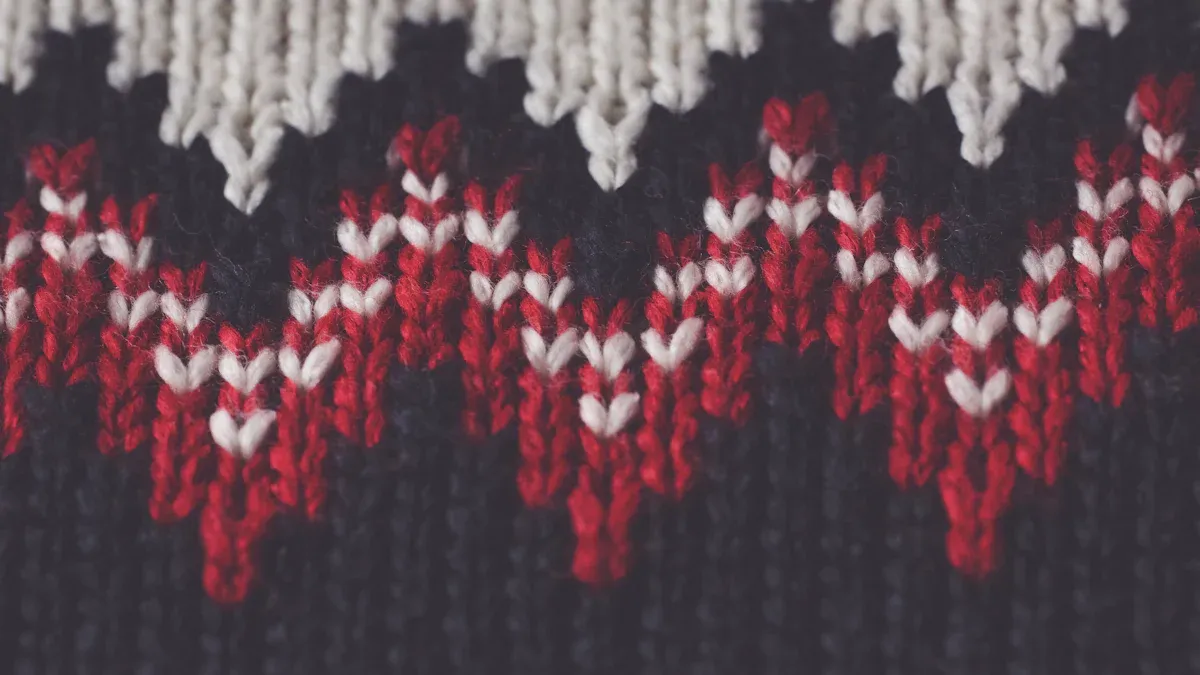
When you choose colorwork knitting techniques, you decide how your project will look and feel. Fair Isle works best for repeating patterns, such as Nordic sweaters, hats, or mittens. Intarsia creates bold shapes and large blocks of color, making it perfect for cushions or children’s items. Mosaic knitting lets you craft detailed designs, often with only one yarn in use at a time, so even beginners can enjoy it. Knitting by hand or with a machine can change how each method feels. Try all three to add more options to your knitting journey.
Fair Isle: Use for repeating designs like Christmas trees or Celtic borders.
Intarsia: Best for big, colorful shapes on cushions or kids’ projects.
Mosaic: Great for detailed patterns and easy to learn.
You do not have to stick to one style. Exploring each knitting method can help you find the right fit for your next project.
Key Takeaways
Fair Isle works best for patterns that repeat. It is good for warm sweaters, hats, and mittens.
Intarsia lets you make big shapes and color blocks. It is great for bold designs like blankets and scarves.
Mosaic knitting is easy for beginners to learn. You only use one yarn at a time. It helps you make cool geometric patterns.
Think about what you want for your project before you pick a technique. You should consider warmth, how hard the design is, and how the fabric feels.
You can mix these techniques to make your projects better. Try using Fair Isle, Intarsia, and Mosaic together for special designs.
Colorwork Knitting Techniques
Overview
Colorwork knitting can make your projects more exciting. These methods let you use more than one color in your knitting. You can make patterns, shapes, and textures with them. Today, there are three main types of colorwork knitting:
Stranded knitting
Mosaic knitting (also called slip-stitch colorwork)
Intarsia
Each one lets you use color in a different way. Sometimes, you might see “colourwork” spelled with a “u” in UK books. No matter how it is spelled, colorwork gives you lots of creative choices. You can use these techniques to make your projects special and show your style.
Why Technique Choice Matters
Picking the right colorwork technique changes how your project looks and feels. The method you choose affects the design and how strong or soft the fabric is. Yarn dominance is important for making your pattern stand out. If you always hold the colors the same way, your design will look neat.
You also need to think about float trapping. When you carry yarn across the back, long floats can get caught or break. Securing these floats helps your project last longer, like on mittens or sweaters. Tension is also important in colorwork. Keeping your tension even stops puckering and keeps your fabric flat.
Tip: Alice Starmore’s way of not dropping both yarns on the same row helps you make smooth color changes. This trick can make your colorwork look even better.
When you know about these things, you can pick the best technique for your project. The right choice helps you make something pretty, strong, and comfy.
Fair Isle Knitting
How Fair Isle Works
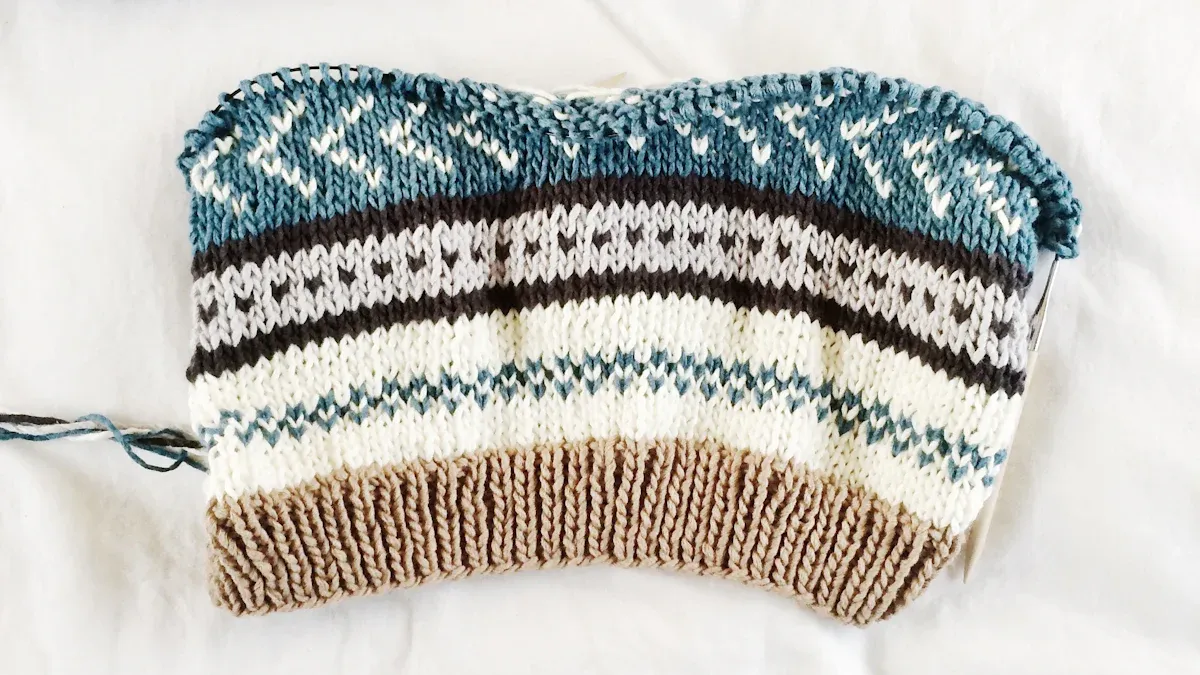
Fair isle knitting started on the small island of Fair Isle. People began using this method in the 18th or early 19th century. You work with two colors in each row to make patterns. Women on the island made sweaters and hats for their families. By the mid-1800s, they traded fair isle knitwear with fishermen and merchants. The style became famous in the early 20th century when a prince wore a fair isle jumper. Over time, fair isle designs grew from simple shapes to more detailed patterns inspired by nature and local culture.
If you want to try fair isle, follow these steps:
Pick DK weight yarn with strong color contrast.
Cast on and knit ribbing in the round.
Knit a few plain rounds before starting the fair isle pattern.
Use a chart to switch colors every few stitches.
Keep yarn floats loose across the back.
Hold yarn in different hands to find what feels best.
Change needle size if your stitches are too tight or loose.
Visual Effects
Fair isle gives you clear, repeating patterns. You use only two colors per row, so the designs look neat and simple. The patterns often show geometric shapes or small motifs. Other colorwork styles can use more colors, but fair isle keeps things tidy and easy to follow.
Pros and Cons
| Advantages — | Disadvantages — | | Excellent stitch definition — | Tighter tension and thicker fabric — | | Natural elasticity keeps tension even — | Beginners may see uneven colorwork — | | Wool blends stay warm and hold shape — | Long floats need extra care and can show — |
Best Uses
You should use fair isle for projects with repeating designs. Sweaters, hats, mittens, and vests look great with fair isle patterns. The technique works well for borders and small motifs.
Hand vs Machine
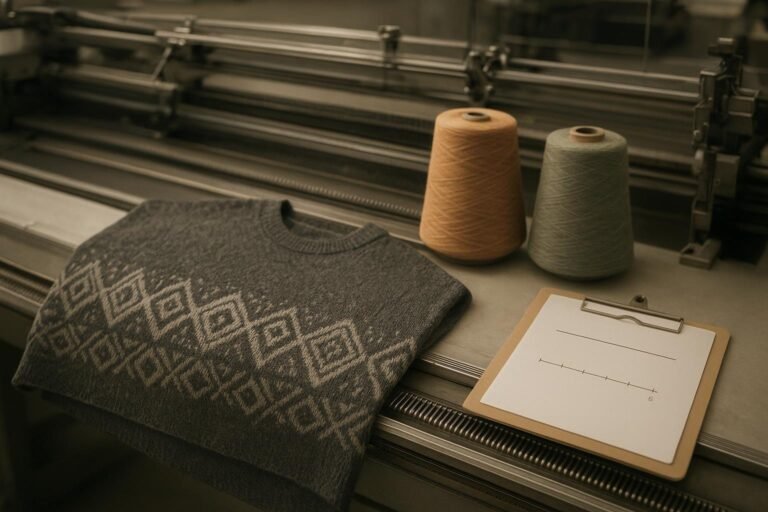
When you knit fair isle by hand, you control each stitch and manage two yarns. You need to watch your tension and keep the yarns from tangling. A knitting machine makes fair isle much faster. The machine keeps the tension even and helps you finish complex patterns quickly. You need special tools for a knitting machine, but it makes fair-isle knitting easier and more consistent.
Tips
Keep your yarn organized to avoid tangles. Catch floats every few stitches to keep tension even. Spread your stitches on the needle when you switch colors. Use a yarn guide if you want help managing strands. Do not pull floats too tight, or your fabric will pucker.
If you follow this advice, your fair-isle knitting will look neat and last longer.
Intarsia
How Intarsia Works
Intarsia helps you make patterns with many colors. Each color has its own section and yarn strand. You do not carry yarn behind your work. This makes intarsia different from other colorwork. Most people knit intarsia flat, going back and forth. You can make big shapes like fruit, diamonds, or pictures. The fabric is smooth and light because there are no floats.
Visual Effects
Intarsia makes big, bright color blocks and clear shapes. You can create pictures or large designs that pop. The table below shows how intarsia and fair isle are different:
Technique | Color Application | Floats | Visual Effect |
|---|---|---|---|
Intarsia | Uses a new yarn for each color | No floats | Big color blocks or picture designs |
Fair Isle | Carries yarn behind the work | Yes | More texture from floats |
Intarsia is good for designs with sharp edges and big color areas.
Pros and Cons
Many people want to try intarsia, but it can be hard.
You get one layer of fabric, so it feels light.
Using lots of yarns can be tricky and cause tangles.
It can be hard to find free intarsia patterns.
You must weave in loose ends, which takes time.
Knitters feel proud when they learn intarsia and enjoy making fun designs.
Best Uses
You can use intarsia for:
Argyle socks
Sweaters
Scarves
Blankets
Patterns with blocks, diamonds, flowers, leaves, or pictures like a snowman or flag
Cityscape scarves and other big color block projects
Hand vs Machine
Aspect | Hand Intarsia | Machine Intarsia |
|---|---|---|
Technique | You move the yarn by hand | Special tools help change colors |
Yarn Management | You place yarn carefully | Yarn goes into hooks by hand |
Color Changes | You control color changes | Carriages must be used just right |
Resulting Fabric | More texture and changes | Smooth color changes and detailed designs |
Hand intarsia gives you more control and texture. Machine intarsia makes smooth and detailed patterns.
Tips
Tip: Twist the yarn once after you finish a color block. This keeps the stitch tight and stops holes. Keep your bobbins neat so they do not tangle. Try turning your work both ways to stop yarn from twisting too much.
If you use these tips, intarsia will be easier and your projects will look tidy.
Mosaic Knitting
How Mosaic Works
Mosaic knitting lets you create colorful designs using only one yarn at a time. You follow a simple process to make these patterns:
Slip the same stitches purlwise with the yarn in front.
Drop the first yarn and pick up the second color. Knit all the stitches that match the new color on your chart, slipping the others.
Alternate colors every two rows, keeping the floats on the wrong side.
Bind off, wash your work, and lay it flat to see the finished pattern.
You do not need to juggle multiple strands at once. This makes mosaic knitting easy to learn and less stressful for beginners.
Visual Effects
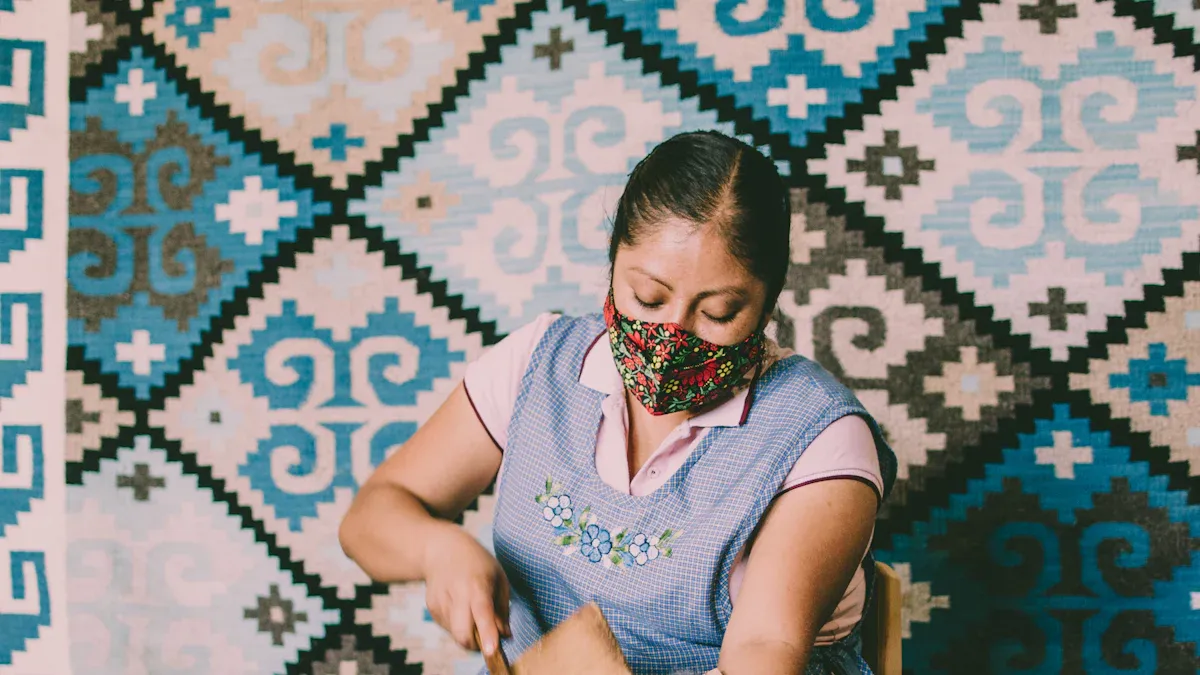
Mosaic knitting is worked in two colors, similar to the Fair Isle technique. The main difference between Fair Isle and mosaic knitting is that with the latter you work with just one color at a time. This means that mosaic knitting is much easier to master, particularly for less experienced knitters. Its special slip-stitch technique, coupled with alternating colors, can be used to produce geometric motifs and add visual depth to your knitted fabric.
You can make bold geometric shapes, repeating motifs, and even intricate color patterns. The slip stitches give your fabric a unique texture and look.
Pros and Cons
Advantages:
Mosaic knitting is one of the easiest colorwork techniques. You can start as a beginner.
You use the same color for two rows, so yarn does not tangle.
You often do not need a complex chart.
Disadvantages:
The designs are usually boxy and geometric, so you cannot make flowing shapes.
Each motif uses only two colors, which limits design complexity.
Best Uses
You can use mosaic knitting for many projects:
Scarves that show off bright colors and patterns
Hats with cozy, detailed designs
Blankets with large geometric or pictorial motifs
Sweaters that feature complex patterns
Hand vs Machine
You can knit mosaic patterns by hand or with a machine. Hand knitting gives you more control over slipped stitches and tension. Machines can speed up the process, but you must set up the slip-stitch rows carefully. Both methods let you enjoy the simple color changes and bold designs that mosaic knitting offers.
Tips
Practice slipping stitches with the yarn in the correct position to avoid visible floats.
Knit the wrong side rows in the same color as the previous row for a neat look.
Watch your tension. Make sure floats match the length of the stitches to prevent puckering.
Tip: Take your time with the first few rows. Once you get the rhythm, mosaic knitting becomes relaxing and fun.
Comparison
Summary Table
You can look at this table to see how Fair Isle, Intarsia, and Mosaic knitting are different. The table helps you pick the right method for your project. Each one makes its own special patterns and fabric.
Feature | Fair Isle | Intarsia | Mosaic |
|---|---|---|---|
Difficulty Level | Harder, takes practice | Easier for new knitters | Simple to learn |
Appearance | Repeating shapes and lines | Big, bright color areas | Geometric, slip-stitch designs |
Fabric Characteristics | Thick, warm, not very stretchy | Light, smooth, stretchy | Can be tight, thickness changes |
Yarn Handling | Yarn goes across the back | Drops yarn when colors change | Only one yarn at a time |
Project Types | Sweaters, hats, mittens | Blankets, scarves, picture knits | Scarves, hats, blankets |
Visual and Fabric Differences
Each colorwork style gives your project a different look and feel. You can use these differences to help you reach your project goals.
Fair Isle makes stripes and repeating shapes. The fabric is thick and warm because you carry yarn behind. These patterns are good for sweaters and hats that need warmth.
Intarsia lets you make big color blocks. The fabric is light and stretchy, like plain knitting. Use intarsia for pictures, shapes, or bold designs. This method is best when you want clear color changes.
Mosaic knitting uses slip stitches for patterns. You only use one yarn at a time, so it is easy to handle. The fabric can feel tighter than other styles. Mosaic patterns look bold and geometric, but you cannot make smooth shapes.
Fair Isle patterns have medium color clarity. Intarsia gives the clearest colors, so shapes stand out. Mosaic patterns have medium clarity, but the slipped stitches add texture.
Drape | Thickness | Color Clarity | |
|---|---|---|---|
Fair Isle | Not very bendy | Thick | Medium |
Intarsia | Stretchy | Like plain knit | High |
Mosaic | Can be tight | Changes | Medium |
Tip: Pick intarsia for soft fabric and clear shapes. Choose Fair Isle for warmth and classic looks. Try mosaic if you want easy colorwork with bold patterns.
Practical Considerations
When you choose a colorwork style, think about how you will knit and what you want your project to look like. Each method has its own needs and best uses.
Fair Isle is best for repeating patterns with two colors in each row. You must watch your tension and keep floats loose. This style makes thick, warm fabric, which is good for winter.
Intarsia lets you use many colors in one row. You drop the yarn when you change colors, so there are no floats. Keep your yarns neat to stop tangles. Intarsia is great for pictures or big shapes.
Mosaic knitting uses slip stitches for patterns. You only use one yarn at a time, so it is simple to handle. This style is good for beginners who want to try colorwork. Mosaic patterns are usually bold and geometric, but you cannot make smooth curves.
Think about your skill level and the tools you have. If you want to use a machine, Fair Isle and mosaic are easier to set up. Intarsia lets you make more shapes, but you must handle many yarns.
Note: Always pick the style that fits your project best. Think about how it will look, feel, and how much time you want to spend on yarn and finishing.
Use these tips to help you pick the best colorwork style for your next project. Try different patterns to see which one you like most. Each style gives you new ways to add color and texture to your knitting.
Choosing a Technique
Project Goals
You should start by thinking about what you want your project to do. Ask yourself if you need warmth, bold shapes, or a modern look. The way you plan to use your finished item helps you pick the best colorwork method. If you want a sweater that feels cozy, Fair Isle works well. If you want a blanket with big pictures, Intarsia fits your needs. Mosaic knitting gives you sharp, geometric patterns for scarves or hats.
Here is a table to help you match your project goals with the right technique:
Technique | Description | Ideal For |
|---|---|---|
Intarsia | Creates geometric shapes and motifs, with each color section worked independently. | Graphic designs and motifs |
Mosaic Knitting | Uses slipped stitches to create the illusion of two colors. | Modern aesthetics and geometric motifs |
Fair Isle | Uses two colors per row, with yarn carried behind the work. | Warm, patterned garments |
Slip Stitches Colorwork | Creates small motifs by slipping stitches with two yarn shades. | Simple colorwork designs |
Duplicate Stitches | Enhances colors by tracing stitch patterns with contrasting yarns. | Adding detail to existing patterns |
Tip: Write down your project goals before you choose a technique. This helps you stay focused and pick the best method for your design.
Yarn and Tools
Your yarn and tools change how each technique works. Thick wool yarns make Fair Isle patterns stand out and keep you warm. Smooth cotton yarns help Intarsia shapes look crisp. Mosaic knitting works with almost any yarn, but high contrast colors show the patterns best.
You need different tools for each method. For Fair Isle, you may want yarn guides to keep strands organized. Intarsia works better with bobbins or small balls of yarn for each color section. Mosaic knitting only needs two balls of yarn and your regular needles.
Fair Isle: Use wool or wool blends for warmth and elasticity.
Intarsia: Choose yarns that do not split easily. Use bobbins for neat color changes.
Mosaic: Pick yarns with strong color contrast. Regular needles work well.
Note: Always check your yarn label for recommended needle size. This helps you get the right fabric feel for your project.
Skill Level
Your experience with knitting helps you decide which technique to use. If you are new to colorwork, mosaic knitting is a good place to start. You only work with one yarn at a time, so it feels simple and less stressful. Fair Isle and Intarsia need more practice because you must manage multiple yarns and keep your tension even.
Colorwork knitting can seem complicated, but you will enjoy seeing your design appear row by row.
Intarsia lets you make detailed designs with finer yarns. This appeals to intermediate knitters who want a challenge.
Mosaic knitting is easy for beginners. You only use one strand at a time, so you do not have to worry about tangles.
Tip: Try a small project first, like a hat or a dishcloth, to practice a new technique. This helps you build confidence and skill.
Combining Methods
You do not have to stick to just one technique. You can mix Fair Isle, Intarsia, and Mosaic knitting in one project. For example, you might use Fair Isle for the border of a sweater and Intarsia for a picture in the center. Mosaic patterns can add texture to plain sections.
When you combine methods, plan your color changes and yarn management carefully. Make sure your yarn weights match so your fabric stays even. You may need to adjust your tension as you switch techniques.
Combine Fair Isle and Intarsia for sweaters with both borders and pictures.
Add mosaic sections to scarves for extra texture.
Use duplicate stitches to add small details after you finish knitting.
Callout: Mixing techniques lets you create unique designs. You can show off your skills and make your project stand out.
You can choose the best colorwork method by thinking about your project goals, yarn, tools, and skill level. Try combining techniques to make your knitting more creative and fun.
You now know how Fair Isle, Intarsia, and Mosaic knitting each create different looks and textures. Fair Isle works best for repeating patterns and warmth. Intarsia lets you make bold shapes and pictures. Mosaic gives you easy, geometric designs. Try each technique to see what you like. Mix them for unique results. Your project goals, yarn, and tools will help you choose the best method.
Explore new colorwork styles to grow your knitting skills and creativity!
FAQ
What is the easiest colorwork technique for beginners?
You will find mosaic knitting the easiest. You only use one yarn at a time. You do not need to manage floats or many yarns. This method helps you learn colorwork without stress.
Can you mix Fair Isle, Intarsia, and Mosaic in one project?
Yes! You can combine these techniques. Use Fair Isle for borders, Intarsia for pictures, and Mosaic for texture. Plan your color changes and keep yarn weights similar for the best results.
Why does my Fair Isle knitting pucker?
Puckering happens when you pull floats too tight. You should spread your stitches on the needle and keep floats loose. This helps your fabric stay flat and smooth.
How do you keep yarn from tangling in Intarsia?
Tip: Use bobbins or small yarn balls for each color section. Lay them out in order. Turn your work the same way each row. This keeps yarns from twisting and makes your knitting neater.