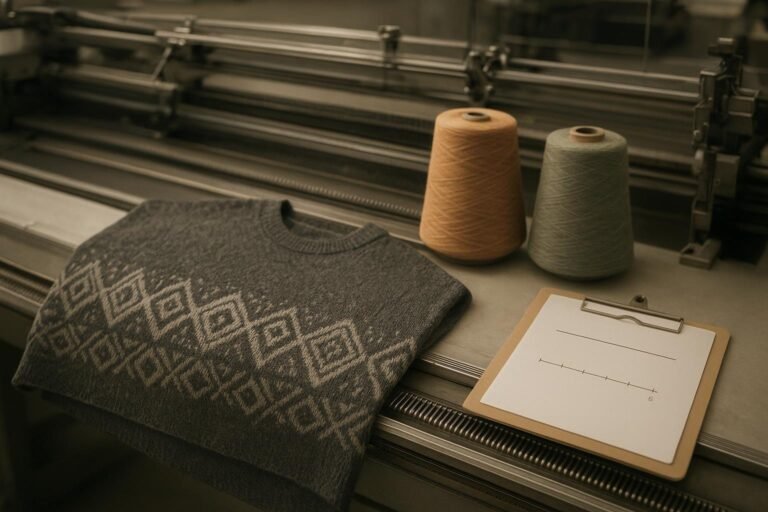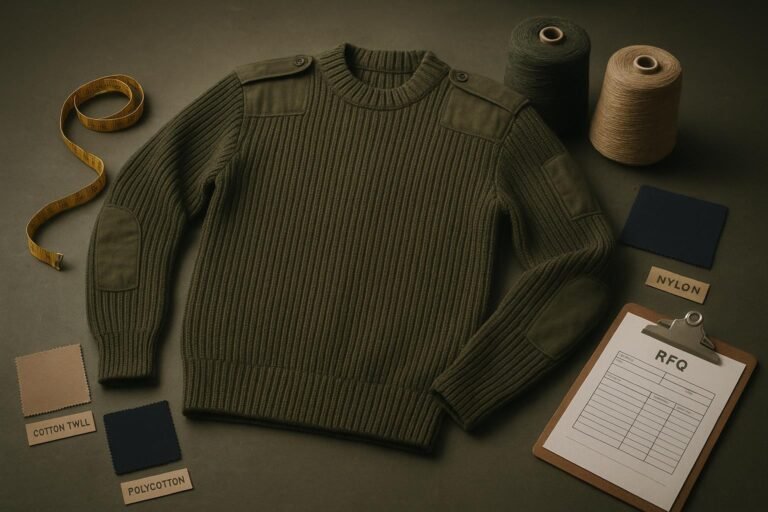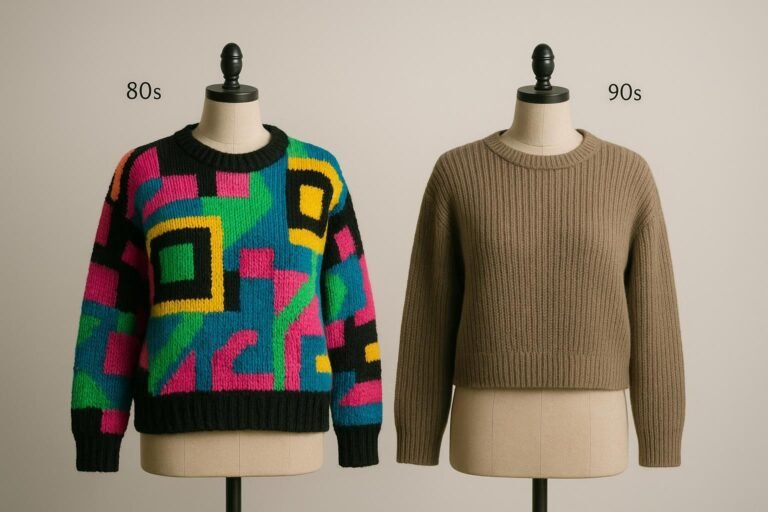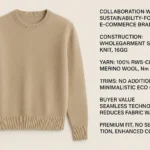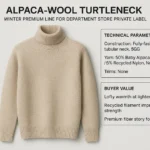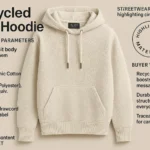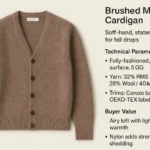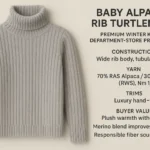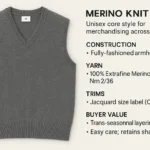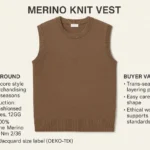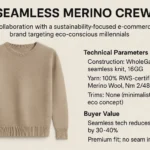

You want to turn your custom sweater design into real products quickly and easily. The key is to have a clear plan that outlines the custom sweater design to bulk production workflow. Here are the usual steps brands follow:
Step Number | Workflow Step |
|---|---|
1 | Product Development |
2 | Making Sample |
3 | Bulk Production |
4 | Worldwide Shipping |
5 | Photography |
6 | After-Sales Services |
By following each step in the custom sweater design to bulk production workflow, you ensure better quality, save time, and keep your customers satisfied.
Key Takeaways
Make a clear plan to move from design to bulk production. This helps you stay organized. It also helps you avoid surprises.
Talk often with your designer and manufacturer. Clear talking stops confusion. It keeps the project moving well.
Use digital design tools for mockups and tech packs. These tools make designing faster. They help lower mistakes.
Standardize your tech packs for consistent production. Detailed tech packs show manufacturers what you want.
Discuss minimum order quantities (MOQs) with manufacturers. Lower MOQs lower risk. They help you manage inventory better.
Use quality control at every step. Regular checks find problems early. They help make sweaters high quality.
Pick sustainable materials for eco-conscious customers. Sustainable choices can lower waste. They can also lower pollution.
Build strong relationships with suppliers and manufacturers. Good partnerships give better prices. They give faster service. They also improve quality.
Design Prep for Bulk Production
Designer Collaboration
Aligning Brand Vision
You want your sweaters to show your brand’s style. First, share your ideas and goals with your designer. Talk about who will wear your sweaters and what you want people to think about them. When you and your designer agree, you build a strong start for your project.
Make sure they can make your design and handle production.
Ask other brands for feedback about them.
Tell them what you expect for time, quality, and cost.
Trust between you, your designer, and your manufacturer helps you avoid problems later.
Streamlining Communication
Talking often helps your project stay on track. Plan regular meetings with your designer and manufacturer. Use easy words and share news often. If you want to change something, tell everyone right away. This helps you find problems early and keeps everyone working together.
Give clear drawings and details for each sweater.
Watch how things are going and ask questions if something seems wrong.
Be ready to change your plan if needed.
Digital Design Tools
Software Integration
Digital tools help you work faster and easier. You can make, change, and share designs in just a few minutes. Many tools let your team work together at the same time. This means you make fewer mistakes and get approvals faster.
Key Features | |
|---|---|
Dynamic Mockups | Make lots of mockups fast, keep designs in one place |
Canva | Easy drag-and-drop for all kinds of pictures |
Adobe Photoshop | Strong tools for editing images |
Printful | Simple Design Maker, no minimum order, works with online stores |
Kittl | Ready-made templates and easy changes with drag-and-drop |
Choose the tool that works best for you and helps you go from idea to sample fast.
Visualization Techniques
Show your designs with clear mockups. Use digital templates to see your sweater in different colors and sizes. This helps you find problems before you start making sweaters. Your team can give feedback right away, which saves time and money.
Tech Packs & Specs
Standardizing Print Placement
A tech pack is like a map for making your sweaters. It has all the details your manufacturer needs. When you make print placement the same for pile of sweaters, they all look alike. This means fewer mistakes and your brand looks the same every time.
Tech packs make talking easier.
They help you make fewer mistakes and save money.
You get better sweaters every time.
Simplifying Color Choices
Using too many colors can slow things down and cost more. Pick a few colors for your big order. This makes it easier for your manufacturer and speeds things up. You also use less material, which is good for the planet.
They stop you from making too many changes.
You launch on time and help the environment.
Tip: The more details you put in your tech pack, the easier bulk production will be.
Custom Sweater Design to Bulk Production Workflow
Workflow Overview
Key Steps from Concept to Production
You need a simple way to go from idea to sweater. The custom sweater design to bulk production workflow helps you stay organized. It stops surprises from happening. Here are the steps you should follow:
Finalize Your Design
Work with your designer to finish every detail. Use digital tools to make mockups and tech packs.Prepare Tech Packs
Collect all specs, measurements, and print placements. Make sure your manufacturer understands everything.Sample Creation
Ask your manufacturer to make a sample. Check the fit, colors, and details. Give feedback and approve the sample.Bulk Production
After you approve the sample, start making sweaters. Talk with your manufacturer to check progress.Quality Control
Look at the sweaters for mistakes. Use clear rules and check each batch.Shipping and Fulfillment
Plan how to send sweaters to customers. Track deliveries and fix problems quickly.
This custom sweater design to bulk production workflow helps you stay in charge. You can find problems early and fix them fast.
Integrating Design and Manufacturing
Your design and manufacturing teams need to work together. When you connect these steps, you save time and make fewer mistakes. AI tools can help a lot. AI can make tech packs quickly. It finds stitch types and measurements from digital models. You get clear instructions for your factory in minutes.
Aspect | Benefit of AI Automation |
|---|---|
Lead Time | Tech packs are made in minutes, not days. |
Human Error | AI makes fewer mistakes with standard instructions. |
Specification Generation | AI finds stitch types and measurements automatically. |
AI helps with quality control too. Automated systems watch the knitting process. They spot problems like dropped stitches right away. You get better sweaters and fewer mistakes.
Order Prioritization
Scheduling Large Orders
You want big orders to go well. Talk with your manufacturer about your timeline. Share your sales plan and order sizes. This helps your factory plan your order. Ask for updates and change your plan if needed.
Make a calendar for each step.
Set deadlines for design, samples, and production.
Check in often to keep things moving.
Managing Production Timelines
You need to keep your project on track. Use a chart or spreadsheet to follow each stage. If you see delays, talk to your team fast. Quick action stops bigger problems later.
Tip: Split your order into smaller batches if you can. You can ship finished sweaters sooner and find problems before making all sweaters.
Minimum Order Quantities (MOQ)
Negotiating with Manufacturers
Factories set minimum order quantities to work better. The MOQ changes with your design, fabric, and order size. If you want a lower MOQ, talk to your manufacturer early. Show your long-term plan or use their stock fabrics. This can help you get a better deal.
Factor | Description |
|---|---|
Harder designs need higher MOQs. | |
Fabric Choice | Stock fabrics lower MOQs. Custom fabrics raise them. |
Production Efficiency | Factories need minimums to work well. |
Size Consumption | Bigger sizes use fabric less well, so MOQ goes up. |
Economies of Scale | Bigger orders cost less per sweater, so factories set MOQs to balance costs. |
Negotiating your MOQ helps you save money. If you get a lower MOQ, you make fewer sweaters you might not sell. You keep less inventory and your money safe.
Cost-Effectiveness Strategies
You want the best price for your sweaters. The custom sweater design to bulk production workflow helps you save money by planning ahead. When you order more, you pay less for each sweater. But don’t make too many. Find the right amount for your brand.
Use simple designs to keep MOQs low.
Pick common fabrics to avoid extra costs.
Work with your manufacturer to find the best order size.
Negotiating your MOQ helps you get better prices and lowers your risk. You can launch new designs with less worry and more control.
Note: The custom sweater design to bulk production workflow works best when you plan each step, talk often with your partners, and use smart tools to go faster.
Sourcing Materials & Printing Methods
Supplier Selection
Material Quality Comparison
You want sweaters that look nice and last long. Start by picking the best materials. Each fabric feels different and costs a different amount. Some are soft, some are strong, and some are fancy. Here’s a quick chart of common choices:
Material Type | Quality Characteristics | |
|---|---|---|
Polyester | $3–$7 | Cost-efficient, versatile |
Nylon | $4–$8 | Durable |
Rayon | $4–$12 | Semi-synthetic, varies with type |
Cotton-Polyester Blend | $6–$12 | Enhanced functionality, varies with composition |
Silk-Cotton Blend | $15–$30 | Luxurious feel, smooth finish |
Wool | $15–$70 | Warmth, durability, varies with type |
Velvet | $5–$200 | Plush, elegant appearance |
Specialty Fabrics | $8–$110 | Unique textures, higher quality |
Pick a fabric that fits your budget and style. If you want something soft and fancy, silk-cotton blends or wool are good. For everyday sweaters, polyester or blends cost less.
Sustainable Sourcing
You can help the earth by picking better materials. Many brands use organic cotton, hemp, or recycled fabrics now. These choices make less waste and pollution. Here’s a quick chart:
Material Type | Description | Benefits |
|---|---|---|
Organic Cotton | Grown without synthetic pesticides or fertilizers. | Reduces chemical pollution. |
Hemp | Needs less water and no pesticides. | Sustainable and durable. |
Tencel | Made from wood pulp. | Biodegradable and eco-friendly. |
Recycled Fabrics | Made from post-consumer waste. | Cuts down on waste and pollution. |
Biodegradable Fabrics | Break down naturally over time. | Lowers long-term impact. |
Look for certifications like OEKO-TEX® Standard 100 or ISO 9001. These show your supplier cares about safety and quality. Ask if they have BSCI or SMETA audits to make sure workers are treated fairly.
Printing Techniques
Choosing the Right Method
You want your sweater designs to look great. The printing method you pick is important. Some are better for big orders, others for small or detailed art.
Printing Technique | |
|---|---|
Screen Printing | Great for bulk, strong designs, works on many fabrics |
Rotary Screen Printing | Fast, good for repeating patterns, efficient for mass orders |
Direct-to-Garment (DTG) | Best for detailed art, quick setup for small batches |
Screen printing and rotary screen printing save money on big orders. DTG is good for lots of colors or small runs.
Balancing Cost and Quality
You need to think about price and how the print looks. Here’s how the methods compare:
Printing Method | Quality Characteristics | |
|---|---|---|
DTF (Direct to Film) | Good price | Bright colors, stretches well, resists cracking |
DTG (Direct to Garment) | Slower for big jobs | Soft, vivid prints, great for complex designs |
Sublimation Printing | Varies | Fade-proof, lasts long, best for polyester |
Vinyl (Heat Transfer) | Cheap for simple | Crisp prints, but may crack or peel over time |
To save money, use screen or DTF for simple art. For detailed art, DTG or sublimation looks best.
Inventory & Lead Times
Managing Stock Levels
You don’t want to run out of sweaters or have too many. Use just-in-time systems to keep only what you need. Work with more than one supplier so you don’t get stuck if one is late.
Track your materials and finished sweaters.
Order only what you need for each batch.
Teach your team to spot problems early.
Coordinating Deliveries
You need to know how long each step takes. Good planning helps you finish on time. Use a calendar to track when materials come and when sweaters ship. Stay in touch with your suppliers and ask for updates.
Tip: Good supplier relationships and clear schedules help your production go smoothly and keep your customers happy.
Manufacturing & Scaling Up
Partner Evaluation
Assessing Capabilities
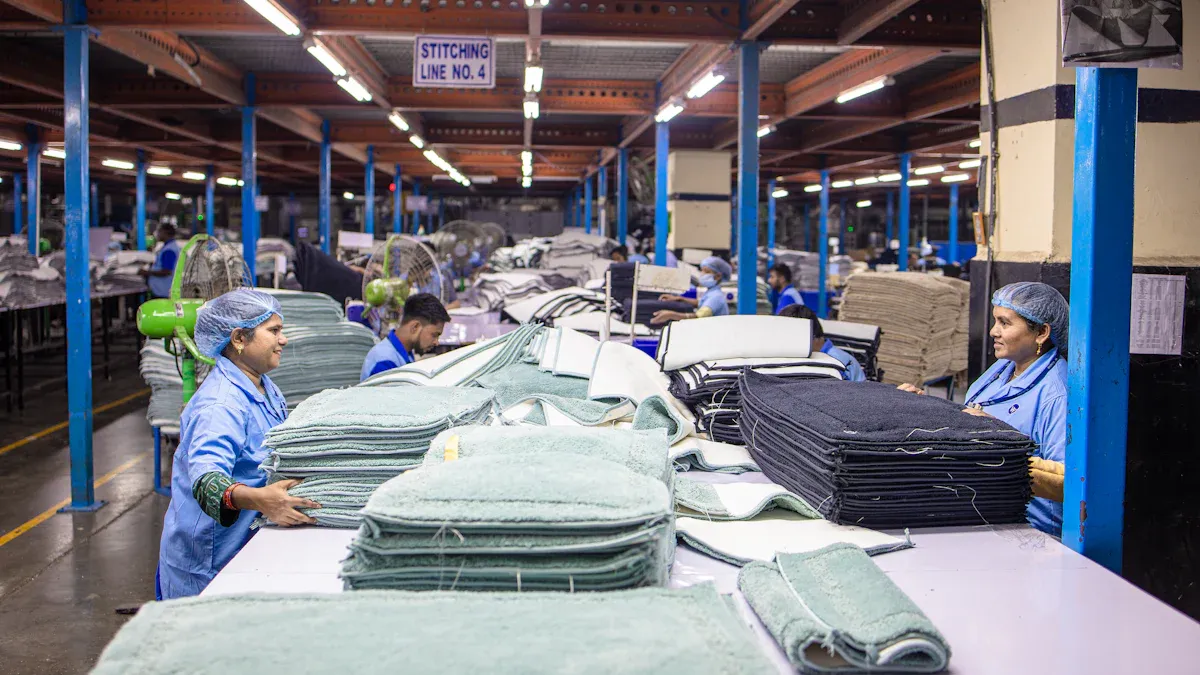
You want a manufacturer who can handle your sweater project from start to finish. Start by visiting their factory if you can. Look at their machines and see if they use modern equipment. A clean and organized sample room shows they care about quality. Watch how the workers move and how the workflow goes. Good factories run smoothly and treat workers well. This means you get better sweaters.
Here are a few things to check:
Ask for business licenses and production certificates.
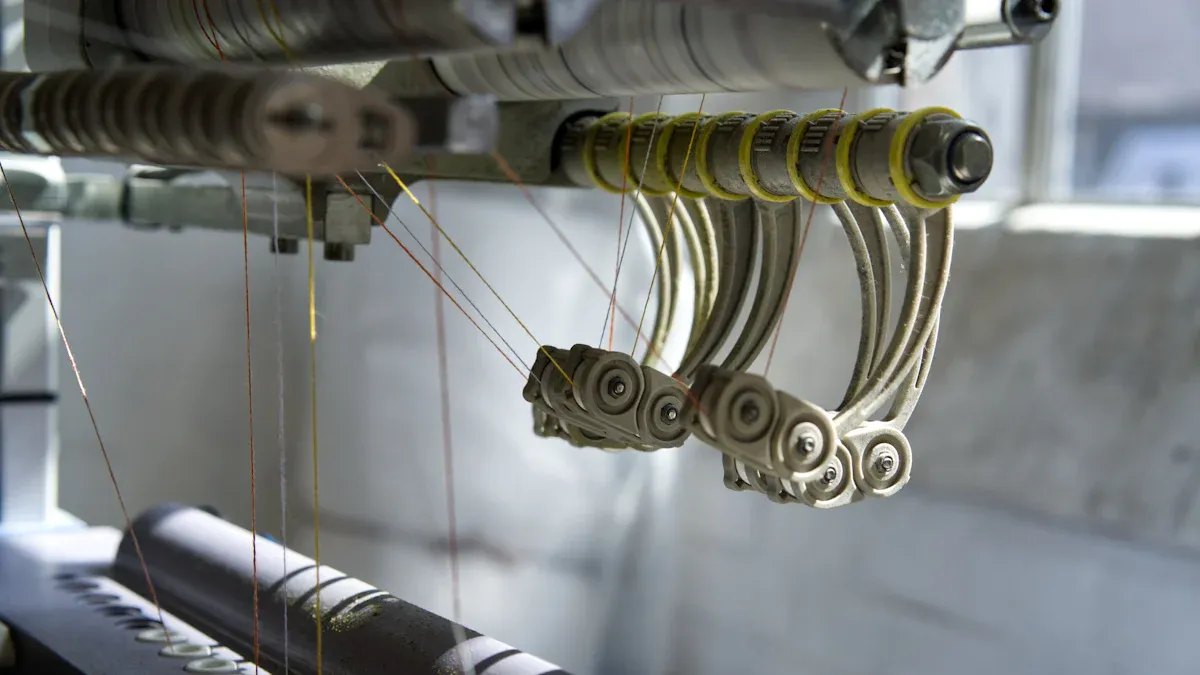
Look at their knitting machines and sample room.
Make sure they have experience shipping to your country and follow local rules.
Reviewing References
You should always ask for references. Talk to other brands who have worked with the factory. Ask if the factory delivered on time and if the sweaters matched the samples. Find out if there were any hidden costs or problems. A good partner will be open and share this information.
Here’s a quick checklist for picking the right partner:
Make sure costs and timelines are clear.
See if they can handle changes without slowing down.
Look for a partner who helps improve your designs.
Check if they use ethical and sustainable practices.
Ask if they can make both small and large orders with the same quality.
Sampling & Prototyping
Sample Approval
Sampling is a key step before you make lots of sweaters. You want to see and feel a real sample. This helps you catch mistakes early. There are different types of samples, and each one has a job.
Sampling Type | Purpose | Importance in Quality Assurance |
|---|---|---|
Fit Sample | Confirms fit and design details | Reduces mistakes before mass production |
Pre-Production Sample | Checks quality, labeling, and packaging from actual bulk production | Ensures production matches approved specifications |
Bulk Sample | Serves as a final benchmark for quality control | Guarantees consistency across bulk orders |
Iteration Process
You might need to make changes after seeing the first sample. This is normal. You and your manufacturer will go back and forth, making small changes until the sweater is just right. This process saves time and money because you fix problems before making a big batch. Each new sample should get closer to your final vision.
Sampling reduces risks.
It saves time.
It keeps your sweaters looking the same in every order.
Production Agreements
Timelines & Payment Terms
You need a clear agreement before starting bulk production. Write down how many sweaters you want and when you need them. Set payment rules, like how much you pay up front and when you pay the rest. Link payments to delivery and quality checks. This keeps everyone on the same page.
Quality Control Measures
Your agreement should also cover quality. List the materials you want and the standards for each one. Set rules for how the factory checks quality. Add details about working conditions to make sure the factory treats workers fairly. When you set these rules early, you avoid problems later and get sweaters you can be proud of.
Tip: A strong agreement protects your brand and helps you build a long-term partnership with your manufacturer.
Quality Control & Consistency
Setting Standards
Inspection Protocols
You want every sweater to be perfect. Good inspection rules help you find problems early. There are three main times to check quality:
Quality Control Stage | Description |
|---|---|
Pre-production Inspection | Look at fabric and samples before making sweaters. Make sure everything matches your standards. |
In-process Checks | Watch workers as they sew. Catch mistakes in stitching or size right away. |
Post-production Evaluation | Check finished sweaters for problems. Test the fit before sending them out. |
There are different ways to inspect sweaters. Some brands check every sweater. Others pick a few at random. For big orders, you might use AQL to set how many mistakes are okay. You can also hire outside experts to check your sweaters.
Inspection Method | Description |
|---|---|
Random Sampling | Pick some sweaters from each batch to check for issues. |
AQL (Acceptable Quality Level) | Decide how many mistakes you will allow in a batch. |
100% Inspection | Check every sweater, usually for special or expensive orders. |
Third-Party Inspections | Get outside experts to make sure your sweaters are good. |
Tip: Make a checklist for inspections. Write down things like material, weight, size, color, markings, and labels.
Consistency Checks
You want all sweaters to look the same. Consistency checks help you spot differences. Use your tech pack to guide you. Compare each batch to your approved sample. If you see a problem, stop and fix it fast.
Check color and how the fabric feels.
Measure sizes and compare to your chart.
Look at labels and markings for mistakes.
Handling Defects
Returns Management
Sometimes, mistakes happen. You need a plan for returns. Common problems are stains, wrong colors, color bleeding, or shrinking. These can come from dyeing, sewing, or storage mistakes.
Type of Defect | Examples of Causes |
|---|---|
Fabric Quality Issues | Color changes, weaving problems, shrinking |
Improper Cutting & Stitching | Patterns don’t match, missed stitches, wrong seams |
Operator Errors | Bad thread tension, poor finishing |
Machine Malfunctions | Old needles, wrong tension, broken machines |
Lack of Process Control | No checkpoints, bad sampling, lost tracking |
If you find a defect, tell your manufacturer right away. Decide if you want to fix, replace, or return the sweaters. Keep records of returns and reasons. This helps you see patterns and avoid the same mistakes next time.
Continuous Improvement
You can always make things better. After each order, look at your inspection results. Find trends in mistakes or delays. Share feedback with your team and manufacturer. Try new tools or methods if you see the same problem again.
Update your tech pack with new ideas.
Teach your team what to look for.
Celebrate when you reach your quality goals! 🎉
Note: Quality control is not just about finding mistakes. It helps you build trust with customers and make sweaters you feel proud to sell.
Logistics & Fulfillment
Shipping Coordination
Choosing Partners
You want your sweaters to reach customers safely and on time. Picking the right shipping partners makes a big difference. Look for companies with experience in apparel. They know how to handle sweaters and keep them in good shape. Many brands use a network of fulfillment centers across the country. These centers have special rooms for clothes. They control the temperature and keep sweaters from getting wrinkled. This care means fewer returns and happier customers.
You should also check if your partner offers both standard and express shipping. Some customers want their sweaters fast. Others are okay with waiting a bit longer. Give them choices. Make sure your partner uses strong packaging. Sweaters need protection during travel.
Tip: Ask your shipping partner how they handle lost or damaged packages. Good partners have clear plans for these problems.
Tracking Deliveries
You want to know where your sweaters are at all times. Use tracking systems that show real-time updates. This helps you spot delays and fix problems quickly. Many fulfillment centers use barcodes or RFID tags. These tools let you track each sweater from the warehouse to the customer’s door.
Here’s a quick table of best practices for shipping and delivery:
Category | Best Practices |
|---|---|
Warehouse Organization | Sort sweaters by size for quick picking. Use barcodes for tracking. |
Delivery Management | Monitor shipments in real time. Offer express and standard delivery. |
Packaging | Use strong boxes or bags to protect sweaters. |
Records | Keep dispatch dates and tracking numbers handy. |
Inventory Management
Bulk Order Handling
Managing lots of sweaters can feel tough, but you can make it easy. Use automated systems for picking, packing, and shipping. These tools save time and cut down on mistakes. Track your inventory by size, color, and style. This helps you know what you have and what you need to order.
Many brands use just-in-time ordering. You only keep what you need in stock. This saves money on storage. But always keep a little extra of your best-selling sizes. You don’t want to run out when demand is high.
Set smart reorder points for each size and color.
Do regular stock audits to catch mistakes early.
Track key numbers like turnover rates and out-of-stock times.
Note: Real-time inventory tracking helps you avoid surprises and keeps your customers happy.
International Shipping
Shipping sweaters to other countries brings new challenges. You need to know the rules for each place. Some countries have special taxes or paperwork. Work with partners who know how to handle customs. They can help you avoid delays.
Use tracking systems that work worldwide. This way, you and your customers can see where the sweaters are at any time. Choose packaging that protects sweaters from long trips and different weather.
Sync your inventory across all sales channels.
Automate reordering based on sales and vendor rules.
With the right systems and partners, you can ship sweaters anywhere in the world with confidence. 🌍
Streamlining & Avoiding Pitfalls
Common Mistakes
Design Complexity Issues
It is fun to make a special sweater. But too many details can cause problems. Complicated designs often lead to mistakes when making many sweaters. Here are some mistakes you should watch for:
Picking the wrong fabric changes how your sweater feels and looks.
Not thinking about your audience means people may not like your sweater.
Adding lots of design parts makes it hard for factories to copy your sweater.
Bad color choices can make your brand look worse.
Using cheap printing can make designs fade or peel.
Putting graphics in the wrong place makes sweaters look messy.
Forgetting about making more sweaters later limits your choices.
Hard-to-read fonts make your message confusing.
Not checking for mistakes can cost you money.
Skipping a test print before big orders can lead to expensive problems.
Tip: Always send artwork files that are high quality (at least 300 dpi). Bad images slow down work and cost more to fix.
Production Delays
Delays in making sweaters can upset you and your buyers. Delays happen if you miss deadlines or give unclear instructions. Not checking samples can also cause problems. If you send the wrong files, factories need extra time to fix them. Always check your tech packs and artwork before sending. Talk often with your manufacturer to find problems early and keep things on schedule.
Efficiency Tips
Workflow Automation
You can save time and stop mistakes by using automation tools. These tools help you track each step, manage jobs, and keep everyone updated. Here is a table with features that help:
Feature | Description |
|---|---|
Real-Time Tracking | See updates for every stage of production. |
Time and Action Calendar | Manage deadlines and tasks visually. |
Centralized Communication | Keep all messages in one place for easy access. |
Automated Reporting | Get instant reports on progress and quality. |
Vendor Management | Check how suppliers perform using dashboards. |
Compliance Tracking | Make sure you follow industry rules. |
Improved Efficiency | Automate manual tasks to speed up production. |
Enhanced Quality Control | Monitor quality in real time to catch errors fast. |
Cost Savings | Spot issues early and save money. |
Better Decision-Making | Use data to plan smarter. |
Scalability | Grow your business without losing efficiency. |
Note: Automation helps you avoid delays and keeps your sweaters looking good.
Building Long-Term Relationships
Good relationships with suppliers and manufacturers make things easier. Partners who know what you need give better prices and faster service. Some suppliers offer free embroidery digitization for big orders or cheaper shipping. You can mix orders to avoid extra fees and too much stock. Checking your process and bills often helps you find ways to save money.
Pick partners who have a history of good quality and delivery.
Talk clearly and often.
Find suppliers who help you grow and solve problems.
If you build trust and keep working together, your sweater business will do well and get bigger over time. 😊
You can go from custom sweater design to bulk production if you have a good plan. Here are the main steps you should follow:
Step | Description |
|---|---|
Design and Pattern Making | Make ideas and patterns for your sweaters. |
Yarn Selection | Choose yarn for color, weight, and how it’s made. |
Yarn Preparation | Get yarn ready by winding, dyeing, and checking it. |
Knitting | Knit sweater pieces to match your plans. |
Assembling and Linking | Put the pieces together to make a sweater. |
Finishing Touches | Add ribbing and check the quality. |
Quality Control and Inspection | Make sure every sweater is up to your standards. |
Packaging and Distribution | Pack and send sweaters to your customers. |
To keep things working well, try these ideas:
Use inventory software so you always know what you have.
Plan your production before you begin.
Check the quality at each step.
Use technology to work faster.
Always look for ways to do better.
Want to work faster and help the earth? Try new ways like low-pressure relaxation. You will use less energy, finish sooner, and make sweaters that look and feel nice. Start using these tips now and watch your sweater business grow! 🚀
FAQ
How do you start designing custom hoodies for bulk production?
First, draw your hoodie ideas and pick some colors. Make digital mockups to see how they look. Show your designs to your manufacturer so they know what you want. Use clear tech packs so everyone understands your plan.
What is the print-on-demand model, and should you use it?
Print-on-demand means you sell hoodies without storing them. You upload your design, and the supplier prints each order as it comes. This is good if you want to try new styles or avoid spending a lot of money at first.
How do you choose the right fabric for your custom hoodie business?
Think about comfort, how long it lasts, and the price. Cotton blends are soft and strong. Ask your supplier for fabric samples to check. Test each fabric before you order a lot.
What steps help you avoid mistakes in bulk hoodie production?
Check samples before making lots of hoodies. Use clear tech packs for instructions. Talk often with your manufacturer to catch problems early. Watch each step and fix issues fast.
How can you keep your hoodie designs consistent in every batch?
Use detailed tech packs and approved samples for every order. Compare each batch to your sample to spot differences. Check colors, stitching, and labels to make sure they match. Consistency helps your customers trust your brand.
What makes a successful hoodie business stand out?
Focus on making quality hoodies and delivering them quickly. Create unique designs that people like. Build good relationships with your suppliers. Listen to your customers and keep making your products better.
How do you handle returns or defects in bulk hoodie orders?
Set clear rules for returns so everyone knows what to do. Check each batch before you ship it out. If you find a problem, tell your manufacturer right away. Keep notes about issues to help stop them from happening again.
Can you scale up your hoodie business quickly?
You can grow fast by using automation and working with good suppliers. Plan your inventory so you don’t run out. Use software to track your orders. Stay ready to change your process if you need to.