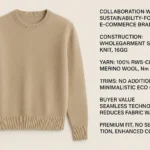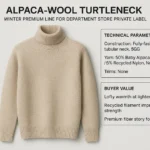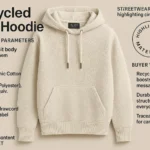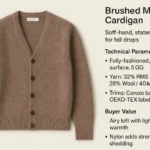


You may ask why EcoVero Viscose is special. This fabric comes from certified renewable wood sources. It is made with a closed-loop production process. This means it uses less water and fewer chemicals. EcoVero Viscose has the EU Ecolabel. This shows it is better for the environment than regular viscose. You can track its path from forest to fabric. This helps you trust its eco-friendly beginnings.
Key Takeaways
EcoVero Viscose is made from wood that grows back. The wood comes from forests that are certified. This makes EcoVero Viscose a good choice for the planet. The way it is made uses less water and fewer chemicals. This helps the environment by causing less harm. EcoVero Viscose has the EU Ecolabel. This label shows it follows tough rules for the environment. You can track EcoVero Viscose from the forest to the fabric. This lets you know it is truly eco-friendly. Picking EcoVero Viscose can cut carbon emissions by half. This is better than regular viscose. The fabric feels soft and lets air pass through. It is comfy and good for daily use. EcoVero Viscose can break down on its own. This means it helps cut down on waste. When you shop, look for the LENZING™ ECOVERO™ label. This helps you buy real EcoVero Viscose.
What Is EcoVero Viscose

Definition & Features
You might wonder why EcoVero Viscose is different. This fabric comes from wood pulp that follows tough rules for sustainability. It feels soft and light when you wear it. Your clothes stay fresh because it does not wrinkle or pill easily. The fibers soak up water well. They help your skin stay cool and breathe. You can find EcoVero Viscose in many clothes. It is used for blouses, dresses, and activewear.
Here is a table with special features and certifications:
Feature/Certification | Description |
|---|---|
Sustainable Source | Made from sustainable wood pulp from FSC- or PEFC-certified forests in Europe. |
Chemical Recovery | Almost all chemicals used in production are recovered and reused. |
Chlorine-Free Bleaching | The bleaching process of the wood pulp is chlorine-free. |
Emissions and Resource Use | Responsible for 50% fewer emissions and less water and energy use compared to regular viscose. |
Certification | Certified with the European Ecolabel. |
Unique Properties | Soft, light, comfortable, slightly shiny, water-absorbent, anti-bacterial, resistant to wrinkling and pilling. |
Breathability | Good at regulating moisture absorption and release, making it breathable. |
Applications | Used in various garments including blouses, shirts, suits, coats, dresses, activewear, and home decor. |
Tip: If you want a fabric that feels nice and is good for the earth, EcoVero Viscose is a smart pick.
How It’s Made
EcoVero Viscose starts with wood from forests that are managed well. The wood pulp goes through a process that saves water and energy. Most chemicals used are cleaned and used again. The bleaching step does not use chlorine. This helps keep nature safe. You can follow the fiber’s path from the forest to your closet. This makes you sure about its eco-friendly story.
EcoVero Viscose vs. Regular Viscose
You may wonder how EcoVero Viscose is different from regular viscose. Here are some main differences:
EcoVero Viscose uses wood from certified, sustainable places. Regular viscose may not use certified wood.
Making EcoVero Viscose uses less water and energy. Regular viscose often uses much more.
You can track EcoVero Viscose fibers from start to finish. Regular viscose does not always let you do this.
EcoVero Viscose breaks down fully. Regular viscose may not always do this.
Regular viscose needs lots of water and energy to make. It can create dirty water that hurts people and nature. EcoVero Viscose follows strict rules to lower harm. You help protect the planet when you choose this fabric.
EcoVero Viscose Sustainability

Responsible Sourcing
Certified Wood Pulp
It is important to know where your clothes come from. EcoVero Viscose uses wood pulp from forests with strict rules. These forests have special certifications like FSC and PEFC. These groups make sure forests stay healthy for animals and people. When you pick EcoVero Viscose, you help forests grow back. You also help protect the planet.
Traceability
You can trust EcoVero Viscose because you can track its path. The company has strong systems to show where the wood comes from. Here is how traceability works: You can follow the fiber from the forest to the finished product. The wood comes from forests with the EU Ecolabel. The wood is always FSC or PEFC certified, so it meets high standards. Lenzing, the maker, gives you a clear supply chain. You can see where the raw materials start.
Note: Traceability helps you make smart choices. You know your clothes come from a good place.
Eco-Friendly Production
Lower Emissions
EcoVero Viscose helps the planet by making less pollution. The process creates up to 50% fewer emissions than regular viscose. The factory uses a closed-loop system. This means it recycles water and chemicals. Less waste goes into the air and water.
Up to 50% lower emissions than regular viscose.
Closed-loop system recycles chemicals and water to cut pollution.
Water Efficiency
You help save water when you choose EcoVero Viscose. The process uses much less water than regular viscose. The factory cleans and reuses water many times. This keeps rivers and lakes cleaner. It also saves water for people and animals.
Lifecycle Impact
EcoVero Viscose is special because it has a low impact on the earth. The fabric comes from certified wood and follows strict rules. The whole process, from making the fiber to breaking it down, uses at least 50% less carbon and water than regular viscose. This means you help lower pollution and save resources when you pick EcoVero Viscose.
Certifications & Standards
EU EcoLabel
You can trust EcoVero Viscose because it has the EU EcoLabel. This label means the fabric follows tough rules for the environment. The EU EcoLabel checks every step, from the forest to your closet. You know the fabric you pick is better for the planet.
The EU EcoLabel looks at the whole process, from wood to fabric.
It makes sure making the fabric is good for nature.
The label covers getting wood, making fabric, shipping, and throwing it away.
Only products with a much smaller impact get this label.
When you see the EU EcoLabel on EcoVero Viscose, you know it meets high standards. The label means the fabric uses less water, energy, and chemicals. You help the earth every time you buy something with this certification.
Tip: Look for the EU EcoLabel when you shop. It helps you make smart choices for the planet.
FSC & PEFC
You want to know where the wood in your clothes comes from. EcoVero Viscose uses wood pulp from forests with strong certifications. The Forest Stewardship Council (FSC) and the Programme for the Endorsement of Forest Certification (PEFC) check forests for good care. These groups make sure forests stay healthy for animals, plants, and people.
FSC and PEFC certifications mean the wood comes from forests that grow back.
These forests protect animals and respect local people.
You support good forestry when you choose EcoVero Viscose.
You can feel good about your clothes. The wood in EcoVero Viscose does not come from endangered forests. It comes from places that follow strict rules for care and renewal.
Third-Party Verification
You do not have to believe only the manufacturer. Outside groups check EcoVero Viscose to make sure it meets all claims. Third-party verification means experts look at the process and materials. They confirm the fabric follows rules for safety and sustainability.
Third-party checks add more trust.
These experts review the supply chain, chemicals, and the effect on nature.
You get proof that EcoVero Viscose is as eco-friendly as it says.
Note: Third-party checks help you shop with confidence. You know you are making a choice that is better for the earth.
When you see these certifications and standards, you know EcoVero Viscose is special. You get a fabric that is safe for you and gentle on the planet.
Environmental Benefits
Reduced Carbon Footprint
When you pick EcoVero Viscose, you help the earth. Making this fabric causes less pollution than regular viscose. Factories use special systems to lower greenhouse gases. Each time you buy it, you help make the air cleaner and the world healthier.
EcoVero Viscose makes 50% less greenhouse gas than regular viscose.
The process uses half the carbon of normal viscose.
This way of making fabric means less pollution and cleaner air.
🌱 If you choose EcoVero Viscose, you help fight climate change. Every piece of clothing you buy makes a difference.
Water Conservation
Wearing EcoVero Viscose helps save water. Factories use less water and clean it to use again. This helps keep rivers and lakes clean. You help protect water for people, animals, and plants.
EcoVero fibers need at least 50% less water than regular viscose.
The closed-loop system saves water and other resources.
Factories follow strict EU Ecolabel rules for water use.
The wood comes from FSC or PEFC forests that also protect water.
You support brands that care about saving water. The process keeps water clean and cuts down on waste. You help save water for the future.
💧 When you pick EcoVero Viscose, you help use water wisely. You help keep nature healthy and strong.
Chemical Impact
Choosing EcoVero Viscose helps you and the planet. The way it is made recovers and reuses almost all chemicals. Factories do not use toxic chemicals that can hurt people or nature. Your clothes are made with care and safety.
EcoVero Viscose uses a process that recovers and reuses most chemicals.
Regular viscose uses toxic chemicals like carbon disulfide, which can cause health problems like heart disease, birth defects, skin issues, and cancer.
EcoVero uses 50% less water and half the carbon of regular viscose.
You avoid bad chemicals in your clothes. The process keeps water and air cleaner. You help make the world safer for workers and communities.
🛡️ EcoVero Viscose lets you make safer choices. You wear clothes that are gentle on your skin and good for the earth.
EcoVero Viscose helps you care for the planet. You lower your carbon footprint, save water, and avoid harmful chemicals. Every choice you make helps build a cleaner, safer future.
Consumer Benefits
Comfort & Quality
You want your clothes to feel nice every day. EcoVero Viscose feels soft and smooth on your skin. Many people think it is like silk but easier to wash. You can wear it all day and feel good. The fabric lets air move, so you stay cool and dry. If your skin is sensitive, you will not feel itchy. The fabric is gentle and smooth.
EcoVero Viscose is soft and silky, so you feel comfy.
The fabric keeps you cool and dry by moving sweat away.
It lets your skin breathe, so you feel fresh.
The smooth fabric helps stop your skin from getting irritated.
It feels light and fancy, great for wearing every day.
😊 You get comfort and style with EcoVero Viscose.
Transparency
You should know where your clothes come from. EcoVero Viscose makes it easy to trust what you wear. The supply chain is open and easy to check. You can follow the fibers from the forest to your clothes. This helps you feel sure about your choices.
Theme | Description |
|---|---|
Sustainable Wood Sources | EcoVero fibers come from FSC® or PEFC® certified renewable wood sources. |
Ecological Production Process | The process uses less water and makes less pollution than regular viscose. |
Supply Chain Transparency | You can see if EcoVero fibers are in your clothes, so you know they are sustainable. |
🔍 You can look at tags and info to see if your clothes use EcoVero Viscose.
Sustainable Choices
You help the earth when you pick EcoVero Viscose. Making this fabric uses less water and energy. Factories use resources that can be replaced and handle chemicals with care. The fabric breaks down on its own, so it does not hurt nature when you are done with it. You also help keep forests healthy and water clean.
Benefit Type | Percentage Reduction | What This Means for You |
|---|---|---|
Water Usage | 48% | You help save almost half the water compared to regular viscose. |
Energy Consumption | 28% | You support factories that use less energy and more renewable resources. |
Eutrophication | 34% | You help keep rivers and lakes healthy by reducing nutrient runoff. |
Chemical Use | 11% | You choose clothes made with safer chemicals for people and nature. |
Forest Management | N/A | You support forests that grow back and protect wildlife. |
Biodegradability | N/A | Your clothes break down naturally, helping the earth stay clean. |

🌎 When you choose EcoVero Viscose, you help yourself and the planet.
For Brands & Retailers
Adoption in Fashion
More brands are picking EcoVero Viscose for their clothes. Many fashion companies want to show they care about the earth. They use EcoVero fibers in shirts, dresses, and jeans. You can see these brands talk about their eco-friendly choices in stores and online. They want you to know your clothes come from better places.
Some brands use EcoVero Viscose in lots of products. They care about clear supply chains and good sourcing. You can find these brands in fancy and regular stores. When you shop, you might see EcoVero labels on tags and descriptions. This helps you pick clothes that are better for the planet.
🌱 Brands using EcoVero Viscose care about the earth and about you.
Marketing EcoVero
Brands use different ways to tell you about EcoVero Viscose. They want you to trust their products and feel good buying them. Many brands talk about being sustainable in ads and on social media. They say they use less water, fewer chemicals, and renewable wood. Some brands even show how the fabric goes from forest to store.
Here is a table with examples of how brands talk about EcoVero Viscose:
Brand Name | Strategy Description |
|---|---|
Lenzing | Focuses on sustainability and transparency in the supply chain. |
Orta | Highlights sustainability in campaigns. |
Farm Rio | Communicates the use of LENZING™ ECOVERO™ fibers in marketing. |
Massimo Dutti | Emphasizes eco-responsibility in collections. |
Zara | Promotes sustainable practices through product offerings. |
Levi’s | Appeals to eco-conscious consumers with EcoVero fibers. |
Marks & Spencer | Showcases commitment to sustainability in product lines. |
Tommy Hilfiger | Attracts customers with eco-friendly materials in marketing. |
Kmart Australia | Engages consumers with eco-responsible products. |
Target Australia | Promotes sustainable sourcing and production methods. |
Guess | Highlights sustainable materials in campaigns. |
Forever New | Communicates eco-friendly practices in promotions. |
Shona Joy | Emphasizes sustainability in brand messaging. |
ELK | Showcases eco-responsibility in marketing strategies. |
Mambo Australia | Promotes sustainable practices through product offerings. |
Mambo Surf De Luxe | Engages consumers with eco-friendly product lines. |
You see brands use simple messages and pictures. They want you to feel proud of your choices. When you see EcoVero in a product, you know the brand cares about the planet.
Challenges & Opportunities
Brands sometimes have trouble finding enough EcoVero Viscose. They must check every step in the supply chain. In the U.S., only a few brands are really open about this. Many companies still need to get better at sharing where things come from.
Making viscose is watched closely. People want to know if the fabric really helps the earth. Some groups want new rules to help you tell good fibers from bad ones. Brands that are open and careful stand out.
There is a big chance for more growth. More people want eco-friendly clothes now. Companies like Lenzing show others how to do it right. When brands use EcoVero Viscose, they give you better choices. You help change fashion by picking brands that care.
💡 When you buy from brands using EcoVero Viscose, you help more companies make better choices.
Identifying EcoVero Viscose
Labels & Product Info
You want to be sure your clothes use real EcoVero Viscose. Labels and product info help you check this. Brands must follow rules to use the ECOVERO™ name. You can look for these things when you shop:
The ECOVERO™ name is on the label only if the brand signs up with Lenzing AG’s E-Branding-Service.
The product needs a license and a Lenzing certification number from the maker.
The label must list the fiber content with names like viscose, lyocell, or modal. The brand name is extra info.
You might see tags that say “%Viscose, LENZING™ ECOVERO™” or “%Viscose (LENZING™ ECOVERO™).”
The product must have a real certification to use the trademark in ads.
Tip: Always check the tag for both the fiber type and the ECOVERO™ brand name. This helps you know the fabric is real.
You can also read the product details online or in stores. Brands often talk about EcoVero Viscose in the info. Look for words like “LENZING™ ECOVERO™ fibers” or “certified sustainable viscose.” These clues help you pick the right item.
Shopping Tips
You want to buy real EcoVero Viscose, not just any viscose. You can use some smart tips to check if the fabric is real. Brands and makers use special tech to prove where the fiber comes from. You can trust your choice if you know what to look for.
Here is a table that shows how you can check EcoVero Viscose:
Verification Method | Description |
|---|---|
Molecular Markers | LENZING™ ECOVERO™ fibers use a special ID technology. This marker stays in the fiber, even after it becomes a finished product. It helps brands and labs check the fiber is real and trace its path from forest to fabric. |
You can ask the store or brand about their certification. Many brands share their Lenzing certification number or show proof of their license. You can also look for the EU EcoLabel or FSC/PEFC marks on the tag. These signs mean the fabric meets strict green rules.
🛒 If you want to be sure, pick brands that talk openly about their supply chain and show their certifications. You help honest companies and make better choices for the earth.
You can also check reviews and brand websites. Many brands explain how they get their EcoVero Viscose. They may show pictures of the tag or share info about working with Lenzing. You feel more sure when you see clear info.
You make a difference when you shop with care. You help the earth and support brands that do the right thing. Look for clear tags, ask questions, and choose products with trusted certifications. Your choices matter every time you buy EcoVero Viscose.
You make a good choice when you pick EcoVero Viscose. This fabric comes from wood that is certified. The way it is made helps lower pollution and saves water. Almost all chemicals are used again, so there is less waste.
You help the earth by using up to 50% less water and carbon.
You support brands that care about forests and clean ways to make things.
Feature | EcoVero Viscose | Livaeco Viscose |
|---|---|---|
Carbon Emissions | Up to 50% lower | Says it lowers emissions |
Water Impact | Up to 50% lower | Says it saves water |
Wood Sourcing | Certified sources | Managed responsibly |
You can feel proud of your clothes and help make the world cleaner.
FAQ
What makes EcoVero Viscose different from regular viscose?
EcoVero Viscose comes from wood that is certified. It uses less water and fewer chemicals to make. You can follow the fiber from the forest to the store. Regular viscose does not let you track it like this.
Is EcoVero Viscose biodegradable?
You can put EcoVero Viscose in compost. The fibers break down on their own. This helps cut down on trash and keeps nature clean.
Can you wash EcoVero Viscose at home?
You can wash EcoVero Viscose in cold water at home. Use a gentle wash setting. Hang your clothes to dry so they stay soft and last longer.
Tip: Always read the care label before you wash your clothes.
Does EcoVero Viscose feel comfortable?
EcoVero Viscose feels soft and smooth on your skin. The fabric lets air move and soaks up sweat. You stay cool and comfy all day.
How do you know if a product uses EcoVero Viscose?
Check the tag for “LENZING™ ECOVERO™” when you shop. Brands must show proof with a certification. You can also look for the EU EcoLabel or FSC/PEFC logos.
What to Look For | Where to Find It |
|---|---|
LENZING™ ECOVERO™ name | Product tag, label |
Certification number | Brand website |
EcoLabel, FSC, PEFC | Hangtag, packaging |
Is EcoVero Viscose safe for sensitive skin?
You can wear EcoVero Viscose if your skin is sensitive. The fabric is made with safe chemicals. You do not have to worry about harsh stuff that can bother your skin.
Why do brands choose EcoVero Viscose?
Brands pick EcoVero Viscose to help the earth. They want to use less water and lower pollution. They also want to give you better, greener choices.