Alpaca Knitwear – Natural Softness, Warmth, and Durability for Your Brand

Alpaca fiber offers a silky feel, exceptional insulation, and lightweight comfort — ideal for sweaters, hoodies, cardigans, tops, jumpers, and dresses.

What is Alpaca?

Alpaca fiber comes from animals raised in the Andes, mainly Peru and Bolivia. Known for its fine 18–25 micron fibers, it is soft, lightweight, and warmer than wool. Unlike sheep’s wool, alpaca contains no lanolin, making it hypoallergenic, shinier, and stronger than cashmere — an excellent choice for premium knitwear.

  • Origin: From alpacas raised in the Andes, mainly Peru and Bolivia.

  • Fiber properties: 18–25 microns (depending on grade), soft, lightweight, warmer than wool, naturally hypoallergenic.

  • Distinction: Alpaca is softer and shinier than sheep’s wool, stronger than cashmere, and contains no lanolin, making it ideal for sensitive skin.

Check Widely Used Fabric

Alpaca in Knitwear Styles

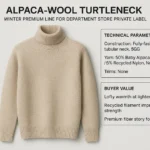
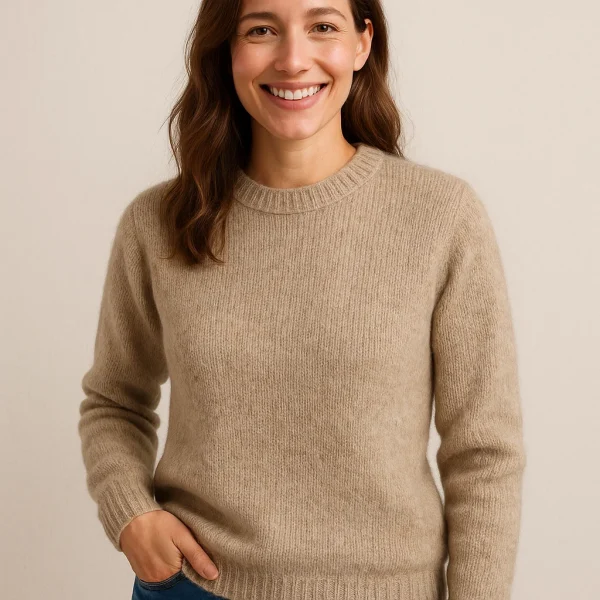
Alpaca Sweaters

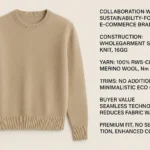
alpaca sweater beige
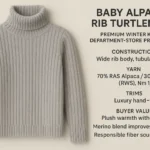
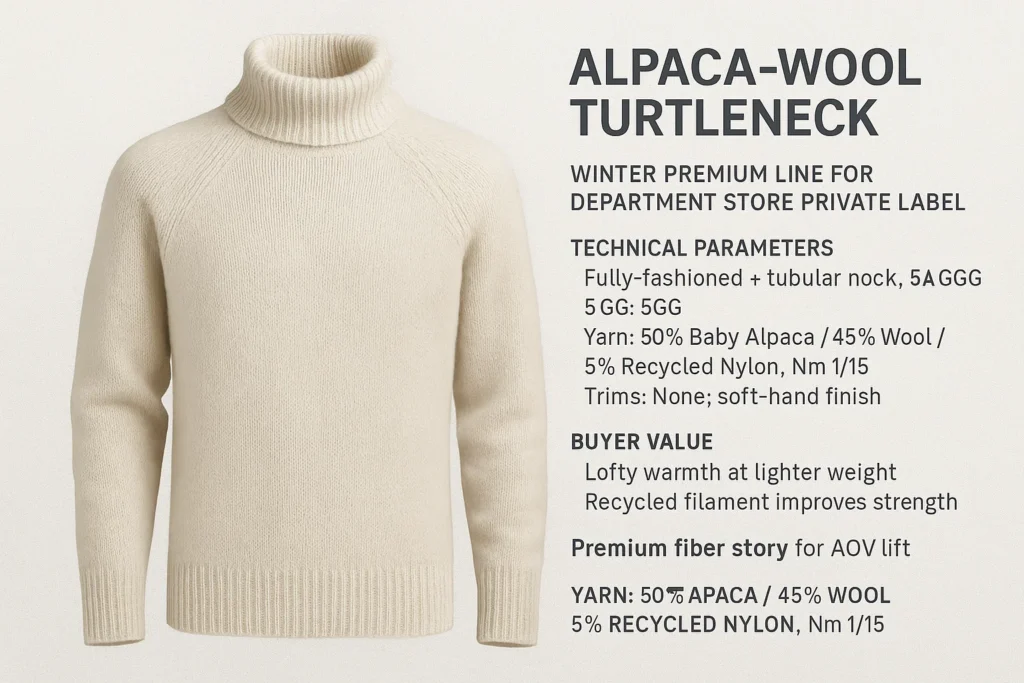
  • Crewnecks, turtlenecks, and oversized silhouettes.

  • Luxury appeal for winter collections.

  • Often blended with wool or nylon for added resilience.

Alpaca Hoodies

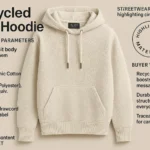
alpaca hoodies
  • Modern blend of casual and premium.

  • Lightweight yet insulating — strong appeal in lifestyle and streetwear collections.

Alpaca Cardigans

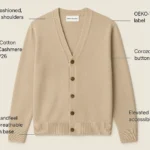
alpaca cardigan
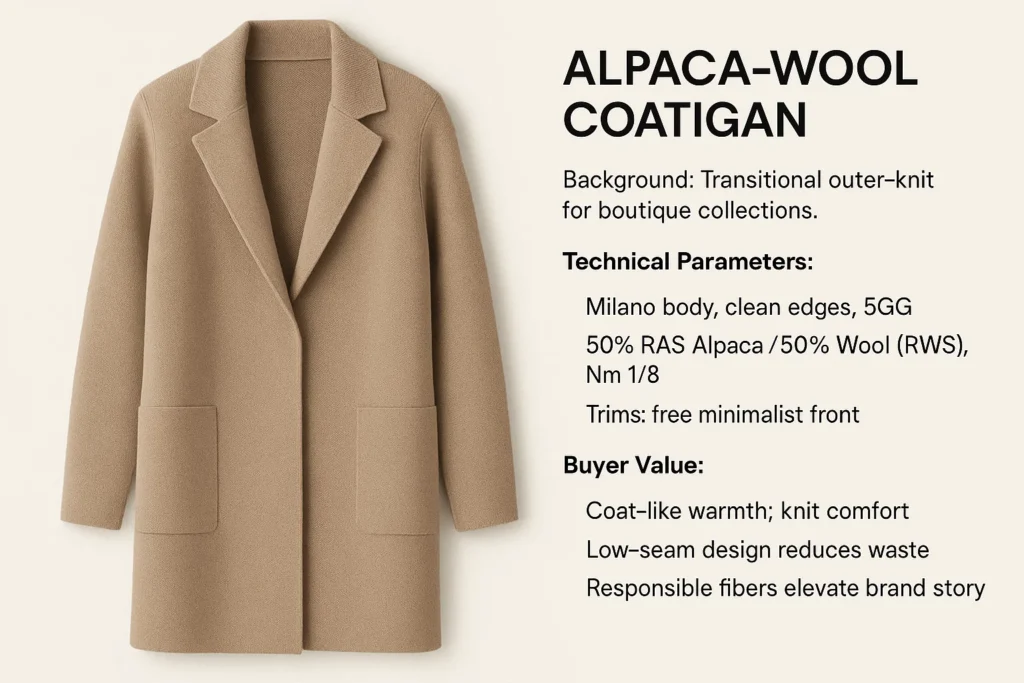
  • Longline, chunky, or cropped styles.

  • Smooth drape and warmth make them versatile layering pieces.

Alpaca Tops

alpaca top
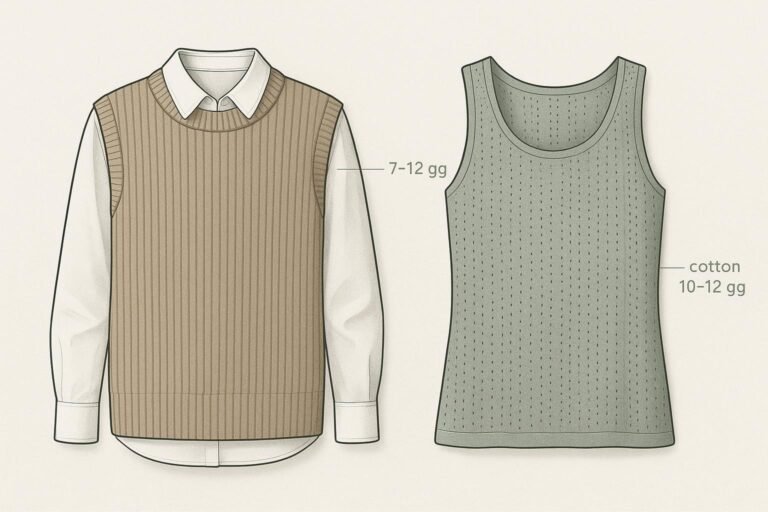
  • Fine-gauge tees, tanks, and lightweight pullovers.

  • Suitable for premium basics and transitional collections.

Alpaca Jumpers

alpaca jumpers
  • Chunky knits, fisherman styles, and statement fashion pieces.

  • High warmth-to-weight ratio, ideal for cold climates.

Alpaca Dresses

alpaca dresses
  • Slim-fit, ribbed, or relaxed silhouettes.

  • Naturally soft and breathable, combining elegance with comfort.

Alpaca Technical Parameters

ParameterDetail Example
Fiber DiameterBaby Alpaca: 18–22 microns; Adult Alpaca: 23–25 microns
Yarn Count (Nm)2/28, 2/36, 2/48
Gauge Options3GG, 5GG, 7GG, 12GG
Ply Options1–4 ply
Blends100% Alpaca, Alpaca + Wool, Alpaca + Silk, Alpaca + Nylon
Colors & DyeingNatural undyed shades (white, fawn, brown, black) + Pantone dyeing
CertificationsFair Trade, OEKO-TEX, Sustainable Alpaca Network

Alpaca Case Studies

Alpaca FAQs

Our standard MOQ is 100 pieces per design and color. For smaller capsule collections or trial runs, we can provide flexible options to help brands test the market before scaling.

Yes, we supply both baby alpaca (18–22 microns, softer and finer) and adult alpaca (23–25 microns, durable and warm). This allows you to choose the grade that best fits your collection’s positioning and price point.

Alpaca is warmer and shinier than merino, with fibers that are naturally hypoallergenic. Compared to cashmere, alpaca is stronger and less prone to pilling, making it a practical yet luxurious choice for knitwear.

Absolutely. Blending alpaca with fibers like wool, nylon, or silk enhances stability and shape retention. These blends preserve alpaca’s softness while extending the garment’s lifespan for retail use.

We dye yarns in bulk lots and provide lab dips for your approval before production. Strict shade control processes ensure consistent colors across every piece in your order.

Alpaca Blends

Build Your Collection with Alpaca

Partner with our factory for premium alpaca sweaters, hoodies, cardigans, and more — tailored to your brand’s needs.

Latest Blogs

How to Choose the Right Top of the World Beanie for Your Style
Find the best top of the world beanie for your style by considering face shape, fit, material, and outfit...
12 Essential Questions to Ask a Knitwear Supplier Before You Partner
What questions should I ask a knitwear supplier? Get 12 key questions to ensure quality, reliability,...
What Makes a Toboggan Hat Unique Compared to a Beanie
A toboggan hat uses thick, insulating materials for warmth, while a beanie is lighter. Learn the key...
Step by Step Guide to Bulk Knitwear Pricing in Factories
Factories calculate bulk knitwear pricing by detailing fabric, labor, overhead, and profit margin on...
Tracing the Journey of Japanese School Uniforms from Meiji to Modern Times
Japanese school uniforms evolved from Meiji-era military styles to modern, genderless designs, reflecting...
Kentucky Derby Attire Guide for First-Time Guests
Kentucky Derby attire means bold hats, colorful dresses, and smart suits. See what to wear, dress code...

From sketch to sweater – AZ Knit brings ideas to life.