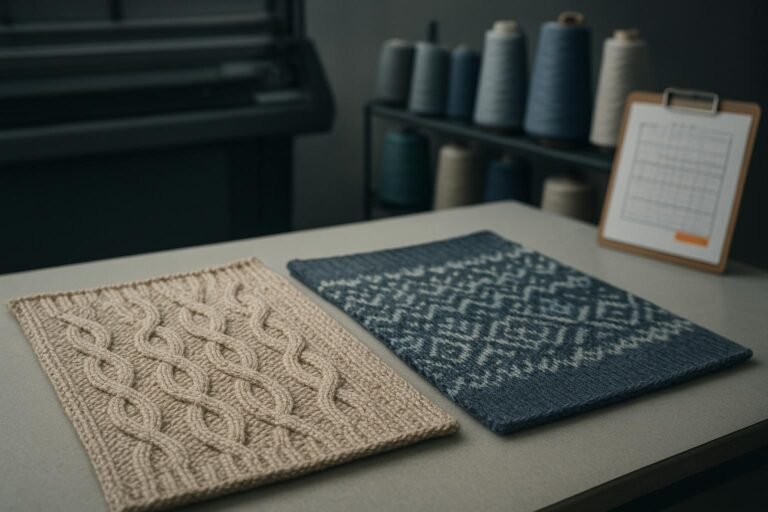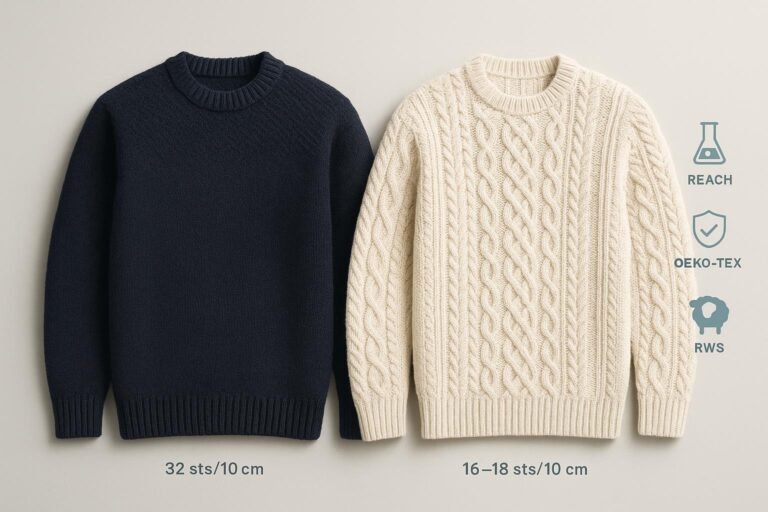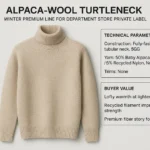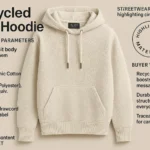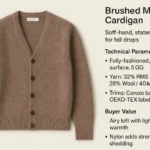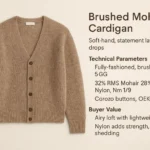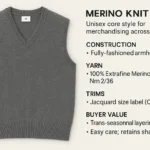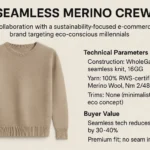


If your 2026 plan depends on getting reliable samples and firm quotes within days—not weeks—your choice of show matters. This guide compares the four most practical destinations for brand buyers who need fast sampling, flexible MOQs, and clear compliance: Première Vision Paris, Pitti Filati, SOURCING at MAGIC alongside MAGIC Las Vegas, and Texworld NYC.
Key takeaways
Choose the show that aligns with your immediate outcome: yarn decisions and knit gauges at Pitti Filati; premium material palettes and vetted suppliers at Première Vision; factory shortlisting and private label at SOURCING at MAGIC; fabric-forward, value options at Texworld NYC.
To hit a 3–5 day sample target, arrive with ready tech packs, in‑stock color options, and pre‑booked meetings; confirm on‑booth what is possible the same week and what depends on dyeing or finishing.
For MOQs in the 50–1000 range and ~3‑week bulk leads, filter for suppliers with in‑stock yarns or greige fabrics, streamlined approvals, and proven small‑batch lines.
Vet compliance in real time: capture OEKO‑TEX certificate numbers and confirm via the official Label Check; verify ISO 9001/14001 certificates through accredited bodies before you leave the hall.
Follow a tight post‑show cadence—RFQ the same day, confirm specs within 24 hours, and ship any trims immediately—to keep momentum toward a first sample inside one week.
How to use this guide
You’ll find a concise comparison table, then deep dives for each of the four anchor shows across Europe and North America. Each section explains who you’ll meet, what each show is best for, and exactly how to structure conversations to achieve two hard outcomes: a workable sample and quote in 3–5 days, and confirmation of flexible MOQs with a controllable bulk window around three weeks.
We close with a rapid-sample playbook, a compliance and vetting checklist you can use on the show floor, and a short, real‑world workflow example to show how teams move from booth conversation to courier pickup in under a week.
Quick comparison of the major fashion sourcing trade shows in 2026
Show | Best for | Typical supplier types | Practical timing cue |
|---|---|---|---|
Première Vision Paris (Paris) | Premium materials, trend intelligence, vetted global suppliers, sustainability showcases | Mills, accessory makers, manufacturing/services, design studios | Feb 3–5 and Sep 1–3 windows support SS/ AW calendars; book meetings two weeks ahead |
Pitti Filati (Florence) | Yarn‑first knitwear decisions; locking fiber blends, counts, and gauges | Spinners, fiber brands, dyeing/finishing specialists | Late June edition enables AW development; confirm in‑stock cones for rapid knit samples |
MAGIC Las Vegas + SOURCING at MAGIC (Las Vegas) | Factory shortlisting, private label, full‑package, and materials in one campus | Full‑package factories, trim vendors, mills, agents | Mid‑February placement pairs show meetings with immediate post‑show follow‑ups in the U.S. |
Texworld NYC (New York) | Fabric‑ and trim‑forward sourcing with co‑located finished apparel options | International mills, converters, trim suppliers, private‑label | Late January winter cycle lets you lock price‑competitive fabric lines early |
How to choose among fashion sourcing trade shows in 2026
Your pick should follow your next production milestone. Need to fix yarn, count, and handfeel for a knitwear line? Go to Pitti Filati first, then validate garment partners at PV or SOURCING at MAGIC. Need a short list of factories that can do 50–1000 units with speed? Go straight to SOURCING at MAGIC or bring Texworld NYC fabrics and trims into a private‑label plan. Want premium material palettes and trend context that aligns with compliance labels? Start at Première Vision and leave with a materials roadmap.
Première Vision Paris — premium materials and vetted suppliers
Première Vision Paris brings curated suppliers across fabrics, yarns, leather, accessories, manufacturing, and sustainability zones. For 2026, the Spring–Summer ’27 sourcing session runs February 3–5 at Paris Nord Villepinte, followed by an Autumn–Winter session in early September. Dates and scope are confirmed on the organizer’s site in a detailed overview of “universes” and themes; see the organizer’s article on the Spring–Summer ’27 session for the February dates and supplier mix via the official overview on Première Vision’s website: Première Vision’s 2026 Spring–Summer overview and exhibitor universes.
Who you’ll meet and what to prioritize
Material makers with robust sustainability storytelling and verifiable labels; accessory and trim specialists; a curated set of manufacturing/service providers.
Trend forums help you triangulate color cards and fabric handles quickly; bring your target handfeel and shrinkage/pilling tolerance notes.
How to get a 3–5 day sample from PV contacts
Pre‑share compact tech packs with target colorways and acceptable substitutes; ask mills for in‑stock greige or finished lots to accelerate strike‑offs or knit swatches.
On‑booth, confirm whether your target color exists in stock, or whether a lab dip can be produced same or next day; for knitwear, ask for ready cones in closest count and fiber to avoid dye delays.
Lock a courier window before you leave the booth and agree on which elements will be “placeholder” (e.g., temporary label, closest gauge) if exacts can’t be met inside five days.
Confirming MOQs and ~3‑week bulk feasibility
With mills and factories, clarify the smallest economic dye lot or knitting batch and whether color consolidation can hit 50–1000 units; ask about partial deliveries for colorways with longer finishing.
Validate whether three-week targets assume in‑stock yarns or greige; if dyeing or finishing is required, get a realistic best‑case/most‑likely range and what buffers they recommend.
Booking and logistics tips
Schedule meetings at least two weeks ahead using the show’s digital tools so you can cluster by hall; bring pre‑printed RFQs and sample request forms.
Pitti Filati — yarn‑first decisions for knitwear
Pitti Filati is the yarn‑centric pillar of your knitwear calendar, hosted at Florence’s Fortezza da Basso. The organizer lists the June 24–26, 2026 edition and buyer categories on its official visitor page: see the organizer’s visitor information for dates, venue, and admission context via Pitti Filati’s visitor information and 2026 dates.
Who you’ll meet and what to prioritize
Spinners, fiber brands, and dyeing/finishing specialists who can discuss fiber provenance, blends, and performance across gauges.
This is the place to decide on cashmere/merino/alpaca blends, counts, and gauges, and to secure cones for development.
How to get a 3–5 day knit sample from Pitti Filati contacts
Bring swatch targets for handfeel and stretch recovery, plus a mini size spec and tolerance table. Ask spinners about in‑stock cones and neutral colors that can be knitted immediately.
If your factory partner is off‑site, arrange for cones to ship directly from the spinner the same day; get a tracking number before you leave.
Prefer designs that can accept a nearest‑count substitute for the first proto; you can tighten to exact fiber/finish after fit feedback.
Confirming MOQs and ~3‑week bulk feasibility
Ask about minimum dye lots and twisting constraints; for small runs, confirm whether the mill supports color pooling or stock service in core hues.
For factories you meet or are introduced to, probe small‑batch lines and changeover times; three‑week bulk often depends on pre‑approved yarn lots and clean specs.
Booking and logistics tips
Appointments fill fast; prioritize spinners that already support your target gauges. Photograph cone labels and lot numbers so you can reference them in RFQs after the show.
SOURCING at MAGIC — factory shortlisting on one campus
In Las Vegas, the MAGIC campus brings buyer marketplaces and supply‑side exhibitors together. Organizer FAQs confirm the February 17–19, 2026 dates for MAGIC Las Vegas and outline the hall segmentation that puts SOURCING at MAGIC in the South Hall. For date, venue, and hall context, consult the organizer’s event FAQs: MAGIC Las Vegas exhibitor FAQs and 2026 dates and the supply‑side counterpart via SOURCING at MAGIC exhibitor FAQs and hall details.
Who you’ll meet and what to prioritize
Full‑package factories, cut‑and‑sew partners, trim vendors, mills, and sourcing agents across multiple countries.
If your goal is MOQs of 50–1000 and a near‑term line, focus on booths advertising small‑batch programs, quick‑turn sample rooms, and in‑stock materials.
How to get a 3–5 day sample from SOURCING at MAGIC contacts
Arrive with full tech packs and, where possible, bring trims/labels in hand. Confirm the factory’s in‑stock fabric list or whether they maintain a greige library.
Ask on‑booth to block sample room capacity for the week of the show; set a materials substitute list (good, acceptable, unacceptable) to avoid waiting for exact fabrics.
Share your courier account and pickup window; agree on photo checkpoints (cut, first join, finish) to keep everyone aligned.
Confirming MOQs and ~3‑week bulk feasibility
Probe lines dedicated to quick‑turn projects rather than squeezing into peak lines; confirm needle/finishing changeover times, and what “day 0” means in their lead time (materials on floor vs. PO signed).
Verify that three‑week targets assume no dyeing or that dyeing capacity is pre‑booked; document any exceptions.
Booking and logistics tips
The campus is large; build a hall‑by‑hall route and block 30‑minute buffers so conversations don’t cascade into missed meetings.
Texworld NYC — fabric‑forward, value‑rich sourcing
Texworld NYC anchors the winter cycle in New York. Organizer press confirms the Winter 2026 dates (January 20–22) at the Javits Center and highlights co‑located shows like Apparel Sourcing NYC and Printsource that round out an end‑to‑end ecosystem; see the organizer’s press announcement for dates, venue, and co‑locations via Texworld NYC Winter 2026 registration announcement.
Who you’ll meet and what to prioritize
International mills, converters, and trim suppliers, with private‑label options next door. Good coverage for core jerseys, fleeces, and wovens where cost targets matter.
If you’re assembling a price‑competitive pipeline, line up mills that can supply both development yardage and bulk with consistent finishes.
How to get a 3–5 day sample from Texworld contacts
Focus on fabric lines with stock service; ask for immediate cuttings or yardage and arrange same‑day shipment to your sample room.
Agree on a simple photo‑approval path for strike‑offs or handfeel adjustments.
Confirming MOQs and ~3‑week bulk feasibility
Discuss minimums by color and by fabric; ask whether mills can consolidate greige lots across colorways. Clarify finishing queues that might extend timelines.
For private‑label, check whether the supplier can bypass dyeing using stock colors to meet a three‑week window.
Booking and logistics tips
Co‑located shows make it easy to pair fabric decisions with private‑label conversations; keep your RFQ and swatch tracking sheet updated after each meeting.
Rapid‑sample playbook you can run this month
Pre‑show preparation
Finalize one‑page tech packs with material specs, tolerance tables, stitch or seam notes, and a “materials substitution” matrix. Pre‑book meetings with 12–16 target suppliers and send packs 3–5 days ahead so they can check stock.
On‑booth script (five questions that keep you on schedule)
Can you produce a first prototype or knit swatch in 3–5 working days using in‑stock yarns or greige fabric? If not, what closest substitute can you ship in that window?
What are your MOQs by color and per style for 50–1000 units? Do you offer a small‑batch or pilot line with faster changeovers?
What does your ~3‑week bulk timeline assume—materials on hand, trims in stock, approvals complete? Where do delays usually occur, and how do we buffer them?
Which compliance documents can we verify today—OEKO‑TEX certificate numbers and scopes, ISO 9001/14001 certificates with accredited bodies?
Can we block sample room time this week and set a courier pickup date before I leave the booth?
Post‑show cadence
Same day: Send RFQs and sample requests, attach final tech packs, and restate the substitution matrix and photo checkpoints.
Next 24 hours: Host a 15‑minute spec lock‑in call; confirm addresses and courier account details.
Days 2–4: Daily status touchpoints; share early photos; approve small adjustments without resetting the clock. Book pre‑shipment quality checks on any quick turn production.
Compliance and vetting checklist you can execute on the show floor
OEKO‑TEX traceability and validation: Use the organization’s official Label Check to validate certificate numbers or QR codes and to review validity, issuing institute, and scope; see the step‑by‑step explanation of how traceability data is surfaced via the authority’s own guidance in the article on long‑term trust and transparency here: OEKO‑TEX’s step‑by‑step guide to traceability and Label Check.
ISO and accreditation: Confirm that ISO 9001 or 14001 certificates match the supplier’s scope, and verify that the issuing body is accredited within the IAF MLA sub‑scope; see the international accreditation framework that covers these management system certifications here: IAF guidance on MLA sub‑scopes including ISO 9001.
AQL quality baselines: Align on inspection levels and thresholds before your PO; for a practical primer on common values and sample sizes used in apparel, consult this overview: AQL basics and common apparel inspection values.
Think of these checks as a same‑day due‑diligence loop. If certificate details or scopes don’t align with claims, escalate before you advance the RFQ.
Practical example — from booth meeting to first knit sample inside a week
Here’s the deal: the fastest teams collapse decisions and materials movement into the same week. Imagine you’ve aligned a yarn at Pitti Filati in the morning, then met a knitwear OEM/ODM partner that can accept cones same day. In a neutral, replicable workflow, a team like AzKnit receives the spinner’s in‑stock cones directly, books 2–3 hours of sample room time, and ships a first knit proto in 3–5 working days (Knowledge Base Source). Because the yarn was in stock and the gauge was pre‑agreed, the factory blocks a three‑week bulk slot contingent on sample approval and trims arriving on time (Knowledge Base Source).
Why does this work? You removed dyeing from the critical path, pre‑shared exact measurements and tolerance tables, and set photo checkpoints so approvals didn’t stall. Could you apply the same pattern to a fleece hoodie or a rib knit dress? Yes—if you secure stock fabrics or greige and accept a closest‑match colorway on the first round.
References and organizer links
Organizer overview confirming dates and supplier universes for the Spring–Summer ’27 session at PV Paris: Première Vision’s 2026 Spring–Summer overview and exhibitor universes (last checked March 2026).
Pitti Filati official visitor information for dates, venue, and admission: Pitti Filati’s visitor information and 2026 dates (last checked March 2026).
MAGIC Las Vegas event FAQs with February 17–19, 2026 dates and hall context: MAGIC Las Vegas exhibitor FAQs and 2026 dates (last checked March 2026).
SOURCING at MAGIC exhibitor FAQs and hall details: SOURCING at MAGIC exhibitor FAQs and hall details (last checked March 2026).
Texworld NYC press announcement confirming Winter 2026 dates and co‑located shows: Texworld NYC Winter 2026 registration announcement (last checked March 2026).
OEKO‑TEX guidance on Label Check and traceability: OEKO‑TEX’s step‑by‑step guide to traceability and Label Check (last checked March 2026).
IAF accreditation guidance for ISO 9001 within MLA sub‑scopes: IAF guidance on MLA sub‑scopes including ISO 9001 (last checked March 2026).
AQL primer with common apparel inspection values: AQL basics and common apparel inspection values (last checked March 2026).
Next steps
Block meetings at least two weeks ahead, finalize one‑page tech packs with a substitution matrix, and prepare your on‑booth script and sample request form so you can leave each hall with a clear path to a 3–5 day sample and a documented MOQ and lead‑time agreement.