
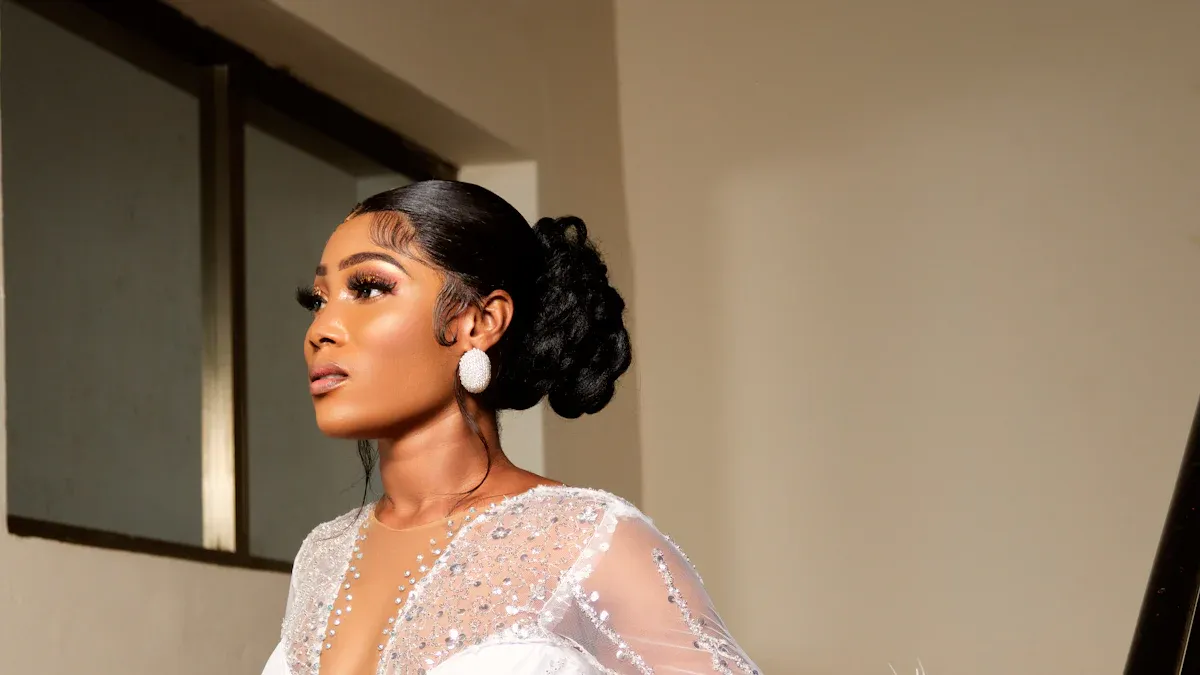
When you walk into a store or browse online, you see so many types of dresses. You might wonder why it helps to know their names. Dress names do more than label a piece of clothing—they help you spot your favorite style faster and make shopping easier. In fact, dresses made up over 70% of the global fashion market revenue in 2021, so knowing the right terms can give you an edge.
Here’s why it matters:
You remember brands and styles more easily.
You find the perfect fit for any occasion.
You connect with fashion on a deeper level and express your style.
Use this guide whenever you want to choose or describe a dress with confidence.
Key Takeaways
Knowing dress names helps you shop better and faster. You can find your favorite styles more easily.
Different dress shapes look good on different body types. Try A-line, sheath, and bodycon to see what fits you best.
Dress lengths and hemlines, like mini, midi, and maxi, can change how you look. They also work for different events.
Special styles like the little black dress and wrap dress are very useful. You can wear them for many events and dress them up or down.
If you know about dress features, you can show your own style. This helps you feel good about what you wear.
Types of Dresses by Silhouette
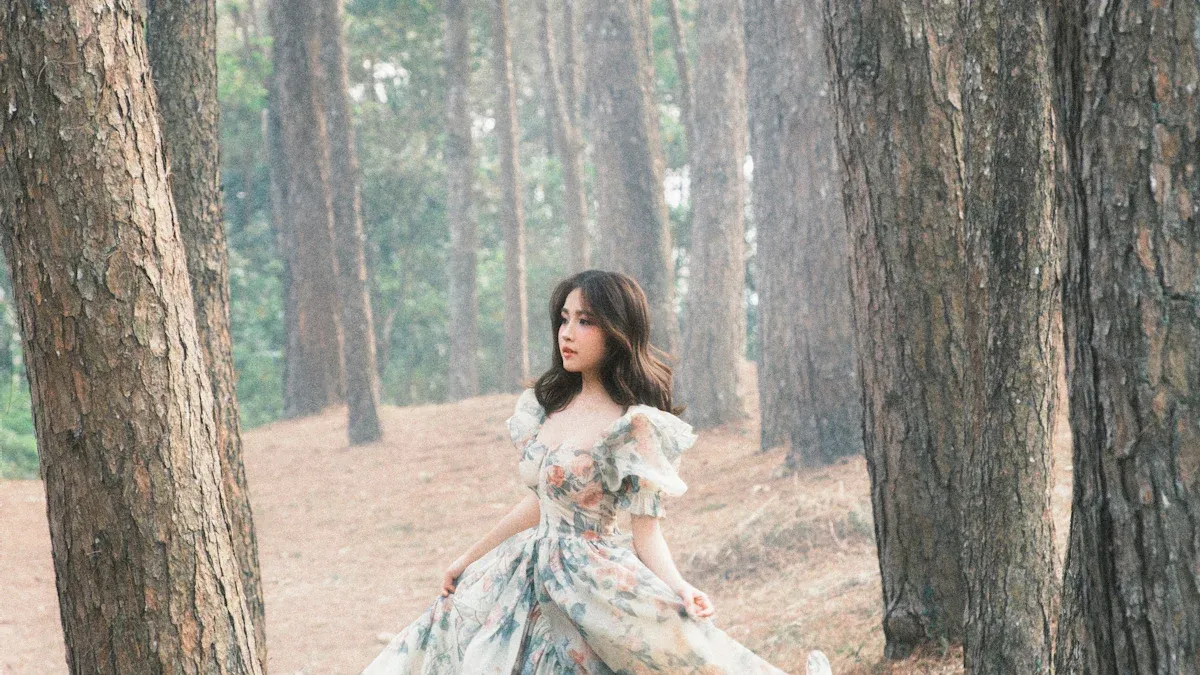
When you shop for dresses, you will see many shapes. The shape of a dress is called the silhouette. The silhouette changes how a dress looks and feels. If you know the main types of silhouettes, you can find your favorites faster. You can also talk about them with more confidence. Here is a table that helps you compare some popular dress shapes:
Silhouette | Characteristics |
|---|---|
A-Line | Fitted bodice, flares out above the hips, conceals hips and thighs |
Sheath | Figure-skimming, nipped at the waist, form-fitting |
Shift | Straight silhouette, hangs loosely from shoulders, comfortable and breezy |
Fit and Flare | Fitted at the top, flares out at the waist, playful and flattering |
Bodycon | Tight-fitting, hugs every curve, often made with stretchy fabrics |
Empire Waist | Waistline sits just below the bust, flows out gently, elongates the frame |
Ball Gown | Fitted bodice, voluminous skirt, dramatic and elegant |
Mermaid | Hugs body from chest to knee, flares out at lower leg, enhances hourglass shape |
Let’s look at each silhouette so you can find the types of dresses that fit your style and body.
A-Line Dress
The a-line dress is a classic style. Christian Dior made this style in 1955. He got the idea from an upside-down triangle. The a-line dress has a fitted top and a skirt that gets wider. This shape looks good on almost everyone. It hides your hips and thighs and makes your waist look smaller. People loved this style in the 1960s. It is still popular because it works for many events. You can wear an a-line dress for casual or fancy occasions.
Tip: The a-line dress flatters almost every body type!
Sheath Dress
The sheath dress gives you a smooth, simple look. It fits close to your body and is tight at the waist. This style makes you look tall and slim. If you want to show your curves without extra fabric, try a sheath dress. Fashion experts say this dress is great for hourglass shapes. It shows off your waist and natural lines. You can wear a sheath dress to work, parties, or any event where you want to look neat.
Shift Dress
If you want comfort and options, try a shift dress. The shift dress hangs straight down from your shoulders. It does not fit tightly to your body. This loose fit makes it easy to wear and good for casual days. You can move easily in a shift dress. You can also dress it up or keep it simple. The shift dress is perfect for hot weather or when you want to feel relaxed.
Dress Type | Structure | Fit | Versatility | Occasion |
|---|---|---|---|---|
Shift | More relaxed | Easier to wear | More versatile | Casual settings |
Sheath | More structured | Fitted | Less versatile | Going-out item |
Fit and Flare Dress
The fit and flare dress is fun and girly. It fits your top and waist, then the skirt gets wider. This shape mixes tight and loose parts. It makes your waist stand out and gives you space to move. The fit and flare dress is great for parties, dances, or any time you want to spin and have fun.
Bodycon Dress
The bodycon dress is for people who like to show their shape. This dress is tight and follows every curve. Designers use stretchy fabrics like spandex, elastane, cotton blends, polyester, or velvet. These fabrics help the dress fit snug but still feel comfy. You will see bodycon dresses at clubs, parties, or when you want to stand out. If you like showing your figure, try a bodycon dress.
Note: Bodycon dresses look best when you feel good in your own skin. Try different fabrics to see what you like!
Empire Waist Dress
The empire waist dress is special because the waistline is just under your bust. It is not at your natural waist. The fabric falls down over your body and makes you look taller. The empire waist dress is good if you want to look longer or cover your tummy and hips. Many people like this style for maternity wear, but anyone can wear it.
The empire waist dress is tight under the bust, not at the waist.
The fabric falls softly, so it looks good on many people.
Ball Gown
If you want to feel like a princess, pick a ball gown. This dress has a tight top and a big, full skirt that touches the floor. Ball gowns often have pretty details like beads, embroidery, or lace. You will see ball gowns at fancy events, weddings, and big parties. The big skirt makes your body look balanced and helps you stand out.
Description | |
|---|---|
Fitted Bodice | Accentuates the waist |
Voluminous Skirt | Extends from the waistline |
Floor-Length Hemline | Reaches the floor |
Embellishments | Beading, embroidery, or lace |
Mermaid Dress
The mermaid dress is fancy and hugs your body. It fits close from your chest to your knees. Then it flares out at the bottom, like a mermaid’s tail. The mermaid dress shows your curves and makes an hourglass shape. You will see this dress at proms, weddings, and red carpet events. If you want to show your shape and get noticed, try a mermaid dress. Good tailoring can make this style look nice on many body types.
Fun Fact: The mermaid dress is different from the a-line dress because it stays tight all the way down before flaring out. This gives you a bold look.
Babydoll Dress
The babydoll dress is playful and young-looking. It has a high waist and a loose, short skirt. Many brands sell babydoll dresses to younger women, but anyone can wear them. Some older women like more fitted styles, but the babydoll dress is still a fun choice for casual days or summer.
Balloon Dress
The balloon dress is big and dramatic. Designers use fabric that can puff up or shrink down. This lets you change the dress from a bubble shape to a gown. The balloon dress is special because of its cool design and bold look. If you want to try something new and creative, check out this style.
Bubble Dress
The bubble dress has a hem that is gathered to make a round, “bubble” shape at the bottom. You can find bubble shapes in dresses, tops, and sleeves. The bubble dress is playful and puffy. The balloon dress uses special design and sometimes technology to change its shape.
Bubble dresses have a gathered hem for a round look.
Balloon dresses can change shape and look more creative.
Blazer Dress
The blazer dress mixes classic men’s clothes with modern women’s style. It started as a new take on the blazer, moving from men’s closets to women’s. The blazer dress became a sign of power, especially during the women’s rights movement. Now, you can wear a blazer dress to work, parties, or anywhere you want to look sharp. This style shows how dresses can change with trends and society.
Culotte Dress
The culotte dress looks like a dress but feels like pants. You get the flow of a skirt and the comfort of wide pants. This style is good for busy days when you want to look nice but stay comfy. The culotte dress is a great example of mixing fashion and function.
Kimono Dress
The kimono dress comes from Japanese clothing. It has a T-shape, wide sleeves, and pretty fabrics with detailed patterns. The kimono dress has deep meaning and often shows nature, seasons, or family signs. Designers around the world use kimono ideas in their clothes, making this style popular everywhere. You can wear a kimono dress for special events or as a cool everyday outfit.
Did you know? The kimono dress connects you to Japanese history and art, but it also fits in with today’s fashion.
When you know the types of dress silhouettes, you can pick the right shapes for your body and style. Whether you like the classic a-line, the bold bodycon, or the dramatic mermaid dress, there is a silhouette for everyone.
Dress Styles by Length & Hemline
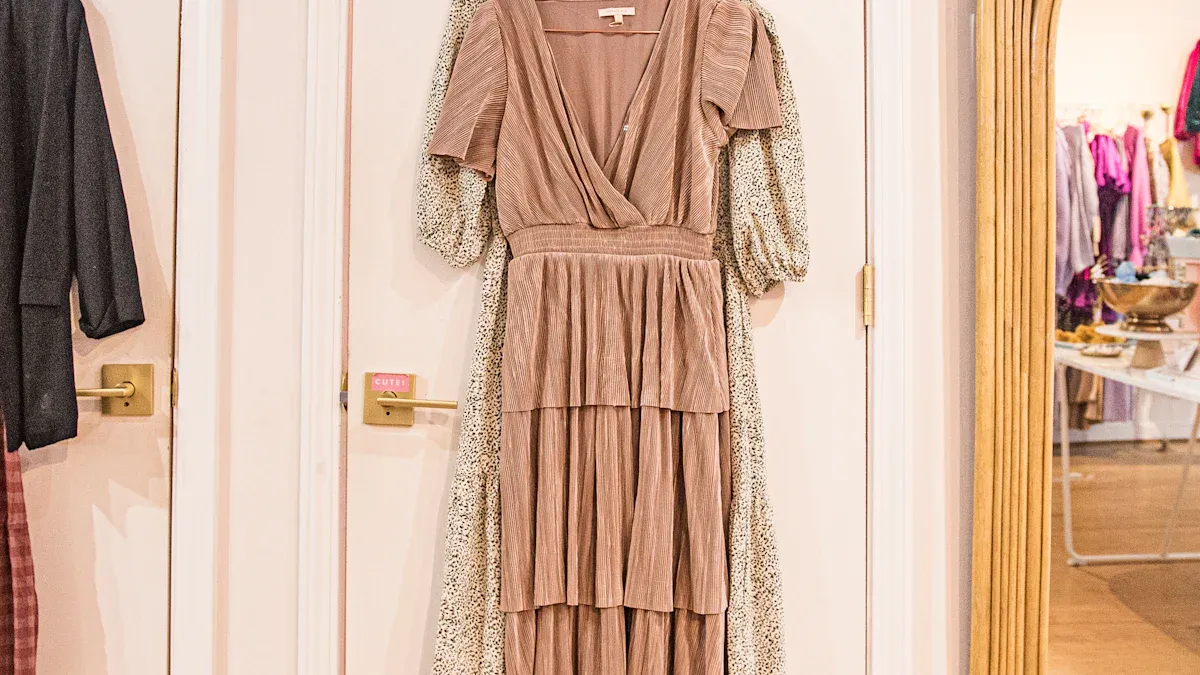
When you look for new dress styles, the length and hemline make a big difference. You can change your whole look just by picking a different length. Some dress styles feel playful, while others look elegant or dramatic. Let’s break down the most popular options so you can spot them right away.
Mini Dress
The mini dress is all about fun and energy. This dress stops at your mid-thigh, showing off your legs and giving you a youthful vibe. You might wear a mini dress to a party, a concert, or a day out with friends. Many people love this style for casual outings and nightlife because it feels carefree and bold.
Tip: If you want to stand out and feel confident, try a mini dress with sneakers or boots.
Midi Dress
The midi dress lands around your mid-calf. It gives you more coverage than a mini dress but still feels light and stylish. You can wear a midi dress to school, work, or even a wedding. This length works for both casual and formal events, so you get a lot of use from one dress. Many dress styles use the midi length because it flatters most body types.
Maxi Dress
The maxi dress reaches your ankles or sometimes brushes the floor. You get comfort and elegance in one piece. A maxi dress works for a beach day, a picnic, or a fancy dinner. You can dress it up with jewelry or keep it simple with sandals. This style is popular all over the world because it fits so many occasions and always looks effortless.
Description | |
|---|---|
Ultra-Short Minis | Short hemlines, bold and playful |
Draped and Flowing Maxi Dresses | Romantic, figure-hugging, and perfect for many events |
Drop Waist and Midi Lengths | Vintage charm with modern style, very versatile |
Tea-Length Dress
A tea-length dress falls just above your ankles, usually one to three inches higher. This style feels classic and a bit vintage. You might see tea-length dresses at garden parties or weddings. The hemline gives you a graceful look that stands out from other dress styles.
High-Low Dress
The high-low dress has a hemline that is shorter in the front and longer in the back. This shape creates movement and makes your outfit look exciting, even when you stand still. You get to show off your shoes and legs in the front, while the back keeps things elegant. High-low dress styles work for both casual and fancy events.
The diagonal lines add energy and draw attention.
You can walk and dance easily in a high-low dress.
Asymmetric Dress
The asymmetric dress does not follow a straight line at the hem. One side might be longer than the other, or the hem could have sharp angles. This design adds drama and makes your outfit look modern. Asymmetric dress styles help you stand out and give your look a creative twist. The uneven hem lets you move with grace and makes your legs look longer.
Note: If you want a dress that feels unique and fresh, try an asymmetric dress for your next event.
You can use these dress styles to match your mood, the weather, or the occasion. Try different lengths and hemlines to see what makes you feel your best!
Dresses for Occasions & Features
When you pick out dresses, you often think about where you will wear them or what makes them special. Some dresses work best for parties, while others shine at formal events or on sunny days. Let’s explore these dresses and see what makes each one unique.
Cocktail Dress
You see a cocktail dress at many parties and semi-formal events. This dress usually stops at your knees or just above. It feels modern and fun. You can wear a cocktail dress in the late afternoon or early evening. The style is daring but not too fancy. Most cocktail dresses use lighter fabrics and have simple decorations.
Cocktail Dress | Evening Dress | |
|---|---|---|
Length | Knee or slightly above | Usually floor-length |
Formality | Semi-formal | High formal |
Event Timing | Late afternoon/early evening | Late evening |
Style | Modern, daring | Sophisticated, majestic |
Fabrics | Lighter | Luxurious, heavier |
Decorations | Minimal | Lavish |
You can pick a cocktail dress when you want to look stylish but not too formal.
Evening Gown
Evening dresses are perfect for fancy events. You wear an evening dress when you want to feel elegant and stand out. These dresses are usually long and reach the floor. Evening dresses use rich fabrics like chiffon, satin, or taffeta. You might see beads, lace, or embroidery on evening dresses. The style feels majestic and makes you look like royalty.
Characteristics | Common Uses | |
|---|---|---|
Chiffon | Lightweight, sheer, elegant draping | Soft, flowing designs |
Satin Crepe | Lustrous finish, luxurious look | Sophisticated evening gowns |
Georgette | Lightweight, soft drape | Flowy, romantic silhouettes |
Taffeta | Crisp finish, structured | Voluminous designs |
Duchess Satin | Heavy, rich sheen, holds shape well | Opulent, structured gowns |
You can wear evening dresses to galas, balls, or as wedding guest dresses.
Sundress
A sundress is your best friend on a hot day. These dresses use light fabrics like cotton, linen, jersey, or chambray. You will see bright colors and floral prints. A sundress keeps you cool and comfy. Most sundresses have sleeveless or maxi styles. You can wear a sundress to a picnic, a walk in the park, or a summer party.
Cotton feels soft and lets your skin breathe.
Linen is perfect for summer but wrinkles easily.
Jersey stretches and feels cozy.
Chambray looks stylish and lasts a long time.
Tip: Pick dresses with lighter fabrics and fun patterns for warm weather.
Shirt Dress
A shirt dress looks like a long shirt. You get buttons down the front and a collar. These dresses feel relaxed but still neat. You can wear a shirt dress to school, work, or a weekend outing. Try adding a belt to show off your waist.
Wrap Dress
The wrap dress is famous for its easy fit. You wrap one side of the dress over the other and tie it at your waist. This style gives you a v-shaped neck and a nice shape. The wrap dress works for many body types. You can adjust the fit, so it feels just right. Many people love wrap dresses for their comfort and style.
The wrap dress ties at the waist and flatters your curves.
You can wear wrap dresses to work, parties, or even as wedding guest dresses.
Slip Dress
A slip dress feels soft and smooth. It looks like a fancy nightgown. These dresses use silky fabrics and thin straps. You can wear a slip dress alone or layer it with a jacket. Slip dresses are great for both casual and dressy events.
Sweater Dress
A sweater dress keeps you warm and stylish. These dresses use knit fabrics and feel cozy. You can wear a sweater dress with boots in the fall or winter. Try adding a scarf or belt for extra style.
Tutu Dress
A tutu dress has a fluffy skirt made from tulle. You might think of ballet dancers. These dresses feel playful and fun. You can wear a tutu dress to parties or special events.
Bow-Tie Dress
A bow-tie dress stands out with a big bow at the neck or waist. This detail makes the dress look cute and fancy. You can wear a bow-tie dress to birthdays or celebrations.
Square-Neck Dress
A square-neck dress has a straight neckline. This shape shows off your collarbones. You can wear a square-neck dress for a classic and pretty look.
Halter Dress
A halter dress ties or fastens behind your neck. These dresses show your shoulders and back. You can wear a halter dress to the beach or a summer party.
Remember: Dresses come in many styles for every event and mood. Try new dresses to find what makes you feel your best.
Iconic & Unique Dress Styles
Little Black Dress
You have probably heard about the little black dress. This dress is more than just a piece of clothing. It is a symbol of style, independence, and confidence. Coco Chanel introduced the little black dress in 1926. She changed the way people thought about black clothing. Before that, black was only for mourning. The little black dress became a sign of elegance and freedom.
Here’s a quick look at how the little black dress has changed over time:
Era | Significance |
|---|---|
1926 | Coco Chanel introduced the LBD, making it accessible for women of all social classes. |
Great Depression | The simplicity of the LBD became a virtue during economic hardship. |
1940s-1950s | Designers like Christian Dior reimagined the LBD in a more opulent form, aligning with the New Look. |
1960s | The LBD became shorter and playful, reflecting youth culture and mod fashion. |
1990s | The LBD adapted to minimalism, becoming essential for the modern working woman. |
Contemporary | The LBD remains a symbol of elegance and versatility, celebrated in various social settings. |
The little black dress works for almost any event. You can wear it to a party, a meeting, or a fancy dinner. It lets you show your own style with accessories. The little black dress is always on red carpets and in boardrooms. You can make it simple or bold. It is a must-have in your closet.
The little black dress stands for empowerment.
It gives you a blank canvas for personal expression.
You can always count on the little black dress to look chic.
Peplum Dress
The peplum dress adds a flared ruffle at the waist. This style gives you a dramatic shape and highlights your waist. You get a mix of power and femininity. Designers love to use the peplum for new looks. The peplum dress can feel classic or modern, depending on how you style it. You can wear it to work or a party and always feel confident.
T-Shirt Dress
If you want comfort, try a t-shirt dress. This dress feels like your favorite oversized tee. You can style it with a jacket or sweater for a relaxed look. The t-shirt dress is perfect for layering. You can add colors, patterns, or fun accessories. Change your shoes or earrings to dress it up or down. The t-shirt dress works for almost any day.
Oversized fit means you stay comfy.
Layer with jackets or sweaters for a laid-back vibe.
Use accessories to make your t-shirt dress special.
Off-the-Shoulder Dress
The off-the-shoulder dress lets you show off your shoulders and collarbones. This style flatters many body types. If you have a pear-shaped body, the off-shoulder dress draws eyes upward and balances your shape. Petite figures look taller in a cropped or high-waist off-shoulder dress. If you want to highlight your arms or neck, the off-shoulder dress does that beautifully. Try pairing it with a dainty necklace or a skirt for extra style.
Tip: The off-shoulder dress works for parties, dates, or even a day at the beach. You can always find a version that fits your mood.
Knowing dress names helps you shop smarter and talk about fashion with confidence. When you use the right terms, you avoid confusion and make it easier to share ideas with others.
You show expertise and professionalism.
You give clear feedback and work better with brands or friends.
You find styles that fit your body, event, or mood.
Fashion is about expressing who you are. Come back to this guide whenever you want to describe or choose a dress that feels just right!
FAQ
What is the difference between a dress and a gown?
A dress is any one-piece outfit that covers your body. A gown usually means a long, formal dress you wear to special events. You can think of a gown as a fancy type of dress.
How do I pick the right dress for my body type?
You should try different shapes to see what feels best. A-line and fit and flare dresses flatter most people. If you want to show your curves, try a bodycon or sheath dress. Trust your comfort and style.
What are some common dress styles I should know?
You will see many common dress styles like A-line, sheath, shift, maxi, and wrap dresses. These styles work for many occasions and body types. Try a few to find your favorites.
Can I wear a maxi dress if I am short?
Yes! You can wear a maxi dress even if you are short. Look for a style with a higher waist or a slit. Pair it with heels or wedges to add height.
How do I care for delicate dresses?
Always check the care label first. Hand wash or use a gentle cycle for delicate fabrics. Hang your dress to dry. Store it in a cool, dry place to keep it looking new.