
You feel stressed when a knitwear order is late. Maybe you planned well, but the yarn came late. Customers begin to ask questions. Your team tries hard to finish on time. Fast production helps your business stay strong. It also keeps customers happy. If you ask, how do I avoid delays in knitwear production?, you need good planning, skilled workers, the right technology, and trusted suppliers.
Key Takeaways
Plan ahead to find weak spots in your process before they cause delays.
Use tools like production management software to watch progress and help you make good choices.
Check fabric details early so you do not have to make last-minute changes that slow things down.
Set up strong quality control to find problems early and stop expensive fixes.
Talk clearly with your team and suppliers so everyone knows what is happening.
Make schedules that are realistic by thinking about holidays and breaks so you do not promise delivery dates you cannot meet.
Keep training your workers so they get better skills and help production go faster.
Watch key performance indicators (KPIs) often to find ways to get better and keep things running smoothly.
Why Delays Occur
You want your knitwear orders to ship on time. But sometimes, things just don’t go as planned. Delays can pop up for many reasons. If you know what causes them, you can spot trouble early and keep your production on track.
Common Causes
Labor Issues
Labor problems can slow down your whole operation. When you don’t have enough skilled workers, your production line moves slower. You might see backlogs pile up. Sometimes, fewer workers also mean mistakes in inventory or order packing. This can lead to more errors and even more delays. If you have trouble finding drivers, your shipments might not leave the warehouse on time. Shipping costs can also go up when there are not enough drivers.
Supply Chain Inefficiency
Supply chain hiccups are a big reason for late orders. If your suppliers misjudge how much they can handle, you might get stuck waiting for materials. Poor planning can leave you short on yarn or trims. Sometimes, you only find out about defects after production finishes. This means you have to fix problems when you should be shipping. Communication breakdowns make it even harder to solve these issues quickly. If you rely on outside inspectors, you might face extra delays if they need to come back for re-checks.
Here’s a quick look at the most common reasons for delays in knitwear production:
Reason for Delay | Description |
|---|---|
Suppliers take on too many orders and can’t finish them on time. | |
Poor material planning | Not enough materials leads to downtime and waiting. |
Poor quality control during production | Defects show up late, causing extra work and lost time. |
Poor communication | Teams miss important updates, so problems go unnoticed until it’s too late. |
Dependency on third-party inspections | Waiting for outside checks can push back your delivery dates. |
Scheduling Problems
Scheduling mistakes can throw off your whole timeline. If you don’t plan for holidays or breaks, you might promise a delivery date you can’t meet. Overbooking your production line can also lead to missed deadlines. When you don’t know your true capacity, you risk taking on more work than your team can handle.
Impact on Production
Delays in knitwear production can hurt your business in many ways:
Missed deadlines make customers lose trust in you.
Slow production means you can’t fill orders on time, which can lead to lost sales.
If you keep customers happy, they come back. In the textile industry, keeping more than 85% of your customers is key for steady growth.
Even a small jump in customer retention, like from 80% to 90%, can mean a big boost in revenue.
Tip: Spotting these problems early helps you keep your orders moving and your customers smiling.
You can’t control everything, but you can prepare for the most common causes of delays. When you know what to watch for, you can act fast and keep your production on schedule.
How Do I Avoid Delays in Knitwear Production?
You want your knitwear orders to finish on time. If you ask, how do I avoid delays in knitwear production?, you need to plan well and follow clear steps. Let’s look at what helps the most.
Proactive Planning
You can’t stop every problem, but you can plan ahead for most. When you think about how to avoid delays, check your whole process. Try to find weak spots before they cause trouble.
Here’s a table with some good planning ideas:
Method | Description |
|---|---|
Improve Quality Control | Use checks during production and find the main cause of mistakes early. |
Cut Non-Value-Added Time | Look at your steps and remove any that waste time. |
Use Technology Where Possible | Use auto flat knitting machines and ERP systems to work faster and track better. |
Improve Coordination Among Departments | Have daily meetings and use the same tracking tools so everyone knows what’s happening. |
Use Industrial Engineering Support | Change how workstations are set up and check how time is used to get more done. |
Tip: Meeting every day and tracking clearly helps your team spot problems before they slow you down.
Strategic Scheduling
You need a smart schedule to keep things moving. Start by listing each step, from yarn arrival to packing. Know how much your team can really do. Don’t guess—track how long each job takes. This helps you set deadlines you can meet and avoid rushing at the end.
Write down every order and when it’s due.
Give jobs to people based on their skills and which machines are free.
Add extra time for things you can’t plan for.
If you schedule well, you can answer how do I avoid delays in knitwear production? with confidence.
Including Holidays & Breaks
It’s easy to forget about holidays and breaks, but they matter. If you skip this, you might miss your deadlines. Always check for public holidays, festivals, and times when machines need fixing. Put these dates on your schedule so you don’t promise too much.
Mark all holidays and breaks on your calendar.
Change delivery dates to match real work days.
Remind your team about time off that’s coming up.
Note: Updating your calendar can help you avoid big problems later.
Confirming Fabric Details Early
Confirming fabric details early keeps things running smoothly. If you wait too long, you might have delays and trouble getting what you need. When you confirm fabric early, your team can make samples and plan the work.
Here’s a table showing how early confirmation helps:
Aspect | Impact on Production Timelines |
|---|---|
Early confirmation of fabric | Makes production faster and cuts down waiting time. |
Last-minute changes | Brings delays and makes it hard to get materials. |
You should always confirm:
Fabric sourcing
Customizations
Sample revisions
Production volume
Factory capacity
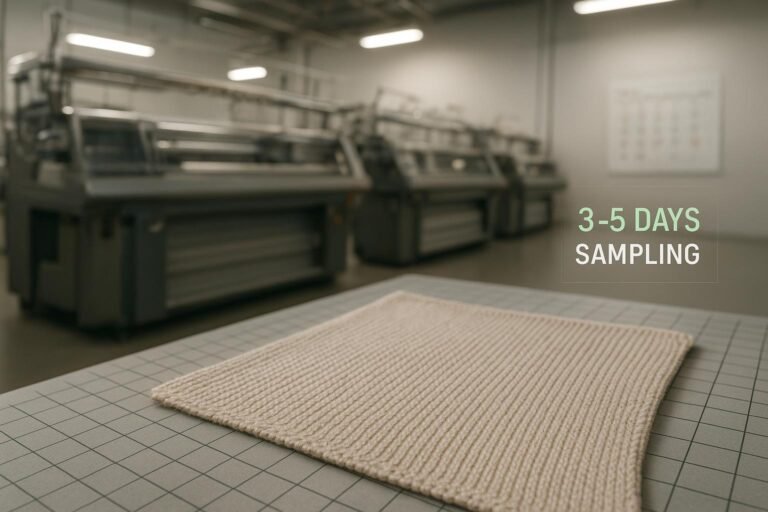
Once you confirm the fabric, you can make a pre-production sample. This tests everything in real life. It helps you plan the next steps and keeps you on schedule. You avoid last-minute problems.
GSM & Dye Lot Checks
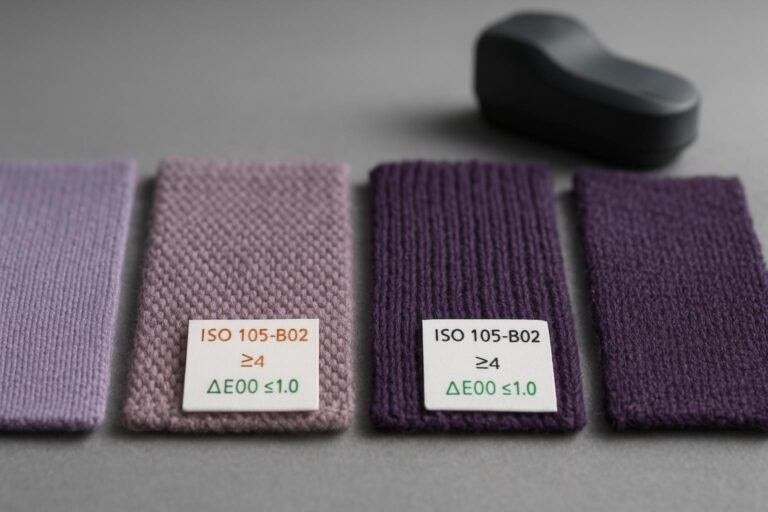
GSM and dye lot checks are important for quality and timing. If you skip these, you might have big problems later. Some common issues are:
Color changes that make customers unhappy and lower prices
Expensive fixes if you miss mistakes early
Checking quality here saves time and money. You find problems before they slow down your order.
Finalizing Tech Packs
A tech pack is like a map for making your product. If you finish it before you start, you avoid confusion and wasting time. Clear tech packs help everyone know what to do. You have fewer sample changes and keep things moving.
Here’s why tech packs help:
They remove guessing, so your team knows every detail.
You don’t have to keep changing samples, so work goes faster.
Good instructions help you keep quality high and avoid delays.
When you use a tech pack, your samples look like you want. You get feedback fast and can approve things quickly. Without one, you might need many samples, which causes more delays and costs more.
They help everyone talk better and make fewer mistakes.
They help you keep quality the same for every order.
If you want to know how to avoid delays in knitwear production, start with a good tech pack.
Remember: Good planning, early fabric checks, and clear instructions help you finish orders on time and keep your customers happy.
Avoiding Overbooked Schedules
You want your knitwear orders to finish on time, but overbooked schedules can ruin your plans fast. When you take on too many orders at once, your team feels rushed. Mistakes happen. Deadlines slip. Customers get upset. If you wonder, how do I avoid delays in knitwear production?, you need to keep your schedule realistic and flexible.
Start by looking at your current workload. Don’t just guess how much your team can handle. Track how long each job takes. Use this information to set limits. If you know your true capacity, you can say yes to the right orders and no to the ones that will overload your team.
Here are some smart ways to avoid overbooked schedules:
Prioritize Effectively: Focus on the most important orders first. This helps you deliver on time and keeps your best customers happy.
Match Schedules to Customer Commitments: Always check your delivery promises before adding new orders. Make sure your schedule lines up with what you told your customers.
Reduce Setup Times: Try to group similar jobs together. This cuts down on the time you spend switching machines or changing yarns.
Use Real-Time Data: Keep an eye on your production numbers as they happen. If something changes, you can adjust your schedule right away.
Tip: When you use real-time data, you spot problems early and fix them before they cause big delays.
Let’s look at a simple table to help you check if your schedule is overbooked:
Checkpoint | What to Ask Yourself |
|---|---|
Current workload | Do you know how many orders are in progress? |
Team capacity | Can your team finish all jobs on time? |
Delivery promises | Are you matching your schedule to deadlines? |
Flexibility | Can you shift jobs if something changes? |
If you keep these points in mind, you can answer how do I avoid delays in knitwear production? with confidence. You avoid last-minute rushes and keep your team working at a steady pace.
Remember, saying no to an extra order is better than missing a promise to a loyal customer. When you avoid overbooked schedules, you build trust and keep your business strong.
Supply Chain Optimization
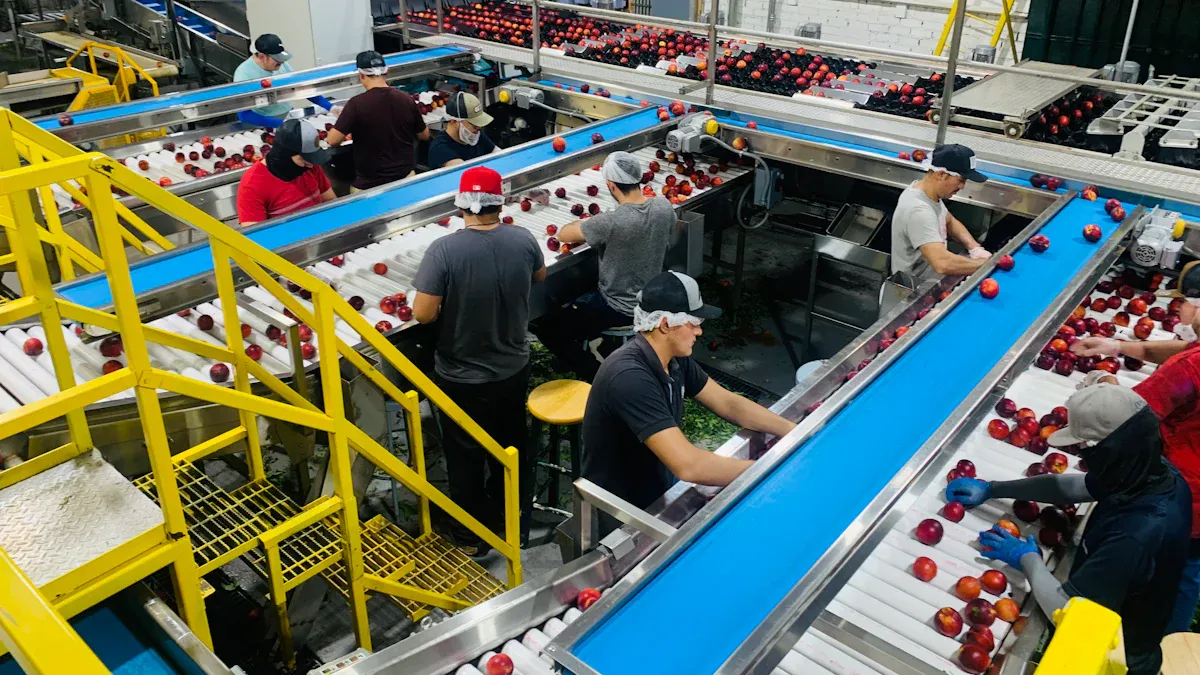
You want your knitwear production to go well. A strong supply chain helps you avoid delays. It also keeps your customers happy. Let’s see how you can make your supply chain better.
Reliable Suppliers
Picking the right suppliers is very important. You need partners who deliver on time. They should handle your order size. Here are things to check:
Production Capacity: Make sure your supplier can handle big orders, like over 10,000 units each month.
Lead Times: Ask how long delivery takes. Good suppliers finish small orders in 4-6 weeks. Big orders take 8-12 weeks.
Flexibility: Choose suppliers who can rush orders if needed.
Sustainability: Pick those who use eco-friendly materials and green methods.
Pricing: Get clear prices and compare costs. This helps you get good value.
Communication: Choose suppliers who answer fast and give good support.
Tip: Strong relationships with reliable suppliers help you avoid surprises. This keeps your production on track.
Inventory Management
Good inventory management keeps production moving. If you know what you have, you fill orders faster. You also avoid running out of materials. Here’s how it helps:
What You Do | How It Helps Production Stay On Time |
|---|---|
You always have enough yarn and trims. | |
Track inventory clearly | You process orders fast and avoid out-of-stock delays. |
Use digital tools for inventory control | You work better and meet customer deadlines. |
You can use software to track your stock in real time. This helps you spot shortages early. You can order more before you run out. When your inventory is organized, you find materials fast. You spend more time making knitwear.
Shipping & Transportation
Getting products to customers on time is important. Shipping delays can ruin your hard work. Here’s how to make shipping better:
Route Optimization
Route optimization software helps plan the best delivery routes. It checks traffic, weather, and schedules. This helps you avoid slowdowns. You get products to customers faster. Real-time tracking shows where shipments are. You can make changes if something goes wrong.
Batch shipments together to save time and money.
Use different shipping partners to lower delay risks.
Try multi-modal transport, like trucks and trains, to speed up delivery.
Timely Delivery
Watch your shipping schedules closely. Review freight plans often and change them if needed. During busy times, book carriers early. Make sure you have enough stock ready to ship. Watch how shipping partners perform. Fix problems before they cause delays.
Note: Planning ahead and using the right tools helps you deliver on time every time.
A good supply chain keeps your knitwear business running well. When you pick the right suppliers, manage inventory, and plan shipping, you avoid delays. This keeps your customers coming back.
Technology & Automation
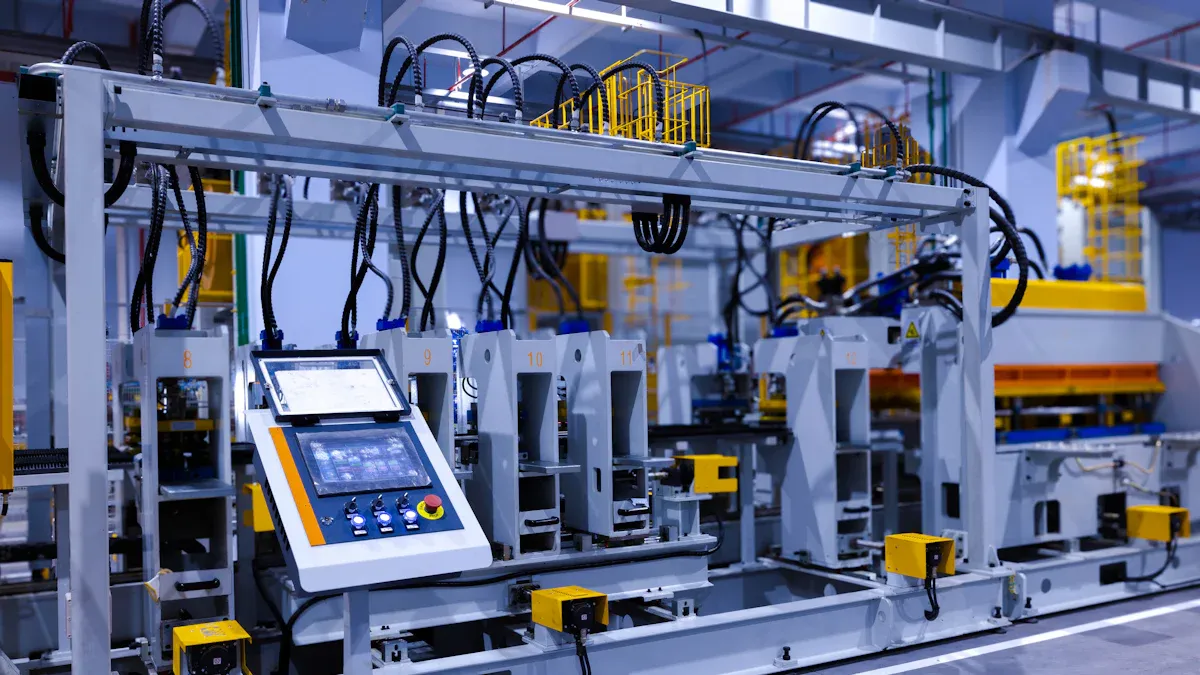
You want your knitwear production to run smoothly. Technology and automation can help you avoid delays and keep your orders on track. Let’s see how you can use these tools to make your work easier and faster.
Production Management Software
Production management software gives you control over your entire process. You get real-time data, so you always know what’s happening. This helps you make smart decisions and fix problems before they slow you down.
Here’s how software improves your scheduling and reduces delays:
You see all your production data right away. This helps you decide what to do next.
Automated scheduling means you don’t have to plan everything by hand. You make fewer mistakes and save time.
You can change your schedule quickly if something comes up. This keeps your work flowing and helps you meet customer needs.
Take a look at this table to see what features you get and how they help:
Feature | Benefit |
|---|---|
Order Management | You track orders and make sure deliveries happen on time. |
Production Planning | You set up schedules that match demand, so you cut down on waiting. |
Machine Scheduling | You use machines better and avoid downtime. |
Real-time Monitoring | You spot problems fast and fix them before they grow. |
Data Analytics | You find trends and bottlenecks, so you can improve your process. |
Tip: When you use production management software, you spend less time fixing mistakes and more time making great knitwear.
Automating Tasks
Automation takes care of jobs that are slow or easy to mess up. You can use robots and AI to handle heavy lifting, check for defects, and keep machines running.
For example, some factories use machine vision software to spot wrinkles in fabric. This catches 99% of defects, so you get flawless products. Others use AI systems to check stitching and fabric. They cut defective products by 90%. AI also looks at data from knitting machines and warns you before something breaks. This keeps your line moving and avoids surprise breakdowns.
Here’s a table showing how automation helps:
Manufacturer/Partner | AI Implementation | Results |
|---|---|---|
EasyODM | Machine vision software | Detects 99% of wrinkle defects |
EverLighten | AI vision for fabric and stitching | 90% fewer defective products |
Robots can move yarn rolls, feed fabric into machines, or pack finished products. This saves time and cuts down on mistakes.
Real-Time Tracking
Real-time tracking lets you see every step of your production as it happens. You spot problems right away and fix them before they cause delays.
You collect data all the time, so you find issues like broken machines or slow spots fast.
You get instant feedback, which helps you act quickly.
You see how work is spread out across your team. This helps you plan better and avoid overload.
Managers save time because they don’t have to gather reports by hand. They can focus on planning and solving problems.
Tracking helps you find bottlenecks and make changes right away. This boosts your efficiency and keeps orders moving.
Note: When you track your production in real time, you stay ahead of problems and keep your customers happy.
With the right technology and automation, you can make your knitwear production faster, smarter, and more reliable. You spend less time worrying about delays and more time growing your business.
Workforce Training
You want your knitwear team to work quickly and do well. Training helps workers learn new things and stay ready. When you help your team learn, you stop delays and keep your business strong.
Ongoing Education
Learning is always important in knitwear production. You can give programs that teach technical and creative skills. Some classes teach yarn selection, pattern making, design, digital programming, and product planning. Many factories use advanced machines like Shima Seiki’s SDS-ONE APEX and computerized flat knitting machines. These machines help your team work smarter and faster.
A good education program has many parts:
Program Features | Description |
|---|---|
Curriculum | Teaches yarn selection, structures, pattern making, design, digital programming, and product planning. |
Technologies Used | Uses Shima Seiki’s SDS-ONE APEX design system and computerized flat knitting machines. |
Facilities | Has 55 SDS-ONE APEX units and 22 computerized flat knitting machines. |
Outcomes | Graduates become knit designers, programmers, and production specialists. Some start their own brands. |
You can help your team try new things and get better skills. Some programs help people start their own brands. Training can happen at trade shows, in college classes, or in hands-on courses with new machines. The KNITWEAR LAB gives custom programs that teach both technical and creative skills. Your team learns by doing, using modern equipment and software. They finish by making their own knitwear collections.
Casual programs or talks at trade shows
Classes from colleges or universities
Operator and technician training from machine makers
Tip: If you support learning all the time, your team gets ready for new technology and stays ahead in the industry.
Hiring Practices
You want a team that works well together. Look for people who want to learn and love knitwear. You can hire from local colleges or training programs. Many companies work with schools to find new workers. New people bring fresh ideas and help your production move faster.
Ask questions in interviews to see how people solve problems. You want workers who notice details and care about quality. Some factories test skills with sample projects. This shows how new hires work when things get busy.
Note: Hiring people who love knitwear and want to learn makes your team stronger and more flexible.
Retention Strategies
Keeping your best workers is very important. You can use different ways to help your team stay happy and want to work with you.
Strategy | Description |
|---|---|
Always learning keeps skills fresh and workers interested. | |
Flexible working conditions | Flexible hours help workers balance life and work. |
Competitive compensation | Raising pay and removing piece-rates helps keep good workers. |
Strong leadership | Good leaders coach and mentor new workers. |
Family-like culture | A friendly place helps teamwork and strong relationships. |
You can give flexible hours so your team can balance work and life. Pay raises show you value their hard work. Strong leaders help teach and guide new workers. When you build a friendly culture, people feel supported and want to stay.
Give training and chances to grow
Make a friendly and helpful workplace
Give fair pay and benefits
Support teamwork and open talk
😊 Happy workers make better products and help your business grow. When you invest in your team, you stop delays and build a strong future for your knitwear company.
Communication Strategies
Good communication keeps your knitwear production on track. When you talk clearly with your team and suppliers, you spot problems early. You also fix issues before they turn into big delays. Let’s look at how you can build strong communication in your business.
Internal Channels
You need strong channels inside your company. These help everyone stay on the same page. You can use daily meetings, group chats, or shared dashboards. When you share updates often, your team knows what to do next.
Hold short meetings at the start of each day. Everyone shares what they plan to do.
Use group chats or messaging apps for quick questions.
Set up a shared calendar. Mark important dates, like deadlines and holidays.
Try a digital dashboard. Show order status, machine use, and any problems.
Tip: When your team talks often, you catch mistakes early and keep work moving.
Supplier Coordination
You want your suppliers to work with you, not against you. Good coordination helps you get materials on time. It also keeps your orders moving.
Here are some ways to work better with suppliers:
Use ERP systems to predict what you need. This helps you order the right amount of yarn and trims.
Keep all your supplier info in one place. You can check how well each supplier does and talk to them faster.
Track your inventory in real time. You see when you need to order more and avoid running out.
Coordination Method | How It Helps You |
|---|---|
You avoid stockouts and keep production steady. | |
Supplier management tools | You spot slow suppliers and fix issues fast. |
Real-time inventory tracking | You always know what you have in stock. |
Note: When you manage suppliers well, you stop delays before they start.
Regular Updates
Regular updates keep everyone in the loop. You avoid confusion and stop small problems from growing.
Share clear and direct messages with your team and suppliers. This stops misunderstandings.
Give everyone access to real-time info. People make fewer mistakes when they know what’s happening.
Tell your partners right away if there’s a delay. They can adjust their plans and help you fix things.
😊 When you update everyone often, you build trust and keep your production running smoothly.
Strong communication is your secret weapon. Use it every day to keep your knitwear business on time and your customers happy.
Quality Control
Quality control helps your knitwear business work well. If you set clear rules and check often, you find problems early. This lets you fix things before they get worse. You deliver orders on time and keep customers happy.
Standards & Inspections
You need strong ways to check quality to stop delays. These ways help you spot mistakes early and fix them fast. Many knitwear factories use systems, inspections, and digital tools together. Here are some common ways to keep quality high:
Quality Control Method | Description |
|---|---|
Quality Management Systems | Helps find and fix problems early, so there are fewer defects. |
Regular Inspections | Checks quality at every step to catch mistakes early. |
Four-Point Inspection System | Grades fabric with a simple system to focus on big defects. |
Digital Tools | Uses technology to find defects and watch machines in real time. |
You can use these ways together. For example, do regular inspections and use digital tools at the same time. The Four-Point Inspection System helps you grade fabric and find big problems. Quality management systems help you track issues and stop them from happening again.
Tip: If you check quality at every step, you avoid big problems later.
Addressing Defects
Finding defects early saves time and money. If you spot a problem right away, you fix it before it slows down everything. Many factories use AI-powered quality control now. This technology can make inspections 70% faster. You finish work faster and ship orders on time.
Here’s how finding problems early helps production:
Evidence | Impact on Production Timelines |
|---|---|
AI-powered quality control reduces inspection time by 70% | Speeds up production |
Real-time inspection prevents bottlenecks | Helps you ship on time |
Early defect detection improves first-pass yield by 25% | Cuts down on rework and returns |
In a factory making 50,000 pieces each month, AI can help you ship 15,000 more perfect items every season.
If you find a fabric flaw before cutting, you save the whole roll. This can save thousands of dollars.
You should fix problems as soon as you see them. Real-time inspection tools show you where things go wrong. You can act fast. If you catch defects early, you avoid slowdowns and keep orders moving.
😊 Remember: Good quality control means fewer delays, less waste, and happy customers. Make it part of your daily work, and your business will grow.
Continuous Improvement
You want your knitwear business to keep getting better. Continuous improvement means you always look for ways to work smarter and faster. When you focus on small changes every day, you avoid big problems later. This helps you deliver orders on time and keep your customers happy.
Monitoring KPIs
You can’t improve what you don’t measure. That’s why you need to track key performance indicators, or KPIs. These numbers show how well your production runs. When you watch the right KPIs, you spot slowdowns and fix them before they turn into delays.
Here are some important KPIs you should track in your knitwear factory:
Overall Equipment Effectiveness (OEE): Shows how well your machines work.
Machine downtime: Tells you how often machines stop.
Cycle time: Measures how long it takes to make one item.
Product defects: Counts how many items have mistakes.
Rework rates: Shows how often you need to fix products.
First-pass yield: Tells you how many items pass inspection the first time.
Raw material consumption: Tracks how much yarn or fabric you use.
Stock levels: Shows how much material you have on hand.
Inventory turnover: Tells you how fast you use up your stock.
Operator efficiency: Measures how well your workers perform.
Labor utilization: Shows if you use your team’s time well.
Production output per employee: Tells you how much each worker makes.
Energy usage per unit of production: Tracks how much energy you use for each item.
Mean Time Between Failures (MTBF): Shows how long machines run before breaking.
Mean Time to Repair (MTTR): Tells you how fast you fix machines.
Supplier performance: Measures if your suppliers deliver on time.
Order fulfillment: Shows if you ship orders when promised.
Delivery reliability: Tells you how often you meet delivery dates.
Tip: Review your KPIs every week. Share the results with your team. When everyone knows the numbers, you all work together to improve.
Feedback & Adjustments
Feedback helps you see what works and what needs to change. You can ask your team, your customers, and even your suppliers for ideas. When you listen, you find new ways to make your production better.
Try these steps to use feedback and make smart adjustments:
Hold regular team meetings. Ask workers what slows them down or causes mistakes.
Send short surveys to customers. Find out if they are happy with your products and delivery times.
Talk to suppliers. Ask if they see ways to speed up orders or improve quality.
Review your KPIs. Look for trends or sudden changes. If you see a problem, act fast.
You can use a simple table to track feedback and your next steps:
Source | Feedback Example | Action Taken |
|---|---|---|
Team | Machine jams often | Schedule more maintenance |
Customer | Late delivery last month | Change shipping partner |
Supplier | Yarn color varies | Request dye lot samples |
😊 Remember: Small changes add up. When you listen and adjust, your knitwear business grows stronger every day.
You can prevent delays in knitwear production by following a few key steps. Check out these top tips from industry experts:
Tip | Description |
|---|---|
Avoid Last-Minute Changes | Changes after production starts will slow everything down. |
Complete Purchase Orders | Give full details so the factory can plan and work fast. |
Address Pattern Issues Early | Fix pattern problems during sampling to keep production smooth. |
Maintain Production Efficiency | Keep your schedule steady and avoid interruptions. |
Take time to look at your own process. Try these ideas:
Watch how your team works and track time.
Draw out your workflow to spot slow steps.
Use technology and clear rules to help everyone do their best.
Every small change you make brings you closer to smooth, on-time knitwear production. Start today and see your business grow! 🚀
FAQ
What is the most common cause of delays in knitwear production?
You often see delays because of late material deliveries or poor planning. If you check your supply chain and plan ahead, you can avoid most problems.
How can I make sure my suppliers deliver on time?
You should talk with your suppliers often. Set clear deadlines. Use reminders and track shipments. Good relationships help you get what you need when you need it.
Why is a tech pack important for production?
A tech pack gives your team all the details they need. It stops confusion and cuts down on mistakes. You save time and keep your orders moving.
What should I do if I spot a defect during production?
Stop and fix the problem right away. Tell your team so everyone knows what to watch for. Quick action keeps your production on track.
How can technology help me avoid delays?
Production software and real-time tracking show you what’s happening now. You can spot slowdowns fast and fix them before they turn into big delays.
How do I keep my team motivated to meet deadlines?
You can offer training, fair pay, and praise for good work. A happy team works faster and makes fewer mistakes.
What is the best way to handle last-minute order changes?
Try to avoid last-minute changes. If you must, update your team and suppliers right away. Adjust your schedule and check if you have enough materials.
How often should I review my production process?
Check your process every week. Look for slow steps or mistakes. Small changes each week help you stay on time and improve your business.