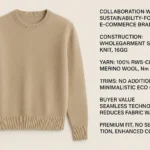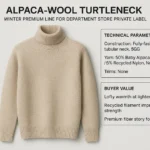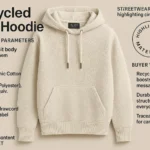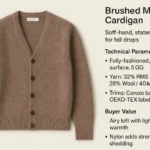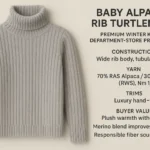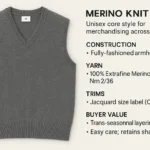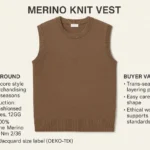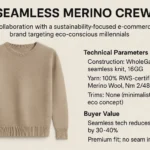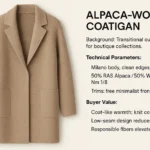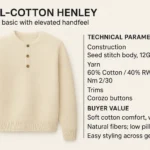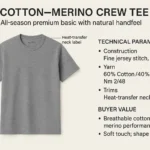

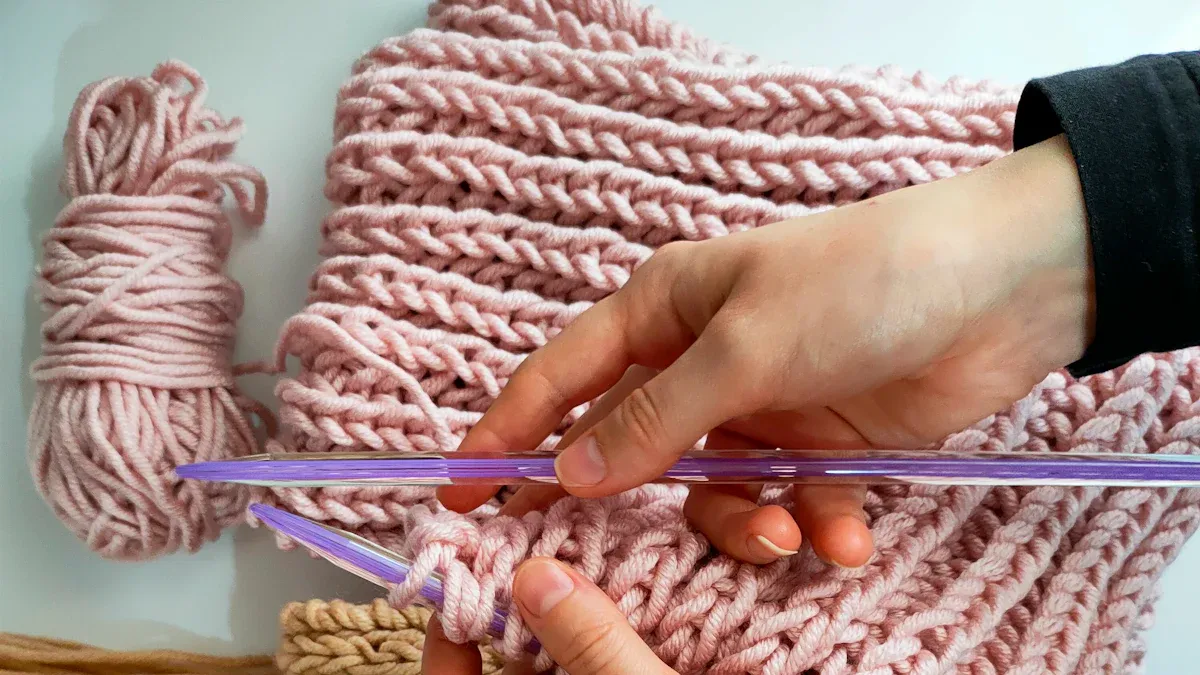
How do I design a custom knitwear collection? First, ask yourself how to make your knitwear special. Think about who will buy your clothes. What makes your ideas different from others? How do I design a custom knitwear collection that people like? Look at brands like Casa de Stella. Their launch helped them sell more and made customers happy. How do I design a custom knitwear collection that builds your dream into a brand? You need to follow each step in order. How do I design a custom knitwear collection? Anyone can do it if you keep working, learn from others, and believe in yourself.
Case Study Title | Key Outcomes | Notable Quotes |
|---|---|---|
Expanding Tradition: Bringing Knitwear to Casa de Stella | The knitwear line launched well. Sales went up at market events. Customers gave good feedback. | ‘Mari has been an important partner for our knitwear program.’ – Taylor Olson, Founder & CEO Draw & Fade |
Key Takeaways
Find out who your customers are. This helps you make knitwear they will like and need.
Make a special brand look. Show your style and values so people notice you.
Make clear goals for your collection. This helps you stay focused and keep your designs matching.
Look at what is popular in knitwear now. This gives you new ideas for your collection.
Make mood boards to show your ideas. This keeps your design work neat and easy to follow.
Pick the best shapes and yarns. This makes your knitwear comfy, stylish, and good quality.
Make tech packs with lots of details. This helps manufacturers understand your designs.
Ask for feedback after you launch. This helps you make better collections next time and make customers happy.
Define Your Niche and Brand
Identify Your Audience
You want your custom knitwear to stand out. Start by thinking about who will wear your pieces. Do you picture women looking for cozy sweaters? Maybe you see people who love natural fibers and care about the planet. Many shoppers want outerwear like jackets and sweaters because these items work for many occasions. Most people still like to shop in stores so they can feel the fabric and check the fit. When you know your audience, you can create custom knitwear that fits their needs and style.
Here are some common niches in the knitwear market:
Natural fibers, like wool and cotton, are popular for comfort and eco-friendliness.
Women’s knitwear sells the most, thanks to many styles and frequent shopping.
Outerwear, such as sweaters and jackets, brings in a lot of sales.
Store-based shopping is still the top way people buy knitwear.
If you focus on one of these areas, you can make custom knitwear that people want to buy.
Clarify Brand Identity
Your brand should feel unique and true to you. Think about what makes your custom knitwear designs special. Do you offer fully bespoke customisation? Maybe you use rare yarns or bold colors. A strong brand identity helps people remember you and trust your work.
Tip: Stay consistent with your look and message. People love brands that feel steady and reliable.
Here are some guidelines for building a strong brand:
Pick a niche that matches your skills and passion.
Find your unique selling point. What makes your custom knitwear different?
Keep your designs and messages consistent.
Stick to your brand values. This builds loyalty and excitement for your next collection.
When you follow these guidelines, your custom knitwear brand will stand out in a busy market.
Set Collection Goals
Now, set clear goals for your collection. Ask yourself what mood or story you want your custom knitwear to tell. Maybe you want a cozy winter vibe or a bright spring look. Use one type of yarn and a simple color palette, like soft neutrals, to keep your collection looking sharp and put together. This approach helps your pieces work well together and makes your custom knitwear designs easy to mix and match.
Note: Clear guidelines for your collection help you stay focused and make smart choices during the design process.
If you offer fully bespoke customisation, make sure your guidelines still keep your collection unified. With the right goals and guidelines, you can create custom pieces that connect with your audience and build a strong brand.
Research and Gather Inspiration
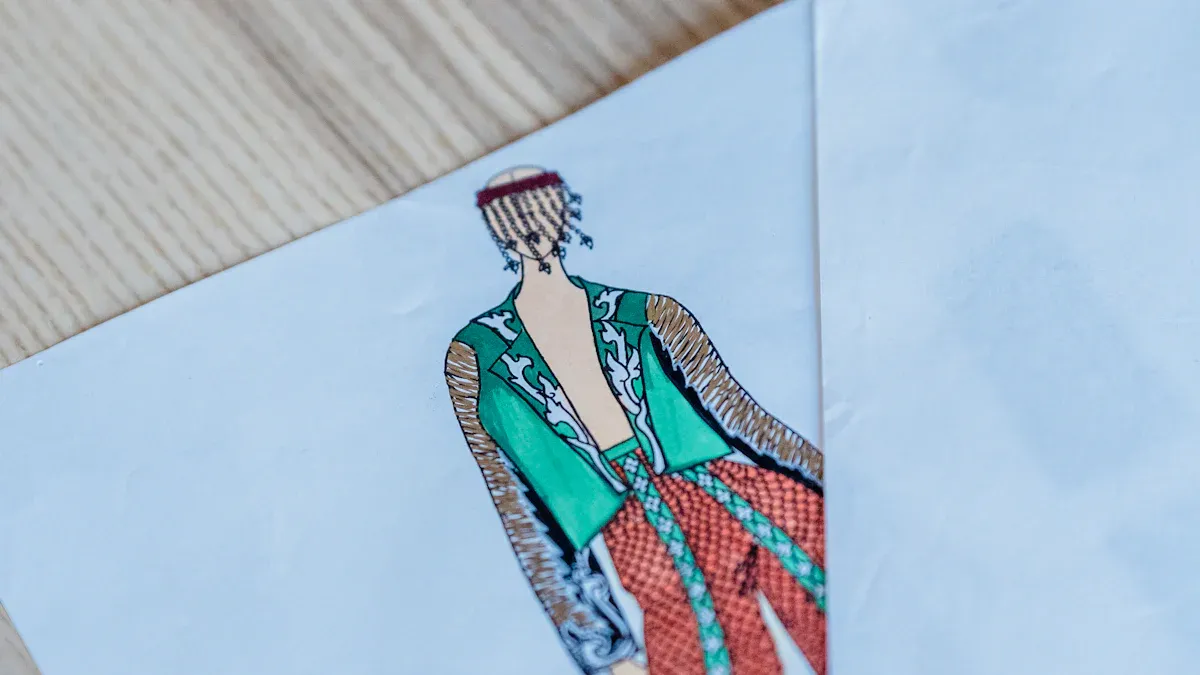
Explore Knitwear Trends
You want your collection to feel fresh and exciting. Start by looking at what’s happening in the world of knitwear right now. Designers are moving away from old styles. They use bold colors and playful prints. Many people love handmade and small-batch pieces because they feel like art, not just clothes. You can see a lot of comfort and fluidity in today’s knitwear design process. People also care about using sustainable materials.
Here’s a quick look at some current trends:
Trend Type | Description |
|---|---|
Fluidity | Uses soft, bio-based synthetics for tops and dresses. |
Openwork | Shows off man-made blends, great for swimwear and dresses. |
Construction Knits | Mixes natural and man-made fibers for sweatshirts, skirts, and pants. |
You can also spot a big comeback for handmade items. Shoppers want unique, original designs that stand out from mass-produced fashion.
Shift toward eco-friendly materials
More handmade, small-batch knitwear
Build Mood Boards
Mood boards help you see your ideas in one place. They make it easier to plan your collection and share your vision. You can start by picking a theme. Maybe you want a cozy winter look or a bright, playful vibe. Gather pictures, colors, and textures that match your theme. Use magazines, online images, or even photos you take yourself.
Here’s a simple way to build a mood board:
Choose a theme for your collection.
Use a mood board creator or a big piece of paper.
Arrange your images and colors in a way that feels right.
Add text or quotes to explain your ideas.
Tip: Digital tools let you work with others and get feedback fast. Try sharing your mood board with friends or team members.
A good mood board keeps you focused and helps you follow your knitwear design guidelines. It also makes it easier to get a high-quality final result.
Find Your Unique Angle
Now, think about what makes your collection special. Successful knitwear brands stand out by showing their true selves. They focus on authenticity and craftsmanship. You can tell your story through your designs. Maybe you use special stitches or rare yarns. You might want to highlight how you care about the planet or support local makers.
Show off your original designs and techniques.
Talk about why your collection matters.
Storytelling helps people connect with your work. When you share your journey, you build trust and excitement. This makes it easier to start selling your collection and grow your brand.
Design Your Collection
Design your collection with care so every piece feels special and works together. This part of the knitwear design process helps you make choices that match your brand and goals. You want your collection to look good, feel great, and fit your audience’s needs.
Choose Silhouettes and Product Types
Start by picking the shapes and styles you want in your collection. Think about how each piece will fit and how people will wear them. Some silhouettes are always popular because they offer comfort and style. Here are some top choices you might want to include:
Men’s Oversized Crew Neck – This style feels easy and adaptable. The loose fit gives lots of comfort.
Women’s Cropped Polo – Trim and tailored, this piece fits close to the body and looks sharp.
Women’s Dropped Shoulder Cardigan – An everyday essential with a relaxed fit and easy drape.
Men’s Zip Up Jacket – This jacket has structured shoulders and a snug fit for warmth.
Women’s Slip Dress – Minimal shape, but the fit makes a big impact.
Hawaiian Shirt – A fun twist on a classic, with a relaxed fit for breathability.
Unisex Hoodie – A timeless staple with a relaxed fit and lots of comfort.
Women’s 2 in 1 Cropped Shrug – Great for layering, this piece fits different looks for day or night.
Unisex Jacket – Clean lines and a utility feel, with a fit that works for many.
Women’s Long Wide Leg Pants – These pants have a fluid knit silhouette and focus on comfort.
When you choose your silhouettes, think about how each one will fit your customer. Sweaters are always a favorite because they offer warmth, comfort, and style. You can mix classic sweaters with new shapes to keep your collection fresh. Make sure every piece feels good to wear and fits well. If your sweaters fit right, people will want to wear them again and again.
Tip: Try on samples yourself or ask friends to test the fit. Good fit means happy customers!
Select Yarn and Stitch Patterns
Now, pick the yarns and stitch patterns that bring your ideas to life. The yarn you choose changes how your sweaters feel, how they fit, and how they look. Some yarns are soft and stretchy, while others give more structure. You want to balance comfort, breathability, and style.
Here’s a table to help you see how different yarns work with popular stitch patterns:
Yarn Name | Description | Patterns Suggested |
|---|---|---|
Civility Sport | A blend of 70% U.S.-grown merino and 30% mulberry silk, soft and springy. | Aggregate by Jimenez Joseph, Avalyn by Vanessa Smith, Love and Grace by Tamy Gore, Quodlibet by Angela Tong, Freesia by Jumper Cables, Logan Shoals by yellowcosmo, First Frost by Lana Jois, Backbarrier Wrap by Neisha Abdulla, Sail-Away Shawl by Julia Farwell-Clay. |
Yarns like Civility Sport give your sweaters a soft touch and a bit of shine. Merino wool adds warmth and comfort, while silk brings breathability and a smooth feel. When you design your collection, try mixing yarns to get the right fit and comfort for each piece. Use stitch patterns that match your vision. Some stitches make sweaters stretchy, while others add texture or structure.
Think about colors, too. Pick three main colors for your collection. This helps your sweaters look good together and makes it easy for people to mix and match. You can use bold colors for statement pieces or soft colors for a calm, cozy vibe. The right colors make your collection stand out.
Note: Always test your yarns and stitch patterns before making the full collection. This helps you check the fit, comfort, and look.
Create Tech Packs
Once you have your designs, you need to create tech packs. These are detailed documents that show every part of your design. Tech packs help you share your ideas with factories or knitters so they can make your sweaters just right.
Flat technical outlines of the front, back, and side views.
Fabric and yarn specifications, like fiber content, handle, gauge, and source.
Measurement charts for each size to make sure the fit is perfect.
Construction details, such as fasten type, sewing method, and seam placement.
Colorways with Pantone references to keep your colors consistent.
Branding and label placement.
Packaging instructions.
You should also add:
Product summary with brand name, product type, description, gender, season, colors, country of origin, minimum order quantity, and technical sketches.
Fashion flats that show all angles and details, like buttons and zippers.
Bill of materials listing all yarns, fabrics, and packaging materials.
Measurement details with tolerances and grading information for each fit.
Construction notes for stitching, seam types, and finishing.
Color palette and artwork specs for every part of your sweaters.
Feedback page to track changes during production.
When you create tech packs, you make sure everyone understands your vision. This step helps you get a high-quality final result. You avoid mistakes and make sure every sweater fits and feels just right.
Tip: Keep your tech packs clear and simple. The more details you add, the better your sweaters will fit and the easier it is to get the comfort and colors you want.
By following these steps, you can design your collection with confidence. You will have sweaters that fit well, use the best yarns, and show off your favorite colors. Your knitwear design process will feel smooth, and you will be ready to start selling your original designs.
Sourcing and Sampling for Custom Knitwear
Find Suppliers and Platforms
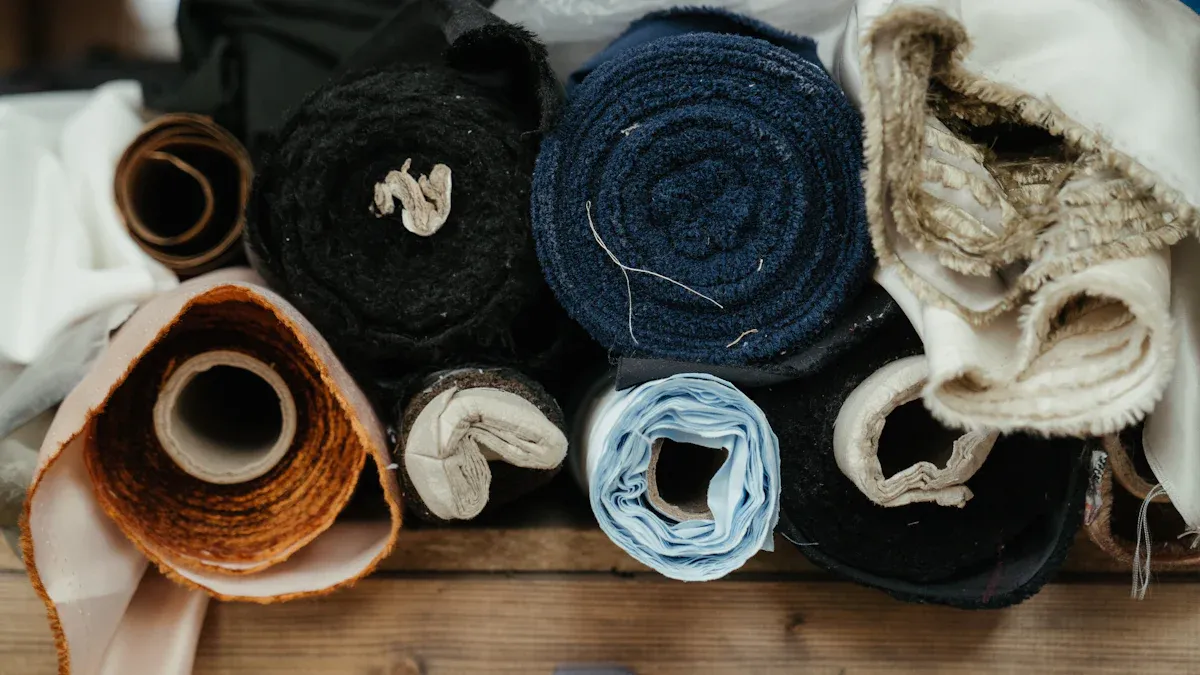
You want your custom knitwear to be special. To do this, you need the right manufacturer and suppliers. They should understand what you want to make. Some factories work with small orders. Others can make a lot at once. Here are some good choices:
Knitwise – Makes custom designs with jacquard knitting and no minimum order.
Fourbital Factory – Experts in jacquard, made in America.
Wisconsin Knitwear – Family business, good for custom text and logos.
Aung Crown – Handles big orders with advanced knitting machines.
ZYCAPS – Good for cheap, mass-market knitwear.
You can also look at Global Sportswear for custom logo sweaters. Fourbital Factory is great for beanies made in the USA. If you want to use eco-friendly materials, ask each supplier about their yarn. This helps you make better choices for the planet and your customers.
Supplier Name | Product Type | Material | Place of Origin | Special Features |
|---|---|---|---|---|
Global Sportswear | Custom Logo Knit Men’s Sweaters | 100% Cotton | Zhejiang, China | ODM, 7 Days Sample Order Lead Time |
Fourbital Factory | Knitted Beanies | U.S.-sourced | Vermont, USA | True jacquard weaving, Domestic production |
Wisconsin Knitwear | Custom Knitted Products | Acrylic Yarn | USA | Custom text and logos |
Aung Crown | High-Volume Beanies | Various | International | Advanced knitting technology |
ZYCAPS | Budget-Focused Production | Various | China | Low-cost customization options |
Tip: Always ask about eco-friendly materials before you order. This helps you keep your brand values.
Order Swatches and Samples
Before you make a lot of knitwear, you need to see and touch samples. Most suppliers will send you swatches and samples. This lets you check the color, feel, and quality. Each sample usually costs about $350. You will wait around three weeks after sending your details and materials.
Lead time: About 3 weeks
Getting samples helps you test yarns, colors, and eco-friendly materials. You can see which ones look and feel best. This step helps you avoid problems and makes sure your collection is just right.
Refine Prototypes
After you get your samples, you need to improve your prototypes. This part helps you find problems and fix them before selling. Here is an easy way to get great results:
Make clear tech packs to show your ideas.
Look at similar clothes to find problems.
Plan your steps and set your budget.
Pick materials that match your final product.
Fix one problem at a time.
Write down every change you make.
Test your prototypes in real life.
Ask people with different body types to try them.
Compare your samples to top brands.
Make a final sample with the same materials as production.
Test sizing with sample garments.
Write clear instructions for the factory.
Set quality rules using your best prototype.
Note: The more you test and improve, the better your final product will be. This step helps your custom knitwear stand out and keeps customers happy.
By following these steps, you make sure your knitwear uses the best materials, fits well, and meets your standards. You also show customers you care about quality and the planet.
Production and On-Demand Options
When you are ready to make your knitwear, you have two choices. You can use traditional manufacturing or on-demand knitwear. Each way has good points. Let’s see how they are different so you can pick what works for you.
Choose Production Methods
Traditional production is good if you want to make many sweaters at once. You usually must order at least 100 pieces. This way takes a long time, sometimes up to three months. You also need space to store extra sweaters. If you do not sell them all, you might waste money and materials. On-demand production is different. You only make a sweater after someone buys it. You do not need to keep extra sweaters in storage. This helps you avoid making too many.
Here’s a table that shows how the two ways compare:
Feature | Traditional Production | On-Demand Production |
|---|---|---|
High (e.g., 100 pieces) | No minimum, single-piece possible | |
Lead Time | Up to 3 months | Immediate, made after order |
Inventory | Must store products | No inventory needed |
Customization | Limited | Fully customizable |
Waste | More waste from unsold items | Minimal waste, made to order |
Cost per Unit | Lower for big orders | Higher, but premium pricing possible |
Sustainability | Less sustainable | More sustainable, zero waste |
On-demand production gives you more freedom. It helps you waste less. This is helpful if you want to try new designs or start small.
Work with Manufacturers
Choosing a manufacturer is an important step. You want someone who understands your ideas. They should make high-quality knitwear. Here are some things to check:
Criteria | What to Look For |
|---|---|
Craftsmanship and Versatility | Can they do advanced techniques like Jacquard or gradient dye? |
Material Selection | Do they offer Merino wool or blended yarns? |
Sampling and Design Fidelity | Can they match your samples closely? |
Production Efficiency and MOQ | Are they flexible with small orders? |
Private Label Capabilities | Will they add your branding? |
Testing and Certification | Do they have OEKO-TEX or SGS certifications? |
Customer Service | Is communication easy and clear? |
Proven Track Record | Have they worked with other brands successfully? |
Tip: Always ask for samples before you choose a manufacturer. This lets you check the quality and see if it meets your needs.
Consider On-Demand Knitwear Platforms
On-demand knitwear platforms like Knitwise make things easier. You can upload your designs and start selling right away. These platforms use special machines to make each sweater after someone orders it. You do not have to worry about extra sweaters or wasted yarn.
Some good things about on-demand platforms:
No minimum order, so you can make just one sweater.
Faster production, so you can follow trends.
Less waste, which is better for the planet.
You can try new ideas without spending a lot.
Note: On-demand platforms help you move quickly and try new things. You can test styles, colors, or patterns to see what people like.
If you want a brand that is fast, flexible, and cares about the planet, on-demand knitwear is a great choice. You can focus on your designs. The platform takes care of the rest. This keeps your collection new and keeps customers interested in what you make next.
Start a Knitwear Brand: Branding and Marketing
You have your designs and samples ready. Now it’s time to start a knitwear brand that people will remember. This part is all about making your brand stand out, building your online presence, and planning a launch that gets everyone excited.
Add Branding Elements
When you start a knitwear brand, you want people to recognize your work right away. High quality matters most. Customers love clothing that lasts and feels good. Use the best materials and focus on craftsmanship. Your designs should show off your style and follow trends that your audience likes.
Brand identity helps you stand out. Pick a logo that’s easy to spot. Use the same colors and style in everything you do. This makes your branded knitwear look professional and unique. Here are some things to include:
Signature details, like special buttons or patterns
Fit philosophy, so your pieces always feel right
A strong brand identity makes your branded knitwear easy to spot and trust.
Build Your Online Presence
You need to show your collection to the world. Start with a simple website or blog. This gives people a place to see your products and learn about your story. Social media is your friend. Set up accounts on Facebook, Instagram, and Twitter. Share photos of your finished pieces and behind-the-scenes moments.
Try these steps to grow your online presence:
Post fun and helpful content, like how-to videos or style tips
Share images of your knitwear on different people
Use free tools like Google Business to help people find you
Write blog posts about your knitwear design process
When you connect with your audience online, you build trust and make it easier to start selling.
Plan Your Launch Strategy
A good launch can make your collection a hit. Choose strong fabrics for each item, like organic cotton or recycled polyester. Make samples and ask for feedback from friends or early customers. Keep your collection theme clear, so people remember your brand.
Check your costs to make sure you can make a profit. Use different prices for classic and trendy pieces. Adjust prices if you need to, based on what customers say.
Here’s a table to help you plan your launch:
Step | What To Do | Best Channels |
|---|---|---|
1 | Build excitement | Social media, fun posts |
2 | Inspire and entertain | Influencer videos, partnerships |
3 | Teach and inform | Product info, size guides |
4 | Hype and sell | Ads, live launch events |
You can also use pre-order campaigns, work with micro-influencers, and share unboxing videos to market your brand. When you plan your launch well, you set yourself up for success and start a knitwear brand that people want to follow.
Launch and Beyond
Execute Your Launch
You have worked hard on your knitwear design process. Now it is time to launch your collection. The launch is your big moment. You want to make it special and memorable. Start by picking a date that gives you enough time to prepare. Most brands need about 2–4 weeks from production to shipping. Here is a quick look at the timeline:
Stage | Estimated Time |
|---|---|
Production | 7–14 days |
Shipping – Economy | 7–14 days |
Shipping – Express | 3–5 days |
Total Timeline | 2–4 weeks |
Plan your launch with care. Share sneak peeks on social media. Build excitement with countdowns and behind-the-scenes photos. When launching your first collection, send emails to your subscribers. Offer a special deal for early buyers. Make sure your website is ready for orders. Double-check your product pages and payment system. On launch day, post updates and answer questions fast. Celebrate every sale. Thank your customers for their support.
Tip: A smooth launch helps you start selling with confidence and builds trust with your audience.
Gather Feedback
After your launch, you want to know what people think. Feedback helps you improve and grow. Use many ways to collect feedback:
Watch social media for comments and posts about your launch.
Check review forums for honest opinions.
Send surveys using tools like Google Forms.
Set up feedback portals to gather ideas in one place.
Look at customer support messages for common issues.
Read product reviews on your website.
Add feedback forms to your site for direct responses.
Try feedback widgets that pop up during shopping.
Talk to customers in interviews or focus groups.
Watch how people use your site with user testing.
Method | Description |
|---|---|
Surveys | Structured questions for clear answers. |
Feedback Portals | Collect and sort ideas from many customers. |
Customer Support | Find patterns in questions or complaints. |
Social Media | Spot trends and real-time reactions. |
Product Reviews | Read what buyers say about your knitwear. |
Direct Feedback | Get emails or messages straight from customers. |
Feedback Widgets | Gather quick thoughts without interrupting shopping. |
Note: Honest feedback after your launch shows you what works and what needs fixing.
Plan Future Collections
Use what you learn from your launch to make your next collection even better. Successful brands listen to feedback from surveys and post-purchase emails. They learn about sizing, quality, and shipping. This helps you spot what to improve. When launching your first collection, you might find that some colors or fits sell faster. Use this information to guide your next steps.
Think about your budget for the next launch. Here is a simple table to help you plan:
Cost Category | Cost Range | Key Variables |
|---|---|---|
Concept Development & Design | $500–$2,000 | Designer skill, collection size |
Fabric Sourcing | $2–$10 per yard | Material quality, order size |
Sample Making | $80–$500/sample | Garment type, number of samples |
Manufacturing (Per Unit) | $18–$60 | Batch size, style |
Quality Control | $0.20–$1+ per unit | Testing needs |
Packaging | $0.10–$0.50/unit | Materials, branding |
Logistics & Shipping | $0.15–$2.00/unit | Shipping speed, location |
Keep listening to your customers after every launch. Use their ideas to shape your next knitwear design process. This way, you keep improving and your brand keeps growing.
You now know how to make your own knitwear collection, starting with your first drawing and ending with launch day. Make sure you create samples to test your ideas. Double-check your order details before you buy. Work closely with your suppliers so you can trust them. Keep thinking about new colors and patterns you could try. Look back at your design steps and find ways to make your work better. Always be curious and pay attention to what people say about your knitwear. Keep making new things and do not give up. If you are patient and care about your work, you can start selling and make great products.
FAQ
How much does it cost to start a custom knitwear collection?
You can start small with $1,000–$3,000 for samples and materials. Costs go up if you order in bulk or use luxury yarns. On-demand platforms help you save money by making only what you sell.
Can I design knitwear if I can’t draw?
Yes! You can use digital tools, hire a freelance designer, or work with a tech pack specialist. Clear photos, sketches, or even mood boards help communicate your ideas.
What is a tech pack, and do I need one?
A tech pack is a document that shows every detail of your design. You need one to make sure your manufacturer understands your vision. It helps avoid mistakes and keeps your collection consistent.
How do I find eco-friendly yarns?
Ask suppliers about their materials. Look for yarns labeled organic, recycled, or certified by OEKO-TEX. Many platforms and factories now offer sustainable options. You can also check for local yarn makers.
How long does it take to launch a knitwear collection?
You can launch in as little as 4–8 weeks if you use on-demand production. Traditional manufacturing takes longer, sometimes up to 3 months. Sampling and refining your designs may add extra time.
Do I need a website to sell my knitwear?
A website helps you look professional and reach more customers. You can also use platforms like Etsy or Instagram to start. Many brands use both for the best results.
What if my first collection doesn’t sell well?
Don’t worry! Use feedback to learn what your audience wants. Try new colors, fits, or marketing ideas. Many successful brands improve after their first launch. Stay flexible and keep creating.
Can I make custom knitwear for other brands?
Yes, you can offer private label or white label services. Many factories let you add custom tags and packaging. This is a great way to grow your business and reach new customers.