
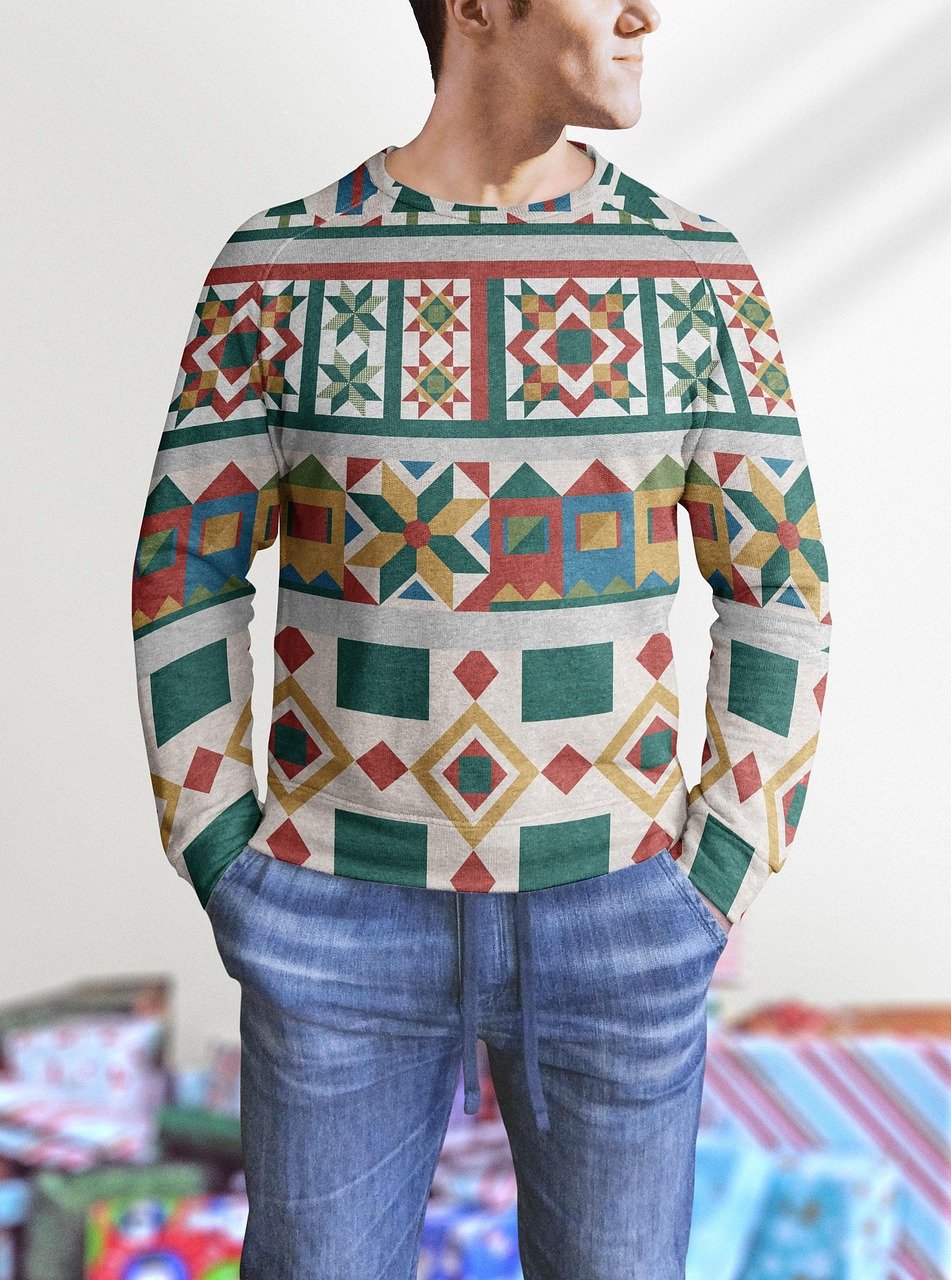
You may wonder, how do knitwear factories control shrinkage? Factories use special steps to keep knit items from shrinking too much and help every sweater or scarf keep its fit. Without shrinkage control, your favorite knit garment might lose its fit after just one wash. Many knit products, like jacquard fabrics, can shrink between 3% and 8% without proper care, but with the right process, factories can keep shrinkage below 3%.
When you wear a knit piece that holds its fit, you enjoy comfort and quality.
Here is how shrinkage control affects your knitwear:
Evidence | Explanation |
|---|---|
Shrinkage changes length and width after washing. | This means your knitwear may not fit as expected if not controlled. |
Poor shrinkage control causes twisted, uneven clothes. | This can ruin the fit and lead to complaints. |
Tightly knit fabrics stay stable. | This helps your clothes keep their fit and shape. |
Knitwear factories work hard so your clothes keep their fit and feel good every time you wear them.
Key Takeaways
Knitwear factories try to keep shrinkage under 3%. This helps your clothes fit well after you wash them. Special methods like overfeed drying help relax the fabric. Mechanical pre-shrinking also stops too much shrinkage. Factories pick the right fibers and yarns to help. Using combed cotton can lower shrinkage in finished clothes. Quality control is very important in factories. They test shrinkage at many steps to find problems early. This keeps sizes the same. Factories handle fabric gently and use low tension. This stops fabric from stretching or shrinking too much. Pre-shrinking treatments help fabric settle before making clothes. This lowers shrinkage later. Automation and sensors help factories watch shrinkage closely. This lets them control it better. Knowing how to care for knitwear is helpful. Washing in cold water at home can stop more shrinkage.
How Do Knitwear Factories Control Shrinkage?
To learn how knitwear factories control shrinkage, you need to look at each step. Factories plan carefully and use smart tools. They want your clothes to stay the right size. Every part of the process is important. Factories pay attention to the fabric and the machines. They also watch how they treat the material. Special machines and methods help control shrinkage. This makes sure your knitwear fits well after you wash it.
Key Shrinkage Control Strategies
Factories use many ways to control shrinkage. You can see these steps when your sweater keeps its shape. Here are some top ways factories control shrinkage:
Overfeed drying helps relax the fabric and lowers tension. This stops the material from shrinking too much.
Mechanical pre-shrinking uses machines to relax and shrink the fabric before making clothes.
Factories lower tension during refining and bleaching. This keeps the fabric stable.
They release tension during dyeing and finishing. This stops the fabric from stretching or shrinking later.
Width tension control during mercerizing keeps the fabric the right width.
Strong guide rollers and drying drums help stop wrinkles and uneven shrinkage.
Manual tension adjustments let workers control shrinkage better.
Factories check processing conditions during mercerization and dyeing. This helps catch problems early.
Pre-shrinking is used for fabrics that shrink a lot in one direction.
Factories improve raw cotton quality to manage shrinkage in different parts of the fabric.
Resin finishing and PU coating add a layer that helps lower shrinkage.
For blended fabrics, fixed line mercerization keeps shrinkage low.
Factories use both machines and skilled workers to control shrinkage. Chemicals and coatings also help the fabric stay the right size.
Tip: Factories that use new technology, like sensors and automation, can control shrinkage better. This helps your clothes fit well and last longer.
Feature | Description |
|---|---|
Automation | Computers watch and change the shrinking process as it happens. |
Precision | Sensors control heat and moisture for better shrinkage control. |
Consistency | Automated systems help every batch shrink the same amount. |
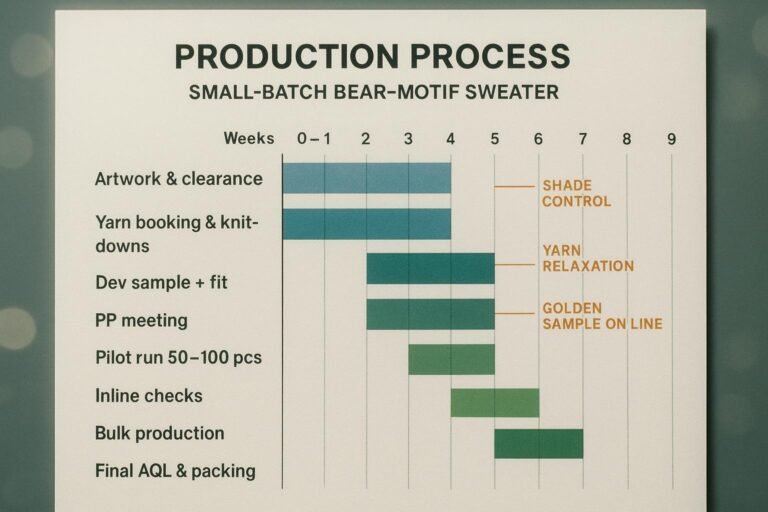
Overview of the Production Process
Every step in production matters for shrinkage control. The process starts with picking the right fibers. Cotton and linen shrink more than synthetic fibers. Factories choose tighter knit structures because these shrink less.
Next, factories use pre-treatment steps like compacting and heat-setting. These steps make the fabric stable before making clothes. During washing, dyeing, and drying, factories control heat and time. High heat can make fibers relax and shrink, so careful control is important.
Mechanical action, like washing machine movement, can also cause shrinkage. Factories use special machines to handle fabric gently. Chemicals in dyeing and finishing can change how much fabric shrinks. Factories pick chemicals that help control shrinkage and keep fabric stable.
Tension during sewing and handling can stretch the fabric. When fabric gets wet and hot, it can shrink back or shrink more. Factories try to keep tension low during these steps. They use drying methods that let the fabric relax, not stretch.
Here is a quick list of main ways factories control shrinkage:
Good pre-treatment, like compacting and heat-setting, makes fabric stable.
Choosing the right fabric construction, like tighter knits, helps lower shrinkage.
Careful finishing, including washing, drying, and ironing, stops extra shrinkage.
Factories face problems like hot and humid places, tension during production, and drying that can stretch fabric. Stretching again and again can change the fabric for good, so factories watch every step.
When you ask, “how do knitwear factories control shrinkage?”, you see it takes planning, skill, and technology. Factories use old and new ways to make sure your knitwear stays the right size after every wash.
Understanding Shrinkage in Knitwear
What Is Fabric Shrinkage?
Sometimes your clothes get smaller after you wash them. This is called fabric shrinkage. In factories, shrinkage means how much the fabric size changes. It happens when the fabric gets wet, hot, or pulled. You can find shrinkage with a simple math formula. First, measure the fabric before washing. Then, measure it after washing. Subtract the new size from the old size. Divide that number by the old size. Multiply by 100 to get the shrinkage percent. For example, if a fabric starts at 100 cm and ends at 96 cm, the shrinkage is 4%.
Aspect | Description |
|---|---|
Definition | Fabric shrinkage means the fabric gets smaller from things like water, heat, or pulling. |
Measurement Formula | Shrinkage % = [(Original Dimension – Final Dimension) / Original Dimension] × 100 |
Example Calculation | Start length = 100 cm, After wash = 96 cm, Shrinkage = (100 – 96)/100 × 100 = 4% |
There are other kinds of fabric shrinkage too. Elastic elongation shows how much fabric stretches when you pull it. Thermal shrinkage shows what happens when you put fabric in boiling water. These tests help factories know what will happen to knitted fabric.
Why Shrinkage Matters
You want your clothes to fit every time you wear them. Shrinkage can change the size and shape of your sweater or scarf. If factories do not plan for shrinkage, your clothes may not fit after washing. This can cause mistakes and waste fabric. You might feel upset if your clothes get too tight or short. Shrinkage can make customers unhappy and hurt a brand’s reputation.
Note: Factories use special treatments like sanforization to help control shrinkage. This keeps your clothes comfy and stable.
When factories control shrinkage, they keep your clothes strong and lasting. Good shrinkage control helps brands earn your trust.
Factors Affecting Shrinkage
Many things can change how much knitted fabric shrinks. The fiber type matters a lot. Cotton and wool shrink more than synthetic fibers. Yarn fineness is important too. Finer yarns shrink more because they have more crimp. Yarn twist also matters. Tighter twists make yarns shrink less.
Factor | Description |
|---|---|
Raw Material Composition | Different fibers act differently when stressed, so shrinkage rates change. |
Yarn Fineness | Finer yarns shrink more because they have more crimp. |
Yarn Twist | More twist makes yarn tighter, so it shrinks less. |
Average Float Length | More interlacing points mean more crimp and more shrinkage. |
Fabric Density | Denser fabrics need more crimping, so they shrink more. |
Weaving Process Parameters | Machine tension and shed opening time can change shrinkage rates. |
Sizing Application | More sizing means less warp shrinkage. |
Environmental Conditions | Temperature and humidity change yarn stretch and shrinkage. |
Factories also think about the environment. High humidity makes fabric dry slowly and can cause uneven shrinkage. Low humidity makes fabric lose water fast, so it feels tight. Changes in temperature can also change how much fabric shrinks.
High humidity keeps fabric wet longer and causes uneven shrinkage.
Low humidity dries fabric fast and makes it feel tighter.
Humidity can make knitted fabric hard to return to its old size.
Many things work together to change fabric shrinkage. Factories must watch these things to keep shrinkage low and make sure your clothes fit well.
Industry Standards for Shrinkage
Acceptable Shrinkage Ranges
You might ask what shrinkage is okay for knitwear. Factories use rules to check if fabric is good. Groups like AATCC and ISO make these rules. They set limits so you know what to expect. Most factories want your clothes to fit after washing.
Here is a table that shows normal shrinkage for different knitwear fabrics:
Fabric Type | Usual Shrinkage (%) |
|---|---|
Knitwear | ≤3.5% |
Cotton Jersey | 3–7% |
French Terry | 3–6% |
AATCC and ISO say knitted fabrics should shrink no more than 5%. Many factories try for less, often under 3.5%. This helps stop returns and keeps you happy.
Tip: If you see “pre-shrunk” on a label, it means the factory worked to keep shrinkage low.
Measuring and Testing Shrinkage
Factories use tests to see how much fabric shrinks. These tests follow strict steps so results are fair. Here are the main ways to test shrinkage:
Testing Method | Description |
|---|---|
AATCC Test Method 135 | A standard way to measure fabric shrinkage. |
AATCC Test Method 150 | Checks how well textiles keep their size. |
ISO 6330 | Tests how textiles stay the same size in different conditions. |
CAN/CGSB 58 | Canadian rule for checking fabric shrinkage. |
Factories wash and dry fabric many times to test it. They measure before and after each wash. If shrinkage stays under 2–3%, the fabric passes. This helps you get clothes that keep their size.
Many wash-and-dry cycles check for real-life use.
Measurements before and after show the real shrinkage.
Compliance in Production
You want your clothes to fit every time you wear them. Factories must follow rules to make sure this happens. They test shrinkage at many steps, like after making fabric, steam ironing, and bonding. Steam ironing shrinkage should be less than 3%. If shrinkage is too high, factories change their process.
Factories and makers talk a lot, especially if you or a brand asks for something special. International rules help these talks and help everyone agree. These standards help factories lower shrinkage, stop returns, and keep a good name.
Note: When factories follow these rules, you get knitwear that fits well and lasts longer.
Pre-Production Shrinkage Control
Factories must control shrinkage before making knitwear. Early steps help clothes keep their shape and size after washing. Let’s see how shrinkage is managed before knitting starts.
Yarn and Fiber Preparation
Fiber Construction
Choosing the right yarn and fiber helps control shrinkage. How you prepare yarn changes how much fabric shrinks later. Factories use combed or compact cotton yarn. This yarn has fewer short fibers and less fuzz. That helps lower shrinkage. The twist in the yarn matters too. If the twist is too loose, the yarn can shrink more. Using blended yarns can also help shrinkage stay low.
Here is a table that shows how yarn preparation helps control shrinkage:
Evidence Type | Details |
|---|---|
Yarn Preparation | Pre-shrinking treatment with controlled steam conditioning |
Optimal twist setting for improved stability | |
Special blended yarn formulations for reduced shrinkage |
Pre-Shrinking Treatments
Factories can treat yarns with steam or heat before knitting. These treatments let yarn shrink before it becomes fabric. Using pre-shrunk yarn helps clothes not shrink much after washing. Factories sometimes pick pre-shrunk or heat-set yarns for better control.
Use combed or compact cotton yarn to cut down on fuzz.
Keep the twist just right to stop too much shrinkage.
Pick pre-shrunk or heat-set yarns if you can.
Tip: Yarn that gets pre-shrunk will help your knitwear keep its fit and size.
Fabric Pre-Treatment
Heat-Setting
Heat-setting uses heat and moisture on fabric. This step lets fabric shrink before cutting and sewing. Heat-setting helps fabric relax and reach its final size. This means your clothes will not shrink much when you wash them.
Compacting
Compacting is another way to control shrinkage. Special machines squeeze and relax the fabric. This helps fabric reach a stable size. Compacting lowers the risk of extra shrinkage later.
Pre-treatment steps like these help pre-shrink cotton in finishing. These steps work well to lower shrinkage during knitwear making. When fabric gets heat and moisture, it shrinks before becoming a finished product. This makes sure your clothes will not shrink a lot when you wash them.
Note: Pre-shrinkage steps in the factory mean you get clothes that fit well and last longer.
In-Production Methods to Minimize Fabric Shrinkage
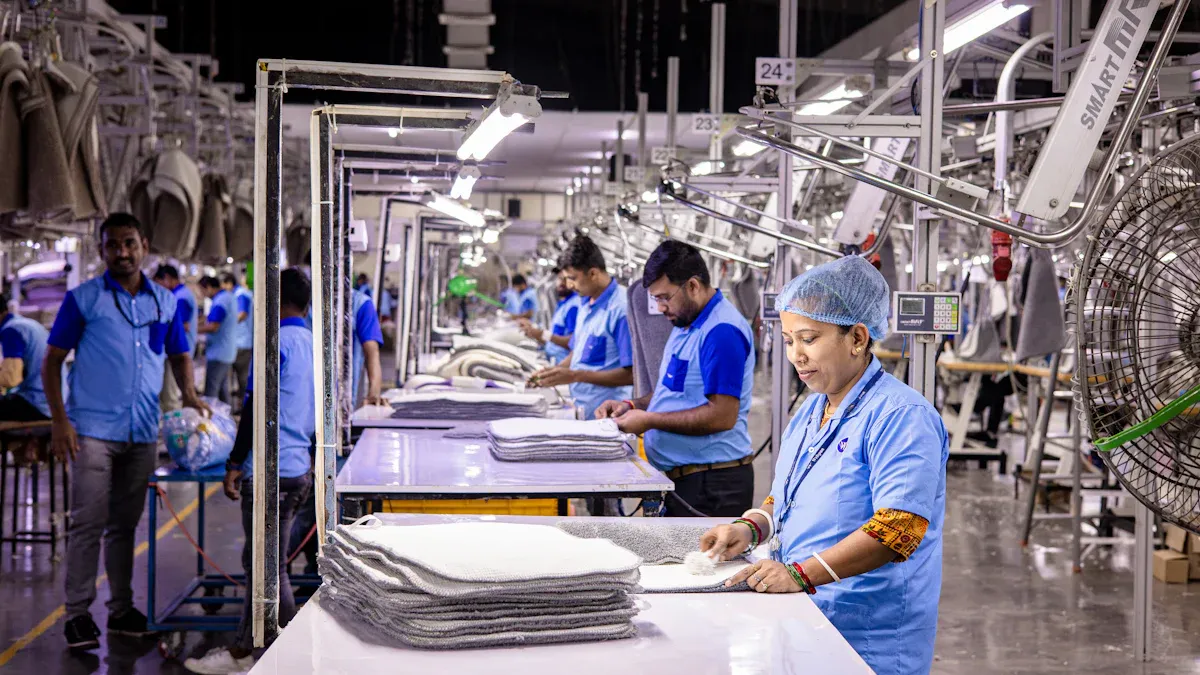
Factories use smart ways to help knitwear keep its size. These steps make sure your clothes fit well after many washes. They help sweaters and scarves not shrink too much.
Wet Processing Controls
Wet processing is when fabric gets wet in dyeing or washing. Factories use special machines to control shrinkage. These machines have settings that help keep fabric the right size.
Relaxation Dryers
Relaxation dryers help fabric relax after washing. Wet fabric goes inside the dryer. Warm air and gentle movement help fibers go back to normal. The fabric does not stretch too much. This means less shrinking. Your clothes keep their shape after washing.
Overfeed Drying
Overfeed drying is another way to stop shrinking. The fabric goes into the dryer faster than it comes out. This keeps the fabric loose, not stretched. Heat and moisture set the fabric size. The fabric stays relaxed. You see less shrinking after washing.
Here are some wet processing controls factories use:
Keep tension even during knitting.
Control heat and moisture in dyeing and finishing.
Use compacting machines to make fabric stable.
Test shrinkage and check samples often.
Store fabric carefully to stop creasing.
Change steps if past results show problems.
Tip: Factories that test shrinkage early can fix problems before you get your clothes.
Tension and Handling
How fabric is handled changes how much it shrinks. Factories use gentle ways so clothes do not shrink too much.
Loose Processing
Loose processing means handling fabric gently. Do not pull or stretch fabric in dyeing and washing. This helps fabric keep its size. Your knitwear fits well after washing.
Minimizing Tension
Keeping tension low is important. Stretching fabric too much makes it shrink more. Factories keep tension low in dyeing, printing, and finishing. Less tension means less shrinking. Your clothes stay the right size after washing.
High tension makes fabric shrink more.
Low tension makes fabric shrink less.
Note: Careful handling and low tension help knitwear keep its fit.
Use of Crosslinking Agents
Factories sometimes use crosslinking agents to control shrinking. These chemicals go on fabric during finishing. Crosslinkers help fibers stick together. This keeps fabric stable after washing. More crosslinkers control shrinking and twisting better. Your knitwear holds its shape. But using crosslinkers can make fabric less strong. Factories must balance shrinking control with fabric strength.
Callout: Crosslinking agents help clothes keep their size after washing, but may make fabric weaker.
Factories use many ways to control shrinking during production. Wet processing, gentle handling, and crosslinking agents all help knitwear fit well after washing. These steps help you enjoy your clothes every time you wear them.
Quality Control and Consistent Sizing
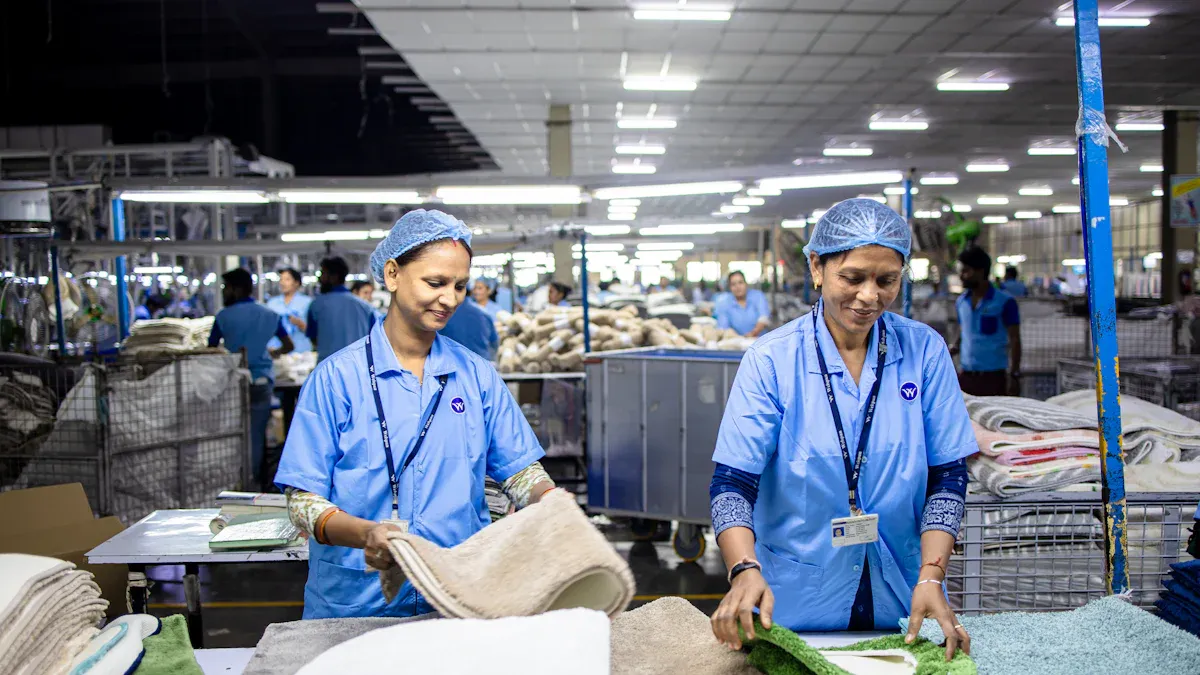
Quality control makes sure knitwear fits well and lasts. Factories check and test each piece carefully. This helps clothes keep their shape after you wash them.
Shrinkage Testing Protocols
Factories use steps to test for shrinkage. They want results to be correct. Here is how they do a shrinkage test:
Get fabric samples, a ruler, a laundry machine, a dryer, and a scale.
Pick samples from the batch. This shows the quality of all the clothes.
Set washing and drying rules. Heat and time can change how much fabric shrinks.
Measure each sample before washing.
Make a log. Write down every step, sample details, and cleaning rules.
Factories use these steps to see how much fabric shrinks. This helps your clothes match the size on the label.
Tip: Shrinkage tests help factories find problems early and keep your clothes fitting well.
Batch Sampling and Record Keeping
Factories do not test just one item. They test samples from every batch. This keeps shrinkage under control.
Measure | Description |
|---|---|
Shrinkage Testing | Factories test after knitting, dyeing, and finishing to watch shrinkage. |
Standard Methods | They use AATCC or ISO methods for good results. |
Batch Sampling | Every batch gets tested to make sure shrinkage is low. |
Wash Simulation | Factories wash samples to see how much they shrink before shipping. |
Factories keep records of every test and sample. This helps them fix problems fast. You get clothes that are always the right size.
Final Inspection and Adjustments
Factories check each garment before shipping. They want you to get knitwear that fits and feels nice. The last check looks for shrinkage, color changes, and softness.
Procedure | Description | Responsible Department | Importance |
|---|---|---|---|
Wet Processing & Finishing Check | Check garments after the first wash. Look for shrinkage, dye bleeding, and softness changes. Dry and steam garments to bring back their shape. | Washing | Finds problems before you wear the clothes |
Quality teams compare finished sizes to the standards. If they find problems, they fix the process or the clothes. You get knitwear that meets your needs.
Note: Careful checks and fixes help factories give you high-quality knitwear every time.
Quality control uses many steps to keep sizing and quality the same. Factories check materials, approve samples, and inspect every stage. Testing and checking help control shrinkage. You get clothes that fit, meet standards, and save you from returns.
Quality Control Practice | Description |
|---|---|
Factories look for defects and make sure materials are good. This stops problems later. | |
Approval of pre-production samples | Factories use samples to set a standard for making more clothes. This helps find issues early. |
Regular quality inspection of the production process | Factories check at different steps to fix problems fast and keep products the same. |
Testing and checking help your knitwear keep its shape after washing. Factories follow rules, keep customers happy, and avoid mistakes.
Role of Testing and Inspection | Description |
|---|---|
Quality Assurance | Factories make sure fabrics keep their size after washing. |
Customer Satisfaction | You get clothes that fit and keep their shape. |
Compliance with Standards | Factories follow rules for quality and performance. |
Cost Savings | Early checks stop expensive returns and recalls. |
You can trust your knitwear will fit and last because factories use strong quality control and testing.
You now know why shrinkage control matters in knitwear production. When factories manage shrinkage, you get clothes that fit well and last longer. Here are some benefits you enjoy:
Consistent sizing helps you trust the fit every time.
Fewer returns mean less hassle for you and stores.
Clothes keep their shape, so you wear them longer.
If you want to learn more about knitwear care or have questions, feel free to reach out!
FAQ
What causes knitwear to shrink after washing?
You see shrinkage when fibers relax and tighten from heat, moisture, or movement. Hot water and high dryer heat make this happen faster. Factories use special steps to help your clothes keep their size.
Can you prevent all shrinkage in knitwear?
You cannot stop all shrinkage, but you can lower it. Factories use pre-shrinking, gentle handling, and special finishes. You help by washing in cold water and air drying.
How do you test for shrinkage at home?
You measure your garment before washing. Wash and dry as usual. Measure again. Use this formula:
Shrinkage % = [(Original Size - New Size) / Original Size] × 100
Why do some sweaters shrink more than others?
Different fibers shrink at different rates. Cotton and wool shrink more than polyester. Tighter knits shrink less. Factories choose materials and methods to help your sweater keep its shape.
What does “pre-shrunk” mean on a label?
“Pre-shrunk” means the factory treated the fabric to shrink it before making your clothes. This helps your garment keep its size after you wash it.
How can you care for knitwear to reduce shrinkage?
Wash in cold water.
Use gentle cycles.
Lay flat to dry.
Avoid high heat.
Tip: Always check the care label for best results.
Do factory shrinkage tests match real-life washing?
Factory tests use standard methods, but your home washer and dryer may work differently. You may see small changes, but good factories keep shrinkage low so your clothes fit well.