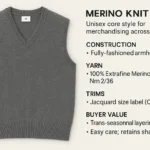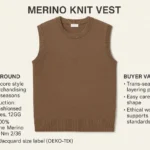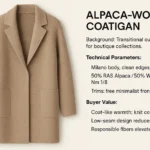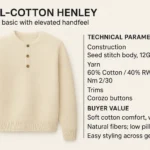

You pull out your favorite custom knit sweater and spot tiny fuzz balls under the arms. You might wonder, how do you reduce pilling in custom knitwear? Pilling happens when short fibers on knitwear rub together and form little knots, especially in spots that get lots of friction. These pills make your knitwear look tired and worn. They can even shorten its life by roughing up the fabric. With gentle washing and careful drying, you can keep your knits looking fresh and smooth for much longer.
Key Takeaways
Pilling happens when loose fibers rub together. This makes small fuzz balls on knitwear.
Pick natural fibers like cotton or wool. These help stop pilling more than synthetic fibers.
Wash your knitwear gently by hand. You can also use a delicate cycle. This helps lower friction.
Turn your knitwear inside out before you wash it. This protects the outside from rubbing.
Lay your knitwear flat to air dry. This stops stretching and more pilling.
Fold your knitwear to store it. Do not hang it. This keeps its shape and stops stretching.
Check for pills often and take them off early. This helps your knitwear look nice and new.
Use gentle tools like a sweater comb or lint shaver. These remove pills safely and do not hurt the fabric.
What Is Pilling?
Pilling Defined
You might notice tiny balls or fuzz on your knitwear after a few wears or washes. These are called pills. Pilling is a surface defect that happens when loose fibers work their way out of the fabric. As you wear or wash your knitwear, these fibers rub together and form small, round bundles that stick to the surface. Textile experts describe pilling as a process with four stages: fuzz formation, entanglement, growth, and wear-off. Pills can make your favorite sweater look old and worn out, even if you just bought it.
Tip: Pills don’t mean your knitwear is poor quality. Even the best fabrics can pill if you use them often.
Why Knitwear Pills
Fiber Types
The type of fiber in your knitwear plays a big role in pilling. Synthetic fibers, like polyester and acrylic, tend to pill more than natural fibers such as cotton or wool. Short fibers are also more likely to pill than long ones. If your sweater uses a blend of strong and weak fibers, the weaker ones break and form pills faster. Compact yarns with a tight twist resist pilling better than loose yarns.
Here’s a quick look at what affects pilling in knitwear:
Factor | More Prone to Pilling | Less Prone to Pilling |
|---|---|---|
Fiber Type | Synthetic | Natural |
Fiber Length | Short | Long |
Yarn Twist | Loose | Tight |
Fabric Structure | Knitted | Woven |
Friction Factors
Friction is the main reason pills form. When you wear your knitwear, areas like underarms, sleeves, and sides rub against your skin or other surfaces. Washing your sweater in a machine also increases friction. The more you wear or wash your knitwear, the more likely pills will show up. If you carry a bag over your shoulder or lean against rough surfaces, you might see pills appear faster in those spots.
Note: You can reduce friction by turning your knitwear inside out before washing and by avoiding rough surfaces when wearing it.
Custom Knitwear and Pilling
Custom knitwear lets you choose fibers, yarns, and fabric structure. These choices affect how much your piece will pill. If you pick shorter fibers or loose yarns with minimal twist, your knitwear may pill more. Tightly constructed fabrics and high-twist yarns help prevent pills. When you order custom knitwear, ask about fiber length and yarn twist. These details make a big difference in how your sweater looks over time.
You can work with your maker to select anti-pill yarns.
Tightly knit patterns help keep fibers in place.
Choosing longer fibers and natural materials reduces pilling.
If you understand what causes pilling, you can make smart choices and keep your custom knitwear looking fresh.
How Do You Reduce Pilling in Custom Knitwear?
Choosing Anti-Pill Yarns
When you want to know how do you reduce pilling in custom knitwear?, start with your yarn choice. Some yarns resist pilling better than others. If you pick the right yarn, you set yourself up for success.
Plied yarns work better than single-ply yarns. Plied yarns twist several strands together, making them stronger and less likely to pill.
Single-ply yarns wear out faster. You might notice this in socks or sweaters that get a lot of use.
Plied yarns are a smart pick for items you wear often, like your favorite sweater or scarf.
You also want to think about fiber type and treatments. Pilling happens when fibers tangle during wear or washing. This can make your knitwear look old and feel rough. Picking the right yarn, with the right fiber and treatment, helps your custom knitwear last longer. Makers often test yarns for durability using special methods, like the Martindale method, to make sure they hold up well.
Tip: Ask your knitter about anti-pill yarns and how they test for durability. This small step can make a big difference.
Washing Tips
Washing is a big part of how do you reduce pilling in custom knitwear?. The way you wash your knits can help keep them looking new.
Hand Wash vs. Machine Wash
Hand washing is the gentlest way to clean your knitwear. You fill a sink or basin with cold or lukewarm water, add a gentle detergent, and swish your sweater around. Let it soak for a few minutes, then rinse well. Gently press out the water—never wring or twist.
If you use a washing machine, choose the delicate or wool cycle. Place your knitwear in a mesh laundry bag to protect it from friction. Always wash with similar colors.
Detergent Choices
Pick a mild, gentle detergent made for wool or delicate fabrics. Harsh detergents can break down fibers and cause more pilling. Look for labels that say “gentle” or “for delicates.” Avoid bleach or strong chemicals.
Water Temperature
Water temperature matters more than you might think. Hot water can shrink natural fibers and make your knitwear feel rough. It can also damage the fibers, leading to more pills. Stick to cold or lukewarm water to keep your knits soft and in shape.
Turning Inside Out
Before you wash, turn your knitwear inside out. This simple trick protects the outside of your sweater from rubbing against other clothes or the sides of the washer. Less friction means fewer pills.
Avoiding Fabric Softeners
Fabric softeners might sound nice, but they can actually coat the fibers and make pilling worse. Skip the softener when you wash your knits. Your sweater will thank you.
Note: If you want to know how do you reduce pilling in custom knitwear?, gentle washing is one of the best answers.
Drying Knitwear
Drying your knitwear the right way is just as important as washing.
Air Drying
Lay your knitwear flat on a clean towel or drying rack. Shape it gently with your hands. Let it air dry away from direct sunlight or heat. Hanging can stretch out your sweater, and tumble drying can cause more pilling.
Line drying is a good option if you have space. Just make sure to support the weight of the sweater so it does not stretch.
Avoiding Heat
Heat can stress the fibers in your knitwear. High temperatures from dryers or radiators can make pilling worse. If you must use a dryer, pick the lowest temperature and the shortest spin. But air drying is always safer.
Tip: The less heat and friction your knitwear faces, the longer it will look and feel great.
If you follow these steps, you will see fewer pills and enjoy your custom knitwear for years. Next time someone asks, “how do you reduce pilling in custom knitwear?”, you will have plenty of answers to share.
Storage Tips
How you store your custom knitwear can make a big difference in keeping it pill-free. If you want to know how do you reduce pilling in custom knitwear?, start by looking at your storage habits.
Folding vs. Hanging
You should always fold your knitwear instead of hanging it. Hanging can stretch out the fabric, especially if your sweater is heavy. This stretching not only changes the shape but also weakens the fibers, making them more likely to pill. When you fold your sweaters and stack them neatly, you help them keep their shape and avoid extra stress on the yarn.
Fold knitwear and stack it in drawers or on shelves.
Avoid hanging, even for lighter knits, to prevent stretching and sagging.
Place acid-free tissue paper between layers if you want to prevent creasing.
Tip: Make sure your knitwear is completely dry before folding and storing. Damp fabric can lead to mildew and odors.
Storage Materials
The materials you use for storage matter, too. Breathable bags made from cotton or linen let air flow and keep moisture from building up. Plastic bags trap humidity, which can cause odors or even discolor your favorite pieces. For long-term storage, choose a breathable storage bag and add a natural pest repellent like lavender or dried cedar to keep moths away.
Use cotton or linen bags for storage.
Avoid plastic bags or airtight containers.
Add lavender sachets or cedar blocks to deter pests.
Air out your knitwear at the start of each season to keep it fresh.
If you follow these storage tips, you will notice your sweaters stay in better shape and pill less often.
Wearing Habits
Your daily habits also play a big role in how do you reduce pilling in custom knitwear?. The way you wear and care for your knits can help you avoid those annoying fuzz balls.
Reducing Friction
Friction is the main reason pills form. Areas like the elbows, underarms, and hips get the most wear. Carrying a shoulder bag or backpack can make pilling worse where the straps rub against your sweater. Try to limit how often you wear bags over your knitwear, or switch shoulders to spread out the pressure.
Avoid leaning against rough surfaces.
Choose smooth jackets or coats to wear over your knits.
Be mindful of jewelry or accessories that might rub against the fabric.
Note: The less friction your knitwear faces, the longer it will look new.
Rotating Use
Wearing the same sweater every day can speed up pilling. Give your favorite pieces a break by rotating them with other items in your wardrobe. This simple habit lets the fibers rest and recover, so your knitwear lasts longer.
Rotate your sweaters and scarves throughout the week.
Let each piece air out between wears.
Spot clean instead of washing after every use to reduce wear.
If you pay attention to how you store and wear your custom knits, you will see fewer pills and enjoy your favorite pieces for many seasons.
Removing Pills Safely
Manual Removal
Plucking by Hand
You might spot a few pills on your sweater and want to pick them off with your fingers. This method works for small areas or single pills. Gently pinch the pill and pull it away from the fabric. Take care not to tug too hard. If you pull on the yarn, you could stretch or damage your knitwear. Plucking by hand is best for thick, sturdy knits. For delicate fabrics, you should try a softer approach.
Soft Clothes Brush
A soft clothes brush helps sweep away loose pills and fuzz. Hold your knitwear flat and brush in one direction. Use gentle strokes. This method works well for removing surface fuzz without harming the fibers. You can use a brush after plucking pills by hand to smooth out the fabric. Avoid stiff brushes, which can snag the yarn.
Using a razor on knits is basically sealing their fate; they will be destroyed just after a few times.
Tools for Pill Removal
You can find special tools for removing pills. Each tool works in a different way. Some are better for sturdy knits, while others suit delicate fabrics.
Sweater Comb
A sweater comb is a small tool with fine teeth. You run it gently over the surface of your knitwear. It lifts pills without pulling the yarn. Sweater combs work best on soft wool and cashmere. They take more time and effort, but they are gentle.
Lint Shaver
A lint shaver uses small blades to cut pills off the fabric. You move the shaver over the surface, and it collects the fuzz in a compartment. Lint shavers work quickly, but you need to use them with care.
Fabric Shaver Pros: Effective at removing pilling quickly.
Fabric Shaver Cons: Can damage fabric if used too frequently; not suitable for delicate materials like lace or cashmere.
Sweater Comb Pros: Gentle on delicate fabrics; less risk of damaging the garment.
Sweater Comb Cons: Requires more effort and time to use compared to a shaver.
Fabric Shaver Reliability: Some shavers can be unreliable; cheaper models may damage knitwear.
Sweater Comb Reliability: Generally safer for delicate fabrics, but requires manual effort.
Fabric Shaver Issues: Dull blades can lead to poor performance; risk of pulling yarns out of the fabric.
Sweater Comb Recommendation: Recommended for delicate fabrics to avoid damage.
Fine-Grain Sandpaper
Fine-grain sandpaper can help remove pills from sturdy knits. Rub the sandpaper gently over the surface. Use light pressure. This method works for thick sweaters, but you should avoid it on soft or delicate fabrics.
Here’s a quick look at some popular pill removal tools:
Tool | Description |
|---|---|
Basic Razor | A cost-effective method to shave off pills from fabric. Use a lint brush afterward to collect bits. |
Pumice Stone | A volcanic glass tool with a sharp surface, effective for gently rubbing away pills from fabric. |
Rechargeable Fabric Shaver | An easy-to-use device that vacuums pills into a compartment while cutting them from the fabric. |
DIY Methods
Household Items
You can use household items to remove pills. Many people use a basic razor to shave off pills. Hold your knitwear flat and move the razor lightly over the surface. Collect the fuzz with a lint brush. Some users say this method makes their sweaters and even couches look new again. One person restored a black jersey that was covered in pills. Another found it worked perfectly for their old couch.
Testing on Small Areas
Always test any DIY method on a small, hidden area first. This helps you see if the tool or item will damage your knitwear. If the fabric looks fine, you can continue. If you see snags or holes, stop and try a gentler method.
Tip: Never use a razor on delicate knits like lace or cashmere. You could ruin the fabric after just a few tries.
Precautions
Avoiding Damage
You want your custom knitwear to last, so taking care when removing pills is key. If you rush or use the wrong tools, you can snag, stretch, or even tear your favorite sweater. Here are some simple ways to protect your knits:
Always test any pill-removal tool on a small, hidden spot first. This helps you see if it’s safe for your fabric.
Use gentle pressure. Don’t press too hard with a comb, shaver, or brush. Let the tool do the work.
Never pull pills out quickly with your fingers. You might stretch the yarn or create a hole.
Avoid using razors or sandpaper on delicate knits like cashmere or lace. These fabrics need extra care.
Keep your knitwear flat and supported while you work. This stops the fabric from stretching out of shape.
You can also help your knitwear stay strong by caring for the fibers between wears. Try misting your wool sweaters with a little water each week. This keeps the fibers humid and less likely to pill. Don’t dry your wool in direct sunlight or near heaters. Heat can make the fibers brittle and more prone to pilling. Every few washes, use a lanolin conditioner. This coats the wool and helps prevent fuzz from forming.
Tip: Gentle care goes a long way. If you treat your knitwear with kindness, it will look better for longer.
Frequency
You might wonder how often you should remove pills. The answer is simple: don’t wait! Start removing pills as soon as you see them. If you let them build up, they can get tangled deeper into the fabric and become harder to remove.
Check your sweaters and scarves every few wears. A quick look helps you catch pills early.
Use a wool comb or lint razor regularly. This keeps your knitwear looking neat and fresh.
Make pill removal part of your routine, just like brushing off lint or spot cleaning.
A little maintenance now saves you time and trouble later.
When you remove pills early, you stop them from damaging the fabric. This small habit can make your custom knitwear last much longer. You’ll notice your favorite pieces stay soft, smooth, and beautiful season after season.
Note: Investing a few minutes in regular care keeps your knitwear in top shape. You’ll enjoy your custom pieces for years to come.
Maintaining Knitwear Quality
Regular Checks
You want your custom knitwear to look great every time you wear it. Regular checks help you catch small problems before they turn into big ones. Take a few minutes each week to inspect your sweaters and scarves. Look for snags, loose threads, or tiny holes. If you spot any damage, fix it right away. This simple habit keeps your knitwear strong and fresh.
Here are some easy ways to keep your knits in top shape:
Fold your sweaters instead of hanging them. This prevents stretching, especially in the shoulders and arms.
Use cedar blocks or lavender sachets in your drawers. These natural scents repel pests and keep your knitwear smelling nice.
Avoid plastic bags for storage. They trap moisture and can cause mildew.
Brush your sweaters with a soft clothing brush to remove lint.
Use a pill shaver to gently remove fuzz balls.
Pull sweaters off your body carefully to avoid stretching the fabric.
Tip: Always check for snags or holes before you store your knitwear. Early repairs save you time and trouble later.
Spot Cleaning
Sometimes you spill a little coffee or notice a small stain on your favorite sweater. You don’t need to wash the whole thing. Spot cleaning is a smart way to keep your knitwear clean without wearing out the fibers.
Start by blotting the stain with a clean, damp cloth. Don’t rub—just dab gently. Use a mild detergent or a special wool wash for stubborn spots. Apply a tiny amount to the stain, then rinse with cool water. Let your sweater air dry flat. This method keeps your knitwear fresh and helps prevent pilling.
Air out your knitwear after each wear instead of washing it every time.
Wash only when needed, using gentle detergent and following care label instructions.
Dry by rolling your sweater in a towel to soak up water, then lay it flat.
Note: Spot cleaning saves time and helps your knitwear last longer.
Repairing Snags
Snags happen, especially if you wear your knitwear often. You might catch a thread on a zipper or a rough surface. Don’t panic! You can fix snags and keep your sweater looking new.
First, inspect your knitwear for weak seams or broken threads before washing or wearing. If you find a snag, use a crochet hook or a blunt needle to gently pull the loose thread back inside the fabric. Never cut or pull on the snag—it can make the hole bigger. For small pills, use sharp scissors to snip them away. For larger areas, try a sweater shaver. Tap it lightly over the fabric instead of dragging it.
Repair weak seams or broken threads as soon as you spot them.
Avoid pulling on pills to prevent fiber damage.
Groom your sweaters regularly to keep them smooth.
Tip: Quick repairs keep your knitwear looking its best and help prevent future pilling.
Seasonal Storage
When sweater weather ends, you want your custom knitwear to stay safe until next season. Storing your knits the right way keeps them looking fresh and helps stop pilling. Let’s look at how you can protect your favorite pieces during the off-season.
Moth Protection
Moths love natural fibers like wool. If you put away your sweaters without cleaning them, you invite moths to snack on your clothes. Even tiny food stains or body oils attract these pests. You can keep moths away and protect your knitwear with a few simple steps.
Always wash or dry clean your knitwear before storing it for the season.
Fold your sweaters and place them in clean, dry storage containers.
Add cedar blocks, cedar balls, or cedar hangers to your storage. Cedar smells nice to us but keeps moths away.
Try lavender sachets for a fresh scent and extra moth protection.
Check your storage area for signs of moths or dampness.
Tip: Cedar not only repels moths but also helps reduce the risk of pilling by keeping your knits safe from damage.
If you follow these steps, you will keep your sweaters safe from hungry moths and ready to wear next season.
Long-Term Storage
Long-term storage is more than just tossing your sweaters in a box. You want to keep your knitwear in top shape, so it looks and feels great year after year. The way you store your knits can make a big difference.
Fold your knitwear instead of hanging it. Hanging can stretch the fabric and cause it to lose shape.
Use breathable cotton or linen bags for storage. These let air flow and stop moisture from building up.
Avoid plastic bags or airtight containers. These can trap humidity and cause mildew or odors.
Place cedar blocks or sachets between layers of folded sweaters.
Store your knits in a cool, dry place away from direct sunlight.
Proper storage helps prevent friction between garments. Less friction means fewer pills on your sweaters. Clean, folded, and protected knitwear stays soft and smooth. When you take your sweaters out next season, they will look as good as new.
Note: A little care now saves you time and trouble later. Your custom knitwear will thank you!
Troubleshooting Common Issues
Persistent Pilling
You might feel frustrated when pills keep coming back, even after you follow all the care tips. Some knitwear just seems stubborn. Don’t worry—there are extra steps you can take to fight persistent pilling.
Pick twisted or worsted yarns for sweaters and scarves that get a lot of use. These yarns hold fibers together better, so they pill less.
Try knitting with a smaller needle size. This makes the fabric tighter and firmer, which helps prevent new pills from forming.
Never pull pills off with your fingers. That can stretch the yarn and make things worse. Use sharp scissors or a lint razor to snip them away cleanly.
Check your knitwear often. If you spot pills early, you can remove them before they tangle deeper into the fabric.
Tip: Treating pills early keeps your custom knitwear looking fresh and smooth. A little regular care goes a long way!
Stretching
Sometimes your favorite sweater loses its shape. Maybe the sleeves get longer, or the body sags. Stretching happens when knitwear hangs or gets pulled too much.
To avoid stretching, always fold your sweaters instead of hanging them. Hanging puts weight on the shoulders and can stretch out the fabric. When you wash your knitwear, lay it flat to dry. Shape it gently with your hands. Don’t wring or twist the fabric, because that can stretch the fibers.
If your sweater already stretched, you can try soaking it in cool water. Gently squeeze out the water, then lay it flat and reshape it. Sometimes the fibers bounce back. For stubborn cases, you might need to ask a professional cleaner for help.
Note: Folding and flat drying help your knitwear keep its shape for years.
Color Fading
Bright colors make your custom knitwear special. Over time, you might notice the colors look dull or faded. This usually happens from washing, sunlight, or harsh detergents.
To keep colors bright, wash your knitwear inside out. Use cold water and a gentle detergent made for delicates. Avoid bleach and strong chemicals. Dry your sweaters away from direct sunlight, because sunlight can fade colors fast.
Here’s a quick table to help you remember:
Problem | What to Do | What to Avoid |
|---|---|---|
Fading Colors | Wash inside out, use cold water | Hot water, sunlight |
Gentle detergent | Bleach, harsh soaps |
Tip: If you want your knitwear to stay vibrant, treat it gently every time you wash and dry it.
By tackling these common issues, you can keep your custom knitwear looking and feeling its best. A little extra care makes a big difference!
You can keep your custom knitwear looking fresh by following a few simple habits. Try these expert tips:
Hand wash with cold water and gentle detergent.
Turn sweaters inside out and use a mesh bag for machine washing.
Skip fabric softeners and dry flat on a towel.
Use a pill shaver or sweater comb to remove fuzz.
Stick with these steps and your favorite knits will stay beautiful for years. Love your knitwear? Share your own care tips in the comments! 🧶
FAQ
How often should you wash custom knitwear?
You should wash your knitwear only when it looks dirty or smells. Spot clean small stains. Washing too often can cause more pilling and wear.
Can you use a regular detergent for knitwear?
Pick a gentle detergent made for wool or delicates. Regular detergents can damage fibers and cause more pills. Always check the care label first.
What is the best way to store sweaters?
Fold your sweaters and keep them in a cool, dry place. Use cotton bags or add cedar blocks to keep pests away. Avoid hanging to prevent stretching.
Do fabric shavers ruin knitwear?
Fabric shavers work well if you use them gently. Test on a small area first. Avoid using them on delicate knits like cashmere or lace.
Why does my sweater pill even after careful washing?
Some fibers pill more than others. High-friction areas like underarms and sleeves can still form pills. Regular care and early pill removal help keep your sweater smooth.
Can you prevent pilling completely?
You can’t stop pilling forever, but you can slow it down. Choose anti-pill yarns, wash gently, and store your knitwear properly. Remove pills early for best results.
Is it safe to use a razor to remove pills?
You can use a razor on sturdy knits. Move it lightly over the fabric. Never use a razor on delicate sweaters. Always test on a hidden spot first.
What should you do if your knitwear stretches out?
Soak your sweater in cool water, then lay it flat and reshape it. Let it air dry. Folding instead of hanging helps prevent stretching in the future.