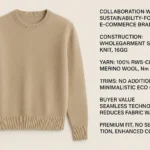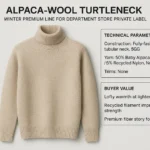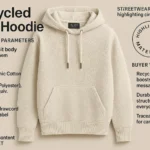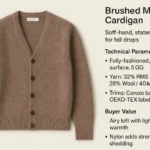

You may wonder, how does shipping work for bulk knitwear orders? In 2025, you start with order preparation, then move to packaging your knitwear for safe travel. You choose a shipping carrier based on speed and cost. Next, you calculate shipping costs using weight and size. If you ship internationally, you check customs rules. You also plan for shipping issues. Picking the right shipping method protects your knitwear and saves money. Smart shipping choices help you deliver bulk knitwear safely and on time.
Key Takeaways
Begin by getting your order ready so you have the correct items to ship.
Use automatic tools to keep track of inventory by size, color, and style. This helps stop mistakes.
Pick a shipping carrier that is good at moving clothing. This helps keep your items safe.
Always pack your knitwear well with the right materials. This stops your items from getting damaged.
Figure out shipping costs by looking at weight and size. This helps you avoid surprise fees.
Learn about customs rules and what paperwork you need for shipping to other countries.
Think about using flat-rate shipping to help control costs and make budgeting easier.
Tell customers about shipping times and tracking. This helps them have a better experience.
How Does Shipping Work for Bulk Knitwear Orders?
If you ask, “how does shipping work for bulk knitwear orders?”, you need to look at each step. Every part of shipping helps your knitwear arrive safely and on time. Let’s see what you should do.
Order Preparation Steps
First, you check your orders and look at your inventory. This makes sure you have the right items ready to ship. You also plan when to make your products. If you forget this, you might have delays. The shipping process for bulk knitwear needs good planning.
Tip: Use automated tools to track your inventory by size, color, and style. This helps you avoid errors and keeps orders neat.
Quality control is important in order preparation. You want every sweater to be good before shipping. Here are some ways to check your knitwear:
Inspection Method | Description |
|---|---|
Random Sampling | Pick some sweaters from each batch to look for problems. |
AQL (Acceptable Quality Level) | Decide how many mistakes you will allow in a batch. |
100% Inspection | Check every sweater, usually for special or expensive orders. |
Third-Party Inspections | Get outside experts to make sure your sweaters are good. |
You also need to get the right papers for your shipment. The paperwork depends on your order type. For example, if you send a gift worth $100 or less, you need an air waybill, a commercial invoice, and a note that says “PERSONAL GIFT.” For other orders, you must add the manufacturer’s name, country of origin, product details, and sometimes the recipient’s tax number.
Scheduling Pickup or Drop-Off
After you get your orders ready, you decide how your knitwear will leave your building. You can ask your shipping carrier to pick up the packages, or you can drop them off at a shipping center. Many companies pick carriers who know about clothing. This helps stop damage during shipping.
Pick shipping partners who know how to ship clothing.
Use fulfillment centers with climate control to keep your knitwear safe.
Give customers both standard and express shipping choices.
When you set up a pickup, make sure your packages are packed and labeled. This keeps shipping easy and stops delays.
Tracking and Delivery
After your knitwear leaves your building, tracking is important. You want to know where your orders are all the time. Most shipping carriers give you tracking numbers. You can share these with your customers so they can watch their orders.
Note: Tracking helps you find problems early. If a package is late, you can call the carrier fast.
Delivery is the last step. You want your bulk knitwear to arrive on time and in good shape. Talking with your shipping carrier helps you fix problems quickly. If you follow each step, you can answer, “how does shipping work for bulk knitwear orders?” with confidence.
Each part of shipping—order preparation, scheduling, and tracking—helps your knitwear arrive safely and quickly. When you check every detail, you protect your knitwear and keep your customers happy.
Preparing Bulk Knitwear for Shipping
Packaging Requirements
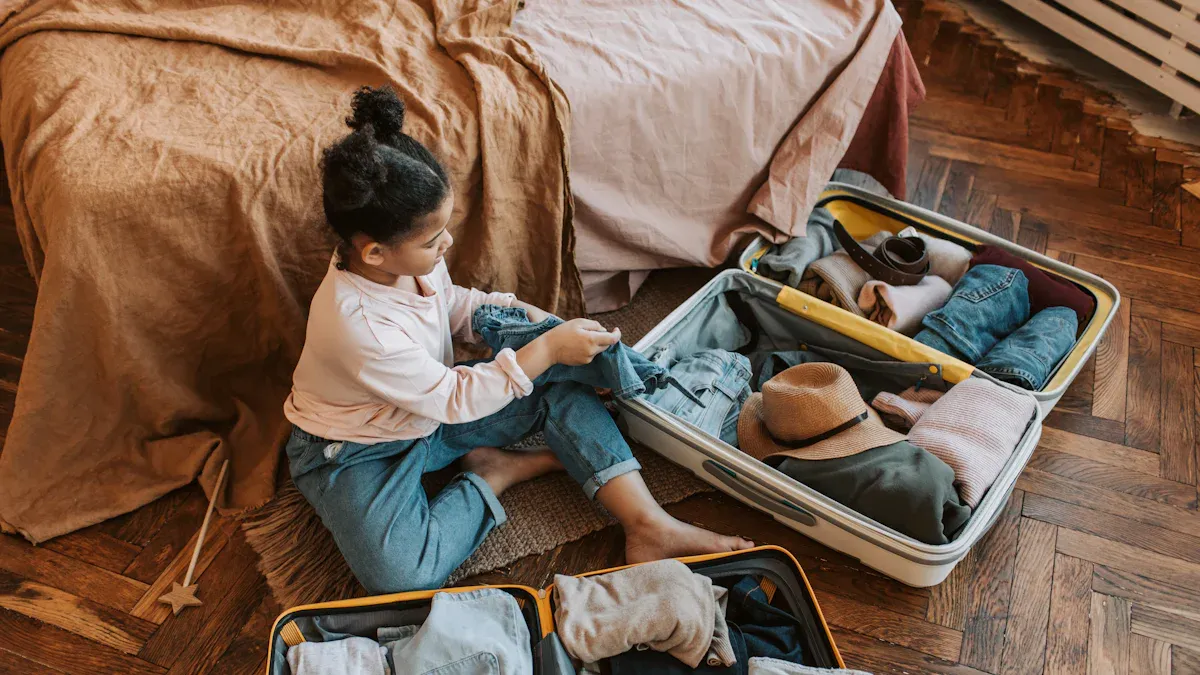
When you get bulk knitwear ready to ship, you need to keep your clothing safe. Good packaging stops sweaters, scarves, and other items from getting hurt while traveling. You want your clothing to show up looking perfect.
Choosing Materials
You should pick packaging that fits your clothing’s needs. Here are some smart ideas:
Use glassine bags inside. These bags let air move and keep clothing smooth.
Add tissue or kraft paper for more padding. This stops creases and helps knitwear keep its shape.
Pick bubble mailers for the outside. Bubble mailers are light and come in many sizes for each clothing type.
Fold each item neatly and add padding. This helps your clothing look nice when it gets there.
You also want packaging that blocks dust, light, and moisture. Pick boxes that stack well and are strong. You can put your brand logo or story on the packaging. Many companies use compostable, recyclable, or reusable materials now. Always check that your packaging is safe and follows local rules.
Preventing Damage
You must stop damage when shipping. The box size is important. If the box is too big, clothing can move and get creased. If the box is too small, items get squished. Pick a box that fits your clothing well.
The box weight matters too. Thick boxes protect clothing better. They can handle stacking and rough shipping. To stop moisture, use desiccant packs and coatings that block water. These keep your clothing dry and safe from mold.
Tip: Always test your packaging before sending a big order. Shake the box to see if clothing moves. If it does, add more padding.
Labeling and Documentation
Labels and paperwork help you follow shipping rules and keep clothing sorted. You need the right labels and all the needed info. Here is a quick guide:
Requirement Type | Details |
|---|---|
Label Types | Brand, size, care/content labels placed in the right spot (center back neck, 1 in below collar seam) |
Mandatory Information | Fiber content, country of origin, care symbols that match market rules |
Packaging Instructions | How to fold or hang, poly-bag size, and how to attach hangtags/barcodes |
Carton Level Details | Amounts, packing order, carton labels (PO number, style code, size breakdown) |
You should follow buyer instructions for packaging. Fold, tag, and barcode each clothing piece as asked. Use biodegradable or regular polybags if needed. Label master cartons with the amount and size breakdowns.
Note: Good labels help you avoid mistakes and make customs checks faster when shipping.
If you do these steps, you can ship bulk knitwear safely. You keep your clothing safe, follow shipping rules, and make your customers happy.
Choosing Shipping Carriers and Methods
When you ship bulk knitwear, picking the right carrier and shipping methods can make a big difference. You want your clothing to arrive safely, quickly, and at a good price. Let’s look at your choices for carriers, compare freight and parcel shipping, and explore flat-rate options.
Carrier Options (UPS, FedEx, USPS)
You have several shipping carriers to choose from in 2025. Each carrier offers different services for bulk clothing orders. You should compare cost, delivery time, and reliability before you decide.
Shipping Carrier | Cost (2-pound package) | Delivery Time |
|---|---|---|
USPS – Ground Advantage | 2-5 business days | |
UPS Ground | $10.83 | 4 business days |
UPS Ground (to Miami) | $8.77 | 4 business days |
USPS often gives you the lowest price for small and medium clothing packages. UPS may cost more but offers strong tracking and support. FedEx also provides fast shipping, especially for urgent orders. You should check each carrier’s insurance and package handling for knitwear.
Tip: Ask your carrier about bulk discounts for large clothing shipments. You can save money if you ship often.
Freight vs. Parcel Shipping
You need to choose between freight and parcel shipping for bulk clothing. Parcel shipping works best for small boxes and lighter orders. Freight shipping is better for large, heavy, or high-volume clothing shipments.
Freight method | Suitability | Benefits | Disadvantages |
|---|---|---|---|
Air freight | 2000-10000pcs, urgent | Fast and safe delivery | High cost, volume restrictions |
Sea freight | +10000pcs, non-urgent | Low cost, flexible, eco-friendly | Longer delivery, extra fees |
Express | 100-2000pcs, urgent | Fast, door-to-door | High cost, extra fees |
Air freight gets your clothing to its destination in a day or two. Sea freight takes longer, sometimes a month or more, but costs less for very large orders. Express shipping is best for small, urgent shipments. You should think about your timeline and budget before you pick a method.
Freight shipping can face timezone delays and over-promising on capacity.
Sometimes, you see differences between sample and bulk shipments.
You need strong vetting to avoid weak factory transparency.
Note: Air freight is much faster than sea freight. You get more reliable delivery with air, but sea freight helps you save money for very large clothing orders.
Flat-Rate and Cost-Effective Choices
Flat-rate shipping helps you control costs when you ship bulk knitwear. You pay one price, no matter the weight or distance, as long as your clothing fits in the box.
USPS First Class Mail works best for packages under 1 lb.
USPS Ground Advantage fits packages between 1–20 lbs. You get $100 insurance and delivery in 2–5 business days.
USPS Priority Mail Flat Rate is great for dense or bulky clothing. You get predictable costs and free packaging.
You should use flat-rate boxes for heavy knitwear. This helps you avoid surprise fees and makes shipping easier to plan. Always check the size and weight limits for each flat-rate option.
Tip: Use USPS Ground Advantage for most bulk clothing shipments. You get good insurance and fast delivery at a fair price.
Choosing the right shipping carrier and methods helps you protect your clothing and save money. You should compare all options and pick what fits your needs best.
Calculating Shipping Costs and Timelines
When you send a lot of clothing, it is important to know shipping costs and how long delivery takes. This helps you plan and save money. There are many things that change what you pay and how fast your knitwear gets to its destination.
Key Cost Factors
Weight and Volume
Shipping prices depend on how heavy and big your packages are. Carriers use something called dimensional weight. They find this by multiplying the box’s length, width, and height. Then they divide by a special number. If your box is light but large, you pay for the bigger size.
Evidence | Description |
|---|---|
Size and Weight | Bigger and heavier shipments need more space on trucks or planes, so they cost more. |
Dimensional Weight | Carriers charge for the higher number: real weight or dimensional weight, which comes from the box’s size. |
Impact of Volume | Light but big knitwear can cost more if the volume is over certain limits. |
To get dimensional weight, multiply length × width × height (in inches) and divide by the carrier’s DIM divisor.
Carriers pick the higher number between real weight and dimensional weight.
This stops people from sending big, light boxes for cheap.
You can save money by packing your clothing tightly. Try vacuum sealing or folding flat to make the box smaller.
Distance and Destination
Where you send your clothing changes the price. Shipping to cities is cheaper and faster. Cities have more warehouses and better roads. Rural places cost more and take longer. Shipping to other countries adds customs and taxes. These can slow down delivery and make it cost more.
How far and where you ship affects price and time.
Cities have faster and cheaper shipping because of more warehouses and good roads.
Rural places cost more and take longer to deliver.
Shipping to other countries means customs and taxes, which can cause delays and higher prices.
Picking the right shipping method helps you balance speed and cost.
Insurance and Extras
You want to keep your clothing safe while shipping. Insurance for bulk knitwear in 2025 costs about 0.3% to 1.5% of the total value. Most people pay around 0.7%. You might also pay for things like tracking, faster shipping, or special care.
Delivery Time Estimates
How long delivery takes depends on the shipping method, distance, and carrier. Sending small packages to nearby cities takes 2-5 days. Big orders sent by freight can take a week or more. Shipping to other countries can take weeks because of customs. Always ask your carrier for the best guess on delivery time.
Tip: Ask your carrier if they guarantee delivery times. This helps you plan your clothing stock and keep customers happy.
Saving on Shipping Costs
You can use smart ways to spend less on shipping for big clothing orders. Packing better, sending shipments together, and planning production all help you save.
Strategy | Cost Reduction | Implementation Complexity |
|---|---|---|
Packaging Optimization | 15-30% savings | Low |
Full Container Loads | 25-40% savings | Medium |
Consolidation Services | 15-30% savings | Low |
Production Planning | 20-35% savings | High |
Multi-Brand Sharing | 30-50% savings | High |
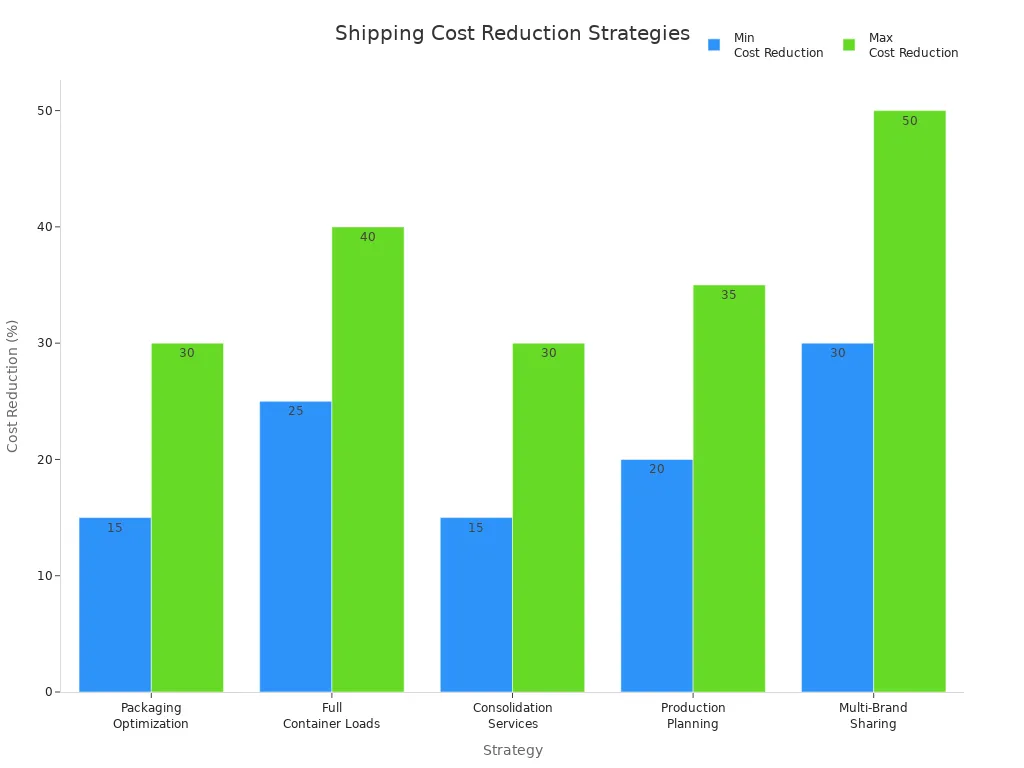
One activewear brand saved $12,500 each year by packing better, sending shipments together, and making deals with carriers. They cut shipping costs by 38% without slowing delivery or hurting quality.
Pack items to make boxes smaller and lighter.
Send shipments together to fill containers.
Pick the best shipping type for your needs.
Make deals with carriers for lower prices.
These tips help you spend less on shipping and get clothing to customers on time.
International Shipping for Bulk Knitwear
Customs and Duties
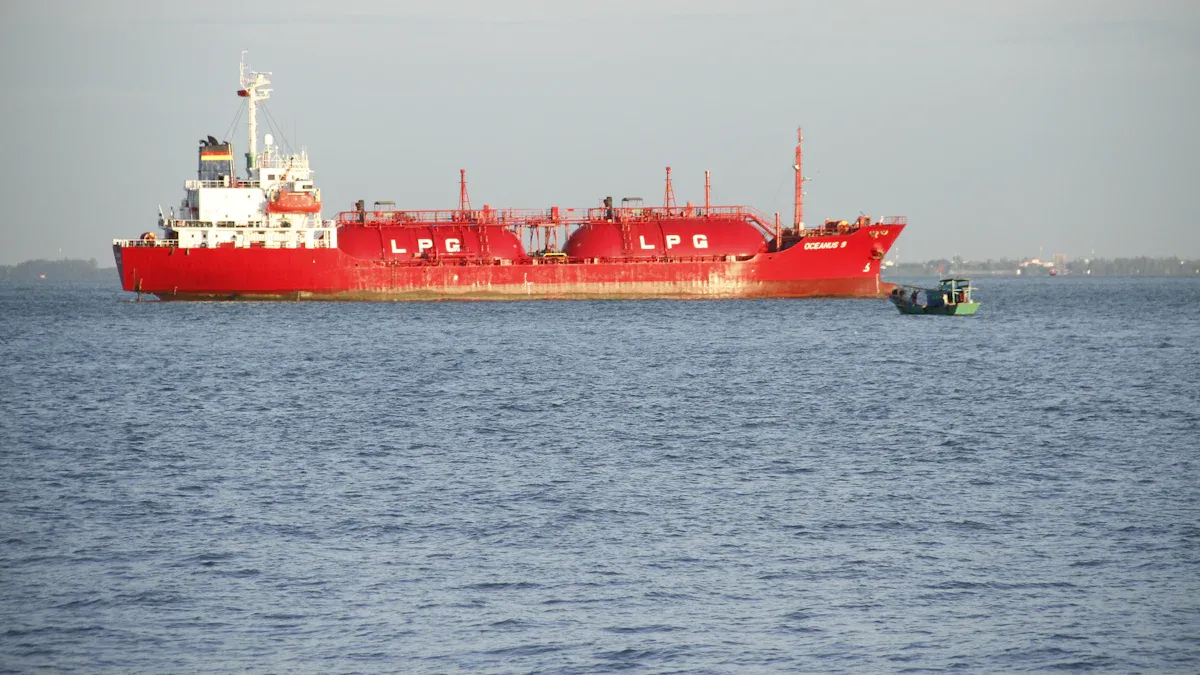
When you send bulk knitwear to other countries, you face customs and duties. Customs officers check your packages at the border. They look for correct paperwork and make sure your clothing follows local rules. You pay duties based on the value and type of clothing you ship. Each country sets its own rates. Some countries charge more for wool or luxury knitwear. Others have lower fees for cotton or blended clothing.
You must know the rules before you start shipping. If you miss a rule, customs may hold your shipment. Delays can cost you money and upset your customers. You can check duty rates online or ask your shipping carrier for help. Many carriers offer customs calculators. These tools help you plan your costs and avoid surprises.
Tip: Always list the true value of your clothing on customs forms. If you guess or use a low number, customs may fine you or return your shipment.
Required Paperwork
International shipping needs special paperwork. You must prepare each document before your clothing leaves your warehouse. Missing paperwork can stop your shipment at customs.
Here is a list of documents you need for bulk knitwear shipping:
Invoice
Packing List
Bill of Lading (BOL)
Certificate of Origin (CO)
Letter of Authorization (AES Filing)
Operational Instructions
Safety Data Sheet (SDS)
Service Contract
Shipper’s Letter of Instructions (SLI)
Each document has a purpose. The invoice shows what you sold and the price. The packing list tells customs what is inside each box. The bill of lading proves you shipped the clothing. The certificate of origin shows where your knitwear was made. Some countries need extra forms, like safety data sheets or service contracts.
You should check the rules for each country before you ship. Some places ask for more paperwork for wool or synthetic clothing. Others want extra details for large orders. If you ship to the European Union, you need to follow strict labeling laws. Always keep copies of your paperwork in case customs asks for proof.
Note: Double-check your paperwork before shipping. One missing form can delay your clothing for weeks.
Using Larger Boxes for Savings
You can save money on shipping by using larger boxes for bulk knitwear. Big boxes let you pack more clothing in one shipment. This lowers your cost per item. Carriers often give discounts for full boxes or containers. You pay less for each sweater or scarf when you fill the box.
Here is a table to show how box size affects shipping costs:
Box Size | Number of Clothing Items | Shipping Cost per Item |
|---|---|---|
Small | 20 | $2.50 |
Medium | 50 | $1.80 |
Large | 100 | $1.20 |
You should fold your clothing tightly and use padding to protect each piece. Vacuum sealing helps you fit more items in each box. You can also use sea freight for very large shipments. Sea freight costs less than air shipping for heavy orders. It takes longer, but you save money if you plan ahead.
Tip: Ask your carrier about bulk rates for large boxes. You may get better deals if you ship often or fill a whole container.
Using larger boxes and smart packing helps you lower shipping costs and protect your clothing. You deliver more knitwear at once and keep your business running smoothly.
Working with Customs Brokers
When you send bulk knitwear to other countries, there are many rules. Customs brokers help you get your clothing through borders without problems. These experts know the newest shipping laws. They help keep your orders safe from delays.
Customs brokers help you get all your paperwork ready. They check every form before you ship your clothing. If you forget a form, your clothing can get stuck at the port. Brokers make sure you follow all the rules so shipping is smooth.
You also get help with customs valuation and tariff classification. Brokers look at your clothing and pick the right codes for each item. These codes, called HTS codes, tell customs what you are sending. If you use the wrong code, you might pay more or wait longer. Brokers check your shipping steps and fix mistakes before you send your clothing.
Here is a table that shows how customs brokers help with bulk knitwear shipping:
Benefit | Description |
|---|---|
Documentation | Makes sure you have all the right paperwork so your goods are not turned away at the port. |
Compliance | Sends and keeps copies of all needed files for customs officials. |
Supply Chain Services | Helps with warehousing, shipping, and order fulfillment. |
Customs Valuation | Gets customs valuation and tariff classification ready to estimate import costs. |
HTS Code Review | Checks to make sure the right HTS codes are used for imported textile goods. |
Customs brokers also help with supply chain services. They can find places to store your clothing and help set up order fulfillment. If you need to keep your knitwear somewhere before shipping, brokers know good spots. They work with shipping carriers to plan the fastest and safest way for your clothing.
You save time and money when you use a customs broker. You avoid mistakes that can cost you extra money or slow down your shipping. Brokers keep copies of every file and talk to customs officials for you. You do not have to worry about missing forms or wrong codes.
Tip: Pick a customs broker who knows about textile shipping. Ask if they have worked with clothing brands and bulk orders. A good broker knows the rules for knitwear and helps you avoid problems.
If you want to send clothing to new places, customs brokers guide you through each step. You get advice on shipping costs, import taxes, and delivery times. Brokers help you plan your shipping so your clothing gets there on time and in good shape.
Working with customs brokers makes international shipping easier. You protect your clothing, follow all the rules, and keep your business running well.
Troubleshooting Shipping Issues
Lost or Delayed Shipments
You may face lost or delayed shipments when sending bulk knitwear. These problems can slow down your business and upset your customers. Many things can cause delays or lost packages. You need to know the main reasons so you can fix them fast.
Here are some common causes of lost or delayed shipping for bulk clothing orders:
Poor planning can make you miss important production steps.
Delays in getting raw materials, especially custom yarns, can stop your clothing production.
Factories may have too many orders, which can slow down your production line.
Problems with logistics, such as not enough containers or crowded ports, can delay your shipping.
Customs can hold your shipment if there are mistakes with HS codes.
Shipping during busy times, like Black Friday, can cause delays because of high volumes.
Bad weather can change shipping schedules and slow down delivery.
If you do not have enough inventory, you may not fill orders on time.
Choosing a slow or inefficient shipping route can add extra days to your delivery.
Tip: You can avoid many delays by planning your production and shipping early. Watch for peak seasons and weather alerts. Always double-check your paperwork and shipping routes.
In 2025, HS code changes have caused delays for about 15% of eCommerce shipments. You should stay updated on any new rules for shipping clothing. If you notice a delay, contact your shipping carrier right away. Use tracking tools to see where your shipment is. If a package is lost, file a claim with your carrier as soon as possible.
Damaged Goods
When you ship bulk knitwear, you want every piece of clothing to arrive in perfect shape. Sometimes, goods get damaged during shipping. This can happen if boxes are packed poorly or if the shipping carrier does not handle them with care.
You can lower the risk of damage by using strong boxes and enough padding. Make sure each piece of clothing is folded neatly and protected from moisture. Use desiccant packs to keep your knitwear dry. Always test your packaging before sending a large order.
If you receive damaged goods, take photos right away. Contact your shipping carrier and provide proof of the damage. Most carriers offer insurance for bulk clothing shipments. File a claim quickly to get a refund or replacement.
Note: Good packaging and clear labeling help prevent damage and make it easier to solve problems if they happen.
Customs Problems
Customs can cause big problems for international shipping. If you do not follow the rules, your clothing may get stuck at the border. You need to know the most common customs issues so you can avoid them.
Customs Problem | Description |
|---|---|
You must provide all documents, such as commercial invoices and customs forms. Missing papers can stop your shipment. | |
Unpaid Duties or Taxes | You need to pay all duties and taxes before your clothing can leave customs. You can choose DDP (Delivered Duty Paid) or DDU (Delivered Duty Unpaid) shipping. |
Shipping Prohibited Items | Some countries do not allow certain items. If you ship these, customs will hold or return your clothing. |
You should always check the rules for each country before shipping. Make sure you have every document ready. Pay all duties and taxes on time. If you are not sure about the rules, ask your customs broker or shipping carrier for help.
Tip: Keep copies of all your shipping paperwork. This makes it easier to solve customs problems if they come up.
If customs holds your shipment, contact your broker or carrier right away. They can help you fix paperwork or pay any missing fees. Quick action helps you get your clothing released and delivered to your customers.
Returns and Replacements
Returns and replacements happen often when shipping bulk knitwear. Sometimes, customers get clothing that is not what they wanted. You may also find damaged items after shipping. When this happens, you need a simple plan to fix returns and replacements fast.
Start by making a return policy that is easy to read. Your policy should say when customers can return clothing and how to ask for a replacement. Be sure to include time limits, clothing condition, and needed paperwork. A clear policy stops confusion and keeps customers happy.
You should also think about giving partial credits or replacements instead of full refunds. Many companies do this to protect their profits. For example, if a sweater has a small flaw, you can give a partial credit or send a new item. This shows you care about your customers and your business.
Tip: Always talk to your customers during the return process. Tell them when you get the returned clothing and when you send a replacement. Good communication builds trust and stops problems.
When you get returned clothing, check each item right away. Look for damage, stains, or signs of use. Use a checklist so you do not miss anything. If the clothing is still good, you can restock it or use it as a sample. If it is damaged, decide if you can fix it or if you must throw it away.
Here is a simple checklist for handling returns:
Confirm the return request and give instructions.
Check the returned clothing for damage or use.
Decide if you will restock, fix, or replace the item.
Give the partial credit, replacement, or refund as promised.
Update your inventory and shipping records.
You should also keep track of why customers return clothing. Watch for patterns like sizing problems or shipping damage. Use this information to make your packaging, shipping, or product descriptions better. Over time, you will have fewer returns and happier customers.
A good returns and replacements process helps your business run well. You protect your reputation and make sure customers trust your shipping and clothing quality.
You can send bulk knitwear orders without worry if you use the right steps. Get your orders ready first. Pick the best carrier for your needs. Learn about rules for shipping to other countries. Check your shipping plan often to make sure it works. Give free or flat-rate shipping to make customers happy. Use real-time rates so costs are clear. Try cheaper shipping label services to save money. Offer local delivery or pickup if you can. Give fast shipping for urgent orders. Show delivery times before people pay. Use packaging that is good for the planet. Tell customers about shipping insurance to keep orders safe. Use software to make shipping faster. These tips help you ship better and keep your knitwear safe.
FAQ
How do you choose the best shipping carrier for bulk knitwear?
You compare cost, speed, and reliability. Look at carrier reviews and ask about bulk discounts. Pick a carrier with experience in clothing shipments. Always check their insurance options.
What is dimensional weight, and why does it matter?
Carriers use dimensional weight to price large, light boxes. They multiply box length, width, and height, then divide by a set number. You pay for the higher value: actual weight or dimensional weight.
Can you track bulk knitwear shipments in real time?
Yes, most carriers give you tracking numbers. You can follow your shipment online. Share tracking details with your customers for better service.
What paperwork do you need for international knitwear shipping?
You need an invoice, packing list, bill of lading, and certificate of origin. Some countries ask for extra forms. Always double-check requirements before shipping.
How do you prevent damage to knitwear during shipping?
Use strong boxes, add padding, and fold items neatly. Place desiccant packs inside to keep knitwear dry. Test your packaging before sending large orders.
What should you do if your shipment gets delayed or lost?
Contact your carrier right away. Use your tracking number to find the shipment. File a claim if needed. Keep all paperwork and photos as proof.
Are there ways to save money on bulk knitwear shipping?
Yes! Pack items tightly, use larger boxes, and ship in full loads. Ask carriers for bulk rates. Plan shipments during off-peak times for lower prices.