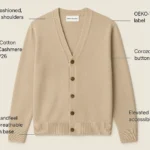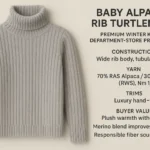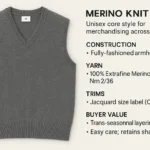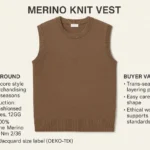

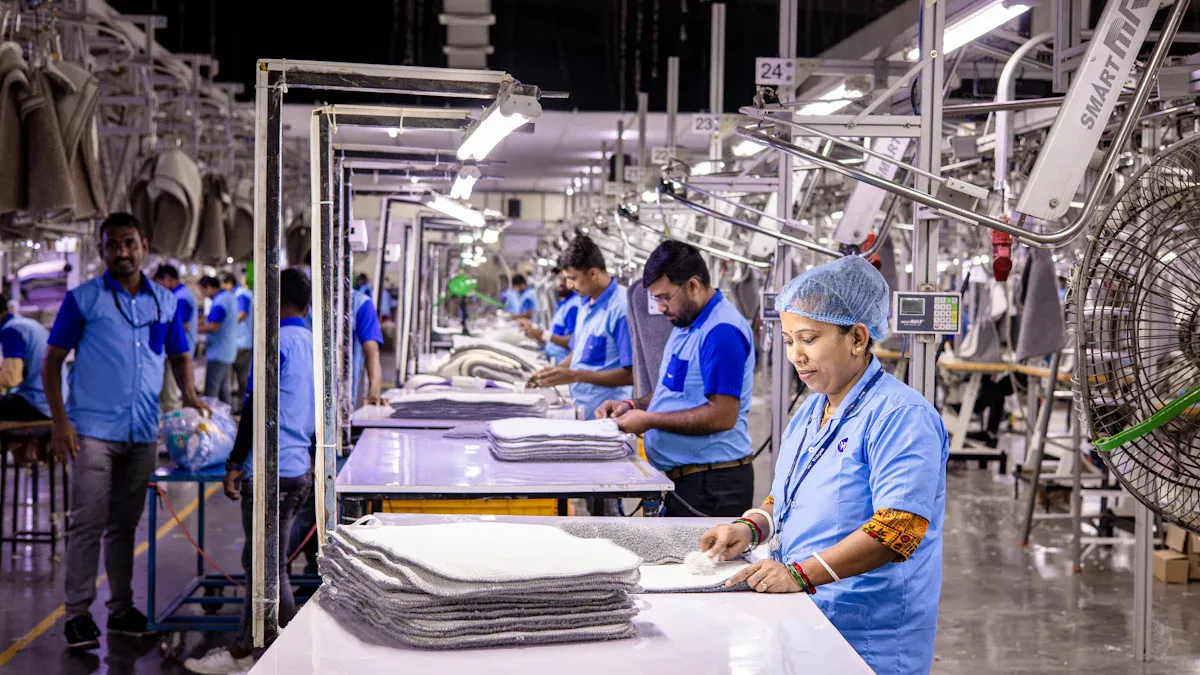
You can see how factories handle re-orders & repeat styles by using smart systems that boost speed and save money. When factories produce the same styles multiple times, it helps lower costs and reduces waste. Sequencing is used to put products in the right order, making sure everything arrives on time and keeps operations running smoothly. Check out this table to see the benefits of these systems for handling re-orders & repeat styles:
Benefit | Description |
|---|---|
Cost Efficiency | Lower costs and less waste from re-orders & repeat styles lead to better prices and bigger profits. |
Sequencing | Organized schedules for re-orders & repeat styles help keep work on track and meet deadlines. |
Master Production Schedule | Clear plans for re-orders & repeat styles match demand with factory capacity for steady delivery. |
Key Takeaways
Factories use smart systems to handle re-orders and repeat styles. This helps them save time and money. Cost efficiency happens because there is less waste. Factories also get better prices when making the same styles again. Sequencing helps factories plan their work. It makes sure products arrive on time. It also keeps things running well. Automation makes production faster. It lets workers do quick one-click reorders. This also lowers mistakes. Good inventory management stops shortages and waste. It makes sure you always have the right materials. Talking well with factories helps avoid mistakes. It keeps your orders moving the right way. Mass customization lets you ask for changes in fabrics, colors, or sizes for repeat styles. Training staff often keeps quality the same. It helps factories meet your needs every time.
How Factories Handle Re-Orders & Repeat Styles
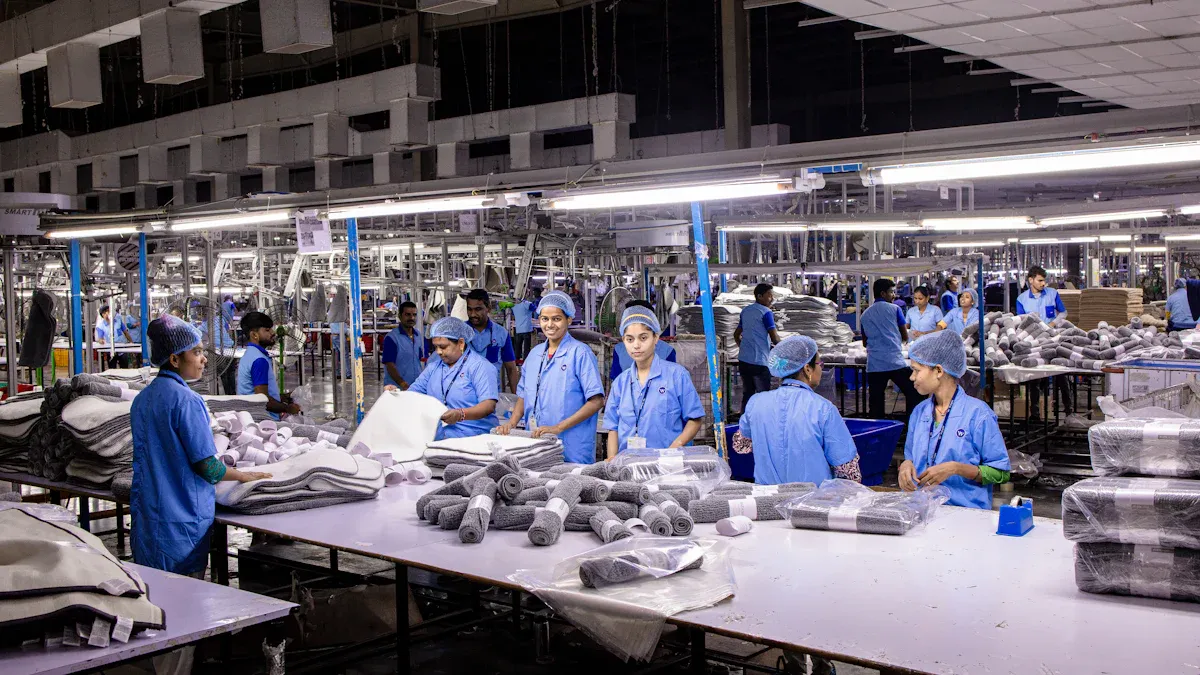
Factories use smart systems to help manage orders. These systems make it easier for you to get products quickly. They also help stop mistakes from happening. Bulk ordering is common in areas like consumer goods and electronics. Factories save you time and money by handling re-orders and repeat styles well. One-click reorders for popular products make things even faster.
Repetitive Manufacturing Systems
Factories use repetitive manufacturing to keep things running smoothly. This method uses assembly lines to make the same products again and again. You get steady and predictable results, which is good for bulk orders. When you place a re-order, the factory can start the same process fast. This cuts down on waiting and mistakes. This system works best for items made in big amounts, like basic clothes or electronic parts.
Assembly Line Automation
Assembly line automation makes things move much faster. Machines and robots do jobs that took people a long time. Your re-orders and repeat styles go through the factory quickly. Automation helps with bulk orders because every item is the same. One-click reorders let the automated line start your order right away. This saves you a lot of time.
Computer-Controlled Equipment
Factories use computer-controlled equipment to match your needs. These machines follow exact steps, so your repeat styles always look the same. You get fewer mistakes and better quality. Computer systems track each step and warn staff if something is wrong. This helps with bulk orders and makes re-orders easy for you.
Tip: Automated systems and computer-controlled equipment help you avoid delays and keep your orders on schedule.
Sequencing for Efficiency
Sequencing is important for handling re-orders and repeat styles. You want your products on time, and sequencing helps with that. Factories plan the order of work to cut down on waiting. This also makes switching between styles faster. If you order many repeat styles, the factory can group similar items together. This saves setup time and keeps things running well.
Long-read sequencing technologies help factories handle tricky repeat styles.
Paired-end libraries and mate-pair information help with tough designs.
Good sequencing cuts downtime by matching production with needs. You get your products faster, and the factory avoids delays.
When you order in bulk, sequencing keeps big orders from slowing things down. You can trust your re-orders will fit into the schedule.
Cost Management Strategies
Factories use cost management strategies to handle re-orders and repeat styles. These plans help you get better prices and good quality. This is important for bulk orders.
Strategy | Description |
|---|---|
Timing Operations | Focusing on timing in cutting and finishing rooms makes things faster and cheaper. |
Quality Control | Better quality means fewer mistakes and saves money without raising costs. |
Process Design | Using operation bulletins helps everyone meet time goals for better work. |
Equipment Utilization | Asset management centers help factories use machines and resources well. |
Financial Management | Zero-based budgeting makes sure all spending is needed and fits business goals. |
You see these plans when you place repeat orders. Factories use timing and process design to keep things on track. Quality control makes sure your products are always good. Asset management helps factories use machines wisely, which is key for bulk orders. Zero-based budgeting keeps costs low, so you get the best deal.
Note: Cost management strategies make one-click reorders easy. You do not have to worry about higher prices or lower quality.
You benefit from these systems because they make re-orders and repeat styles more reliable. When you place a repeat order, you can trust the factory to deliver the same results. Bulk orders are less risky, and one-click reorders save you time. Factories use automation, sequencing, and smart cost management to keep your business running well.
Efficient Production Order Management
You want your factory to finish orders on time. You also want high quality. Efficient production order management helps you do this. Using the right systems stops delays and mistakes. You can handle re-orders and repeat styles easily. Let’s see the steps and tactics that help production order management work well.
Order Verification Steps
Order verification is the first step in production order management. You must check every detail before making products. Factories look at your order for style, size, color, and quantity. They compare your new order with saved order templates from before. This step finds errors early and keeps your ordering workflows smooth.
Check your order details with saved order templates.
Make sure all product specifications match your needs.
Look for any changes in materials or design.
Approve the final order before production starts.
Tip: Always double-check your order with saved order templates. This habit helps you avoid mistakes and keeps your ordering workflows smooth.
Inventory Management Tactics
Inventory management is important in production order management. You want enough supply but not too much. You do not want to run out or waste resources. A good system lets you refill stock only when needed. This keeps your ordering workflows smooth and helps steady production.
Raw Material Tracking
Factories keep track of raw materials closely. They use systems to watch fabric, thread, or parts. Good tracking helps you avoid delays in your ordering workflows. Saved order templates help you guess what materials you need for each repeat style. This step makes sure nothing runs out during production.
Use demand forecasting to guess what you need.
Set reorder points to keep materials coming.
Split inventory to focus on important items.
Product Storage Solutions
Good storage helps you manage finished products and raw materials. Factories organize storage so you can find items fast. This setup helps quick ordering workflows and keeps production order management on track. Saved order templates show where to store repeat styles for fast access.
Store products by style and size for easy picking.
Use clear labels and digital tracking for accuracy.
Rotate stock to stop waste and keep items fresh.
Note: Good inventory management gives better customer satisfaction, lower costs, and smarter choices. You get the right products at the right time.
Scheduling and Resource Allocation
Scheduling and resource allocation are key for production order management. You must plan when and how each order moves in the factory. Factories use different scheduling methods to fit your needs. Here is a table with common scheduling techniques:
Scheduling Method | Description | Advantages | Applications |
|---|---|---|---|
Infinite | Schedules processes forever without specific demand. | Good for long-term planning and capacity forecasting. | Best for products with steady demand. |
Finite | Uses real-time materials and labor. | Good for filling specific demands and handling problems. | Best for limited resources. |
Forward | Starts at the beginning and schedules forward. | Makes sure processing is on time when demand is steady. | Good for predictable timelines. |
Backward | Starts with the due date and schedules backward. | Helps meet delivery dates and handle delays. | Best for time-sensitive orders. |
You want to pick the right scheduling method for your ordering workflows. Saved order templates help you schedule repeat styles faster. Good resource allocation means enough people, machines, and materials for each job. This keeps production order management smooth and stops bottlenecks.
Make sure you have enough staff and equipment for each order.
Use production planning to match resources with demand.
Watch production tracking to find delays early.
Remember: Good resource allocation stops delays and keeps your ordering workflows smooth. Efficient production order management needs steady resource allocation and smart scheduling.
You can see that efficient production order management needs strong order verification, smart inventory management, and careful scheduling. Saved order templates and good planning make repeat orders easy and reliable. Production planning and tracking help you stay on schedule and deliver quality products every time.
Mass Customization in Re-Orders
Factories use mass customization to help you get what you want. This way, you can order repeat styles with special changes. You can ask for new fabrics, colors, or sizes. The factory changes its process to fit your needs. Mass customization uses advanced technology and flexible systems. You get personalized products fast, and production does not slow down.
Small Batch Repeat Orders
Sometimes you need small orders again and again. Factories use modular manufacturing and single-ply cutters for these jobs. These machines cut fabric quickly and very accurately. Even small lots are finished fast. The factory stays efficient. Small batch repeat orders cost more for each item. But you get quick changes and less waiting.
Factories have some problems with small batch repeat orders:
Each item costs more because batches are small.
More downtime happens when switching styles.
It is hard to use all materials, especially expensive ones.
Special processes and approvals are needed.
Factories use many ways to keep quality high:
They do regular inspections and test products.
They write down every step in detail.
Staff learn about quality standards.
Digital tools help watch products in real time.
You can trust your small orders will meet your standards.
Customization with New Fabrics
You may want repeat styles with new fabrics. Factories follow a clear process to get good results. Here is how they do it:
Step | Description |
|---|---|
Fabric Selection | Factories check for quality, durability, and comfort before picking fabric. |
Sample Development | Designs match your needs and you approve them before big production. |
Bulk Production | Stitching and finishing keep products the same in each batch. |
Quality Control | Every batch gets checked to find problems early. |
Packaging and Shipment | Logistics make sure your order arrives on time. |
You see this process when you ask for new fabrics. Factories use technology to track each item. You know where your products are at every stage.
Client Collaboration
You help a lot with mass customization. Factories work with you to learn what you want. This teamwork helps you design products that fit your brand. Some companies let you pick colors, patterns, or add your logo.
Factories manage supply chains to answer your requests fast. They plan inventory and deliveries so you get products on time. You can talk to the factory to make changes or approve samples. This teamwork makes sure you like the final product.
Tip: Always share your ideas and feedback with the factory. Good communication helps make better products and smoother production.
Mass customization gives you more choices and control. You can order repeat styles with new features, small batches, or special fabrics. Factories use smart systems and teamwork to make sure you get what you want, when you want it.
Best Practices for Factory Operations
Communication Protocols
Strong communication protocols help keep orders on track. Factories use different protocols for each step in the order process. These protocols help you avoid mistakes. They make sure your requests reach the right people. The table below shows how each protocol works:
Protocol Type | Description |
|---|---|
Order | Protocols that manage the initial order placement and details. |
Response | Protocols that handle responses to orders, ensuring acknowledgment and processing. |
Confirmation | Protocols that confirm the order status and delivery timelines. |
Others | Additional protocols that facilitate various aspects of communication in order management. |
Always check for order confirmation and delivery updates. Clear communication builds trust with the factory. It helps keep workflows smooth and efficient.
Tip: Use direct channels like email or order management systems. This helps you avoid delays and confusion.
Vendor Management Programs
Vendor management programs help you process repeat orders faster. These programs make work easier by removing manual steps. They also improve relationships with suppliers. The table below shows the main benefits:
Benefit | Description |
|---|---|
Streamlined Processes | Vendor management programs eliminate time-consuming manual processes, leading to faster order processing. |
Enhanced Vendor Relationships | Improved communication and collaboration with vendors can lead to more reliable order fulfillment. |
Increased Efficiency | Optimized purchase order processes reduce costs and improve profit margins. |
Focus on these actions for better results:
Manage vendor relationships from selection to payment.
Streamline procurement to save time.
Improve efficiency and cut costs.
Using vendor management programs helps create efficient workflows. This supports quick and accurate repeat orders.
Staff Training for Consistency
You want every product to meet your standards. Staff training helps get consistent results for repeat styles. Factories use different training methods to teach workers the right skills. The table below explains each method:
Training Method | Description | Benefits |
|---|---|---|
Repetitive Standard Work | Simplifies complex tasks into repetitive steps for efficiency. | Increases proficiency and reduces production time. |
Quality Assurance Training | Focuses on ensuring products meet standards through various quality practices. | Ensures compliance, prevents defects, and sets consistent performance standards. |
Blended Learning | Combines eLearning with instructor-led training for flexibility. | Customizes learning and allows for flexible scheduling, enhancing employee engagement. |
Good training gives you these results:
Products meet or exceed your expectations.
Staff learn to spot defects and check quality data.
Consistent standards improve quality assurance.
Factories mix online lessons with hands-on training. Workers learn at their own pace and practice new skills. You get better quality and fewer mistakes in your orders.
Note: Regular training keeps staff updated on new processes. It helps maintain high standards for every repeat order.
Overcoming Challenges in Re-Orders
Material Shortages Solutions
Factories sometimes do not have enough materials for re-orders. You want your products on time, so factories use smart ways to keep working. Here are some steps they take:
A fast response team fixes shortages right away.
They use backup suppliers to keep materials coming.
Schedules change to use what is in stock first.
If something runs out, they use approved substitutes.
Factories also try to stop shortages before they happen. The table below shows how these ideas work:
Strategy | Description |
|---|---|
Eliminate Single Point Failures | Factories use more than one supplier. This gives backup options if one supplier cannot deliver. |
Develop a Shortage Attack Team | A special team manages shortages and improves communication. |
Improve Supplier Collaboration | Factories build strong relationships with suppliers. They keep extra stock for emergencies. |
Ensure Accurate Inventory Data | Staff count inventory often. This keeps stock levels correct and prevents surprises. |
Regularly Update PFEP | Factories update their Plan For Every Part. This helps focus on important materials. |
You can help by telling factories what you need early. Factories use real-time tracking and smart tools to watch inventory. They lower waste and mistakes with better quality checks. Good supplier teamwork and risk plans make shortages less likely.
Tip: Ask your factory about their shortage plan. This helps you know how they keep your orders on time.
Managing Style Updates
You might want to change styles for your next order. Factories must handle these changes without slowing down. They use flexible systems to switch styles fast. Staff get clear steps for each new style. Digital templates help track changes and stop mistakes.
Factories test new styles before making a lot. They check samples and get your approval first. This finds problems early. You get the style you want, and quality stays high. Factories also train staff for style changes. This keeps work smooth and cuts down on waiting.
Note: Tell factories about style changes early. This helps them plan and send your new products faster.
Ensuring Quality Consistency
You want the same quality every time you order again. Factories use strong checks to meet your needs. They set clear goals for each product. Staff follow rules like ISO 9001 to keep things safe and good.
Factories check quality at every step. They use special numbers to measure results. Regular tests find problems early. Staff fix issues before you get your products.
Factories set clear goals for quality.
They follow strict rules for every order.
Staff use step-by-step checks to keep work the same.
Numbers help track and improve quality.
Regular tests make sure products meet your needs.
Good quality builds trust. You know your products will always be right. Factories work hard to give you great results every time.
Remember: Ask your factory about their quality checks. This helps you feel sure about every order.
Technology and Modernization
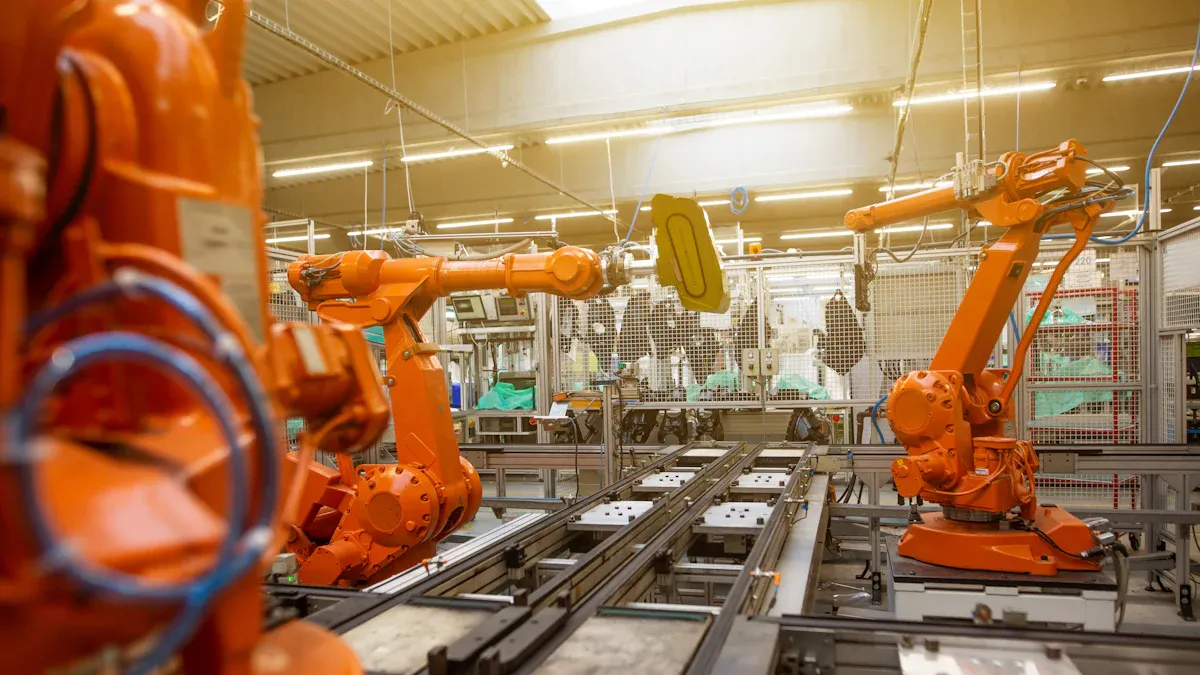
Factories use new technology to make re-orders easier for you. Modern systems help you watch your orders and manage inventory. You can also know what you might need next. This means you get faster service and fewer mistakes.
ERP & MES Integration
Factories use ERP and MES together to help you. These systems share real-time data, so you always know what is happening. You get updates on inventory and production right away. This helps you plan better and avoid surprises.
Real-time data sharing gives you instant updates on orders and inventory.
Less human work means fewer mistakes in your orders.
Better scheduling lets factories change plans fast if needed.
Factories connect ERP and MES to digital procurement tools. This gives you smoother workflows and more control over your orders. These systems help you manage re-orders and repeat styles without delays.
Tip: Ask your factory if they use ERP and MES together. This can help you get better and faster updates.
Automation in Order Tracking
Automation makes tracking your orders easy. You get real-time updates at every step. Automated systems send you messages, so you always know where your products are. This means customer service teams have less work and you stay informed.
Automation gives you real-time updates on your orders.
You get fast and accurate tracking for repeat styles.
Automated updates mean customer service answers fewer questions.
Real-time monitoring keeps you updated from start to finish.
Advanced Order Management Systems send you updates automatically.
You can trust automation to keep your orders on track. You spend less time waiting and more time planning your next steps.
Note: Automated tracking helps you find problems early and fix them before they cause trouble.
Data Analytics for Forecasting
Factories use data analytics to help you get what you want. They look at past sales, seasons, and what customers like. This helps them guess what you will need next. You benefit because factories change production to match your needs. You do not have to worry about too much or too little inventory.
Demand forecasting uses real-time monitoring to watch trends and changes. Factories make smarter choices and keep your orders moving. You get reliable delivery and better prices.
Tip: Share your sales data and feedback with factories. This helps them guess what you need and serve you better.
Factories use technology and modernization to give you better service. You get faster re-orders, better tracking, and products that fit your needs.
You can make re-orders and repeat styles easier with smart systems and good teamwork. Technology helps you watch your orders and guess what you will need. Good habits keep your work smooth and your products the same every time. Customization lets you fill special requests for customers. Focus on these important steps:
Use good demand forecasting to plan ahead
Talk clearly with all teams
Watch production as it happens
Take care of inventory the right way
Always look for ways to get better
If you use these ideas, you will work better with others and get steady results.
FAQ
How do factories keep repeat orders accurate?
Factories use saved order templates and automated systems. This helps you get the same product each time. Staff check all the details before making anything. This process stops mistakes and keeps quality high.
What technology helps with re-orders?
Factories use ERP and MES software. These tools help track your orders and inventory. You get updates right away. Automation makes orders faster and cuts down on mistakes.
Can you request changes for repeat styles?
You can ask for new fabrics, colors, or sizes. Factories change their process to match what you want. Staff test samples and wait for your approval before making everything.
How do factories handle material shortages?
Factories keep backup suppliers and extra stock ready. Fast response teams fix problems quickly. You get updates if something changes. This helps you get your orders on time.
What steps ensure quality in repeat orders?
Factories set clear rules for every product. Staff check quality at every step. Regular tests find problems early. You get products that meet your needs every time.
How do factories manage small batch re-orders?
Factories use modular machines and flexible systems. You get fast changes and quick delivery. Staff check each batch to keep quality high. Small orders cost more, but you get them sooner.