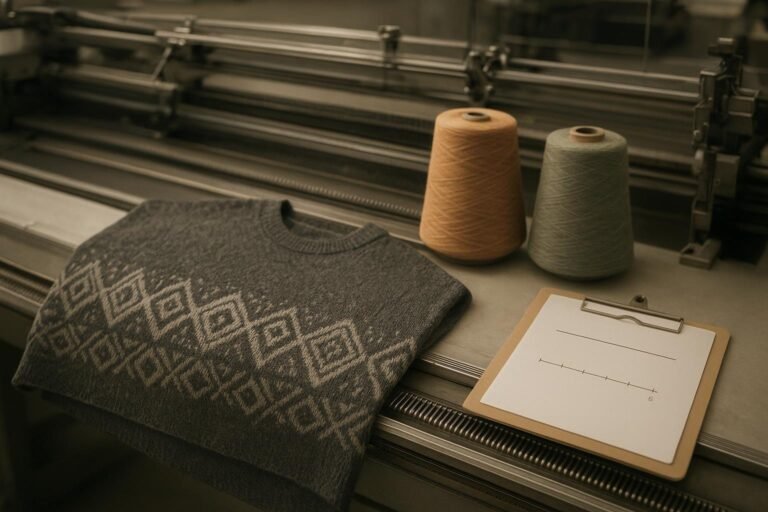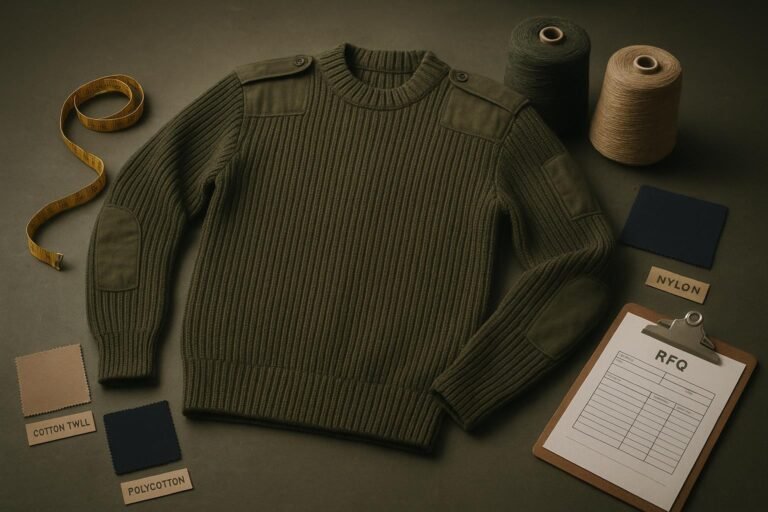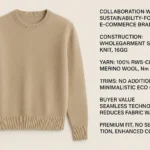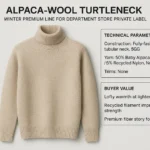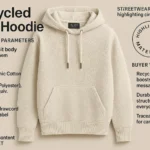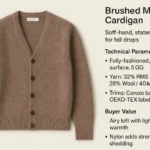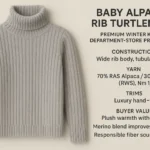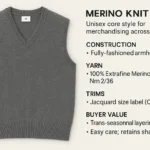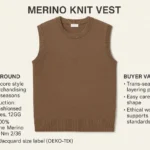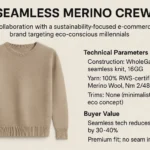


You may ask, “how long does custom knitwear production take?” Most orders are completed in 5 to 12 weeks, but sometimes it can take anywhere from 2 to 24 weeks. The duration depends on the size of your order and the specifics of your design. Whether you choose handmade or machine-made also plays a role. The production process involves several steps. First, yarn is selected with care. Then, the machines are set up. Next, the knitting is performed meticulously. After that, the pieces are assembled. Washing and drying can take a few days, and quality checks are conducted before shipping. Each step takes time, but it ensures a fantastic piece for you.
Key Takeaways
Most custom knitwear orders need 5 to 12 weeks to finish. Some orders can take as little as 2 weeks or as long as 24 weeks. The time depends on the size and design. Handmade items take more time than machine-made ones. A machine-made sweater may need 4 to 6 weeks. Rush orders can be done in 2 to 4 weeks. This is possible if you pick simple designs and use materials that are already in stock. It is very important to talk clearly with your supplier. Fast replies help your order stay on schedule and stop delays. Picking popular yarns that are easy to find can make things go faster. You should plan ahead. Start your project early so you have time for design, samples, and shipping. Simple designs take less time. If there are fewer details, it is faster to make and there are fewer mistakes. Always ask your supplier about shipping choices and how long they take. This helps you avoid last-minute problems.
How Long Does Custom Knitwear Production Take?
Average Timelines
You probably wonder, how long does custom knitwear production take? The answer depends on a few things, but you can expect most orders to finish in 5 to 12 weeks. Some projects wrap up in just 2 weeks, while others stretch out to 24 weeks. The time frame changes based on your choices and needs.
Let’s break it down:
Order Type | Handmade (weeks) | Machine-made (weeks) |
|---|---|---|
Small (1–10 pcs) | 4–10 | 2–6 |
Medium (11–100 pcs) | 8–16 | 5–12 |
Large (100+ pcs) | 12–24 | 8–16 |
If you order a single custom sweater, you might get it in about 4 to 6 weeks if it’s machine-made. Handmade pieces take longer because someone knits each stitch by hand. Larger orders, like uniforms for a team or company, need more time. The machines can work faster, but even then, big batches take weeks.
You may ask, how long does custom knitwear production take if you want something unique? Custom designs with special patterns or colors add extra days or weeks. If you want a simple scarf, you’ll wait less. If you want a sweater with a detailed logo, you’ll wait more.
Fast vs. Standard Orders
Sometimes you need your knitwear fast. Maybe you have an event coming up or a special gift deadline. So, how long does custom knitwear production take when you need a rush order? Rush orders can finish in as little as 2 to 4 weeks, but only if everything lines up just right.
Here’s what helps speed things up:
You pick a simple design. Complicated patterns slow things down.
The yarn you want is already in stock. Waiting for special yarn can add weeks.
You respond quickly to questions and approve designs fast.
The factory or knitter has space in their schedule.
Tip: If you want your order quickly, talk to your supplier about what’s possible. Clear and fast communication helps everyone stay on track.
Standard orders follow the usual production timelines. You get more options for yarn and design, but you wait longer. If you ask, how long does custom knitwear production take for a standard order, you’ll hear 5 to 12 weeks most of the time.
Let’s compare:
Rush Orders: 2–4 weeks (simple designs, materials ready, quick approvals)
Standard Orders: 5–12 weeks (more choices, more time for each step)
How long does custom knitwear production take for a big group or a complex design? You should plan for the longer end of the range. If you want something fast, keep it simple and stay in touch with your supplier.
How long does custom knitwear production take? The answer changes with every project, but now you know what to expect and how to plan.
Stages of Custom Knitwear Production

Design & Consultation
You start your custom knitwear journey with a design and consultation phase. This is where you share your ideas and talk about what you want. You might bring sketches, photos, or just a vision in your mind. The designer listens and helps shape your idea into something that works for the manufacturing process.
Concept & Approval
You and the designer work together to create a concept. You look at colors, patterns, and fit. You also talk about how the piece should feel and drape. Before moving forward, you need to approve the final design. This step can bring up some challenges. Take a look at the table below to see what you might face:
Challenge Description | Key Focus Areas |
|---|---|
Technical Specifications | Making sure complex stitch patterns fit all sizes, from XS to 5XL. |
Material Alignment | Checking if your design can be made with the yarns available. |
Fit Consistency | Keeping the right drape and luxury feel for every size. |
You want to get these details right. If you do, the rest of the manufacturing process goes much smoother.
Material Sourcing
Once you approve the design, you move to material sourcing. This step is all about picking the right yarn and making sure it is ready for production.
Yarn Selection
You choose yarn based on color, texture, and quality. The technician selects yarn colors that match your design. If you want something special, like a rare fiber or a custom color, you might have to wait longer. Yarn availability can change how fast your project moves.
Lead Times
Yarn lead times can affect every part of your order. Here’s how delays in yarn sourcing can slow things down:
The technician picks and sets up the yarn. If the yarn is not in stock, this step waits.
Knitting starts only after all yarns are loaded. No yarn, no knitting.
Linking and assembly need all panels finished. Yarn delays push this back.
Washing and drying happen after knitting. If yarn is late, so is this step.
Quality checks and packaging come last. If yarn is missing, nothing ships on time.
Tip: Ask your supplier if your chosen yarn is in stock. This can save you weeks.
Sampling
Sampling is where you see your design come to life for the first time. You get a sample piece to check the look, feel, and fit.
Sample Creation
The factory or knitter makes a sample based on your approved design and chosen yarn. You get to see and touch the real thing. This is your chance to spot any changes you want.
Revisions
You review the first sample and give feedback. Maybe you want the sleeves longer or the color a bit brighter. The team makes changes and creates a second sample if needed. Each revision means the machines need new programming and setup. This can add time, but it helps make sure you love the final product.
First, you review the sample.
Next, you share your feedback.
Then, the team adjusts and makes a new sample if needed.
Sample revisions can stretch the timeline, but they make your knitwear just right.
Production
Knitting & Assembly
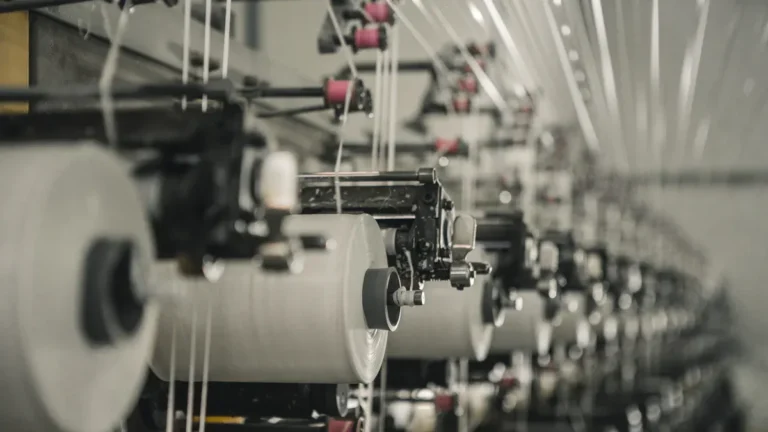
Now comes the exciting part—your knitwear starts to take shape. The team sets up the knitting machines or gets out the needles for handmade pieces. Each panel or section of your item gets knitted with care. If you ordered a sweater, you get separate pieces for the front, back, and sleeves. For scarves or hats, the process is a bit simpler.
Once all the pieces are ready, the team assembles them. They link the panels together, sew seams, and add any special touches like buttons or embroidery. This step needs skill and attention. If you have a complex design, it takes more time to put everything together just right.
Quality Control
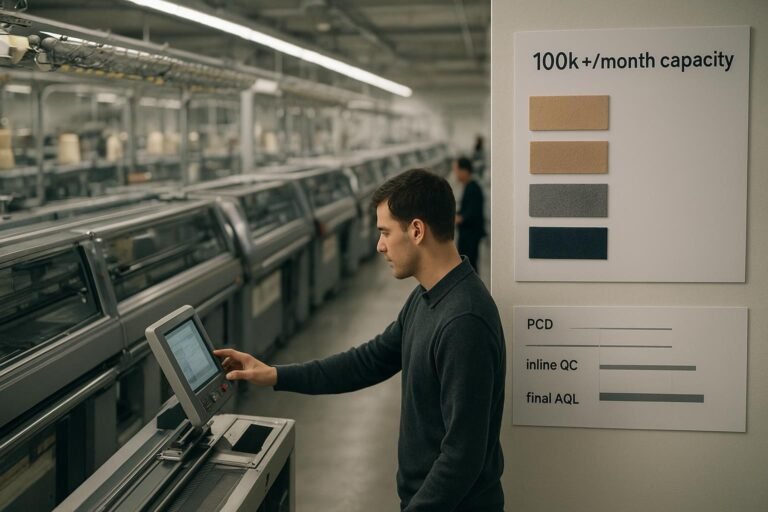
Before your knitwear moves on, it goes through quality control. The team checks every piece for mistakes. They look for loose threads, missed stitches, or color problems. If they find anything wrong, they fix it right away. This step makes sure you get a product that looks great and lasts a long time.
Tip: Ask your supplier about their quality control process. Good checks mean fewer surprises when you open your package.
Finishing
Washing & Packaging
After assembly, your knitwear needs a final touch. The team washes each piece to make it soft and clean. Washing also helps set the shape and size. Sometimes, they block the knitwear, which means shaping it while it dries.
Next comes packaging. The team folds your items neatly and packs them in protective bags or boxes. If you want special packaging, like gift wrapping or branded tags, let your supplier know early. This step gets your order ready for its journey to you.
Shipping
Domestic vs. International
Shipping is the last step, but it can affect your timeline a lot. If you live in the same country as your supplier, you might get your order in just a few days. Many buyers in the US expect delivery in two to three days, and most prefer two-day shipping. Since 2020, average delivery times have dropped from 6.6 days to about 4.2 days. Shipping to cities is usually faster and cheaper because delivery trucks and warehouses are close by. If you live in a rural area, it might take longer and cost more.
If you order from another country, shipping takes more time. International orders face customs checks and taxes, which can cause delays. Sometimes, you can pick a slower shipping option to save money, especially if you order early—like in August for a holiday delivery in November. Express shipping works best if you need your knitwear fast, but it costs more. Sea freight is slower but saves money for big orders.
Note: Always ask your supplier about shipping options and times. Planning ahead helps you avoid last-minute stress and gets your custom knitwear to you right when you need it.
Factors Affecting Production Timeline

Design Complexity
Design complexity can change how long your custom knitwear takes. If you want a simple sweater, the process moves quickly. If you ask for a detailed pattern or special colors, the timeline grows. You might want a logo, stripes, or a unique texture. Each extra detail means more steps for the team.
Here’s what happens with complex designs:
The team spends more time on yarn threading and setup. They need to pick the right yarns and set up machines for your design.
If you choose jacquard knitting, each panel gets made one at a time. This can take 50 to 90 minutes for each piece.
After knitting, the team links and assembles the panels. This step takes longer for complex items but gives you strong seams.
Washing and drying shape and soften your knitwear. This part usually takes one or two days.
The team checks every detail before packaging your order.
You get a beautiful result, but you wait longer for it. If you want your custom clothing manufacturing project to finish fast, keep the design simple.
Order Size
Order size matters a lot in custom clothing manufacturing. If you order one or two pieces, the team can finish quickly. If you need 100 sweaters for your company, the timeline stretches out.
Take a look at this table:
Key Point | Explanation |
|---|---|
Custom Production Time | Custom knitwear takes longer than standard styles due to special requests. |
Impact of Order Size | Larger orders require more time for garment construction and batch handling. |
You see, bigger orders need more time for every step. The team must knit, assemble, and check each item. Factories plan their work in batches, so your large order might wait for its turn. If you want your custom clothing manufacturing order fast, try to keep the quantity small.
Material Availability
Material availability can speed up or slow down your project. You start with yarn selection. If the yarn you want is in stock, the team can begin right away. If not, you wait for the right materials to arrive.
Here’s how material delays can affect custom clothing manufacturing:
The team cannot start knitting without the right yarn.
Every step after knitting, like washing and drying, waits for finished pieces.
If you pick a rare yarn or color, you might wait weeks for delivery.
Tip: Ask your supplier if your chosen yarn is ready to go. This can help you avoid delays and keep your custom clothing manufacturing project on track.
Seasonality
Seasonality can change how long you wait for custom knitwear. Production slows down during busy times like holidays. Brands start holiday campaigns by mid-October. This helps orders arrive on time. If you want knitwear for Christmas, order before mid-November. Factories get lots of orders and work slower. Your project might take longer than normal.
Here are some things to remember about seasonality:
Custom knitwear takes longer to make than printed items. You need to plan early.
The holiday season brings many orders. Suppliers fill up quickly.
If you want delivery by Christmas, order early. Waiting until December means you might not get it.
Tip: If you need knitwear for a special event, talk to your supplier about deadlines. Planning early helps you avoid problems.
Communication
Good communication helps your custom knitwear project go well. When you and your manufacturer talk often, things move faster. If you wait too long to answer or approve, your order can be delayed.
You can make things easier by focusing on these points:
Responsiveness: Quick replies from your manufacturer solve problems fast. You get updates and answers quickly.
Support Services: Some suppliers offer extra help, like design advice or quality checks. These services make things smoother and help you get better results.
If you want your knitwear on time, stay in touch with your supplier. Ask questions, give feedback, and check in often. You build a strong partnership and avoid mistakes.
Note: Clear and friendly communication saves time and helps you get what you want.
Logistics
Logistics means all the steps that move your knitwear from idea to finished product. Each part can add time, especially if things get tricky. You might not see these steps, but they matter a lot.
Here’s how logistics can change your timeline:
Yarn Threading & Setup: The team picks and threads yarn onto machines. This step takes time, especially for special colors or patterns.
Jacquard Knitting: Complex designs need more time. Each panel gets knitted one by one, which can slow things down.
Linking & Assembly: Linking pieces together is slower than regular sewing. Skilled workers make sure every seam is strong.
Washing & Drying: After assembly, your knitwear gets washed and dried. This step usually takes one or two days.
Quality Check & Packaging: Before shipping, the team checks for mistakes and fixes any problems. Careful inspection means you get a high-quality product, but it can add a little time.
If you want your order faster, ask your supplier about each step. Knowing about logistics helps you plan better and set good expectations.
Tip: Ask for updates on each stage. Knowing where your order is helps you stay ready for delivery.
Managing and Reducing Production Time
Clear Communication
You want your custom knitwear to arrive on time. Talking clearly with your supplier helps a lot. When you share information, you stop problems before they start. You get updates about your order and know what is happening. If you answer questions fast, the team can keep working. Quick replies help approve samples faster and keep things moving.
Here are some ways to talk better:
Ask for updates about your timeline often.
Give feedback right away.
Tell your supplier about changes as soon as you can.
Tip: Try having a weekly check-in with your supplier. You can find problems early and fix them before they slow you down.
Early Material Choices
Picking your materials early helps a lot. If you choose yarn and colors before production, the team can plan better. Early choices let the supplier check what is in stock and order what is needed. You do not have to wait for rare yarns or special colors. This step makes your timeline shorter and helps you get your knitwear faster.
Here’s how early choices help:
The supplier orders yarn right away.
Production starts when materials arrive.
You skip delays from missing materials.
If you want things to go faster, ask your supplier which yarns are ready. You can pick popular colors that are always in stock. Early choices keep your project moving and help you finish on time.
Streamlined Design
Simple designs save time. When you pick a streamlined design, the team works faster. Fewer details mean less setup and fewer mistakes. It is easier for the supplier to check your design and start making it.
Look at this table to see how simple designs help your timeline:
Benefit | How It Helps Your Timeline |
|---|---|
AI checks your design and finds problems before they slow things down. | |
Enhanced Visualization | 3D images show what your knitwear will look like, so you avoid delays from confusion. |
Reduced Design Time and Costs | Automated tasks finish faster, so your timeline gets shorter. |
Lower Material Waste | Better designs use less yarn, so you skip delays from missing materials. |
Faster Production Cycles | Clear designs mean fewer mistakes, so your timeline stays on track. |
Ability to Offer Innovative Designs | Smart tools help you make new looks and manage your timeline better. |
If you want your knitwear fast, keep your design simple. You can add special touches, but fewer changes make things smoother. Ask your supplier if your design is easy to make. They can help you find problems that might slow you down.
Note: Simple designs help you get your order faster, save money, and waste less yarn.
When you focus on clear talking, early material choices, and simple designs, you control your timeline. You help your supplier work quickly and avoid delays. These steps make your timeline more reliable and help you get your custom knitwear when you need it.
Planning Ahead
You want your custom knitwear to arrive on time. Planning ahead makes a big difference. When you start early, you give yourself more options. You can choose special yarns, try out different designs, and make changes without feeling rushed.
Think about your deadlines. Do you need sweaters for a team event? Are you planning gifts for the holidays? Mark your calendar with your target delivery date. Then, work backward. Give yourself extra time for each step—design, sampling, production, and shipping. If you plan for a little delay, you will not feel stressed if something takes longer.
Here are some simple steps to help you plan:
Write down your must-have date.
Ask your supplier how long each stage will take.
Add a buffer of one or two weeks for unexpected delays.
Check in with your supplier every week.
Tip: If you want your knitwear for a special event, start your project at least three months in advance. This gives you time for changes and avoids last-minute problems.
Planning ahead also helps you save money. You can use standard shipping instead of paying extra for express delivery. You can pick from more yarn colors and styles because you are not in a rush. You get the best results when you give yourself and your supplier enough time.
Local vs. Overseas Production
You have a choice when you order custom knitwear. You can pick a local supplier or go with an overseas factory. Each option has its pros and cons.
If you choose local production, you get some big benefits:
Faster turnaround times. Your order moves quickly from design to delivery.
Better quality control. You can visit the factory or talk to the team easily.
Quick changes. If you need to adjust your order, local suppliers can respond fast.
Local production helps you avoid long waits. You do not have to worry about your order getting stuck in customs or delayed by shipping problems. You can get updates quickly and solve issues before they grow.
On the other hand, overseas production often takes longer. Shipping across the world adds days or even weeks. Customs checks can slow things down. If you need your knitwear fast, overseas options may not work well. You might save money, but you lose speed and flexibility.
Note: If you want the fastest delivery and the best control over your project, choose a local supplier. You get your knitwear sooner and can handle changes with less stress.
When you plan ahead and pick the right production partner, you set yourself up for success. You get beautiful custom knitwear on time, every time.
Common Delays and Solutions
Material Delays
Material delays can slow down your custom knitwear project. Sometimes, the yarn you want is out of stock. Other times, suppliers take longer to deliver special fibers or colors. You might feel frustrated when you hear, “We’re waiting for the yarn to arrive.”
What can you do?
Pick popular yarns: Choose colors and fibers that your supplier keeps in stock. These move faster through the process.
Ask about lead times: Before you order, check how long it takes to get your chosen yarn.
Order early: If you want something rare, start your project sooner. Give yourself extra time for delivery.
Tip: Always ask your supplier for updates on material status. Quick updates help you plan better.
Here’s a quick table to help you spot common material delays and what you can do:
Delay Reason | What You Can Do |
|---|---|
Yarn out of stock | Choose in-stock alternatives |
Custom color needed | Approve color early |
Shipping slow | Order materials in advance |
Design Changes
You might want to change your design after seeing the first sample. Maybe you want a different color, a new logo, or a longer sleeve. Design changes can add days or even weeks to your timeline.
How can you avoid delays?
Finalize your design early: Spend time in the beginning to get your design just right.
Limit changes: Try to keep changes small once production starts.
Communicate fast: If you need a change, tell your supplier right away.
Note: Every change means the team needs to adjust patterns, reprogram machines, or order new materials. Small changes are easier to handle than big ones.
Shipping Issues
Shipping can surprise you with delays, especially if you order from overseas. Packages can get stuck in customs, face weather problems, or miss a delivery truck. Even local shipping can slow down during busy seasons.
How can you keep things moving?
Choose reliable shipping: Ask your supplier about the best shipping options.
Track your order: Use tracking numbers to watch your package.
Plan for extra time: Add a few days to your timeline, just in case.
Alert: If you need your knitwear for a special event, always plan for possible shipping delays. Express shipping costs more but can save the day.
You can’t control every delay, but you can prepare for them. Stay in touch with your supplier, make decisions early, and keep an eye on shipping. These steps help you get your custom knitwear on time and stress-free.
When to Start Your Project
Lead Time Tips
You want your custom knitwear to arrive right when you need it. Timing matters a lot. If you start too late, you might miss your deadline. If you start too early, you could end up storing your knitwear for months. So, how do you pick the best time to begin?
Here are some tips to help you plan:
Check the average production time. Most custom knitwear takes 5 to 12 weeks. Some orders need up to 24 weeks, especially if you want something special or large.
Add extra time for sampling and revisions. Samples and changes can add 1 to 3 weeks. If you want to see a sample before full production, plan for this step.
Ask about material availability. If you choose rare yarns or colors, you might wait longer. Ask your supplier which materials are ready to go.
Consider shipping time. Domestic shipping usually takes a few days. International shipping can take 1 to 3 weeks, sometimes more if customs get involved.
Plan for unexpected delays. Things happen. Machines break, yarn runs out, or weather slows shipping. Add a buffer of 1 to 2 weeks to your timeline.
Tip: If you want your knitwear for a special date, count backward from your deadline. Add up the time for each stage. Start your project early to avoid stress.
Here’s a quick table to help you figure out when to start:
Project Type | Recommended Start Time Before Deadline |
|---|---|
Simple, small order | 6–8 weeks |
Complex or large order | 12–16 weeks |
Holiday/event order | 14–20 weeks |
Planning for Events
You might need custom knitwear for a big event. Maybe you want team sweaters for a tournament, gifts for the holidays, or branded scarves for a company launch. Planning for events takes extra care.
Here’s how you can make sure your knitwear arrives on time:
Set your event date. Write it down and make it your target.
Talk to your supplier early. Share your deadline and ask if it’s possible.
Choose simple designs if you’re short on time. Simple patterns move faster through production.
Order in advance for busy seasons. Holidays and winter months fill up fast. Suppliers get lots of orders, so start early.
Track your order. Ask for updates at each stage. Stay in touch with your supplier.
Alert: If you need knitwear for Christmas, start your project by August or September. Waiting until October or November can mean missing your deadline.
You control your timeline when you plan ahead. You get the best results and avoid last-minute problems. Starting early gives you more choices and less stress. Your custom knitwear will arrive just when you need it.
You now know custom knitwear usually takes 5 to 12 weeks. Order size, design, and material choice all play a part. If you plan early and talk often with your supplier, you can avoid delays. Use the tips in this guide to keep your project on track.
Pick simple designs
Communicate clearly
Tip: Reach out to your supplier as soon as you have an idea. You get a better timeline and fewer surprises.
FAQ
How do you start a custom knitwear order?
You reach out to a supplier with your idea. You share your design, colors, and size needs. The team helps you pick yarn and guides you through each custom step.
Can you change your design after ordering custom knitwear?
Yes, you can. You review a sample and request changes. Small tweaks are easy. Big changes may add time to your custom order. Always share feedback quickly.
What makes custom knitwear take longer than regular items?
Custom knitwear takes more steps. You choose yarn, approve designs, and check samples. Each custom detail adds time. The production timeline grows with complex requests.
Is there a minimum order for custom knitwear?
Some suppliers ask for a minimum. You can order one piece, but many custom factories prefer larger batches. Ask your supplier about their custom order rules.
How do you speed up your custom knitwear order?
You pick simple designs and in-stock yarn. You answer questions fast. You plan ahead. These steps help your custom order move quickly.
Can you get custom knitwear for a special event?
Yes, you can. You tell your supplier the event date. You start your custom project early. You check the production timeline and shipping options to make sure it arrives on time.
What if your custom knitwear arrives with a problem?
You contact your supplier right away. Most custom makers fix issues fast. You share photos and explain the problem. Good suppliers want you happy with your custom order.
How do you care for your custom knitwear?
You follow the care tag. Most custom pieces need gentle washing and flat drying. You store your custom knitwear folded, not hung, to keep its shape.