
You know how important it is to keep your knitwear production on track in 2025. When your orders fall behind, you might see costs go up fast.
Delays can raise indirect costs by 10%, which bumps up your cost per minute and cuts into your profits.
You could lose up to BDT (Bangladeshi Taka) 2.5 million every month if you let these costs get out of control.
Customers want their knitwear on time, so keeping indirect costs below 20% helps you keep them happy.
If you want to learn how to avoid delays in knitwear production, start by looking at your own process. Small changes can make a big difference.
Key Takeaways
Turn in a full tech pack on time. This helps stop confusion and mistakes during production. Lock in your designs early. Use a design freeze protocol to stop last-minute changes. Find slow spots in your production by mapping your workflow. This keeps things moving well. Guess your material needs correctly. This makes sure you have the right supplies when you need them. Talk clearly and often with suppliers. This helps fix problems fast and builds strong relationships. Use automation and smart technology. This helps you work faster and make fewer mistakes. Get your artwork and designs ready early. This makes it easier to move from design to production. Use good inventory management. This helps you keep the right amount of stock and avoid delays.
How to Avoid Delays in Knitwear Production
You want to know how to avoid delays in knitwear production, right? The secret is to act early and plan ahead. Many brands lose time because they wait too long to get started or miss key steps. If you want to keep your orders moving, you need to focus on the basics first.
Timely Tech Pack Submission
A tech pack is your blueprint for every garment. When you send a complete tech pack on time, you cut out confusion and keep everyone on the same page. Without a tech pack, people guess what you want. Guessing leads to mistakes and slows down production. This is even more important when you work with factories in other countries. Clear instructions help you avoid errors and keep your designs true to your vision.
Checklist for Tech Pack Completeness
Here’s a simple checklist to help you make sure your tech pack is ready:
Tech Pack Item | Why It Matters |
|---|---|
Measurements | Ensures correct sizing |
Materials | Prevents wrong fabric usage |
Stitching Details | Guides factory work |
Color Codes | Avoids color mismatches |
Label Placement | Keeps branding consistent |
Tip: Double-check your tech pack before sending it. A strong tech pack helps you avoid delays in knitwear production by making sure everyone knows what to do.
Submission Deadlines
Set clear deadlines for tech pack submission. If you miss these deadlines, you risk pushing back the whole production schedule. Timely tech pack submission lets suppliers plan resources and start sampling sooner. This means fewer errors and faster turnaround.
Minimize Last-Minute Design Changes
Last-minute changes cause chaos. You want to lock in your designs early so factories can work without interruptions. Many delays happen because teams change specs after production starts. Early collaboration between design, development, and production teams helps spot problems before they grow.
Design Freeze Protocols
Use a design freeze protocol. Once you approve a design, freeze it. No more changes unless there’s a major issue. This keeps your production on track and avoids confusion.
Approval Workflows
Set up a clear approval workflow. Make sure everyone knows who signs off on each step. Digital tools like CAD and virtual sampling help you catch mistakes early. You can see how your knitwear will look before you make it, so you avoid surprises.
Note: Factories in places like Bangladesh face extra challenges from political instability and labor disruptions. If you want to know how to avoid delays in knitwear production, you need strong planning and skilled technicians. Accurate planning tools help you avoid problems when you need to make changes.
If you follow these steps, you’ll know how to avoid delays in knitwear production. You’ll keep your costs down and your customers happy.
Production Planning and Forecasting

You want your knitwear orders to go well, right? Good planning helps you find problems before they slow you down. If you know where bottlenecks are, you can fix them fast and keep things moving.
Bottleneck Identification
Bottlenecks can happen anywhere in your process. Maybe a machine stops working or a team is slow. You need to spot these problems early. Workflow mapping shows you each step. You can see where things get stuck and where you need more help.
Workflow Mapping
Start by drawing your whole workflow. Write down every step from design to shipping. Ask your team where they see slow spots. Use digital tools to track how long each step takes. When you map your workflow, it’s easier to find slow steps.
Capacity Analysis
Capacity analysis shows how much work your factory can do. If you try to do too much, things get backed up. Use capacity planning tools to check your limits. These tools help you serve customers better, avoid surprises, and keep costs down.
Here’s a quick look at some top tools for bottleneck identification:
Tool | Benefits |
|---|---|
Help teams work together, use resources well, lower costs, and make more profit. | |
AI Tools | Make better production schedules, guess demand, and help deliver on time. |
Capacity Planning Tools | Help customer service, stop production problems, make things flexible, and lower costs. |
Accurate Material Forecasting
To avoid delays, you need the right materials at the right time. Good forecasting helps you match your schedule with what you have. You don’t want to run out of yarn or have too much fabric.
Demand Planning
Demand planning means looking at what customers want and when. You can use sales data and trends to guess how much you’ll need. Predictive analytics help you buy just enough, so you don’t waste money or slow down.
Supplier Lead Times
Suppliers need time to bring materials. If you know their lead times, you can plan better. Talk to your suppliers often. Ask if their delivery times change. When you know lead times, you can order early and avoid rushing.
Good forecasting matches your schedule with what you have, so you don’t run out.
It keeps extra stock low, which helps things move.
Good demand planning lets you use resources well and stay on budget.
If you know what customers want, you can buy the right amount of materials.
Looking at old sales and using smart tools helps you avoid running out or buying too much.
Tip: Check your production schedule every week. Small changes can keep things moving and help you find problems early.
Supplier Relationships in Knitwear Production
Having good supplier relationships helps you keep your knitwear orders on time. When you work well with suppliers, you build trust. This trust helps you fix problems fast and keeps orders moving. Customers trust you more when you deliver on time.
Strengthen Communication
You need to talk clearly with your suppliers. Talking often helps build trust. Suppliers feel safe sharing updates, and you get the news you need. This trust helps you find problems early and fix them before they slow things down.
Regular Updates
Regular updates help everyone know what is happening. You can use daily reports to see how things are going. Weekly reviews help you check if things are on track. If you see a problem, you can act fast. Trust between you and suppliers means you get honest feedback.
Daily reports help everyone stay informed.
Weekly reviews let you check progress and fix problems.
Acting fast on delays helps you solve them quickly.
Tip: Review performance with suppliers together to find ways to get better. Early warning systems tell you about possible supply chain problems. Giving rewards to top suppliers helps them do their best and builds trust.
Issue Resolution
Problems can happen at any time. When you trust each other, you can solve problems fast. You work together to find answers. This trust helps you work better and make good products. You also make samples faster, which makes customers happy and builds trust.
Good communication keeps everyone working together.
Solving problems fast helps you work better and make good products.
Talking well helps you send samples on time and makes customers trust you.
Diversify Supplier Base
You should not use only one supplier. When you have more suppliers, you lower your risk. Trusting more suppliers gives you choices if something goes wrong. You keep orders moving and keep customers happy.
Risk Mitigation
Having many suppliers helps you avoid problems from politics or supply chain issues. You can get materials from different places. Trusting a bigger group helps you stay flexible. You can get better prices and meet your goals. Your orders stay safe even when demand is high or there are shortages.
Backup Suppliers
Backup suppliers are there if your main supplier has trouble. You can switch fast if you need to. Trusting backup suppliers keeps your orders on track. You avoid slowdowns and keep customers happy.
Benefit of Diversifying Suppliers | How It Builds Trust and Supports Production |
|---|---|
Flexibility in sourcing | You trust suppliers to deliver when needed |
Better pricing | You trust you get fair deals |
Stability during disruptions | You trust your network to keep production moving |
Support for sustainability | You trust suppliers to meet your standards |
Avoiding bottlenecks | You trust backup suppliers to step in |
When you focus on working with suppliers, you build trust at every step. This trust keeps your orders running well and helps you earn customer trust. Customers see you deliver good knitwear on time, so they come back again.
Technology in Fashion Industry 2025
Every year, new technology changes how knitwear is made. In 2025, technology in fashion industry 2025 will help you stop delays. It keeps your production running well. You can use smart machines, digital tools, and automation. These things make your work easier and faster.
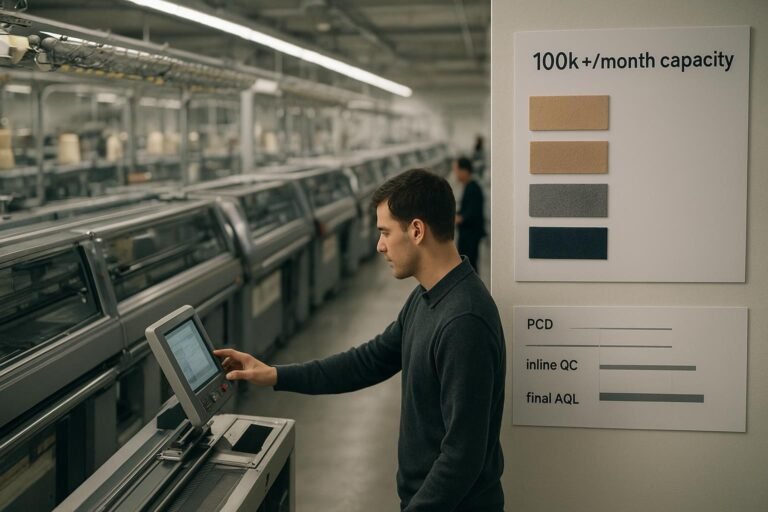
Automation in Production
Automation is a big help for knitwear. Machines can do jobs for you. This means you finish more work in less time. These machines help you make better products. They also help you spend less money.
Automated Quality Control
Automated quality control checks every piece for mistakes. You do not have to depend only on people to find errors. Machines can spot problems and fix them fast. This means your knitwear is more even. Customers send back fewer items.
Here is how automation helps your business:
Benefit | Description |
|---|---|
Enhanced Productivity | You finish more orders in less time. |
Improved Quality | Machines catch mistakes early, so your knitwear looks great. |
Efficient Resource Use | You use just the right amount of yarn and fabric, which helps the planet. |
Rapid Adaptation to Market Demands | You can change your production quickly when customers want something new. |
Reduced Labor Costs | You spend less on labor and keep your team safe. |
Intelligent Quality Control | Smart systems make sure every piece meets your standards. |
Customization Capabilities | You can offer special designs and styles with ease. |
Digital Transformation in Fashion Industry | You use software to design and test products before making them, saving time. |
Digital Inventory Tracking
Digital inventory tracking shows what you have right now. You know when you need more yarn or fabric. You can order supplies before you run out. This technology helps you stop delays. It keeps your production line moving.
Tip: Use digital transformation in fashion industry to link your inventory system with your suppliers. You will always know what is coming and what you need next.
Smart Manufacturing Tools
Smart manufacturing tools make your factory work better. You can use technology to control machines. You can track progress and fix problems fast.
IoT Integration
IoT, or the Internet of Things, connects your machines and tools. You get updates from every part of your factory. IoT helps you spot problems before they stop production. Some systems use IoT to watch spinning machines. This can cut downtime by 20%. You can also find slow spots and fix them fast.
IoT helps you plan maintenance before machines break.
You see where things slow down and make changes right away.
IoT lets you adjust production when demand changes, so you stay ahead.
IoT makes technology in fashion industry 2025 more reliable and flexible. You can react to market changes and keep your customers happy.
AI Scheduling
AI scheduling uses smart software to plan your production. You do not have to guess when to start or stop a job. The system looks at orders, machine time, and staff schedules. It finds the best way to finish everything on time.
Here are some smart manufacturing tools you can use:
Automated knitting machines with AI and IoT for real-time defect detection.
CNC systems for precise programming and better product consistency.
Robots for repetitive tasks, making your factory more efficient.
You can use digital transformation in fashion industry to connect all these tools. Your factory will run smoother, and you will avoid delays.
Note: Technology in fashion industry 2025 gives you more control and better results. You can use automation, IoT, and AI to make your knitwear production faster and smarter.
Artwork and Design Readiness
Getting your artwork and designs ready before production can save you a lot of time and stress. If you want your knitwear orders to run smoothly, you need to prepare every detail up front. Let’s break down how you can do this.
Prepare Artwork Before Production
You want your designs to stand out and match your vision. To make this happen, follow these steps:
Gather Trends and Inspirations: Look at the latest fashion trends. Collect ideas from magazines, social media, and even street style.
Sketch and Concept Development: Draw your ideas. Try different styles and shapes until you find what works.
Develop Technical Specifications: Write down every detail about your garment. This includes measurements, stitches, and trims.
Prototype Creation and Refinement: Make a sample piece. Test it, wear it, and see how it feels. Change anything that doesn’t work.
You also need to think about the materials. Check the fiber content, yarn weight, and texture. Pick colors that fit your brand. Test your yarn for strength and quality. These steps help you avoid surprises later.
Digital Approvals
Digital approvals make your life easier. You can share your designs online and get feedback fast. No need to wait for paper copies or slow mail. Your team can see changes right away and approve them with a click. This keeps everyone on the same page and speeds up the process.
Centralized Design Files
Keep all your design files in one place. Use a cloud folder or a digital platform. When you store everything together, you avoid losing files or working with old versions. Your team can find what they need quickly. This helps you move from design to production without delays.
Standardize Sampling
Sampling is your chance to catch mistakes before they become big problems. If you use a standard process, you can spot issues early and fix them fast.
Early sampling helps you find problems before production starts.
You make sure your knitting pattern matches your brand’s standards.
A strong quality team checks each sample. They find and fix mistakes, which builds trust with your buyers.
Sample Checklists
Use a checklist for every sample. Write down what you need to check, like fit, color, and stitching. Go through the list each time. This helps you catch small errors before they turn into big delays.
Fast-Track Approvals
Fast-track approval systems can save you a lot of time. Some brands use certified samples or AI tools to speed things up. Here’s how much time you can save:
Method | Time Saved |
|---|---|
Certified Samples | |
AI Technologies | Weeks to hours |
AI can cut approval times from weeks to just hours. With better inputs and faster reviews, you can approve samples 35% faster. This means you get your products to market sooner and keep your customers happy.
Tip: When you prepare your artwork early and use digital tools, you avoid last-minute rushes. Standardized sampling and fast approvals help you deliver on time, every time.
Custom Fabric Development
Making custom fabrics helps your brand stand out. You can pick how your fabric looks and feels. You also choose how it works. To stop delays, you must plan early. You need to work with your suppliers from the start.
Early Planning for Custom Fabrics
Start planning your custom fabrics when you start your collection. Early planning helps you avoid last-minute problems. You can get the materials you need on time. Your designs will turn out just how you want.
Sourcing Timelines
To get custom fabrics on time, manage your sourcing timelines well. Talk to your suppliers about their schedules. Spanish textile suppliers often have good shipping systems, but things can change. Talk about your timelines early. Check every delivery step. Pick suppliers with good shipping and tracking. You can ask for fast or same-day delivery if needed. Watch your shipments and talk to your shipping partners often.
Tip: Check delivery dates before you order. Clear talks at every step help stop mix-ups and keep your production on time.
Quality Assurance
Quality is as important as speed. You want your custom fabrics to meet your standards every time. Make a checklist for quality checks. Test your materials for color, strength, and texture. Work with suppliers who care about quality too. If you find a problem, fix it right away. This keeps your production moving and your customers happy.
Quality Checkpoint | What to Look For |
|---|---|
Color Consistency | Shades match your specs |
Yarn Strength | No breakage or fraying |
Texture | Feels right for your brand |
Stitch Accuracy | Clean and even stitches |
Supplier Collaboration
You can’t make great custom fabrics by yourself. You need to work closely with your suppliers. Working together early helps you get a spot in their schedule. Suppliers tell you how much they can do, so you know what is possible. If problems come up, you solve them together.
Material Testing
Test your materials before you start full production. Ask your supplier for samples. Check them for strength, color, and feel. If something is wrong, you can fix it early. This saves you time and money.
Ask for samples for every new fabric.
Test for shrinkage, pilling, and colorfastness.
Give your supplier feedback right away.
Feedback Loops
Keep talking with your suppliers often. Set up regular feedback times. You can find problems early and fix them before they slow you down. Clear talks help everyone know what is happening. When you work together, you get better results and fewer delays.
Early spot in production schedule.
Suppliers share how much they can make.
Work together to solve problems when they happen.
Note: Managing lead times needs good planning and real goals. When you work closely with your suppliers, you get the fabrics you want, when you need them.
Supply Chain Optimization
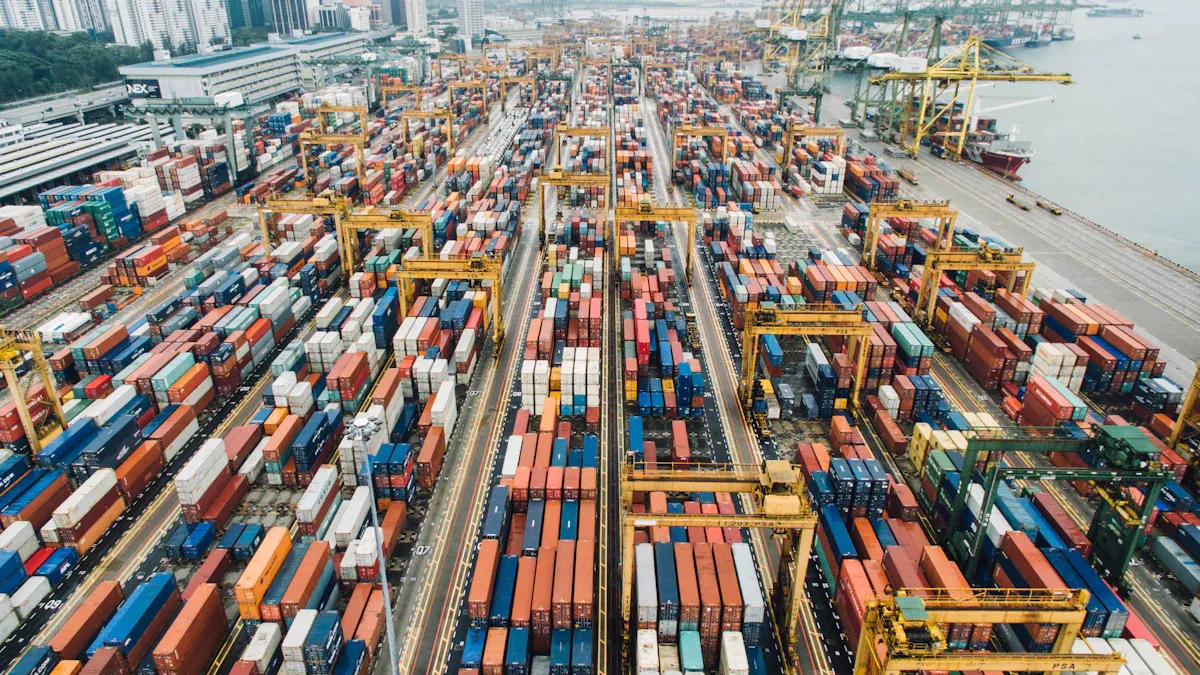
You want your knitwear production to go well. Supply chain optimization helps you stop delays and keeps your business strong. Let’s see how you can make your supply chain stronger and avoid problems.
Logistics Review
A good logistics review helps you find problems early. You can use smart ideas to keep things moving.
Use ERP systems to connect planning, development, and sales. This makes your work easier.
Try AI tools to guess what you need and plan your team. You can know what to order and when.
Use Just-in-Time (JIT) delivery to match your schedule with materials.
Watch demand patterns to manage your inventory well.
Plan better transport routes and combine shipments to save money.
Real-Time Tracking
Real-time tracking lets you see every step in your supply chain. Tools like TrackIT show you where your materials are. You can watch your orders move as they happen. This helps you spot problems early. If a shipment is late, you get an alert. You can change delivery plans or update your inventory. Managers use dashboards to watch production and fix issues fast. Real-time tracking stops you from running out or having too much stock. This keeps your customers happy.
Tip: Real-time tracking makes your supply chain stronger. You can fix problems fast and keep production on track.
Disruption Management
Supply chain disruptions can happen anytime. You need a plan to handle them. Real-time tracking helps you see problems before they stop production. If you see a delay, you can change delivery or update your inventory. This helps you avoid running out or having too much. You keep your customers happy and your business strong.
Inventory Management
Managing inventory well is important for a strong supply chain. You want enough stock to meet demand, but not too much.
Key Benefits of TNA Plan | Description |
|---|---|
Structured Project Management | Breaks big jobs into small tasks with deadlines. |
On-Time Delivery | Makes sure things arrive on time by planning steps. |
Identifying & Mitigating Risks | Helps you spot delays early. |
Improved Efficiency and Reduced Costs | Uses resources well and stops delays. |
Enhanced Communication and Alignment | Keeps everyone on the same timeline. |
Order Tracking and Visibility | Shows you what is happening in real time. |
Keep the right amount of stock to avoid too much or too little.
Buy smart by focusing on popular styles and getting good deals.
Match your inventory to demand to avoid markdowns.
Improve cash flow by not keeping slow-selling items.
Safety Stock
Safety stock is extra inventory for emergencies. It helps when demand jumps or a supplier is late. Safety stock keeps production going. If you do not have enough, you might run out and stop production. Quality problems or slow deliveries can use up your safety stock, so check it often.
Safety stock helps you with surprise demand.
It keeps things running when regular stock is gone.
Not enough safety stock can stop production.
Emergency Sourcing
Sometimes you need materials fast. Emergency sourcing means you have backup suppliers ready. If your main supplier has problems, you can switch quickly. This keeps orders moving and customers happy. Emergency sourcing makes your supply chain stronger and stops delays.
Note: Good inventory management and smart logistics help you avoid problems. You keep knitwear production running and build a business that can handle anything.
Staff Training and Production Management
You want your knitwear business to work well. Training your team and keeping them happy is very important. When you train your staff and manage well, your production does better.
Best Practices Training
Teaching your team the right way to work helps a lot. It stops mistakes and keeps things moving quickly.
Regular Workshops
Hold workshops often for your team. New workers learn what to do. Old workers can practice and remember skills. You can talk about machine safety, quality checks, and new knitting methods. Workshops let your team ask questions and share ideas.
Training makes apparel production faster and better.
Fewer mistakes mean more gets done.
New workers need training so they do not slow things down.
Tip: Use hands-on activities in workshops. People remember what they do best.
Process Guidelines
Clear rules show your team how to do each job. Write simple steps for every part of production. When everyone follows the same steps, you get better results.
Learning about inventory helps your team waste less and work better.
Good training in checking and materials makes things run smoother.
Training Focus | Benefit |
|---|---|
Machine Alignment | Less waste |
Inspection Techniques | Better quality |
Material Knowledge | Faster production |
Workforce Retention
Happy teams stay longer and work harder. You do not want to lose good workers. Keeping people helps your production stay strong.
Engagement Initiatives
Get your team involved in work. Ask for their ideas and listen to them. Plan team games or celebrate wins together. When workers feel part of the team, they stay.
Engaged workers leave less, so you keep your team.
Keeping people helps you do better work and serve customers.
Less turnover saves money on hiring and training.
Note: Talking both ways builds trust. Your team feels important when you listen.
Incentive Programs
Give rewards to your team for good work. You can give bonuses, gift cards, or extra days off. Saying thank you makes people happy and want to stay.
Help your team learn and grow to keep them loyal.
Giving rewards and saying thanks keeps people from leaving.
Flexible hours and good pay help keep skilled workers.
Retention Strategy | Impact on Team |
|---|---|
Career Development | More people stay |
Recognition Programs | Happier team |
Flexible Scheduling | Better job satisfaction |
Competitive Compensation | Skilled workers stay longer |
When you train your team and care about them, you build a strong group. Your production does better with skilled, loyal workers who know their jobs.
Sustainable Production Practices
You want your knitwear business to follow new sustainability trends in us fashion. Customers care about how things are made. They look for brands that use eco-friendly materials and smart ways to make products. If you focus on being sustainable, you can stand out and earn trust.
Eco-Friendly Materials
Eco-friendly materials help you support the planet and follow the latest sustainability trends in us fashion. You can pick organic cotton, recycled yarn, or plant-based fibers. These choices show you care about the earth and want to do the right thing.
Sourcing Strategies
You need a good plan to get eco-friendly materials. Here are some things to remember:
Eco-friendly materials can cost more at first, but you save money later because you use less and throw away less.
Sometimes, you might wait longer for these materials because suppliers do not always have a lot.
If you plan early, you can avoid delays and keep making products.
Using organic and recycled materials means you use fewer chemicals and less water.
Tip: Talk to your suppliers early. Ask about their delivery times and make sure they follow sustainability rules.
Compliance Standards
You want to follow the rules for being sustainable. Many buyers want proof that you use eco-friendly materials. You can look for certifications like GOTS or OEKO-TEX. These show you care about the planet and follow the top sustainability trends in us fashion.
Compliance Standard | What It Means for You |
|---|---|
GOTS | Uses organic materials and fair labor |
OEKO-TEX | No harmful chemicals used |
Recycled Content | Less waste and more recycling |
You can show these certifications to your customers. They feel good buying from you because you care about the planet.
Streamlined Processes
Streamlined processes help you reach your sustainability goals. You can use new technology and smart ideas to make your work better.
Waste Reduction
Waste reduction is important for being sustainable. You can use automated knitting machines and 3D knitting to work faster and make fewer mistakes. These machines help you use less material and waste less. You also save money and support sustainability trends in us fashion.
Automated machines help stop human mistakes.
3D knitting makes clothes without seams, so you waste less fabric.
Making small batches and only what you need helps you avoid making too much.
Note: When you waste less, you help the planet and show you care about sustainability.
Continuous Improvement
Continuous improvement keeps your business strong. You can always find new ways to be sustainable. Try new materials, update your machines, and listen to what customers say. You can join the circular economy by making products that last longer and can be recycled.
Organic materials use fewer chemicals and help the soil.
Recycled fibers mean you need fewer new resources.
Circular economy ideas help you waste less and recycle more.
If you follow sustainability trends in us fashion, you can grow your business and help the earth. Customers notice your work and pick your brand because you care about being sustainable.
You now have ten smart ways to keep your knitwear production on schedule in 2025. If you plan ahead, use new technology, and build strong supplier relationships, you can avoid costly delays. Stay curious about industry trends and try these tips in your own process. If you face tough production challenges, reach out to experts or look for more resources. Remember, small changes can make a big difference. 🚀
Ready to take action? Start today and watch your production run smoother!
FAQ
What is a tech pack, and why do you need it?
A tech pack is a set of instructions for making your knitwear. You need it because it tells the factory exactly what you want. This helps you avoid mistakes and keeps production on track.
How can you speed up sample approvals?
You can use digital tools to share samples and get feedback fast. Try using a checklist for each sample. This helps you catch problems early and approve designs quicker.
What should you do if a supplier misses a deadline?
First, talk to your supplier right away. Ask what happened and see if you can fix the problem together. Always keep backup suppliers ready so you can switch if needed.
Why does automation help prevent delays?
Automation lets machines do jobs faster and more accurately. You finish orders quicker and catch mistakes early. This keeps your production moving and saves you money.
How do you choose eco-friendly materials for knitwear?
Look for organic cotton, recycled yarn, or plant-based fibers. Ask your supplier for certifications like GOTS or OEKO-TEX. These show you care about the planet and meet customer expectations.
What is safety stock, and when should you use it?
Safety stock is extra material you keep for emergencies. Use it when demand jumps or a shipment is late. This helps you avoid running out and keeps production going.
How can you keep your team motivated during busy seasons?
Offer rewards, celebrate wins, and listen to your team’s ideas. You can run workshops or give bonuses. Happy workers help you finish orders on time.
What is the best way to track your inventory?
Use digital inventory systems. These show you what you have and what you need. You can spot shortages early and order supplies before you run out.