
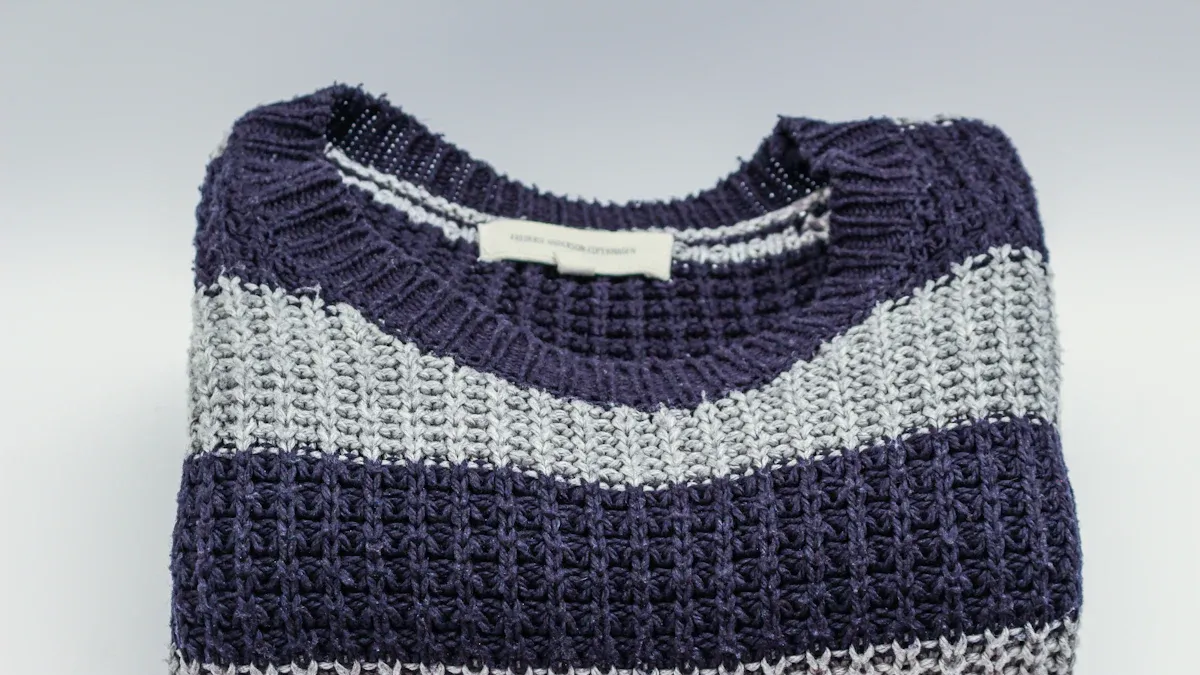
You can learn how to get fuzz balls off sweaters safely using a sweater shaver, a gentle razor, or a sticky lint roller. These tools effectively remove pills without damaging your favorite sweaters. Fuzz balls, also known as pills, form when fibers break away from the fabric. Moving around and washing in a machine exacerbates this issue. This problem is more prevalent with fabrics that have short fibers like cotton. If you care for your sweaters gently, they will remain looking nice and soft.
Key Takeaways
Use a sweater shaver for quick and safe fuzz ball removal. Glide it gently in one direction to avoid damage.
For delicate fabrics, try a clean razor or a special sweater comb. Always check for snags and go slowly.
Lint rollers are great for quick touch-ups. They easily pick up fuzz and lint without harming the fabric.
Handpicking fuzz balls is effective for small areas. Gently pinch and pull them away to avoid stretching the fabric.
Prevent pilling by washing sweaters inside out, using cold water, and folding them for storage.
How to Get Fuzz Balls Off Sweaters Safely
Use a Sweater Shaver
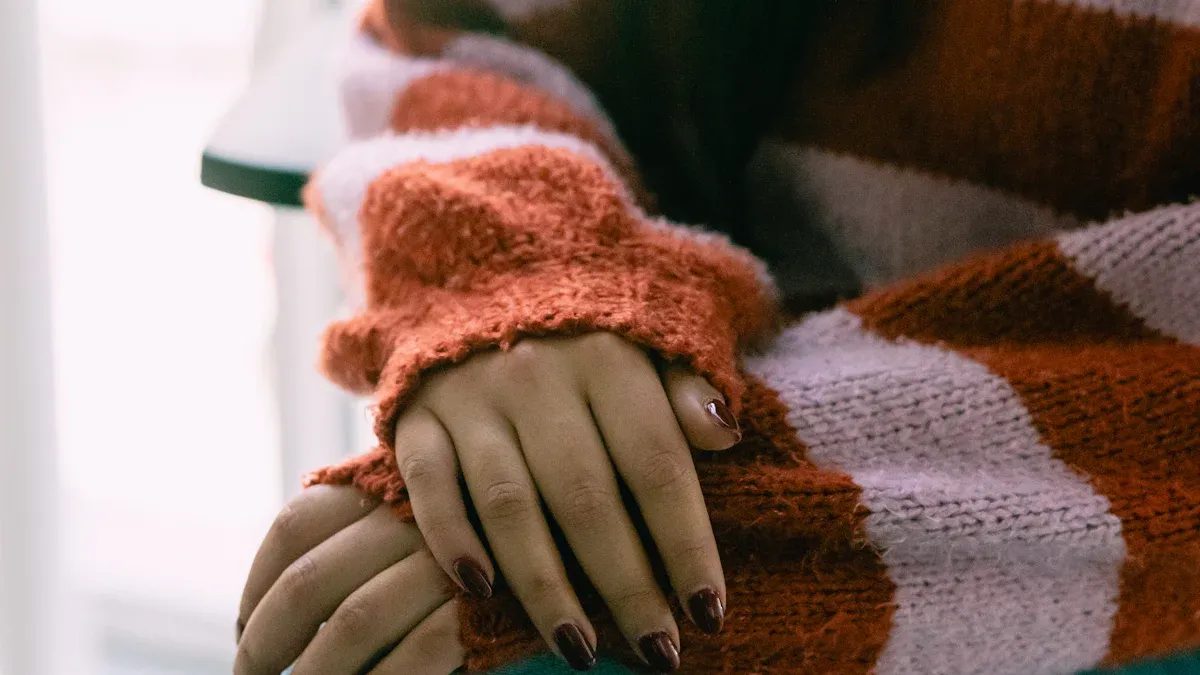
You want to know how to get fuzz balls off sweaters without ruining them. A sweater shaver is your best friend for this job. Start by laying your sweater flat on a clean surface. Smooth out any wrinkles with your hands. Check for holes or loose threads before you begin. If you see any, skip those areas to avoid making them worse.
Turn on your sweater shaver and gently glide it over the surface. Move in one direction and use light pressure. Don’t rush. Check your progress often. If you use a high-quality device and go slowly, you can safely remove the fuzz balls and keep your sweater looking new.
Tip: Never use a sweater shaver on very fine wools, hand-knit sweaters, or anything labeled “dry clean only” unless a professional says it’s okay.
Here’s a quick look at what studies say about sweater shavers:
Evidence Type | Description |
|---|---|
Effectiveness | Studies suggest fabric shavers cut down on pilling by as much as 90 percent on tested fabrics. |
Safety | Fabric shavers can be used safely on wool if the device is high-quality, used gently, and applied only when necessary. |
Guidelines | They should not be used on very fine wools, sweaters with holes, hand-knit garments, or items labeled ‘dry clean only’ unless approved by a professional. |
You can see that a sweater shaver works well for most sweaters. It’s quick and efficient, but you need to use it carefully. If you want to know how to get fuzz balls off sweaters with the least risk, this tool is a top choice.
Razor and Comb Method
If you don’t have a sweater shaver, you can use a clean razor or a special sweater comb. This method works well for delicate fabrics like cashmere. Here’s how to get fuzz balls off sweaters with a razor or comb:
Choose the right tool. Use a sweater stone or manual fabric shaver for soft knits. For thicker sweaters, a regular razor can work.
Lay your sweater flat and smooth it out.
Hold the fabric tight with one hand. With the other hand, gently shave in one direction. Don’t press too hard.
Check your progress often. Stop if you see any snags.
Use a lint roller or soft brush to pick up loose fibers.
Safety Note: Never use heat or flame on acrylic fabrics. Always move slowly and check your sweater as you go.
Here’s a table comparing the razor and comb method to a sweater shaver:
Method | Effectiveness | Risk of Damage |
|---|---|---|
Cashmere Comb | Gently lifts pills, preserves softness | Low risk, if used carefully |
Fabric Shaver | Quick and efficient removal | Higher risk of damage if used carelessly |
You can see that a comb is gentle and safe, but a sweater shaver is faster. Both methods help you remove balls of fuzz and keep your sweaters soft.
Lint Roller and Clothes Brush
A lint roller is a simple tool for quick fuzz ball removal. Roll it over your sweater to pick up lint, hair, and small fuzz balls. For deeper cleaning, use a clothes brush. A clothes brush is more thorough and gentle, especially for delicate knits.
Lint rollers are practical and cheap. They work fast because the sticky surface grabs fuzz and dust.
Clothes brushes are a sustainable choice. They reach deeper into the fabric and are gentle on sweaters.
Tip: Avoid using a rough lint brush on delicate sweaters. Choose a soft brush for best results.
Here’s how to get fuzz balls off sweaters with these tools:
Lay your sweater flat.
Roll the lint roller over the surface, using light pressure.
For stubborn fuzz, use a clothes brush in short, gentle strokes.
Lint rollers and brushes help you remove lint balls and keep your sweaters looking neat. They are great for everyday touch-ups.
Handpicking Fuzz Balls
Sometimes, the best way to remove pilling is by hand. This method works well for small areas or delicate sweaters. Here’s how to get fuzz balls off sweaters with your fingers:
Lay your sweater flat.
Pinch each fuzz ball gently and pull it away from the fabric.
Go slowly to avoid stretching or damaging the knit.
Handpicking is safe and gives you full control. You can target only the fuzz balls you see. This method is perfect for sweaters that need extra care.
Note: Don’t pull too hard. If a fuzz ball doesn’t come off easily, try a sweater shaver or comb instead.
Now you know how to get fuzz balls off sweaters using four safe methods. Each one helps you remove the fuzz balls and keep your sweaters soft and smooth. Try these tips and see which method works best for you. Sweater care doesn’t have to be hard. With the right tools and gentle handling, you can remove pilling and enjoy your favorite sweaters for years.
Remove Lint Balls and Pilling: Best Tools and Techniques
Electric Fabric Shaver
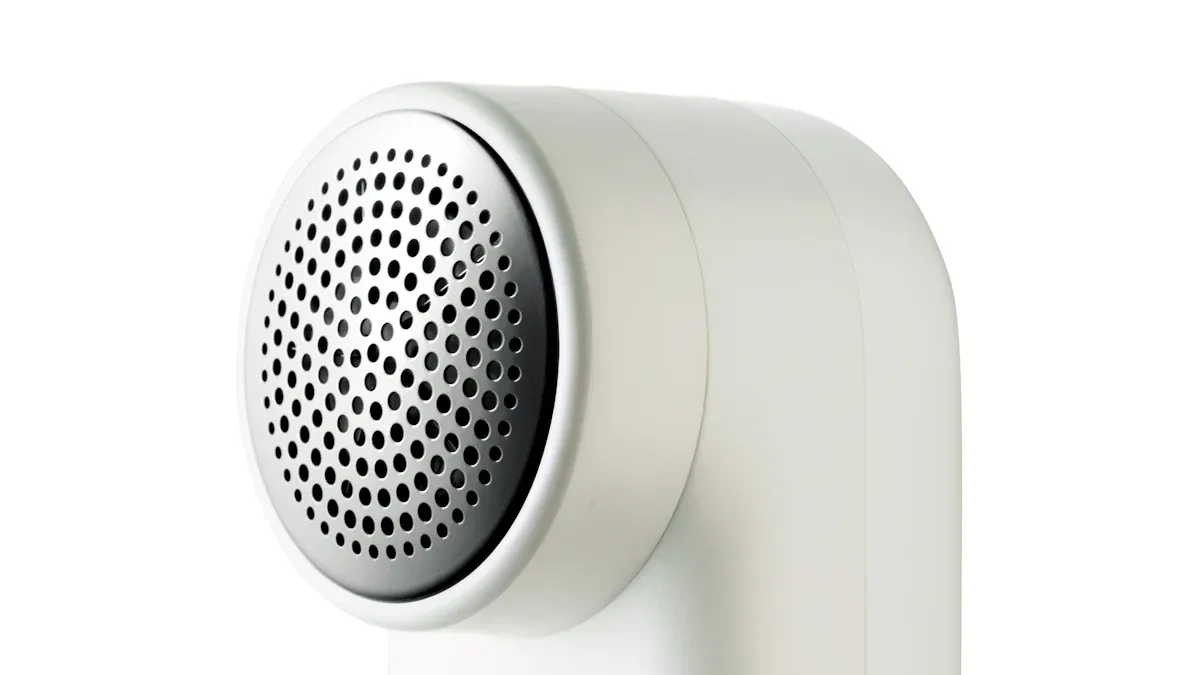
You want to remove pilling from clothes quickly and safely. An electric lint shaver makes this job easy. Lay your sweater flat and check for snags or loose threads. Tuck them in with a crochet hook or needle. This step helps you avoid damage. Always use the shaver on a table, not while wearing your sweater.
The Homeasy Fabric Shaver is highly rated for removing lint balls and pilling. It has six blades and a wide head, so you can cover more area in less time. It works well on most fabrics, especially synthetic ones.
Here’s a quick comparison:
Feature | Electric Fabric Shavers | Manual Fabric Shavers |
|---|---|---|
Effectiveness | More effective in removing lint and pills | Less efficient |
Fabric Safety | Less likely to damage delicate fabrics | Good for delicate garments |
User Satisfaction | Ergonomic designs, smart tech | Appeals to non-electric users |
You can see that an electric lint shaver gives you great results with little risk. Many people like the comfort and speed.
Tumble Dryer with Lint Filter
A tumble dryer with a lint filter can help you remove pilling from sweaters. Just toss your sweater in for a short run at low heat. The lint filter catches loose fibers and pills. You don’t need to do any manual work.
Using a tumble dryer with a lint filter helps remove lint and pilling.
This method is convenient and quick.
Use low temperatures to avoid shrinking your sweater.
If you want a hands-off way to remove pilling from clothes, this method works well.
Manual Trimming with Scissors
Sometimes, you see a big pill or fuzz ball that won’t come off with a shaver. You can use small scissors to trim it. Hold the fabric tight and snip the pill close to the surface. Be careful not to cut the sweater itself.
Manual trimming is best for single pills or delicate spots. It gives you control, but you need to go slow.
Using reusable lint removers helps the environment. They last longer and create less waste than disposable lint rollers. Many reusable tools use eco-friendly materials like bamboo or recycled plastic.
If you want to remove pilling and keep your sweaters looking new, try these tools and tips. You’ll find that a good electric lint shaver or a gentle manual method can make a big difference.
Prevent Fuzz Balls on Sweaters
Washing and Drying Tips
You can stop pilling before it starts with a few smart laundry habits. Always turn sweaters inside out before washing. This protects the outside from rubbing against other clothes. Wash in cold water or at a low temperature. Use a gentle cycle and a mild detergent. Try a liquid detergent instead of powder to avoid residue that can cause fuzz balls. Add a fabric conditioner during the rinse cycle. This helps fibers slide past each other and reduces friction.
Don’t overload your washing machine. Clothes need space to move. If you want extra protection, place sweaters in a garment bag. The bag acts like a shield and keeps fibers from rubbing against the drum or other clothes. Choose a low spin speed or skip spinning for delicate knits. Air dry your sweaters flat on a towel. This keeps their shape and prevents stretching.
Tip: Garment bags are a simple way to reduce pilling and keep your sweaters looking new.
Proper Storage
How you store sweaters matters for prevention. Make sure each sweater is clean and dry before you put it away. Fold sweaters neatly instead of hanging them. Hanging can stretch the fabric and make pilling worse. Use breathable cotton bags for storage. These bags let air flow and stop mildew or yellowing. Never use plastic bags or bins. Plastic traps moisture and attracts pests.
Keep your storage area cool and dry. If you want to keep your sweaters fresh, add a lavender sachet or cedar block. These natural options help repel moths and keep odors away.
Tip: Always fold, never hang, to protect the shape and surface of your sweaters.
Choosing Low-Pilling Fabrics
Some fabrics resist fuzz balls better than others. Silk feels smooth and rarely pills because of its long fibers. Linen is tough and stands up to wear. Rayon has a slick texture that helps prevent pilling, but you still need to wash it gently. When you shop for new sweaters, look for these materials. They make prevention easier and help you avoid the need to remove pilling from clothes as often.
If you want to keep your sweaters soft and smooth, follow these tips. Good habits and smart choices make a big difference. You can enjoy your favorite sweaters for years with just a little care.
Common Mistakes to Avoid When Removing Pilling
You want your sweaters to look great for a long time. To do that, you need to avoid some common mistakes when you remove pilling. Many people damage their clothes without even knowing it. Let’s look at what you should watch out for.
Using Harsh Tools
Some tools can be too rough for your sweaters. If you use a harsh brush, sandpaper, or a dull razor, you might scratch or tear the fabric. You should also stay away from strong detergents or bleach. These products can break down the fibers and make pilling worse. Drying sweaters at high heat or for too long can also cause more fuzz balls to form.
Here are some things you should avoid:
Washing sweaters without turning them inside out.
Using harsh detergents that can damage the fabric.
Drying sweaters at high temperatures or for too long.
Storing sweaters bunched up instead of folding them neatly.
Tip: Always use gentle tools and mild soap. Fold your sweaters after washing to keep them in good shape.
Pulling Pills Aggressively
It might feel easy to just pull off fuzz balls with your fingers. But if you yank too hard, you can stretch or even rip the fabric. This makes the sweater look worn out faster. Instead, pinch the pill gently and lift it away. If it doesn’t come off easily, try a sweater shaver or a soft comb.
Note: Gentle handling is the best way to remove pilling without causing damage.
Overusing Removal Devices
You might think that using a fabric shaver every week will keep your sweaters perfect. But too much shaving can actually weaken the fibers. Over time, this makes the fabric thin and more likely to pill again. Improper use of these devices can even create more fuzz balls instead of getting rid of them.
Here are some risks of overusing removal devices:
You can damage the fabric if you treat it too often.
Neglecting proper care can lead to more pilling.
Tip: Only use a shaver or comb when you see pilling. Don’t overdo it.
If you follow these tips, you’ll keep your sweaters looking smooth and soft. Remember, gentle care is the best way to remove pilling and keep your favorite clothes in top shape.
You can keep your sweaters looking fresh by using gentle fuzz ball removal methods. These tips help you maintain the fabric’s quality, prevent damage, and extend the life of your favorite clothes. Remove fuzz balls as soon as you spot them, and always fold sweaters for storage. Washing and drying with care makes a big difference. When you follow these steps, you’ll enjoy long-lasting, pill-free sweaters. Sweater care is simple when you use the right approach!
FAQ
Can I use a regular razor to remove fuzz balls?
You can use a clean, sharp razor for thick sweaters. Always lay your sweater flat and move the razor gently in one direction. Check for snags before you start.
How often should I use a sweater shaver?
Use a sweater shaver only when you see fuzz balls. Overusing it can weaken the fabric. Check your sweater after each use to make sure it stays in good shape.
Will washing sweaters by hand prevent pilling?
Hand washing helps reduce pilling. Use cold water and a mild detergent. Gently squeeze out water and lay your sweater flat to dry.
Tip: Avoid wringing or twisting your sweater.
What fabrics pill the least?
Fabric | Pilling Risk |
|---|---|
Silk | Low |
Linen | Low |
Wool | Medium |
Acrylic | High |
Choose silk or linen if you want fewer fuzz balls.
Can I remove fuzz balls from delicate sweaters?
You can handpick fuzz balls or use a soft clothes brush. Always go slow and check the fabric often.
Note: Avoid harsh tools on delicate knits.