
Are you ready to learn how to make an eco-friendly knitwear collection from scratch? If you want to do this in a sustainable way, you must look at every step. You can help the planet by picking the right materials. For example:
Organic cotton production causes 46% less greenhouse gas emissions than regular cotton.
Recycled polyester uses 59% less energy than new polyester, so it makes fewer emissions.
When you think about making an eco-friendly knitwear collection, you see how every choice is important. You can design and make your knitwear collection in a sustainable way. If you want to know how to make an eco-friendly knitwear collection, you must choose, design, and make each piece in a sustainable way. The best way to learn how to make an eco-friendly knitwear collection is to take small steps to change. You will see that making a difference starts with how to make an eco-friendly knitwear collection.
Key Takeaways
Pick materials like organic cotton and recycled polyester to help the planet. – Choose natural fibers like hemp and linen because they need less water and break down easily. – Use recycled yarns to cut down on waste and lower pollution. – Try zero-waste methods in your designs so you do not waste fabric. – Work with your community by sharing extra yarn and joining local knitting groups. – Tell people about your eco-friendly work to earn their trust. – Begin your collection with a special piece that shows your brand’s values. – Pick eco-friendly packaging to match your green shipping goals.
Sustainable Yarn Choices
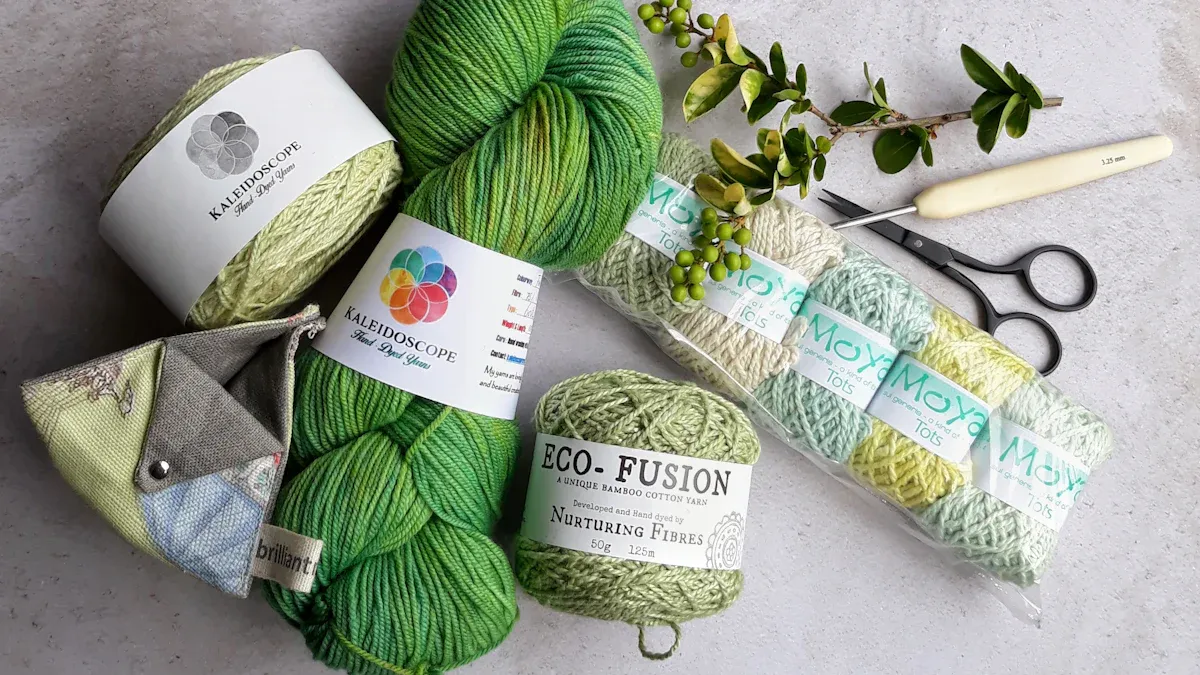
When you begin your knitwear collection, picking yarn is important. You help the earth by choosing yarns that are safe for people and nature. You can make smart choices for sustainable knitting.
Organic and Natural Fibers
Identifying Eco-Friendly Materials
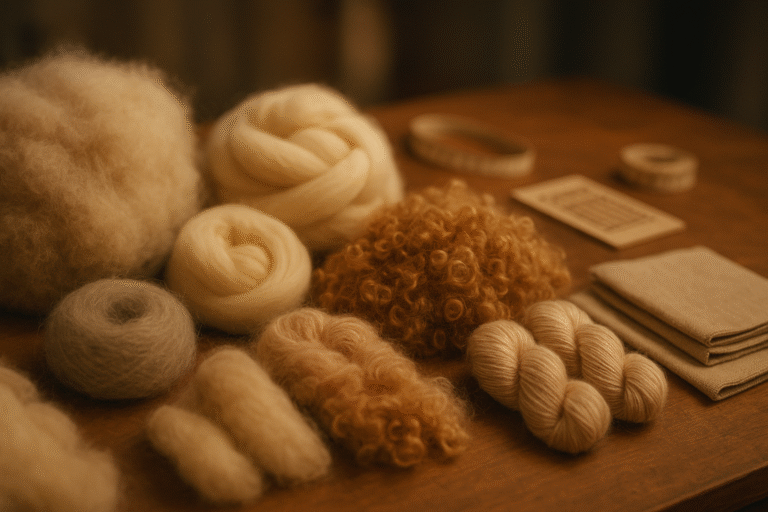
You should use yarns that come from nature and break down easily. Wool, yak, and organic cotton are good for sustainable knitting. These fibers can be renewed and will break down over time. They do not harm the earth when you are done with them. Making these fibers uses less water and less energy than making synthetic fibers. Picking natural fibers helps support eco-friendly fashion.
Benefits of Organic Cotton, Linen, Hemp
You have great choices for your knitwear collection. Here is why organic cotton, linen, and hemp are special:
Organic cotton uses about 85% less water than regular cotton. It grows with natural treatments that help the soil keep water.
Hemp needs only one third of the water that organic cotton uses. It is the most water-saving fiber.
Hemp can fight off pests by itself, so farmers do not need to use bad chemicals.
Both organic cotton and hemp grow without synthetic pesticides. This keeps the earth and farmers safer.
Regular cotton can use over 20,000 liters of water for one kilogram of fiber. Hemp uses much less.
Choosing these fibers helps save water and cut pollution. You also help make farming safer for workers.
Recycled and Upcycled Yarns
Sourcing Recycled Materials
You can find recycled yarn in many places. Try these ideas:
Take apart old sweaters or hand-knit items from thrift stores.
Look for yarn brands that use only recycled fibers, like Berroco Remix.
Some designers go to thrift shops to find clothes with good fiber. They recycle each sweater by hand.
Recycled yarn comes from old clothes, fabric scraps, and plastic bottles. It helps you cut waste, save resources, and lower your carbon footprint. You do not lose quality.
Reducing Waste in Yarn Selection
Using recycled yarns helps the planet in big ways:
You cut down on textile waste that would go to landfills.
You save raw materials like water, energy, and oil.
You lower greenhouse gas emissions because recycled yarn uses less energy than new yarn.
You support a more fair and responsible way to make clothes.
The fashion industry makes millions of tons of waste every year. By using recycled yarn, you help turn old things into new and useful items.
Circular Economy in Knitting
Donating or Selling Excess Yarn
You may have leftover yarn after a project. Instead of throwing it away, you can donate or sell it. This keeps yarn in use and out of landfills. You can give extra yarn to schools, community centers, or other knitters. Someone else can use your leftovers to make something nice.
Community Sharing Practices
You can join a group of knitters who share yarn and ideas. This is part of the circular economy. Here are some rules you can follow:
Principle | Description |
|---|---|
Designing out waste and pollution | Try to make less waste and avoid bad chemicals when you knit. |
Keeping products and materials in use | Reuse, fix, or recycle your yarn and projects to make them last longer. |
Regenerating natural systems | Use ways that help nature stay healthy and strong. |
You can design clothes that last a long time. You can make them easy to fix or recycle. You can also use zero-waste patterns to make fewer scraps. When you follow these steps, you help cut waste and use fewer resources. You make sustainable knitting part of your daily life.
Sustainable Knitting Design
Minimal Waste Patterns
Zero-Waste Techniques
You can help the earth by using zero-waste techniques. These ways let you use all your yarn and fabric. If you knit clothes in the right shape, you do not have scraps. Whole-garment knitting means you do not need to cut or sew. This helps you waste less. 3D knitting lets you make cool designs without extra waste.
Zero-waste knitting shapes clothes as you knit, so you do not waste fabric.
Whole-garment knitting makes pieces with no seams, so you skip cutting and sewing.
Old ways of making clothes can waste about 15% of fabric when cutting.
Zero-waste design puts pattern pieces together to use all the fabric, so nothing is left over.
The main idea is to plan your patterns so you do not have leftover yarn or fabric. You help the planet by making sure every piece is used.
Practical and Versatile Designs
If you pick practical and versatile designs, you can wear them many ways. Your knitwear works for different times and places. This helps your collection last longer and fit your life. You save resources and make less waste by making pieces that do more than one thing.
Eco-Friendly Dyes and Finishes
Natural Dye Options
You can color your projects with natural dyes. These dyes come from plants, minerals, animals, or microbes. They are safer for you and the earth. Here is a table about common natural dyes and their effects:
Dye Source | Example | Environmental Impact |
|---|---|---|
Plants | Indigo, Madder | Biodegradable, renewable resources |
Minerals | Ochre, Clay | Less harmful than synthetic dyes |
Animals | Cochineal | Non-toxic, but sourcing may raise ethical concerns |
Microbes | Various | Eco-friendly if sourced sustainably |
Natural dyes break down and are not toxic. They do not cause allergies and use all parts of the plant, so there is no waste. Indigo and myrobalan are popular. Indigo comes from a plant and needs little work before use. Myrobalan gives a yellow color from dried fruit.
Low-Impact Finishing Methods
You can finish your knitwear with low-impact ways. Waterless dyeing and biodegradable coatings help the earth. These ways make your knitwear last longer and keep colors bright. Some companies use recycled synthetics to make things stronger. When you pick these ways, you help a circular economy and show others how to reuse clothes.
Tip: Choose finishing methods that use less water and fewer chemicals. Your knitwear will last longer and look good.
Knitting What You’ll Use
Planning a Practical Collection
You can plan your collection by picking yarns that match your values. Here is a table to help you choose:
Yarn Type | Benefits |
|---|---|
Organic Cotton | No synthetic pesticides, durable, breathable |
Recycled Yarns | Reduces landfill waste, lowers carbon footprint |
Bamboo Yarn | Needs little water, biodegradable |
Hemp Yarn | Eco-friendly, resists mold and UV rays |
Nylon-4 Biodegradable | Breaks down naturally, less plastic pollution |
Recycled Cashmere | Saves resources, less need for new cashmere |
Algae Yarn | Renewable, biodegradable, uses less water and energy |
Tencel (Lyocell) | Biodegradable, made from wood pulp in a closed-loop process |
Pineapple Fiber (Piñatex) | Zero waste from pineapple farming, unique texture |
Soy Silk Yarn | Vegan, biodegradable, made from tofu byproducts |
Avoiding Overproduction
You can stop making too much by using smart ideas. Here are some ways to keep your collection useful:
Strategy | Explanation |
|---|---|
Leverage Data for Accurate Forecasting | Use demand data to guess what you need and make less waste. |
Adopt a Consumer-Obsessed Approach | Focus on what people want so you do not make things no one buys. |
Improve Assortment Management | Keep the best products and stop making ones that do not sell. |
If you plan well, your collection stays useful and does not make extra waste. You help the earth and build a brand people trust.
Technical Prep for Eco-Friendly Knitwear
Tech Packs and Prototypes
Preparing Detailed Specifications
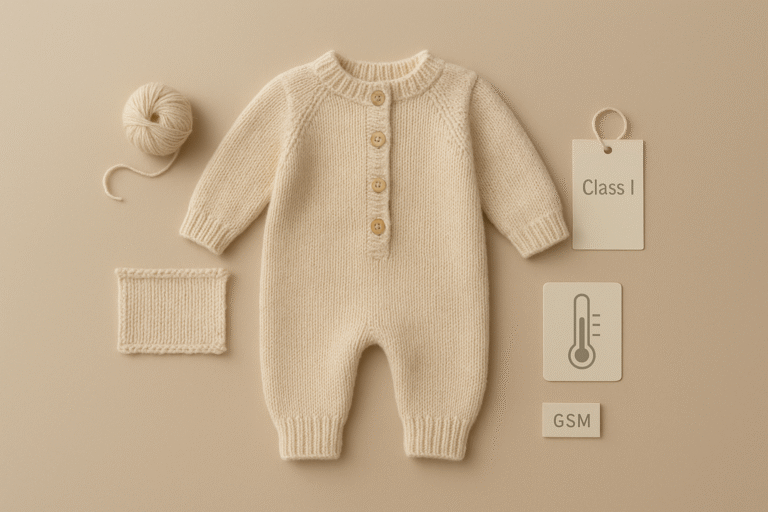
You want your eco-friendly knitwear to be just right. Start by making a tech pack. This is like a plan for your design. It tells everyone what you want and how to make it. A good tech pack helps you avoid mistakes. It also saves time.
Your tech pack should have these things:
Stitch design details
Blocking and finishing notes
Specification sheet for measurements and materials
Technical sketches or CAD drawings
Construction and stitch details
Branding and labeling instructions
Packing instructions
A clear tech pack makes your ideas easy to follow. Your team will know what you want. You also make sure your knitwear is eco-friendly.
Sample Testing for Quality
Before making many pieces, test your samples first. This step helps you find problems early. You can check if your design fits well. You can see if it feels good and lasts long. Sample testing also checks if your knitwear meets green standards.
When you test samples, look for these things:
Durability and fit
Fiber composition of yarns
Color fastness to washing and rubbing
Care instructions accuracy
No harmful chemicals like formaldehyde
Dimensional stability after washing
Appearance after washing (no pilling or fuzzing)
Sample testing helps you make better clothes. You waste less and show you care about quality and the earth.
Material and Production Support
Partnering with Experts
You do not have to do everything alone. Work with experts who know about sustainable materials. Some people turn old textiles into new yarn. Others use cutting room waste to make knitwear. These experts help you recycle and reuse. They also teach you about ethical manufacturing.
Tip: Ask local or global sustainability experts for help. They can help you make your collection even greener.
Ensuring Sustainable Standards
Picking the right partners is important. Work with people who care about the earth and treat workers well. Use this table to help you choose:
Criteria | Description |
|---|---|
Pick partners with strong sustainability programs and clear goals for improvement. | |
Ethical Trade Standards | Make sure they do not allow child or forced labor and follow strict labor rules. |
Certification Validation | Choose suppliers with trusted certifications for sustainable and ethical practices. |
When you pick the right partners, you build a collection you can be proud of. You show your customers that you care about people and the planet. 🌱
Ethical Production for a Sustainable Fashion Brand
Making a sustainable fashion brand means you care about more than clothes. You want everyone in your supply chain to be safe and paid fairly. Factories should respect people and the planet. Here is how you can do this.
Finding Responsible Factories
Picking the right factory is very important. You should work with partners who share your values. Good factories care about workers and the environment. They follow rules to keep everyone safe.
Fair Labor Practices
You help people by choosing factories with fair labor practices. Workers get fair pay. They can help their families and communities. When workers feel respected, they do better work. This helps your brand last and builds trust.
Workers get fair pay and help their families.
Good working conditions keep workers healthy.
Brands that care about fair labor help society.
Safe Working Conditions
Safe factories protect workers from harm. You want partners to follow safety rules. This means clean spaces and safe equipment. Workers need emergency plans. When workers feel safe, they stay healthy and work better. Your brand grows stronger when you care about safety.
Safe workplaces mean fewer accidents and healthier workers.
Healthy workers do their jobs well and stay longer.
Safe conditions help your brand avoid problems.
You can look for factories with trusted certifications. These show that a factory meets high standards for people, animals, and the environment.
Certification | Description | Importance | Claims |
|---|---|---|---|
SFA (Sustainable Fibre Alliance) | Standards for sustainable cashmere, focusing on animal welfare and environmental impact. | Enables credible claims about cashmere sustainability. | Protects animal welfare, supports herder livelihoods, and ensures traceability. |
GOTS (Global Organic Textile Standard) | A comprehensive organic textile standard covering all stages of production. | Ensures organic integrity and certification across the supply chain. | Only certified entities can use the logo, ensuring transparency. |
RWS (Responsible Wool Standard) | A standard for animal welfare and land management from farm to brand. | Confirms animal welfare and traceability of wool products. | Products can only be labeled RWS if all sites are certified and claims approved. |
Communicating Sustainability Standards
You need to talk clearly with your partners about your goals. Good communication helps everyone work together. You want your factories to know what you expect and why it matters.
Setting Expectations with Partners
Start by sharing your sustainability standards. Tell your partners what you want for your brand. Use tools like the Higg Facility Environmental Module (FEM) to collect data. Open talks help build trust. When you explain the benefits, your partners will want to join you.
Use tools to make data collection simple.
Talk openly with your partners to build trust.
Show how sustainability helps everyone.
Tip: When you help your partners understand your goals, they feel like part of your team. This makes it easier to reach your sustainability targets together.
Monitoring Compliance
You need to check that your partners follow your rules. Ongoing checks help you keep your promises. You can do this with audits, visits, and self-checks. Auditors look at the factory and talk to workers. You can also ask for reports between visits.
Regular audits and self-checks keep everyone honest.
Auditors visit factories and talk to workers.
Reports help you track progress and fix problems.
Brands use systems to track where materials come from and how factories work. You can ask for certifications and audits. This helps you make sure your knitwear meets all rules. Some factories use water-saving dyeing and renewable energy. These steps help your brand lower its impact.
Note: When you keep checking on your partners, you show your customers that you care about people and the earth. This builds trust and makes your sustainable fashion brand stand out.
By focusing on ethical production, you make your knitwear collection better for everyone. You help workers, protect the planet, and build a brand people can trust. That’s how you lead the way in sustainable fashion.
Launching Your Eco-Friendly Knitwear Collection
Starting with a Hero Piece
Designing a Signature Item
When you start your knitwear collection, pick one special item. This hero piece shows what your brand stands for. You can make it by hand and use natural or recycled materials. Focus on making it high quality. Handmade clothes are special because each one is different. They tell a story about the person who made them. You also help local people and keep old skills alive. Here are some reasons to begin with a hero piece:
Handmade clothes are made in small amounts, so there is less waste.
You can use natural fibers and pay fair wages to workers.
Every piece is different and shares the maker’s story.
You help cut down waste and make things that last longer.
Your hero piece is the main part of your eco-friendly knitting journey. It shows buyers what you care about and why your collection is important.
Testing and Feedback
Before you sell your hero piece, let real people try it. Ask them what they think about how it fits, feels, and looks. Listen to their ideas and use them to make your designs better. Their thoughts can help you try new materials, plant-based dyes, or make things easy to fix. Here’s how feedback helps your collection:
What You Learn | How It Helps Your Collection |
|---|---|
Material preferences | Try recycled fibers or plant-based dyes for better sustainability. |
Fit and comfort | Change patterns for a better fit and longer use. |
Repair requests | Make pieces that are easy to fix and last longer. |
When you listen to your customers, your collection stays new and creative.
Eco-Friendly Packaging
Wax Paper and Alternatives
When you send your knitwear, pick packaging that matches your values. Wax paper is a good choice because it keeps your items safe and breaks down easily. You can also use recyclable kraft boxes, compostable mailer bags, or strong cardboard. These choices protect your knitwear and help the earth. Here are some top options:
Recyclable kraft and cardboard boxes: They look nice, are light, and easy to recycle.
Compostable mailer bags: Made from earth-friendly stuff and keep things dry.
Corrugated cardboard boxes: Strong and good for heavy knitwear.
You can also use paper mailer bags or plastics that break down. These choices help your green knitting goals and show buyers you care.
Packaging Type | Description |
|---|---|
Mailer Boxes | Small and easy to change, use less material, and are good for green branding. |
Shipping Boxes | Strong and recyclable, good for heavy things, and can have green parts. |
Biodegradable Plastics | Made from recycled stuff, break down on their own, and make less trash. |
Paper Mailer Bags | Tough and recyclable, can keep things dry, and are good for the earth. |
Reducing Single-Use Plastics
You can help a lot by not using single-use plastics in your packaging. When you use recyclable or compostable things, you cut down on plastic trash and pollution. These choices also make it easy for buyers to recycle. Here’s why this is important:
You make less plastic trash and help keep the earth clean.
Your packaging works with paper recycling.
You follow new rules for green packaging.
Buyers trust your brand because you care about the planet.
When you make these changes, you lead in green knitting and inspire others to follow. 🌱
Scaling Up Your Sustainable Fashion Brand
Expanding Responsibly
You want your sustainable fashion brand to grow, but you also want to keep your eco-friendly values strong. Responsible scaling means you make smart choices at every step. You can work with other brands and NGOs to set new standards for sustainability. Education and advocacy help you build a future where fashion does less harm.
Team up with organizations that care about the planet.
Teach your customers why sustainability matters.
Use your brand to speak up for better practices in fashion.
You can show your values in every product. Clear displays and honest descriptions help shoppers understand what makes your knitwear special. When you share how you make your clothes, people trust you more.
Managing Inventory
Managing inventory helps you avoid waste and keep your business healthy. You can use simple tools to track what you have and what you need. If you keep your stock small, you lower the risk of unsold items piling up. You can also use pre-orders to see what your customers want before you make more.
Inventory Tip | Benefit |
|---|---|
Track stock levels | Avoid overstock and waste |
Use pre-orders | Make only what people want |
Restock in small batches | Stay flexible and reduce risk |
Tip: You can ask your customers what they want before you make new pieces. This helps you plan better and keeps your collection fresh.
Avoiding Overproduction
Overproduction leads to waste and lost money. You can stop this by making only what you need. Focus on product durability and impact. When you talk about how long your knitwear lasts, shoppers see the value. You can also work with trusted voices—Sustainability Champions—to help spread your message.
Make fewer, better products.
Share how your knitwear lasts longer and uses less.
Let experts and fans talk about your brand’s values.
You can use your sustainability credentials as a selling point. Honest marketing helps you avoid greenwashing and builds trust.
Transparent Supply Chains
You want your customers to know your brand is truly sustainable. Transparency means you show how you source materials and make your clothes. People want proof, not just promises. You can track your resources and share your process.
Tracking Materials
Tracking materials helps you see where everything comes from. You can follow your yarn from farm to finished sweater. This lets you spot ways to save energy and water. When you know your supply chain, you can make changes that help the planet.
Track every step from fiber to finished product.
Use simple records to see resource use.
Find ways to lower your impact.
66% of shoppers say they will pay more for sustainable products if you give them clear information. You can use this to build loyalty and grow your brand.
Sharing Your Sustainability Story
Your story matters. You can share how you make your knitwear, who makes it, and why it’s better for the earth. People want to see real proof of ethical sourcing and production. You can use social media, your website, and product tags to tell your story.
Sharing Method | What You Can Show |
|---|---|
Social media posts | Behind-the-scenes photos |
Product tags | Details about materials used |
Website updates | Stories about your supply chain |
Note: When you share your journey, you help shoppers make better choices. You build trust and inspire others to join you in sustainable fashion.
Marketing Your Sustainable Knitting Journey
Storytelling for Eco-Friendly Brands
You want people to care about your knitwear. The best way to do this is by telling your story. When you share why you started your eco-friendly collection, you help others connect with your mission. People love to hear about real journeys and honest values.
Here are some ways you can make your story stand out:
Craft a compelling brand narrative. Share what matters most to you. Tell people why you care about the planet and how your knitwear helps.
Engage your audience through emotional connections. Talk about the challenges you face and the wins you celebrate. Let your passion for sustainability shine.
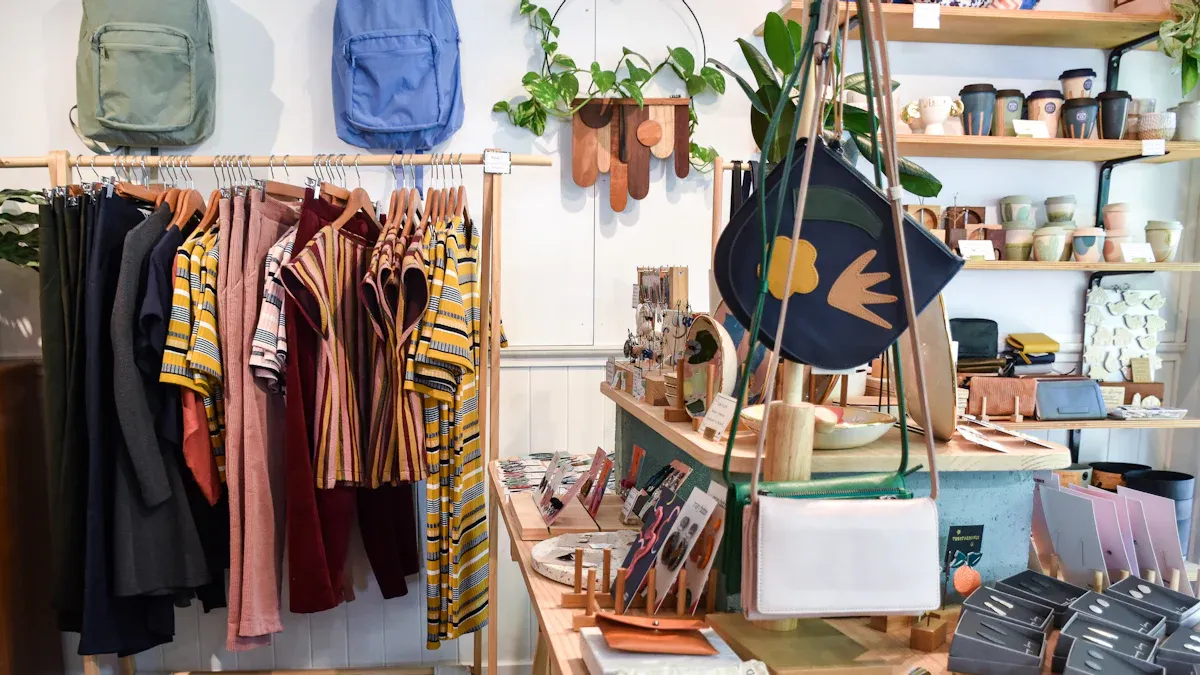
Use strong visual elements. Show photos of your yarn, your workspace, and your finished pieces. Let people see the colors, textures, and care in every item.
Share customer stories. Ask your buyers to tell their own experiences. Use their words and photos to show how your knitwear fits into their lives.
Tip: People remember stories more than facts. When you share your journey, you help others feel like they are part of something bigger.
Engaging Eco-Conscious Customers
You want to reach people who care about the earth. These customers look for brands that match their values. You can connect with them by being open and honest. Show them how you choose your yarn, how you make your pieces, and how you treat your team.
Try these ideas to build trust:
Use simple language to explain your process.
Answer questions about your materials and methods.
Invite feedback and listen to what your customers say.
Offer behind-the-scenes looks at your daily work.
A table can help you plan your customer engagement:
Action | Why It Works |
|---|---|
Share process photos | Builds trust and shows transparency |
Host Q&A sessions | Answers real questions |
Feature customer posts | Creates a sense of community |
When you make your customers feel seen and heard, they will want to support your brand.
Social Media and Partnerships
Social media helps you reach more people. You can use Instagram, TikTok, or Pinterest to show your knitwear and your process. Post photos, short videos, and stories. Use hashtags like #sustainableknitwear or #ecofashion to find new fans.
You can also work with others who care about the planet. Partner with eco-friendly brands, local shops, or green influencers. When you team up, you share your story with new people.
Tag partners in your posts.
Join online challenges or campaigns.
Offer giveaways with other eco brands.
Note: Social media is not just for selling. It is a place to share, learn, and grow your community. When you show your real self, people will want to follow your journey. 🌱
You can make an eco-friendly knitwear collection by picking good yarns, making careful designs, and working with fair partners. Try starting with one small change, like using organic cotton or recycled yarn. Keep learning new things and tell others about what you do. When you join a group, you:
Help local makers and support fair trade
Get new ideas by working as a team
Earn trust from people who buy your knitwear
Ask more people to join in
What you do is important. Every choice helps!
FAQ
What makes yarn eco-friendly?
Eco-friendly yarn comes from natural, organic, or recycled sources. You avoid harmful chemicals and support better farming. Look for certifications like GOTS or RWS. These show you the yarn meets high environmental and ethical standards.
How do I find sustainable yarn suppliers?
Start by searching for brands with clear sustainability claims. Check for certifications and read reviews. You can also ask local yarn shops about their eco-friendly options. Many suppliers share their sourcing stories online.
Can I dye yarn at home in an eco-friendly way?
Yes! You can use natural dyes from plants, fruits, or vegetables. Onion skins, avocado pits, and turmeric work well. Always use safe methods and compost leftover dye materials when you finish.
How do I avoid waste when knitting?
Plan your projects before you start. Use up leftover yarn for small items or donate it. Try zero-waste patterns. You can also join a yarn swap group to share extra materials.
Is recycled yarn as strong as new yarn?
Most recycled yarns hold up well for everyday use. Some may feel softer or look different. Always check the label for care instructions. Test a small swatch if you want to see how it behaves.
How can I make my packaging more eco-friendly?
Choose recyclable or compostable materials like kraft paper, cardboard, or compostable mailers. Avoid single-use plastics. You can reuse boxes or wrap items in fabric scraps for a creative touch.
Why does transparency matter in sustainable fashion?
Transparency helps you see where your materials come from and how people make your clothes. When brands share their process, you can trust their claims. It also helps you make better choices as a shopper.