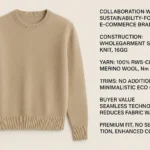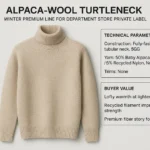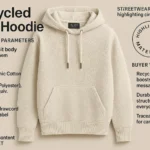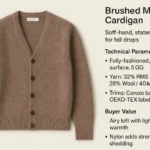

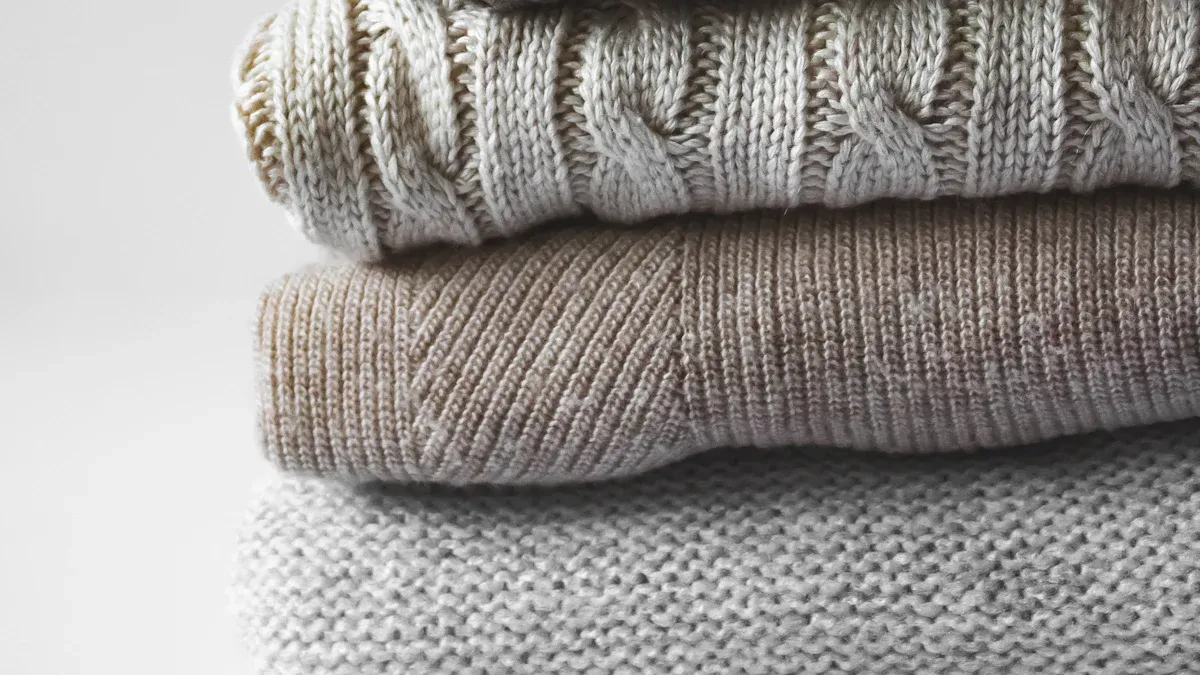
You want to know how to price custom knitwear for retail so you can actually see profit from your hard work. Many makers struggle with this because pricing handmade items feels tricky. Some people make these common mistakes:
Pricing too low because you think customers won’t pay more for custom pieces.
Not charging for your time and labor, including sewing, fitting, or even travel.
Forgetting to create a pricing sheet, which leads to inconsistent prices.
You might also focus too much on costs and forget other key factors to include, like your brand’s value or what’s trending. If you don’t adjust your prices often, or ignore how your knitwear fits into the bigger retail picture, you could miss out on real growth. Smart pricing means thinking ahead and planning for long-term success.
Key Takeaways
Know your costs. Add up materials, labor, and overhead in your price.
Keep track of your time. Find out how long each piece takes. This helps you set fair labor costs.
Use a pricing formula. Figure out your price with (Material Cost + Labor + Overhead) x Markup.
Look at competitor prices. See what other makers charge. This helps you keep your prices competitive.
Choose a profit margin. Try for a gross profit margin between 30% and 50%. This helps your business last.
Change prices by season. Adjust your pricing when demand goes up or down.
Ask customers for feedback. Use surveys to learn what customers like. Change your prices if needed.
Watch your sales often. Check your sales data to see if your pricing works.
How to Price Custom Knitwear for Retail

Getting your pricing right is the key to making your handmade knitwear business work. You want to cover every cost, pay yourself fairly, and still offer fair pricing that attracts customers. Let’s break down how to price custom knitwear for retail step by step.
Material Costs
Yarn and Fiber
Start with the cost of materials. Yarn and fiber make up the base of your custom knitwear. You might use wool, cotton, alpaca, or blends. Always track the exact amount you use for each piece. If you buy in bulk, divide the total cost by the number of items you can make. This gives you a clear cost per item.
Notions and Packaging
Don’t forget the small things. Notions include buttons, zippers, and labels. Packaging covers bags, boxes, and tags. These add up fast, especially for handmade items. Always include them in your total cost of materials. Here’s a quick list of what to track:
Trims like zippers, buttons, and elastics
Main labels, care labels, and size tags
Polybags, hangtags, and cartons
Any special packaging for custom orders
Labor Calculation
Time Tracking
Your time matters. Handmade knitwear takes hours to create. Track how long you spend on each stage. For a standard custom sweater, knitting alone can take 120 to 180 minutes. Here’s a simple table to help you see where your time goes:
Stage of Production | Average Time (minutes) |
|---|---|
Knitting | 120-180 |
Linking | N/A |
Finishing | N/A |
Quality Checks | N/A |
Write down your time for each step. This helps you see the real labor cost for every custom piece.
Hourly Rate
Set an hourly rate that feels fair for your skill and experience. Many makers forget to pay themselves. You deserve to earn for your work. Multiply your hours by your rate to get your labor cost per item. For example, if you spend three hours and want $20 per hour, your labor cost is $60. This is a big part of fair pricing for handmade goods.
Here’s another table to show how labor costs can break down:
Factor/Component | Description/Value |
|---|---|
Labor cost per operator | $4.00/hour (example) |
Labor cost per helper | $3.50/hour (example) |
Average wastage percentage | 3.5% |
$136.42 (for batch) |
Overhead Expenses
Workspace Costs
Overhead covers all the extra costs that keep your business running. If you rent a studio or use part of your home, include a share of that rent. Add in insurance, bookkeeping software, and memberships. These fixed costs matter for every custom knitwear item you sell.
Utilities and Fees
You also have variable overhead. This includes electricity, gas for errands, office supplies, and platform fees from sites like Etsy or Shopify. Even your coffee counts as an office expense! Here’s a list of common overhead expenses:
Website hosting and domain renewals
Email marketing and automation tools
Social media scheduling tools
Design software like Canva Pro or Adobe
Etsy listing fees and Shopify fees
Product photography equipment
Gas and mileage for business errands
Business insurance
A portion of home utilities
Office supplies and bank fees
Bookkeeping software
Overhead costs play a big role in your final price. You need to include them in your pricing formula to make sure your business stays profitable.
The Standard Pricing Formula
Now, let’s put it all together. The industry uses a simple pricing formula for custom knitwear:
(Material Cost + Labor + Overhead) x Markup
This formula helps you cover every cost and add a profit margin. Many makers use the absorption pricing method. This means you add up all your costs per item, then add your desired profit margin to get your wholesale price. To set your retail price, multiply your wholesale price by 2. This is called keystone pricing.
Here’s how it looks in practice:
Tip: Always use the full pricing formula for every custom piece. This keeps your pricing fair and consistent.
Typical Cost and Retail Price Ranges
You might wonder what other makers charge. Custom knit sweaters usually cost between $38 and $45 to make. They often sell for $60 to $100 or more in stores. This means your markup can range from about 58% to 163%, depending on your brand and design. Most custom knitwear retails for $60 to $100+, with more complex or branded pieces going even higher.
When you use the right pricing formula, you make sure every handmade item covers its total cost and brings in profit. This is how to price custom knitwear for retail success. You protect your time, your materials, and your business.
Pricing Your Knitwear: Market Analysis
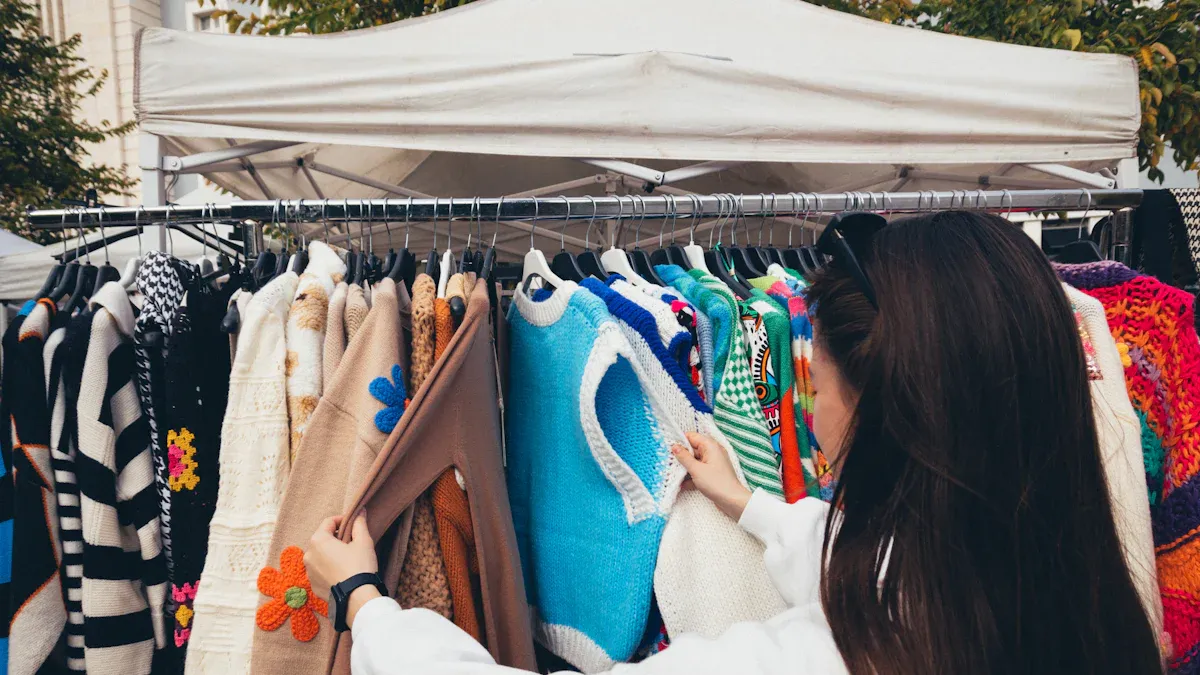
You want your handmade business to be noticed. Pricing your knitwear is more than just adding up costs. You need to see what others charge. You should know what your customers like. You also need to see how your brand fits in the market. Let’s look at how you can do this.
Competitor Pricing
First, check what other makers charge for similar items. This helps you see if your prices are too high or too low. You can look at online shops, local stores, and social media. Here’s a table that shows how prices compare for custom pieces:
Product | Typical Product Cost | Average Retail Price |
|---|---|---|
$38 – $45 | $60 – $100 | |
Printed Sweatshirt | $20 – $30 | $40 – $60 |
There are smart ways to research competitor pricing:
Look at what other handmade sellers charge for custom knitwear.
Check what styles and features people want most.
Use online tools to watch pricing trends and changes.
When you know the market, you can set prices that are fair and competitive.
Customer Willingness to Pay
You want to find out how much people will pay for your handmade pieces. There are easy ways to learn this. You can ask your customers questions. You can run polls or use surveys. Some brands use special methods to test prices, like Gabor-Granger or Van Westendorp. These help you see what price works best.
Here’s a table with ways to measure willingness to pay:
Methodology | Description |
|---|---|
Gabor-Granger | Finds the highest price each customer will pay for your knitwear. |
Van Westendorp | Shows what price range feels right to your customers. |
Conjoint Analysis | Tests which features matter most and what people will pay for each one. |
Think about what makes your handmade knitwear special. People pay more for better fabric, cool designs, or extra details. Here are things that can change your pricing:
Factor | Estimated Impact on Cost | How It Affects Pricing |
|---|---|---|
$5 – $20 per unit | Better fabric means higher pricing. | |
Design Complexity | $10 – $50 per unit | Fancy designs raise your pricing. |
Customization Level | $5 – $30 per unit | More personal touches boost your pricing. |
Brand Positioning
How you talk about your brand changes how people see your handmade items. If you show your knitwear as high-quality and unique, you can charge more. People like custom pieces that feel special. When you use great materials and focus on craftsmanship, your pricing can go up.
You can pick a brand strategy that matches your style. Here are some ways brands stand out:
Strategy Type | Description | Example |
|---|---|---|
Price Leadership | Offer affordable handmade pieces. | H&M |
Focus on premium materials and skill. | Prada | |
Lifestyle Positioning | Connect your knitwear to a way of life. | Lululemon |
Value-Based Positioning | Highlight ethics or sustainability. | Patagonia |
Cultural/Community Positioning | Build a club or community around your brand. | Supreme |
If you show your brand as premium, people see your custom knitwear as worth the price. This helps you set prices for profit and growth.
Tip: Pricing your knitwear is not just about numbers. It is about knowing your market, your customers, and your brand story. When you get these right, your handmade business will do well.
Setting Desired Profit Margin
You want your custom knitwear business to thrive. Setting your desired profit margin is the step that makes sure you earn what you deserve for your handmade work. Let’s break down how you can choose the right margin and use the best pricing strategy for your products.
Profit Margin Calculation
Start by figuring out your profit margin. This means you decide how much profit you want to make on each piece of knitwear. Most makers aim for a gross profit margin between 30% and 50%. Some brands go higher, reaching up to 65% when they sell at a premium price. You can use this simple formula:
Profit Margin = (Retail Price – Total Cost) ÷ Retail Price
Here’s what you need to include in your total cost:
Material cost for yarn, fiber, and notions
Labor cost from valuing your time
Overhead like workspace, utilities, and fees
Shipping and payment processing fees
Marketing cost per order
If you set your retail price at $85 for a custom sweater and your total cost is $30, your profit margin is about 65%. That’s a healthy margin for covering business expenses and growing your brand.
Tip: Always check your formula for each product. Fair pricing starts with knowing your true value of your work.
Pricing Strategies
You have a few ways to set your prices. Each pricing strategy helps you reach your desired profit margin and show the value of your craft.
Cost-Plus
This strategy is simple. You add up your total cost for each handmade item, then add a markup to reach your desired profit margin. Cost-plus pricing gives you a reliable starting point. It works well if you want fair pricing and consistency.
Value-Based
Value-based pricing looks at what customers think your knitwear is worth. If people see the true value of your work, you can charge more and boost your profit. This strategy takes extra research, but it helps you capture the value of your craft and maximize your margin.
Tiered Pricing
Tiered pricing lets you offer different versions of your custom knitwear at different price points. You can reach more customers and increase your profit. For example, you might sell a basic sweater, a premium version, and a luxury edition. Each tier has its own total cost and margin.
Pricing Strategy | Description | Advantages |
|---|---|---|
Cost-Plus | Add markup to total cost | Simple, fair pricing |
Value-Based | Price by perceived value | Maximizes profit |
Tiered Pricing | Multiple price points for knitwear | Wider customer reach |
Seasonal and Trend Adjustments
Your desired profit margin can change with the seasons. Knitwear sells best in early fall and winter peak. You can adjust your pricing strategy for holidays or spring transitions. For example, offer gift packaging during the holidays or lighter knits in spring. This helps you keep your margin strong and your pricing fresh.
Season | Strategy |
|---|---|
Early Fall | Pre-season ordering |
Holiday Season | Gift-focused packaging |
Winter Peak | Comfort and warmth messaging |
Spring Transition | Lightweight, transitional knits |
You can multiply your wholesale price by 2 or 2.5 to set your retail price. This keeps your profit margin healthy and supports the true value of your work. When you use the right formula and strategy, you protect your time, your materials, and your business.
Note: Valuing your time and the value of your craft leads to fair pricing and lasting profit.
Refining Your Pricing
Sales Monitoring
You want your handmade business to grow, so you need to keep an eye on your sales. Tracking your sales helps you see if your pricing works and if you reach your profit goals. Start by looking at how many custom pieces you sell, the price per item, and your cost per item. These numbers show if your margin is strong or if you need to make changes.
Here’s a table with important metrics to watch:
Metric | Description | Importance |
|---|---|---|
Price per Item | The selling price of each piece. | Drives profit and market position. |
Cost per Item (COGS) | What you spend to make each item. | Sets your profit ceiling. |
Quantity of Items | How many you sell in each order. | More items mean better margin. |
Shipping Strategy | How you charge for shipping. | Impacts profit, especially for small orders. |
Payment Processing Fees | Fees for taking payments. | Lower fees help your margin. |
Marketing Cost per Order | What you spend to get a sale. | High costs mean you need a higher price or more sales. |
When you track these, you spot trends and see where your pricing brings in the most value. If you notice your margin shrinking, you can act fast to protect your profit.
Customer Feedback
Your customers help you improve your pricing and your handmade products. Ask them what they think about your custom knitwear. Use surveys, reviews, or even quick polls on social media. When you listen, you learn what they value most. Maybe they love your unique designs or the quality of your yarn. Sometimes, they want more options or a different price point.
Tip: Happy customers often share what makes your handmade items special. Use their words to highlight the value and justify your margin.
Customer feedback also shows if your pricing feels fair. If people say your knitwear is worth every penny, you know your value message is clear. If they hesitate, you might need to adjust your price or explain your process better. Always connect feedback to your margin and profit goals.
Price Adjustments
You want your pricing to stay strong as your business grows. Use your sales data and customer feedback to make smart changes. Try A/B testing by offering two prices for the same custom item and see which brings more profit. You can also test bundle deals or tiered pricing to boost your value and margin.
There are many ways to adjust your pricing:
Description | |
|---|---|
Backward Pricing | Set your profit margin first, then work out your costs. |
Psychological Pricing | Use prices like $49.99 to make items feel like a better value. |
Competitive Pricing | Match or beat other handmade sellers. |
Keystone Pricing | Double your wholesale price for retail. |
Absorption Pricing | Cover all costs, fixed and variable, to protect your margin. |
Dynamic Pricing | Change prices based on demand or season. |
Seasonal Pricing | Raise or lower prices for holidays or slow months. |
Customer Education | Show buyers why your custom knitwear is worth the price. |
Note: Always use data to guide your price changes. When you see a drop in margin or profit, adjust your pricing to keep your handmade business healthy.
Refining your pricing is not a one-time job. Keep checking your numbers, listen to your customers, and make changes that protect your value and profit. This way, your margin stays strong, and your custom knitwear stands out in the market.
You now know how to price custom knitwear for retail. Here are the steps you need to follow:
Add up all your costs. This means materials, labor, and overhead.
Look at the market. See what other brands charge for their knitwear.
Pick a price that lets you make the profit you want.
Watch your sales and change your prices if you need to.
Tip: Check your prices often. This helps you stay competitive and helps your business grow.
FAQ
How do I know if my prices are too high or too low?
Check what other makers charge. Ask your customers for feedback. If you sell out fast, your price might be low. If sales are slow, your price could be high. Adjust as needed.
Should I offer discounts on my custom knitwear?
You can offer discounts for special events or loyal customers. Use them to boost sales or clear old stock. Don’t discount too often, or people may expect lower prices all the time.
How often should I review my pricing?
Review your prices every few months. Watch your costs and sales. If your expenses go up or trends change, update your prices. Staying flexible helps you stay profitable.
What if my costs increase suddenly?
Raise your prices to cover higher costs. Let your customers know why. Most people understand that materials and labor can get more expensive.
Can I charge more for special requests or rush orders?
Yes! Add a fee for custom requests or fast delivery. Make sure you tell your customer about the extra charge before you start.
How do I explain my prices to customers?
Share your process. Tell them about your materials, time, and skill. Use photos or videos to show your work. When people see the effort, they understand the price.