
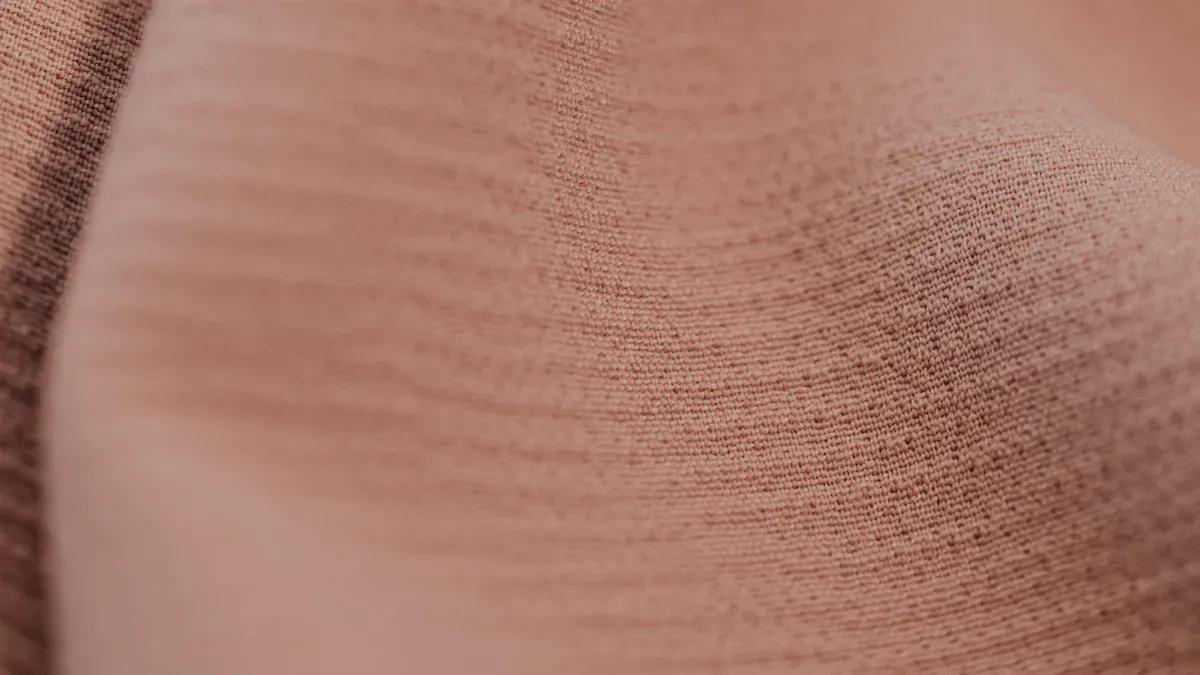
You want a fabric that lets air move for comfort. This is important when it is hot or you are active. Studies say cotton is still the most breathable fabric in 2025. Cotton lets air pass through and helps you stay cool. Breathability means air can go through the fabric. This keeps you dry and cool. Light and breathable fabrics like cotton help your skin feel fresh. This is good for sports or other active times. More people want quick-drying and high-quality fabrics for comfort.
The market value was USD 1.85 billion in 2024.
It may reach USD 1.99 billion in 2025.
This is because more people want breathable fabrics and better cooling.
Is polyamide breathable? You will find out how polyamide, cotton, and polyester compare for comfort and breathability.
Key Takeaways
Cotton is still the best for breathability in 2025. It helps you stay cool and comfy when it is hot outside. Polyamide, which people also call nylon, lets some air through. It dries faster than cotton, so it works well for sports. Polyester dries the fastest of all. It is good for active times, but it might not feel as nice as cotton when it is humid. Breathability helps you stay dry and cool. This matters a lot during sports or in hot places. New fabric technology, like moisture-wicking and special weaves, makes clothes more comfy and better for sports. Eco-friendly choices, like organic cotton and recycled polyester, are good for the planet and still feel nice. Pick your fabric based on what you will do. Cotton is great for daily use. Polyester and polyamide are better for sports. Try to find eco-friendly tags when you shop. This helps support green choices in the fabric world.
What Is Breathability?
Breathability Defined
You might ask why some clothes feel cool. Breathability means air and sweat can go through the fabric. When you wear breathable clothes, sweat leaves your skin faster. This helps you stay dry and comfy. Scientists use tests to check breathability. These tests show how much water vapor and air move through fabric. Some tests are called sweating guarded hotplate and inverted cup methods. Experts use rules to make sure tests are fair.
Standard | Description |
|---|---|
ISO 15496:2018 | Checks how much water vapor passes for quality. |
GB/T 12704.1-2009 | Tests how much moisture fabric can take in. |
ASTM E96/E96M-22a | Measures how fast water vapor goes through. |
Why Breathability Matters
You feel good when your clothes let your skin breathe. Breathable fabrics soak up sweat and let it out. This stops sweat from staying on your skin. It helps your body stay cool. If you play sports or go outside, you need clothes that let air move. Breathability stops you from getting too hot. It helps you stay active and do better.
Tip: Pick breathable fabrics for sports, trips, or hot days. You will feel much more comfortable.
Factors That Affect Breathable Fabrics
Many things change how well a fabric breathes. The shape of fibers and how yarns are woven matter. Special-shaped fibers let more air move than round ones. Thick fibers help air flow too. The weave changes how air moves. Plain weave does not let as much air through as twill, satin, or porous weave.
Factor | Description |
|---|---|
Fiber shape and yarn structure | Special-shaped fibers let more air move. Thick fibers help breathability. |
Plain weave is less airy than twill, satin, or porous weave. | |
Fabric finishing processing | Tight finishes from printing or dyeing lower breathability. Weight loss treatments help air flow. |
Other things like thickness and finishing also matter. Thick fabrics block sweat more. Some finishes, like coatings, stop vapor from moving. Hydrophilic finishes help sweat leave the fabric. Tiny holes inside fibers let vapor move but keep the fabric strong.
Thickness changes how fast sweat leaves.
Fiber type matters in wet places.
Finishing can block or help vapor move.
Many things work together to make a fabric more or less breathable. When you choose clothes, think about these things to stay comfy.
Is Polyamide Breathable?
Polyamide Overview
You might ask if polyamide lets air move. Polyamide is also called nylon. It is a man-made fiber. People use it in many clothes and sports gear. You can find it in jackets, leggings, and socks. Polyamide feels smooth and strong. It does not break easily. You can wear it for tough sports. Many brands pick polyamide because it is light and lasts long. Polyamide lasts longer than cotton. It also dries faster than most other fabrics.
To know if polyamide breathes, look at how air and sweat move through it. Polyamide fibers are thin and bend easily. They let some air pass, but not as much as cotton. Polyamide gives you medium breathability. It can help you stay cool, but not as cool as cotton. The way polyamide is woven changes how much air gets through. New knitting and 3D weaving in 2025 make polyamide breathe better than before.
Here is a table that shows how polyamide and polyester compare in tests:
Metric | Polyester Knit (150 gsm) | Nylon Knit (150 gsm) |
|---|---|---|
Air Permeability (mm/s) | 300–350 | 280–320 |
Dry Thermal Resistance | 0.08–0.10 Clo | 0.08–0.10 Clo |
Wet Thermal Resistance | 0.06 Clo | 0.05 Clo |
Evaporative Cooling Rate | 0.045 W/cm² | 0.040 W/cm² |
Polyamide has a little less air permeability than polyester. But it still cools well and dries fast.
Polyamide Moisture Management
Does polyamide breathe when you sweat? Polyamide moves sweat away from your skin. You stay dry because it wicks sweat and dries quickly. Most polyamide fabrics dry in 10–15 minutes. This is faster than cotton. You do not feel sticky from wet clothes.
Fast-drying fabrics help you feel good.
Polyamide dries quicker than cotton and keeps sweat off your skin.
Polyamide is tough, so your clothes last longer even with lots of use.
Here is a table that compares cotton and polyamide:
Factor | Cotton | Polyamide (nylon) |
|---|---|---|
Breathability | High, but holds moisture | Medium, moisture-wicking |
Drying time | Slow | Fast |
Durability | Medium, wears out faster | High, good for rough use |
Heat retention | Low, but more when wet | Low in light weaves |
Polyamide dries fast and does not hold sweat like cotton. Is polyamide good for sports? Yes, especially if you need clothes that dry quickly.
Polyamide Comfort in Hot and Humid Conditions
Is polyamide good in hot and humid weather? Polyamide helps you stay dry because it wicks sweat and dries fast. You feel less sticky and more fresh. Polyamide can feel warmer when dry, but light weaves help you feel cooler. Polyamide is flexible, so your clothes move with you. It is also light, which makes it comfy.
Here is a table that shows how polyamide and cotton feel in humid places:
Property | Polyamide | Cotton |
|---|---|---|
Moisture-wicking | Yes | No |
Quick-drying | Yes | No |
Heat retention | Can feel warmer when dry | Usually cooler |
Odor retention | May keep odors unless treated | Usually less odor |
Flexibility | High | Medium |
Weight | Light | Heavier |
Durability | High | Medium |
Quick-drying makes polyamide great for humid weather.
Light weaves help you stay cool.
Is polyamide good for daily wear? You get good breathability and sweat control, especially with new fabric tech. Polyamide gives you comfort and works well in many places.
Tip: Pick polyamide for sports, travel, or humid days if you want clothes that dry fast and last long.
Polyamide vs Polyester Breathability
You may ask how polyamide and polyester compare. Both are used in sports clothes and outdoor gear. You see them in shirts, shorts, and jackets. Each fabric has good and bad points for breathability.
Polyamide lets air move, but polyester feels lighter. Polyamide feels smooth to touch. Polyester is softer and sometimes bends more. When you sweat, polyamide pulls moisture off your skin. Polyester also moves sweat away, but it dries even faster. Both dry quickly, but polyester is the fastest.
You can check numbers to see the difference. Polyamide has medium air flow. Polyester has higher air flow. This means polyester lets more air pass through. You feel cooler in polyester when you play hard. Polyamide still keeps you dry, especially with new weaving.
Here is a table that shows how polyamide and polyester compare for breathability:
Feature | Polyamide | Polyester |
|---|---|---|
Air Permeability | Medium | High |
Moisture Wicking | Good | Excellent |
Drying Speed | Fast | Very Fast |
Odor Retention | May hold odors | Less odor retention |
Softness | Smooth | Softer |
Durability | Very durable | Durable |
Polyester wins for air flow and drying speed. Polyamide is best for strength and smooth feel. You may pick polyamide if you want tough clothes. Polyester is better if you want cool and dry clothes.
Think about what you do and where you go. If you run or play sports in heat, polyester helps you stay cool. Polyamide is good for hiking or travel because it lasts longer. Both control sweat well, but polyester dries sweat fastest.
Note: Pick polyamide for tough use. Pick polyester for high breathability. Both fabrics use new tech to make you feel better.
Polyamide and polyester both have good points. Polyamide gives you strength and okay breathability. Polyester gives you top breathability and dries fast. You can wear both for sports, travel, or every day.
Cotton and Breathability
Cotton Overview
You see cotton everywhere. People use it for shirts, sheets, and jeans. Cotton comes from the fluffy part of the cotton plant. Farmers grow cotton in many countries. You find it in clothes because it feels soft and gentle on your skin. Cotton is easy to wash and lasts a long time. Many people choose cotton because it is natural and safe for sensitive skin. You can wear cotton all year. It keeps you cool in summer and warm in winter.
Cotton stands out as a top choice for breathable fabrics. You notice that cotton lets air move through easily. This helps you stay fresh and dry. Cotton absorbs sweat and does not feel sticky. You get comfort when you wear cotton, especially during hot days or when you play sports.
Tip: Choose cotton for daily wear if you want a soft, breathable fabric that feels good on your skin.
Cotton’s Natural Breathability
Cotton’s natural breathability comes from its special structure. The fibers in cotton have tiny spaces that let air and moisture pass through. You feel cool because cotton absorbs up to 25% of its weight in moisture. The cellulosic structure helps cotton soak up sweat without making you feel wet. You stay dry and comfortable even when you sweat.
Scientists say cotton’s air permeability is high. You notice that cotton shirts dry slowly, but they do not cling to your skin. Cotton keeps you feeling fresh because it does not trap heat. You can wear cotton for sports, school, or play. Cotton’s breathability makes it a favorite for people who want comfort.
Cotton in Dry vs Humid Conditions
Cotton works well in both dry and humid places. You might wonder how cotton feels in different weather. In dry conditions, cotton stays reliable and breathable. You feel cool and sweat leaves your skin. In humid conditions, cotton keeps its breathability. Recent research shows that cotton’s filtration efficiency increases by 33% in humid air. You get better protection and still feel comfortable.
Here is a table that shows how cotton performs in dry and humid conditions:
Condition | Breathability | Filtration Efficiency Increase |
|---|---|---|
Humid | Maintained | 33% |
Dry | Reliable | Not specified |
You see that cotton stays breathable no matter the weather. Cotton helps you stay cool and dry in summer and gives you comfort in winter. You can trust cotton for school, sports, and travel.
Note: Cotton’s breathability does not change much in humid air. You get the same comfort and protection.
Cotton Tech Advances 2025
Cotton fabrics change a lot in 2025. Scientists and companies work to make cotton better. You get new cotton that feels cooler and more comfy. New technology helps cotton stay dry and fresh.
Many brands use advanced weaving techniques. These weaves make tiny air paths in the fabric. You feel more air on your skin. Your cotton shirt feels lighter and cooler. Some shirts have mesh or small holes. These help air move where you sweat most.
You see smart finishes on cotton clothes. These finishes help cotton pull sweat off your skin. You stay dry even when you sweat a lot. Some finishes use plant chemicals. These chemicals help cotton dry faster and fight stains. You wash your clothes less and save water.
Tip: Pick cotton clothes with “moisture-wicking” or “quick-dry” tags. These tags mean the fabric uses new tech to keep you comfy.
You see sustainable processing in cotton products. Factories use less water and fewer chemicals now. You help the earth when you pick these green options. Some brands use recycled cotton fibers. These fibers feel just as soft and breathe like normal cotton.
Here is a table that shows the top cotton tech advances in 2025:
Innovation | Benefit for You |
|---|---|
Advanced weaving | More airflow, cooler feel |
Smart moisture finishes | Faster drying, less sweat |
Plant-based treatments | Stain resistance, eco-friendly |
Recycled cotton fibers | Sustainable, same comfort |
Antimicrobial coatings | Less odor, fresher clothes |
You notice antimicrobial coatings on some cotton fabrics. These coatings stop germs from growing. Your clothes smell fresh after a long day. You do not worry about bad smells when you wear cotton for sports or trips.
Many brands use digital printing for patterns. This does not block airflow. You get cool clothes that still let air move. You see bright colors and fun designs on cotton shirts and dresses.
Cotton in 2025 gives you more choices for comfort and style. You enjoy clothes that keep you cool and dry. You help the planet when you pick new cotton tech. You stay active and feel good every day.
Polyester and Breathable Fabrics
Polyester Overview
Polyester is used in lots of clothes and gear. Factories make it from oil by spinning chemicals into threads. Polyester feels light and smooth. It does not wrinkle much. It keeps its shape after many washes. You see polyester in shirts, jackets, and bedding. Many brands pick polyester because it costs less and lasts longer than some natural fibers. You can wear polyester for travel, school, or exercise.
Polyester is strong and dries quickly. You can wash it easily. It dries faster than cotton. Polyester does not shrink or fade much. Some people like it because it feels cool and is not heavy. You find polyester in clothes for running, hiking, and biking.
Polyester Breathability vs Natural Fibers
You may wonder how polyester compares to cotton. Breathable fabrics help you stay cool and dry. Cotton has hollow fibers that let air move through. Cotton absorbs sweat and lets it evaporate. Polyester does not soak up much moisture. You might feel sticky if you sweat a lot.
Doctors say cotton is better for sensitive skin. Cotton lets air move and helps stop skin problems. In hot places, cotton is the best for comfort. Cotton breathes better and wicks sweat more than polyester. Polyester feels lighter, but it may not be as comfy in humid weather.
Here is what studies show:
Cotton’s hollow fibers help air flow.
Cotton can hold a lot of water, so it manages sweat well.
Polyester does not absorb much, so it feels less comfy.
Doctors suggest cotton for people with sensitive skin.
Cotton is best in hot places for breathability and sweat control.
Natural fibers like cotton are the most comfy and breathable.
Natural fibers usually win for comfort and breathability. Polyester is good for drying fast and lasting long. Cotton keeps you cooler and drier.
Moisture-Wicking Polyester
You may ask how polyester helps with sweat. New technology helps polyester pull sweat off your skin. Factories treat polyester so it moves sweat to the surface. The sweat dries fast and you stay dry.
Modern polyester dries much faster than cotton. You do not wait long for clothes to dry after washing or sweating. Some new polyester dries in 8–10 minutes. Cotton can take over 45 minutes. You feel better during sports or outdoor fun.
Here is a table that shows the benefits of moisture-wicking polyester:
Aspect | Details |
|---|---|
Drying Time | New polyester dries in 8–10 minutes. Cotton takes over 45 minutes. |
Sustainability Innovations | Brands use recycled polyester and biodegradable fibers. |
Breathability Impact | New designs help manage sweat and boost performance. |
Brands use recycled polyester and fibers that break down. These changes help the earth and make clothes comfier. New shirts use mesh and layers to let more air in. Some shirts have special cuts and vents. You get more airflow and less sweat.
Tip: Pick moisture-wicking polyester for sports, travel, or hot days. You stay dry and comfy, even when you sweat a lot.
Polyester keeps getting better with new tech. You find fabrics that breathe and dry fast. You enjoy comfort and good performance in many activities.
Polyester Innovations 2025
In 2025, polyester fabrics change a lot. Companies use new tech to make polyester better. Clothes feel cooler and dry much faster now. Many brands want polyester to be comfy and good for the earth.
Key Innovations in Polyester for 2025:
Advanced Microfiber Weaving
Factories use very thin fibers for new weaves. These weaves let more air move through your clothes. You feel cooler in shirts or shorts made with microfibers. The fabric feels soft and light on your skin.3D Mesh Structures
Designers add mesh panels and 3D textures to polyester. These mesh parts help air flow around your body. You stay dry when you play sports or go outside. Mesh zones are placed where you sweat the most.Smart Moisture Management
Brands use special finishes to pull sweat off your skin. Sweat dries quickly, so you feel dry fast. Some finishes use plant-based chemicals. These chemicals help your clothes stay fresh and fight stains.Recycled and Biodegradable Polyester
You see more clothes made from old plastic bottles. Factories turn these bottles into new polyester fibers. Some brands use biodegradable polyester. This means your clothes break down faster after you throw them away. You help the earth by picking these options.Antimicrobial Treatments
Polyester shirts now have coatings that stop germs. Your clothes smell fresh even after a long day. You do not worry about bad odors.Digital Printing and Laser Cutting
You see bright colors and cool designs on polyester clothes. Digital printing does not block airflow. Laser cutting makes tiny holes for extra breathability.
Tip: Look for tags like “EcoPoly,” “SmartDry,” or “MeshTech” when you shop. These tags mean the fabric uses new tech for comfort and breathability.
Comparison Table: Polyester Innovations 2025
Innovation | Benefit for You | Eco Impact |
|---|---|---|
Microfiber weaving | Softer, cooler feel | Neutral |
3D mesh structures | More airflow, less sweat | Neutral |
Smart moisture finishes | Quick-dry, stain resistance | Often plant-based |
Recycled polyester | Same comfort, less waste | Positive |
Biodegradable polyester | Breaks down faster | Positive |
Antimicrobial coatings | Less odor, fresher clothes | Neutral |
Digital printing | Bright colors, keeps airflow | Neutral |
In 2025, you get more choices with polyester. You stay cool and dry with new fabrics. You help the planet by picking recycled or biodegradable clothes. Antimicrobial treatments keep your clothes smelling fresh. You see fun designs and colors that do not block breathability.
Polyester keeps getting better each year. You find clothes that fit your needs and style. You get comfort, good performance, and help the earth with one fabric.
Breathability Comparison Table
Polyamide vs Cotton vs Polyester
You might wonder which fabric lets air move best. Each fabric has its own features. Cotton is great for breathability. You feel cool and fresh in cotton. Polyamide gives you medium breathability. It feels smooth and strong. Polyester lets lots of air pass, especially with mesh.
Here is a table that shows how these fabrics compare for breathability:
Fabric | Breathability | Air Permeability | Drying Speed | Durability | Weight |
|---|---|---|---|---|---|
Cotton | High | 350–400 mm/s | Slow | Medium | Heavier |
Polyamide | Medium | 280–320 mm/s | Fast | High | Light |
Polyester | High | 300–350 mm/s | Very Fast | Durable | Light |
Cotton lets the most air through. Polyamide and polyester also breathe well. Polyester dries the fastest. Polyamide is strong and soft.
Moisture Management Compared
Moisture management helps you stay dry. You want clothes that move sweat away. Cotton soaks up sweat well. You feel dry at first, but cotton stays wet longer. Polyamide pulls sweat off your skin and dries fast. You feel fresh when you play sports or travel. Polyester uses new tech to wick sweat and dry even quicker.
Here is a table that compares moisture management:
Fabric | Sweat Absorption | Moisture Wicking | Drying Time | Odor Control |
|---|---|---|---|---|
Cotton | High | Low | 45+ minutes | Good |
Polyamide | Medium | High | 10–15 minutes | Needs finish |
Polyester | Low | Excellent | 8–10 minutes | Good |
Polyester is best for moisture management. Polyamide also keeps you dry and dries quickly. Cotton feels nice but takes longer to dry.
Tip: Pick polyester or polyamide for sports and busy days. Choose cotton for comfort and daily wear.
Comfort and Use Cases
Comfort depends on breathability, moisture control, and feel. You want clothes that fit your needs. Cotton feels soft and gentle. You wear cotton for school, work, or relaxing. Polyamide feels smooth and strong. You pick polyamide for hiking, travel, or tough sports. Polyester feels light and cool. You wear polyester for running, biking, or outdoor games.
People tried these fabrics in wear tests:
In tests, people felt less hot and sweaty after exercise in treated unisuits. Polyamide was a bit softer than modal. Both felt smooth and warm. Model B, made from micromodal, was liked more, but some did not like the fit or sweat stains.
You get the best comfort when you match fabric to your activity. Cotton is good for daily wear and sensitive skin. Polyamide is best if you need strong and quick-drying clothes. Polyester helps you stay cool and dry during hard exercise.
Here are common uses for each fabric:
Cotton: Everyday shirts, pajamas, school uniforms, bedding
Polyamide: Sportswear, travel gear, leggings, jackets
Polyester: Running shirts, athletic shorts, outdoor gear, mesh tops
Knowing how each fabric works helps you choose better. Breathable fabrics keep you comfy in any situation.
Choosing the Most Breathable Fabric
Everyday Wear
You want clothes that feel good all day. For daily outfits, you need fabrics that let your skin breathe and keep you comfortable. Cotton is a classic choice. It feels soft and gentle. You can wear it for school, work, or relaxing at home. Cotton shirts and pants let air move and help you stay fresh.
Textile experts also suggest other fabrics for everyday use:
Tencel feels soft and light. It wicks moisture well, so you stay dry in warm weather.
Modal stretches and feels smooth. You can wear it for t-shirts and casual clothes.
Linen keeps you cool. It works well for summer shirts and dresses.
Hemp is strong and eco-friendly. It lets air flow and works for outdoor outfits.
You can mix these fabrics with cotton for extra comfort. Look for shirts and pants with loose weaves. These let more air pass through. You feel less sweaty and more relaxed.
Tip: Choose light colors and loose fits for better airflow in your daily clothes.
Sports and Active Use
When you play sports or move a lot, you need clothes that help your body stay cool. Breathable fabrics are important for activewear. They let sweat leave your skin and dry fast. You avoid feeling sticky or too hot.
For sports, you should:
Pick lightweight clothes with few layers. This helps sweat evaporate and heat leave your body.
Choose fabrics with moisture-wicking tech. These pull sweat away and dry quickly.
Wear shirts and shorts that let air and moisture pass through. This stops sweat and heat from building up.
Use breathable fabrics to keep sweat off your skin and reduce irritation during hard exercise.
Polyester and polyamide work well for sports. They dry fast and wick sweat. Many brands use mesh panels or vents for extra airflow. Cotton can feel soft but stays wet longer, so it may not be best for intense workouts.
Note: For running, biking, or team sports, pick clothes made with moisture-wicking polyester or polyamide. You stay dry and cool even when you sweat a lot.
Hot and Humid Climates
In tropical environments, you need clothes that help your body stay cool and dry. The right fabric makes a big difference. Cotton is popular, but other fabrics can work even better in these places.
Linen is the coolest choice for tropical environments. It helps heat leave your body faster than cotton. Linen feels 3–4°C cooler on your skin. Its fibers have hollow cores that let air move and heat escape. Linen absorbs up to 20% of its weight in moisture but still feels dry. The loose weave lets air flow, making it great for both dry and humid weather.
Bamboo fabric is another good pick for tropical environments. It absorbs and dries sweat faster than cotton. Bamboo fibers have tiny gaps that let air move and help sweat dry quickly.
You can use this list for tropical environments:
Linen for the best cooling and airflow.
Bamboo for quick sweat drying and breathability.
Cotton for soft feel, but it may stay wet longer in humid air.
Tip: In tropical environments, wear linen or bamboo for the best comfort and cooling. Save cotton for less humid days or mix it with other fabrics.
Sustainability and Breathable Fabrics
You want to help the planet and stay cool. Sustainable fabrics let air move and protect nature. Many brands use eco-friendly materials and new technology for better clothes.
Cotton is a natural fiber. Farmers grow cotton in big fields. You can buy organic cotton at many stores. Organic cotton uses less water and fewer chemicals. This helps the soil and keeps rivers clean. Organic cotton feels soft and is safe for your skin.
Polyamide and polyester are made by people in factories. They come from oil. These fabrics last long and dry quickly. You see recycled polyamide and polyester in sports clothes. Factories turn old fishing nets, bottles, and scraps into new fibers. This saves energy and cuts down on waste.
Here is a table that shows how each fabric helps the earth:
Fabric | Eco-Friendly Option | Main Benefit | Environmental Impact |
|---|---|---|---|
Cotton | Organic, recycled | Soft, natural feel | Lower water, fewer chemicals |
Polyamide | Recycled nylon | Strong, dries fast | Less waste, saves energy |
Polyester | Recycled, biodegradable | Quick-dry, lightweight | Fewer bottles in landfills |
New technology makes breathable fabrics even better. Some brands use plant-based finishes. These finishes help cotton and polyester wick sweat and dry faster. You can find biodegradable polyester that breaks down after you throw it away. This helps stop pollution.
Tip: Look for tags like “organic,” “recycled,” or “biodegradable” when you shop. These tags mean the fabric is good for the earth.
You help nature when you pick sustainable fabrics. You also get comfort and breathability. Many brands use less water and energy to make clothes. Some use solar power and recycle water in their factories.
You can follow these steps to choose sustainable breathable fabrics:
Check the label for eco-friendly tags.
Pick clothes made from recycled fibers.
Choose organic cotton for soft and safe wear.
Try biodegradable polyester for sports and travel.
Support brands that use green energy and clean water.
Your choices matter. Sustainable breathable fabrics keep you cool and help the planet. You get comfort and protect nature at the same time.
2025 Trends in Breathable Fabrics

Smart and Sustainable Fabrics
In 2025, breathable fabrics change a lot. Many brands want smarter and greener clothes. Sportswear and activewear bring new ideas. You see more clothes that keep you cool and dry when you move. Companies use new tech to make fabrics better for people and the earth.
Here are some big trends for breathable fabrics this year:
Sportswear and activewear want more comfort and breathability.
Brands use green ways and recycled stuff to help nature.
Many companies stop using bad chemicals like PFAS to keep you safe.
Asia-Pacific makes the most new breathable fabrics.
Some smart fabrics do more than let air pass. Some clothes check your heart rate and body heat. You get health info without extra gadgets. Athletes use these smart fabrics to train better. You can see your body’s changes right away.
The table below shows how smart and green ideas change your clothes:
Innovation Type | Description |
|---|---|
Nanotechnology-Enhanced Fabrics | Tiny particles in fibers help wick sweat and fight germs. |
Smart Textiles and IoT Integration | Sensors in fabric give quick info on sweat and body heat. |
Sustainable Production Methods | Green dyes and recycled fibers cut down on waste and pollution. |
These new fabrics help you feel fresh and healthy. You also help the earth by picking clothes made with green tech.
Tip: Check for labels that say smart or eco-friendly. These clothes breathe better and help your health.
Future of Breathability
Breathable fabrics will keep changing in the next years. Experts think the market will be almost $30 billion by 2032. You will see new materials that wick sweat faster and let more air in. Companies add special layers to help you stay cool and dry.
Smart textiles will be everywhere soon. You will wear shirts that change with your body heat. Hospitals use these fabrics to keep patients comfy and safe. You will see them in bedding, uniforms, and medical gear.
Here are some things that may happen soon:
The market for breathable fabrics grows every year.
New materials and layers help you stay cooler and drier.
Smart textiles will track your health and control warmth.
Healthcare uses more breathable fabrics for patient comfort.
You get many good things from these new fabrics. You stay comfy at sports, work, and rest. You help the planet by picking green choices. You wear clothes that fit your life and help your health.
Note: In 2025, breathable fabrics give you more ways to stay comfy, healthy, and green. You help shape the future by picking smart and eco-friendly clothes.
Cotton is still the best for breathability in 2025. You need to pick your fabric based on what you do and where you are. Experts say you should look at things like breathability, how well it wicks sweat, insulation, and UV protection. It is also important to think about how the fabric affects the earth. Natural fibers like cotton, linen, and hemp feel comfy and help the planet. Picking fabrics that breathe and are eco-friendly is good for you and nature.
Think about comfort, how the fabric works, and if it is good for the earth.
Choose natural fibers for more airflow and less harm to the environment.
FAQ
What does “breathable fabric” mean?
Breathable fabric lets air and sweat move out. You stay cool and dry because sweat leaves your skin fast. This helps you feel good when it is hot or you exercise.
Is cotton always the best for breathability?
Cotton is best for everyday comfort. It feels soft and lets air flow well. For sports or quick drying, polyester and polyamide work better. They wick sweat and dry much faster.
Can polyester feel comfortable in hot weather?
Modern polyester uses mesh and special finishes. You feel cool and dry because sweat dries fast. Shirts with mesh panels let more air in.
Does polyamide cause skin irritation?
Polyamide feels smooth and soft. Most people do not get skin problems. If your skin is sensitive, pick polyamide with special finishes or choose cotton.
How do I know if a fabric is sustainable?
Check the label for words like “organic,” “recycled,” or “biodegradable.” Picking these fabrics helps the planet. Many brands use recycled polyester or organic cotton.
Which fabric dries the fastest after washing?
Polyester dries the fastest. New polyester shirts dry in 8–10 minutes. Polyamide also dries quickly. Cotton takes longer, sometimes over 45 minutes.
Are breathable fabrics good for sports?
Yes! Breathable fabrics help sweat leave your skin. You stay cool and dry when you exercise. Polyester and polyamide are best for sports because they wick sweat and dry fast.
Can I mix fabrics for better breathability?
You can mix fabrics like cotton and polyester. This gives you comfort and quick drying. Many brands use blends for shirts and sportswear. You get the best from each fabric.