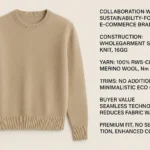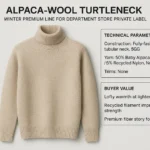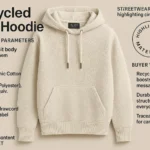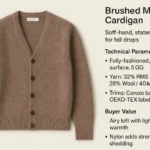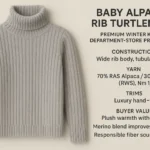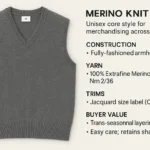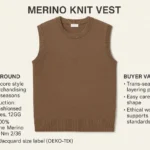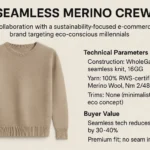

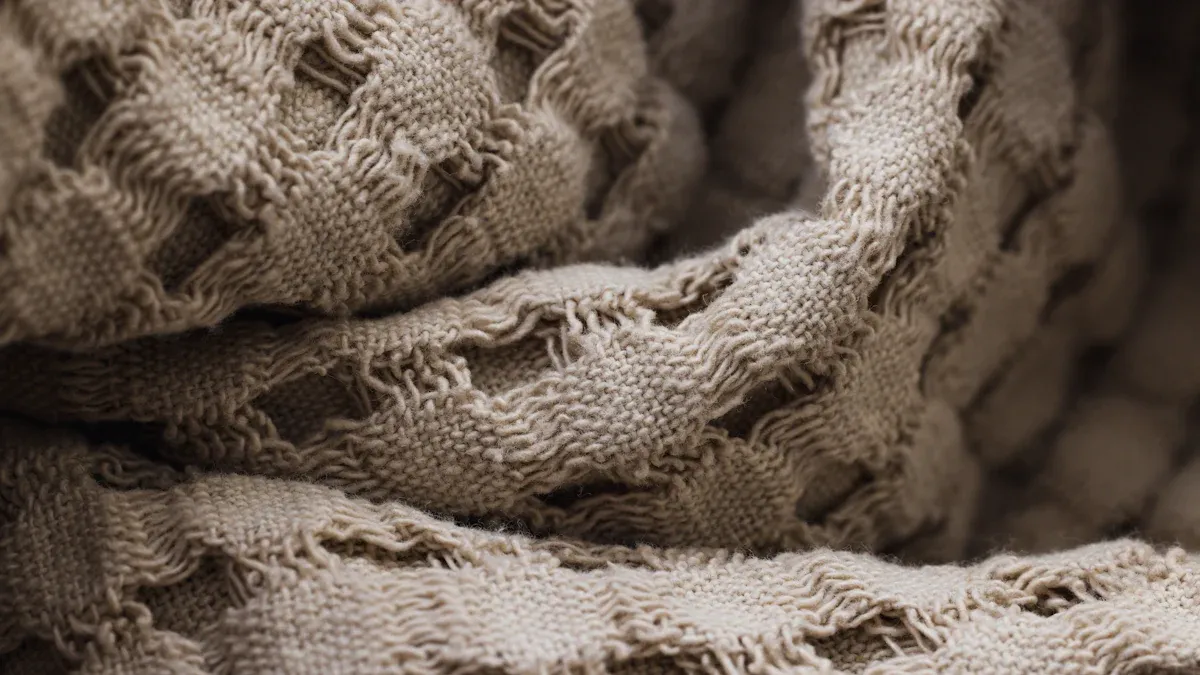
You can find knit fabrics almost everywhere. People use them for warm sweaters and stretchy sports clothes. Knit fabrics are made with loops. This makes them soft and easy to bend. Woven fabrics are made with threads that cross each other. They feel firm and do not stretch much. The table below shows how much these fabrics can stretch and bend.
Fabric Type | Stretch Characteristics | Flexibility Characteristics |
|---|---|---|
Knitted Fabric | Stretches a lot and goes back to shape | Very flexible because of the loops |
Woven Fabric | Does not stretch much | Not as flexible as knitted fabrics |
Knowing about the types, structures, and materials of knit fabric helps you pick the right clothes. You can choose what is most comfortable, stylish, and works best for you.
Key Takeaways
Knit fabrics feel soft and can stretch easily. This makes them great for comfy clothes like t-shirts and leggings.
Weft knitting makes fabric that stretches from side to side. Warp knitting makes fabric that is stronger and stretches up and down.
Pick the right knit fabric for what you need. Jersey is good for everyday clothes. Fleece keeps you warm. Mesh is best for sports.
Take care of knitwear so it lasts longer. Wash it in cold water. Lay it flat to dry. Do not use high heat.
Think about comfort, how long it will last, and if it is made in a good way when you pick knit fabrics for your clothes.
Knit Fabrics Overview
Definition And Features
You see knit fabrics in many clothes you wear every day. These fabrics are made by looping yarns together with needles. This process creates a soft and stretchy material. The main types are weft knits and warp knits. Each type has its own look and feel. Knit fabrics feel comfortable and warm. They stretch easily and return to their shape. You may notice that they can snag or shrink more than other fabrics. People use them for socks, t-shirts, and sweaters because machines can make them quickly.
Feature | Description |
|---|---|
Construction | Created by interweaving loops of yarn using needles. |
Types | Two fundamental forms: weft knits and warp knits. |
Properties | Comfortable, elastic, prone to snagging, higher potential shrinkage, good insulation. |
Applications | Commonly used in garments like socks, and can be produced quickly on a single machine. |
Knit Vs. Woven
You might wonder how knit fabric is different from woven fabric. The main difference comes from how the yarns are arranged.
Knit fabrics are made by interlooping yarns to form loops.
This creates a flexible and stretchy structure.
The basic unit is the stitch, which forms rows and columns in the fabric.
Woven fabrics are made by interlacing two sets of yarns at right angles.
This makes a more stable and rigid fabric.
Woven fabrics do not stretch much unless they use special yarns.
Fabric Type | Yarn Arrangement | Characteristics |
|---|---|---|
Knit | Interlooping yarns to form loops | Flexible and stretchy structure |
Woven | Interlacing two sets of yarns at right angles | More stable and rigid fabric |
Importance Of Knit Fabrics
You choose knit fabrics for many reasons. They feel soft and move with your body. This makes them perfect for t-shirts, leggings, and sportswear. Knit fabric stretches and fits well, so you can move easily. You also find knitted fabrics in medical and industrial uses, such as bandages and car seats. People like knit because it works for both casual and activewear. It helps you stay comfortable and active every day.
Tip: When you want comfort and flexibility, pick knit fabric for your clothes. It helps you stay active and feel good.
Production Of Knitted Fabrics
Hand And Machine Knitting
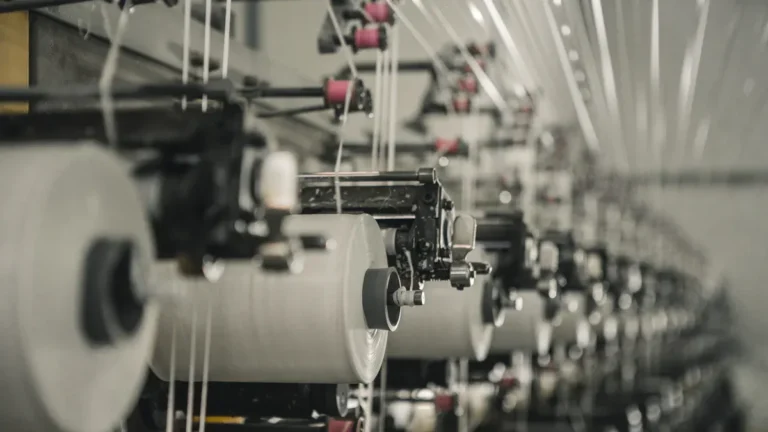
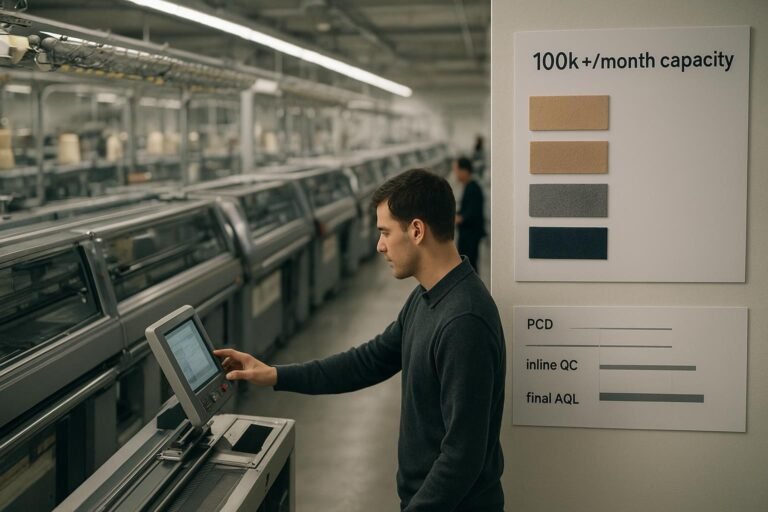
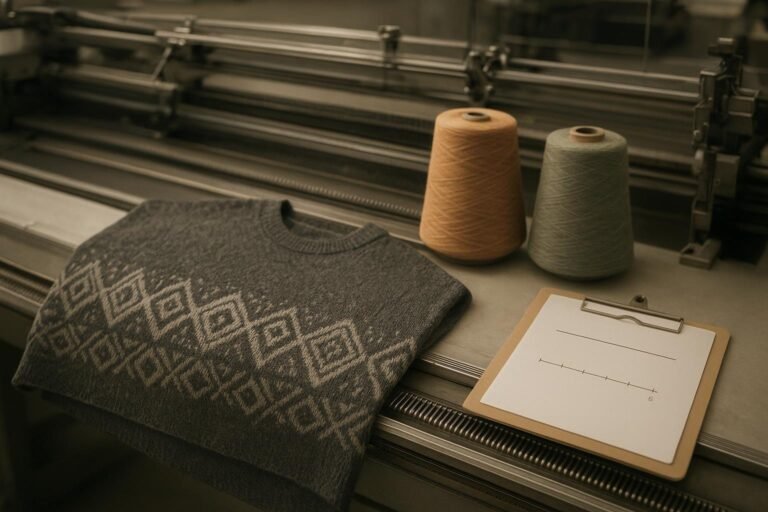
You can make knit fabrics by hand or with machines. Hand knitting uses two needles and your hands to make loops. This way, you can create special patterns. But it takes a lot of time and work. Hand knitting is good for small projects or gifts. Machine knitting is much faster than hand knitting. Each loop has its own needle in the machine. Machines can make a lot of fabric quickly. Factories use machines to make T-shirts, socks, and sportswear. Machines help make more fabric and save time. Machine knitting can also make different knit structures. These include weft and warp knitting. These structures give you more choices for how strong or stretchy the fabric is.
Note: Machine knitting can make ‘fully fashioned’ and ‘seamless’ knits. These ways help save money and cut down on waste when making knit fabric.
Main Methods
There are two main ways to knit in factories. These are weft knitting and warp knitting. Weft knitting is used for stretchy fabrics like T-shirts. Warp knitting makes stronger fabrics for sportswear and special textiles. Machine knitting helps fabric stay flexible in all directions. Hand knitting may not make fabric as stable or fast as machines.
Circular And Flatbed Machines
Factories use circular and flatbed machines to make knit fabrics. Circular machines make tubes with no seams. These are good for socks and T-shirts. Flatbed machines make flat pieces of fabric. These are great for sweaters and shawls. The table below shows how these machines are different:
Feature | Circular Knitting Machines | Flat Knitting Machines |
|---|---|---|
Fabric Structure | Seamless tubular fabrics | Flat knitted panels |
Production Speed | High-speed, good for bulk manufacturing | Slower for large panels |
Design Complexity | Limited overall designs | Intricate patterns and designs |
Yarn Consumption | Uses more yarn | Maximizes yarn use, less waste |
Applications | T-shirts, sportswear, socks, hosiery | Sweaters, shawls, dresses, home textiles |
You can pick the best machine for your project. Circular machines are good when you need to make a lot of fabric fast. Flatbed machines help you make detailed designs and use yarn well.
Weft And Warp Knitting Structures
Weft Knitting
Weft knitting is used in many clothes you like. This way of knitting moves yarn from side to side. It makes loops across the fabric. You can do weft knitting by hand or with a machine. This kind of fabric stretches a lot and feels soft. You see it in T-shirts, sweaters, and socks.
Here is what weft knitting does for fabric:
Characteristic | Influence on Fabric Performance |
|---|---|
Elasticity | Makes fabric flexible and stretchy, so it feels comfy. |
Drape | Lets fabric hang and move nicely, good for clothes. |
Breathability | Loops leave spaces for air to pass through. |
Durability | Not as strong as other knits, can snag or run. |
Weft knitting gives you comfort and lets you move easily. The fabric lets air in, so you stay cool. But if you pull a loop, it might snag or run.
Tip: Pick weft knitting for soft, stretchy clothes that move with you.
Warp Knitting
Warp knitting uses yarns that go up and down the fabric. Factories use special machines for this method. Warp knitting makes fabric that stretches along its length, not its width. You find warp knitting in sportswear, swimwear, and special fabrics. This way makes fabric strong and helps it keep its shape.
The fabric does not stretch much across, but stretches more up and down. Warp knitting also stops runs and snags, so it lasts longer.
Comparison
You might want to know how weft and warp knitting are different. The table below shows the main ways they are not the same:
Aspect | Warp Knitting | Weft Knitting |
|---|---|---|
Yarn Direction | Yarns go up and down | Yarns go side to side |
Elasticity | Stretches up and down | Stretches side to side |
Shrinkage | Shrinks less | Shrinks more |
Yarn Supply | Yarn comes from beam | Yarn comes from cone |
Fabric Type | Makes thick fabric | Makes thin fabric |
Loop Production | Loops made up and down | Loops made side to side |
Yarn Tension | Tension stays the same | Tension changes |
Design Flexibility | Easier to make designs | Harder to make designs |
Use weft knitting for soft, bendy fabric you wear every day. Warp knitting is better for strong fabric that keeps its shape. Each type has its own good points, so you can choose what you need.
Types And Patterns Of Knit Fabric
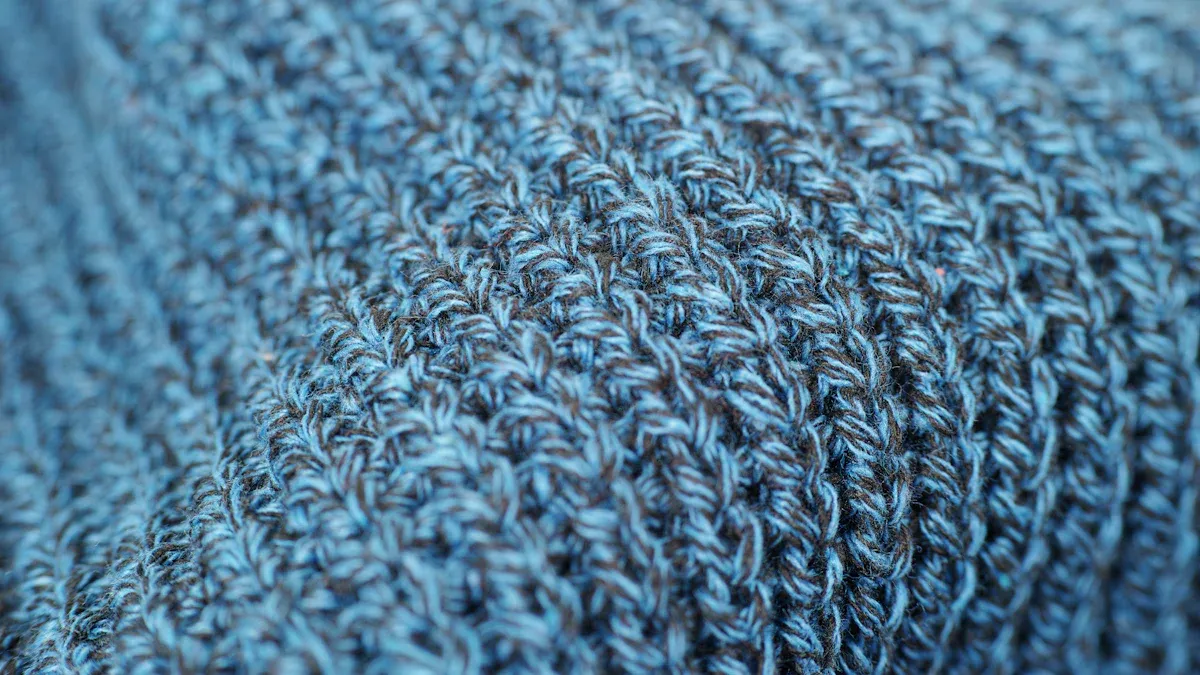
You can find many types and patterns of knit fabric. Each one has special features and uses. When you know the categories of knit fabric, you can choose the best material for your project or wardrobe. Here, you will learn about the most common types of knitted fabric and their patterns.
Jersey Knit Fabric
Jersey knit is one of the most popular knit fabric types. You see it in t-shirts, casual dresses, and lightweight tops. Jersey feels soft and stretches well. It drapes nicely and feels comfortable against your skin. You can use jersey for both everyday wear and activewear.
Soft and stretchy
Used for t-shirts, dresses, and tops
Breathable and lightweight
Tip: Choose jersey knit when you want comfort and flexibility in your clothes.
Rib Knit Fabric
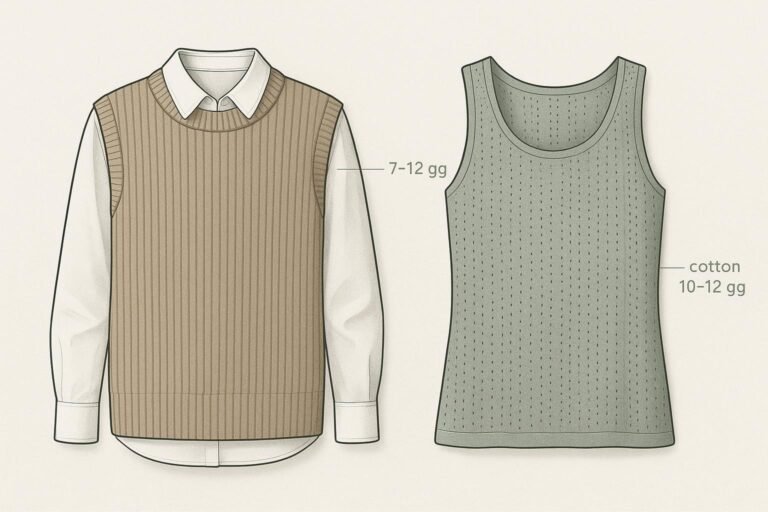
Rib knit fabric has raised vertical lines called ribs. This structure gives the fabric excellent stretch and shape retention. You often see rib knit in cuffs, collars, and waistbands. It works well for fitted garments like sweaters and leggings.
Feature/Use | Description |
|---|---|
Structure | Vertical ribs for texture and appearance |
Elasticity | Stretches well and keeps its shape |
Common Uses | Cuffs, collars, waistbands, sweaters, leggings |
Comfort | Soft, breathable, and moisture-wicking |
Durability | Strong and long-lasting |
Rib knit does not fray or curl at the edges. You can sew it easily. It adapts to many styles, from casual to high fashion.
Interlock Knit Fabric
Interlock knit fabric is thicker and more stable than single jersey. It has a smooth finish on both sides. This double-knit structure makes it strong and less likely to curl at the edges. You can cut interlock knit without worrying about fraying. It works well for high-quality t-shirts, dresses, and sportswear. The fabric holds its shape and feels soft.
You will find interlock knit easy to sew and comfortable to wear. Its thickness makes it a good choice for both activewear and formal wear.
French Terry Knit
French terry knit has loops on one side and a smooth surface on the other. You often see it in hoodies, sweatshirts, and sweatpants. This fabric feels soft and warm, making it great for layering. French terry is breathable and wicks moisture, so you stay comfortable during workouts or casual wear.
Used for hoodies, sweatshirts, sweatpants, and joggers
Good for loungewear, kids’ apparel, and athletic clothing
French terry blends comfort and style for everyday use.
Fleece Knit
Fleece knit fabric is designed to keep you warm. The fabric traps air, creating an insulating layer that holds body heat. You find fleece knit in jackets, hoodies, blankets, and winter apparel. It feels soft and cozy, perfect for cold weather or outdoor activities.
Provides warmth and insulation
Used in outerwear, blankets, and winter clothes
Cable Knit
Cable knit fabric stands out with its raised, three-dimensional patterns. These cables add texture and warmth. You often see cable knit in sweaters, scarves, and hats. The fabric feels thick and cozy, making it ideal for cold days.
Characteristic | Description |
|---|---|
Cable Patterns | Raised, three-dimensional texture |
Thickness | Thick and robust |
Insulation | Traps air for extra warmth |
Appearance | Classic and elegant |
Feel | Cozy and comforting |
Cable knitting adds depth and elegance to your knitwear.
Jacquard Knit
Jacquard knit fabric uses a special mechanism to create intricate patterns. You can find floral motifs and geometric shapes in this fabric. Jacquard knit appears in dresses, sweaters, cardigans, scarves, and accessories. The patterns make each piece unique and stylish.
Production Process | Common Patterns |
|---|---|
Jacquard mechanism | Floral, geometric shapes |
You can use jacquard knit for both casual and dressy outfits.
Intarsia Knit
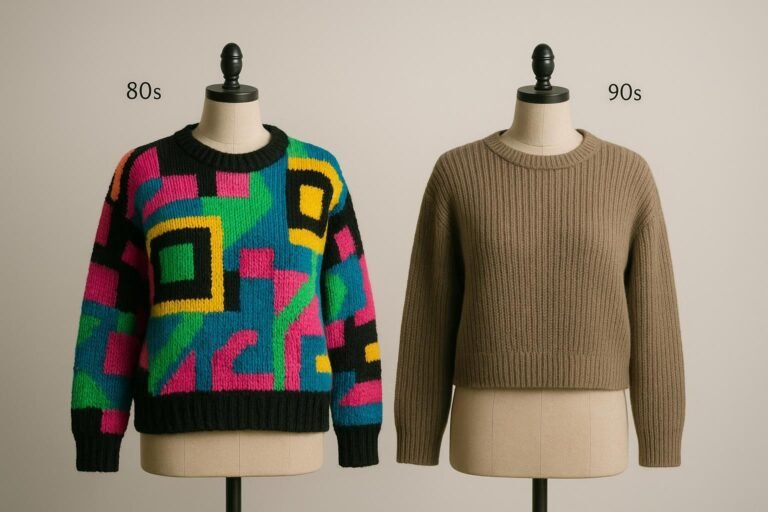
Intarsia knit stands out for its bold, colorful patterns. Each color section uses its own yarn, so the back stays smooth. You often see intarsia in sweaters with large blocks of color or unique designs. Unlike jacquard, intarsia does not have floating threads on the back.
Great for argyle and figurative patterns
Used for single-layer garments with big, colorful designs
Intarsia lets you create eye-catching knitwear.
Double Knit
Double knit fabric has two layers, making it thicker and more durable. The edges do not curl, so you can sew it easily. Double knit holds its shape and resists wear and tear. You can use it for structured garments that need to keep their form.
Durable and stable
Used for jackets, skirts, and pants
Double knit gives you long-lasting, neat-looking clothes.
Pique Knit
Pique knit fabric features a textured surface with small, raised patterns. It is breathable and wicks moisture, making it perfect for sportswear. You often see pique in polo shirts, tennis shirts, and golf clothes. The fabric keeps you cool and comfortable during activity.
Note: Pique knit is also popular for casual wear because it looks stylish and feels comfortable.
Pointelle Knit
Pointelle knit has tiny, decorative holes that form patterns in the fabric. This gives it a delicate, lacy look. You find pointelle in lightweight tops, baby clothes, and lingerie. The fabric feels soft and airy, perfect for warm weather.
Velour Knit
Velour knit fabric feels plush and soft, like velvet. It has a shiny surface and stretches well. You see velour in tracksuits, loungewear, and dance costumes. The fabric looks luxurious and feels comfortable.
Waffle Knit
Waffle knit fabric has a grid-like, textured pattern that looks like a waffle. This structure traps heat and makes the fabric warm. You find waffle knit in thermal shirts, pajamas, and blankets. The fabric feels soft and cozy.
Mesh Knit
Mesh knit fabric has an open, net-like structure. It is lightweight and breathable. You see mesh knit in sports jerseys, athletic wear, and lining for shoes and bags. The fabric keeps you cool and allows air to flow.
Sweater Knitwear
Sweater knitwear includes many types of knitted fabrics used for sweaters. These fabrics can be thick or thin, textured or smooth. Sweater knitwear keeps you warm and adds style to your outfit.
Raschel Knit
Raschel knit fabric is made on special machines. It can have openwork patterns or be thick and sturdy. You find raschel knit in lace, netting, and some sportswear. The fabric can be decorative or functional.
Tricot Knit
Tricot knit fabric has fine, smooth ribs on one side and crosswise ribs on the other. It stretches well and resists runs. You see tricot in lingerie, swimwear, and linings. The fabric feels soft and fits close to the body.
Milanese Knit
Milanese knit fabric is smooth, strong, and stable. It resists runs and holds its shape. You find Milanese knit in gloves, lingerie, and linings. The fabric feels silky and looks elegant.
Purl Knit
Purl knit fabric has a textured surface with bumps on both sides. It stretches well and feels soft. You see purl knit in sweaters, scarves, and baby clothes. The fabric looks the same on both sides.
Handmade Knitwear
Handmade knitwear includes items made by hand, like scarves, hats, and sweaters. You can create unique patterns and textures. Handmade knitwear often uses thicker yarns and special stitches.
Silver Knit
Silver knit fabric contains silver fibers. These fibers give the fabric antibacterial and odor-resistant properties. You find silver knit in medical textiles, sportswear, and socks.
Piled Knit
Piled knit fabric has loops or cut fibers on the surface. This creates a soft, fuzzy texture. You see piled knit in towels, bathrobes, and plush toys. The fabric feels thick and absorbent.
Birdseye Knit
Birdseye knit fabric has a small, repeating pattern that looks like tiny diamonds or dots. It is absorbent and breathable. You find birdseye knit in baby clothes, towels, and sportswear.
When you know the types of knit fabric and their patterns, you can pick the right material for any project. Each type offers unique features for comfort, style, and function.
Knitwear Materials
Animal Fibers
Many animal fibers are used in knitwear. Wool is the most popular. It comes from sheep and keeps you warm and cozy. Wool is also strong and lasts a long time. Other animal fibers are used in knit fabrics too:
Wool is soft, warm, and strong. It is great for sweaters and scarves.
Silk is the strongest natural fiber. Its softness can change based on what silkworms eat.
Alpaca is soft and warm. It feels fancy in knit fabric.
Mohair is light and shiny. It comes from Angora goats.
Cashmere is soft and gentle. It is often mixed with wool to save money and add comfort.
Camel fiber is rare and soft. It is usually blended with wool to make it cheaper.
Angora is very soft. The best knitwear uses Angora rabbit fibers.
These animal fibers help knitwear keep you warm and comfy. You can pick different knitwear based on the fiber and how it feels.
Plant Fibers
Plant fibers are found in many knit fabrics. Organic cotton breaks down naturally and uses less water than regular cotton. Linen is made from flax and needs fewer chemicals. Hemp grows quickly and does not need many pesticides. Bamboo grows fast and does not need harmful sprays. Tencel is made from wood pulp and uses a process that cuts down on waste. These fibers come from plants and break down easily, so they are better for the planet. You can choose plant yarn for eco-friendly knit clothes.
Synthetic And Blends
Synthetic fibers and blends change how knitwear works. You see these fibers in lots of knit fabrics. The table below shows what they do:
Characteristic | Impact on Knitwear |
|---|---|
Durability | Lasts longer and does not pill as much |
Comfort | Feels better because of mixed fibers |
Cost Efficiency | Makes clothes cheaper but still good |
Versatility | Works for many different uses |
Care Requirements | Needs special care depending on the fiber |
You should follow special care rules for synthetic yarn. Wash gently to keep it nice. Do not use high heat so the yarn stays strong.
Material Impact
Studies show cotton and polyester knitwear can hurt the environment. Life Cycle Assessment checks every step, from making to throwing away the fabric. Recycling more fabric waste helps lower the harm. Recycling polyester can use a lot of water, so better ways are needed. You can help by recycling well and managing waste to cut down on pollution.
Ethical And Historical Notes
You make choices about ethics when picking knit fabrics. Wool and other animal fibers can raise animal care questions. Plant fibers like organic cotton and hemp are better for the earth. Synthetic yarns use fewer animal products but can make more trash. People have used wool for warmth for a long time. Now, you can pick materials based on what you believe and the story of knitwear.
Knitted Fabric Characteristics And Uses
Stretch And Warmth
Knit fabrics stretch much more than woven fabrics. This is because the yarns are looped together. You feel comfortable and can move easily in knit clothes. The fabric fits your body and goes back to its shape after moving. That is why it is great for sportswear and everyday clothes. Knit fabric also keeps you warm. The loops hold air, so sweaters, hats, and scarves feel cozy.
Property | Woven Fabrics | |
|---|---|---|
Elasticity | Stretches a lot because of loops | Only stretches a little, mostly at angles |
Comfort | Fits better and feels soft | Feels stiff because it does not stretch much |
Fit | Lets you move and bend easily | Can feel tight and less comfy |
Durability And Stability
Different knit structures change how strong and stable the fabric is. Warp knits are strong and keep their shape for a long time. You can use them for clothes that need to last. Weft knits are soft and stretchy, but they can come apart if a loop breaks. They are not as strong as warp knits, but they feel nicer to wear.
Warp knits: Strong, keep shape, hard to damage.
Weft knits: Soft, stretchy, but can come apart if pulled.
Applications
Knit fabrics are used in many things because they are special. They are good for fashion, sports, and technical uses. Their stretch, comfort, and breathability make them a favorite for many jobs.
Application Area | Examples of Use |
|---|---|
Fashion | T-shirts, dresses, sweaters, sportswear |
Sportswear | High-tech gear, clothes that keep you dry |
Technical Textiles | Medical items, things used in factories |
You get many benefits from knit fabrics. They are light, comfy, and work well for active people. Knit fabrics also help keep sweat away from your skin.
Matching Type To Use
You need to pick the right knit fabric for what you want. Each kind works best for certain things. Single jersey and rib knit are good for basic clothes. Fleece and thermal knit keep you warm when it is cold. Spandex blends and mesh knits are best for sports clothes. Tricot, raschel, and velour are used for fancy or special clothes.
Knit Fabric Type | Typical Application |
|---|---|
Single jersey | Basic everyday clothes |
Rib knit | Basic everyday clothes |
Fleece | Clothes for cold weather |
Thermal knit | Clothes for cold weather |
Spandex blends | Sports and performance clothes |
Mesh knits | Sports and performance clothes |
Tricot | Fancy or lingerie clothes |
Raschel | Fancy or lingerie clothes |
Velour | Fancy or lingerie clothes |
Tip: Think about what the knit fabric is like and what you need before you choose it for your project.
Choosing The Right Knit Fabric Or Knitwear
Intended Use
You should always think about how you plan to use the fabric. If you want a form-fitting shirt or leggings, pick highly elastic knit fabrics. Jersey knit works well for casual clothes like t-shirts. For jackets or skirts that need to keep their shape, choose stable knit fabric. Each type of knit fits a different purpose, so match the fabric to your project.
Comfort And Drape
Comfort matters when you wear knitwear. Lightweight knits feel soft and drape gently over your body. Heavier knits give more structure and warmth. If you want a cozy sweater, look for a thicker knitted fabric. For summer tops, choose a light, breathable knit. Always touch the fabric before you buy to see if it feels right for you.
Durability And Care
Durability helps your clothes last longer. Some knit fabrics handle frequent washing better than others. For activewear, pick a durable knit that is easy to care for. To keep your knitwear looking good, follow these tips:
Rotate your garments so they can breathe.
Wash only when needed, using cold water and a gentle cycle.
Lay flat to dry and avoid tumble drying.
Spot-clean stains quickly with mild detergent.
These steps help your fabric stay soft and strong.
Style And Ethics
Style shows your personality. Patterned or textured knits add interest to your outfit. Think about color, texture, and design when you choose knitwear. If you care about the planet, look for plant-based or recycled knitted fabrics. Some people also choose animal-friendly or organic options.
Selection Tips
Here are some tips to help you pick the right knit fabric:
Match the knit to your project’s needs.
Check the weight and stretch for comfort.
Choose easy-care fabrics for busy lifestyles.
Pick patterns and textures that fit your style.
Think about how the fabric was made if you want an ethical choice.
Tip: Always read the care label before buying or sewing with knit fabrics. This helps you keep your clothes looking their best.
You now know why learning about knit fabrics helps you make smart choices. When you understand each knit fabric and how it works, you can pick the best knit for your needs. You match the right knit to your project, comfort, and care. Knitwear gives you many options for style and warmth. Use this guide when you shop for knitted clothes or fabrics.
FAQ
What makes knit fabrics different from woven fabrics?
You see knit fabrics made with loops, while woven fabrics use threads that cross each other. Knit fabrics stretch and feel soft. Woven fabrics stay firm and do not stretch much.
How do you care for knit fabric to keep it looking new?
Wash knit in cold water. Lay the fabric flat to dry. Avoid high heat. Spot-clean stains quickly. This helps your knitwear last longer and keeps the fabric soft.
Which knit is best for sportswear?
You should pick mesh knit or spandex blends for sportswear. These fabrics stretch well and let air flow. You stay cool and comfortable during activity.
Can you use knit for winter clothes?
Yes! Knit works well for winter. Fleece knit and cable knit trap heat and keep you warm. These fabrics make great sweaters, hats, and scarves.
Why do some knit fabrics shrink or snag?
Loops in knit can catch on things and break. Some knit fabric shrinks if you wash it in hot water. Always follow care instructions to protect your fabrics.