
Balancing a soft hand with durable pilling performance is a design and process challenge—not a single parameter tweak. This guide anchors development to ASTM D3512 (Random Tumble) while providing practical crosswalks to ISO 12945-1 (ICI Pilling Box) and ISO 12945-2 (Martindale) so you can defend targets across buyer manuals. We map gauges to yarn systems, twist/S–Z balance, stitch density, finishing levers, and lab replication plans, with a softness-first strategy (lower TPM with micro-finishing safeguards) that still achieves Grade 4–5.
Key takeaways
Anchor development to ASTM D3512 with staged screens (5/15/30 min), then confirm acceptance expectations via ISO 12945-2 rub counts and ISO 12945-1 where buyer manuals require it.
For “knitting gauge pilling grade 4–5,” gauge influences the whole stack: yarn count and spinning system, twist TPM/TPI and S/Z balance, ply, stitch density (TF, WPI/CPI, GSM), plus finishing. Tune them together—not in isolation.
Softness-first (3B) play: keep singles twist on the low–moderate side, stabilize with reverse S/Z 2‑ply, and use light enzyme biopolish with micro‑add anti‑pilling resin as a backstop. Retest post‑finish and post‑wash.
Standardize lab replication: condition specimens (ISO 139), run ≥3 replicates, document pill‑growth curves, and archive photo grades; avoid heavy silicones before testing.
Build an acceptance matrix tying D3512 grades to indicative ISO rub counts (confirm with each buyer). Use AQL sampling at TOP/shipment to control lot risk.
Standards anchor: ASTM D3512 and the ISO 12945-1/2 crosswalk
ASTM D3512 (Random Tumble) evaluates pilling by tumbling specimens with cotton fiber in cork‑lined chambers. Typical development parameters include approximately 100–105 mm square specimens conditioned for ≥4 hours at 20 ±2°C and 65 ±4% RH, 30‑minute tumbling around 1200 rpm with 14–21 kPa air injection, and visual grading on a 1–5 photographic scale (5 = no pilling, 4 = slight). See the official standard pages for method identity and grading adjuncts in ASTM’s portal: the standard test method page for D3512/D3512M and instrument confirmations from vendors such as the SDL Atlas Random Tumble Pilling Tester.
Method identity and scope are described by ASTM: see the D3512 standard page in ASTM’s catalog: ASTM’s D3512 standard overview.
Instrument compliance and test accessories are documented by vendors including SDL Atlas, which lists D3512 support and photographic standards: see the SDL Atlas Random Tumble Pilling Tester page and its ASTM standards listings.
ISO 12945-1 (ICI Pilling Box) is widely specified for knits in EU/UK and uses a cork‑lined box with specimens mounted on polyurethane tubes, rotated at 60 ±2 rpm; mounted specimens are typically conditioned ≥16 h. See the sample/extract of ISO 12945‑1 (2020) hosted by iTeh for apparatus and conditioning descriptors: ISO 12945‑1:2020 sample/extract. ISO 12945-2 (Modified Martindale Pilling) assesses pilling via rub counts; many brands declare acceptance around Grade ≥3–4 at 2,000 rev, with stricter targets (e.g., Grade 4 at 500–1000 rev) for sensitive blends. For clear method overviews, see the TESTEX summary of ISO 12945‑2 and Roaches’ 3‑minute Martindale method brief.
The table below provides a working crosswalk from development screens under ASTM D3512 to indicative ISO 12945‑2 expectations. Buyer manuals vary; treat this as a planning guide and confirm with each technical team.
Development Screen (ASTM D3512) | Indicative ISO 12945‑2 Expectation | Notes |
|---|---|---|
Grade 4 at 30 min | Grade 3–4 at 2000 rev | Mainstream acceptance for many categories; confirm in buyer manual. |
Grade 4–5 at 30 min | Grade 4 at 2000 rev | Premium quality target for knits and blends. |
Grade 4 at 15 min | Grade 4 at 500–1000 rev | Early screen for sensitive blends or premium programs. |
Quick engineering map: knitting gauge pilling grade 4–5 targets
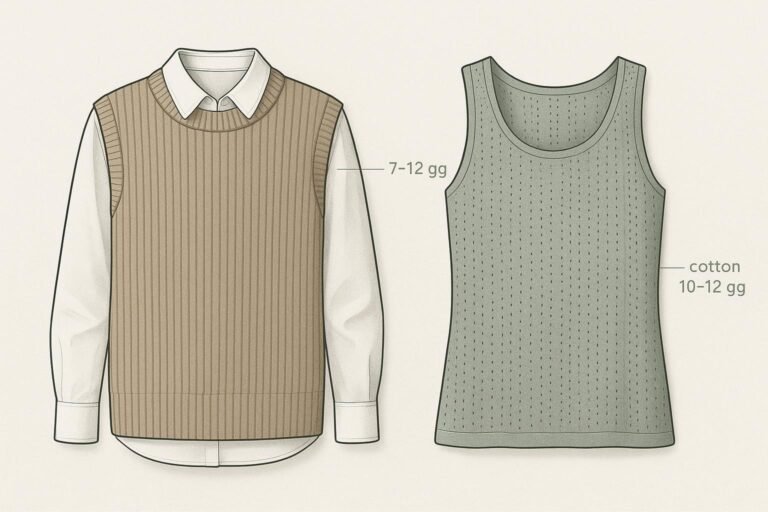
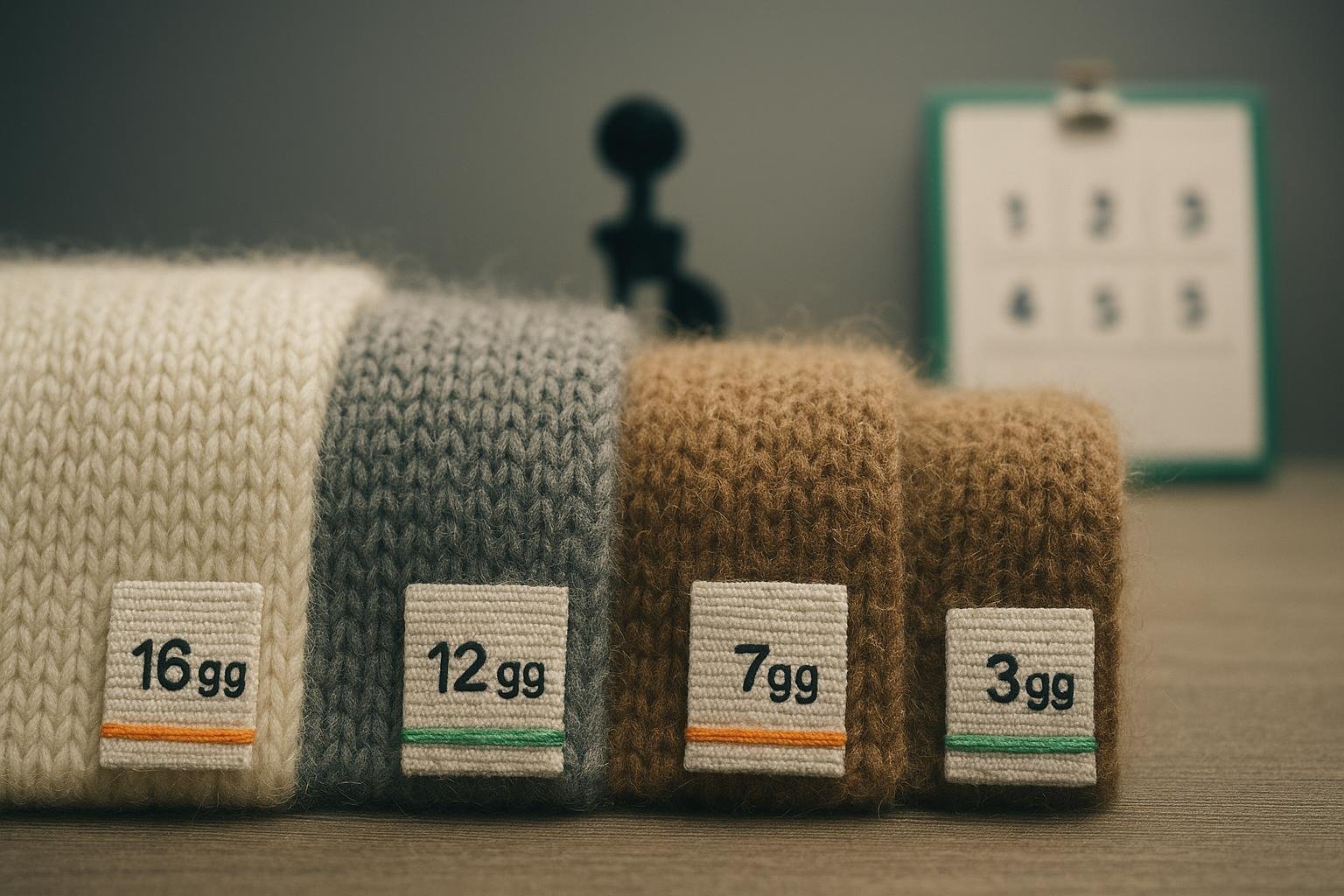
Gauge sets the stage. Finer gauges (12–16 gg) use finer counts and denser stitches that naturally suppress hairiness but can feel firmer; mid gauges (7–12 gg) offer balanced hand and durability; coarse gauges (3–7 gg) deliver loft and softness but elevate pill risk. Across all, you’ll tune: spinning system (vortex/compact/ring/rotor), singles TPM/TPI and S/Z, ply construction, stitch density (tightness factor, WPI/CPI, GSM), and finishing (enzymes/resins/singeing). Think of these like dials—move more than one together and re‑test.
Gauge playbooks (softness‑first strategy 3B)
Fine gauge 12–16 gg — merino, combed cotton, viscose blends
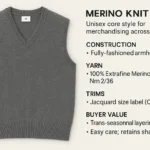
Yarn system: Fine Nm (e.g., 2/48–2/60 Nm wool blends; Ne 30s–60s cotton/viscose and blends). Prefer plied constructions and compact or vortex yarns for lower hairiness; two‑ply reverse S/Z reduces torque and traps fibers.
Twist & S/Z: Keep singles twist low–moderate for handfeel, then stabilize with balanced ply twist. Use staged D3512 (5/15/30) to quantify pill‑growth as you adjust TPM and ply.
Stitch density: Maintain a moderate tightness factor; avoid overly open loops. Set WPI/CPI and GSM windows in tech packs to stabilize outcomes across runs.
Finishing: Neutral cellulase biopolish (low dosage) for cellulosics; add a micro‑dose anti‑pilling resin only if needed to reach Grade 4–5. Avoid heavy silicone before lab.
Expected lab targets: With optimized yarn/ply and light finishing, D3512 Grade ≥4 at 15–30 min is common; under ISO 12945‑2, aim for Grade 3–4 at 2000 rev (premium programs may target Grade 4 at 500–1000 rev; confirm).
Supporting evidence on twist and spinning systems: studies show higher twist and compact/vortex yarns reduce hairiness and improve pilling; see the peer‑reviewed overview by Hoque (2022) and method‑focused literature including a twist‑multiplier study in TRJ 2024: overview of weft knitted fabric properties and hairiness/pilling and twist multiplier vs pilling performance in knits.
Mid gauge 7–12 gg — cotton/PA/PET blends; wool blends
Yarn system: Ne 20s–40s for cotton/PA/PET; wool/acrylic blends in appropriate Nm. Compact or MVS (vortex) yarns help by lowering hairiness vs conventional ring.
Twist & S/Z: Use balanced singles TPM and reverse S/Z two‑ply to minimize spirality and fuzz. Siro/compact spinning is helpful where available.
Stitch density: Control loop length to a stable tightness factor; specify GSM tolerances and WPI/CPI in size sets. Keep high‑wear zones slightly tighter.
Finishing: Start with enzyme on cellulosic blends; add low‑formaldehyde anti‑pilling resin at low add‑on if Grade 4 is not met; re‑soften as needed and re‑test post‑finish and post‑wash.
Expected lab targets: D3512 Grade 4 at 30 min is realistic with tuned yarn/finishing; ISO 12945‑2 Grade 3–4 at 2000 rev is typical; some buyers will push to Grade 4–5.
Evidence pointers: Compact/vortex yarns show lower hairiness and better pilling outcomes; rotor knits can outperform ring depending on fiber and parameters. See open‑access syntheses such as Islam et al. 2022 on compact/vortex yarn hairiness and pilling and Gedilu et al. 2022 on ring vs rotor in knitted fabrics.
Coarse gauge 3–7 gg — cashmere, alpaca, low‑twist lofty yarns
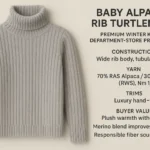
Yarn system: Lower Nm (e.g., 1/26–2/26 Nm cashmere/alpaca blends). Low twist yields loft and softness but elevates pill risk; long‑staple/fine‑micron fibers mitigate somewhat.
Twist & S/Z: Favor two‑ply with balanced reverse ply twist to entrap fibers; keep singles twist low–moderate (avoid ultra‑low that blooms excessively). Monitor torque.
Stitch density: Consider higher GSM and slightly tighter cams in high‑wear zones (cuff/hem/underarm) while preserving overall loft.
Finishing: For cellulosic blends, gentle enzyme; for pure animal fibers, rely on shearing/singeing and controlled milling/fulling where applicable. Specialty anti‑pilling polymers compatible with animal fibers can help; always confirm handfeel.
Expected lab targets: D3512 Grade 4 at 15–30 min is more challenging here; finishing and stitch engineering do heavy lifting. ISO expectations vary; document actuals and align with buyer.
Finishing levers and trade‑offs you can defend in audits
Enzyme biopolish (cellulase): Typical neutral cellulase ranges are around 0.5–1.5% owf at 50–60°C, pH 5.5–6.5 for 30–60 minutes, then inactivation; this removes fuzz and can lift pilling grades by roughly 1–2 steps at moderate strength while minimizing tensile losses when controlled. Obtain current application notes from your chemical partner and document the exact recipe and outcomes.
Anti‑pilling resin: Low‑formaldehyde or formaldehyde‑free chemistries applied by pad‑dry‑cure at a low add‑on (often ~3–5% owf active for cellulosics/blends) can stabilize Grade 4–5, with an expected stiffness trade‑off mitigated by compatible softeners. Always re‑test pilling after 1–5 home‑wash cycles.
Shearing/singeing: Useful when surface fuzz remains after knitting/relaxation; pair with light enzyme or resin for durability. Control shade and dimensional change; re‑measure GSM and stitch metrics post‑finish.
Evidence anchors: For a technical overview on yarn structure, hairiness, and pilling behavior in weft knits see Hoque et al. (2022). For spinning system effects (compact/vortex), see Islam et al. 2022 open‑access review.
Lab SOPs and sampling plans from proto to production
Specimen prep and conditioning: Follow ISO 139 standard atmosphere for textiles. For ASTM D3512, condition specimens ≥4 h at 20 ±2°C and 65 ±4% RH. For ISO 12945‑1, mount on polyurethane tubes and condition ≥16 h before test as described in an ISO 12945‑1 sample/extract.
Replication and staging: Use ≥3 specimens per chamber for D3512 and ≥3–4 for ISO methods. In development, stage D3512 at 5/15/30 min to map pill‑growth; for ISO 12945‑2, assess at 500/1000/2000 rev.
Pre‑test restrictions: Avoid heavy silicone softeners and unsealed shearing that could mask real behavior. Standardize relaxation and pre‑wash protocols before testing.
Grading: Use the 1–5 photographic standards in a controlled lightbox. Train two independent graders to reduce bias; archive photos and raw scores.
Acceptance sampling at lot level: Apply ANSI/ASQ Z1.4 (ISO 2859‑1 equivalent) with General Inspection Level II and AQL 2.5/4.0 (major/minor) at TOP and shipment. Major labs and TIC firms describe this approach, e.g., SGS and Intertek provide service outlines; see a 2023 SGS note on AQL‑based textile inspections: SGS note on final selective inspections and AQL.
Practical examples and what the data looked like
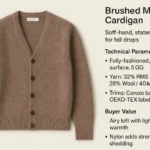
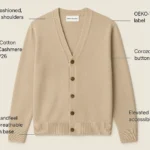
Practical example — knit‑down library screen (Disclosure: AzKnit is our product): A supplier knit‑down program can accelerate the loop from yarn/gauge/twist trials to lab‑worthy swatches. For instance, an internal 14 gg jersey using a merino 70/30 polyamide blend, Nm 2/48 compact ring, reverse S/Z 2‑ply with low–moderate singles TPM, finished with neutral cellulase at low dosage and a micro‑add resin, achieved ASTM D3512 staged grades of 4/4/4.5 at 5/15/30 minutes and ISO 12945‑2 grades of 4/4/4 at 500/1000/2000 rev in a pilot screen. Use such results as directional data and always replicate at an accredited lab.
Anonymized mini‑case — mid‑gauge blend: A 9 gg cotton/polyamide/polyester jersey (Ne 24/1, compact, 2‑ply reverse S/Z) with enzyme polish only reached D3512 Grade 3.5 at 30 min. Adding a low‑formaldehyde anti‑pilling resin at ~3.5% owf (pad‑dry‑cure) lifted performance to Grade 4 at 30 min with a slight hand firmness offset by a compatible silicone softener. ISO 12945‑2 confirmed Grade 3–4 at 2000 rev.
Note: The example parameters illustrate process levers; verify exact recipes and grades in your own lab work and buyer acceptance tests.
References and next steps
Method references: ASTM describes the D3512 Random Tumble method and grading system; see the ASTM D3512 standard overview. ISO methods are summarized via a 12945‑1 sample/extract describing tubes, conditioning, and rotation and method overviews for ISO 12945‑2 Martindale pilling rub counts.
Literature: For yarn structure and hairiness impacts on pilling, see Hoque et al. 2022 open‑access review of weft knitted properties; for twist effects in knits, see a 2024 TRJ article on twist multiplier and pilling; for spinning system impacts, see Islam et al. 2022 on compact/vortex yarns.
Next steps: Build a project‑specific crosswalk matrix (D3512 staged grades ↔ ISO 12945‑2 rub counts) with your suppliers, set gauge‑band TF/WPI/CPI windows in tech packs, and define finishing fallback recipes with retest gates. If you work with a supplier knit‑down library, pilot your preferred yarn/gauge/twist/finish combinations and lock acceptance criteria early.