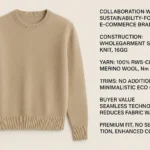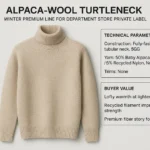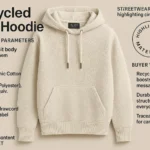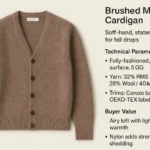

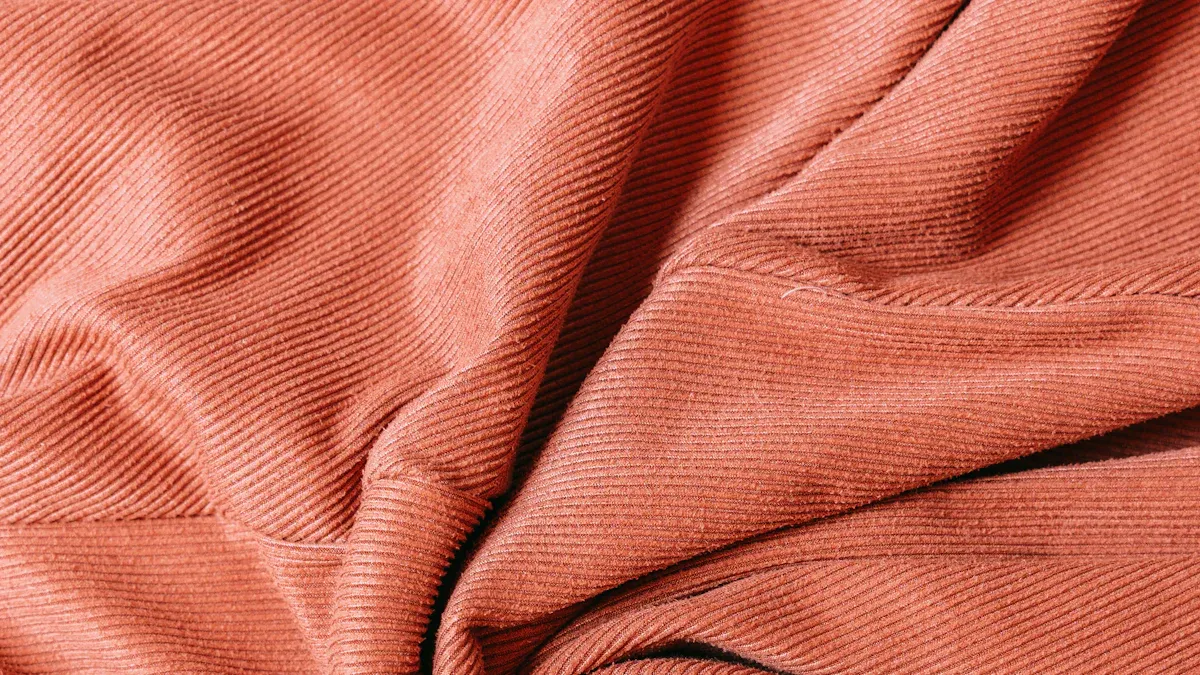
You may feel how smooth and soft modal fabric is on your T-shirt or bedsheet. This fabric is made from beech wood. It mixes natural things with new ideas. Modal feels very soft and gentle. Many people think it is softer than cotton. Modal lets air move through, so your skin can breathe. It also pulls sweat away to keep you cool and dry. People pick modal for clothes and bedding because it is light, strong, and good for the environment.
Key Takeaways
Modal fabric comes from beech tree pulp. This makes it soft and easy to breathe through. It is also good for the environment. It soaks up more water than cotton. This helps you stay cool and dry. That is why it works well for clothes and bedding. Modal is strong and does not shrink or wrinkle much. It is simple to take care of and lasts a long time. Picking modal fabric helps the planet. It uses less water and fewer bad chemicals to make. Modal mixes well with other fibers. This makes clothes more comfy and strong for many uses.
What Is Modal Fabric?
Definition
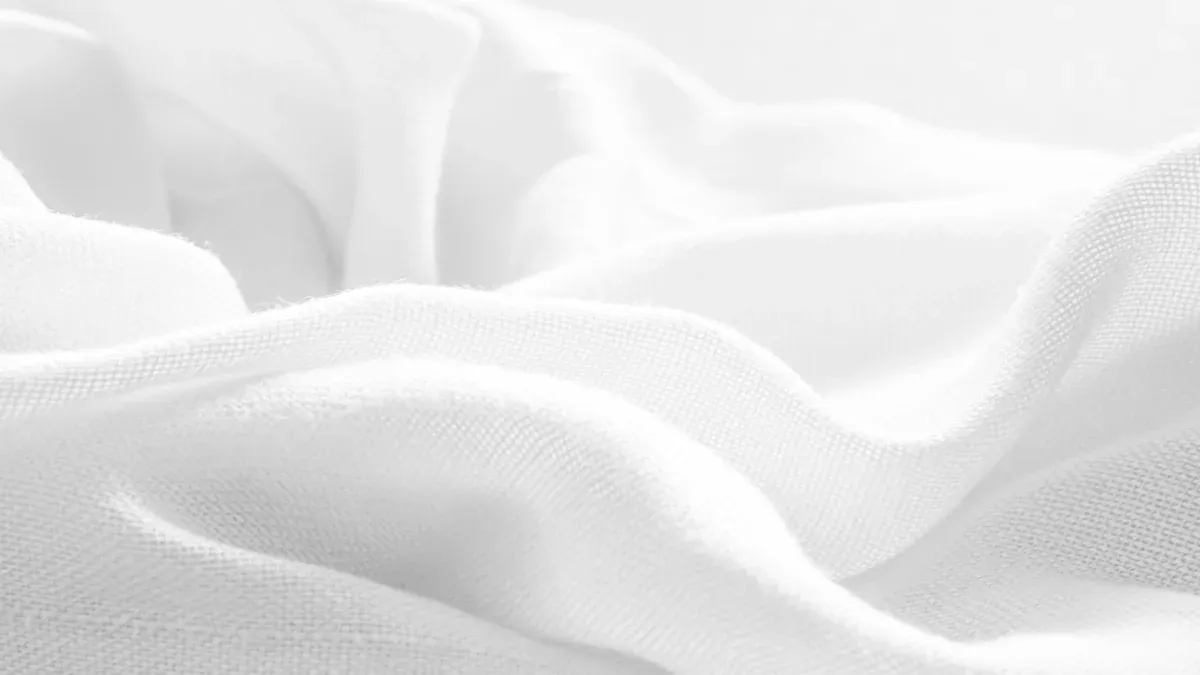
You might wonder how modal fabric is not like other materials. Modal fabric comes from beech tree pulp. It is a semi-synthetic textile. You can find it in soft and airy things. Pajamas, underwear, and bed sheets often use modal fabric. People enjoy modal fabric because it feels smooth. It is gentle on your skin. It also helps you stay cool and dry.
Tip: Modal fabric is part of the rayon family. It uses cellulose from plants. Chemicals help change wood pulp into fibers.
Some key facts about modal fabric are:
It comes from beech tree pulp.
The process changes wood pulp to cellulose, then fibers.
Modal fabric is soft and lets air pass through. It is eco-friendly if made the right way.
Many people choose it for clothes and bedding. It feels fancy and nice.
Composition
You may ask what makes up modal fabric. The main part is cellulose from beech trees. Makers use chemicals to treat the wood pulp. This creates fibers that are strong and soft. Sodium hydroxide and carbon disulfide are used. These chemicals help break down wood and make fibers for modal fabric.
Here is a table with the main chemical parts:
Chemical Component | Source/Description |
|---|---|
Cellulose | Comes from beech trees |
Sodium Hydroxide | Used to treat the wood pulp |
Carbon Disulfide | A dangerous solvent in the process |
Modal fabric is different from other semi-synthetic fibers. It is stronger when wet and softer than regular rayon. The process uses fewer bad chemicals. This makes modal fabric better for the environment.
Feature | Modal Fabric | Other Semi-Synthetic Fibers (e.g., Viscose) |
|---|---|---|
Source Material | Cellulose from beech trees | Cellulose from many sources |
Production Process | Easier and better for the planet | Harder and more harmful |
Wet Strength | Higher | Lower |
Softness | Softer | Not as soft |
Environmental Impact | Lower because of fewer bad chemicals | Higher because of more bad chemicals |
You can see that modal fabric uses cellulose from beech trees. The careful chemical process makes it soft, strong, and good for the earth.
History and Development
Origins & Early Innovation
You may wonder where modal fabric started. The story begins in Japan in 1951. Scientists wanted to make a fabric softer than rayon. They also wanted it to last longer. They used beech wood pulp and a special way to make fibers. This work helped create what we now call modal fabric.
Did you know? Most modal fabric today is made by Lenzing in Austria. They use new ways to keep the fabric soft, strong, and good for the planet.
Here are some facts about the early days:
Modal fabric was first made in Japan in 1951.
The goal was to make rayon better by making it softer and stronger.
Lenzing, an Austrian company, is now the top maker of modal fabric.
Modern Advancements
Today, there are many changes in how modal fabric is made. Companies try to make the process safer for the earth and for people. They use new bio-based solvents to cut down on pollution. Scientists also use enzymes and special chemicals to make the fibers better. This makes the fabric even softer and stronger.
Many factories now use digital twin technology. This lets them watch and control the process as it happens. This helps make the fabric better. Makers also mix modal with other fibers, like Lyocell, to make new fabrics. Recycling is important now too. New ways help keep fibers strong, even after being used again.
Note: More people want eco-friendly clothes, so modal fabric is getting more popular. Its softness and green image make it a favorite for both fancy and everyday clothes.
You can see that modal fabric started with a simple idea in Japan. Now, it leads the way in new fabric technology.
Modal Fabric Production
Raw Materials & Sourcing
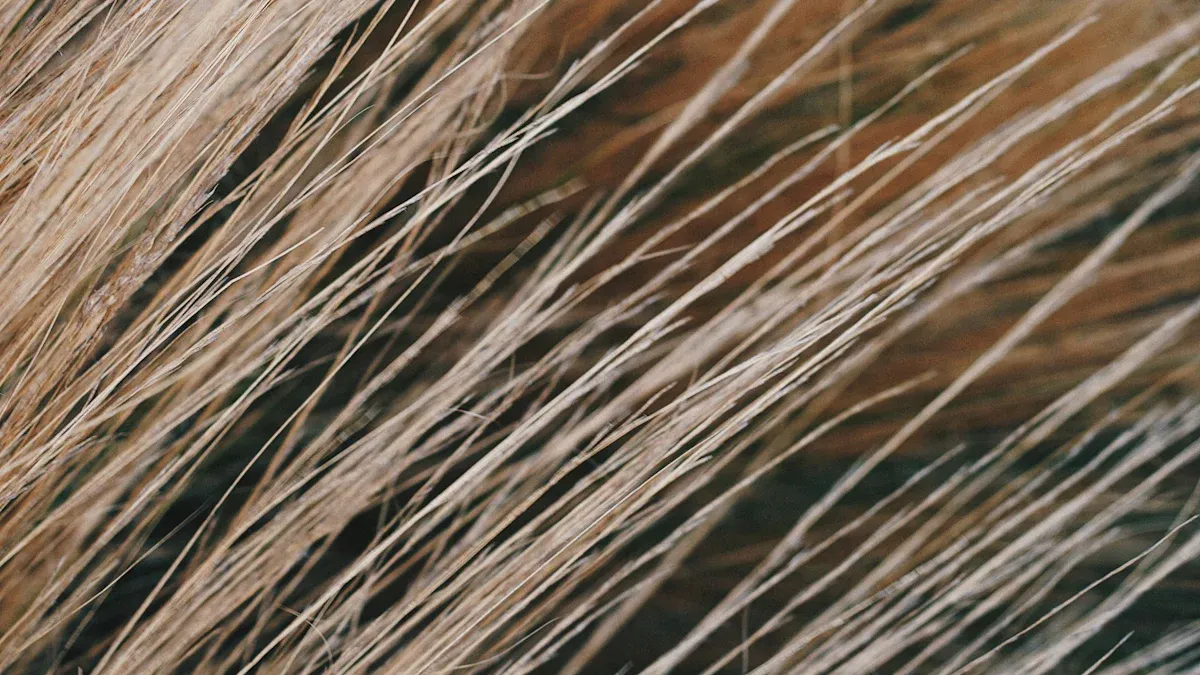
You start with beech trees when making modal fabric. These trees grow in managed forests, mostly in Europe. Beech trees do not need much water or pesticides. This makes them a smart choice for eco-friendly fabric. Workers harvest the wood and send it to factories. There, machines break the wood into small chips. These chips hold the cellulose that you need for the next steps.
Tip: Beech trees can regrow from their own roots. This helps forests stay healthy and reduces the need for replanting.
Manufacturing Process
You might wonder how wood turns into soft fabric. The process uses both science and careful steps. Here is how it works:
Workers harvest beech trees and extract the cellulose.
Machines break the wood into chips and purify them to get clean cellulose.
Factories press the cellulose into sheets and soak them in sodium hydroxide.
The sheets break into crumbs and soak in carbon disulfide, making sodium cellulose xanthate.
This mixture goes into caustic soda, turning it into a thick, syrupy liquid.
The syrup gets pushed through tiny holes in a spinneret, forming long fibers.
These fibers go into sulfuric acid, get stretched, and become yarn.
Finally, the yarn gets washed, bleached, rinsed, dried, and wound onto spools.
You see a special process called HWM rayon (High Wet Modulus) used for modal fabric. This process uses weaker caustic soda and stretches the fibers more than regular rayon. As a result, you get fibers that stay strong even when wet. Traditional rayon loses strength in water, but modal fabric keeps its shape and softness.
Here is a table to help you compare HWM rayon and traditional rayon:
Property | HWM Rayon (Modal) | Traditional Rayon |
|---|---|---|
Chemical Treatment | Weaker caustic soda | Stronger caustic soda |
Wet Strength | High | Low |
Durability | Higher | Lower |
Recommended Care | Machine-washable | Dry-cleaning only |
You can see that modal fabric stands out because it is strong, soft, and easy to care for. The special process makes it different from other rayons and better for many uses.
Modal Fabric Properties
Softness
You will notice the softness of modal fabric right away. Many people say it feels even softer than cotton. When you touch it, you might think of silk or a feather. This softness comes from the way the fibers are made and treated.
Modal’s distinguishing characteristics are its high wet strength and its extra softness. It is sometimes referred to as ‘soft as a feather’ and the ‘softest fiber in the world’.
Scientists use a special test to measure how soft a fabric feels. They ask a group of textile experts to touch the fabric and rate it on a scale from 1 to 5. A score of 1 means the fabric feels rough. A score of 5 means it feels very soft.
The softness test determines the touch handle of the fabric; Achievable value in the range of 1 to 5, where 1 indicates a very harsh handle and 5 implying very soft handle. Each textile fabric sample is assessed independently by the panel of textile specialists in terms of handle and texture feel and smoothness.
You can see why many people choose modal fabric for clothes that touch the skin, like underwear and pajamas.
Breathability
You want your clothes to let your skin breathe, especially in warm weather. Modal fabric does this very well. It lets air move through the fabric and helps your body stay cool. It also pulls sweat away from your skin, so you feel dry and comfortable.
Modal fibers demonstrate superior hydrophilicity and moisture absorption compared to cotton, enhancing their breathability.
Laboratory tests indicate that untreated socks made from modal yarns have higher air permeability than those made from cotton.
Polyester is identified as having poor breathability in comparison to both cotton and modal.
Conventional cotton socks made from ring spun yarns are less breathable than those made from modal and micro modal yarns.
The structure of cotton fibers, including their convolutions and non-smooth cross-sections, contributes to reduced air passage through the fabric.
You can wear modal fabric for sports, sleep, or daily life. It keeps you cool and dry better than many other fabrics.
Durability
You want your clothes and sheets to last a long time. Modal fabric is strong and keeps its shape, even after many washes. It does not shrink or pill easily. The fibers stay strong when wet, so you can wash modal fabric in a machine without worry.
Many people like modal fabric because it stays soft and smooth over time. You do not have to iron it much, and it resists wrinkles. This makes it a good choice for busy people who want easy-care clothes.
Blends
You often find modal fabric blended with other fibers. These blends make the fabric even better for different uses. When you mix modal with cotton, polyester, or spandex, you get new benefits.
Fiber | |
|---|---|
Cotton | Softness, durability |
Polyester | Durability, resistance to shrinkage |
Spandex | Softness, stretchability |
You might see modal-cotton blends in T-shirts and bedding. These feel soft and last a long time. Modal-polyester blends work well for sportswear because they are strong and do not shrink. When you add spandex, the fabric stretches and moves with you. This is great for activewear and leggings.
You can choose modal fabric blends to match your needs, whether you want comfort, strength, or stretch.
Comparisons with Other Fabrics
Modal vs Cotton
You may wonder how modal and cotton are different. Both feel soft and nice to wear. But they act in different ways when you use and wash them. Modal fabric soaks up more water than cotton. It pulls sweat away from your skin to keep you dry. Modal does not shrink or wrinkle as much as cotton after washing.
Here is a table that shows the differences:
Property | Modal Fabric | Cotton |
|---|---|---|
Moisture Absorption | Lower moisture absorption | |
Shrinkage | Shrinks and wrinkles less | More prone to shrinkage |
Tip: If you want clothes that stay smooth and dry, you might like modal fabric more than cotton.
Modal vs Rayon (Viscose)
You may see both rayon and modal on tags. Both come from plant cellulose. But factories make them in different ways. Modal uses a special process that stretches the fibers. This makes modal stronger and softer. Viscose rayon uses more chemicals and makes more pollution.
Look at this table for a quick comparison:
Fiber Type | Production Method | Environmental Profile | Cost Level | Key End Uses | |
|---|---|---|---|---|---|
Viscose | CS₂-based viscose process | 50–60% | High chemical emissions | Low | Dresses, linings, blouses, challis |
Modal | Modified viscose + stretching | 85–90% | Lower emissions than viscose | Mid | Underwear, activewear, knit fabrics |
Note: Modal fabric stays strong when wet, so you can wash it in a machine. Viscose rayon often needs gentle care.
Modal vs Polyester
You may also want to know how modal and polyester compare. Polyester is made from oil and does not break down in nature. It can trap heat and sweat, so you may feel hot. Modal comes from beech trees and breaks down over time. This makes it better for the earth. Modal feels softer and lets your skin breathe.
Here is a table to show the main differences:
Feature | Modal Fabric | Polyester |
|---|---|---|
Comfort | Soft, breathable, moisture-wicking, hypoallergenic | Can gather heat and moisture, less breathable |
Sustainability | Biodegradable, sourced from beech trees, low environmental impact | Not biodegradable, made from petroleum, contributes to microplastic pollution |
Durability | Retains quality after multiple washes | May lose quality over time |
Eco-Friendliness | Closed loop production, minimal waste | Higher chemical and energy use in production |
If you want soft and earth-friendly clothes, modal fabric is a smart pick.
Sustainability
Sourcing
You may wonder how companies get beech wood for your clothes. They try to use wood from forests that are healthy and safe. This helps nature and people who live nearby. When you buy things made with certified wood, you help keep forests strong for the future.
Here are two main certifications you can look for:
Forest Stewardship Council (FSC): This label means the wood comes from forests that are cared for. These forests protect animals, plants, and workers.
Programme for the Endorsement of Forest Certification (PEFC): This label also shows the wood comes from forests that are managed well. These forests are protected and can grow back.
You can look at tags or product details to find these certifications. They show that the beech trees for modal fabric come from forests that follow strict rules.
Environmental Impact
You help the earth when you pick modal fabric. Beech trees use much less water than cotton plants. This means making modal fabric does not need much water. Beech trees can grow with just rainwater and do not need extra watering.
Modal fabric uses much less water than cotton. Beech trees need only a little water compared to cotton plants.
Modal is 50% better at soaking up water than cotton. This means it works well and saves water too.
You also help the planet by picking modal fabric. Making it uses less water and energy than other fibers. Modal fabric breaks down in nature, so it does not fill up landfills.
When you choose modal fabric, you help make the world cleaner and greener. You save water, protect forests, and cut down on pollution.
Uses, Care, and Cost
Applications
You will find modal fabric in many everyday products. Clothing brands use it for T-shirts, underwear, pajamas, and activewear. You might notice its soft touch in socks, dresses, and leggings. Bedding makers choose modal fabric for sheets, pillowcases, and blankets because it feels cool and smooth. Many companies blend modal with cotton, polyester, or spandex. These blends give you extra stretch, strength, or softness. You can enjoy modal fabric in both casual and luxury items.
Maintenance
You can keep your modal fabric items looking new with simple care. Always check the label first. Most modal garments wash well in cold or warm water. Use a mild detergent and set your machine to a gentle cycle. Avoid bleach and fabric softeners. These can damage the fibers. For drying, lay your clothes flat or hang them up. High heat can cause shrinking. If you need to iron, use a low heat setting and a pressing cloth.
Here is a quick guide for caring for modal fabric:
Care Aspect | Instructions |
|---|---|
Wash | Use cold or warm water with a mild detergent on a gentle cycle. |
Avoid | Do not use bleach or fabric softeners. |
Drying | Lay flat or hang to dry, avoiding high heat. |
Ironing | Iron on a low heat setting with a pressing cloth. |
Sometimes, you may see pilling or wrinkling. Wash your clothes inside out and use a gentle cycle to prevent pilling. If wrinkles appear, a light iron or steamer works well.
Tip: If you get a tear, use a needle and matching thread to fix it. For snags, pull the thread to the inside and tie it off.
Cost and Market Value
You may notice that modal fabric products cost more than regular cotton or polyester. The price depends on the quality, brand, and blend. The demand for eco-friendly materials makes modal fabric more popular. Its softness and moisture-wicking features add to its value. New technology and better production methods also affect the price. The market for modal fabric keeps growing as more people want sustainable and comfortable textiles.
Note: The modal fiber market is expected to grow each year as more people choose green and soft fabrics for their clothes and bedding.
You now know that modal fabric is made from beech trees. The way it is made keeps it soft and strong. It also lets air move through, so it is breathable. Many people like modal fabric because it feels nice and is easy to wash. Choosing modal fabric helps the earth. It uses less water and fewer chemicals.
Benefit | Why It Matters |
|---|---|
Softness | Feels nice and gentle |
Durability | Stays in good shape after wash |
Eco-Friendly |
You can help the planet and your closet by picking more earth-friendly fabrics.
FAQ
What makes modal fabric different from cotton?
You feel modal fabric is softer and smoother than cotton. Modal absorbs more moisture and resists shrinking. You notice modal stays cool and keeps its shape after washing.
Can you machine wash modal fabric?
You can wash modal fabric in a machine using cold or warm water. Choose a gentle cycle and mild detergent. Avoid bleach and high heat to keep your clothes looking new.
Is modal fabric safe for sensitive skin?
You find modal fabric gentle and hypoallergenic. It does not irritate most skin types. Many people with sensitive skin choose modal for comfort.
Does modal fabric wrinkle easily?
You see modal fabric resists wrinkles better than cotton. You spend less time ironing. Modal keeps a smooth look even after washing.