
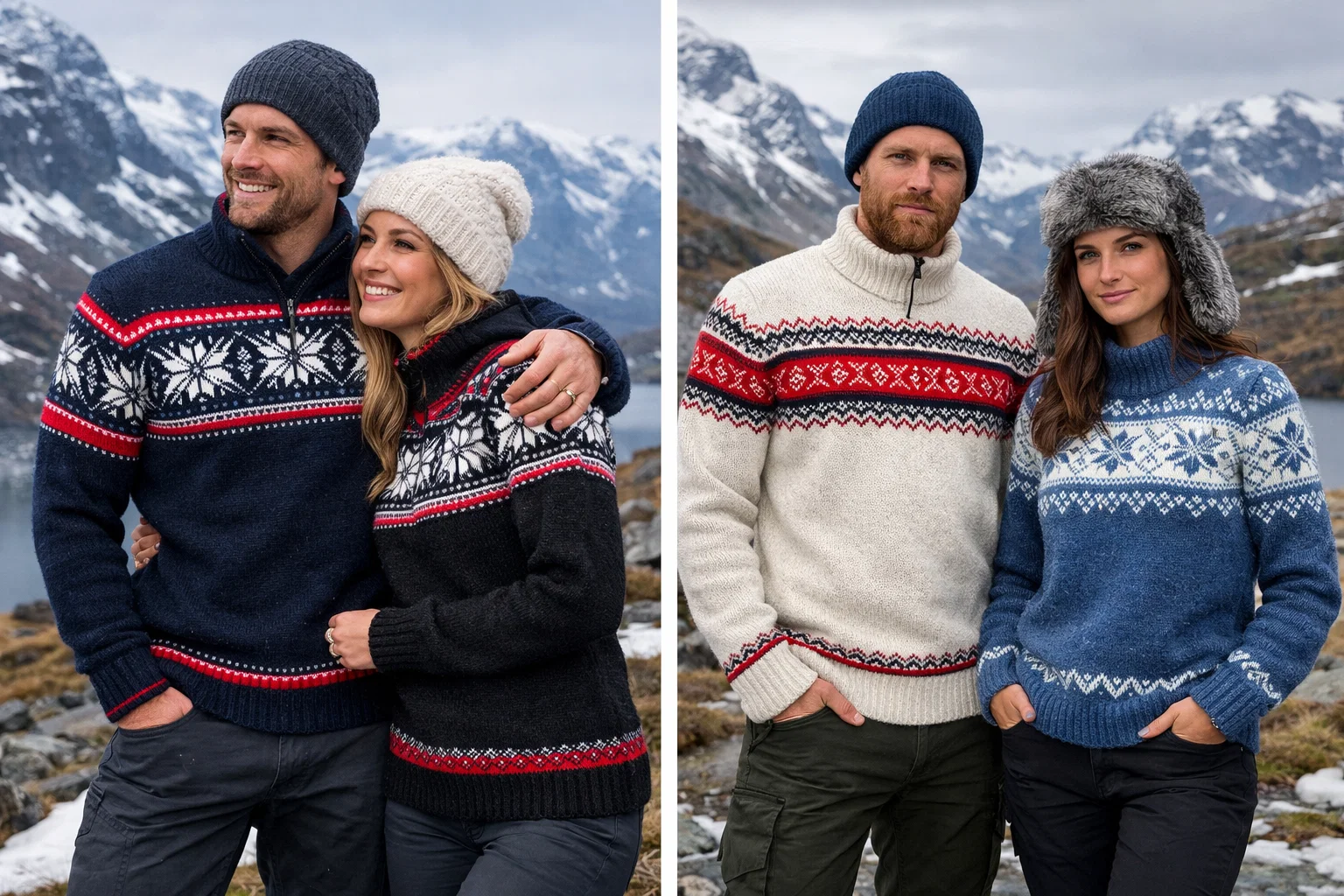
When you look for a sweater that is warm and strong, you may ask why Norwegian sweaters are unique. These sweaters are special because they mix old ways, good materials, and nice looks in every part. The reason people like them is not just because they feel good:
-
Norwegian patterns have moved from old customs to styles seen around the world.
-
These designs show how much Norway loves nature and wants to protect it.
-
Every sweater shares a story of hard work and family pride.
You notice something special when you wear a real Norwegian sweater.
Key Takeaways
-
Norwegian sweaters use good materials and skilled work.
-
This makes them last a long time and worth buying.
-
The special double-strand knitting keeps you warmer and blocks moisture.
-
This is great for wearing outside. Famous patterns like Marius and Setesdal link people to Norwegian history and culture.
-
Picking the best wool, like merino for softness or regular wool for strength, makes wearing better.
-
Taking care of your sweater by washing gently and storing it well keeps it nice and helps it last longer.
Why Are Norwegian Sweaters So Expensive? (And Are They Worth It?)
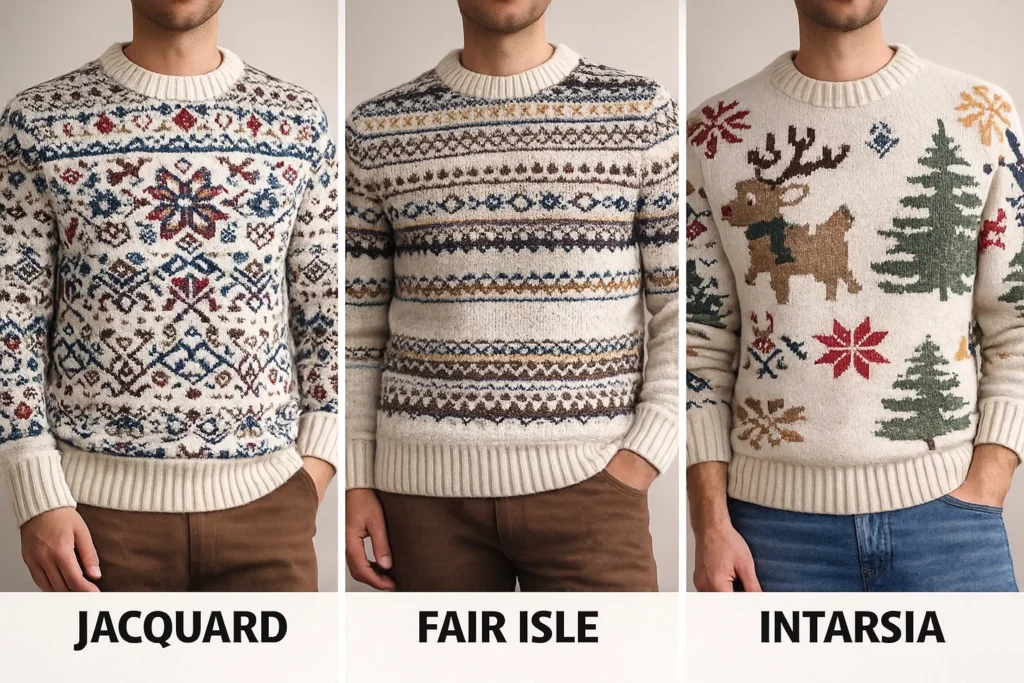
When you shop for sweaters, you may notice that norwegian sweaters often cost more than others. The price reflects the quality, craftsmanship, and history behind each piece. You pay for more than just warmth. You invest in a garment that lasts and carries tradition.
Quality and Durability: How Long Do Norwegian Sweaters Last?
Norwegian sweaters use strong wool and careful knitting. According to consumer reports and textile studies, the average lifespan of a norwegian sweater is about 3 to 4 years. Many people wear their sweaters much longer, especially when they care for them well. Norwegian wool stands out for its strength and ability to keep its shape. Sweaters made by brands like Devold, which has over 170 years of experience, are designed to endure tough climates. These sweaters often get passed down in families, showing their lasting value.
The “Double-Strand” Warmth: Why they outperform regular knits.
You feel extra warmth because norwegian sweaters use a double-strand knitting method. This technique traps more air and keeps you warmer than regular sweaters. The thick wool also helps block wind and cold.
Why can’t you get cashmere wet vs. Norwegian Wool resilience.
If you own a cashmere sweater, you know water can damage it. Norwegian wool resists moisture much better. You can wear these sweaters in rain or snow without worry. The wool fibers bounce back and keep you dry.
Timeless Style vs. Trends
Norwegian sweaters never go out of style. You see classic designs return year after year. The patterns and colors look good with many outfits. You do not have to follow fashion trends to enjoy these sweaters.
Why the L.L. Bean Norwegian Sweater keeps coming back in style.
The L.L. Bean norwegian sweater is a vintage icon. People love its simple look and strong build. Every few years, it becomes popular again. You can wear it for decades and it still looks fresh.
Investment Pieces: Calculating “Cost Per Wear.”
When you buy a norwegian sweater, you make an investment. If you wear your sweater often, the cost per wear drops. You get value for your money because these sweaters last and stay stylish. Many people find that traditional norwegian sweaters offer the best return over time.
Tip: Choose a norwegian sweater for both warmth and style. You will enjoy it for years and make a smart investment.
What Are Those Norwegian Sweaters Called? (Heritage & History)
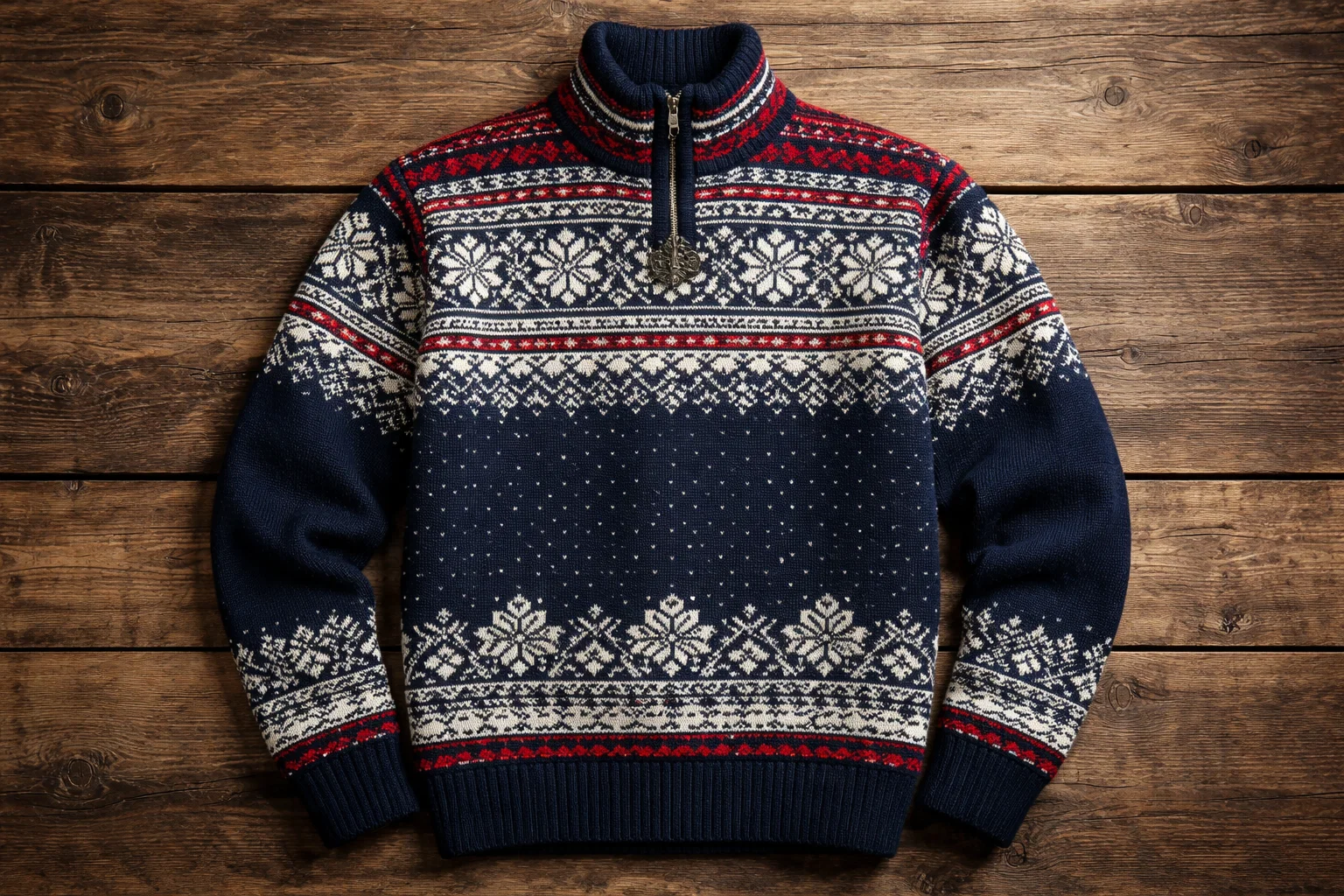
Norwegian Fashion Heritage: Lusekofte and Beyond
People use special names for Norwegian sweaters. These names connect to places and history. The most famous one is Lusekofte. It is also called the Setesdal sweater. This style comes from the Setesdal valley. It has a long history in Norwegian fashion. “Kofte” means sweater or jacket in Norwegian. The Setesdal pattern is easy to spot. It has small V-shapes called “lice.” It also has bold borders with shapes.
Here is a table to help you learn the most common names and their meanings:
|
Sweater Name |
Description |
|---|---|
|
Marius Pattern |
A well-known pattern made in 1953. It is usually red, white, and blue. It stands for Norwegian culture. |
|
Setesdal Pattern |
This pattern comes from the Setesdal valley. It is over 150 years old and uses many colors. |
|
Fana Pattern |
Also called Fanakofte, this pattern is from the Fana region near Bergen. It is popular all over Norway. |
|
Skappel Sweater |
This is a modern style. It became popular on social media. It is baggy and has stripes. |
What is the famous Norwegian knitwear? Defining the “Kofte.”
The “kofte” is more than just a sweater. It is a symbol of Norwegian fashion. The Setesdal pattern is the most famous design. Families often pass down these sweaters. They are part of daily life and tradition.
Norwegian Sweater Clasps vs. Buttons: A historical evolution.
Older Norwegian sweaters use metal clasps, not buttons. These clasps show skilled work and look special. Some sweaters now use buttons. Clasps still show classic Norwegian style.
Evolution of Knitting Culture
From Norwegian Fisherman Sweaters to Ski Slopes.
Sweaters changed from fisherman clothes to ski wear. In the 1800s, striped sweaters were common in Fana. Women wore sweaters under folk dresses. Machine knitting in the 1900s made sweaters easier to make. Today, the Setesdal pattern is used for outdoor and everyday sweaters.
Is Helly Hansen Swedish or Norwegian?
You may wonder about Helly Hansen. This brand is Norwegian, not Swedish. Helly Hansen started in Norway. It is known for strong sweaters and outdoor clothes.
The lusekofta sweater is part of Scandinavian life. When you wear one, you show Norwegian fashion and family pride.
Which Iconic Pattern Should You Choose? (Marius, Setesdal, & More)
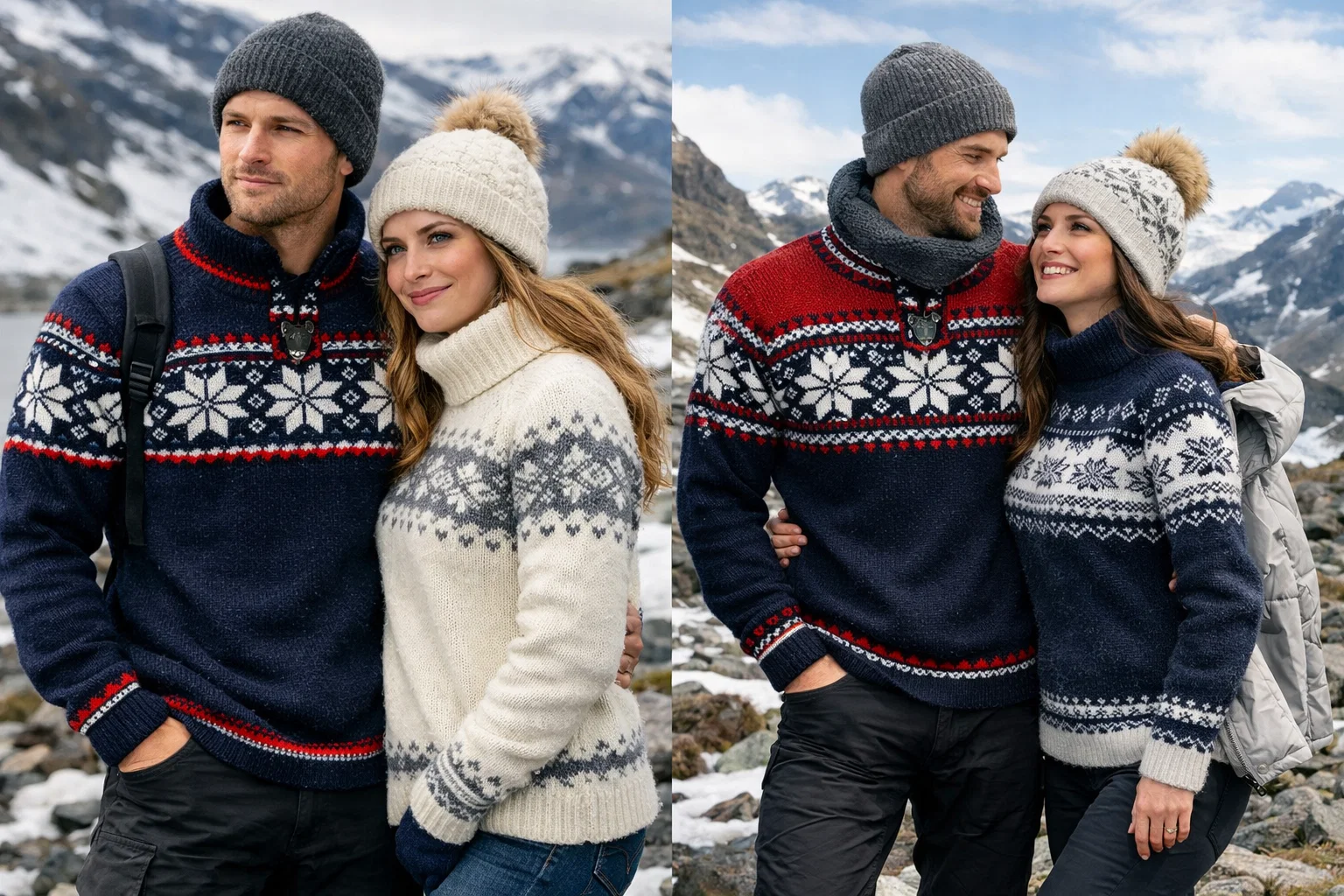
Picking a norwegian sweater pattern helps you show your style. It also connects you to old traditions. There are many patterns to pick from. Three patterns are the most famous: marius, Setesdal, and Selbu. Each one has its own story and meaning in norwegian culture.
The Marius Pattern: Norway’s Most Famous Design
The marius pattern is the most well-known design. Unn Søiland Dale made it in 1953. It became popular after a movie showed Marius Eriksen wearing it. You can find this pattern on sweaters, hats, and mugs. The marius pattern uses red, white, and blue colors. These colors match the Norwegian flag. They show pride in Norway.
The History of the Tricolor (Red, White, Blue) Design
You see the marius pattern all over Norway. The three colors stand for freedom and unity. More than five million copies have been sold. The marius pattern started from the Setesdal lusekofte. That sweater used natural wool colors. Now, you see the marius pattern in bright colors and on many things.
Norwegian Sweater Patterns: Setesdal and Selbu
The Setesdal pattern is easy to spot in classic sweaters. It uses black and white wool. It has a “lice” pattern. The neck often has bright embroidery and a silver clasp. The Setesdal pattern inspired other norwegian sweater designs. One example is the fana pattern.
The “Lice” Pattern (Lusekofte): What the Little V-Shapes Mean
The “lice” pattern shows small white dots on dark wool. You see this design on sports team sweaters and at royal events. The pattern stands for family and tradition.
Selbu Rose and Other Motifs: The Significance of the 8-Pointed Star
The Selbu pattern has an eight-pointed star called the Selbu rose. You find this star on mittens and sweaters. In Selbu village, people used these patterns for weddings. The rose means luck and protection.
Tip: Check the table below to compare the most famous norwegian sweater patterns and what they mean.
|
Pattern |
Design Characteristics |
Historical Background |
|---|---|---|
|
Marius |
Bright tricolor, loved worldwide |
Made in 1953, inspired by Setesdal, shown in movies, sold millions |
|
Setesdal |
Black and white, “lice” dots, colorful embroidery |
Started in the 1800s, worn by men, inspired many norwegian designs |
|
Selbu |
Eight-pointed star, detailed motifs |
Began in the mid-1800s, used in weddings, symbol of good luck |
|
Fana |
Stripes, simple shapes |
Comes from near Bergen, popular in classic norwegian sweaters |
You can pick the marius pattern for a bold look. Choose Setesdal for tradition. Pick Selbu for special meaning. Try the fana pattern for a simple style. Every pattern lets you wear a piece of norwegian history.
Are Norwegian Sweaters Itchy? (Craftsmanship & Wool Quality)
When you try on knitted wool sweaters, you might wonder if they will feel itchy. This is a common question for anyone new to Norwegian sweaters. The answer depends on the type of wool and how the sweaters are made.
Norwegian Wool Types: Rustic vs. Soft
Norwegian sweaters often use different types of wool. Each type affects how the sweaters feel and how long they last.
-
Norwegian wool comes from sheep that live in the mountains. This wool is tough and keeps you warm in cold weather. It is perfect for outdoor activities because it stands up to wind and rain.
-
Recycled wool gives you an eco-friendly choice. It keeps you warm and comfortable.
-
Merino wool is soft and light. It helps your body stay at the right temperature. Many people like merino because it feels gentle on the skin.
The durability of traditional rough wool (and why it’s used).
Traditional Norwegian sweaters use rustic wool. This wool feels rougher than merino, but it lasts a long time. The fibers are strong and resist wear. You can wear these sweaters for years, even in harsh weather.
Does 100% merino wool itch? The modern alternative.
Many people choose merino wool for comfort. Merino fibers are thinner than regular wool. This makes knitted wool sweaters less itchy. Most users say merino wool feels soft and does not bother their skin.
Modern Knitting Techniques (The Manufacturer’s Insight)
Modern makers of Norwegian sweaters use special knitting methods. They knit sweaters in the round, so you do not feel seams. This makes the sweaters more comfortable. The dense fabric blocks wind but lets your skin breathe.
Is 70% wool 30% cashmere itchy? Using blends for comfort.
Some sweaters blend wool with cashmere. A mix like 70% wool and 30% cashmere feels softer than pure wool. These blends give you warmth and comfort at the same time.
How factory washing processes soften the fibers.
Factories use special washing steps to make sweaters softer. Here is a table that shows how these steps help:
|
Finishing Process |
Impact on Softness and Wearability |
|---|---|
|
Mechanical Finishing |
Brushing or sanding makes the wool soft and pleasant to touch. |
|
Chemical Finishing |
Enzyme washes smooth the fibers, so sweaters feel gentle on your skin. |
Tip: If you want a sweater that feels soft, look for merino wool or blends. If you want a sweater that lasts, choose traditional Norwegian wool.
Who Makes the Best Norwegian Sweaters? (A Buying Guide)
When you want to buy the best norwegian sweaters, you need to know which brands stand out. Some brands have made sweaters for over a hundred years. Others bring new ideas and styles. You can find both heritage and modern options that fit your needs.
Best Norwegian Sweater Brands: Heritage vs. Modern
You see many brands when you search for nordic wool sweaters. Some names come up again and again. These brands have earned trust for their quality and tradition.
-
Dale of Norway: This brand has made sweaters for almost 150 years. Dale uses local wool and works with Norwegian farmers. You may know their designs from the Norwegian Olympic ski team. Dale of Norway sweaters show true craftsmanship.
-
Devold: Devold is another heritage brand. It is famous for strong sweaters that last a long time. Devold works with local sheep breeds and supports sustainable farming. You get both tradition and quality with Devold.
-
L.L. Bean: L.L. Bean offers norwegian sweaters made in Norway by family-run businesses. These sweaters are warm and use classic patterns. Many people love the vintage look of L.L. Bean’s norwegian sweaters.
-
Fosse: Fosse is based in Bergen. Susan Fosse designs sweaters inspired by Norway’s west coast. You find both tradition and modern style in Fosse sweaters.
-
Rauma: Rauma is known for its yarn and patterns. Many knitters use Rauma yarn to make their own mariusgenser or skappel sweaters.
-
Skappel: Skappel brings a modern twist. You see skappel sweaters on social media. They are soft, loose, and easy to wear.
You can choose a heritage brand like dale of norway or devold for classic style and long-lasting quality. Modern brands like skappel and Fosse give you new designs and comfort.
Dale of Norway & Devold (The Authentic choice)
Dale of Norway stands out for its long history. Dale started in 1879 and still makes sweaters in Norway. You get local wool, careful knitting, and patterns like mariusgenser and skappel. Dale of Norway has made outfits for the Norwegian Olympic ski team since 1956. You see their sweaters in sports and fashion.
Devold is another top choice. Devold began in 1853. You find devold sweaters in fishing villages and ski resorts. Devold uses wool from Norwegian sheep. The company works with local farmers to make sure the wool is strong and warm. Devold sweaters last for years and keep you comfortable in any weather.
L.L. Bean Norwegian Sweater: The vintage icon
L.L. Bean offers a classic norwegian sweater. These sweaters come from Norway and use traditional patterns. Many people love the vintage style. You can wear an L.L. Bean norwegian sweater for many years. The sweaters are warm and look good with any outfit.
Price and Value: Vintage Norwegian Sweater vs. New
You may wonder if you should buy a new or vintage norwegian sweater. Both choices have value. New sweaters from dale of norway, devold, or skappel give you the latest styles and perfect condition. Vintage sweaters offer history and unique patterns. You can find rare mariusgenser or skappel sweaters from past decades.
New sweaters often cost more. You pay for fresh wool, new designs, and the latest knitting methods. Heritage brands like dale of norway and devold have higher prices because of their quality and tradition. Modern brands like skappel or rauma may offer lower prices, but still focus on comfort and style.
Vintage sweaters can be a smart buy. You get a piece of history and sometimes better wool. Many vintage sweaters come from dale, devold, or rauma. You may find a rare mariusgenser or skappel sweater that no one else has.
Ebay Norwegian Sweater hunting tips
You can find great norwegian sweaters on eBay. Here are some tips to help you:
-
Search for specific brands like dale of norway, devold, or rauma.
-
Look for the mariusgenser or skappel pattern in the title.
-
Check the seller’s photos for close-ups of the wool and pattern.
-
Read the description to see if the sweater is made in Norway.
-
Ask the seller about the size and any damage.
Tip: Vintage sweaters may have small repairs. This shows they were loved and used.
Spotting quality: Check the “Floats” (inside yarn strands)
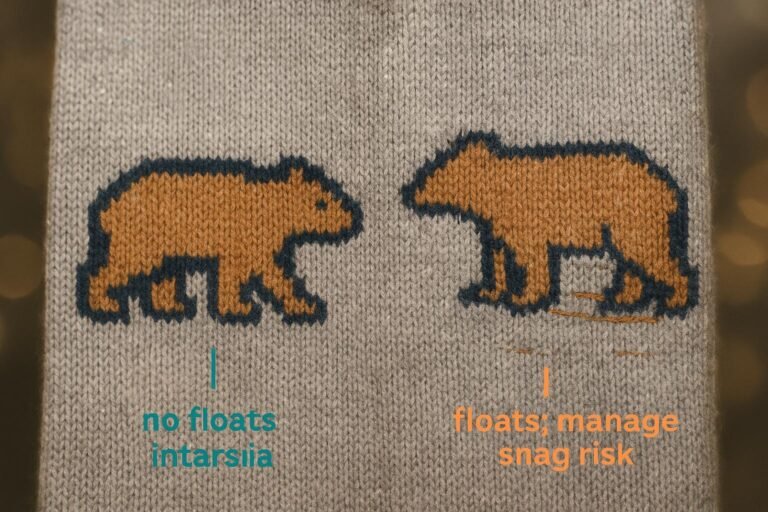
When you buy a norwegian sweater, you want to check the quality. One way is to look inside the sweater at the “floats.” These are the yarn strands that run behind the pattern. Good sweaters from dale of norway, devold, or rauma have neat, even floats. This shows careful knitting.
Here is a table to help you check for quality features:
|
Feature |
Importance |
|---|---|
|
Wool Origin |
Genuine Norwegian wool is long-lasting, holds shape, and is resistant to wind and water. |
|
Processing |
Some brands mix with softer wools. Know how the wool is processed for comfort and durability. |
|
Design Authenticity |
Real patterns like mariusgenser or skappel show true Norwegian style. |
|
Marketing Misleading |
Watch out for brands that use Norwegian symbols but do not use real wool. |
You can also check the label for the brand name. Look for dale of norway, devold, rauma, or skappel. These names mean you get real norwegian quality.
Note: If you see neat floats and strong wool, you have found a good norwegian sweater.
How Do You Wash and Care for a Norwegian Sweater?
Taking care of your Norwegian sweater helps it last for many years. You can keep it looking new by following simple steps for washing, drying, and storing.
Washing Instructions
How do you wash a Norwegian sweater? (The “No Hang” Rule)
You should always check the care label before washing. Most Norwegian sweaters need gentle cleaning. Use lukewarm water (about 86°F/30°C) and a mild wool detergent. Hand washing works best, but you can use a machine on a wool cycle if you turn the sweater inside out and place it in a laundry bag. Never use bleach or tumble dry. Lay the sweater flat on a towel to dry. Hanging can stretch the wool and ruin the shape.
|
Instruction |
Details |
|---|---|
|
Hand wash |
Lukewarm water, mild wool detergent |
|
Machine wash |
Wool cycle, inside-out, laundry bag, mild wool detergent |
|
Do not bleach |
Avoid chlorine products |
|
Iron |
Low heat, inside out if needed |
|
Dry cleaning |
Possible, but may affect color and softness |
|
Tumble dry |
Do not tumble dry |
|
Drying |
Lay flat, never in direct sunlight |
Tip: Always lay your sweater flat to dry. This keeps the shape and prevents stretching.
What happens if you wash a dry clean only wool sweater?
Improper washing can damage your sweater. You might notice shrinking, pilling, or loss of shape. These problems make the sweater less comfortable and less attractive.
-
Shrinking reduces the size and fit.
-
Pilling creates small balls of fiber on the surface.
-
Loss of shape affects how the sweater looks and feels.
Repair and Maintenance
Fixing Norwegian sweater clasps.
If a clasp comes loose, you can sew it back with a needle and strong thread. Match the thread color to the sweater. For larger tears, patch with similar wool and sew into the stitches to stop unraveling.
Depilling and storing for summer.
Use a sweater comb or electric shaver to remove pills. Be gentle to avoid damaging the wool. Before storing for summer, clean your sweater and fold it with cedar blocks or store it in a garment bag. Keep it in a cool, dry place. Moths dislike light, so shake out your sweater sometimes during storage.
Note: Clean your sweater before storage to prevent moths and keep it fresh for next season.
Sweaters do more than keep you warm. They link you to norwegian heritage and family memories. When you pick norwegian sweaters, you get quality and tradition. Each stitch shows the history of norway. These sweaters last a long time and match many outfits. You can wear them at work, for fun, or when you travel. Norwegian sweaters let you celebrate your heritage every day.
Try wearing real norwegian sweaters and tell your story in the comments!
FAQ
How do you know if a sweater is made in Norway?
Check the label for the country of origin. Look for brand names like Dale of Norway or Devold. You can also see if the pattern matches traditional styles. Ask the seller for details if you shop online.
Can you wear a Norwegian sweater in the rain?
You can wear these sweaters in light rain or snow. The wool resists moisture and keeps you warm. Avoid soaking the sweater, and let it dry flat if it gets wet.
What makes Norwegian sweaters different from other wool sweaters?
You notice thicker wool, double-strand knitting, and unique patterns. These sweaters last longer and keep you warmer. The designs often show cultural symbols and family history.
Are Norwegian sweaters good for sensitive skin?
Some people with sensitive skin may find traditional wool itchy. You can choose sweaters made with merino wool or blends for a softer feel. Always check the material before buying.
How do you store your sweater during summer?
Clean your sweater before storing. Fold it and place it in a breathable bag with cedar blocks. Keep it in a cool, dry place. This helps prevent moths and keeps the wool fresh.