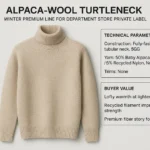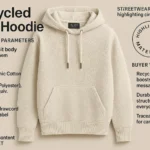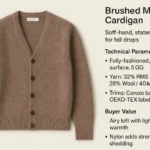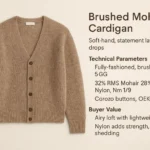


You can build your own brand by following clear steps to start a private label clothing line. The process begins with your vision and continues through design, sourcing, production, and launch. Reliable manufacturers help you keep quality high. You need to study market trends and choose materials that match your values. In 2025, sustainability and careful quality control matter more than ever. The knitwear market shows strong growth.
The market size in 2025 is expected to reach USD 1,016.81 billion.
The compound annual growth rate (CAGR) will likely be 12.1% from 2025 to 2035.
You can use a private label knitwear manufacturing guide to make your process smooth and rewarding. These steps to start a private label clothing line help you create a business that fits your goals.
Key Takeaways
Begin with a clear brand idea. Pick your logo, colors, and message. This helps your brand stand out.
Do good market research. Learn what your audience likes and needs. This helps you design better products.
Make a business plan with details. Write your goals, budget, and steps for making and selling products.
Pick materials that are good for the planet. Use eco-friendly yarns and ways to help the environment. This attracts people who care about nature.
Build strong ties with manufacturers. Talk clearly and set fair deals. This helps you get good and reliable products.
Set up a good quality check system. Check materials and finished items often. This keeps your products at a high level.
Plan your launch well. Use social media and deals to get people excited. This helps you reach your audience.
Listen to what customers say. Use their ideas to make your products better. This makes your brand stronger.
Brand Vision and Business Planning
Define Brand Identity
You start your private label clothing journey by building a strong brand identity. This step shapes how customers see your private label clothing line. A clear brand identity helps you stand out in a crowded market. You need to decide what your brand stands for and how it looks.
A successful private label clothing line needs more than just a name. You should focus on these key elements:
Brand color palette
Typography and fonts
Tone of voice and messaging guidelines
Packaging templates
Woven label, size label, and care label designs
These parts work together to create a look and feel that customers remember. You want your private label clothing to show your values and style. When you keep your brand identity consistent, you build trust with your audience.
Identify Target Market
You must know who will buy your private label clothing. Start with market research. Look at age, gender, lifestyle, and shopping habits. Ask yourself what problems your private label clothing line can solve for your customers.
Market research helps you find gaps in the market. You learn what your target audience wants and needs. This step guides your design choices and marketing messages. You can use surveys, social media, and competitor analysis to gather information. When you understand your target market, you can create products that fit their style and budget.
Create Business Plan
A strong plan gives your private label business direction. You need to outline your goals and the steps you will take to reach them. Your plan should cover these points:
Define the clothes you want to sell, such as knit sweaters or hoodies.
Choose your business model and design approach.
Identify your target audience and what makes your private label clothing line unique.
Focus on your brand’s special features, like style and fit.
Write your plan, including goals, budget, and growth ideas.
Set your pricing by looking at costs and retail prices.
Find a reliable manufacturer or distributor.
Build your brand’s core ideas and visual identity.
Launch your store, either online or in a physical location.
Tip: Market research is not a one-time task. Keep checking trends and customer feedback to update your plan.
A detailed plan helps you manage your private label clothing brand and reach your goals. It also helps you attract partners and investors. When you follow your plan, you can grow your private label business with confidence.
Set Product and Pricing Strategy
You need a good plan for your products and prices. First, pick which knitwear items you want to sell. You can choose sweaters, cardigans, hoodies, or accessories. Think about what your customers like to wear. Pick styles, colors, and fits that match your brand. You can offer classic or bold, trendy looks. Make sure your products are different from others.
Next, decide how much to charge for your products. Prices help people know what your brand is like. They also decide how much money you make. You want prices that show your product’s value and bring in buyers. In 2025, there are many ways to set prices. The table below shows the best choices for private label knitwear brands:
Pricing Strategy | Description |
|---|---|
Competitive Pricing | Shows your product’s value and keeps you in the market. |
Dynamic Pricing | Changes prices when demand or other brands change. |
Value-Based Pricing | Sets prices by what customers think your products are worth. |
Customer Perceptions | Knowing how customers see your brand helps you set prices. |
Market Changes | Watch the market and change prices when needed. |
You can use competitive pricing to match or beat other brands. This helps you get buyers who care about price. Dynamic pricing lets you change prices when demand changes. You can use special deals or change prices for holidays. Value-based pricing means you charge what customers think your products are worth. If your knitwear uses special yarns or cool designs, you can ask for more money.
Tip: Always listen to your customers. What they think about your brand and products helps you pick the right prices.
You should also watch for changes in the market. Fashion trends and the economy can change what people want and pay. Stay ready to change your prices if you need to. Use surveys, social media, and sales numbers to see what works.
When you plan your products and prices, you build trust with buyers. You show them your brand has good quality and value. You also help your business make money. Check your plan often. This helps your private label knitwear brand grow as things change.
Market Trends and Niche Selection
Research Knitwear Trends 2025
You need to do good research to know what will be popular in knitwear for 2025. Fashion changes fast, so you have to keep learning. When you look at new trends, you can make products people want. Some top knitwear trends for 2025 are:
Argyle and preppy patterns make old golf-jumper styles look new.
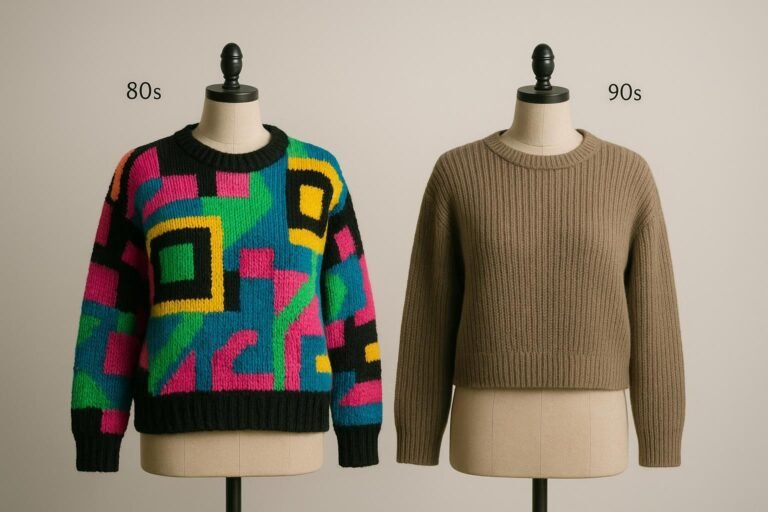
Heritage knits use cable, Fair Isle, and jacquard motifs in fresh ways.
Minimal solids use simple colors and neat lines.
Sets, dresses, and matching knit outfits give full looks made from knitwear.
Sustainability and ethical crafting use traceable yarns, natural dyes, and recycled materials.
You should learn about these trends by reading reports, watching fashion leaders, and checking social media. This helps you see what is popular and what is not. If you want your private label knitwear to be special, you need to keep researching all the time.
Select Your Niche
Picking the right niche is very important for your brand. You want to find a spot in the market where your products fit best. Use your research to help you choose. Look at the table below to see what matters most when you pick a good niche:
Criteria | Description |
|---|---|
Search Volume | Check how many people search for your niche using keyword tools. |
Competitor Analysis | See how many competitors there are and how strong they are. |
Profit Potential | Figure out prices and costs to make sure you can earn money in your niche. |
You should also:
Find what you love and what you know to stay excited.
Check market demand with tools like Google Trends and SEMrush.
Study competitors to find places with less competition.
Look at costs and possible profits to see if your niche can make money.
When you research your niche, you make better choices. You can stay away from crowded markets and find places where your brand can grow.
Analyze Competitors
Looking at competitors helps your business a lot. You need to see what other brands are doing. This helps you learn what people want and what sells well. Follow these steps:
Study your competitors to see what products they have and how they sell.
Look for places in the market where you can offer something new.
Pick a niche that is not too crowded, so your private label knitwear can do well.
You should check on your competitors often. This helps you change your plan and stay ahead. When you know what others do, you can make products that people still need. Your research helps you make smart choices for your business.
Design Development and Concept Consultation
Initial Design Creation
You start by finding ideas that fit your brand. Make a mood board with pictures that show your style. Add fabric samples and color samples to see your ideas better. Pick one thing, like texture or color, to focus your board. Keep your board tidy so others can see your style. Use digital tools like Canva to try new layouts fast.
Gather pictures that match your vision.
Add photos, fabric samples, and color samples.
Focus on texture or color to guide your board.
Keep your board neat to show your mood.
Use digital tools to change things easily.
You also need a brand message that feels true. Make brand rules to help your look and ads. Make sure every design matches your brand story. This step helps you control your designs and build a strong brand.
Tech Pack Preparation
A tech pack is a plan for your knitwear. You use it to show your ideas to the manufacturer. The tech pack must be clear and have all details. It helps you change products and makes sure your designs come out right.
Knitwear Tech Pack Essentials
Here is what you should put in your knitwear tech pack:
Stitch details
Size measurements
Reference pictures
Finishing details
Packing and label instructions
Tip: A good tech pack helps stop mistakes and saves time when making products.
Concept Consultation with Manufacturer
You need to talk to your manufacturer before making anything. This step helps you fix your designs and stop problems. Manufacturers give advice to make things easier. You can use their tips to make better choices.
Benefit | Description |
|---|---|
You make production faster, lower costs, and work better. | |
Ensure quality control | You keep high standards when making clothes. |
Manage supply chains effectively | You handle inventory and shipping for quick delivery. |
When you talk to your manufacturer, you learn how to make your designs real. You get advice on materials, stitches, and finishing. Working together helps you make knitwear that fits your brand and meets quality needs.
Material Sourcing and Yarn Preparation
Choose Yarns and Materials
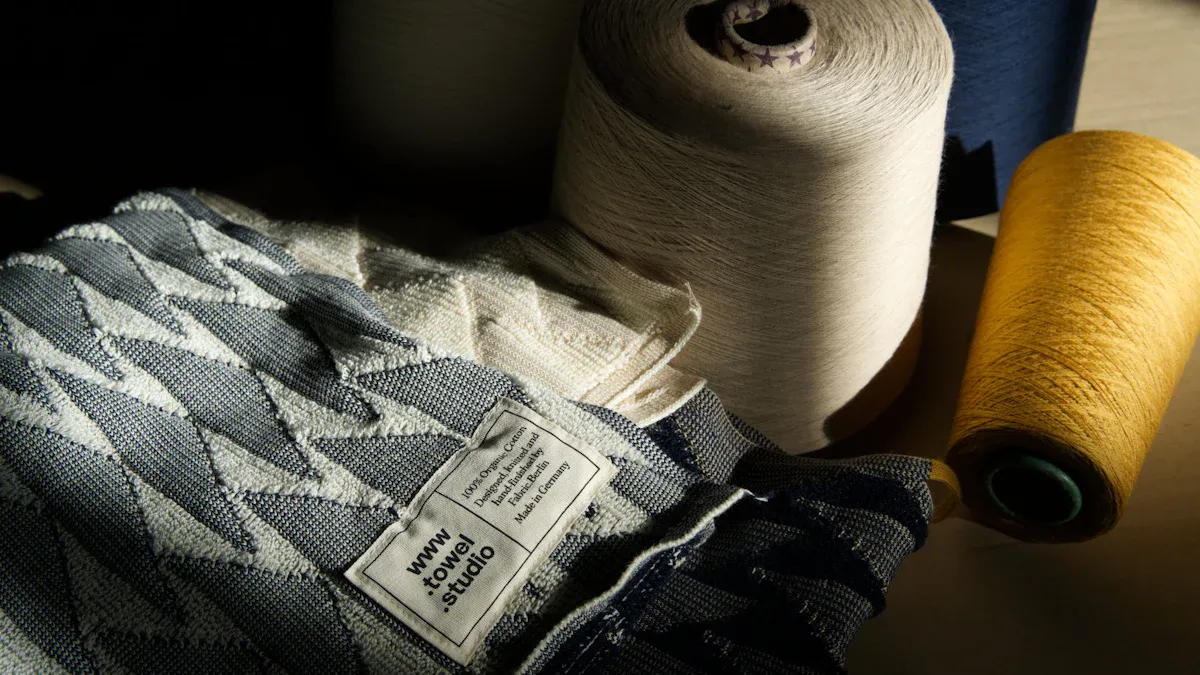
You must pick the best yarns and materials. In 2025, brands care about the planet. You want your knitwear to use materials that help nature and last long. Many shoppers want sustainable choices for knitwear. You can pick yarns from ethical places that use less energy.
Here is a table with the top sustainable yarns for knitwear in 2025:
Sustainable Yarns |
|---|
Alpaca wool |
Sheep wool |
Lyocell |
Alpaca wool is soft and keeps you warm. Sheep wool is strong and feels nice. Lyocell comes from wood pulp and uses a green process. You can mix these yarns for cool looks and textures. Using sustainable materials shows you care about the earth.
Sustainable Options for 2025
You can use many green ways to make your knitwear better. Here are some top choices:
Zero-waste fiber recycling: You can turn all spinning waste into yarn again.
Closed-loop manufacturing: You can use systems that recycle textile waste over and over.
Sustainable packaging: You can pick packaging that breaks down, is recycled, or uses less material.
Extended garment life: You can make yarn that lasts longer, so people throw away fewer clothes.
You help nature when you use green materials and methods. You also earn trust from buyers who want eco-friendly products. Many brands in 2025 use these green options to stand out.
Tip: You can ask your suppliers for proof of their green certifications and traceability. This helps you show your products use sustainable materials.
Yarn Preparation Process
You must get your yarn ready before knitting. This step makes sure your knitwear is high quality. You want every piece to look and feel nice. Here are the main steps for getting yarn ready for big knitwear production:
Yarn procurement based on customer color needs. You buy yarn from trusted suppliers. You match the color and order enough. You check for even color.
Smoothing and conditioning with the yarn rewinding or oiling machine. You rewind and condition the yarn. You clean it and add oil.
Ensuring knitting-ready yarn quality. You check the yarn for evenness, strength, smoothness, oil, and stability before knitting.
You must follow these steps for the best results. You want your green materials to stay strong and soft. You can work with suppliers who know how to prepare sustainable yarn. This helps you make knitwear that lasts and uses fewer resources.
Note: You can make your brand stronger by telling customers about your green yarn preparation process.
Private Label Knitwear Manufacturing Guide: Production Steps
Knitting Process
You begin by changing yarn into fabric. The private label knitwear manufacturing guide gives you each step. You must follow the process to meet your brand’s standards.
Here are the main steps in industrial knitting for private label manufacturing:
Fiber processing: You clean fibers and get them ready for spinning.
Spinning: You twist the fibers to make yarn.
Weaving or knitting: Machines turn yarn into fabric.
Dyeing: You add color to the fabric or yarn.
Finishing: You treat fabric to make it feel better and last longer.
Fabric inspection: You check for problems before moving on.
You use advanced knitting machines to shape your clothes. Flat-bed machines help you make panels with special shapes. Circular knitting machines make fabric fast by knitting many rows. Seamless knitting technology lets you make whole clothes with fewer seams. You pick the best machine for your design and needs.
Tip: Use machines that fit your product style. Seamless knitting is good for modern, fitted clothes.
Linking and Assembly
After knitting, you join the pieces together. The private label knitwear manufacturing guide explains linking and assembly. You use special machines and ways to connect panels and finish clothes.
You can use these technologies for linking and assembly:
Flat-bed machines: Make panels and add things like pockets or collars.
Circular knitting machines: Work faster with circular needles.
Seamless knitting: Make whole clothes with little sewing.
Integral knitting: Knit and put together clothes right from the machine.
Fashioning: Shape sleeves and necks while knitting.
You pick the best way for your clothing style. Flat-bed machines help with tricky designs. Circular machines are best for big orders. Seamless and integral knitting save time and cut waste. Fashioning lets you add special shapes to sweaters and cardigans.
Note: Ask your manufacturer to show samples made with different machines. This helps you choose the best way for your private label manufacturing.
Quality Control Checks
You need strong quality control to keep your products the same. The private label knitwear manufacturing guide shows the steps you must follow. You check every stage to make sure your knitwear meets your standards.
Durability and Style Standards
You start by checking raw materials. You make sure yarns and fabrics have no problems. You approve samples before making lots of clothes. You check how clothes are made, how they fit, and if colors are right. You look at samples in all sizes to make sure they fit well.
You do regular quality checks during production. You look for problems like wrong knitting tension or color mistakes. You fix issues early to stop waste and delays. You check finished clothes for strength and style. You want every piece to match your brand’s look and feel.
Quality Control Step | Purpose |
|---|---|
Raw material inspection | Stop problems before making clothes |
Pre-production sample approval | Set rules for making lots of clothes |
Size set checking | Make sure all sizes fit well |
In-process inspection | Catch mistakes early and keep things the same |
Final garment inspection | Check strength and style before shipping |
Tip: Keep a checklist for each step. This helps you track quality and find problems fast.
Sustainable Practices
You need to use green ways in your private label manufacturing. The private label knitwear manufacturing guide says to use eco-friendly methods. You pick yarns with green certificates. You use machines that save energy and cut waste. You choose packaging that breaks down or can be recycled.
You check your supply chain for green practices. You ask suppliers for proof of ethical sourcing. You make sure dyeing and finishing use safe chemicals. You want your clothes to last longer and use fewer resources.
Callout: You build trust with customers when you show you care about the planet. You can share your quality checks and green ways on your website and labels.
You follow these steps to make strong, green knitwear. The private label knitwear manufacturing guide helps you manage each stage. You keep your brand strong and your customers happy.
Private Label Clothing Manufacturing: Manufacturer Selection
Research Manufacturers
You should start by looking for the right partners. First, decide what kind of knitwear you want. Think about your budget and how fast you need things done. Make a list of private label manufacturers who care about quality. Ask them for samples to check if the fabric is strong. Look for private label clothing manufacturers with good reviews from other clients. Check if they have certifications like ISO 9001 or GOTS. These show they follow important rules.
Here is an easy way to find a manufacturer for your brand:
Write down what you want to make and your budget.
Search for private label manufacturers and custom clothing makers.
Ask for samples to see if the quality is good.
Compare each producer by looking at their history and reviews.
Pick the best private label clothing manufacturer from your list.
Tip: Always get samples before you agree to anything. Samples help you avoid mistakes and make sure your products are good.
Vet and Negotiate Terms
Once you find good private label clothing manufacturer choices, check them carefully. Talk about how many items you want to order. You might get a discount if you order a lot, like 10-15% off for 5,000 pieces. Try to get better payment terms to help your cash flow. Ask for a lower deposit, maybe 30%. If your design is hard, talk about how that affects the price.
Use this table to help you when you talk about deals:
Term | Description |
|---|---|
Payment Terms | Try to get more time to pay or pay part up front. |
Cost Breakdown | Ask for a list of costs and compare with others. |
Win-Win Incentives | Promise more orders for better prices or faster delivery. |
Monitor Quality | Ask for checks during production to stop mistakes early. |
Techniques | Use smart ways like silence, trade-offs, and knowing your best choice. |
Good deals in private label clothing manufacturing should cover payment, shipping, and working together for a long time. Being flexible can help you get better prices and a stronger partnership with private label clothing manufacturers.
Note: Always ask for a written contract. Contracts keep you safe and make sure everyone knows what to expect.
Key Questions and Red Flags
When you pick a private label clothing manufacturer, ask important questions and look for warning signs. Ask about how much they can make, how long it takes, and how many workers they have. Ask to see old work and live photos from the factory. Make sure they tell you about any price or fabric changes. Always ask for samples before big orders and for outside quality checks.
Watch out for these warning signs:
The manufacturer always says yes but never explains limits.
They do not show you the factory or live photos.
They want you to agree before you see samples.
They avoid questions about how much they can make or how fast.
They change fabrics without telling you.
Samples look great, but big orders are not as good.
They do not want contracts or outside checks.
They wait until the end to talk about shipping.
They do not admit mistakes or fix problems.
Callout: A good private label clothing manufacturer will be open, honest, and helpful. If you see any warning signs, look for other private label manufacturers or services.
Pick partners who care about quality and honesty. This makes your private label clothing manufacturing easier and keeps your brand safe.
Sampling and Prototyping
Sample Production
You need to see your designs in real life before you start full production. This step is called sample production. You work with your manufacturer to make a small number of knitwear pieces. These samples show you the fabric, fit, color, and details. You can touch and wear the samples to check if they match your ideas.
The sample production process takes time. You should plan for this in your schedule. Here is a table that shows the typical timeline for making and receiving knitwear samples:
Stage | Estimated Time |
|---|---|
Production | 7–14 days |
Shipping – Economy | 7–14 days |
Shipping – Express | 3–5 days |
Total Timeline | 2–4 weeks |
Tip: Always order samples early. This gives you time to make changes before you start bulk production.
Review and Revise Samples
After you get your samples, you need to check them carefully. Look at every detail. Try on the knitwear to see if it fits well. Check the fabric, color, and stitching. Make sure the sample matches your tech pack and design ideas.
Best practices help you review and revise your samples. Use this table to guide your process:
Best Practice | Description |
|---|---|
Sample Making & Revisions | Talk with your manufacturer and check every detail before bulk production. |
Quality Control | Test samples, review patterns, and check fit and design. |
Clear Feedback | Give specific instructions for changes, update specs, and use photos. |
You can follow these steps to make your review process strong:
Be clear and specific with your feedback.
Highlight what you like and what needs to change.
Give exact instructions for adjustments, such as new measurements.
Update your spec sheets and include photos to show what you want.
Check quality before and during production.
Test samples and review fabric and patterns.
Make sure every piece fits well and matches your design.
Note: Good communication with your manufacturer helps you avoid mistakes and delays.
Align Samples with Brand Vision
Your samples must match your brand vision. Look at your samples and ask if they show your brand’s style, quality, and values. If your brand focuses on sustainability, check if the yarn and finishing meet green standards. If your brand stands for comfort, make sure the fit feels right.
You should compare your samples to your mood board and tech pack. Ask yourself:
Does the sample use the right colors and textures?
Does it feel like your brand?
Will your target customers like it?
If the answer is no, work with your manufacturer to make changes. Keep testing and revising until your samples fit your brand vision. This step helps you build a strong, trusted brand.
Callout: Samples are your chance to perfect your product. Take your time and make sure every detail is right before you move to full production.
Production Planning and Financials
Set Production Timeline
You need a clear timeline for your project. Many things can change how long making knitwear takes. Watch out for these important points:
Raw material availability can slow you down if suppliers are late.
Factory schedules and production capacity may change if demand is high or workers are few.
Shipping and logistics can add days or weeks because of port delays or new tariffs.
You can split your timeline into steps:
Raw material sourcing depends on how fast suppliers bring yarn and trims.
Sample approval takes longer if you want many changes or feedback.
The production process depends on the factory’s machines and workers.
Talk with your manufacturer about every step. Ask for updates often. This helps you find problems early and change your plan.
Tip: Add extra time for each stage. Delays can happen, so a buffer helps keep your launch on time.
Determine MOQs and Costs
You must know minimum order quantities (MOQs) and how they change your costs. Most factories set an MOQ of about 50 units for each design and color. You can split this number into different sizes. This helps you give more choices to your customers.
Many things can change the MOQ:
Simple designs may let you order fewer pieces.
Custom fabrics or trims need higher MOQs.
Factories buy materials in bulk, so they set minimums to make money.
Bigger sizes use fabric less well, which can raise the MOQ.
If you order more units, your cost per piece goes down. This is because fixed costs, like pattern making and machine setup, spread over more items. Large orders help factories use their resources better and keep quality high.
Note: Ask your manufacturer if you can mix sizes and styles in your order. This gives you more choices and helps you meet factory minimums.
Budget for Manufacturing and Marketing
You need a strong budget to run your knitwear business. Start by listing all your costs:
Factory labor and setup fees
Shipping and customs charges
Packaging and labeling
Marketing and promotion
Save money for both making and selling your products. You want great knitwear, but you also need people to know your brand. Plan for ads, social media, and launch events. Track your spending as you go. This helps you find problems and change your plan.
Callout: A clear budget helps you avoid surprises. You can grow your brand with confidence when you know your numbers.
Branding, Packaging, and Compliance

Label and Tag Design
Labels and tags help show your brand. Labels have your brand name and logo. They also show important product details. Tags help customers learn about your knitwear. Woven labels feel fancy. Printed tags look modern. Good branding makes people remember your products. You should put care instructions and fiber content on every tag. This helps buyers use your knitwear easily. It also builds trust with them.
Tip: Pick colors and fonts that match your brand. This keeps your products looking neat and professional.
Packaging Solutions
You need packaging that keeps your knitwear safe. Packaging should also show your brand. Boxes, bags, and wraps can have your logo and colors. You can add thank-you cards or stickers. This makes opening the package special. Strong packaging protects your products during shipping. Clear branding helps your brand stand out in stores and online.
Packaging Type | Features | Branding Opportunity |
|---|---|---|
Boxes | Strong and easy to stack | Big logo, brand colors |
Poly Bags | Light and waterproof | Printed logo, tagline |
Tissue Wrap | Soft and protective | Custom print, patterns |
Eco-Friendly Packaging
Eco-friendly packaging helps the planet. It also supports your brand. Many brands use recycled boxes and compostable bags. Some use plant-based inks. Eco-friendly packaging shows you care about nature. Customers like brands that use green materials. You can add a note to explain your eco-friendly choices.
Callout: Eco-friendly packaging shows your values. It helps you get buyers who want green products.
Legal Compliance and Certifications
You must follow the law and get the right certifications. These rules protect your business and customers. Your labels and tags need the right information. Here are the main rules for 2025:
Labels must show fiber content, maker or importer, and country of origin.
Care instructions must follow 16 CFR Part 423 and use clear words.
Knitwear must meet flammability rules from the Flammable Fabrics Act.
You must report if your products have PFAS chemicals.
You can use organic certification if your knitwear meets USDA rules.
Check these rules before you sell your products. Certifications help your brand by showing your knitwear is high quality. Customers trust brands that follow the law and use safe materials.
Note: Keep records of your certifications and checks. This helps you fix problems fast and keeps your brand strong.
Distribution and Launch Strategy
Logistics and Shipping
You need a strong plan for logistics and shipping to make your distribution and launch successful. Start by choosing advanced inventory management. This lets you track your knitwear in real time and helps you avoid running out or having too much stock. Use secure warehouses in good locations. These warehouses keep your products safe and make it easy to move goods quickly.
Pick transportation services that fit your needs. You can use local trucks, air freight, or sea freight. Air freight works best for fast delivery, while sea freight saves money for large shipments. Always check if your shipping partner offers real-time tracking. This gives you and your customers updates on every order.
Order fulfillment matters for your launch. Set up fast and accurate systems for packing, labeling, and shipping. Handle returns and exchanges with clear steps. Work with partners who know customs rules. This helps you avoid delays when shipping to other countries.
Tip: Use a global shipping network to reach more customers and keep your launch on schedule.
Sales Channels
You must pick the right sales channels for your knitwear. Each channel helps your launch reach more people.
E-commerce, Wholesale, Retail
E-commerce: Open an online store to sell your knitwear. You can use platforms like Shopify or your own website. E-commerce lets you reach buyers worldwide. You control your brand and customer experience.
Wholesale: Sell your knitwear in bulk to other stores. Wholesale helps you move more products at once. You build relationships with retailers who can help your launch grow.
Retail: Place your knitwear in physical stores. Retail gives customers a chance to see and touch your products. You can use pop-up shops or partner with boutiques for your launch.
Sales Channel | Benefits | Challenges |
|---|---|---|
E-commerce | Global reach, control | Needs strong marketing |
Wholesale | Large orders, fast growth | Lower profit per item |
Retail | In-person experience | Higher costs, inventory |
Note: Mix different channels to make your distribution and launch stronger.
Launch and Promotion
Your launch is the most exciting part of your journey. Plan every detail to make it a success. Start by building buzz before your launch. Use social media to show sneak peeks of your knitwear. Share behind-the-scenes photos and videos. Send samples to influencers who match your brand.
On launch day, update your website and sales channels. Announce your launch with emails and posts. Offer special deals for the first buyers. You can use countdown timers to build excitement.
After your launch, keep the momentum going. Thank your first customers and ask for reviews. Share customer photos on your social media. Run giveaways or contests to reach more people. Track your sales and feedback to see what works best.
Callout: A strong launch sets the tone for your brand. Plan your distribution and launch with care to build trust and excitement.
Post-Launch and Scaling Private Label Manufacturing
Gather Customer Feedback
After you launch your knitwear brand, listen to your customers. Their feedback helps you know what is good and what needs work. You can use different ways to get feedback.
Offer incentives for reviews: Give discounts or special deals to customers who write honest reviews. This makes more people want to share their thoughts.
Send review reminders: Email customers after they get their orders. Add easy links so they can leave feedback fast.
Show the value of reviews: Tell customers how their feedback helps your brand grow. When they know their opinions matter, they want to share more.
You can also use surveys, social media polls, and messages to ask for opinions. Ask simple questions about fit, comfort, and style. Use clear words so everyone understands. Collecting feedback helps you build trust and shows you care about your customers.
Tip: Always reply to reviews and thank customers for sharing. This helps you build a loyal group around your brand.
Product Iteration
Use customer feedback to make your products better. Product iteration means you change things based on what buyers say. Start by reading comments and ratings. Look for things people like or dislike.
If many people say sizing is wrong, fix your measurements. If customers want new colors or styles, add these to your next collection. Try new ideas with small batches before making big changes. Use feedback from returns and exchanges to find problems with quality or fit.
Make a simple table to track feedback and changes:
Feedback Type | Action Taken | Result |
|---|---|---|
Sizing concern | Updated size chart | Fewer returns |
Color request | Added new colors | Higher sales |
Quality issue | Improved stitching | Better reviews |
Tell your customers about updates. Share news about new features or improvements on your website and social media. When you show you listen and act, you build stronger relationships with buyers.
Scale Production
Plan for growth as your brand gets more popular. Scaling production means making more knitwear but keeping quality high. Start by checking your sales data to see which products sell best. Order more of popular items and less of slow sellers.
Work with your manufacturer to handle bigger orders. Make sure the factory can make more products and keep quality good. You might need better machines or more workers. Use inventory software to track stock and avoid running out.
Set clear goals for scaling up. Decide how many units you want to make each month. Watch your costs and change your budget as you grow. Keep talking with your manufacturer to fix problems fast.
Note: Scaling production takes time and planning. Always focus on quality and keeping customers happy as your brand grows.
Maintain Manufacturer Relationships
You need strong relationships with your manufacturers. This helps your knitwear brand grow. Good partnerships help you fix problems fast. They also help you keep your quality high. When you work well together, you can handle bigger orders. You can also make new designs more easily.
1. Communicate Clearly and Often
Talk with your manufacturer often. Share your plans and updates. Ask for feedback about production and timelines. Use simple words and make sure they understand. If you have questions, ask early. Good communication helps you avoid mistakes.
2. Build Trust and Respect
Show respect for your manufacturer’s time and skills. Pay your invoices on time. Thank them for their hard work. If you visit the factory, greet the team. Learn about their process. Trust grows when everyone feels valued.
3. Solve Problems Together
Sometimes things go wrong. You might get a late shipment. You might see a quality issue. Stay calm and work with your manufacturer to fix it. Focus on solutions, not blame. Solving problems as a team makes your partnership stronger.
Tip: Keep a record of your talks and agreements. This helps you remember what you discussed. It makes it easier to fix issues later.
4. Plan for the Future
Share your growth plans with your manufacturer. Tell them if you want to launch new products. Tell them if you want to increase your orders. Ask if they can handle bigger volumes or new styles. Planning together helps you both get ready for changes.
5. Give Feedback and Ask for Input
Let your manufacturer know what works well. Tell them what needs improvement. Ask for their ideas to make production better. Manufacturers often have good suggestions. They know the process well.
Action | Why It Matters |
|---|---|
Regular check-ins | Stops misunderstandings |
On-time payments | Builds trust and reliability |
Joint problem-solving | Creates a team mindset |
Sharing future plans | Helps with long-term growth |
Asking for feedback | Improves quality and efficiency |
Callout: Strong manufacturer relationships help your brand last. When you treat your manufacturer as a partner, you both succeed.
Keep working on your relationship as your brand grows. Good partnerships help you face challenges. They help you find new opportunities in the knitwear market.
You now know the key steps to create your own private label knitwear brand. Start with a clear vision, research the market, and plan your business. Focus on quality and use sustainable materials. Work with trusted manufacturers and always check your products. Take the first step by studying trends or reaching out to suppliers.
Tip: The knitwear market in 2025 offers big opportunities. Your brand can stand out if you act now and stay committed to quality.
FAQ
What is private label knitwear?
Private label knitwear lets you design clothes with your brand name. A manufacturer makes the items for you. You choose the style and quality. You also control how your brand looks. This helps you start a fashion line without owning a factory.
How long does it take to launch a private label knitwear brand?
It usually takes about 3 to 6 months. You need time for design, samples, making, and shipping. Planning ahead helps you avoid delays. Working closely with your manufacturer also helps things go smoothly.
What is a tech pack, and why do you need one?
A tech pack is a document with all your design details. It has measurements, materials, colors, and labels. You give this to your manufacturer. A clear tech pack helps you get the product you want.
How do you choose sustainable yarns for your brand?
Look for yarns with certifications like GOTS or OEKO-TEX. Ask suppliers to show proof that their yarns are sustainable. Pick natural fibers, recycled materials, or yarns made in eco-friendly ways.
What is MOQ, and why does it matter?
MOQ means Minimum Order Quantity. Manufacturers set this number to make production cheaper. You must order at least this amount. Lower MOQs let you test new products with less risk.
Can you sell private label knitwear online and in stores?
Yes, you can sell your knitwear on your website or in stores. You can also use online marketplaces. Many brands use e-commerce, wholesale, and retail to reach more buyers.
How do you ensure quality in private label knitwear?
Check samples before making lots of products. Ask for regular checks during manufacturing. Use a checklist to look at materials, stitching, and fit. Good communication with your manufacturer keeps standards high.
What legal requirements must you follow for knitwear in 2025?
You must label products with fiber content and country of origin. Add care instructions too. Follow flammability and chemical safety rules. Certifications like GOTS or USDA Organic help you show you follow the law and build trust.