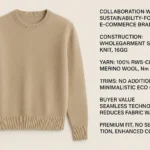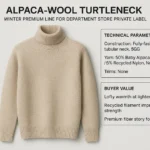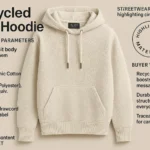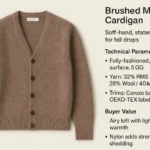

You want to start your fashion line, but you wonder, ‘tech pack vs sample: which comes first?’ The answer depends on what you want in fashion production. Think about how complex your design is, how much money you have, and what your manufacturer requires. Ask yourself these questions:
Is your design simple or does it have lots of details?
Will you be producing many pieces?
Does your manufacturer need clear instructions?
Key Takeaways
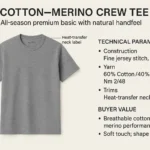
A tech pack is a very detailed plan for your clothing design. It has all the information your manufacturer needs.
Starting with a tech pack helps stop mistakes and confusion. This is very helpful for hard designs or big orders.
Samples let you see and try your design in real life. They are good for simple ideas or when you want to try something new.
Think about your budget. Samples cost less at first. Tech packs can help you save money by stopping big mistakes later.
Your skill level is important. If you are new, starting with a sample can help you learn how things work.
Different manufacturers want different things. Factories in other countries often need a tech pack. Local factories might take a sample instead.
Using a tech pack can help you make fewer samples. This saves you time and money.
Always keep your tech pack or sample up to date. This helps make sure your design changes are clear for smooth production.
Tech Pack vs Sample: Which Comes First?
You might wonder about the best way to start your fashion project. The question of tech pack vs sample: which comes first? pops up for almost every new designer. Let’s break down what each step means and why the order matters so much.
What Is a Tech Pack?
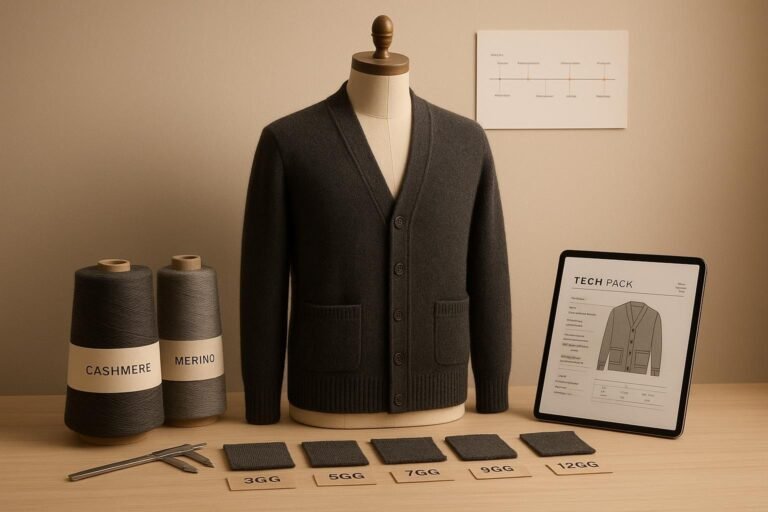
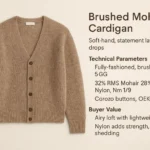
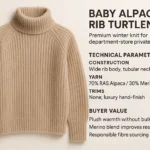
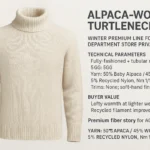
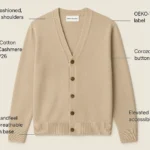
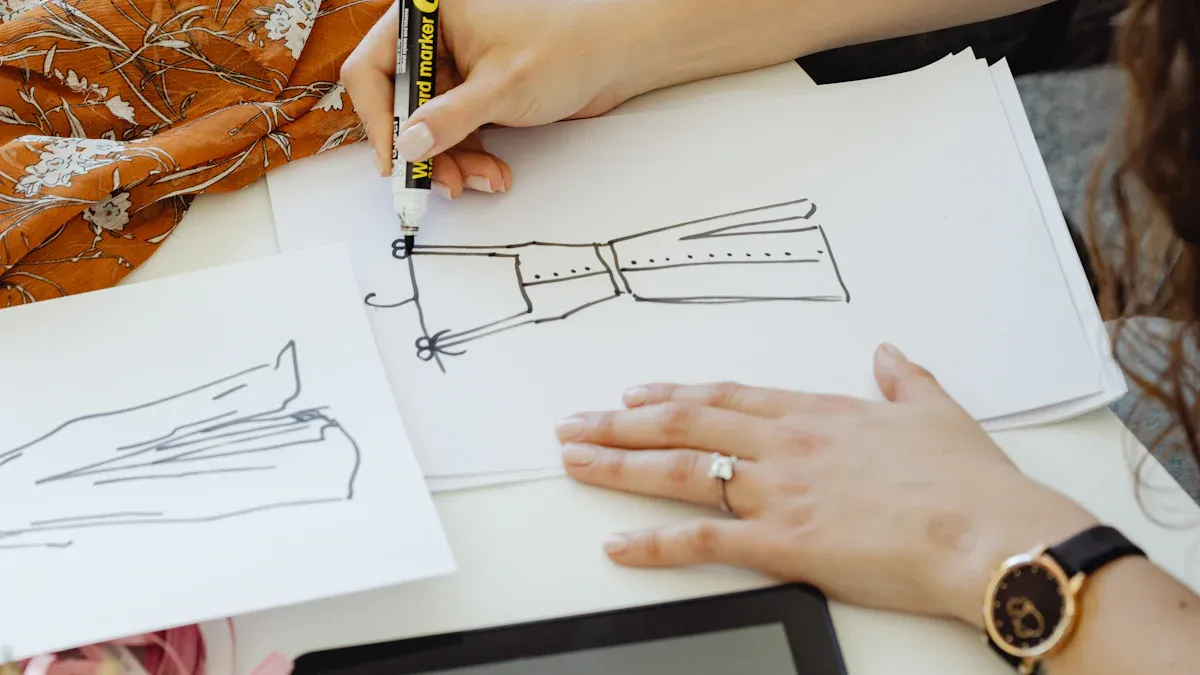
A tech pack is like a blueprint for your clothing idea. You use it to show every detail and all the specifications your manufacturer needs. Think of it as a set of instructions that covers everything from the fabric to the stitching. Industry experts say a tech pack is the master document for your production team. It includes all the specifications and design details, making sure your vision turns into a real product.
Here’s what you usually find in a tech pack:
Cover page with style name, date, and season
Technical sketches (front, back, and flat views)
Specification sheet with measurements and tolerances
Bill of materials listing every fabric, trim, and label
Construction details for stitching and finishing
Cost sheet to estimate expenses
Packaging and labeling instructions
You give this document to your manufacturer so they know exactly what you want. The tech pack vs sample: which comes first? debate often starts here because a tech pack sets the stage for clear communication and fewer mistakes.
What Is a Sample?
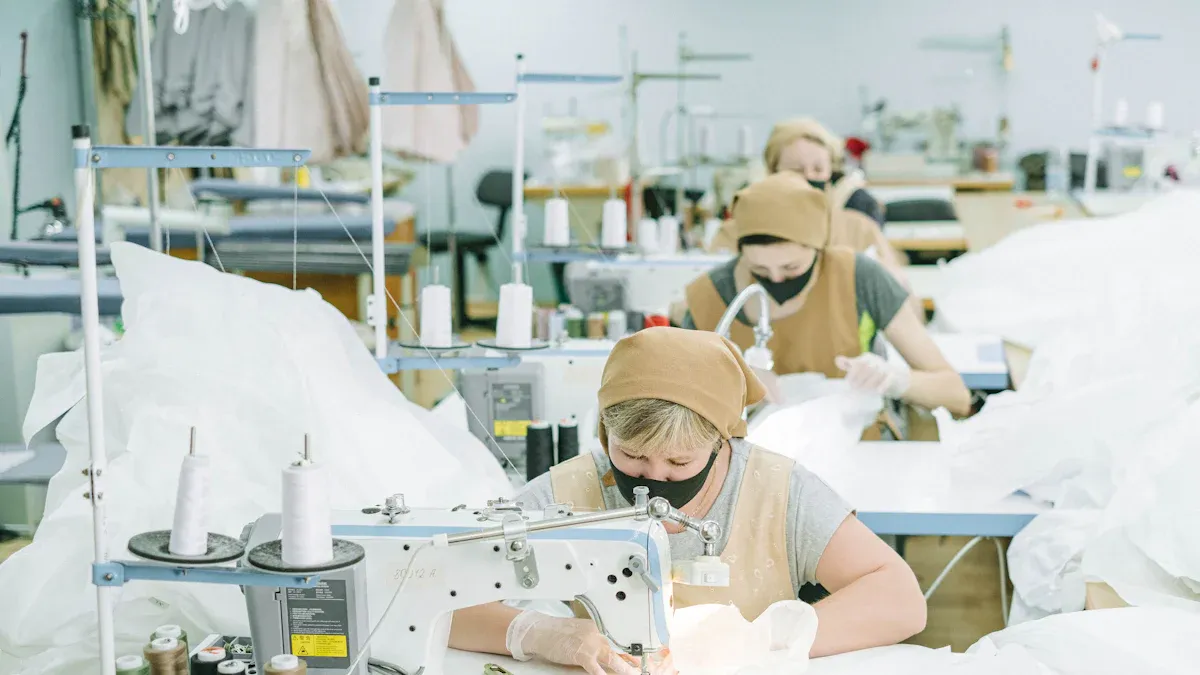
A sample is the first real version of your design. You use it to see how your idea looks and feels in real life. The process starts when you and your team decide on the color, size, and fabric. Next, you find the right materials. A pattern maker creates a pattern, and then a sample sewer puts it all together. After that, you check the fit and make changes if needed. Finally, you get a finished sample and a pattern ready for production.
Samples help you spot problems early. They let you test the fit, check the materials, and make sure everything matches your specifications. Here’s a quick look at what samples do for you:
Benefit/Principle | Description |
|---|---|
Quality Assurance | Sets the standard for all future pieces |
Clear Communication | Gives everyone a real example to follow |
Error Prevention | Helps you catch mistakes before mass production |
Efficient Production | Makes the next steps smoother |
Identifying Issues Early | Lets you fix design flaws before they become big problems |
Cost Efficiency | Saves money by solving issues before large-scale production starts |
The tech pack vs sample: which comes first? question matters because each step helps you avoid costly errors and keeps your project on track.
Why the Order Matters
Choosing the right order for tech pack vs sample: which comes first? can make or break your project. If you start with a tech pack, you give your manufacturer all the specifications up front. This reduces errors and keeps everyone on the same page. A tech pack acts as a contract, listing every detail from fabric choices to construction methods. It helps you avoid miscommunication, which can lead to delays and extra costs.
If you skip the tech pack and jump straight to a sample, you might face problems. Without clear specifications, your sample could turn out wrong. You may need to redo it, which wastes time and money. Starting with a tech pack means you set clear expectations and make sure your specifications are followed.
On the other hand, some designers like to see a sample first, especially if the design is simple. This can work, but you still need to check that the sample matches your specifications. No matter which path you choose, the order affects your production timeline, costs, and the final quality of your product.
So, tech pack vs sample: which comes first? The answer depends on your needs, but knowing the role of each step helps you make the best choice for your fashion line.
Key Factors in Your Decision
Design Complexity
Your design complexity shapes your first step in fashion production. If your idea has many layers, special trims, or unique construction, you need to spell out every detail. A tech pack helps you organize your design specifications so your manufacturer understands your vision. You want to avoid confusion and costly mistakes. For simple designs, you might feel comfortable starting with a sample. You can see the garment in person and make quick changes. When your design gets complicated, a tech pack becomes your best friend. It acts like a roadmap, guiding everyone involved and keeping your project on track.
Production Scale
How many pieces do you plan to make? Your answer matters. If you want to produce a large batch, you need clear instructions from the start. Factories rely on detailed documents to keep quality consistent. Without them, you might run into problems like:
Misaligned samples that don’t match your vision
Endless rounds of revisions that eat up time and money
Production delays while factories wait for clear instructions
Quality issues because finishing and construction vary
If you only need a few pieces, you can work closely with your manufacturer and adjust as you go. For big orders, a tech pack saves you headaches. It keeps everyone on the same page and helps you avoid costly errors.
Budget Considerations
Money plays a big role in your decision. You want to know what each step costs before you commit. Creating a tech pack usually costs between $300 and $1,000. Freelance technical designers may charge anywhere from $50 to $2,000+, but most fall in the $300-$1,000 range. Sample sewing costs depend on where you produce and how complex your design is. In America, a sample often costs $200 to $300. Overseas, you might pay $50 to $150 per sample. Here’s a quick look at the numbers:
Item | Cost Range |
|---|---|
Tech Pack | |
Sample (Domestic) | $200 – $300 |
Sample (Overseas) | $50 – $150 |
If you have a tight budget, starting with a sample might make sense. You can test your idea without spending too much. If you want to invest in a smooth process and avoid mistakes, a tech pack is worth the cost. Think about your goals and resources before you decide.
Experience Level
Your experience in fashion production affects your first step. If you are new, you might feel confused by all the details. Starting with a sample helps you learn by doing. You see your design become real and can make changes. This way, you find problems early and fix your ideas. You work with your pattern maker and sample sewer. You learn what works and what does not.
If you have more experience, you know what you want. You understand how to talk to manufacturers and suppliers. You know clear instructions are important. Making a tech pack first saves you time and money. You avoid mistakes and keep your project moving. You set the standard for your product and make sure everyone follows it.
Here’s a quick tip:
If you are new, ask questions. Many manufacturers will help you. They want your project to do well.
No matter your skill level, your experience helps you choose your first step. Trust yourself and use the help around you.
Manufacturer Requirements
Manufacturers have their own rules and ways of working. Some want a tech pack before they start. Others are fine with a sample or pattern. Your choice depends on where your manufacturer is and how they work.
Let’s compare USA and overseas manufacturers:
Requirement | USA Manufacturers | Overseas Manufacturers |
|---|---|---|
Tech Pack | Recommended | Required |
Detailed Specifications | Important | Essential |
Communication Standards | Varies | Universal |
Sample Submission | Optional | Mandatory |
If you work with a USA manufacturer, you might only need a sample and pattern. They often let you change things easily. You can talk to them and make changes quickly. Overseas manufacturers usually need a tech pack. They use detailed documents to avoid mistakes. They want everything explained before they begin.
Most manufacturers want these items:
Contact information
Material list
Product specifications
Sewing specifications
Sewing schedule
Technical drawings or photos
Sample photos
A tech pack should have flat sketches, a measurement chart, construction notes, a bill of materials, and packaging notes. These details help your manufacturer know your idea and make your design right.
If you want to work with overseas factories, make a tech pack first. If you work locally, ask your manufacturer what they need. Clear communication makes production easier and helps you avoid mistakes that cost money.
When to Start with a Tech Pack
Complex Designs
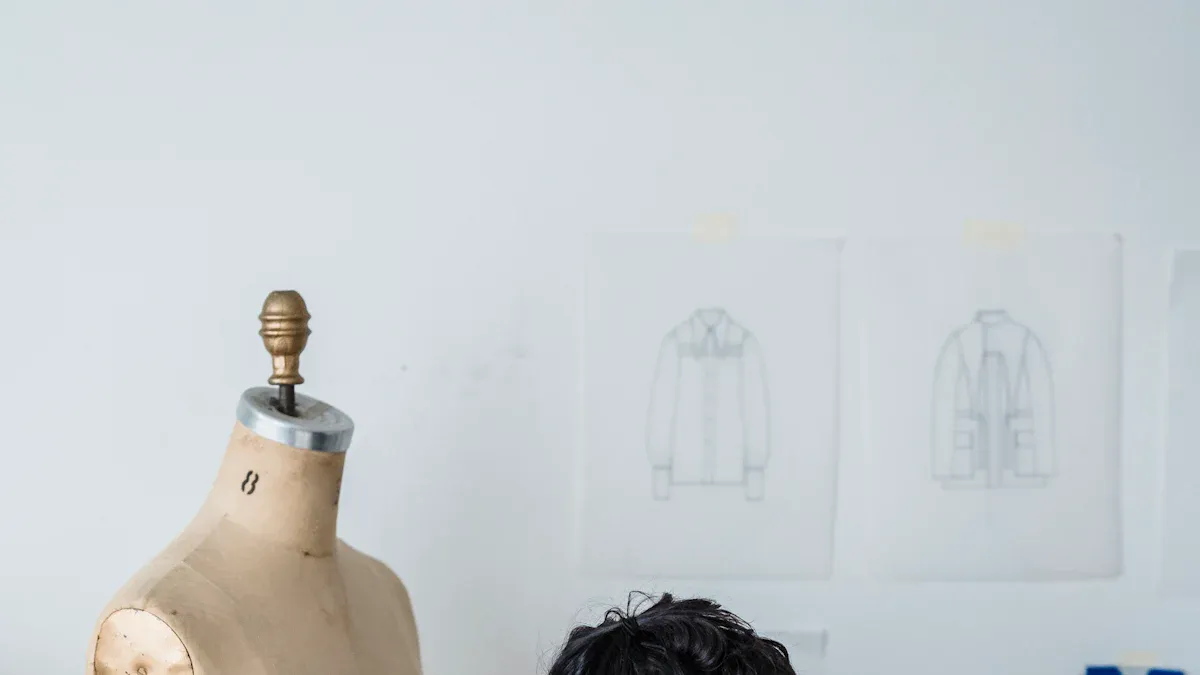
If your design has many layers or special trims, you need a tech pack. A tech pack is like a guide for your idea. It tells the manufacturer every detail they need. This helps stop confusion and saves money. If you go to a Cut Make Trim (CMT) factory without a tech pack, they may think you are not ready. Full Package Production (FPP) factories can help make a tech pack, but most want you to bring one.
When you make a tech pack for a complex design, you should include:
Technical design sketches
Colorways
Graded specification sheet
Point of measurements
Bill of materials
Fabric requirements chart
Construction details
Renderings and mockups
Labeling, folding, and packing information
A fashion tech pack gives your manufacturer all the details. You set clear rules. You make fewer mistakes. You save time and money. A detailed tech pack helps everyone see your idea. You get the product you want.
Tip: If your design is very detailed, always use a tech pack. It keeps your project on track and helps you look professional.
Large-Scale Production
If you want to make hundreds or thousands of pieces, you need everything to match. You want each item to be the same. This is when a tech pack is very important. A tech pack gives your factory a clear plan. You avoid confusion and too many questions.
Here is how a tech pack helps with large orders:
Aspect | Description |
|---|---|
Precision in Measurements | Makes sure all pieces are the same size and shape. |
Helps in Cost Estimation | Lists all materials and steps, so you can plan costs. |
Time Efficiency | Gives a clear plan, so production is faster and easier. |
Quality Assurance | Lists all details to keep quality high. |
Supplier Consistency | Makes sure all suppliers follow the same rules. |
Sustainability Integration | Lets you add eco-friendly materials and steps. |
Ease of Reordering | Keeps all info in one place for easy reorders. |
Legal Protection | Acts as a contract if there are problems. |
A clothing tech pack helps you keep quality high. You make fewer mistakes. You save money by not wasting materials. Tech packs make it easy to order more or change your design later. You protect your business with clear rules.
Overseas Manufacturing
If you want to work with a factory in another country, communication can be hard. You must give clear instructions. Overseas factories expect a tech pack. If you only send a sample, they might guess what you want. This can cause mistakes and cost more money.
When you send a tech pack, you get:
With a Tech Pack | Without a Tech Pack |
|---|---|
Clear details help make the right sample | Guessing can make the fit wrong |
More mistakes can happen | |
Faster production time | Mistakes can cost more money |
A detailed tech pack gives your overseas factory all the info they need. You get better samples. You avoid confusion. You speed up production. You lower the chance of mistakes. A fashion tech pack helps you build trust with your factory. You show you are serious about your work.
Note: Overseas factories need tech packs to avoid guessing. Always send a detailed tech pack for the best results.
A tech pack is the best tool for complex designs, big orders, and overseas factories. You set clear rules. You save time and money. You get the product you want.
Reducing Sample Iterations
Do you want to save time and money in fashion production? You should think about how many sample rounds you need. Every time you make a new sample, you spend more money and wait longer for your final product. If you use a tech pack, you can cut down on these sample rounds.
Let’s look at the numbers. Here’s a table that shows what happens when you use a tech pack compared to when you don’t:
Sampling Metric | Without Tech Pack | With Tech Pack |
|---|---|---|
Average Sample Rounds | 3.8 rounds | 1.7 rounds |
Sampling Timeline | 10-12 weeks | 4-6 weeks |
Sampling Costs | $1,500-$4,000 | $600-$1,500 |
First Sample Accuracy | 30-40% | 85-90% |
Revision Clarity | Low (subjective) | High (specific) |
You can see that using a tech pack means you get fewer sample rounds, spend less money, and finish faster. Your first sample is much more likely to match your design. You also give clear feedback, so your manufacturer knows exactly what to fix.
Here are some ways a tech pack helps you reduce sample iterations:
You answer fewer clarification questions during sample development.
You avoid measurement and construction errors.
You give clearer feedback, so revisions are accurate.
You approve samples faster because you have objective criteria.
You communicate better, even if your manufacturer speaks a different language.
When you use a tech pack, you set clear rules for your design. You tell your manufacturer what you want, so they don’t have to guess. This means you spend less time fixing mistakes and more time moving forward. Our data shows that projects with a tech pack finish sampling with 55% fewer rounds and 60% lower costs than projects with poor documentation.
If you want to get your product to market quickly, start with a tech pack. You will save money, avoid stress, and get the results you want. You make the process smoother for everyone involved.
When to Start with a Sample
Simple or Experimental Designs
You might want to start with a sample if your design is simple or you want to try something new. Many early-stage brands use this approach. You can see your idea come to life without spending a lot of time or money on detailed documents. If you like to experiment with colors, fabrics, or shapes, making a sample first lets you test your ideas quickly.
Check out this table to see why starting with a sample works well for simple or experimental designs:
Benefit | Description |
|---|---|
Efficiency | 3D digital sampling significantly reduces lead times for garment production, enhancing overall efficiency. |
Waste Reduction | Traditional sampling methods often result in 40% waste; 3D sampling minimizes this by allowing virtual adjustments. |
Enhanced Design Capabilities | Designers can experiment with various materials and colors digitally, ensuring better decision-making before physical production. |
You can use digital tools to create samples before making anything physical. This helps you save time and cut down on waste. You also get to play with different looks and materials. If you want to see how your fashion idea works in real life, a sample gives you a fast answer.
Tip: If you are not sure about your design, start with a sample. You can make changes and try new things without a big commitment.
Limited Budget
Money matters when you start a new project. If you have a small budget, making a sample first can help you save. You do not need to pay for a full tech pack right away. You can focus on getting your idea right before spending more.
Sample development costs less than creating a full tech pack. You can test your design, check the fit, and see if you like the materials. If you need to make changes, you can do it early. This way, you avoid spending money on mistakes later.
Many new brands choose to make a sample first. You get to see your product and decide if you want to move forward. If you like what you see, you can invest in more samples or start working on a tech pack for bigger orders.
Note: Making a sample first is a smart move if you want to keep costs low and learn as you go.
Local Manufacturer Flexibility
Working with a local manufacturer in the USA gives you more options. Many local factories let you start with a sample instead of a tech pack. They know that new brands may not have all the details ready. You can bring your pattern or even just an idea, and they will help you turn it into a real product.
Here are some ways local manufacturers support you when you start with a sample:
Local manufacturers offer prototyping or sample services to accommodate clients starting with a sample.
They assist in creating tech packs and allow testing of materials and fits before full production.
This flexibility is essential for startups lacking a complete tech pack initially.
You can visit the factory, talk to the team, and see your sample as it comes together. If you want to make changes, you can do it quickly. This hands-on approach helps you learn about the process and build a good relationship with your manufacturer.
Callout: Some USA manufacturers accept a pattern or sample before a tech pack. This makes it easier for you to start, even if you are new to fashion production.
Starting with a sample works best if you want to test your ideas, save money, or work closely with a local team. You get to see your product, make changes, and learn what works before you move to bigger steps.
Pros and Cons of Each Approach
Tech Pack Advantages
When you start with a tech pack, you set yourself up for a smoother ride in production. This document acts as your guide and keeps everyone on the same page. You get fewer surprises because you spell out every detail from the start. A tech pack helps you keep your quality high and your brand strong. You can trust that your product will match your vision.
Here’s a quick look at what you gain:
Advantage | Description |
|---|---|
You get garments made to your exact specifications, so mistakes are rare. | |
Enhances Communication | Everyone uses the same instructions, which means less confusion. |
Shortens Sampling Lead Times | You move faster from idea to finished product. |
Improves Cost Estimation | You know what you’ll spend before you start, so you avoid surprises. |
Maintains Quality Control | You keep your standards high throughout the process. |
Facilitates Better Planning | You can plan your schedule and resources more easily. |
A tech pack also helps you keep things consistent across different teams. You create a clear path for your design, which leads to faster turnarounds. This can make your brand more profitable and respected in the fashion world.
Tip: Use a tech pack if you want to avoid mistakes and keep your production running smoothly.
Sample First Advantages
Sometimes, you want to see your idea in real life before you dive into all the details. Starting with a sample lets you test your design quickly. You can touch the fabric, check the fit, and make changes on the spot. This approach works well if you want to experiment or if you have a tight budget.
Here’s how starting with a sample can help you:
Benefit | Description |
|---|---|
Brand Awareness | You show your product to people and build trust right away. |
Feedback Generation | You get instant feedback, so you know what works and what doesn’t. |
Increases Confidence | You show that you believe in your product, which makes others believe in it too. |
Exposure | You let people try your product, which can lead to more sales down the road. |
You can learn a lot from seeing your design as a real garment. Sampling first helps you fix problems early and gives you the confidence to move forward.
Note: Sampling first is a smart move if you want to test ideas or get feedback before making a big investment.
Drawbacks to Consider
Both approaches have some downsides. If you skip important details in your tech pack, you might face surprises during production. Missing information can cause errors or delays. Too many details can also confuse your team, so you need to find the right balance.
If you start with a sample and skip the tech pack, you might run into these problems:
The final product may not match what you expected.
You could end up making endless rounds of revisions, which costs time and money.
Factories might stop working until they get clear instructions.
Quality can suffer if you don’t give detailed construction notes.
A tech pack must include all the right details. If you leave things out, you risk mistakes and delays. On the other hand, starting with a sample can lead to confusion if you don’t follow up with clear documentation.
Callout: Always double-check your tech pack or sample instructions before you start production. Clear communication helps you avoid costly mistakes.
Quick Decision Checklist
Choosing between a tech pack and a sample first can feel confusing. You want to make the right move for your project. Here’s a quick checklist to help you decide with confidence.
Step-by-Step Guide
Is your design simple, or does it have lots of details?
If you see many layers, trims, or special features, you probably need a tech pack.
If your design is basic, you might start with a sample.
Think About Production Size
Are you making just a few pieces, or do you plan a big run?
For large orders, a tech pack keeps everything clear.
For small batches, a sample might be enough.
Check Your Budget
Do you want to save money at the start?
Sampling first costs less up front.
A tech pack helps you avoid mistakes that cost more later.
Consider Your Experience
Are you new to fashion production?
Sampling first lets you learn as you go.
If you know the process, a tech pack saves time.
Does your manufacturer need a tech pack?
Overseas factories almost always want one.
Local shops may work from a sample or pattern.
Tip: Write down your answers. You will see which path fits your project best.
Simple Flowchart
You can use this flowchart to make a fast decision. Just follow the arrows and answer each question.
Start
  |
  v
Is your design complex or detailed?
  |-- Yes --> Do you plan large-scale production?
  |             |-- Yes --> Are you working with an overseas manufacturer?
  |             |             |-- Yes --> Start with a tech pack.
  |             |             |-- No  --> Start with a tech pack.
  |             |-- No  --> Start with a tech pack.
  |-- No  --> Is your budget limited?
                |-- Yes --> Start with a sample.
                |-- No  --> Are you working with a local manufacturer?
                              |-- Yes --> Start with a sample.
                              |-- No  --> Start with a tech pack.
If you still feel unsure, talk to your manufacturer. They can guide you based on your needs and the fashion product you want to create.
This checklist and flowchart help you take the next step with confidence. You can move forward knowing you made the right choice for your brand.
Tips for a Smooth Start
Best Practices for Tech Packs
You want your tech pack to speak for you when you are not in the room. Clear communication with your manufacturer helps you avoid mistakes and keeps your production on track. Always double-check your details. Make sure every measurement, sketch, and note is correct. If you can, provide fabric and trim samples. This helps your factory match your vision.
Creating an efficient specification document relies on careful attention to detail and strong communication. The use of clear, concise language paired with visual aids is paramount to ensure that all specifications are precisely documented.
Here are some best practices to follow:
Create a table of contents so you and your factory can find information fast.
Gather all technical specifications, including flat sketches, measurements, colors, and materials.
Start with clear measurements and drawings to outline your garment ideas.
Keep your sketches simple and easy to read.
Label every seam, stitch, and closure.
Best Practice | Description |
|---|---|
Multiple Angles | Show front, back, side, and close-up views. |
Clear Annotations | Mark every design element and construction detail. |
Simplicity | Avoid clutter—make your sketches easy to follow. |
When you finish your tech pack, ask your manufacturer if they understand everything. Request a prototype or sample to catch any issues early.
Best Practices for Sampling
Sampling lets you see your design in real life before you move to full production. You want your sample to match your vision and fit your customer. Fit your garment on a model who looks like your target customer. Test your pattern more than once to get it right. Keep your tech pack updated and easy for the factory to read.
Fit your garment on a model that matches your customer.
Correct your pattern and test it until it works.
Keep your tech pack clear and current.
Add a grading chart for size changes.
Make a marker to use fabric wisely.
Give the factory a perfect sew-by sample.
Sampling helps you save time and money. You can spot problems and fix them before you start large-scale production. This step lets you check the fit, materials, and quality. You can make changes now instead of later.
Transitioning Between Steps
You might start with a sample, then move to a tech pack, or the other way around. The key is to keep your documents updated. If you change your design during sampling, update your tech pack right away. This keeps your production smooth and avoids confusion.
Tip: Always talk with your manufacturer when you make changes. Good communication helps you avoid mistakes and keeps your project on track.
When you finish your sample and feel happy with it, use what you learned to improve your tech pack. This way, your factory has the latest information. You set yourself up for a successful fashion launch.
You now know how to pick between a tech pack and a sample first. Think about your design, your goals, and what your manufacturer needs. Use the checklist and tips to guide your choice.
Complex designs or big orders? Start with a tech pack.
Simple ideas or small budgets? Try a sample first.
Ready to take the next step? Make your decision and move your fashion project forward with confidence!
FAQ
What if my manufacturer asks for both a tech pack and a sample?
You might need to provide both. Many manufacturers want a tech pack for details and a sample for reference. This helps them understand your vision and reduces mistakes.
Can I make changes after sending a tech pack or sample?
Yes, you can. Just let your manufacturer know about updates. Always keep your tech pack or sample current. Clear communication helps you avoid confusion.
Do I need a tech pack for every style?
You should create a tech pack for each style. Every design has unique details. A separate tech pack keeps your instructions clear and organized.
How do I know if my tech pack is complete?
Check that you included all measurements, materials, sketches, and instructions. Ask your manufacturer if they have questions. If they understand everything, your tech pack is likely complete.
Is digital sampling a good option for beginners?
Yes! Digital samples let you test ideas quickly. You save time and money. You can see your design in 3D before making a physical sample.
What happens if my sample does not match my tech pack?
If your sample does not match, review both documents. Look for missing or unclear details. Talk with your manufacturer to fix the problem before moving forward.
Can I use the same tech pack for different factories?
You can, but check each factory’s requirements. Some may want extra details. Always review your tech pack with each new manufacturer.