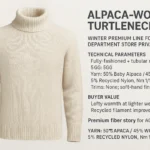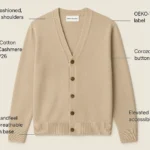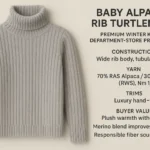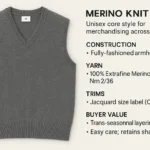

You want clothes and home fabrics that feel really nice. Here are the top 15 soft and lightweight fabrics for 2025: cotton, bamboo, silk, modal, rayon, cashmere, linen, Tencel, fleece, velvet, microfiber, jersey, chiffon, satin, wool, and new choices like hemp and recycled polyester. Each fabric is special. Some keep you cool. Others feel gentle on your skin. A few even help the environment. Soft and lightweight fabrics are important. They stop your skin from getting irritated. They also let your skin breathe. If you know what makes each fabric different, you can pick what feels best for you and your home.
Key Takeaways
Soft and lightweight fabrics like cotton, bamboo, and silk feel nice. They let your skin breathe. They help stop your skin from getting irritated.
Picking the right fabric can make you more comfortable every day. Choose materials that let air pass through. These fabrics change with the temperature.
Eco-friendly choices like Tencel and bamboo feel good to wear. They also help the planet. They use less water and energy.
Taking care of fabrics is important to keep them soft. Always wash them in cold water. Follow special care tips for each fabric.
Mixing different soft fabrics in your clothes gives comfort and style. You can enjoy the best parts of each fabric.
Why Choose Comfortable Fabrics
Comfort Factors
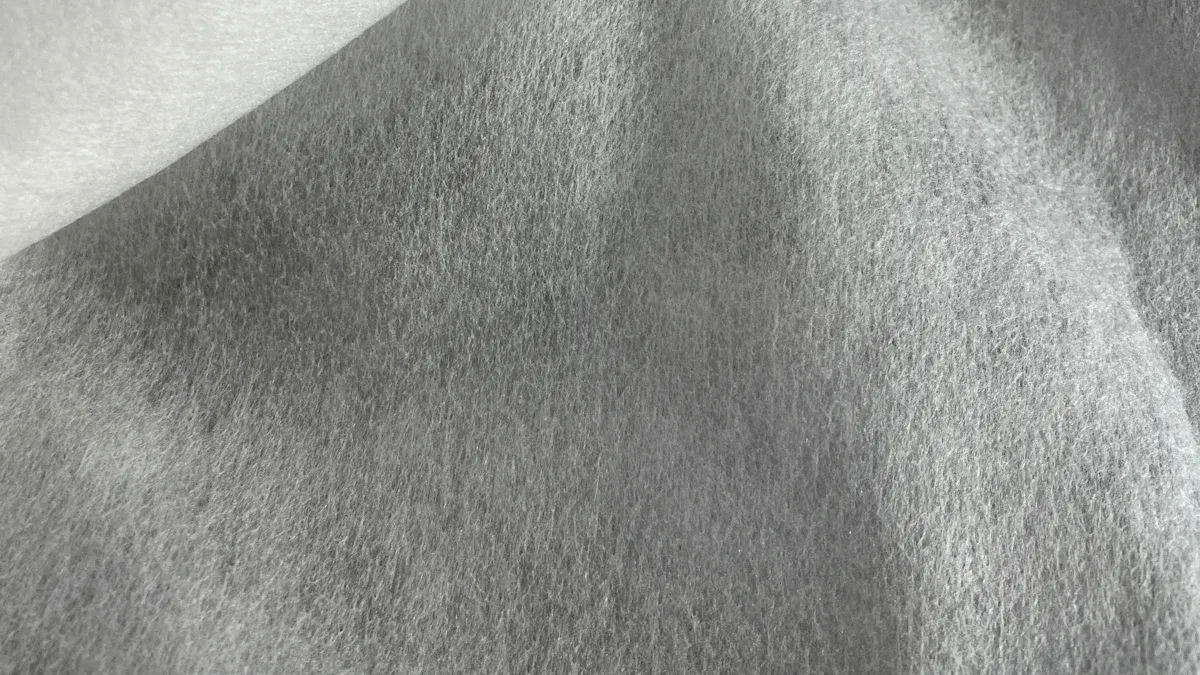
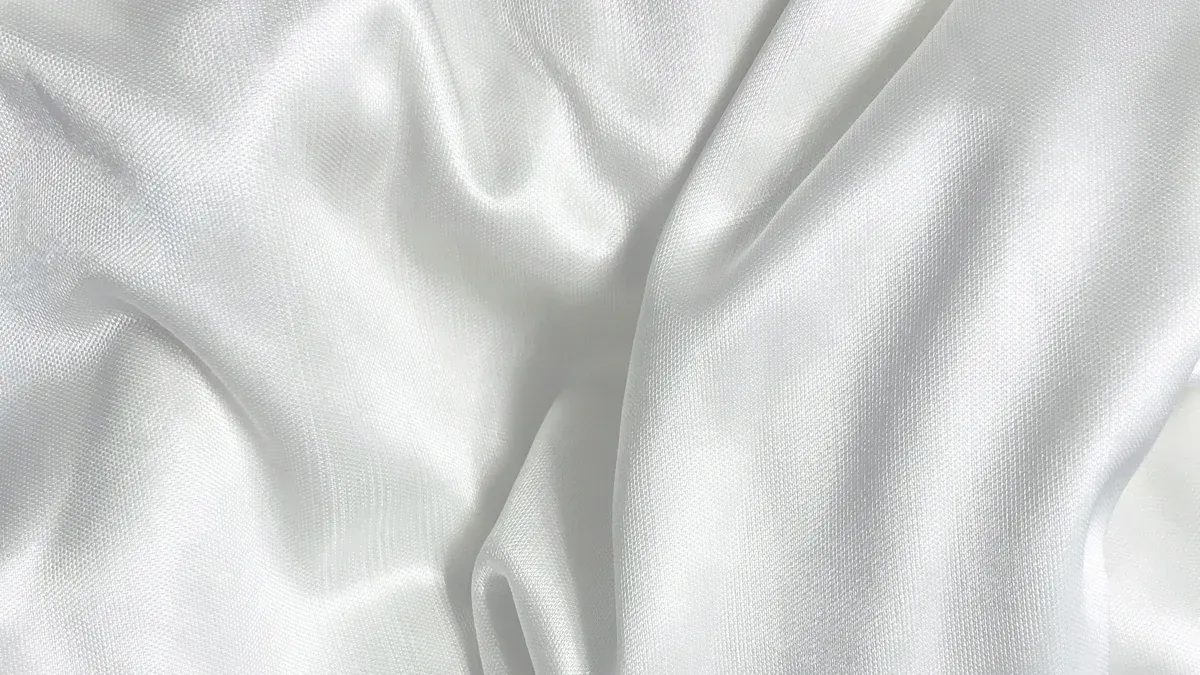
You know that feeling when you slip into your favorite shirt or wrap up in a soft blanket? That’s the magic of comfortable fabrics. These materials make a big difference in how you feel every day. When you pick lightweight and soft fabrics, you help your skin breathe and avoid irritation. You also stay cool or warm, depending on what you need.
Textile experts look at several things when they talk about comfort. Here are some of the main factors:
1. Thermal comfort – You want your body to stay at a good temperature, not too hot or cold. 2. Sensorial comfort – The fabric should feel nice when it touches your skin. 3. Body movement comfort – You need to move easily, whether you’re wearing shirts, pants, or dresses.
Soft, breathable materials like cotton, bamboo, and modal feel soothing, especially if you have sensitive skin. Natural fabrics can help lower stress by keeping your body temperature steady and reducing itchiness.
Check out this table to see how certain fabric properties affect your comfort and well-being:
Property | Impact on Comfort and Well-being |
|---|---|
Hydrophilicity | Helps moisture evaporate, so you stay dry and comfy. |
Thermal Resistance | Keeps your body temperature just right. |
Negative Ions | Can boost your mood and make fabrics feel even better. |
Benefits for Home and Clothes
You want your home and your clothes to feel soft and cozy. Comfortable fabrics make your life easier and more enjoyable. They help you relax after a long day and keep you feeling fresh when you’re out and about.
Soft and lightweight fabrics make shirts, pants, and dresses easy to wear all day.
Lightweight materials let you move freely, so you never feel restricted.
Cotton lets air and water vapor move through, which keeps bedding and clothes fresh.
Rayon drapes well and feels smooth, perfect for dresses and shirts.
Satin feels cool and smooth, making it great for sleepwear and pillowcases.
Cashmere is super soft and warm, ideal for sweaters and blankets.
Many types of comfortable fabrics are also eco-friendly. Bamboo and Tencel come from plants and use less water. If you care about the planet, you can choose eco-friendly clothing materials for your shirts, pants, and dresses. These options help you stay comfortable and support a healthier world.
When you pick soft and lightweight fabrics, you get the benefits of comfortable fabrics in every part of your life. You feel better, move easier, and even help the environment.
Soft and Lightweight Fabrics List

Cotton
You see cotton in many places. This fabric is soft and light. It feels nice on your skin and keeps you cool. You can wear cotton clothes all day. Cotton is also good for bedding and towels. It works well for people with sensitive skin. You can wash cotton a lot, and it stays strong.
Here’s why many people like cotton:
Characteristic | Description |
|---|---|
Breathability | Cotton lets air move through, so you stay cool and comfy. |
Durability | Good cotton can handle many washes and wears. It stays strong over time. |
Absorbency | Cotton can soak up a lot of water, so it helps keep you dry. |
Softness | Cotton is soft, so it feels good to wear. |
Hypoallergenic | Cotton does not bother your skin, so it is good for babies and people with allergies. |
Care Tip:
Wash your soft cotton fabric in cold or warm water. Dry on low heat to keep it soft.
Bamboo
Bamboo fabric is very comfy. It feels super soft and is great for shirts, pants, and dresses. You get UV protection, breathability, and it keeps you dry. Bamboo fabric also stops bad smells because it fights bacteria.
UV Protection: Bamboo fabric blocks some sun rays, like sunscreen.
Buttery Soft Comfort: The long fibers make it feel smooth and soft.
Lightweight Breathability: Air moves through bamboo fabric, so you do not get sweaty.
Moisture-Wicking: It pulls sweat away from your skin, so you stay dry.
Prevents Odors and Bacteria: Bamboo keeps clothes fresh by stopping bacteria.
You can find bamboo fabric in clothes, sportswear, baby things, and nice bedding.
Care Tip:
Wash bamboo fabric in cold water. Hang it up or use low heat to dry.
Silk
Silk is known for being smooth and shiny. Many people love silk because it is soft and light. The special shape of silk fibers makes it shine and feel cool. Silk is great for dresses, shirts, scarves, and pillowcases. You can use silk at home to make things look fancy.
Silk fibers have a shape that makes them shine and feel smooth.
The fabric is very light, so it is comfy in many types of weather.
Silk feels soft and drapes nicely, which is why people like it.
Care Tip:
Hand wash silk in cold water. Use gentle soap and let it air dry.
Modal
Modal is a soft fabric that feels smooth like silk. You can wear modal shirts, pants, and dresses every day. Modal is stretchy and lets your skin breathe. It soaks up sweat better than cotton, so it is good for sports.
Modal feels very smooth and soft, almost like satin or silk.
It is stretchy and gentle, so it is comfy for daily wear and sports.
Modal soaks up more water than cotton, so you stay dry.
Care Tip:
Wash modal in cold water. Do not use high heat when drying.
Rayon/Viscose
Rayon (or viscose) is a popular soft fabric for clothes and home. It feels like silk and hangs nicely. Rayon lets air in and keeps you cool. It takes color well, so clothes look bright.
Softness and Comfort: Viscose feels soft like silk.
Drapability: It hangs well, so it looks nice in clothes.
Vibrancy of Colour: Viscose takes color well, so clothes are bright.
Breathability: It lets air in, so you stay cool.
Thermal Properties: It keeps you warm or cool as needed.
Durability and Care: You need to wash it carefully because it is not as strong as some other fabrics.
Care Tip:
Hand wash rayon in cold water. Lay it flat to dry so it does not stretch.
Cashmere
Cashmere is a fancy soft fabric. It feels warm and soft when you wear it. Cashmere comes from goat hair, so it is light and soft. You can wear cashmere for special days or when you want to feel cozy.
Care Tip:
Hand wash cashmere in cold water. Lay it flat to dry and do not twist it.
Linen
Linen is a light and soft fabric that feels cool. You can wear linen clothes when it is hot. Linen is also good for bedding and curtains. It is safe for sensitive skin and is good for the planet.
Benefits | Drawbacks |
|---|---|
Sustainable | Not stretchy |
Breathable | Costs more |
Durable | Hard to make |
Hypoallergenic | Dyeing can be bad for the earth |
Comfortable to wear | N/A |
Versatile | N/A |
Linen is good for the earth and breaks down naturally. You see linen in many types of clothes and home things.
Care Tip:
Wash linen in cold water. Air dry or use low heat to stop wrinkles.
Tencel
Tencel is one of the softest fabrics you can get. It is comfy, lets your skin breathe, and keeps you dry. Tencel is made from wood, so it is good for the earth. You can use Tencel for bedding too.
Feature | Description |
|---|---|
Made from Renewable Resources | Tencel comes from trees in safe forests. |
Low Water Usage | Tencel uses less water than cotton. |
Closed-Loop Production | Almost all the stuff used to make it gets reused. |
Biodegradable | Tencel breaks down and does not hurt the earth. |
Minimal Chemicals | It uses fewer and safer chemicals than other fabrics. |
Tencel is soft and smooth, so it feels nice.
It lets air in, so you do not get too hot.
It keeps your skin dry by moving sweat away.
Care Tip:
Wash Tencel in cold water. Hang it up or use low heat to dry.
Fleece
Fleece is a soft fabric that keeps you warm. You can wear fleece jackets, hoodies, and pants when it is cold. Fleece blankets help you stay cozy at home. Fleece is light and moves sweat away, so you stay dry.
Fleece is used for warm clothes like sweaters and jackets.
Fleece blankets are good for cold nights.
It is also used in outdoor gear like gloves and hats.
Fleece feels soft and is nice to wear.
It moves sweat off your skin, so it is good for sports.
Fleece keeps you warm but lets sweat out, so you do not get too hot.
Care Tip:
Wash fleece in cold water. Do not use high heat so it stays fluffy.
Velvet
Velvet is a soft and light fabric that feels rich and fancy. You can use velvet for clothes and home decor. Velvet on furniture and curtains makes rooms look nice and feel cozy. Velvet is one of the lightest fabrics for making spaces comfy.
Velvet is soft and plush, so it is nice for seats.
You can use velvet for many things like curtains and pillows.
Velvet on furniture makes rooms look special.
Velvet curtains make rooms feel warm and cozy.
Things like pillows and lampshades made from velvet look and feel nice.
Care Tip:
Clean velvet with a damp cloth. Use a soft brush to keep it smooth.
Microfiber
Microfiber is a soft fabric that feels smooth and light. You can use microfiber for clothes, bedding, and cleaning cloths. Microfiber dries fast and does not wrinkle much, so it is easy to care for. You get comfort and strong fabric in shirts, pants, and dresses.
Care Tip:
Wash microfiber in cold water. Dry on low heat.
Jersey
Jersey is a comfy fabric for everyday clothes. You can wear jersey shirts, pants, and dresses for work or play. Jersey is stretchy, soft, and lets air in. It moves sweat away, so you stay dry.
Quality | Description |
|---|---|
Stretchability | Jersey stretches, so it is comfy to wear. |
Softness | Jersey feels soft on your skin. |
Breathability | Jersey lets air in, so you stay cool. |
Moisture-wicking | Jersey moves sweat away, so you stay dry. |
Jersey is light and stretchy.
It is used for comfy clothes like t-shirts and dresses.
One side is smooth and the other is textured, so it is useful for many things.
Care Tip:
Wash jersey in cold water. Dry on low heat to keep it stretchy.
Chiffon
Chiffon is a light and soft fabric that feels airy. You can wear chiffon dresses and shirts for special days. Chiffon is also used for curtains and home decor. Its see-through look makes things look fancy.
Chiffon is light and lets air in, so it is good for clothes and home. Its see-through look is nice for flowy clothes and pretty curtains. Chiffon is comfy in summer and feels soft, so it is good for many uses.
Care Tip:
Hand wash chiffon in cold water. Hang it up to dry so it keeps its shape.
Satin
Satin is a soft fabric with a shiny, smooth top. You can wear satin dresses, shirts, and sleepwear for a fancy feel. Satin pillowcases and sheets feel cool and soft. Satin is made from silk or polyester, which changes how it feels.
Satin has a special weave that makes it soft.
The way it is made gives it a smooth top and light feel.
The fibers used, like silk or polyester, change how soft and light it is.
Long ago, satin was only made from silk. Now, it can be made from other fibers, which changes how it feels.
Care Tip:
Hand wash satin in cold water. Air dry to keep it shiny.
Wool
Wool is a soft and light fabric that keeps you warm. You can wear wool shirts, pants, and dresses when it is cool. Wool blankets help you sleep well. Wool is good for sensitive skin, especially superfine or merino wool.
Study | Findings |
|---|---|
Li et al., 1992 | Wool soaks up the most water, so it keeps you comfy. |
Fowler et al., 2019 | Merino wool helped people with eczema feel better. |
Su et al., 2017 | Superfine wool helped babies with eczema more than cotton. |
Kiyak et al., 2009 | Wool helped people with pain and sleep problems. |
Care Tip:
Hand wash wool in cold water. Lay it flat to dry and do not stretch it.
Tip: For the best comfort, mix these soft and light fabrics in your clothes and home. You get the good parts of each soft fabric and feel cozy every day.
Softest Fabric Comparison
Natural vs Synthetic
When you want soft fabric, you might wonder which is better. Some people like natural fabrics because they feel gentle. These fabrics let your skin breathe well. Synthetic fabrics, like microfiber or polyester, can feel soft too. But they often keep heat and sweat close to your skin.
Here’s a table that shows how these two types are different:
Feature | Natural Fabrics | Synthetic Fabrics |
|---|---|---|
Breathability | Excellent | Good to Fair |
Moisture Absorption | High | Low to Medium |
Durability | Good | Excellent |
Shape Retention | Fair | Excellent |
Cost | Higher | Lower |
Stain Resistance | Fair | Good |
Wrinkle Resistance | Poor to Fair | Excellent |
UV Protection | Variable | Often Enhanced |
You may see that natural fabrics like cotton, linen, and silk feel more comfy. They are good for people with sensitive skin. Synthetic fabrics last longer and keep their shape better. But they might not feel as cool or soft as natural ones. If you want the softest clothes, you will probably like natural fabrics best.
Tip: Try mixing soft fabrics in your closet. You get softness from natural fibers and easy care from synthetics.
Top Picks for Sensitive Skin
If your skin is sensitive, you should not wear rough fabrics. You also want to avoid clothes that make you sweaty. Doctors say you should pick natural fabrics like 100% cotton, linen, and silk. These fabrics pull sweat away and let your skin breathe. Synthetic fabrics like polyester and spandex can trap heat and make you itch.
You can also try new blends like LyoSilk. This fabric mixes silk and lyocell for extra comfort. It pulls sweat away and fights bacteria, so it is good for sensitive skin.
When you pick the softest fabric for clothes or bedding, think about how it feels. Natural fabrics are usually safest and most comfy. Many people with allergies or eczema feel better when they use these materials every day.
Fabric Features
What Makes Fabrics Soft and Lightweight
Have you ever wondered why some clothes feel so nice on your skin? The secret comes from the way soft material fabric is made. You get that gentle touch because of the fibers, the weave, and how the fabric lets air move through. When you pick a soft material fabric, you want it to feel smooth, light, and cool.
Here are some key features of comfortable fabrics:
Air permeability: This means the fabric lets air pass through. You stay cool and dry because your skin can breathe.
Water vapor permeability: This helps sweat move away from your body. You feel fresh, even on hot days.
Sensorial comfort: This is how soft and smooth the fabric feels when you touch it.
Warmness: Some soft material fabric feels cool, while others keep you warm.
Take a look at this table to see what makes soft material fabric stand out:
Property | Description |
|---|---|
Air Permeability | Lets air move through, so you feel less sweaty. |
Water Vapor Permeability | Moves sweat away, keeping you cool and dry. |
Sensorial Comfort Indices | Measures how soft and smooth the fabric feels. |
Warmness | Some fabrics feel cooler, which is great for summer. |
You can see why soft fabric materials are so popular for both clothes and bedding. They help you stay comfortable all day.
Key Differences
Not all soft material fabric is the same. You will notice differences in how they are made and how they feel. The fiber and the weave make a big difference. For example, natural fabrics like cotton and wool use plain weaves, which are tight and strong. These fabrics feel soft, last a long time, and are lightweight fabric choices for daily wear.
Here’s a quick table to show you the differences:
Fabric Type | Fiber Composition | Weave Structure | Characteristics |
|---|---|---|---|
Natural fibers (e.g., cotton, wool) | Tightly woven | Soft, strong, durable, lightweight, comfortable | |
Twill Weave | Various fibers | Diagonal pattern | Stretchy, comfortable, used in clothing and sportswear |
You might like plain weaves if you want a classic soft material fabric that feels gentle and lasts. Twill weaves give you more stretch, which is great for active clothes. When you choose natural fabrics, you get softness and breathability. If you want something stretchy, twill weaves are a good pick.
Tip: Always check the label to see what kind of weave and fiber your soft material fabric uses. This helps you pick the best one for your comfort.
How to Choose the Most Comfortable Fabric
Factors to Consider
You want to feel good in your clothes and at home. Picking comfortable fabrics makes a big difference. When you look for the softest material for clothes, think about how the fabric feels, how it breathes, and how long it lasts. Some fabrics, like bamboo fabric, help you stay cool and dry. Others, like wool, keep you warm when it gets cold.
Here’s a quick table to help you compare:
Feature | Description |
|---|---|
Softness | A gentle feel against the skin is non-negotiable. |
Breathability | Proper air circulation ensures fabrics remain fresh. |
Durability | High-quality fabrics retain their comfort even with regular use. |
Temperature Regulation | Materials like bamboo or wool adapt to seasonal changes. |
You should also think about where you will use the fabric. Cotton works well for busy spots, while velvet adds a cozy touch to special spaces. If you live in a hot place, linen or bamboo fabric keeps you cool. Wool or blended synthetics work better in cold weather. Always touch and feel a soft material fabric sample before you buy. This helps you know if it meets your comfort needs.
Tip: When choosing the best fabric, check if it is natural, synthetic, or a blend. Natural fabrics like cotton and bamboo fabric are gentle on skin. Blends can give you extra stretch or strength. Look for sustainable options if you care about the planet.
Matching Fabrics to Clothes and Home
You want your shirts, pants, and dresses to feel soft and light. For everyday shirts and pants, pick soft material fabric like cotton or bamboo fabric. These fabrics let your skin breathe and keep you comfy all day. For dresses, try lightweight fabric like chiffon or modal for a flowy feel.
At home, use soft material fabric for bedding and blankets. Bamboo fabric sheets feel cool and smooth. Velvet or fleece adds warmth to your living room. You can match different fabrics to each space. For example, use linen for curtains and soft material fabric for pillow covers.
Scientists use special tools to match fabrics to their best uses. This helps you get the right fabric for each job. When you know how to choose the most comfortable fabric, you enjoy better comfort in every part of your life.
Note: Choosing the best fabric means thinking about comfort, how you use it, and what feels good on your skin. Try different soft material fabric types to find what works for your shirts, pants, and dresses.
Care Tips for Comfortable Fabrics
Washing and Drying
You want your comfortable fabrics to last and feel soft every time you use them. The way you wash and dry these materials makes a big difference. Always check the care label first. For delicate fabrics like silk, hand wash in cold water and let them air dry. Never put silk in the dryer. If you need to iron silk, use the lowest setting and iron on the inside while it’s still a little damp.
Chiffon, cashmere, and wool also need gentle care. Hand wash them in cold water with a mild detergent. Don’t twist or wring these fabrics. For wool, lay it flat to dry so it keeps its shape. Satin, modal, rayon, and viscose do best with hand washing in cold water. Air dry them or use the lowest dryer setting if you must.
Here’s a quick table to help you remember:
Fabric | Wash Method | Drying Method |
|---|---|---|
Silk | Hand wash cold | Air dry only |
Wool | Hand wash cold | Lay flat to dry |
Cashmere | Hand wash cold | Lay flat to dry |
Rayon | Hand/machine cold | Air dry/low heat |
Chiffon | Hand wash cold | Hang to dry |
Tip: Always use a gentle detergent and avoid hot water to keep your comfortable fabrics looking and feeling their best.
Preserving Softness
You want your favorite clothes and bedding to stay soft wash after wash. Try adding fabric softener during the rinse cycle. This helps keep the fibers smooth and adds a fresh scent. For an extra boost, pour half a cup of baking soda into the rinse cycle. Baking soda breaks down any residue and leaves your fabrics feeling softer.
Washing on a gentle cycle with cold or lukewarm water helps preserve softness. Dry your items on low heat or let them air dry to prevent stiffness. You can also use a cup of white vinegar in the final rinse. Vinegar naturally softens fabric and removes leftover detergent.
Note: Caring for comfortable fabrics the right way means you get to enjoy their softness and comfort for a long time. A little extra care goes a long way!
Fabric Comparison
Summary Table
This guide showed you many soft and light fabrics. Now, you might want to see how they compare. The table below lets you check their main features quickly. You can find out which ones are best for breathability, softness, or being good for the earth.
Fabric | Softness | Breathability | Durability | Eco-Friendly | Best For | Care Level |
|---|---|---|---|---|---|---|
Cotton | ⭐⭐⭐⭐ | ⭐⭐⭐⭐ | ⭐⭐⭐⭐ | ⭐⭐⭐ | Everyday wear, bedding | Easy |
Bamboo | ⭐⭐⭐⭐⭐ | ⭐⭐⭐⭐⭐ | ⭐⭐⭐⭐ | ⭐⭐⭐⭐⭐ | Sensitive skin, bedding | Easy |
Silk | ⭐⭐⭐⭐⭐ | ⭐⭐⭐⭐ | ⭐⭐⭐ | ⭐⭐⭐ | Luxury, sleepwear | Moderate |
Modal | ⭐⭐⭐⭐⭐ | ⭐⭐⭐⭐⭐ | ⭐⭐⭐⭐ | ⭐⭐⭐⭐ | Activewear, underwear | Easy |
Rayon | ⭐⭐⭐⭐ | ⭐⭐⭐⭐ | ⭐⭐⭐ | ⭐⭐⭐ | Dresses, shirts | Moderate |
Cashmere | ⭐⭐⭐⭐⭐ | ⭐⭐⭐ | ⭐⭐⭐ | ⭐⭐⭐ | Sweaters, blankets | Moderate |
Linen | ⭐⭐⭐ | ⭐⭐⭐⭐⭐ | ⭐⭐⭐⭐ | ⭐⭐⭐⭐⭐ | Summer wear, bedding | Easy |
Tencel | ⭐⭐⭐⭐⭐ | ⭐⭐⭐⭐⭐ | ⭐⭐⭐⭐ | ⭐⭐⭐⭐⭐ | Bedding, shirts | Easy |
Fleece | ⭐⭐⭐⭐ | ⭐⭐⭐ | ⭐⭐⭐⭐ | ⭐⭐⭐ | Jackets, blankets | Easy |
Velvet | ⭐⭐⭐⭐⭐ | ⭐⭐ | ⭐⭐⭐ | ⭐⭐ | Home decor, dresses | Moderate |
Microfiber | ⭐⭐⭐⭐ | ⭐⭐⭐ | ⭐⭐⭐⭐⭐ | ⭐⭐ | Cleaning, bedding | Easy |
Jersey | ⭐⭐⭐⭐ | ⭐⭐⭐⭐ | ⭐⭐⭐⭐ | ⭐⭐⭐ | T-shirts, dresses | Easy |
Chiffon | ⭐⭐⭐ | ⭐⭐⭐⭐ | ⭐⭐ | ⭐⭐ | Dresses, curtains | Moderate |
Satin | ⭐⭐⭐⭐⭐ | ⭐⭐⭐ | ⭐⭐⭐ | ⭐⭐ | Sleepwear, pillowcases | Moderate |
Wool | ⭐⭐⭐⭐ | ⭐⭐⭐ | ⭐⭐⭐⭐⭐ | ⭐⭐⭐ | Sweaters, blankets | Moderate |
Tip: Want the softest fabric? Try bamboo, silk, or cashmere. For hot days, linen and Tencel help you stay cool. If you want easy care, cotton, jersey, and microfiber are good choices.
Use this table to help you pick the right fabric. Think about what is most important to you. Do you want softness, breathability, or easy care? This way, you can always choose the best fabric for your clothes and home.
You want your clothes and home to feel good every day. Picking comfortable fabrics helps you stay cool, look great, and enjoy your space. When you know how each fabric works, you can choose what fits your style and needs. Remember to care for your comfortable fabrics so they last longer. Try eco-friendly options like modal, hemp, or organic cotton. These choices use less water and energy, making your clothes and home better for you and the planet. Enjoy comfort and style with every fabric you pick!
FAQ
What is the softest fabric for sensitive skin?
You will love bamboo and cotton if you have sensitive skin. These fabrics feel gentle and smooth. They let your skin breathe and help prevent itching. Many people with allergies choose them for clothes and bedding.
How do I keep my soft fabrics from shrinking?
Wash your soft fabrics in cold water. Use a gentle cycle. Dry them on low heat or hang them up. Always check the care label first. This helps your clothes stay the right size and feel soft.
Can I mix different soft fabrics in one outfit?
Yes! You can mix cotton, bamboo, or modal for a comfy outfit. Try a cotton shirt with a modal skirt. Mixing fabrics gives you the best of both worlds—softness and style.
Which lightweight fabric is best for hot weather?
Linen and Tencel work great in hot weather. They let air flow and keep you cool. You will feel fresh all day. These fabrics also dry quickly if you sweat.
Are any soft fabrics eco-friendly?
Many soft fabrics are eco-friendly!
Bamboo, Tencel, and organic cotton use less water and fewer chemicals. You help the planet when you choose these options for your clothes and home.