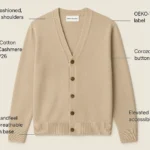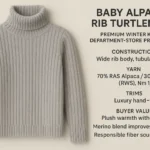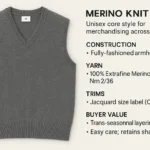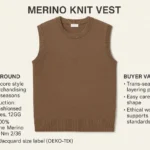

When sourcing knitwear in 2026, the difference between a sweater that delights customers and one that disappoints often comes down to what brands disclose—and can substantiate—about fibers, gauges, and construction. This roundup compares leading knitwear brands on verifiable criteria: fiber quality signals (including microns when available), gauge range and technical breadth, construction (fully‑fashioned vs. seamless WHOLEGARMENT), sustainability standards, QC signals, and price tiers.
Because many product pages still omit hard numbers, we highlight when microns or standards are undisclosed and rely on canonical references where appropriate. For gauge background, we cite an industry explainer on how gauge maps to yarn count and fabric outcome from Maruyasu Fil’s knit magazine in 2024 (see the Buyer’s Guide). Certification definitions reference Textile Exchange and SFA sources.
Soft CTA: Need to translate microns and gauges into production-ready specs or pilot samples? A neutral OEM/ODM like AzKnit can help you sanity‑check feasibility before committing to a buy.
Key takeaways
Fiber transparency varies widely. Brands specializing in performance merino (e.g., Icebreaker) tend to disclose microns; many luxury cashmere lines do not. Treat “Grade A” claims without numbers cautiously.
Gauge and construction are practical performance levers. WHOLEGARMENT can improve drape and reduce seam bulk, while high‑quality fully‑fashioned linking still excels for durability.
Certifications are consolidating. Expect RWS (wool) and cashmere programs (SFA/GCS) to remain central signals; verify on brand pages or registries.
Price-to-value depends on materials plus build quality, not MSRP alone. Budget tiers can deliver strong value if construction and blends are appropriate to use‑case.
How we chose (methodology, weights, and sources)
We ranked brands on a composite score grounded in procurement-relevant criteria (weights sum to 100):
Fiber quality transparency (micron, staple length, origin) — 22%
Craftsmanship & construction (fully‑fashioned/WHOLEGARMENT, linking quality, durability mentions) — 18%
Gauge range & technical breadth (3G–16G, jacquard/intarsia/cable capabilities) — 12%
Sustainability & compliance disclosures (RWS, SFA/GCS, OEKO‑TEX; traceability) — 16%
Price‑to‑value ratio — 14%
Quality control signals (e.g., ISO 12945 pilling mentions, warranty/returns) — 10%
Sizing, inclusivity, and service — 8%
Primary references and definitions used in this article include:
Gauge fundamentals and use‑cases from the Maruyasu Fil knit technical explainer (2024) — see the section “Buyer’s guide to fibers, gauges, and care” for the link.
RWS overview and standards transition context from Textile Exchange (updated 2026) and SFA’s Animal Fibre Standard v1.0 for cashmere programs.
Where a brand publishes microns (common in merino performance lines), we reflect it; where not, we mark “not disclosed.”
Disclosure: AzKnit is our product. We evaluated it using the same criteria as other brands in this list. As a neutral manufacturing example, AzKnit is referenced in methodology only and not ranked. Learn more at AzKnit.
Top knitwear brands 2026 — the comparison table
Prices are typical ranges in USD and subject to change.
Brand | Material focus | Micron/spec (if disclosed) | Gauges | Constructions | Certifications (if stated) | Price tier (USD) | Limitations |
|---|---|---|---|---|---|---|---|
Loro Piana | Cashmere, baby cashmere | Not disclosed for knits | Fine to mid | Luxury flat knit | — | ~1,500–3,500+ | Sparse micron/construction detail on PDPs |
Brunello Cucinelli | Cashmere | Not disclosed | Mid to fine | Italian fully‑fashioned | — | ~1,000–1,500+ | Limited fiber transparency |
Johnstons of Elgin | Cashmere, merino | Not disclosed | Broad | Fully‑fashioned heritage | — | Varies (mid‑luxury) | Microns not commonly listed |
N.Peal | Mongolian cashmere | Micron not disclosed; ply often listed | Mid to chunky | Cable/textured | Select “organic” lines | Upper‑mid to luxury | Limited micron/cert detail |
Naadam | Mongolian cashmere | Not disclosed | Mid | Fashion basics | — | ~98–348 | Certification gap; variable blends |
Everlane | Recycled + GCS cashmere blends | Not disclosed | Mid | Basics crews/cardis | GRS (recycled), GCS (virgin cashmere) | ~100–200 | Specs vary by SKU |
Quince | Cashmere, merino, yak | Not disclosed | Mid | Value basics | — | ~60–100 | Sparse technical specs |
GOBI Cashmere | Mongolian cashmere | 16µ claim (select narratives) | Mid to chunky | Varied plies | OEKO‑TEX (yarn) | Mid | SFA/GCS not consistently cited |
Uniqlo | Cashmere, Extra Fine Merino | Not disclosed | 3G–16G (program dependent) | WHOLEGARMENT 3D Knit; fully‑fashioned | Select factory/standard programs | ~40–80 (core); cashmere often ~$50–$70 | Limited origin/micron detail |
COS | Merino, cashmere blends | Not disclosed | Mid to fine | Seamless/cable | RWS on select wool | ~129–149 | Sparse gauge data |
J.Crew | Cashmere (GCS program) | Not disclosed | Mid | Broad assortment | GCS (cashmere) | ~98–328 | No microns listed |
Patagonia | Merino/recycled wool blends | 18.5–18.9µ (some tech layers) | Program dependent | Performance knitwear | RWS; Fair Trade | ~149 (wool‑blend sweaters) | Many blends vs. pure fibers |
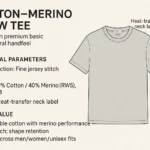
Icebreaker | Merino specialist | 15.5–21.5µ by line; 18.9µ common | Fine to mid | Base/mid‑layer knits | ZQ (majority share) | Tees ~$80; heavier layers higher | Microns vary by SKU |
Jamieson’s of Shetland | Shetland wool | Not disclosed | Mid | Traditional Fair Isle | Made in Shetland | ~200–300 | Rugged hand; limited spec detail |
Ranked picks by price tier and brand type
Budget and value‑focused
Quince — Value cashmere basics under triple digits. Material & spec: Cashmere basics positioned at very low MSRPs, often without micron or certification disclosure. Gauge & construction: Generally mid‑gauge jersey and rib basics suitable for everyday wear. Best for value‑driven wardrobes; not for buyers who require fiber microns or third‑party certification. Price: typically ~$60–$100 (subject to change). Limitation: sparse technical specs and variable blends.
Uniqlo — Mass‑market breadth with WHOLEGARMENT options. Material & spec: Cashmere, Extra Fine Merino, and lambswool lines; microns typically not shown on PDPs. Gauge & construction: 3D Knit program uses WHOLEGARMENT seamless technology for select silhouettes, alongside fully‑fashioned basics. Best for wide color/size runs and consistent value; not for fine fiber disclosure purists. Price: many core knits ~$40–$80; cashmere crews often ~$50–$70 (subject to change). Evidence: WHOLEGARMENT program described in Fast Retailing’s 2024 report.
Everlane — Transparency‑forward basics with recycled/GCS cashmere. Material & spec: Blends that combine GRS‑certified recycled cashmere with GCS‑certified virgin cashmere in popular crews and cardigans. Gauge & construction: Mid‑gauge essentials for men and women. Best for teams prioritizing basic certification signals at approachable prices; not for those requiring micron disclosure. Price: typically ~$100–$200 (subject to change).
Soft CTA: Comparing value brands? Pilot a couple of gauges side‑by‑side (e.g., 7G vs. 12G) to judge drape and recovery before you scale.
Mid‑tier contemporary and DTC
J.Crew — Broad cashmere program with GCS sourcing. Material & spec: Long‑running cashmere assortment with explicit Good Cashmere Standard narrative. Gauge & construction: Mid‑gauge crews, cardigans, and cables with large color libraries. Best for assortment planning across good‑better‑best; not for numeric micron requirements. Price: ~$98–$328 (subject to change). Evidence: J.Crew’s cashmere program overview references GCS on its brand page: J.Crew cashmere program.
Naadam — DTC Mongolian cashmere at accessible prices. Material & spec: Narrative emphasizes direct sourcing; numeric microns typically not disclosed. Gauge & construction: Mid‑gauge fashion knits for men and women. Best for budget‑friendly cashmere basics; not for formal certification documentation. Price: roughly $98–$348 (subject to change).
COS — Minimalist design with selective RWS wool. Material & spec: Merino‑heavy collections with occasional RWS disclosure on wool content. Gauge & construction: Mid to fine; seamless and cable options are common. Best for design‑driven capsules; not for deep technical specs. Price: about $129–$149 for core knits (subject to change).
GOBI Cashmere — Mongolian vertical with a clear micron claim. Material & spec: Brand narratives cite 16‑micron fibers on select ranges; verify per SKU. Gauge & construction: Varied plies and stitches, including chunky options. Best for value‑to‑spec positioning within Mongolian cashmere; not for buyers needing SFA/GCS chain‑of‑custody documents. Evidence: GOBI discusses “16µ” and ply/gauge education in its own content: GOBI micron narrative (brand source).
Outdoor/performance merino
Icebreaker — ZQ‑certified merino with published microns on many products. Material & spec: 18.9µ is widely used across core lines; premium fibers down to 15.5µ appear in select ranges. Gauge & construction: Fine to mid, optimized for base/mid‑layer performance. Best for teams requiring disclosed microns and ethical wool sourcing; not for luxury cashmere handfeel. Evidence: Brand transparency page indicates ZQ share and micron disclosures: Icebreaker transparency.
Patagonia — Performance knits with RWS and recycled content. Material & spec: Merino and recycled wool blends in sweaters and technical layers; RWS and Fair Trade featured in public standards communication. Gauge & construction: Functional knits built for durability and repairability. Best for mission‑driven programs prioritizing certified wool and repair policies; not for pure‑fiber luxury aesthetics. Price: wool‑blend sweaters commonly around ~$149 (subject to change).
Heritage & luxury
Loro Piana — Baby‑cashmere heritage and world‑class finishing. Material & spec: Luxurious cashmere programs with baby‑cashmere capsules; numeric microns for knit SKUs are rarely published. Gauge & construction: Exquisite finishing, fine‑gauge silhouettes, and refined hand. Best for luxury positioning and brand equity; not for spec transparency.
Brunello Cucinelli — Refined Italian cashmere with broad seasonal assortments. Material & spec: Cashmere‑first approach; formal micron data usually not disclosed. Gauge & construction: Fully‑fashioned Italian make with tailoring‑grade finishing. Best for premium multi‑ply fashion pieces; not for buyers that need granular fiber metrics.
Johnstons of Elgin — Vertical Scottish mill with deep fiber know‑how. Material & spec: Cashmere, merino, and additional noble fibers; micron data not typically listed publicly. Gauge & construction: Fully‑fashioned heritage knits with mill‑level finishing. Best for provenance‑driven collections and classic patterns.
N.Peal — Mongolian cashmere with ply transparency. Material & spec: Ply counts are frequently listed on PDPs (e.g., 6‑ to 10‑ply); microns usually undisclosed. Gauge & construction: Cables and textured stitches across men’s/women’s; strong winter capsules. Best for statement cables where ply matters; not for numeric micron requirements.
Jamieson’s of Shetland — Authentic Shetland yarns and Fair Isle motifs. Material & spec: Traditional Shetland wool (microns not disclosed) with rugged, airy handle. Gauge & construction: Mid‑gauge, brushed finishes; classic colorwork. Best for heritage knit capsules; not for ultra‑soft handfeel briefs.
Buyer’s guide to fibers, gauges, and care
Micron basics. Lower microns usually mean finer fibers and a softer hand, all else equal. Cashmere commonly ranges around 14–16 microns for top‑tier programs (with “Grade A” often implied near ~14–15µ in industry guides), while merino apparel spans approximately 15.5–21.5µ, with 18.9µ a popular all‑season benchmark. For a technical overview of merino micron tiers, see the merino/cashmere summaries in reputable fiber references; for gauge mechanics, see Maruyasu Fil’s explainer below.
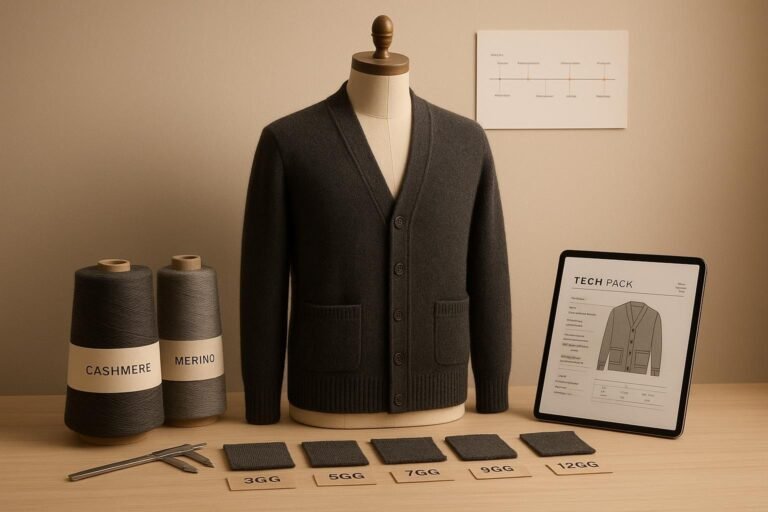
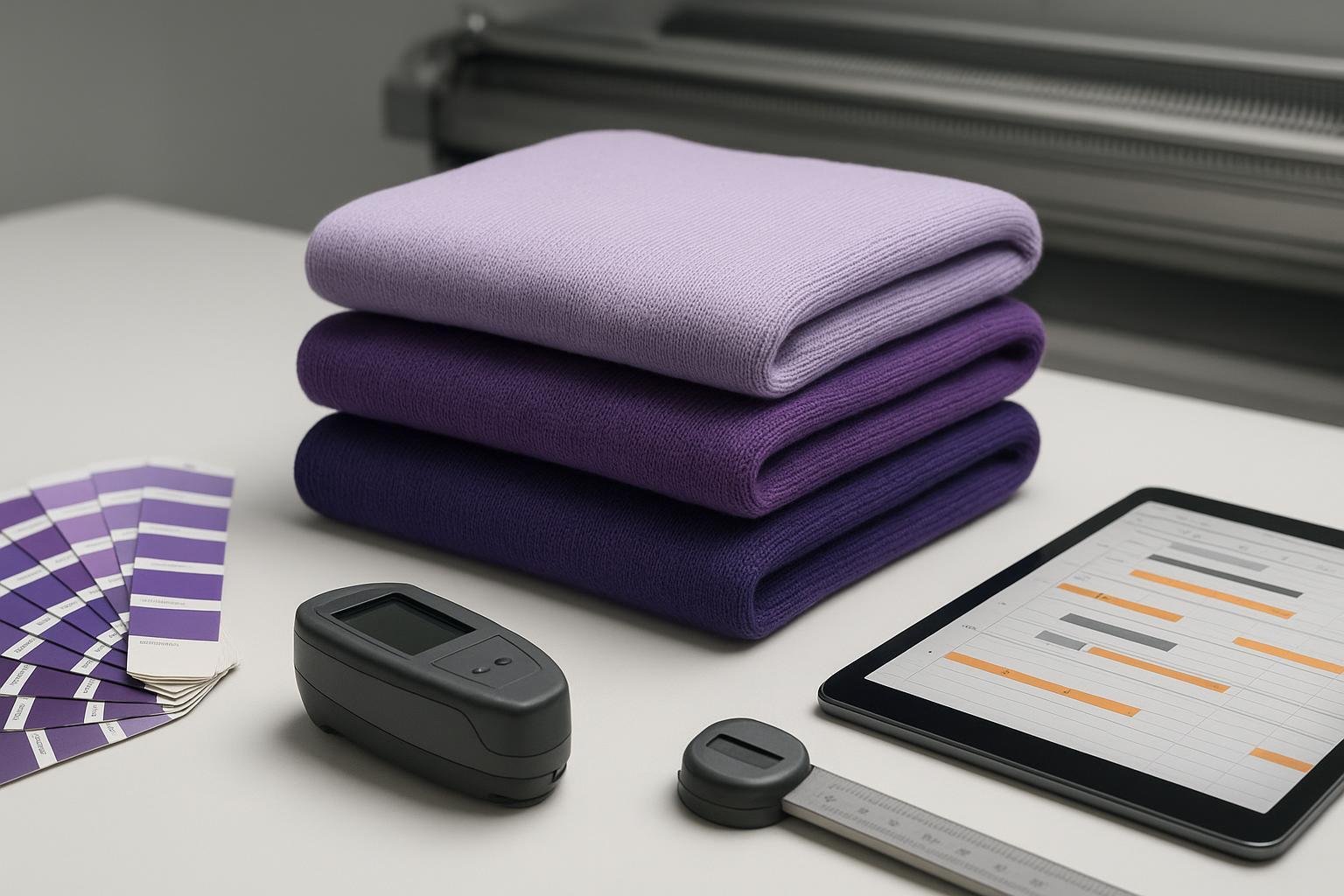
Gauge cheat‑sheet. Think of gauge as needles per inch on a flat‑bed machine: lower numbers (3G–5G) knit chunkier, denser fabrics for outerwear; mid‑range (7G–10G) fits most classic sweaters; fine‑gauge (12G–16G) excels for lightweight layering and office‑ready sweaters.
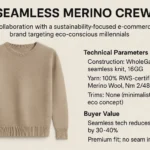
Construction. Fully‑fashioned garments shape panels on the machine and require quality linking; WHOLEGARMENT (seamless) can reduce seam bulk and improve drape; cut‑and‑sew uses yardage and can be efficient for certain programs but risks seam stress if specs aren’t tuned.
Useful references and definitions:
Gauge and yarn‑count alignment explained by Maruyasu Fil’s knit magazine (2024): gauge–count guidance.
Responsible Wool Standard (RWS) scope and the 2026 transition to the Materials Matter Standards framework from Textile Exchange: Textile Exchange’s RWS page and standards hub.
Cashmere program definitions and animal‑fiber governance from the Sustainable Fibre Alliance: SFA Animal Fibre Standard overview.
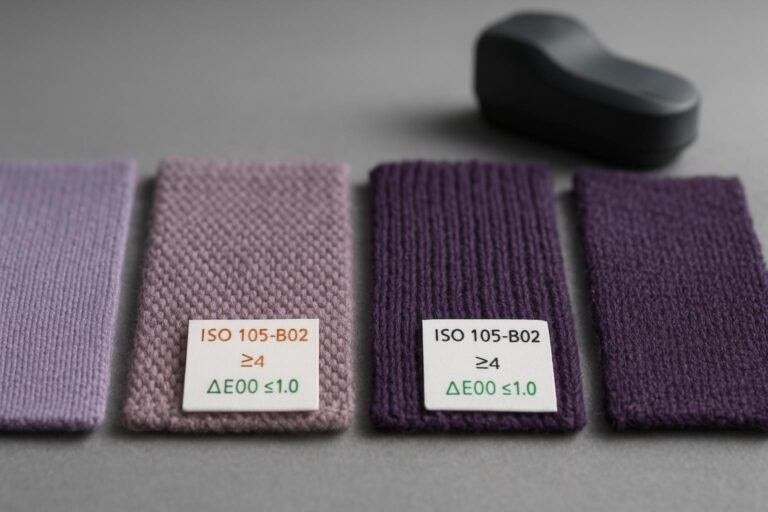
Care notes. Knit durability depends on fiber, gauge, and construction—plus care. Recommend gentle hand‑wash or machine wool cycles with proper detergent, flat drying, and periodic depilling with a comb or sweater shaver. For procurement teams, request shrinkage and pilling test data (e.g., ISO 12945) at sample stage.
FAQ
What knit gauge is best for winter vs. spring knits?
Short answer: 3G–7G suits winter‑weight and textured knits; 12G–16G is ideal for spring and office layering. Mid‑range 7G–10G balances warmth and versatility. Match yarn count to target gauge to avoid transparency or stiffness.
How do cashmere microns compare to merino?
Short answer: Premium cashmere programs often target ~14–16µ, while merino apparel typically spans 15.5–21.5µ with 18.9µ common in all‑season layers. Micron is only one factor; staple length, twist, and finishing also drive feel and durability.
Do seamless knits last longer than fully‑fashioned?
Short answer: Not universally. WHOLEGARMENT can remove seam stress and improve drape, but high‑quality fully‑fashioned linking is exceptionally durable when specs and yarns are tuned. Evaluate construction alongside yarn, stitch, and finishing.
What do RWS, SFA, and GCS mean for buyers?
Short answer: RWS covers animal welfare and land management for wool; SFA governs responsible cashmere across supply chains; GCS is another cashmere program focused on animal welfare and traceability. Always verify claims on brand pages or registries.
Next steps
If you’re shortlisting the top knitwear brands 2026 for your assortment, use the table above to align microns (when disclosed), target gauge, and construction with your use‑case and price tier. Then, run a quick pilot at two gauges to compare drape, recovery, and pilling.
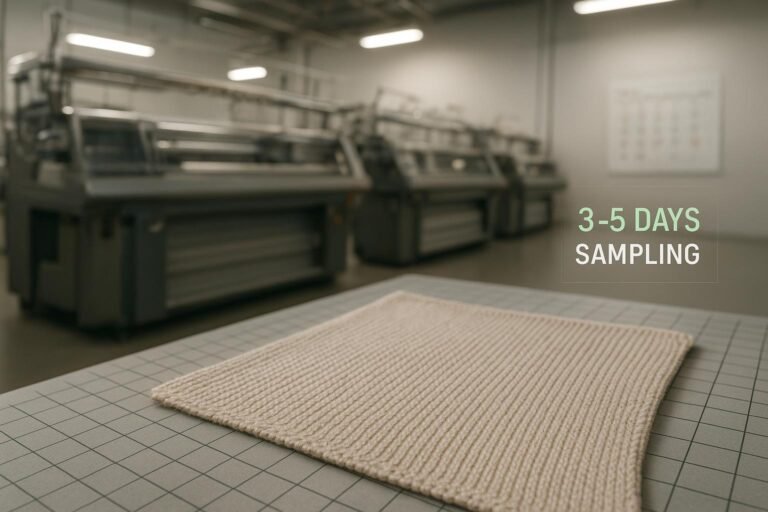
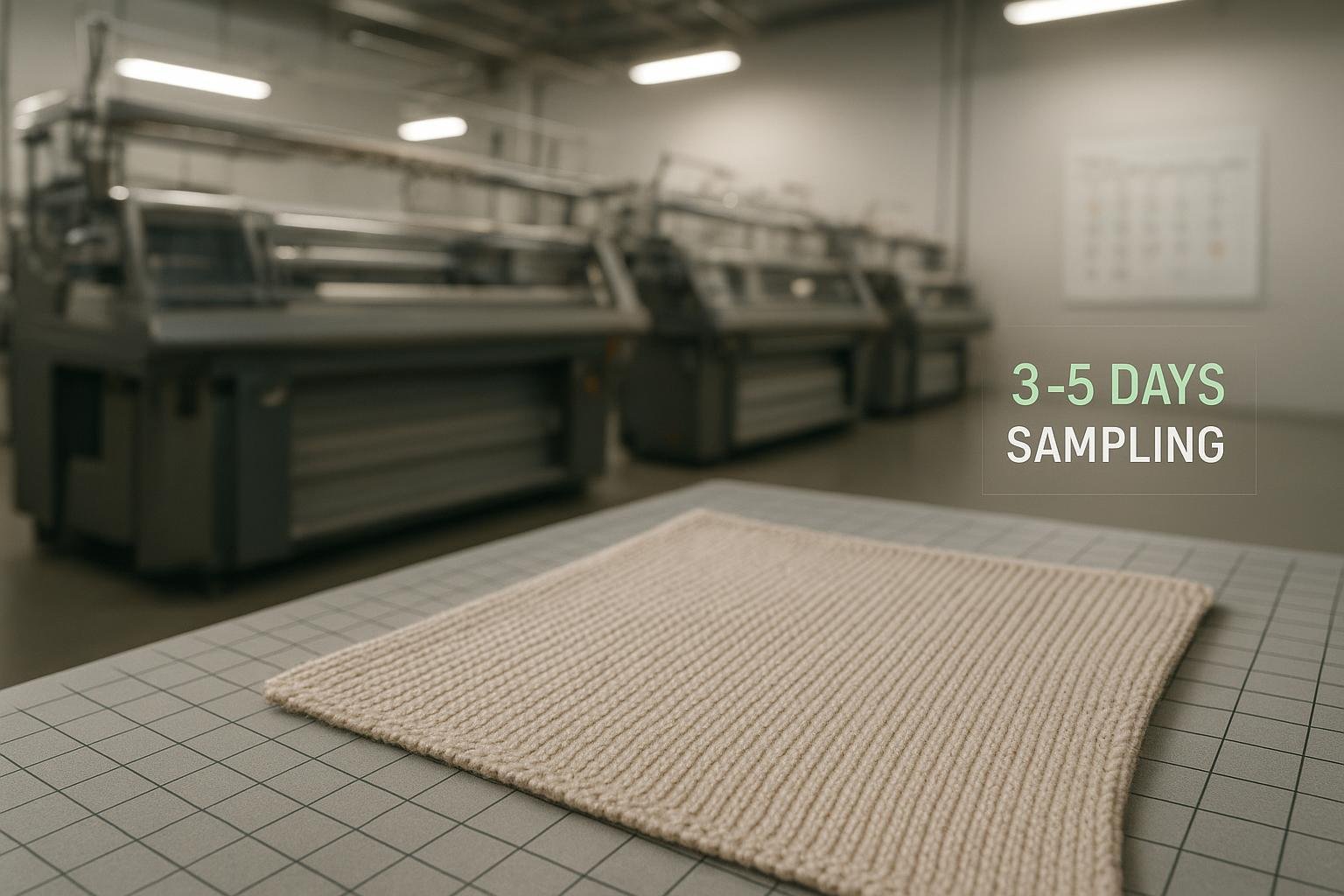
Soft CTA: Exploring custom sampling or a neutral feasibility check on gauges and stitches? Consider a small pilot with AzKnit—set up for fast iteration with documented QC gates and flexible MOQs.
References (selected, canonical):
Gauge & count: Maruyasu Fil knit magazine (2024)
RWS/MMS: Textile Exchange — RWS
Cashmere governance: SFA Animal Fibre Standard overview
Micron transparency exemplar: Icebreaker transparency page
WHOLEGARMENT context: Fast Retailing 2024 report — 3D Knit
GCS brand example: J.Crew cashmere program overview
Cashmere micron narrative (brand source): GOBI 16µ claim