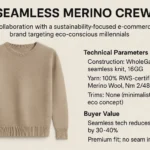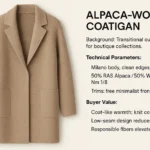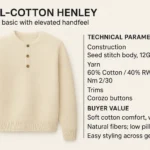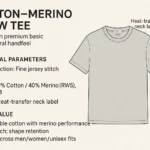

If you’re building a line plan, “types of garments” sounds like a basic question—until you’re staring at your moodboard and realizing every category comes with different fit risks, sampling time, trims, and minimums.
A clean set of apparel categories helps you do three things fast:
Scope your first (or next) drop so you don’t overbuild.
Communicate clearly with pattern makers and factories.
Predict where sampling iterations and quality issues tend to appear.
This guide walks through the major garment categories used in merchandising and manufacturing, with knitwear-relevant examples and practical “what gets complicated” notes.
A quick note on apparel categories (and why lists usually fail)
Most “types of clothing” lists are either:
too broad (hundreds of garment names with no organizing logic), or
too retail-focused (good for styling, not for production planning).
Here we’ll use a simple taxonomy that maps closely to how brands and retailers organize assortments—tops, bottoms, outerwear, dresses/one-pieces, activewear, loungewear, intimates, accessories—a framing commonly used in merchandising terminology references like Edited’s apparel category terminology guide.
Then we’ll add what founders actually care about: complexity flags.
Pro Tip: Your category choice matters less than your construction choices inside that category. A “top” can be a 2-piece tee—or a multi-panel, lined, embroidered nightmare.
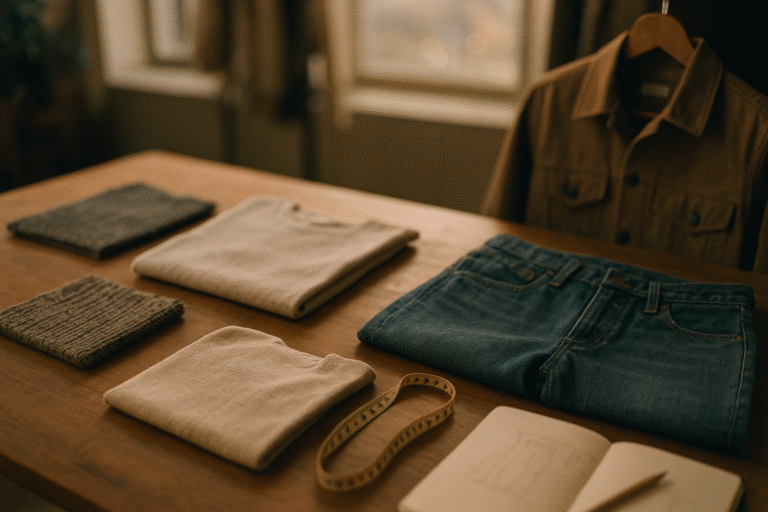
The major types of garments (apparel categories)
Before we get into the list, one practical definition:
A garment category is a way to group products for planning, buying, and reporting.
A garment style is the specific item (e.g., “half-zip sweater,” “rib knit tank,” “cropped cardigan”).
Founders get in trouble when they treat category as a production shortcut. The safer approach is:
Choose the category (what shelf it lives on).
Choose the style (what the customer sees).
Choose the construction details (what the factory has to execute).
We’ll cover all three.
1) Tops
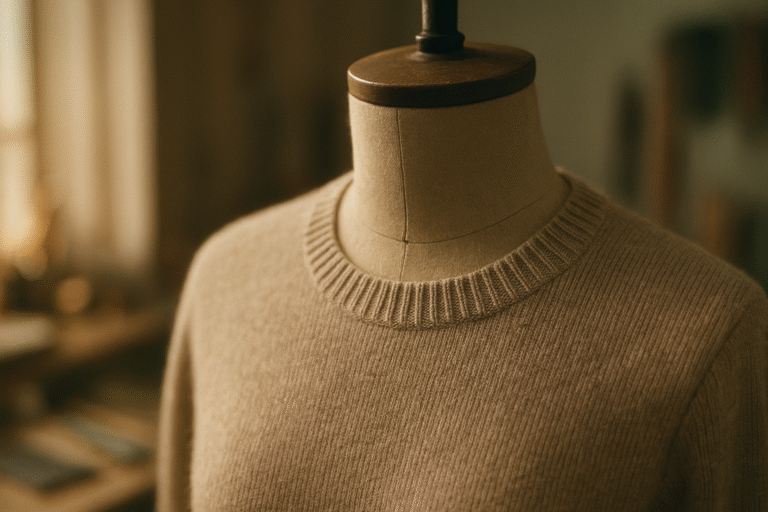
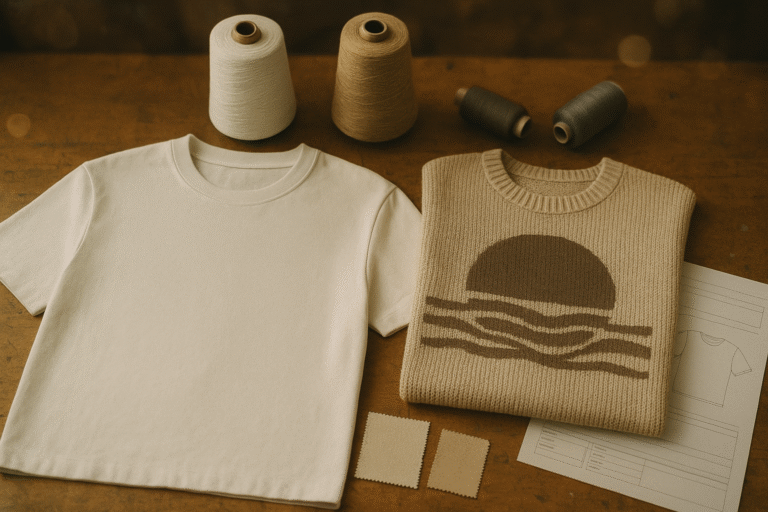
Tops cover the upper body and include everything from tees to sweaters. They’re often a smart starting point because they’re merchandisable, repeatable, and easier to fit than bottoms—when you keep construction simple.
What to specify in your tech pack (tops edition)
Even for a “simple top,” specify the details that commonly cause factory back-and-forth:
Neckline finish: rib neckband vs self-fabric, width, and whether it should sit flat or roll.
Shoulder construction: set-in vs drop shoulder (changes silhouette and grading behavior).
Hem and cuff: rib depth, tension, and target stretch/recovery.
Trim list: buttons, zippers, drawcords, labels, and packaging requirements.
This doesn’t make the garment complicated—it makes it predictable.
Common top subtypes
T-shirts (short sleeve, long sleeve, oversized)
Shirts (button-downs, overshirts)
Blouses
Polos
Hoodies and sweatshirts
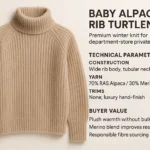
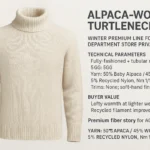
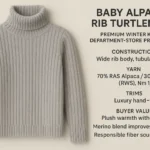
Sweaters and pullovers
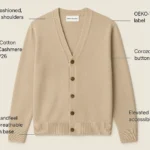
Cardigans
Knit tops (rib tees, knit tanks)
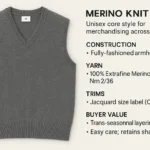
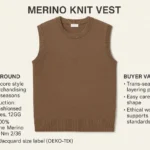
Vests (often sold as tops rather than outerwear)
Knitwear-forward examples
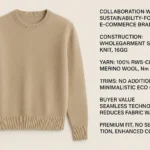
Crewneck sweater in 7–12 gauge
Rib knit polo
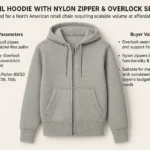
Zip hoodie in a stable knit structure (avoid overly loose gauges if you need clean zipper behavior)
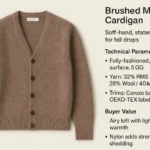
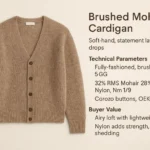
Button cardigan with fully fashioned panels
Complexity flags (what drives sampling rounds)
Necklines + rib behavior: rib pulls in; your “flat measurement” spec can look wrong until you account for stretch and recovery.
Closures: zippers and button plackets add alignment risk.
Branding: embroidery, patches, and multi-color artwork add steps and potential defects.
A useful general rule from apparel development guidance is that each additional panel, seam, or decoration step increases manufacturing complexity and compounding risk—especially when you’re still dialing fit and materials (see Athleisure Basics’ write-up on manufacturing complexity in apparel design).
Where AzKnit can help (light-touch example)
If you want to see what “tops” look like in knit production, AzKnit publishes examples across custom sweaters and cardigans.
2) Bottoms
Bottoms include garments worn from the waist down. They can be deceptively difficult: rises, hips, thighs, and inseams create more fit points than most tops.
A founder-friendly bottom taxonomy (so you can scope correctly)
Woven bottoms (denim, twill, suiting): jeans, tailored trousers, A-line skirts.
Jersey bottoms (cut-and-sew stretch): leggings, bike shorts.
Knitwear bottoms (machine-knitted panels): rib pants, knit skirts, knitted shorts.
Each behaves differently in fit, stretch, and shrinkage—and that changes what you should test.
Common bottom subtypes
Jeans
Trousers / pants
Shorts
Skirts
Leggings
Knit pants (lounge pants, rib flares)
Knitwear-forward examples
Rib knit flare pants
Knit shorts set
Knit skirt (tube skirt, A-line)
Complexity flags
Fit risk is higher: bottom fit is less forgiving; expect more sampling rounds if you’re pushing a new block.
Hardware + trims: buttons, zippers, drawcord eyelets, waistband construction.
Stretch + recovery: especially for knit leggings—spec tolerance and material selection matter.
If you’re doing your first drop, bottoms can be a second-wave category unless you already have a proven block.
3) Dresses and one-pieces
This category covers dresses, plus “one-piece” garments like jumpsuits and rompers. They’re highly merchandisable but can compound fit challenges because they span multiple body zones.
Two ways to reduce risk on your first knit dress
Design for tolerance: rib structures and wrap shapes can be more forgiving than bodycon silhouettes with tight measurement tolerances.
Decide your “fit anchor”: are you fitting to bust, waist, or hip first? Make that explicit so grading doesn’t drift.
Common subtypes
Mini / midi / maxi dresses
Sweater dresses
Slip dresses
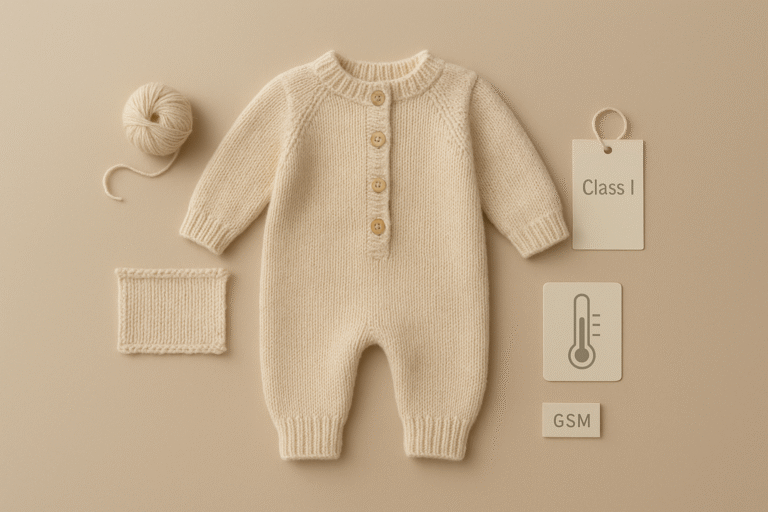
Jumpsuits
Rompers
Knitwear-forward examples
Rib knit midi dress
Sweater dress in a mid gauge with controlled stretch
Complexity flags
Fit stacks: bust + waist + hip + length all matter.
Drape sensitivity: stitch choice changes how the garment hangs.
Returns risk: if you sell DTC, one-piece fit issues can hurt.
4) Outerwear
Outerwear is designed as the top layer: coats, jackets, and structured pieces. It’s also one of the fastest ways to burn your sampling budget.
Why outerwear is expensive (in plain manufacturing terms)
Outerwear often stacks multiple cost drivers at once:
more pattern pieces
more operations (pockets, plackets, topstitching)
lining and interlining choices
hardware and trim sourcing
That’s why it’s a “second collection” category for many emerging brands unless outerwear is your signature.
Common subtypes
Jackets (bomber, denim jacket, trucker)
Coats (overcoat, trench)
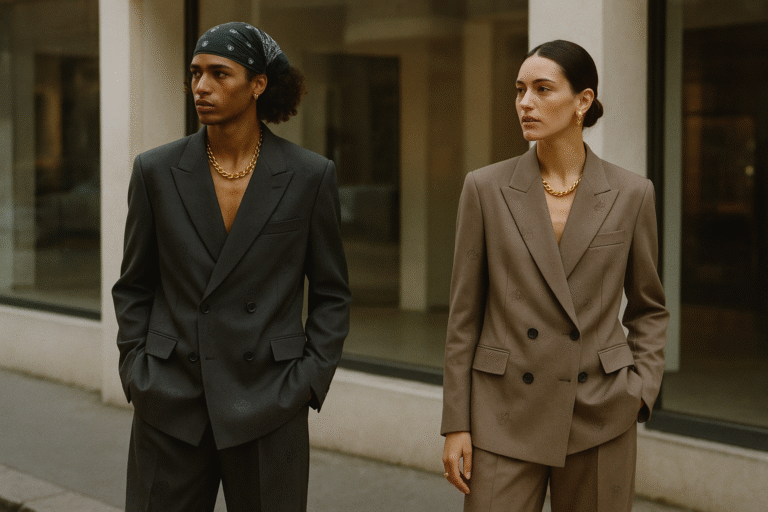
Blazers
Parkas
Rain jackets
Knitwear-forward examples
Knit bomber
Knit blazer (often needs structure—interfacing/lining decisions become critical)
Complexity flags
Lining: lining adds pattern pieces, sewing operations, and inspection points.
Structure: padding, fusing, shoulder shape.
Multiple materials: shell + lining + interlining + trims.
Sampling costs rise with construction complexity and fabric/trims choices; articles explaining apparel sampling economics consistently point back to pattern cutting, construction methods, and materials as main drivers (see Hook & Eye UK’s overview of clothing sampling costs).
5) Activewear
Activewear is performance-focused apparel designed for movement, heat management, and comfort. The category overlaps with tops and bottoms, but the requirements are different.
Activewear: one decision that saves weeks
Decide early whether the product is training-first (sweat + abrasion + frequent wash) or lifestyle-first (comfort + look + light movement). That choice affects yarn selection, finishing, and what “acceptable pilling” means.
Common subtypes
Leggings
Sports bras
Performance tees
Compression layers
Bike shorts
Tracksuits
Knitwear-forward examples
Seamless-style knit tops
Knit performance sets (only if you’re confident in material and recovery performance)
Complexity flags
Fabric performance: stretch, recovery, opacity, pilling resistance.
Construction stress points: seam failures show up fast in wear.
Fit + grading: sizing issues are amplified in body-hugging styles.
If your brand is knit-first, activewear can work—but it requires tight control over yarn selection, stitch stability, and testing.
6) Loungewear
Loungewear is comfort apparel meant for home and relaxed settings. It’s a great category for emerging brands because the fit can be more forgiving and the styling can still feel elevated.
What to test for loungewear (so it stays “lounge” after wash)
dimensional stability after wash (length and width)
handfeel after wash (some softeners don’t survive)
pilling in high-friction zones (inner thigh, cuffs, underarm)
These are small tests, but they prevent a lot of post-launch pain.
Common subtypes
Sweatshirts and sweatpants
Lounge sets
Pajamas
Robes
Knitwear-forward examples
Knit lounge pants with a clean waistband
Cozy cardigan set
Textured knit pullover
Complexity flags
Handfeel is the product: yarn choice and finishing matter more than clever details.
Shrinkage control: if you miss this, your “comfortable” set becomes a return generator.
7) Intimates and underwear
This includes garments worn next to the skin for support and coverage.
When to treat intimates as a separate product program
If the item needs high stretch + strong recovery + next-to-skin comfort, you’re effectively running a different development program than sweaters or cardigans. Plan extra rounds for fit, comfort feedback, and wear testing.
Common subtypes
Briefs, boxers
Bras
Camisoles
Shapewear
Knitwear-forward examples
Knit bralettes or seamless-ish basics (only if you’re prepared for testing and compliance needs depending on region)
Complexity flags
Fit tolerance is tight and comfort expectations are high.
Material requirements (stretch, recovery, softness) are unforgiving.
For most emerging knitwear brands, intimates are not a first-drop category unless that’s your core niche.
8) Accessories
Accessories aren’t always “garments” in a strict sense, but they’re often part of apparel assortments.
Why accessories are a smart knitwear “test SKU”
They let you validate yarn, stitch definition, and finishing quality without the full-body fit complexity of garments like bottoms or dresses.
Common subtypes
Scarves
Hats / beanies
Gloves
Socks
Knitwear-forward examples
Beanies and scarves (excellent starter SKUs)
Knit gloves or arm warmers
Complexity flags
Lower fit risk: fewer size points.
Great for learning: you can validate yarn, stitch, and finishing before you scale into full-body garments.
9) Swimwear and specialty categories
Some merchandising systems separate swimwear, tailoring/suiting, or uniforms/workwear into their own categories.
Swimwear is highly material- and fit-sensitive. If you’re knit-first, treat it as a separate product line with its own testing requirements.
Knitwear-specific complexity: what changes when it’s knitted
If you’re producing knits, category labels aren’t enough. These variables change outcomes even within the same garment type:
Gauge (and why it affects fit, drape, and size consistency)
Gauge is essentially the stitch/row density that controls how your knit behaves and measures. Even small deviations can materially change final garment measurements, which is why knit development relies on swatching and control.
For a clear definition, Tin Can Knits explains gauge as the number of stitches and rows over a defined area, and why it’s the foundation for getting final sizing right.
If you need a production-oriented breakdown, AzKnit also maintains a practical overview of knitwear gauges.
Stitch structure (rib, jersey, jacquard, cable)
Rib: elastic, pulls in; great for cuffs/waistbands and body-hugging shapes.
Jersey/stockinette: smooth, straightforward, often a baseline structure.
Cable: adds thickness and texture but can affect weight and stretch.
Jacquard: colorwork adds bulk; backside floats can snag.
Colorwork choice: intarsia vs jacquard
Large, clean logos often behave differently depending on whether you choose intarsia (separate yarn areas) or jacquard (floats). If your brand identity depends on graphics, lock this decision early—your sampling timeline will thank you.
Construction method: fully fashioned vs cut-and-sew knit
Fully fashioned pieces are shaped during knitting (cleaner fit, premium feel when done well).
Cut-and-sew knit can be faster for certain shapes but introduces edge control and finishing risks.
Linking and seam quality
In premium knitwear, linking matters. A beautiful knit can still look “cheap” if seams are bulky or misaligned.
Dimensional stability (shrinkage) and pilling
If your “soft handfeel” yarn pills aggressively, or your garment changes size after wash, your returns will erase your margin. Build wash and wear testing into your sampling plan.
Starter line planning: what to launch first (and what to avoid)
If you’re an emerging knitwear brand building a first drop, here’s a practical sequencing approach.
A low-risk starter assortment
1–2 tops using a proven silhouette (crewneck sweater, cardigan, rib knit polo)
1 accessory SKU (beanie or scarf) to validate yarn + finishing
Optional: 1 loungewear piece (knit pants or lounge set) if you already have a fit reference
What tends to create the most rework early
New bottom blocks with tight fit targets
Outerwear with lining + structure + multiple materials
Heavy decorations (multi-color prints, complex embroidery, lots of trims)
“Everything at once” designs (new yarn + new gauge + new stitch + new fit + new trims)
⚠️ Warning: If you change yarn, gauge, stitch structure, and silhouette in the same sample, you won’t know what caused the problem when something comes back wrong.
The fastest way to reduce sample rounds
Provide a tight tech pack and reference measurements.
Lock yarn and trims early.
Approve one variable at a time (fit → then details → then branding).
For a factory-side view of how production typically runs from concept to shipment, AzKnit outlines its manufacturing process end-to-end.
FAQ: types of garments (questions founders actually ask)
Is there a “best” garment category to start with?
For most knit-first emerging brands, tops and accessories are the cleanest start: fewer fit points than bottoms, easier to iterate, and strong merchandising potential.
Why do two garments in the same category have totally different costs?
Because category is a label—not a cost driver. Pattern pieces, seams, closures, lining, trims, and decoration methods add operations. More operations means more time, more defect opportunities, and higher unit cost.
What’s the knitwear equivalent of “simple construction”?
A stable gauge, a straightforward stitch structure, minimal colorwork, and clean finishing. Complexity isn’t bad—but it should be intentional, not accidental.
How do I choose yarn for different garment categories?
Start with the end use (next-to-skin softness, warmth, drape, durability), then match yarn and stitch structure to that use. If you want a quick overview of what’s commonly available, a yarn library overview from your manufacturer can serve as a baseline.
Key takeaways
“Types of garments” are best understood as apparel categories (tops, bottoms, outerwear, dresses/one-pieces, activewear, loungewear, intimates, accessories).
Category names help you plan an assortment—but construction choices drive sampling time, cost, and defect risk.
For knitwear, variables like gauge, stitch structure, colorwork method, and finishing quality can change outcomes dramatically.
If you’re launching your first knit line, start with one or two top silhouettes + one accessory SKU, then expand into higher-fit-risk categories.
Next steps (if you’re moving from concept to sampling)
If you’d like a quick feasibility check on your first drop—what to simplify, what to prototype first, and how to sequence sampling—AzKnit’s OEM/ODM knitwear overview is a practical starting point.