
If you typed “Ralph Lauren bear sweater” into Google, you mostly saw places to buy one. That’s the shopping intent the brand has earned—and it dominates the results. This guide is for a different reader: DTC creators and small labels who love the benchmark look but need a practical, IP‑safe path to design and manufacture their own bear‑motif knit sweaters in small batches.
We’ll cover technique selection (intarsia, jacquard, embroidery, appliqué), yarn and gauge choices, IP clearance for generic animal motifs, sample‑to‑bulk SOPs, lab testing anchors, and transparent cost drivers. We’ll reference the Polo Bear in a descriptive way without reproducing any trademarked graphics or trade dress.
What people mean when they search “Ralph Lauren bear sweater”
Most searchers want to browse or buy. Current results are stacked with official product pages, confirming a shopping‑heavy SERP. For example, Ralph Lauren’s collections feature seasonal takes like the Team USA iteration and other capsule releases. You can see this pattern in the brand’s own pages such as the Team USA Polo Bear sweater—useful context that the SERP is transactional, not a how‑to guide.
Our focus here is the adjacent informational intent: how to build a small‑batch, IP‑safe bear‑motif sweater that evokes the spirit of a heritage picture‑knit without copying anyone’s mark.
Choosing your technique: intarsia vs jacquard vs embroidery vs appliqué
Before you open a CAD file or book yarn, pick your construction method. Each technique changes the look, the handfeel, the back of the fabric, the speed, and your MOQ options.
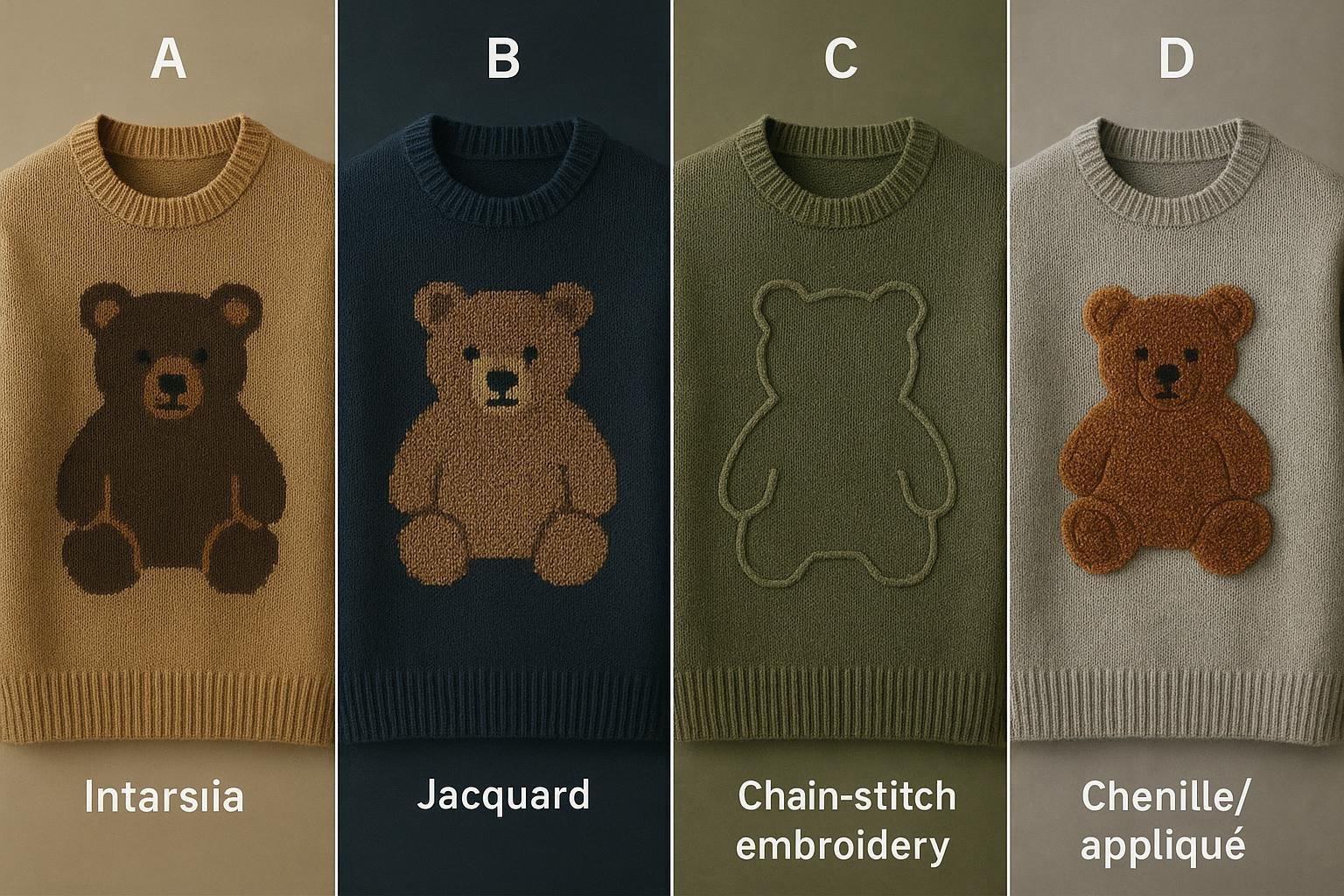
Method | What it looks like | Back structure | Pros | Watch‑outs | Typical suitability |
|---|---|---|---|---|---|
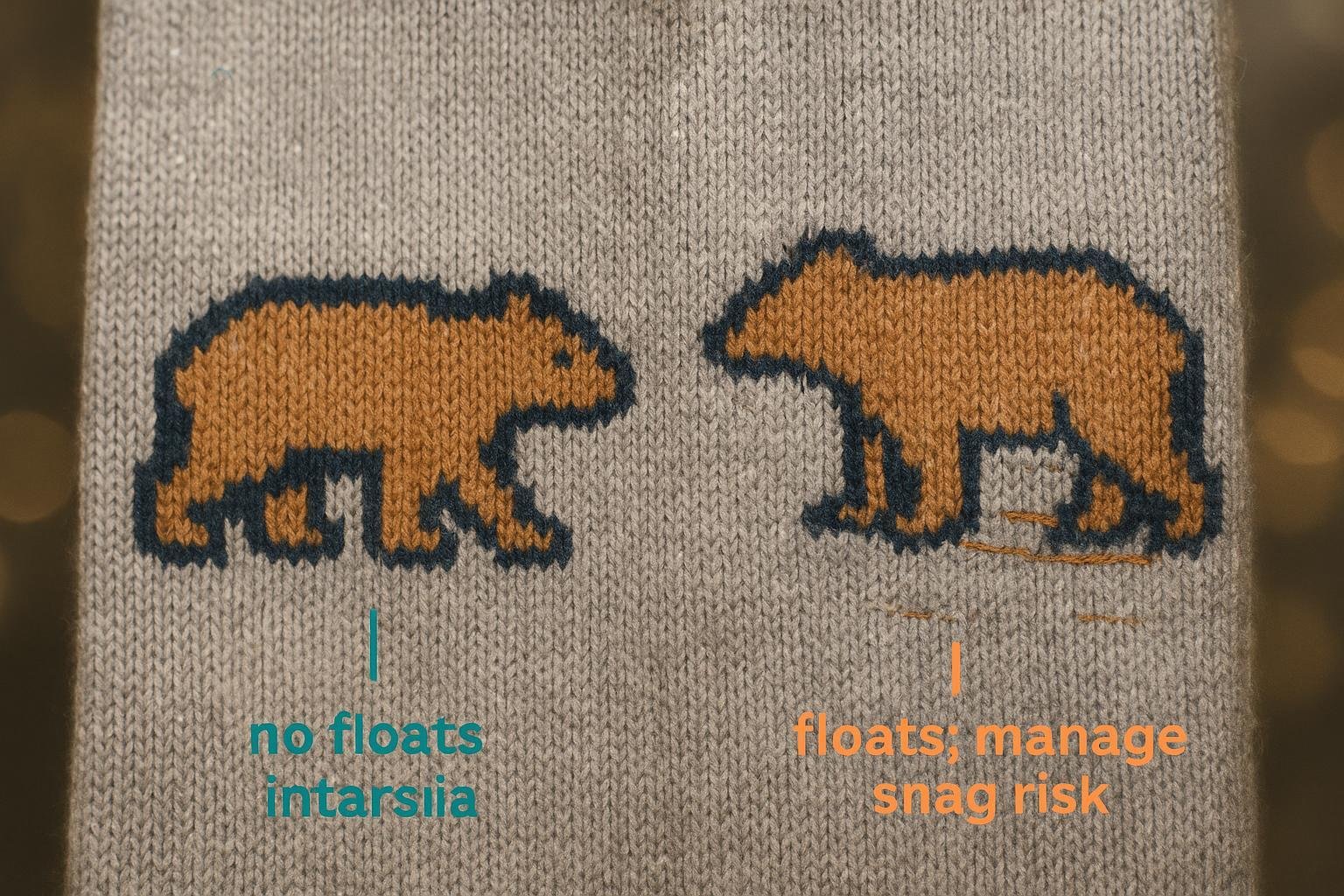
Intarsia | Bold picture motif with crisp color edges | No long floats; clean interior joins | Premium, durable, comfortable against skin; great for distinct bear shapes | Programming time; color count and motif complexity affect cycle time | Small‑to‑mid batches; works on chunky to fine gauges |
Jacquard | High detail and pattern repeats | Floats across back; can be tacked | Faster throughput on fine gauges; intricate shading possible | Snag risk from floats; bulk and weight if many colors | Fine‑gauge fashion knits; repeat patterns and detailed motifs |
Chain‑stitch embroidery | Tactile stitched lines on top of a knit | No change to knit interior | Fast sampling and micro‑MOQs; sharp outlines | Durability depends on stabilization and stitch density | Rapid drops; outline‑style artwork |
Chenille/appliqué | Plush patch with raised texture | Patch backing; stitching around edges | Strong visual impact; 3D effect | Edge durability; potential shedding; added weight | Streetwear looks; statement graphics |
Intarsia — integrated color blocks and clean backs
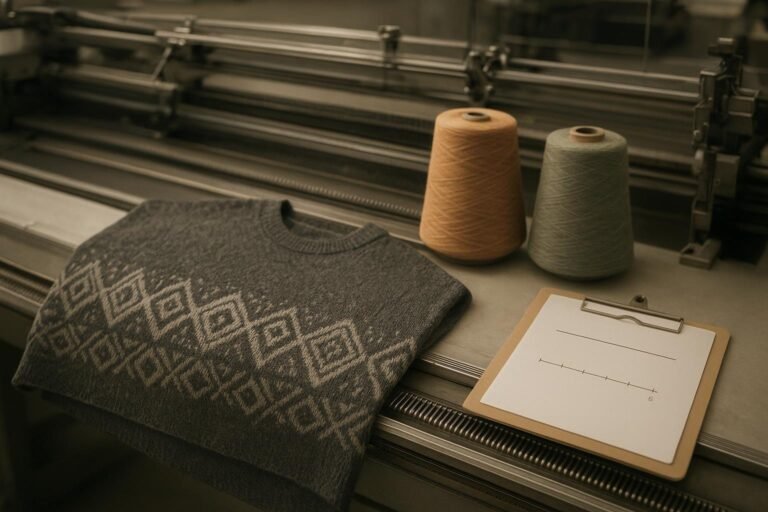
Intarsia knits discrete color areas into the fabric, so the inside looks tidy and feels smooth. That makes it a natural choice for a solo bear motif with defined edges. Industry explainers note the clean‑back nature of intarsia compared with float‑based methods, a difference that affects comfort and longevity; see the discussion in Put This On on intarsia versus other knits.
Jacquard — detail, floats, and speed on fine gauges
Jacquard carries unused yarns behind the fabric as floats, enabling more intricate detail and repeat patterning—great if your bear motif becomes a tiled graphic or includes shading. To keep snags at bay, floats are often tacked at intervals, especially on garments intended for daily wear. For a technical primer that contrasts the two methods, see Knitwear.io’s guide to jacquard and intarsia.
Chain‑stitch embroidery — fast sampling and tactile lines
Embroidery is applied after knitting. It shines for quick tests, micro‑MOQs, and outline‑heavy designs. Durability depends on the base knit, backing/stabilizer choices, and stitch density. Because the knit substrate remains unchanged, embroidery lets you commit to the garment body first, then iterate on motif placement and sizing.
Chenille/appliqué — plush patches and 3D emphasis
Chenille yarn or appliqué patches create raised, plush graphics that pop on camera and retail shelves. The trade‑off is added weight and an edge‑durability dependency on stitch quality and backing. If your brand wants a bold, textured bear, this path is worth sampling—just plan robust wear tests.
Materials and gauge — how yarn choices shape motif clarity
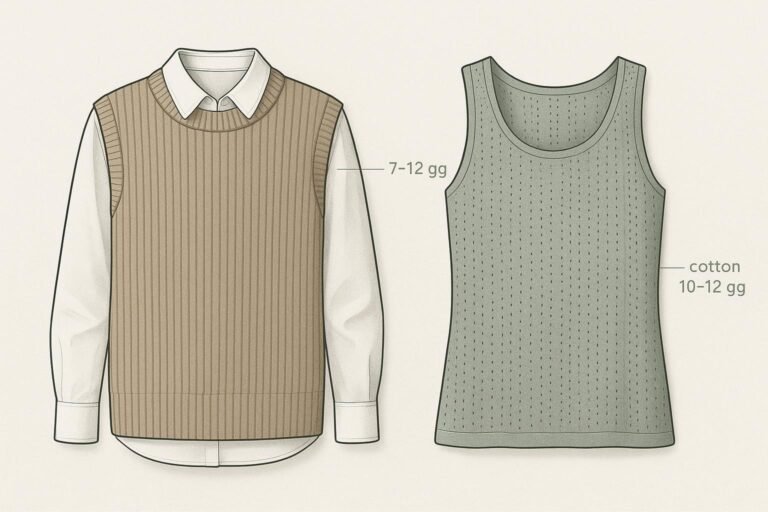
Your motif’s edges and readability depend on yarn family, gauge, and density. Finer gauges generally sharpen detail; coarser gauges add warmth and texture but can blur small shapes. Wool and cashmere blends deliver a soft hand and rich drape, while cotton or cotton‑acrylic blends improve washability and cost control. Synthetic content can aid pilling resistance and colorfastness but may change the surface sheen.
Machine capability matters too. Public brochures from machine makers document gauge ranges and knit possibilities; for example, Karl Mayer STOLL outlines model capabilities for intarsia and jacquard across gauge classes in its performance and knit‑and‑wear documents. See STOLL’s performer brochure and STOLL’s knit‑and‑wear overview for representative capability statements.
Here’s the deal: pick your yarn and gauge with the motif in mind. A chunky 5‑gauge bear can look charming and cozy; a 12‑gauge version will read crisper and more refined.
Design and IP‑safe development for a generic bear motif
You can design an original bear without infringing trademarks. The risk arises when your artwork, pose, silhouette, stylization, and surrounding cues create a confusingly similar impression to a registered mark or well‑known trade dress. A practical path is to run clearance in the USPTO and EUIPO databases, avoid look‑alike brand signals (typography, colorways, layouts), and pair your motif with your own word mark and a distinctive art direction. When in doubt, ask counsel. Useful references include the USPTO design search code guidance and the EUIPO Guidelines for Examination.
Tech pack essentials for fast, accurate sampling
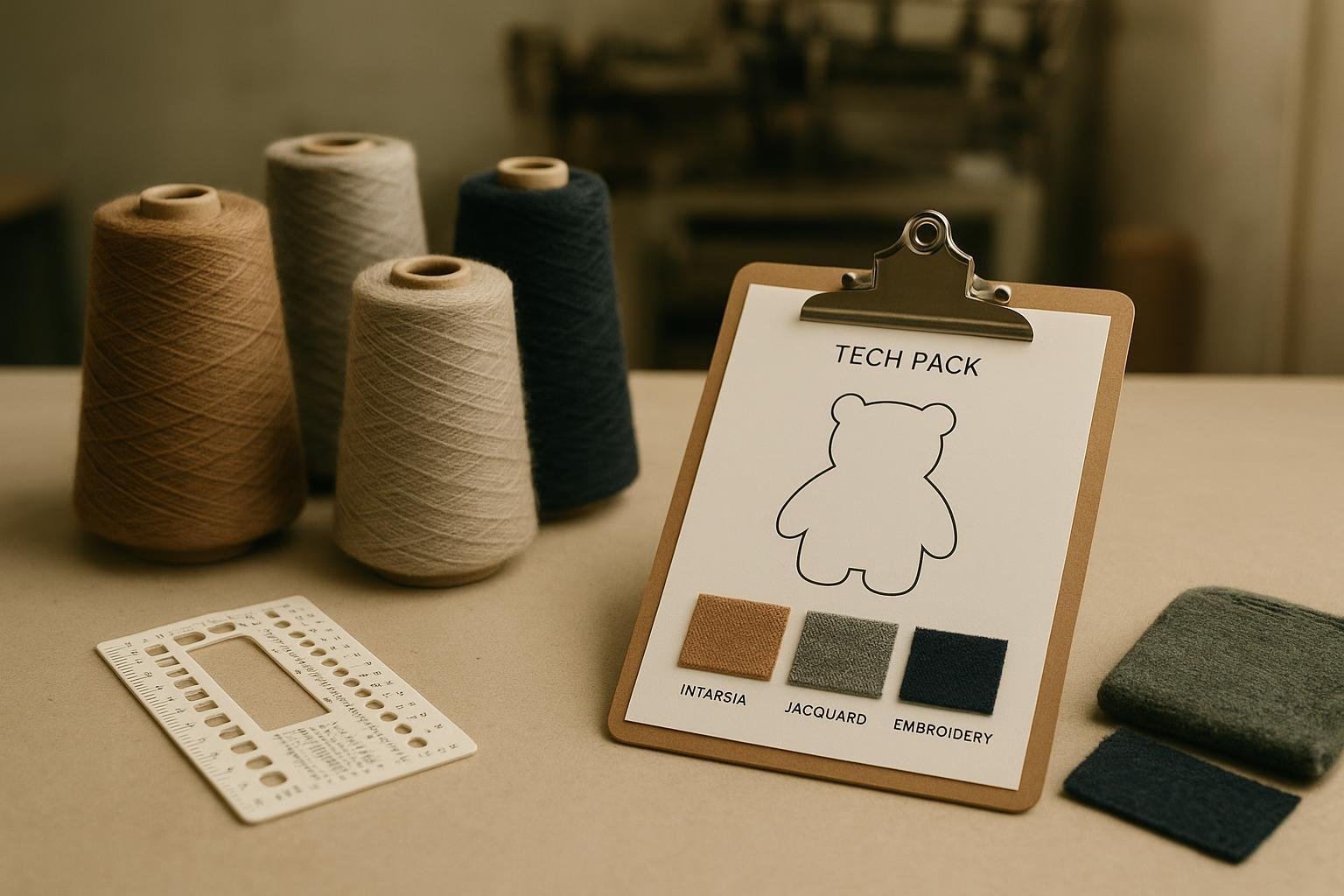
A clean tech pack saves weeks. At minimum, include artwork (vector, color‑separated with Pantone references and placements), knit specs (gauge, target density, yarn composition/count, tension notes, finishing), construction details (fit block, ribs, neck shape, joining), size and colorway tables with tolerances, plus labels and care (fiber content, care symbols, COO, compliance marks with placement diagrams). Use annotated photos or sketches where words get fuzzy.
Sampling and prototyping SOP — from knit‑downs to pre‑production
Start with knit‑downs to nail handfeel, gauge, and motif clarity on small swatches. Approve yarn shade cards early, then move to a development sample that tests fit and the motif in the round. Expect one to two iterations: tighten intarsia joins, tweak jacquard float‑tacking, or adjust embroidery density.
Schedule a PP (pre‑production) meeting with the approved sample displayed at the line. Confirm the golden sample, signed trims, and a measurement spec with tolerances. In this meeting, align on the TNA (time‑and‑action) plan and what happens when defects appear—who stops the line, who authorizes rework, and how shade variances are quarantined.
Production SOP for small MOQs
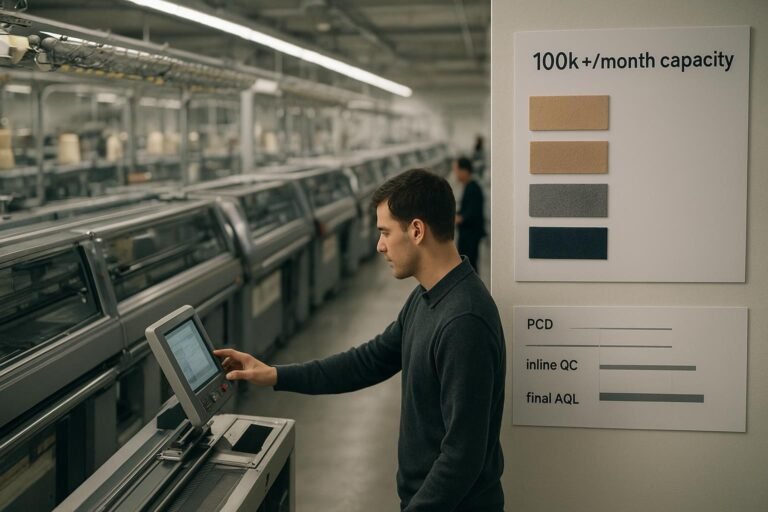
Once the PP sample is sealed, proceed to a pilot run of 50–100 pieces. Use it to validate cycle times, join quality, float management, and wash shrinkage. Run inline checks on every lot—10–20% sampling is common at this scale—before moving to the balance of bulk. Finish with a final AQL inspection, then pack per your carton spec, with care labels verified.
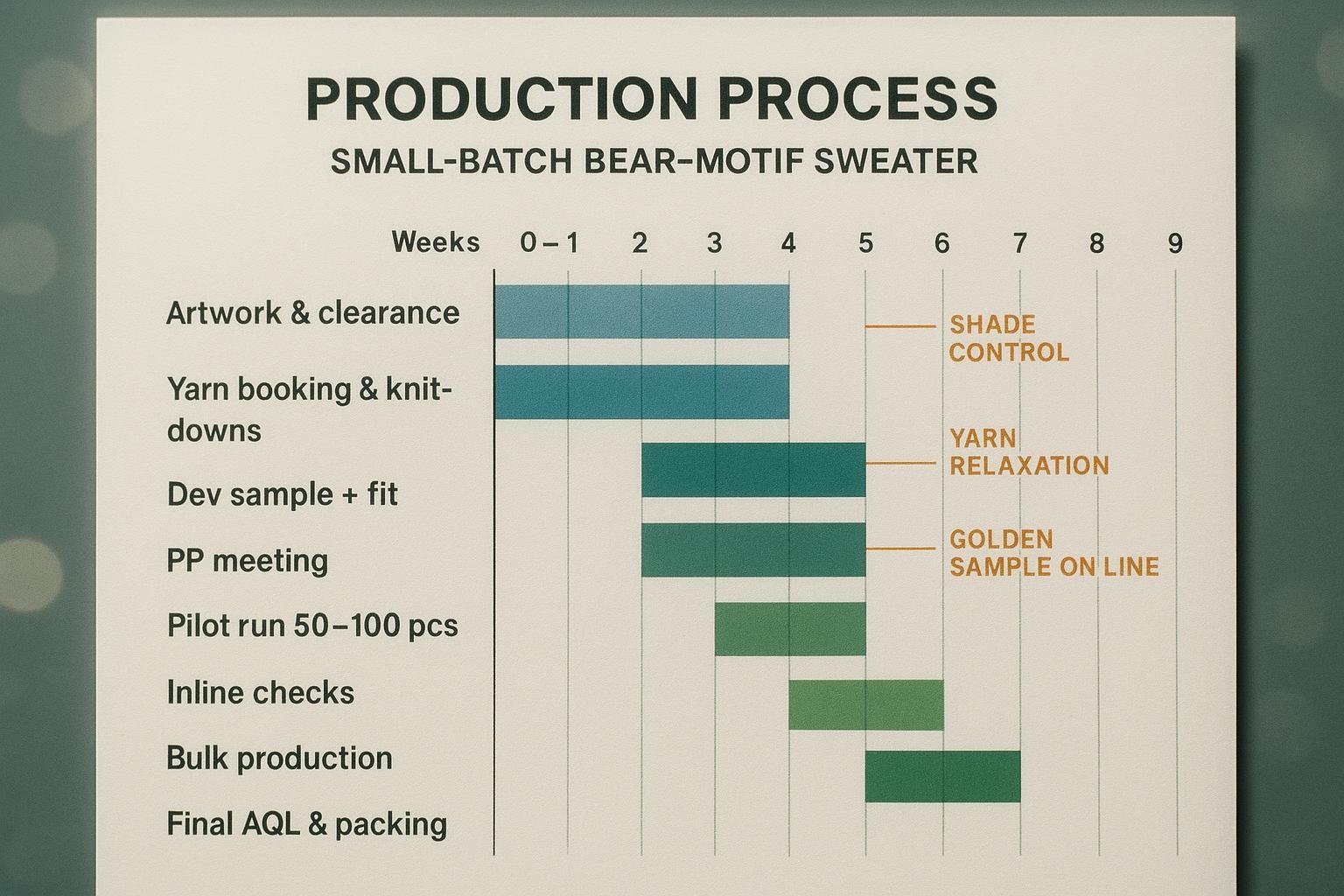
A practical nine‑week calendar for a small run might look like this once the PP sample is approved: artwork and clearance in Week 0–1; yarn booking and knit‑downs Week 1–2; development sample Week 2–3; PP in Week 4; pilot run Weeks 4–5; inline checks Weeks 5–7; bulk to Week 8; final AQL and packing by Week 9.
QA and lab testing you should budget for
Quality problems on knits tend to cluster around pilling, dimensional change, skew, and colorfastness. Standards bodies publish the test methods; buyers set acceptance bands. Frame your targets as brand policy informed by common practice and lab explainers.
Pilling is often measured by ISO 12945‑2 (modified Martindale), rated 1–5 where higher is better; many buyers aim for 3–4 or better depending on yarn. See the lab explainer from Testex on the Martindale pilling test for ISO 12945‑2. Dimensional change under home laundering is commonly tracked with AATCC 135, and skew assessment is described in AATCC TM179; AATCC lists its methods publicly in the AATCC testing archive and store index. For colorfastness, AATCC 61 (laundering) and AATCC 8/116 (crocking) are standard references; buyers often target dry crocking around 4 and wet around 3–4 for darker shades. For lot‑based acceptance, many brands apply ANSI/ASQ Z1.4 (ISO 2859‑1) AQL sampling, e.g., 0.1% critical, 2.5% major, 4.0% minor on General Level II; a public simulator explains sample sizes and Ac/Re thresholds at QIMA’s AQL guide and calculator.
Record test reports with lot numbers and keep retention samples for traceability.
Costing and MOQ — what actually drives your quote
Sweater quotes are built from machine time and material first, then complexity adders. The main drivers are yarn and fiber selection, gauge and density (affecting cycle time and yarn use), motif complexity (intarsia color count, jacquard float management, embroidery stitch count, or appliqué size), post‑knit operations (washing, blocking, linking, decorative steps), and order size/colorways. Micro‑batches pay a higher per‑unit cost; extra colorways multiply setups. Rather than chase someone else’s number, use a costing worksheet that mirrors your chosen technique and approvals.
A practical micro‑batch example — intarsia bear motif
Disclosure: AzKnit is our product.
A small DTC label wants a 150‑piece drop with a bold, single‑bear intarsia on a 7‑gauge wool‑blend crewneck. The steps look like this: Week 0–1 IP clearance and vector artwork; Week 1–2 knit‑downs and tech pack finalization; Week 2–3 development sample with minor join and neckline tweaks; Week 4 PP meeting and golden sample; Weeks 4–5 pilot run of 60 pieces; Weeks 5–8 bulk with inline checks; Week 9 final AQL and packing. A low‑MOQ, fast‑sampling, OEKO‑TEX/ISO‑compliant partner helps this stay inside nine weeks—the discipline matters: sealed samples on the line, clear tolerances, and pre‑agreed responses to defects.
FAQs DTC creators ask about bear‑motif sweaters
How is a Polo Bear‑style picture knit generally made without using a trademarked design?
Typically with intarsia for a single, bold motif, or jacquard if you want more intricate shading or repeats. The bear artwork must be original and cleared; you avoid look‑alike trade dress and pair it with your own brand marks.
Which technique gives the softest interior for a large bear motif?
Intarsia tends to feel smoother inside because there are no long floats. That’s one reason it’s favored for picture knits worn directly against skin.
What gauges read best for detailed animal faces?
Finer gauges (10–12) improve edge fidelity and shading; coarser gauges (5–7) emphasize texture and warmth. Balance your brand’s look with the motif’s complexity.
What tests should I mandate before bulk ships?
At minimum, pilling via ISO 12945‑2, colorfastness to laundering and crocking via AATCC 61/8/116, dimensional change via AATCC 135, and a lot‑based AQL inspection using a standard like ANSI/ASQ Z1.4.
Ready to turn your concept into a testable sample run? If you need a factory that supports low MOQs, fast sampling, and standard QA, you can speak with a manufacturing partner such as AzKnit to map your artwork, gauge, and SOP into a realistic nine‑week plan—no hype, just a clear path from tech pack to bulk.