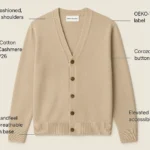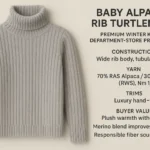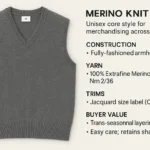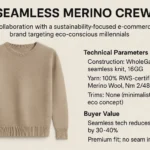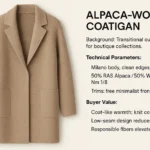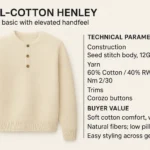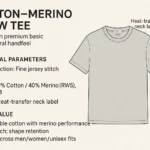

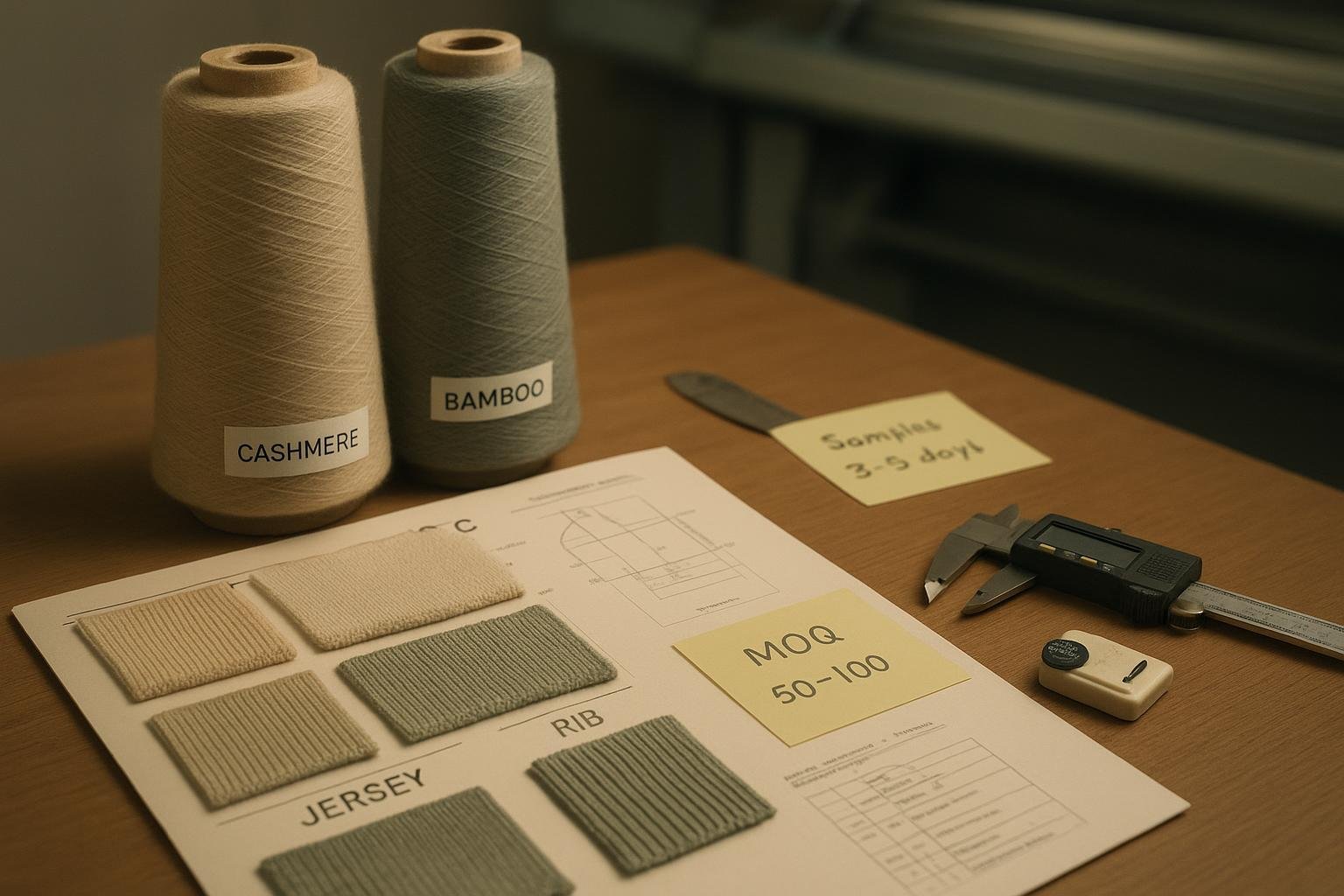
Launching a small-batch knitwear line shouldn’t take an entire season or sink your cash flow. If you’re weighing cashmere against bamboo viscose for a capsule drop, the right factory can sample in 3–5 days and produce with a low MOQ around 50–100 pieces—provided you make smart fiber and process choices, set realistic test targets, and keep the brief tight. This guide shows you how.
Key takeaways
Cashmere excels at warmth to weight and premium handfeel; bamboo viscose wins on breathability, drape, and cost for base layers.
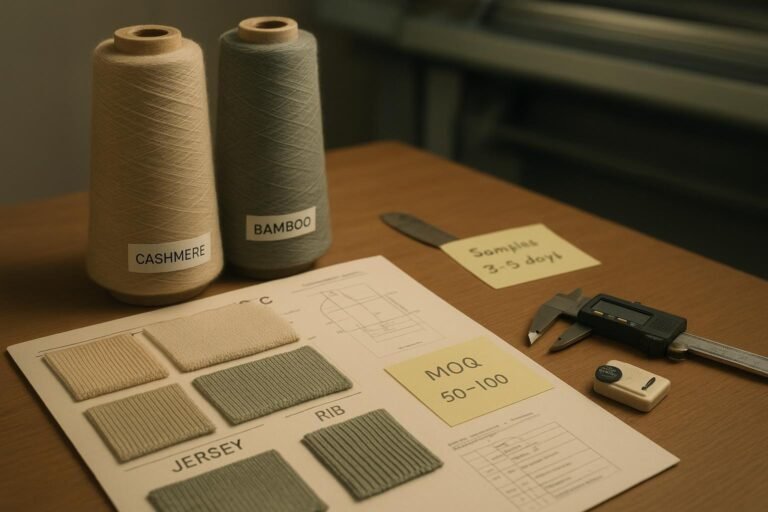
Low MOQs of roughly 50–100 pieces and 3–5 day samples are feasible when you use in‑stock yarns, simple stitches, and a clear tech pack.
Control pilling, shrinkage, and shade with yarn twist, stitch density, calibrated finishing, and lab tests like ISO 12945 and AATCC 135.
Use compliance signals transparently: OEKO‑TEX Standard 100 for product safety and ISO 9001 or 14001 for management systems.
Two proven launch paths: a four‑week influencer cashmere capsule and a bamboo base‑layer pilot that scales by data.
Your “custom cashmere sweater manufacturer” should show test results, sampling SLAs, and MOQ policies in writing.
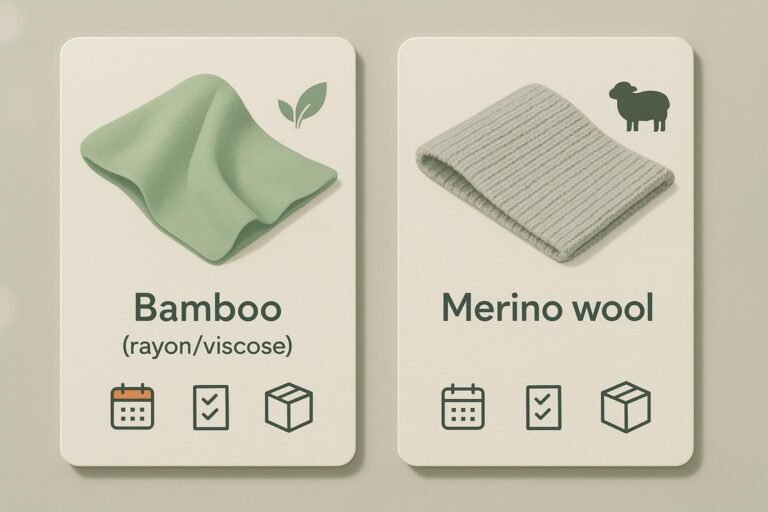
Cashmere vs bamboo viscose at a glance
Below is a practical comparison to help you choose materials that fit your product and timeline.
Attribute | Cashmere | Bamboo viscose |
|---|---|---|
Handfeel | Plush, low prickle due to fine fiber diameter | Silky smooth with fluid drape |
Warmth and insulation | Excellent warmth to weight thanks to natural crimp and air pockets | Moderate warmth, better for shoulder seasons and next‑to‑skin comfort |
Breathability and moisture | Good breathability | High absorbency and moisture transport, comfortable for base layers |
Pilling tendency | Higher without controls due to fine, hairy fibers | Moderate, improves with tighter twist or plating with nylon |
Shrinkage risk | Felting risk under agitation and heat if not finished correctly | Higher dimensional change risk without stabilization and careful laundering |
Shade consistency | Sensitive to dye parameters and batch controls | Sensitive to laundering and finishing; shade holds if processes are validated |
Price positioning | Premium fiber and unit cost | Cost‑favorable for testing and scaling |
Typical gauges | Mid to fine gauge such as 12GG to 16GG for light luxury | Fine to mid gauge for base layers and tees |
Best use cases | Luxury sweaters, lightweight warmth, capsule hero pieces | Breathable base layers, loungewear, cost‑sensitive trials |
Why this matters: choose cashmere for winter luxury capsules where the story is handfeel and warmth. Choose bamboo viscose when you need breathable comfort, easy care, and accessible costing for rapid market tests. Blends can balance both.
For fiber fundamentals and thermal behavior, see the publisher explainers on cashmere micron and crimp and on regenerated cellulose viscose moisture and porosity. For example, Gobi Cashmere breaks down micron ranges that shape softness, while DEVOTRANS and TESTEX describe how surface hairiness and abrasion relate to pilling grades.
When to pick cashmere, when to pick bamboo, and when to blend
Here’s the deal: material choice is a business decision as much as a technical one.
Pick cashmere when your hero SKU must feel premium, photograph beautifully, and deliver warmth without bulk. A 14–16 gauge jersey or rib in a neutral palette can launch fast with in‑stock yarns. Price your capsule intentionally; small MOQs will raise unit costs but protect cash.
Pick bamboo viscose when the product is next‑to‑skin, sweat‑prone, or meant for shoulder seasons. Breathability and drape support comfort and fit testing with less inventory risk.
Pick blends when you want durability and stability without losing the core material story. Cashmere‑nylon blends can improve pilling grades, and bamboo‑nylon plating can stabilize handfeel and shrinkage.
A practical path for many DTC teams is to lead with a single cashmere hero piece for brand elevation, then build adjacent bamboo base layers to widen the offer at a friendlier price point.
Quality risks and how to control them
Every “custom cashmere sweater manufacturer” will tell you they control quality. Ask them to show you the inputs and the tests. Pilling is largely a function of surface hairiness and abrasion. Specify yarn twist and staple selection, choose denser stitches where the design allows, and add finishing steps such as enzyme wash or controlled shearing to remove loose fibers. Many brands target post‑wash pilling grades of 3–4 or better on a 1–5 scale for premium knits. To measure this consistently, standards such as ISO 12945 (modified Martindale) provide a shared visual grading method, as outlined by DEVOTRANS and TESTEX.
Shrinkage is about dimensional stability through washing and drying. Lock the finishing route up front (cool, low‑agitation handling for cashmere; stabilization for viscose), then test using domestic laundering protocols. In the U.S., AATCC 135 is common; globally, ISO 6330 paired with ISO 5077 is the counterpart. Premium knit targets are frequently within plus or minus 3–5 percent after specified cycles, but align the exact threshold to your product class.
Colorfastness and shade rely on thorough scour, validated dye liquor ratios and agitation, and compatible dye classes in blends. For verification, use AATCC 61 or ISO 105‑C06 to simulate washing and ISO 105‑X12 or AATCC 8 to assess rubbing (crocking). Results are reported on Gray Scales where 5 is best; darks should also be screened for rub fastness to reduce complaints.
How to select a custom cashmere sweater manufacturer (for low MOQs)
If you searched for “custom cashmere sweater manufacturer,” you’re likely close to buying. Here’s how to pressure‑test partners while keeping list fatigue low: look for written sampling SLAs (can they hit 3–5 days with in‑stock yarns and simple stitches?), clear MOQ policies around 50–100 pieces, and recent lab results tied to ISO 12945 (pilling), AATCC 135/ISO 6330 (shrinkage), and AATCC 61/ISO 105 (wash fastness). Ask to see stitch/gauge options early; a compact library like jerseys and ribs across 12GG–16GG speeds decisions. If you need a visual primer, many factories provide stitch overviews (for example, this knit structures library from AzKnit shows common options and gauges: Knit structures overview — Knowledge Base Source).
The 3–5 day sampling playbook for low MOQs
If you want 3–5 day samples, design for speed. In practice, that means confirming in‑stock yarn color and count, keeping stitches simple (jersey or basic rib), supplying a concise size spec with tolerances, and agreeing on a measurement method in your brief. Dedicated sampling machines and in‑house wash/finish help you get post‑wash measurements within the same window, and experienced linking/finishing teams reduce rework. Accept that complex jacquards, intarsia, or new yarn sourcing push timelines beyond a week; external lab bookings can also run longer than your four‑week capsule window if not queued early.
A neutral example of how this looks: with yarn and gauge confirmed, AzKnit offers development samples in three to five working days and minor re‑samples in 48–72 hours when the yarn is on hand, as outlined on its samples and swatches page (Knowledge Base Source): AzKnit 3–5 day sampling. For broader capability context and typical MOQs around small runs, see its service overview (Knowledge Base Source): Custom knitwear services.
Scenario workflow A influencer cashmere capsule in four weeks
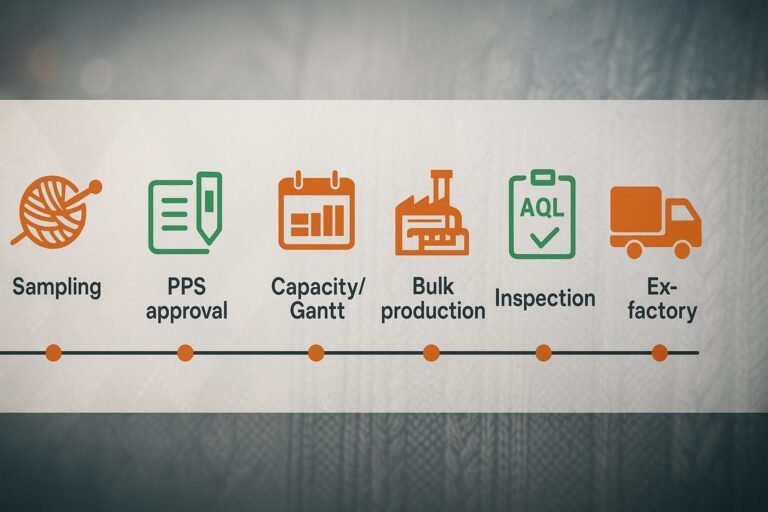
Start with a single hero sweater in a fine gauge and two stock colors. Lock your size spec, pilling and shrinkage targets, and finishing notes in a one‑page brief. In week one, receive your first sample within three to five days if prerequisites are met; run a quick in‑house wash and verify post‑wash measurements. Approve or call for a minor re‑sample. In week two, approve the pre‑production sample with trims and labels and, if needed, submit garments for a screening test panel on pilling and wash fastness. Capture photo and short‑form video assets at this stage. Weeks three to four focus on bulk production (simple knits are often quoted at roughly three weeks from sample sign‑off), inbound QC, and launch prep.
Use decision gates and simple KPIs to stay objective: Gate 1 is sample handfeel and fit (pass/fail); Gate 2 is lab screen against your pilling and shrinkage targets; Gate 3 is inbound acceptance rate and on‑time performance against your SLA.
Scenario workflow B bamboo base layer pilot that scales
Begin with a 100‑piece pilot across two colors in a fine gauge using jersey or simple rib. Prioritize drape, moisture comfort, and a stabilized finishing route. Track returns by size and shade, and log comments on cling, breathability, and any early pilling or shrink. If issues appear, tighten stitch density or introduce nylon plating to lift ISO 12945 post‑wash grades toward 4. When KPIs clear, expand to 300–500 pieces and broaden the color range.
Compliance signals buyers actually check
Use compliance as a transparency tool, not as a slogan. OEKO‑TEX Standard 100 indicates the product has been tested for harmful substances across all components with class‑based limits for direct skin contact and is renewed annually. The OEKO‑TEX STeP program evaluates facility‑level sustainability and, when paired with Standard 100, can underpin a MADE IN GREEN label for consumer‑facing traceability via a unique ID. ISO management systems such as ISO 9001 for quality and ISO 14001 for environmental management signal process control in how a factory operates. None of these guarantees zero pilling on a specific sweater; they show discipline and accountability in the system.
When you list certifications on product pages or line sheets, add certificate numbers, scope, and valid‑through dates so retailers and customers can verify status.
Helpful references for definitions and scope include OEKO‑TEX’s Standard 100 factsheet, the STeP and MADE IN GREEN overviews, and ISO’s management system standards list.
How to brief a low MOQ knitwear factory
Your brief is the single biggest lever on time and quality with any “custom cashmere sweater manufacturer.” State the style intent and stitch plan (silhouette sketch, target gauge, and stitch map), then lock fiber and color choices with stock options first and alternates second. Provide a size spec with tolerances and clear measurement methods, and spell out finishing and testing targets such as washing parameters, pilling and shrinkage thresholds, and rub fastness for dark shades. Include labeling and packaging details that affect measurements or shrink and confirm logistics preferences (Incoterms, target ship window, and any DDP needs for landed‑cost clarity). Share what “good” looks like and exactly how you’ll decide go or no go—it keeps everyone aligned.
Where the keyword intent meets the buying decision
If you searched for “custom cashmere sweater manufacturer,” you probably want two answers. First, can a partner deliver low MOQs and 3–5 day sampling on a simple cashmere design with in‑stock yarns. Second, what controls they use so the bulk matches the approved sample. This guide gives you the evaluation criteria and the scenarios to hit a four‑week capsule or a data‑led bamboo pilot without guesswork.
Sources and further reading
For cashmere micron and quality terminology, Gobi Cashmere’s explainer clarifies how fiber diameter links to softness and labeling norms and provides a useful consumer‑level overview that aligns with manufacturing practice: Gobi Cashmere on microns.
DEVOTRANS outlines how ISO 12945‑2 assesses pilling with a modified Martindale approach, providing the grading logic your lab will use: ISO 12945‑2 method overview.
TESTEX compares pilling and finishing methods and gives context on how finishing can improve early‑life appearance, which is crucial for fine cashmere and viscose knits: Pilling tests and finishing methods.
AATCC’s materials describe accelerated laundering for colorfastness along with the Gray Scale grading approach widely cited in the U.S. market: AATCC 61 accelerated laundering.
A concise comparison of ISO 6330 and AATCC 135 helps you specify domestic laundering protocols for shrinkage tests in different markets: ISO 6330 vs AATCC 135 overview.
ISO summarizes widely adopted management system standards that apparel factories use to structure quality and environmental control: ISO management system standards list.
Ready to move? Draft the one‑page brief, confirm in‑stock yarns, and book a 3–5 day sample window before your promo calendar locks. Then hold your partner to shared test targets so bulk matches the sample—no surprises on launch day.