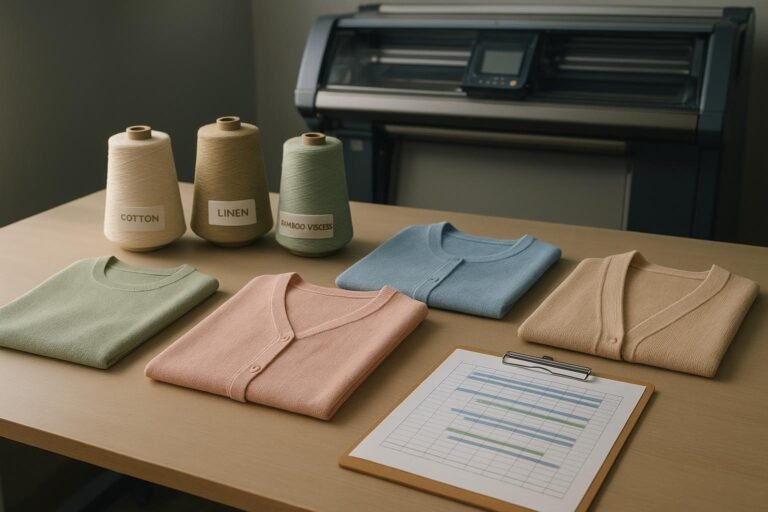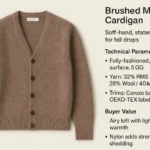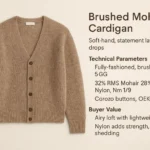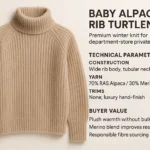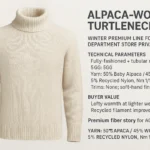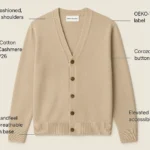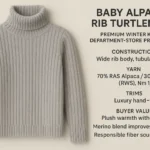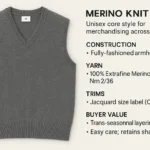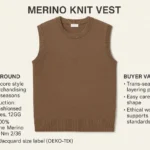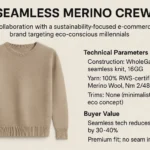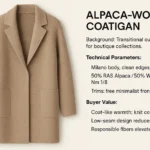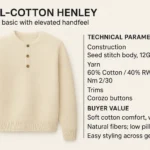

A vintage style sweater(rd style) isn’t just a pattern or a palette—it’s a combination of yarn hand, stitch architecture, silhouette, and finishing that triggers instant recognition. For founders and design leads, the craft challenge is turning that aesthetic into a reliable, small‑batch manufacturing program that samples fast, scales cleanly, and holds quality.
This guide gives you a practical, evidence‑linked blueprint—from yarn and stitch choices to an OEM/ODM workflow with quality gates—so you can brief with confidence and hit market timelines without costly do‑overs.
Key takeaways
Start with hand and construction: choose yarn families and gauges that naturally produce the vintage look you want before locking silhouettes.
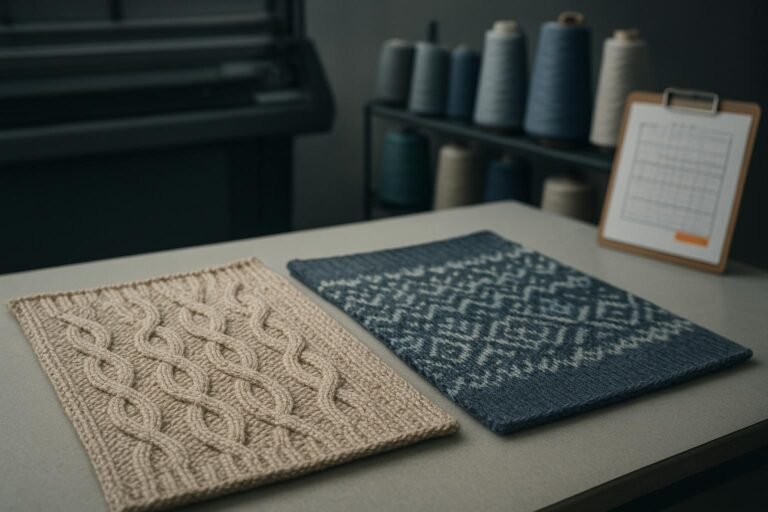
Match motif to method: Fair Isle (stranded) excels at repeating motifs; intarsia is better for large, float‑free graphics but tends to run slower per piece.
Build a gated workflow: tech pack → lab dips → prototype and size set → pre‑production sample → bulk with AQL. Specify knitwear‑relevant tests early.
Plan small‑batch economics: colorways, yarn minimums, and machine setup drive MOQ; consolidate trims and manage palette to hold cost and speed.
Protect authenticity through finishing: avoid over‑processing; block and measure after wash to preserve intended hand and drape.
What makes a sweater look vintage
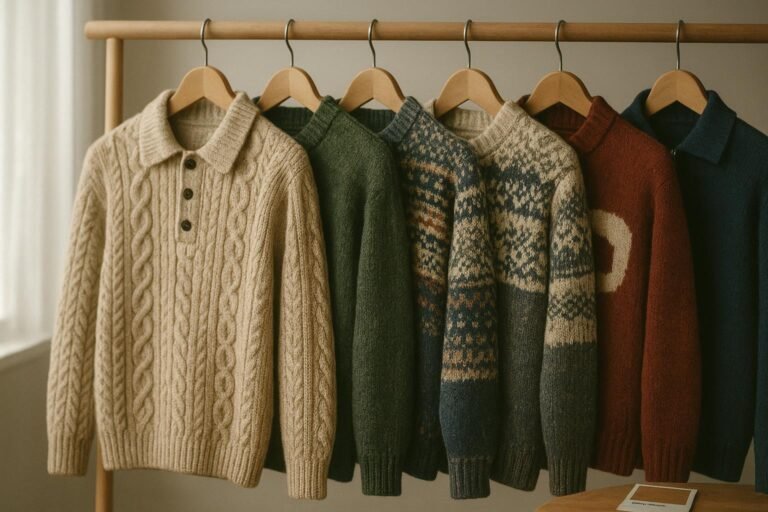
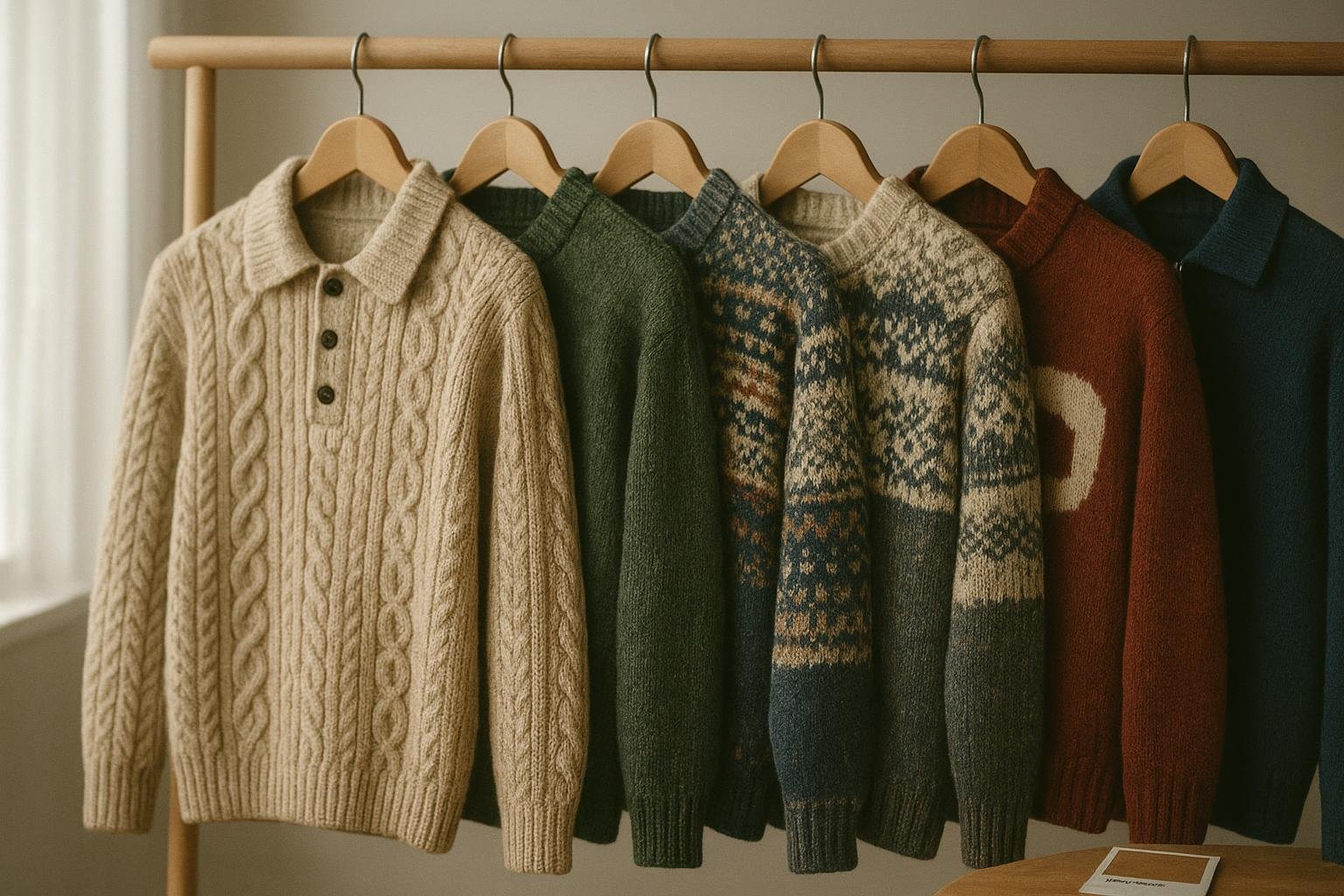
The signals are tactile and visual. Fibers like Shetland‑type wool yield a crisp, slightly dry hand that reads “heritage,” while fine merino produces a softer modern feel. Heathered and mélange yarns add depth. Motifs—braided cables, Fair Isle or Nordic jacquards, and bold intarsia graphics—anchor the silhouette. Era cues such as saddle or raglan shoulders, polo or mock collars, quarter zips, and relaxed 90s proportions reinforce the message. Museum and heritage archives confirm how these elements evolved across decades, notably in Shetland stranded traditions and Scandinavian sport knits.
Design choices for a vintage rd style sweater
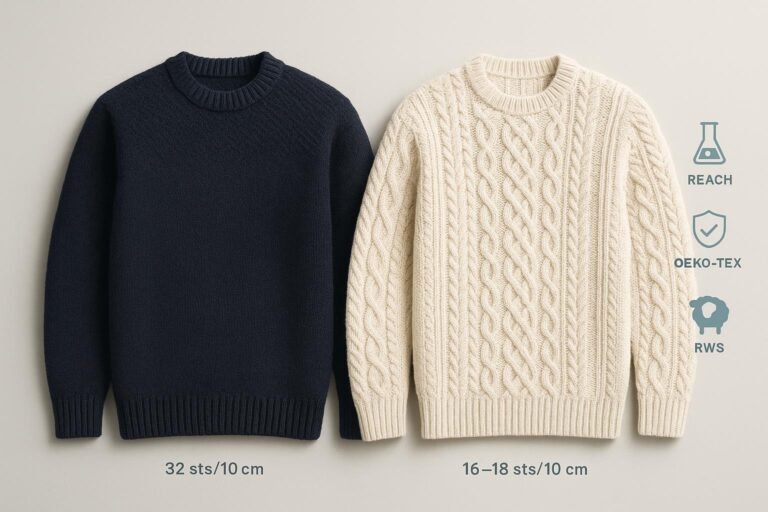
Before sketching trims and labels, decide how the fabric itself should feel in hand and how it should hang on the body. Heavier gauges (3–7GG) emphasize chunky cables and farmhouse texture; mid gauges (7–12GG) balance motif clarity with wearability; fine gauges (12–16GG) modernize vintage motifs for lightweight layering. Swatch at your target gauge and wash/finish early, because post‑wash hand often changes more than you expect.
Yarns that deliver a vintage hand
Wool families Wool sits at the heart of a vintage style sweater. Designers often weigh a Shetland‑like crispness (authentic, toothy, great stitch definition) against merino’s finer micron and softer, next‑to‑skin handle. To keep options open, many brands blend to tune loft, elasticity, and price while retaining heathered depth.
Cashmere and recycled cashmere Cashmere’s fine fiber diameter creates exceptional softness at low weight, but finishing and care need a lighter touch. An accessible overview of properties and care considerations is provided in the encyclopedic entry on the subject; see the publisher’s summary in 2026 for a neutral baseline in “Cashmere wool.” For sustainability context and brand guidance, Good On You’s 2025 material brief outlines animal‑welfare and environmental issues with practical procurement tips. Recycled options exist on the market and can support a retro hand at lower footprint; for instance, retail listings of “eco” or recycled cashmere yarns confirm commercial availability.
According to the reference overview: Cashmere wool.
Sustainability guidance: Good On You’s cashmere material guide (2025).
Commercial availability example: Gepard Eco Cashmere Vintage retail listing.
Alpaca and mohair Hair fibers like alpaca and mohair bring halo and visual loft that echo certain retro eras. They also require controlled washing and finishing to avoid matting or excessive shedding. Technical primers on hair fibers outline processing steps and sensitivities, useful when specifying finishing windows.
Certification implications Many brands want chemical‑safety assurance without changing design intent. OEKO‑TEX Standard 100 certifies components and finished goods against harmful substances; it doesn’t claim durability or warmth, but it does provide a verifiable compliance signal renewed annually. The publisher’s standard page and factsheet are the canonical overviews and are helpful to reference in procurement briefs.
Stitch motifs and production trade‑offs
Fair Isle versus intarsia Fair Isle (stranded) knitting carries two colors per row (sometimes more with advanced set‑ups) and leaves floats on the reverse. It’s efficient for repeating, allover motifs and often provides higher throughput. Intarsia builds discrete color blocks with crisp edges and no floats, making it ideal for large graphics and color‑block layouts. The trade‑off is speed: intarsia typically requires more program complexity and manual handling, so it tends to run slower piece‑for‑piece. A practical technique explainer compares the two and why you’d choose each method in manufacturing.
Technique comparison: Nimble‑Needles: Intarsia vs. Fair Isle.
Cables and gauge Dense cables shine in heavier gauges where relief has room to breathe; in mid/fine gauges, you’ll need careful tension control to avoid flattening after finishing. Machine‑knitting classrooms and practitioner guides note that certain motifs are easier on standard or mid‑gauge set‑ups, and that intarsia often prefers mid to bulky gauges with dedicated carriers. If your cable cardigan also includes intarsia panels, plan extra sampling time to reconcile tension across structures.
Linking and finishing Fully fashioned shaping and clean linking at armholes, side seams, and plackets preserve durability and the handcrafted look. Consider specifying stitch‑for‑stitch linking on visible seams and documenting acceptable tolerances in your tech pack.
Era cues and silhouettes across decades
Heritage archives illustrate how motifs and proportions shifted—from close‑fitting 40s pullovers to relaxed 90s quarter zips. These two sources provide accessible, visual context you can translate into specs: the Shetland Museum’s object‑level write‑ups of stranded knitwear and a Nordic brand’s multi‑decade archive of sport jacquards.
Shetland references: Shetland Museum blog on a 1913 pullover.
Nordic evolution: Dale of Norway’s Olympic sweater archive.
Decade | What shoppers recognize | Helpful spec cues |
|---|---|---|
1940s–50s | Sturdy wool pullovers, traditional Fair Isle bands | Closer chest ease, higher necklines, narrow rib cuffs, crisp hand |
1960s | Mod intarsia graphics, clean color blocks | Balanced ease, tidy set‑in sleeves, vibrant but limited palette |
1970s | Earthy tones, folk stripes, brushed halos | Slightly relaxed chest, longer ribs, mohair or alpaca blends |
1980s | Bold cables, oversized shoulders | Generous drop shoulders, wide cables, heavier gauges |
1990s | Relaxed fits, quarter zips, polos | Roomy body length, collar stand height, firm rib recovery |
Use this table as a starting lens, then translate into graded measurements and tolerances for your target market.
From tech pack to bulk with quality gates
A reliable vintage style sweater program follows a gated path. Map each gate to clear accept‑reject criteria so sampling doesn’t drift.
Tech pack and feasibility Provide sketches, yarn spec and supplier options, gauge target, stitch charts, trims, and finishing notes. Your factory reviews feasibility, proposes machine programs, and flags risk areas (e.g., intarsia complexity, color count limits in stranded knitting).
Lab dips and color approvals For each colorway, approve lab dips against Pantone or brand standards. Dark reds and deep navies often need extra iterations. A concise introduction to textile colorfastness methods from a recognized QA publisher helps you choose which tests matter for your market and end use.
Methods overview: QIMA’s guide to colorfastness test methods.
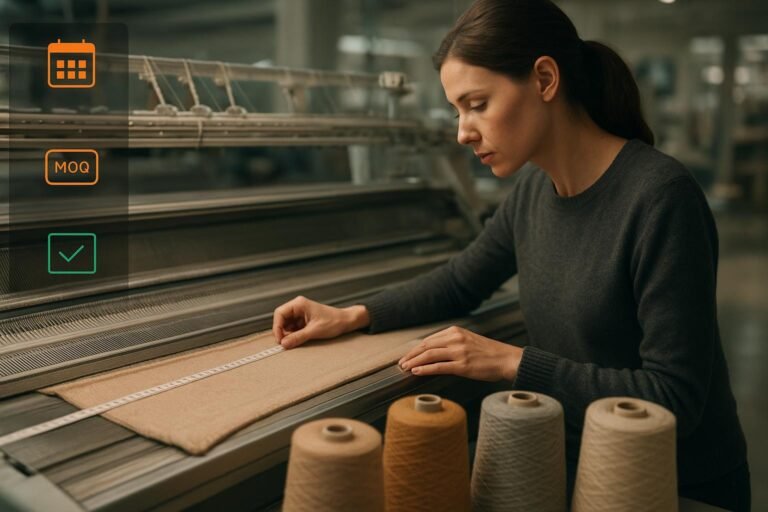
Prototype and graded size set Build the first prototype in the target yarn and stitch to validate silhouette and motif scale. Then confirm a graded size set to check proportional balance across sizes. Document post‑wash measurements and rib recovery so bulk finishes match approval.
Pre‑production sample Produce a PP sample using final yarn lot, programmed motifs, trims, and finishing. This is your line‑in‑the‑sand sample for bulk.
Bulk production Knit, link, wash/finish, block, press, label, and pack. For hair fibers and cashmere, ensure washing and pressing windows are gentle enough to preserve loft and avoid felting or shine.
Inspection and testing Many brands specify Acceptable Quality Limits using the ISO attribute sampling system; in apparel, AQL 2.5 for major defects is common. Reference the standards body’s page when you outline your plan. For knits, add pilling, dimensional stability, and key colorfastness tests aligned to your market.
Attribute sampling reference: ISO 2859‑1 overview.
Example OEM partner integration An OEM with small‑batch capacity, multiple gauges, and a broad stitch repertoire can shorten cycles and reduce restarts. For instance, AzKnit supports rapid sampling, flexible low MOQs, and gauges from 3GG to 16GG across jersey, rib, jacquard, intarsia, and cables—useful when you want to pilot a Fair Isle crewneck and an intarsia cardigan in the same drop. These capabilities are stated in AzKnit’s public materials; for background see AzKnit. Keep your brief neutral and outcome‑oriented (hand, drape, measurements, tests), not just aesthetic.
Small‑batch and MOQ tactics for retro knits
MOQ is driven by yarn minimums per color, machine setup time, and motif complexity. A practical tactic is to compress your palette across styles, reuse trims, and keep color counts per course within machine and throughput limits. For many OEMs focused on small batches, 50–100 pieces per style per color is a realistic floor when yarn is accessible; some publish ranges and considerations openly, which you can use to sense‑check quotes and timelines.
For context on published small‑batch ranges, see Knitwear.io’s low‑MOQ overview.
If you’re targeting 50–500 pieces:
Consolidate colorways to reduce yarn liability and lab dips.
Place the first size set and PP sample approvals on the same calendar to compress time.
Use shared bodies with different motifs to build variety without re‑engineering.
Care, finishing, and hand‑feel integrity
Finishing can make or break authenticity. Over‑enzyming can flatten cables; over‑pressing can polish cashmere. Keep washing windows conservative for hair fibers and steam‑shape rather than crush. Industry process and care explainers for cashmere highlight gentle washing, controlled fulling, and careful pressing to preserve loft and softness. Align your care labels with actual test results and finishing windows.
Useful primer on process and care: Begg x Co’s cashmere care overview.
FAQs
What exactly defines a vintage style sweater for customers? It’s the combination of yarn hand, heathered color, era‑coded motifs like cables or Fair Isle, and silhouettes that echo specific decades. When those elements align, shoppers perceive “authentic” even in fresh palettes.
Fair Isle or intarsia—how should I choose for production? Choose Fair Isle for repeating motifs and faster throughput, accepting floats on the reverse. Choose intarsia for large, sharp color blocks or graphics without floats, but plan for longer cycle times. Sample both at target gauge and evaluate post‑wash.
Merino or a Shetland‑like wool for a retro crewneck? Use merino when next‑to‑skin softness is priority. Use Shetland‑style yarns when you want a rugged, crisp hand and high stitch definition. Blends can split the difference on feel, durability, and price.
What’s a realistic sampling timeline and MOQ for small capsules? Many small‑batch OEM programs can turn first samples in under a week when yarn is on hand, with bulk in the low‑weeks range after approval. MOQs of 50–100 units per color per style are commonly published by small‑batch vendors. Always confirm exacts by yarn availability, gauge, and motif complexity.
Which tests should I specify for quality? At minimum, pick relevant colorfastness tests for your market, define acceptable shrinkage after wash, and choose a pilling method/threshold aligned to fiber. Pair these with an inspection plan that sets AQL and defect definitions.
A vintage style sweater program succeeds when authenticity and operations stay aligned. Start with the fabric hand and silhouette you want, choose the stitch method that matches the motif and timeline, and enforce quality gates that protect what you approved in sampling. When you do that, the look and the numbers both hold steady from first prototype to final carton.