
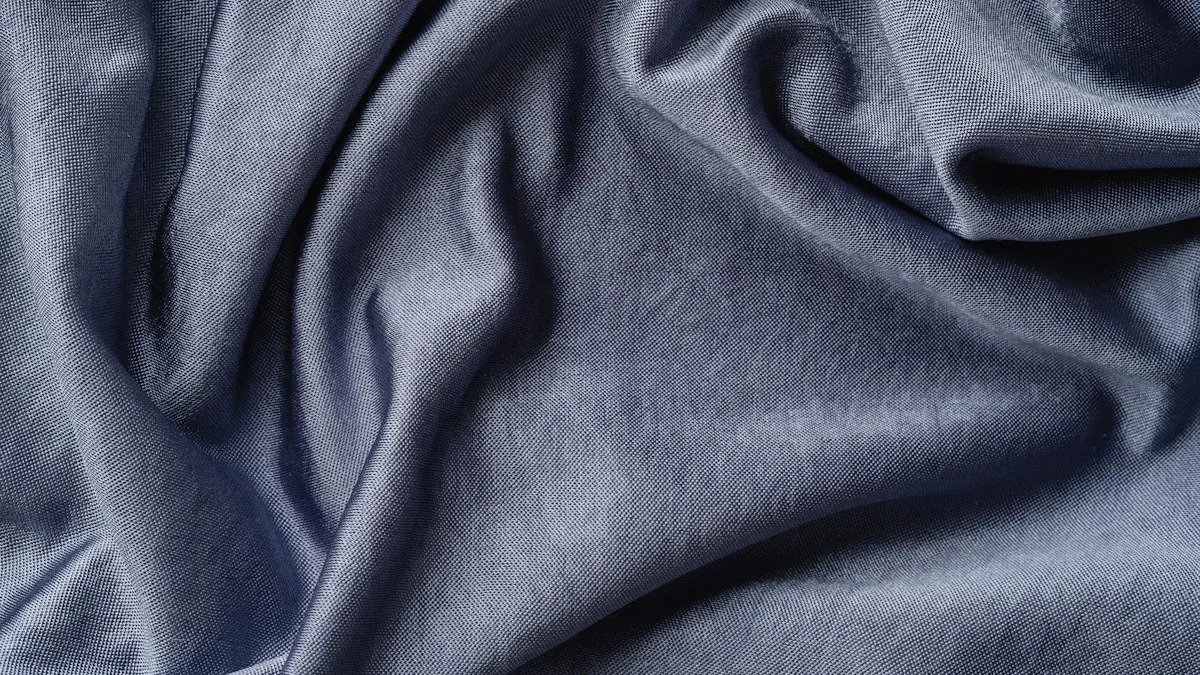
You might ask what viscose is and why it is important now. Viscose is a fiber that is partly synthetic. It comes from wood pulp. Makers use chemicals to change the pulp. This makes threads that are soft and useful. Viscose is part of the cellulosic fiber group. Modal and lyocell are also in this group. In 2025, viscose has the biggest market share of these fibers.
Fiber Type | Market Share in 2025 |
|---|---|
Viscose | Over 50% |
Modal | More people want it |
Lyocell | More people want it |
Viscose is in many new fabrics. It is comfy and not expensive. Next, you will see how makers change wood pulp into fibers you can use.
Key Takeaways
Viscose is a soft fiber. It lets air pass through. It comes from wood pulp. People like it for comfy clothes.
In 2025, viscose is very popular. It has more than half the market for cellulosic fibers. This shows more people want it.
Making viscose uses natural and chemical steps. Makers try to recycle and use eco-friendly ways.
You need to wash viscose gently. Use cold water and let it air dry. This keeps it soft and stops damage.
Check for labels like ‘100% Viscose’ or ‘Ecovero Viscose’. These mean the product is good and better for the environment.
What is Viscose?
Definition
You might wonder what viscose is and how it is used in clothes. Viscose is a fiber that is not fully natural or fully man-made. It comes from cellulose, which is found in wood pulp. Factories use chemicals to turn wood pulp into threads. This makes viscose different from cotton and nylon. The name “viscose” comes from a thick liquid used to make it. When you see viscose in clothes, it is a kind of rayon. Rayon is a group of fibers made from cellulose that has been changed. Viscose rayon is special because it feels soft and looks shiny. Many people like it for making clothes.
Origins
If you ask where viscose comes from, the story goes back over 100 years. People invented viscose in the late 1800s to be a cheaper fabric than silk. The first big factory started making viscose in 1905. Over the years, viscose became popular because it was smooth and shiny. Here are some important dates for viscose:
In 1891, English scientists made the viscose process and got a patent.
In 1905, Courtaulds Ltd. began making viscose in large amounts.
In the 1920s, viscose was often used instead of silk.
In the 1960s, factories made viscose stronger.
In the 1990s, people worried about how viscose affects the environment.
In the 2010s, companies found better ways to make viscose safer for nature.
In the 2020s, the industry works on recycling and being eco-friendly.
Note: The story of viscose shows how new ideas and what people want have changed the fabric world. Viscose has changed a lot to fit what people need.
Viscose Material Properties
When you look at viscose, you can see what makes it different from other fibers. Viscose has a density of 1.52 g/cm³, which is more than most other fibers. Viscose can soak up more water than cotton. At room temperature, viscose takes in about 13% water, but cotton only takes in 6%. This helps viscose feel cool and comfy in hot weather.
Viscose gets weaker when it is wet, so you must be gentle when washing it. Viscose does not stretch much, usually less than 3%. This changes how it acts when you wear or weave it. Regular viscose can stretch 15-30% before it breaks, but stronger types stretch less.
Viscose reacts fast with chemicals because of how it is made. It does not handle acids as well as cotton does. Heat and sunlight can make viscose weaker, so do not leave viscose in the sun or near heat for too long.
Here is a table that compares viscose and cotton:
Property | Viscose Material | Cotton |
|---|---|---|
Density | 1.52 g/cm³ | 1.54 g/cm³ |
Moisture Absorption | 13% | 6% |
Dry Tensile Strength | 1.5-2.4 gpd | 3.0-4.0 gpd |
Wet Tensile Strength | 0.7-1.2 gpd | 2.0-2.5 gpd |
Elasticity | <3% | 8-10% |
Elongation at Break | 15-30% | 6-10% |
Viscose is soft, lets air through, and feels smooth. These things make viscose great for dresses, shirts, and other clothes you wear every day.
If you want a fabric that feels nice and looks fancy, viscose is a good pick.
How Viscose is Made
You may wonder how viscose is made. The process uses both natural and chemical steps. First, factories start with wood or plants. They get cellulose from these sources. Then, they treat the cellulose with chemicals. This helps form the fibre. Each step changes how good the rayon will be.
Raw Materials
Factories need the right materials to make viscose. Most use wood from trees that grow fast. These trees grow back quickly. This helps keep the process good for nature. Here is a table that shows the main sources in 2025:
Wood/Plant Source | Description |
|---|---|
Eucalyptus | Fast-growing, regenerative tree used for wood pulp |
Beech | Another type of fast-growing tree for cellulose production |
Pine | Commonly used tree for viscose production |
Bamboo | Alternative source for viscose, derived from the bamboo plant |
Eucalyptus and beech are popular because they grow fast. Pine is also used a lot. Some companies pick bamboo for a greener choice. All these plants give the cellulose needed for rayon.
Cellulose Extraction
Factories must get pure cellulose from wood pulp. There are two main ways to do this. Each way removes things that are not needed. This leaves clean cellulose for the next step.
The prehydrolysis kraft (PHK) process starts with an acid step. This removes hemicelluloses and some lignin from wood chips.
Next, kraft cooking takes out most lignin. It also removes more hemicelluloses and some cellulose.
The pulp then goes through bleaching. This makes the dissolving pulp pure for rayon.
Another way is the acid sulfite (AS) process.
Hemicelluloses, lignin, and other parts are taken out. They are dissolved in spent sulfite liquor.
Factories can use this liquor to make other products.
The brown stock left is cleaned with hot alkali or by bleaching. This gives dissolving pulp for rayon.
At the end, you get very pure cellulose. This is ready for the next part of making viscose.
Chemical Processing
Now comes the chemical part of making viscose. This stage changes the cellulose so it can become fibre. Factories use several chemicals and control each step.
The cellulose is treated with sodium hydroxide. This makes alkali cellulose, which reacts more easily.
The alkali cellulose is aged. This controls how long the cellulose chains are.
Next, carbon disulfide is added. This makes cellulose xanthate, which is important for the viscose solution.
The cellulose xanthate is dissolved in caustic soda. This makes the viscose solution, which is thick and orange.
This process is called mercerisation, aging, and xanthation. Each step gets the cellulose ready for spinning. In 2025, many factories recycle chemicals and water. This makes rayon cleaner and better for the planet.
Tip: New factories use digital tools and AI. These help control the process, cut waste, and save energy.
Fiber Formation
This is the last step of making viscose. Here, the viscose solution turns into solid fibre. The quality depends on how well each step is done.
The cellulose is treated with caustic soda and aged.
Xanthation happens next. The alkali cellulose reacts with carbon disulfide. This makes cellulose xanthate. It is dissolved to get the viscose solution.
The viscose solution is spun. It is pushed through tiny holes into a bath. The bath has chemicals that turn the liquid into solid threads. These threads become rayon fibres.
In 2025, factories use closed-loop systems. These recycle water and chemicals. Some companies use bio-based and biodegradable choices. They use enzymes and microbes instead of harsh chemicals. Digital tools and AI help make the process faster and more exact.
Advancement Type | Description |
|---|---|
Closed-loop production systems | Recycle chemicals and water, reduce waste, and lower carbon footprint. |
Bio-based and biodegradable options | Use enzymes and microbes, cut emissions, and increase biodegradability. |
Digital automation and AI | Improve accuracy, reduce energy use, and minimize waste. |
The viscose process in 2025 is safer and better for the earth. You get soft, strong, and useful rayon fibres for many kinds of fabric.
Viscose Fabric Features
Feel and Breathability
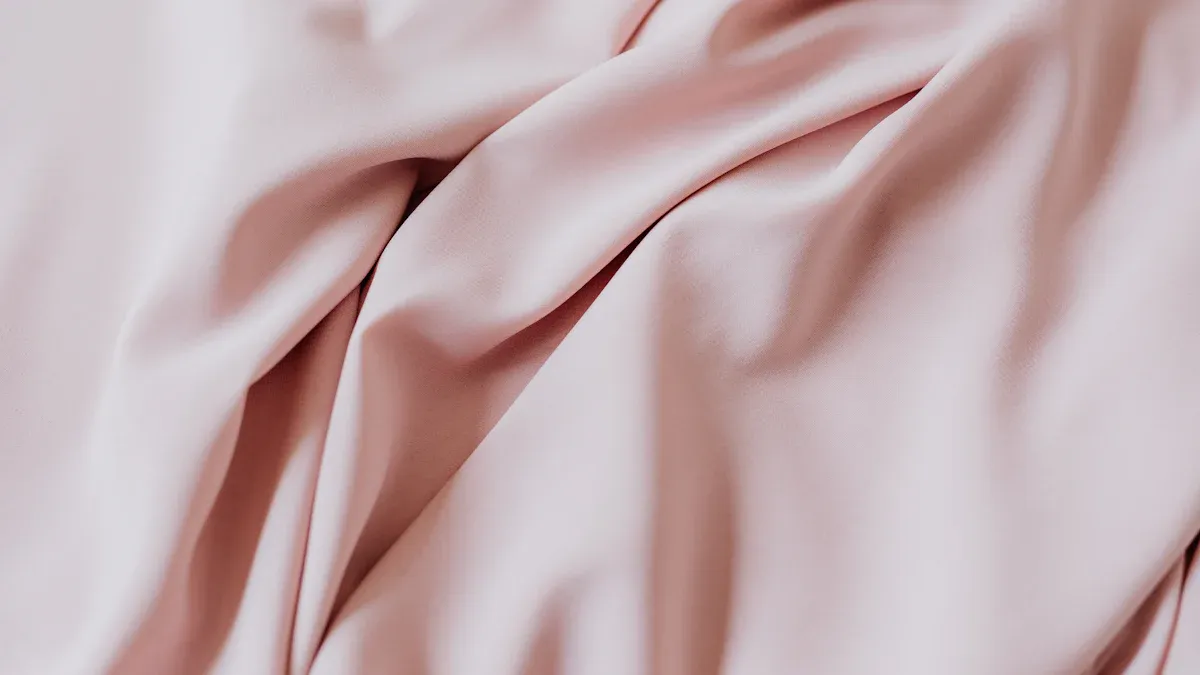
Viscose fabric feels soft and light when you touch it. Many people pick it because it is gentle on skin. You can wear viscose in warm weather. It lets air move through, so you stay cool. Viscose breathes well, but not as much as cotton or silk. Cotton lets air in best. Silk helps keep your body at the right temperature.
Here is a table that shows how three fabrics feel and breathe:
Fabric | Feel | Breathability |
|---|---|---|
Viscose | Soft and lightweight | Good, but less than cotton and silk |
Cotton | Soft and breathable | Excellent |
Silk | Luxurious and smooth | Superior in breathability |
Viscose rayon soaks up moisture easily. This helps you stay dry and comfy. Many people like viscose for its soft feel and breathability. These things make viscose comfortable to wear.
Common Uses
Viscose fabric is used in lots of places. Clothing makers use it for shirts, dresses, pants, and jackets. You also see viscose in home items like curtains and bedding. Some companies use viscose for work clothes and furniture covers. It is soft and easy to care for.
Viscose is used in fancy clothes because it looks nice and feels good.
Bedding and curtains use viscose for its natural feel.
Work clothes and furniture covers use viscose for softness and breathability.
People like viscose because it feels nice and looks good. You may see more brands using viscose to give you comfort and style.
Viscose Sustainability
Environmental Impact
Making viscose can hurt the environment in many ways. Factories use lots of water and chemicals to make it. They need about 30 tons of water for every ton of viscose. Chemicals like sodium hydroxide and carbon disulfide can get into air and water. This can hurt plants and animals nearby. Cutting down trees for wood pulp is also a big problem. When forests are cut, animals lose their homes. More carbon goes into the air, which is bad for the planet.
Here are the main problems:
Cutting down trees for wood pulp hurts animals and the climate.
Chemicals from factories can make air and water dirty.
Using so much water can cause shortages in some places.
Note: Some factories in Asia have made air and water dirty. Big brands have been blamed for using viscose from these places. This is why you should care about how viscose is made.
Innovations
In 2025, new ideas help make viscose better for nature. Some factories use closed-loop systems now. These systems clean and reuse water and chemicals. This means less pollution goes into the earth. Some companies use old clothes or wood from forests that are managed well. Others use enzymes to use less energy and fewer chemicals.
Here is a table of new ways to help:
Innovation Type | Description | Environmental Impact |
|---|---|---|
Closed-loop systems | Reuse water and chemicals during making | Less pollution and waste |
Alternative materials | Use old clothes or wood from safe forests | Fewer trees cut and less resource use |
Enzyme technologies | Use enzymes instead of strong chemicals | Less energy and fewer chemicals needed |
You can look for special labels when you shop. Ecovero Viscose has the EU Ecolabel, which means it is made in a better way. FSC certification means the wood comes from forests that are cared for. These labels help you pick products that are better for the earth.
Viscose Material vs. Other Fabrics
Viscose Material vs. Cotton
Viscose and cotton are not the same. Both come from plants, but they are made in different ways. Cotton grows in fields and needs lots of water. Making one cotton T-shirt uses about 2,700 liters of water. That is enough for one person to drink for over two years. Cotton farms are often in dry places. This can hurt the environment.
Viscose comes from wood pulp taken from trees. Factories use about 30 tons of water to make one ton of viscose. Cotton farms use many pesticides. These chemicals can get into the ground and water. This makes it hard for plants and animals to live.
Issue | Viscose Fabric Impact | Cotton Fabric Impact |
|---|---|---|
Water Consumption | 30 tons per ton of viscose | 2,700 liters per T-shirt |
Land Use | Fast-growing trees | Often grown in water-scarce regions |
Environmental Footprint | Chemical processing | Heavy pesticide use, groundwater contamination |
Cotton farms use a lot of pesticides. These can hurt nature and pollute water.
Viscose vs. Polyester
Viscose and polyester are also different. Viscose feels softer and lets your skin breathe. This is good for hot days or if your skin is sensitive. Polyester does not let air through as well. It can trap heat and make you feel hot.
Polyester is stronger than viscose. It does not wrinkle much and lasts longer. Polyester is cheaper and used in many low-cost clothes. Viscose is often picked for nicer clothes.
Comfort: Viscose is softer and lets air through.
Durability: Polyester is stronger and does not wrinkle.
Cost: Polyester is usually less expensive.
Pros and Cons
Every fabric has good and bad sides. Here are the main ones for viscose:
Advantages of Viscose | Disadvantages of Viscose |
|---|---|
Environmental impact | |
Moisture absorption | Weakness in wet conditions |
Versatility and dye affinity | Low resilience |
Cost-effectiveness | Susceptibility to pilling and abrasion |
Moisture absorption and mildew growth | |
Energy-intensive production process |
If you want a fabric that feels soft and looks nice, viscose is a good pick. But you should also think about how it is made and how long it will last.
Caring for Viscose
Washing Tips
You want your viscose clothes to last and look good. Washing them the right way helps keep the fabric soft and strong. Always check the care label before you start. Most viscose garments need gentle care. Here are some tips to help you wash viscose safely:
Hand wash in cold water with a mild detergent. Gently move the fabric in the water.
If you use a washing machine, choose the gentle cycle and cold water.
Place viscose items in a mesh laundry bag to protect them from damage.
Wash viscose separately from heavy fabrics. This prevents snagging and stretching.
Never use hot water. Hot water can shrink or weaken viscose fibers.
Air dry your viscose clothes. Lay them flat or hang them on a padded hanger. Avoid using a dryer, as heat can damage the fabric.
Tip: Always follow the instructions on the care label. Some viscose blends may have special washing needs.
Maintenance
Taking care of viscose does not stop after washing. You can keep your clothes looking new with a few simple steps. Cold water helps prevent shrinkage. Store your viscose garments in a cool, dry place. This keeps moisture and mildew away.
Use padded or wide hangers to avoid stretching the shoulders.
Fold viscose items if you want to relieve tension on seams.
Iron viscose on the backside with low heat and steam. This protects the fabric’s smooth texture.
Avoid tumble drying 100% viscose garments. Air drying is safer.
If you see wrinkles, use a steamer or a warm iron. Always iron on the inside of the fabric.
A little care goes a long way. When you handle viscose gently, you help your clothes stay soft, bright, and comfortable for a long time.
Viscose Knitwear Offered by Azknit
Azknit offers a wide range of knitwear made from viscose. You can find many styles that suit different needs and occasions. Viscose knitwear stands out because it feels soft, looks bright, and works well for everyday life.
Types of Viscose Knitwear
You have many choices when you look for viscose knitwear at Azknit. Each type offers something special for your wardrobe.
Sweaters
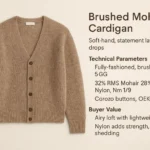
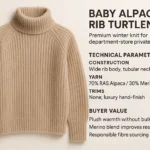
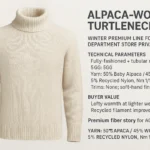
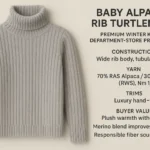
Sweaters made from viscose feel smooth and gentle on your skin. You can wear them in cool weather or layer them for extra warmth. These sweaters keep their shape and color after many washes.
Cardigans
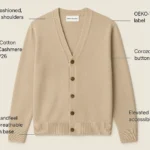
Viscose cardigans give you a light layer that works for many outfits. You can wear them over viscose shirts or dresses. Cardigans are easy to style for work or casual outings.
Dresses
Viscose dresses offer comfort and style. The fabric drapes well and moves with you. You can wear these dresses for parties, school, or family gatherings.
Tops
You can choose viscose tops for summer or spring. These tops feel cool and soft. They work well with viscose trousers or leggings for a complete look.
Scarves
Viscose scarves add color and texture to your outfit. They feel light and soft around your neck. You can use them in any season.
Key Features of Azknit Viscose Knitwear
When you pick viscose knitwear from Azknit, you get several benefits. The fabric stands out for its comfort, breathability, and lasting color.
Softness and Comfort
Viscose yarn feels very soft, almost like silk or cotton.
You can wear viscose knitwear directly on your skin without irritation.
The fabric stays comfortable all day.
Breathability
Viscose lets air move through the fabric.
You stay cool and dry, even in warm weather.
The material absorbs moisture better than cotton.
Vibrant Colors
Viscose yarn takes dye well, so colors look bright and vivid.
The colors do not fade easily, even in sunlight.
You can find knitwear in many shades and patterns.
Modern Designs
Azknit offers knitwear in trendy styles.
You see modern cuts and shapes in sweaters, dresses, and tops.
The designs fit many tastes and occasions.
Tip: If you want knitwear that feels soft and keeps its color, viscose is a smart choice.
Popular Uses and Occasions
Viscose knitwear fits many parts of your life. You can wear it for work, play, or special events.
Everyday Wear
You can use viscose tops and sweaters for daily outfits. These pieces feel light and easy to move in. Pair them with viscose leggings for comfort at home or outside.
Office Attire
Viscose shirts and cardigans work well for the office. You look neat and feel comfortable during long hours. The fabric keeps you cool and fresh.
Seasonal Collections
Azknit offers knitwear for every season. You find light tops for summer and warm sweaters for winter. Viscose dresses and scarves add style to spring and fall outfits.
Layering Pieces
You can layer viscose knitwear over other clothes. Cardigans and scarves help you adjust to changing weather. These pieces add warmth without feeling heavy.
Note: Many people choose viscose knitwear for vacations, casual outings, and beach trips. You can layer tops over swimwear or wear dresses for a relaxed look.
You see that viscose knitwear from Azknit gives you variety and versatility. The fabric feels soft, looks bright, and fits many occasions. You can build a wardrobe that works for school, work, and fun.
You have learned that viscose is made from wood pulp. Factories use a special process to turn it into soft fabric. In 2025, more people want viscose because it is comfy. Shoppers also care about where their clothes come from. When you buy clothes, touch the fabric to see if it feels soft. Check if it hangs nicely and shines a little. Look for tags that say “100% Viscose” or “Rayon.” Picking the right clothes helps you get good quality. It also helps make the clothing industry better for the planet.
FAQ
What is the main difference between viscose and rayon?
You may see both names on clothing tags. Viscose is a type of rayon. Factories make viscose using a specific process. Rayon is a group name for fibers made from cellulose.
Can you recycle viscose fabric?
You can recycle some viscose fabrics. Many recycling centers accept clean viscose clothing. Always check local rules. Some brands now use recycled viscose in new clothes.
Does viscose shrink after washing?
Viscose can shrink if you use hot water or a dryer. You should wash it in cold water and air dry. This helps keep the fabric the right size.
Is viscose safe for sensitive skin?
Viscose feels soft and smooth. Many people with sensitive skin wear it without problems. If you have allergies, test a small area first.
How can you tell if a fabric is viscose?
You can check the care label for “viscose” or “rayon.” Viscose feels soft and drapes well. It often has a slight shine. If you are unsure, ask the seller for details.