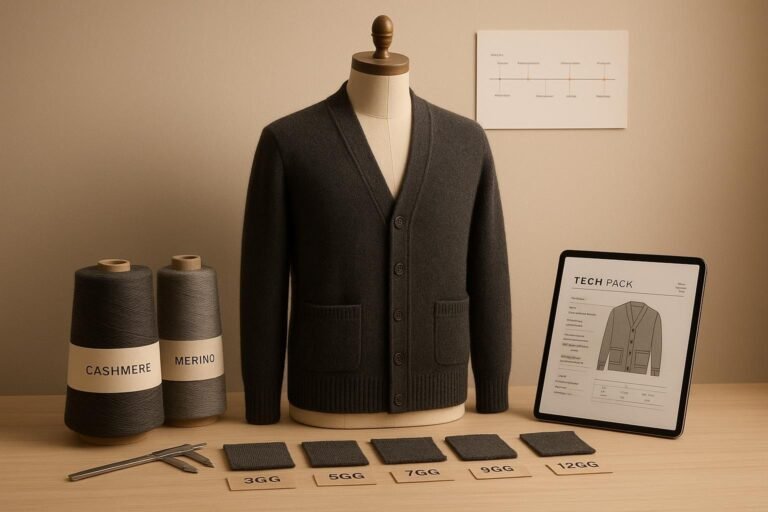


When considering what affects the cost of custom sweater production, it’s important to look at several key factors. Typically, the cost to produce a basic custom sweater ranges from $5 to $20, but what affects the cost of custom sweater production? The answer lies in elements like fabric selection, labor, design complexity, order quantity, production location, branding, and shipping. Each of these factors can influence the final price, either raising or lowering it.
Fabric expenses vary depending on the material you select, which is a major part of what affects the cost of custom sweater production.
Labor costs are influenced by the country where the sweater is made, another example of what affects the cost of custom sweater production.
The complexity of your design can also impact what affects the cost of custom sweater production, making it either more affordable or more expensive.
Ordering in larger quantities usually reduces the per-sweater price, which is a significant aspect of what affects the cost of custom sweater production.
The location of production changes both labor and material costs, further showing what affects the cost of custom sweater production.
Adding branding and special packaging will increase the total price, highlighting another way what affects the cost of custom sweater production.
Shipping fees, especially with potential delays, can also be a factor in what affects the cost of custom sweater production.
By understanding what affects the cost of custom sweater production, you can make smarter decisions and better manage your budget.
Key Takeaways
The type of fabric changes the cost a lot. Wool costs more than polyester.
Labor costs are different in each country. Factories in places with lower pay can make sweaters for less money.
How hard the design is changes the price. Simple designs cost less. Fancy designs with special features cost more.
Buying many sweaters at once makes each one cheaper. Big orders help factories spread out setup costs.
Shipping costs change based on how many you order and how fast you want them. Putting orders together can save money on shipping.
Adding things like logos and tags makes the total cost go up. Pick these carefully to keep style and budget balanced.
Knowing where sweaters are made helps you control costs. Making sweaters nearby can cost more than making them far away.
Always ask suppliers to show you all the costs. This helps you choose wisely and not get surprised.
What Affects the Cost of Custom Sweater Production?
Key Cost Factors Overview
To know what affects the cost of custom sweater production, you need to look at a few main things. These things decide how much you pay for your custom sweater. Experts say the biggest cost drivers are fabric, labor, overhead, design, and branding. Each one changes the total price in its own way.
Here is a table that lists the most important cost drivers for custom apparel:
Cost Driver | Description |
|---|---|
Raw Materials | The kind of fabric you pick changes the cost. Natural fibers usually cost more than synthetic ones. |
Labor Costs | You need skilled workers for good sweaters, which makes the price higher. |
Overhead Costs | Other business costs, like rent and power, add to the price. |
Design and Branding | Special designs and branding make the cost go up. |
There are other things that can change the price of custom apparel:
Types of fabrics: Some materials cost more than others.
Yarn costs: Making and coloring yarn adds to the price.
Trims and accessories: Things like buttons and zippers make it cost more.
Fabric waste: If fabric is not cut well, you need to buy more.
The next table shows how each thing changes the total price of custom sweaters:
Cost Factor | Impact on Total Price |
|---|---|
Materials | Materials are a big part of the cost. Natural fibers cost more than synthetic ones. |
Making more sweaters at once makes each one cheaper. | |
Design Complexity | Harder designs take more time and money to make. |
Country of Manufacture | Where you make the sweater changes the cost. Local wages and rules matter. |
Why These Factors Matter
You might ask why these things matter when you order custom sweaters. Each one can make the price go up or down. If you pick better fabric, you pay more, but the sweater is nicer. If you pick a simple design, you pay less. If you order a lot, each sweater costs less. This is called economies of scale.
Labor costs are also a big part of what affects the cost of custom sweater production. If you pick a country with high pay, the price goes up. If you pick a place with low pay, the price goes down, but the quality might change. Overhead costs, like rent and electricity, also add to the price.
Design and branding matter for custom sweaters. If you want a special logo or lots of colors, it costs more. Simple branding is cheaper. Trims and accessories, like buttons or zippers, also make the price higher. If you want extra things, you pay more.
Think about fabric waste too. If the factory cuts fabric well, you save money. If not, you pay for more fabric. Yarn costs and how the sweater is made also change the price. Some stitches and finishes cost more.
When you look at all these things, you see that what affects the cost of custom sweater production is a mix of choices. You get to make many of these choices. If you want to save money, you need to know how each thing changes the price. This helps you get the best deal and avoid surprises.
Tip: Always ask your supplier to show you the costs. This helps you know where your money goes and lets you make smart choices for your custom sweater.
If you know what affects the cost of custom sweater production, you can plan better. You can find the right balance between price and quality. The things that change the cost are not just about money—they also change how your sweater looks, feels, and lasts.
Fabric Costs and Material Quality
Types of Fabric
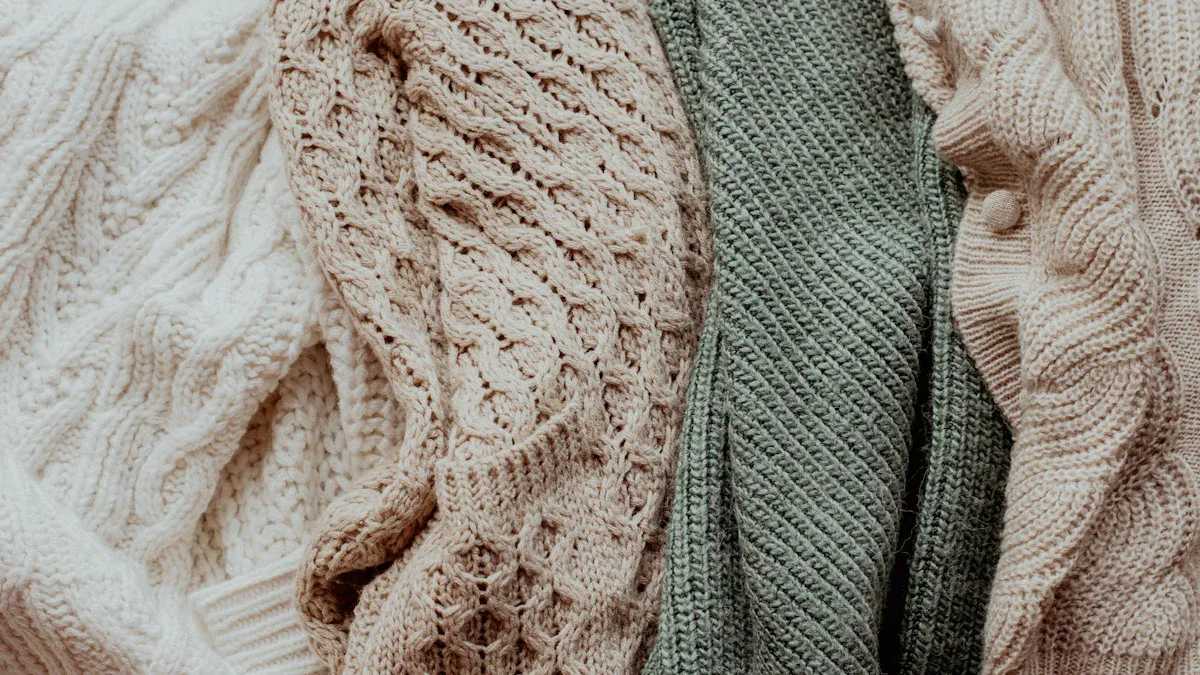
When you pick materials for your custom sweater, you change the cost and quality. Sweaters are often made from cotton, wool, polyester, or blends. Each fabric has its own price and features.
Here is a table that shows the usual prices for sweater fabrics:
Fabric Type | Price Range (per yard) |
|---|---|
Cotton | $1–$5 |
Wool | Not specified |
Polyester | $3–$7 |
Cotton-Polyester Blend | $6–$12 |
Natural vs. Synthetic
Natural fabrics like cotton and wool feel soft and last longer. Synthetic fabrics like polyester cost less and are easy to wash. Blends mix the good parts of both types. What you pick changes the price and how your sweater feels.
Tip: If you want a soft and long-lasting sweater, pick natural fabrics. If you want to spend less, synthetic fabrics are a good choice.
Material Sourcing
You can buy sweater fabric from many places. Common materials are cotton, polyester, wool, silk, linen, nylon, rayon, lyocell, and elastane. Where you buy fabric changes the price. Getting fabric means thinking about wait time, quality, price, and style. Different places have different prices because of local things. The quality and where the fabric comes from can change your budget a lot.
Note: If you buy fabric from cheaper places, you can save money. But always check the quality before you buy.
Impact on Production Costs
Fabric cost is a big part of your total cost. If raw material prices go up, your budget can change fast. Big world events can make wool and polyester prices go up or down. Organic cotton prices can change too. Sometimes, factories pay these costs, but sometimes you pay more.
The fabric you pick changes how long your sweater lasts and how people see it. Studies show sweaters made from good fabric are seen as special. They last longer and feel fancy. Many people think higher prices mean better quality, so they expect sweaters made from great fabric to last longer. This idea makes your sweater seem more valuable.
Custom sweaters are seen as special and strong, which makes them last longer and seem worth more.
The way sweaters are made and the fabric used make them feel fancy, which helps the brand look good.
People often think higher prices mean better quality, so they believe custom sweaters made from great fabric last longer.
This idea of lasting longer makes the sweater seem more valuable to people.
What you pick for fabric, where you buy it, and knowing about price changes all matter for cost and quality. If you learn about these things, you can make better choices for your custom sweater.
Labor and Production Location
Labor Costs Breakdown
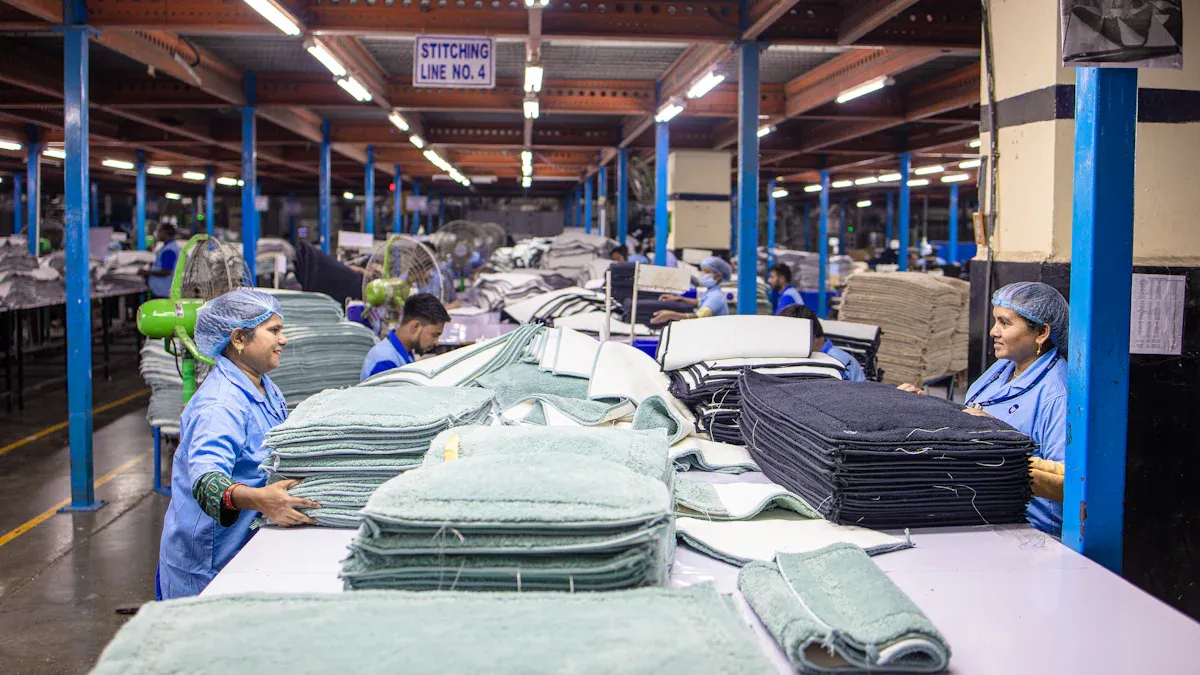
It is important to know how labor changes the cost of custom sweater production. Labor is a big part of making sweaters. The money you pay workers depends on where the sweaters are made. In China, making one sweater costs about $13.53 for labor. In Bangladesh, workers get between $2 and $4 each hour. Vietnam and Bangladesh have lower labor and factory costs than the USA or Western Europe. These differences can change your total cost a lot.
China: Labor for one sweater is about $13.53.
Bangladesh: Workers earn $2 to $4 per hour.
Vietnam and India: Labor costs are lower than in Western countries.
If you want to spend less, look at labor prices in different countries before picking a factory.
Domestic vs. Overseas Production
Where you make your sweaters can change your costs a lot. Factories in your own country usually cost more for labor and running the business. Factories in other countries often cost less, so you can save money. You should compare both choices to see what fits your budget and quality needs.
Manufacturing Type | Cost Type |
|---|---|
Domestic | Higher per-unit cost |
Overseas | Lower per-unit cost |
Labor costs are higher in local factories because of rules and pay. Factories in other countries have lower labor costs, so your total cost goes down. Here is a table with average pay in big sweater-making countries:
Country | Average Wage (USD) |
|---|---|
Bangladesh | $100 – $120 |
Vietnam | $150 – $180 |
India | $120 – $140 |
China | $250 – $300 |
If you want to keep costs low, think about both labor and fabric prices in each country. Sometimes, lower costs mean you need to check the quality more.
Tip: Ask your supplier about how they treat workers and check quality. This helps you avoid problems with your sweaters.
Skill Level and Automation
The skill of workers and the use of machines can change labor costs. Factories with skilled workers may charge more, but you get better sweaters. Many factories now use machines to save money and work faster. Machines can work all day and night, so more sweaters get made and costs are spread out.
Factor | Change | Labor Cost Saving |
|---|---|---|
High-Skill Dependency | Replaced by computerized machines | Less need for high-paid workers, so labor costs go down |
Production Time | More efficient with 24/7 machines | More sweaters per worker, so costs are spread out |
Human Error | Fewer mistakes with machines | Fewer problems and less wasted material, saving money |
Training | Easier training for machine use | Less time and money spent on training workers |
Factories that use machines make fewer mistakes and spend less on training. You get more sweaters faster, and your costs go down. If you want special designs, you may still need skilled workers.
Note: Machines help lower labor costs, but you should check if they can make your sweater the way you want.
You can make good choices about where and how to make sweaters by learning about labor, location, and machines. This helps you balance cost and quality for your custom sweaters.
Design Complexity and Branding
Design Intricacy
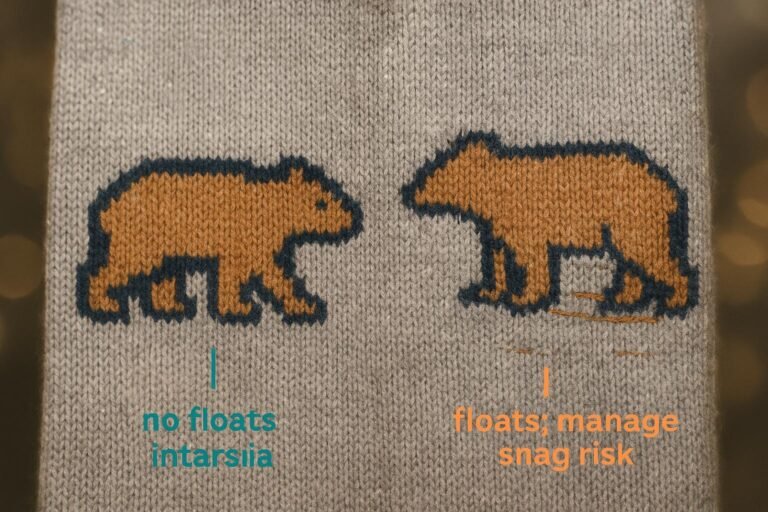
When you create a custom sweater, the design you choose plays a big role in how much you pay. Simple designs with basic shapes and few colors cost less. If you want a sweater with many patterns, special stitches, or extra features like pockets or buttons, the price goes up. You need to think about how each part of your design affects the work needed to make your sweater.
More pattern pieces add 1-2 days for every 5 extra pieces.
Special operations, such as waterproof sealing, can add 2-3 days.
Embellishments like embroidery or printing add 3-7 days.
A wider size range means more time for adjustments.
Designing a knitted sweater takes skill. You must understand different knitting techniques and how they change the look and feel. Each stitch, color, and feature adds to the design requirements and customization options. If you want a unique look, you may need to pay more for the extra work.
Tip: Choose a design that matches your budget and timeline. More complex designs take longer and cost more.
Branding Elements
Branding makes your custom sweater stand out. You can add your logo, special tags, or unique trims. Each branding element adds to the cost. If you want your logo on the front, back, or sleeve, you pay for each spot. Some people choose woven labels or patches for a high-end look. Others pick simple logo printing to keep costs down.
You should decide how you want your brand to appear. A clear logo helps people remember your sweater. If you use more branding elements, you show off your style, but you also increase the price.
Adding a logo to one spot is cheaper than adding it to many places.
Special branding, like metal tags or custom patches, costs more.
Note: Think about where you want your logo and how it fits with your design. Too many branding elements can make your sweater look busy and raise the cost.
Number of Printing Locations
The number of places you print or embroider on your sweater changes the total cost. Each location needs extra work and materials. If you want your logo on the chest, sleeve, and back, you pay for each spot.
Factor | Description |
|---|---|
Stitch Count | More locations need more stitches, which raises material costs. |
Design Complexity | Complex designs at many spots take more time and money. |
Labor Requirements | More locations mean more time spent by workers, so labor costs go up. |
If you keep your design simple and limit the number of printing locations, you save money. Many brands choose one or two spots for their logo to balance style and cost.
Tip: Ask your supplier how each printing location affects the price. This helps you plan your custom sweater and avoid surprises.
You control the cost of your custom sweater by making smart choices about design, branding, and printing locations. A clear plan helps you get the look you want without spending too much.
Order Quantity and Economies of Scale
Small vs. Large Orders
When you decide how many sweaters to order, you make a big choice about cost. Small orders often mean higher prices for each sweater. Large orders usually bring the price down for every unit. This happens because factories can spread their setup costs over more items when you order in bulk.
Here is a table that shows how order size changes the price of custom sweaters:
Order Size | How It Affects the Cost | |
|---|---|---|
Small Orders (50-100 units) | $10 – $50 per unit | Higher unit price due to lower production volume. |
Large Orders (500-1,000 units) | $5 – $20 per unit | Bulk orders lead to a lower per-unit cost, reducing overall expenses. |
If you only need a few custom sweaters, you pay more for each one. Factories must set up machines, buy materials, and train workers for every order. These steps cost the same whether you order 50 or 1,000 sweaters. When you order more, you help the factory use its resources better, so the price per sweater drops.
Tip: If you want to save money, try to order as many custom sweaters as you can at once. Group orders with friends or your team to reach a higher quantity.
How Quantity Affects Production Costs
Order quantity changes more than just the price per sweater. It also affects how factories plan their work. Large orders let factories buy materials in bulk, which often means lower prices from suppliers. Workers can also stay focused on one job for longer, which saves time and reduces mistakes.
You also get better deals on shipping when you order more custom sweaters. Shipping companies often give discounts for larger packages. This means you pay less to send each sweater to your door.
Factories may offer special services or faster production times for big orders. You might get extra help with design or packaging if you order a lot. Small orders do not always get these perks.
Here are some ways order quantity affects your total cost:
Lower material costs for large orders
Less time wasted on setup and changeovers
Cheaper shipping rates per sweater
Possible discounts or extra services from the factory
If you plan to sell or give away many custom sweaters, ordering in bulk makes sense. You get a better price, and you may also get higher quality because the factory can focus on your order. For small groups or one-time events, you might pay more, but you get exactly what you need.
Note: Always ask your supplier about price breaks for larger orders. Even a small increase in quantity can lead to big savings.
Printing and Decoration Methods
Printing Method Choices
You have many ways to add designs to your custom sweaters. Each printing method works best for certain fabrics and design styles. The method you choose can change the look, feel, and cost of your sweater.
Here is a table that shows the most common printing methods, their advantages, and how they affect your budget:
Printing Method | Advantages | Cost Implications |
|---|---|---|
DTF (Direct to Film) | Works on many fabric types. Prints look bright. Good for designs with many colors. | Costs are competitive with DTG. |
DTG (Direct to Garment) | Great for detailed designs. Prints feel soft. Works best on cotton. | Slower for big orders. Needs efficient planning. |
Sublimation Printing | Prints last a long time. Best for polyester. Can cover the whole sweater. | Not good for cotton or dark fabrics. |
Vinyl (Heat Transfer) | Best for simple graphics. Can add special effects like glitter. | Not good for complex designs. May crack over time. |
If you want a sweater with lots of colors or a photo, DTF or DTG printing works well. Sublimation is a good choice if you use polyester and want a design that covers the whole sweater. Vinyl is best for simple logos or names.
Tip: Think about your fabric and design before you pick a printing method. Some methods work better on certain materials.
Embroidery and Specialty Techniques
You can also decorate your sweater with embroidery or other special techniques. These methods give your sweater a high-quality look and feel. Embroidery uses thread to stitch your design onto the fabric. This makes the design last a long time and look professional.
Here is a table that shows how different decoration methods affect the cost:
Decoration Method | Cost Range per Sweater | Notes |
|---|---|---|
Embroidery | $3–$10 | Costs go up with more complex designs |
Screen Printing | $1–$5 | Best for simple designs |
Sublimation | $5–$15 | Good for full-color designs on polyester |
Embroidery costs more than screen printing, especially if your design has many details or colors. Screen printing is cheaper and works well for simple logos or text. Sublimation costs more but lets you use many colors and cover large areas.
Note: Embroidery makes your sweater look more expensive and lasts longer than most prints. If you want a classic or premium look, choose embroidery.
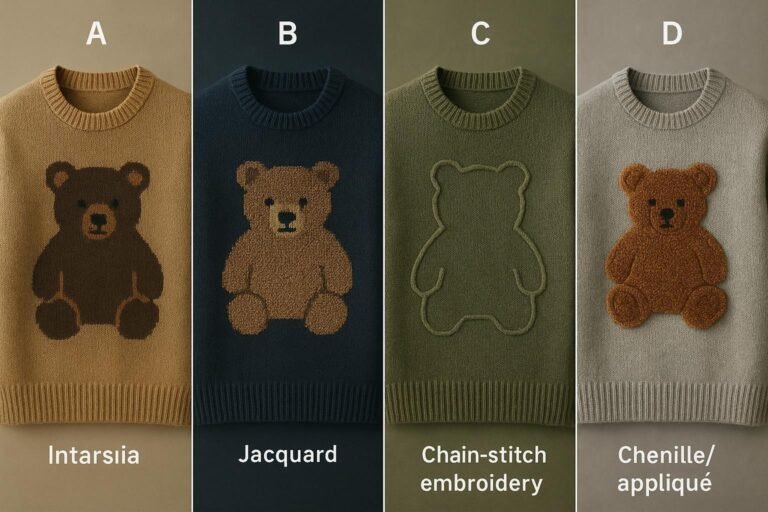
Specialty techniques like appliqué or patches can also add to the cost. These methods use extra materials and time. You might pay more, but your sweater will stand out.
You can mix printing and embroidery to create a unique style. Always ask your supplier how each method changes the price. This helps you stay within your budget and get the look you want.
Shipping, Delivery, and Sizing
Shipping Costs
Shipping plays a big part in the total cost of your custom sweater order. You need to think about how far your sweaters must travel and how heavy your packages are. Shipping costs change based on the method you choose and the size of your order. Here are some average shipping prices for custom sweaters:
Air shipping usually costs between $5 and $12 per kilogram.
Sea freight costs range from $80 to $200 per cubic meter.
The final price depends on order size, packaging, customs duties, and even the season.
If you want your sweaters fast, air shipping works best, but it costs more. Sea freight saves money for large orders, but you wait longer. You should ask your supplier about packaging and customs fees before you order. These extra charges can surprise you if you do not plan ahead.
Tip: Group your custom sweater orders to save on shipping. Larger shipments often get better rates.
Delivery Timelines
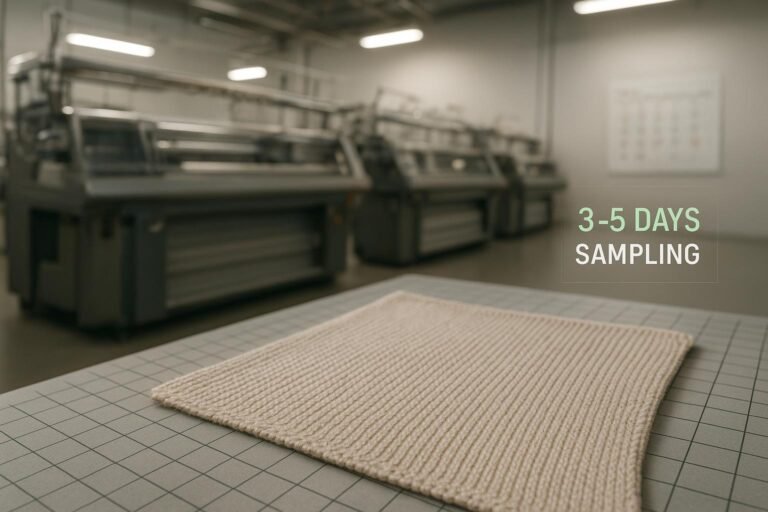
You may want your custom sweaters quickly, especially for events or special launches. Fast delivery helps you meet deadlines, but it increases the cost. When you ask for expedited shipping, factories must work overtime and may need to simplify your design. This means you pay more and sometimes lose options for customization. You must decide if speed is worth the extra cost.
If you plan early, you can choose standard delivery and keep your costs lower. Standard timelines give you more choices for design and customization. You also get better quality because the factory has more time to check each sweater.
Note: Rushed orders often mean higher costs and fewer design choices. Plan ahead to get the best value.
Sizing and Customization
Offering many sizes and custom options makes your sweaters fit more people. You can choose blank apparel, add printing, and pick special features. Each choice changes the cost. Factories must set up machines for each size and design, which takes time and money. Here is a table that shows how different parts of a custom sweater order affect the cost:
Cost Component | |
|---|---|
Blank apparel | $4.00–$38.49 |
Printing | $2.50–$5.00 |
Labor | $5.00–$10.00 |
Shipping/Packaging | $1.00–$3.00 |
Total COGS | $12.50 |
If you offer more sizes, you help your customers find the perfect fit. You also make your brand look professional. Custom sizing and features show you care about quality and comfort. You must balance these benefits with the extra cost. Factories may charge more for special sizes or unique designs.
Tip: Ask your supplier for a price list for each size and custom feature. This helps you control your budget and avoid surprises.
You can make smart choices about shipping, delivery, and sizing by learning how each part affects the cost. You get better results when you plan ahead and ask questions.
Cost of Making Custom Hoodies vs. Sweaters
Key Differences in Production Costs
When you compare the cost of making custom hoodies to sweaters, you notice some clear differences. Hoodies usually need more fabric because of the hood and the pocket. This extra material increases the cost. You also pay more for the extra steps in production, like attaching the hood and sewing the pocket. Sweaters often use simple shapes and fewer parts, so the cost can be lower.
Here is a table to help you see the main differences:
Feature | Custom Hoodies | Sweaters |
|---|---|---|
Fabric Needed | More (hood, pocket) | Less |
Sewing Steps | More complex | Simpler |
Accessories | Drawstrings, zippers | Usually none |
Average Cost | Higher | Lower |
You should also think about the type of fabric. Hoodies often use thicker materials like fleece or heavy cotton. These fabrics cost more than the lighter yarns used for sweaters. The cost of making custom hoodies goes up if you choose special linings or heavy-duty zippers. Sweaters may use wool or blends, but they do not need as many extra parts.
Tip: If you want to control your budget, look at the design details. Simple hoodies with fewer extras can help lower the cost of making custom hoodies.
Factors Unique to Hoodies
Custom hoodie production has some unique factors that affect the cost. You need to pay attention to the hood, the pocket, and sometimes a zipper. Each of these parts adds steps to the production process. The hood must be cut, sewn, and attached. The pocket needs to be made and stitched on. If you add a zipper, the cost of making custom hoodies increases again.
You also have more choices for decoration. Many people want large prints or embroidery on the front or back of a hoodie. This makes custom hoodie production more complex than sweaters. You may want to add branding to the hood or sleeves, which adds to the cost of making custom hoodies.
Here are some things that make hoodies different:
Hoods need extra fabric and sewing.
Pockets and zippers add more work.
Thicker fabrics cost more.
More decoration options increase the cost.
Custom hoodie production often takes longer.
If you want high quality, you should check the stitching and the strength of the zipper. Good quality makes your hoodie last longer and feel better. You can save money by choosing simple designs and fewer extras, but you should always check the final product before you order a large batch.
Note: The cost of making custom hoodies can change a lot based on your choices. Always ask your supplier for a detailed price list before you start production.
You can keep custom sweater costs down if you know what affects them. Fabric, labor, design, how many you order, where they are made, printing, and shipping all matter. Write down what is most important to you and decide your budget early. If you know these things, you can ask for better prices and stop surprise costs.
Make good connections with your suppliers.
Ask if you get a discount for bigger orders.
Save some money for any surprise costs.
Benefit | How Experienced Suppliers Help |
|---|---|
Quality Control | Make sure custom sweaters are high quality |
Material Optimization | Help you get good quality for less money |
If you work with skilled suppliers, you get better sweaters and save money.
FAQ
What is the average cost to produce a custom sweater?
You usually pay between $5 and $20 for each custom sweater. The price depends on fabric, design, and order size.
How does fabric choice affect my custom sweater cost?
Fabric changes the price a lot. Natural fibers like wool cost more. Synthetic fabrics like polyester cost less. Blends offer a balance.
Can I order just one custom sweater?
Most factories need a minimum order. You may find some suppliers who make single custom sweaters, but the price per piece is higher.
How long does it take to make a custom sweater?
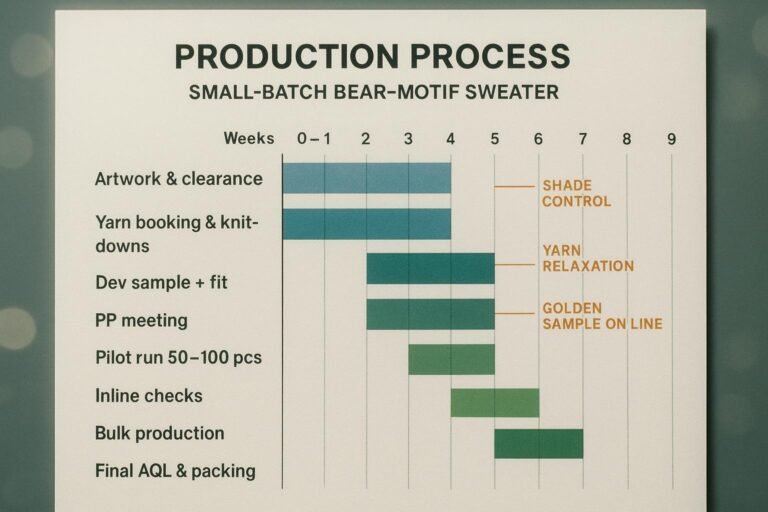
Production time depends on design and order size. Simple custom sweaters take about 2 to 4 weeks. Complex designs or large orders need more time.
What decoration methods work best for custom sweaters?
You can choose embroidery, screen printing, or sublimation. Embroidery lasts longest. Screen printing works for simple designs. Sublimation is best for polyester.
Do shipping costs change for custom sweater orders?
Shipping costs depend on order size, weight, and delivery speed. Air shipping is faster but costs more. Sea freight is cheaper for large orders.
Can I get different sizes in one custom sweater order?
You can order many sizes. Factories may charge extra for special sizes or unique fits. Ask your supplier for a size chart.
What makes custom hoodies more expensive than sweaters?
Hoodies need more fabric for the hood and pocket. They also need extra sewing steps. These features raise the cost compared to sweaters.