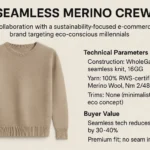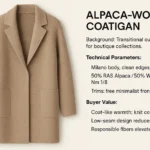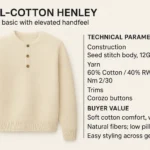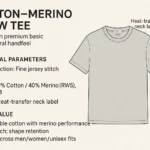


When you start the design process for custom knitwear, you need to get your ideas ready. Think about your custom designs, yarn colors, and measurement details. Clear notes help you show what information does a factory need for custom knitwear? If you organize tech packs and sample orders early, you make your project run smoother.
Tip: Write down each detail so you can share it with your manufacturer quickly.
Key Takeaways
Get your design ideas, yarn colors, and measurements ready early. This helps make the manufacturing process easier and faster.
Make sketches and mood boards to show your design ideas to the factory.
Know who will wear your knitwear. This helps you pick the right style, materials, and yarn.
Pick yarn colors and materials carefully. They change how your sweaters look and feel.
Take correct measurements. Use a soft tape and write down the sizes. This helps your sweaters fit well.
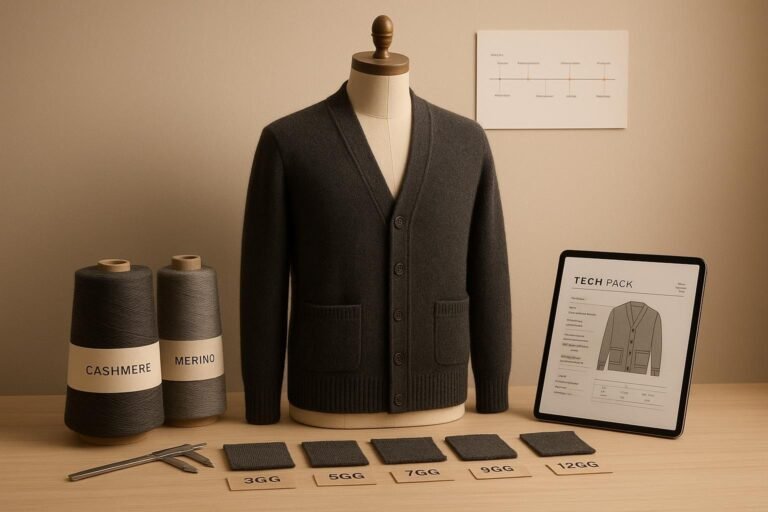
Make a tech pack with sketches, measurements, and a list of materials. This helps guide the factory.
Follow design rules to make production simple and keep good quality. For example, use fewer yarn colors and make sure finishes look the same.
Talk clearly with your manufacturing partner. This helps stop mistakes and makes sure your knitwear is what you want.
What Information Does a Factory Need for Custom Knitwear?
If you want to make custom knit sweaters, you need to know what the factory needs from you. Giving the right information helps you avoid mistakes. It also helps your sweaters look the way you want. Let’s look at what you should get ready before you talk to a factory.
Design Vision and Style
Start with your design vision. This is the main idea for your sweater. Factories use your ideas to help them make your sweater. You need to share your creative ideas and technical details. This helps the factory make what you want.
Sketches and Mood Boards
Sketches and mood boards show your design ideas. You can draw your ideas or use a computer. Mood boards help you pick colors and style. These pictures help the factory understand your ideas. They also help you explain what you want.
Sketches show the shape and fit.
Mood boards show colors and textures.
Factories use these to mix your ideas with technical details.
Target Audience
Think about who will wear your sweater. The target audience helps you pick the style and materials. You need to think about when and where people will wear it. This helps you choose the right yarn and patterns.
Occasion: Is it for everyday, work, or a special day?
Climate: Will it be worn in cold or warm places?
Body Type: Make sure your design looks good on the wearer.
Yarn Colors and Materials
Picking yarn colors and materials is very important. The fiber and color change how your sweater looks and feels.
Fiber Types
Factories need to know what fiber you want. Each fiber feels different and lasts a different time. Here are some popular choices:
Material | Description |
|---|---|
Wool | Soft and warm, made from sheep. |
Cotton | Light and soft, good for the environment. |
Cashmere | Very soft and warm, from cashmere goats. |
Pick a fiber that fits your design and your audience. Good materials make your sweaters special.
Color Selection
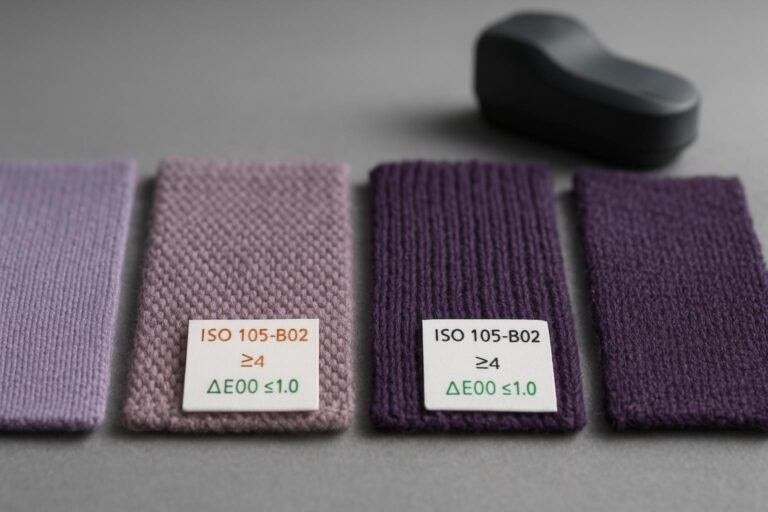
Color is very important in sweater design. The right color makes your patterns stand out. Factories need to know your color choices. Think about how the color looks on different backgrounds.
Dark backgrounds keep colors bright and clear.
Light backgrounds can make bright colors look less strong.
The color you pick sets the mood and matches your brand.
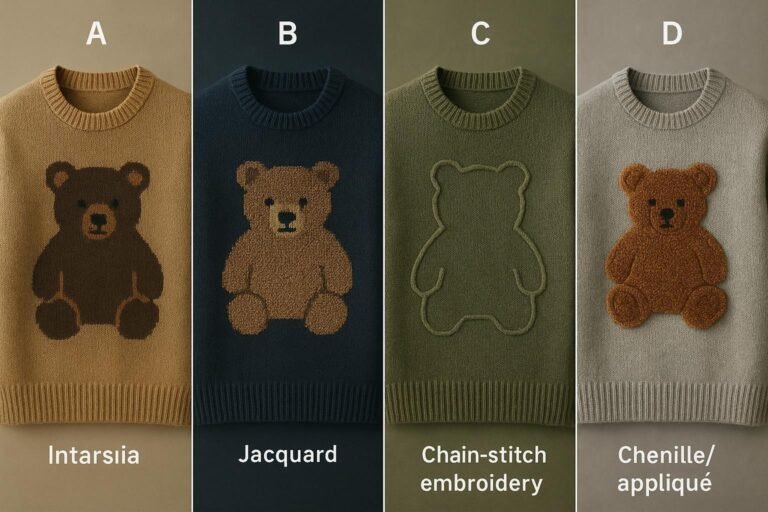
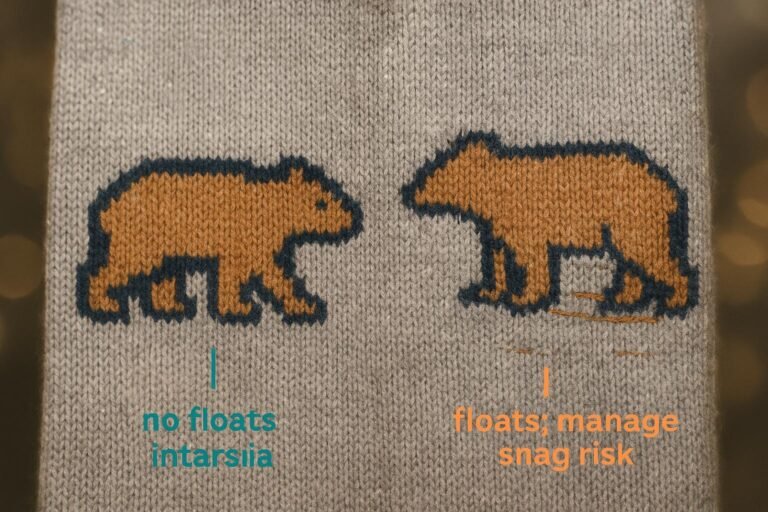
Jacquard knitting lets you use cool patterns and color mixes.
Measurement and Fit
You need the right measurements for your sweater. The fit changes how it looks and feels. Factories use your numbers to make sure the sweater is right.
Using a Soft Tape
Use a soft tape to measure. Measure places like the shoulder, chest, and sleeve. Use basic points of measure like High Point Shoulder or Center Front. Use full or half numbers for size. This helps the factory keep your sweaters the same.
Use a soft tape for good numbers.
Check your measurements twice.
Write down every number.
Documenting Sizes
Write down all your measurements and sizes. Factories need this to avoid mistakes. Set tolerance levels for each point. This lets you allow for small changes. It keeps your sweaters good and saves materials.
Key Aspect | Description |
|---|---|
Helps make sure sweaters fit well and are made right. | |
Tolerance Levels | Shows how much the size can change, helps with quality. |
Specific Measurements | Changes by sweater type, makes sure each one is made right. |
If you give wrong measurements, you can get holes or uneven stitches. You might also get the wrong color. These problems cost more money and waste materials. Always check your numbers before you send them.
Tip: Write down your details clearly and carefully. This helps your sweaters look the way you want. Factories need your details to avoid mistakes and make good sweaters.
If you get all these things ready, you answer the question: what does a factory need for custom knitwear? You make the process easy and get a great sweater at the end.
Custom Knit Sweaters: Design Essentials
Graphic Design Tools
You need the right tools to design custom knit sweaters. Graphic design tools help you make sweater patterns from your ideas. You can use software to draw and color your designs. You can also change your designs before you send them to the factory. Some tools let you see your sweater with different colors and patterns.
Here are two popular tools used for knitwear:
Tool Name | Description |
|---|---|
Lets you make detailed designs and control every pixel. It is good for fancy graphics and sweater patterns. | |
Knitwise Design Maker Tool | Lets you upload pictures and change them to a 4-color palette. You can see changes right away and adjust your custom knit sweater easily. |
These tools help you make clear designs for production. You can also share your sweater patterns with the factory without confusion.
Following Design Guidelines
Factories use design guidelines to make sweaters look good and last longer. You need to follow these rules so your sweaters are easy to make and wear. Here are some important rules:
Use no more than 4 yarn colors in each sweater. This makes it easier to make and keeps patterns clear.
Make the collar, cuffs, and bottom hem the same color. This makes sweaters look neat and keeps seams strong.
Pick a cotton-polyester blend (55% cotton, 45% polyester) for comfort and strength.
Factories make custom knit sweaters step by step:
Yarn Threading & Setup: Pick yarn colors and thread them for your sweater.
Jacquard Knitting: Knit each sweater panel one at a time. Hard patterns take longer.
Linking & Assembly: Join panels with special linking for strong seams.
Washing & Drying: Make fibers soft and set the sweater’s shape.
Quality Check & Packaging: Check and pack your sweaters for delivery.
If you follow these rules, the factory can make your sweaters faster and with fewer mistakes.
Pattern Templates
Pattern templates help you design custom knit sweaters. Templates show the shape and size for each sweater part. You can use them to make sure your sweater pieces fit together.
Here is how pattern templates help you:
Benefit | Description |
|---|---|
You use less fabric, so you save money on materials for custom knit sweaters. | |
Time Efficiency | Templates make cutting faster, so you get your custom sweaters sooner. |
Quality Control | Accurate templates mean your sweater patterns are always the right size and shape. |
Waste Reduction | Less fabric waste means you help the environment and save money. |
Increased Output | Faster cutting lets you make more custom knit sweaters in less time. |
Enhanced Accuracy | Every piece fits together, so your custom sweater looks and feels great. |
Using pattern templates makes the whole process easier. Your sweaters will look better, fit better, and cost less to make. You also help the factory work faster and make fewer mistakes.
Tip: Always check your sweater patterns and templates before sending them to the factory. This helps you avoid mistakes and get the best custom knit sweaters.
Tech Pack Creation
When you want to make custom knitwear, you need a tech pack. A tech pack is like a blueprint for your sweater. It tells the factory everything they need to know. If you create a clear tech pack, you help the factory avoid mistakes and make your custom sweater just the way you want.
A tech pack includes many important details. You should add sketches, measurements, and notes. Factories use these details to understand your custom design. Here are the main parts you should include:
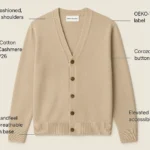
Fashion flat sketches: Draw your sweater from the front and back. Show every detail, like the collar and cuffs.
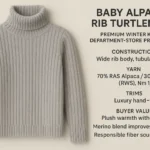
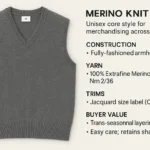
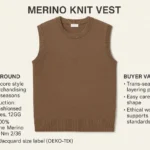
Bill of materials (BOM): List all the yarns, trims, and labels you want. Write down the fiber type and color for each part.
Garment measurement specs: Give exact measurements for each size. Write down the chest, sleeve, and length. Use a table to keep it organized.
Garment cost sheet: Break down the costs for making your custom sweater. Include yarn, labor, and packaging.
Images with markups and comments: Add pictures with notes. Point out special features or changes.
Product attributes: Describe the colorways, sizes, and fit. Tell the factory if you want a loose or tight fit.
Description and background info: Share your inspiration and how you want people to wear your custom sweater.
Design notes: Write down any special instructions, like stitch patterns or finishing details.
Here’s a simple table to help you organize your tech pack:
Tech Pack Component | What to Include |
|---|---|
Fashion Flat Sketches | Front and back views, details |
Bill of Materials (BOM) | Yarn, trims, labels, fiber types, colors |
Measurement Specs | Chest, sleeve, length, all sizes |
Cost Sheet | Yarn, labor, packaging costs |
Images & Comments | Markups, special instructions |
Product Attributes | Colorways, sizes, fit details |
Description & Background | Inspiration, intended use |
Design Notes | Stitch patterns, finishing details |
Tip: Always double-check your tech pack before you send it to the factory. Clear details help you get the best custom results.
If you include all these parts, your tech pack will guide the factory step by step. You make it easier for them to follow your custom design. You also save time and money because you avoid confusion. A good tech pack helps you get the custom knitwear you imagined.
Materials and Yarn Selection for Custom Projects
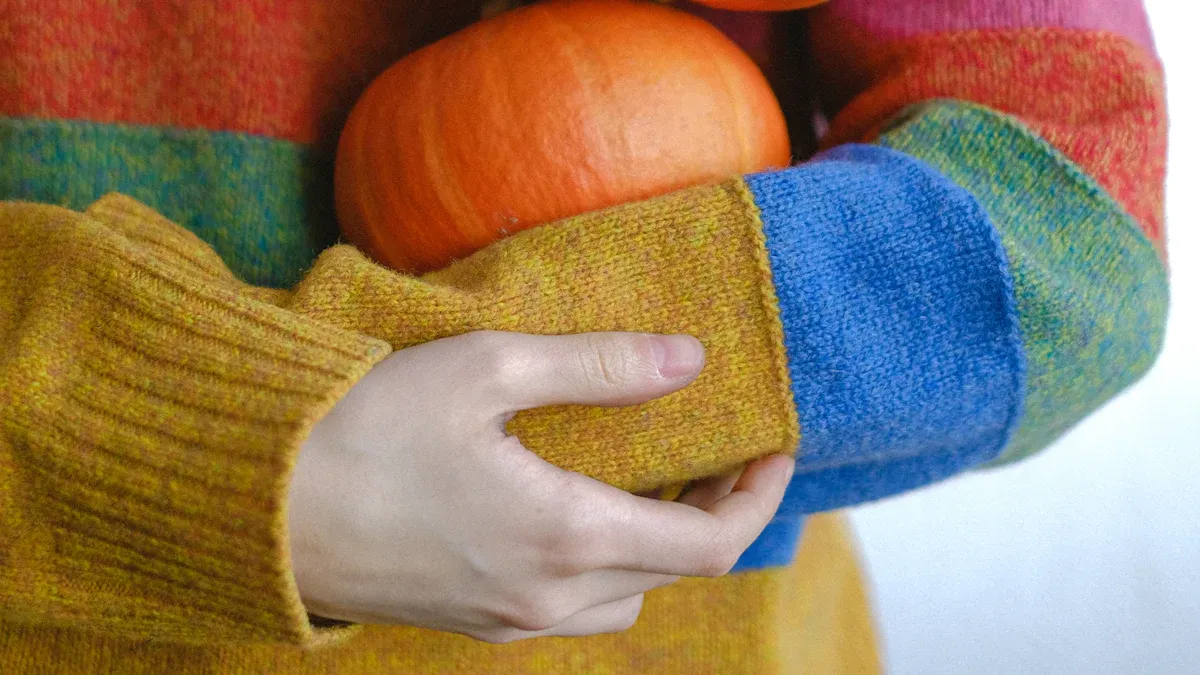
Picking the right materials is very important. It can change how your custom knitwear turns out. You want your sweaters, scarves, or accessories to look nice and feel good. Let’s talk about yarn weight, special yarns, and where you get your yarn. This helps you make the best custom pieces.
Yarn Weight and Texture
Yarn weight changes how your knitwear feels and looks. You need to choose the right weight for your project. Light yarns are good for soft, thin patterns. Heavy yarns make thick, warm fabric. Knowing yarn weight groups helps you match your ideas to the right yarn.
Here is a simple guide to yarn weights:
Yarn Weight | Characteristics | Common Projects |
|---|---|---|
Lace Weight (0) | Very light and thin, great for fancy lace | Shawls, doilies, light clothes |
Fingering/Sock (1) | Light, good for small details | Socks, baby clothes, light accessories |
Sport Weight (2) | A bit thicker, warm but not heavy | Light sweaters, baby blankets, hats |
Worsted/Medium (4) | Medium weight, works for many things | Scarves, blankets, clothes, afghans |
Bulky Weight (5) | Thick, easy to use, very warm | Big scarves, blankets, winter things |
Super Bulky (6) | Very thick, fast to knit | Thick blankets, big scarves, quick crafts |
Medium yarns work for lots of projects. You can use them for sweaters, blankets, and accessories. If you want soft fabric with clear patterns, use worsted or sport weight. For bold designs, bulky yarns give more texture and warmth.
Tip: Pick yarn weight that matches your pattern and fabric type. This helps you get the look you want.
Specialty Yarns
Specialty yarns help you add fun details to your knitwear. You can pick yarns with shiny threads, cool textures, or special finishes. These yarns help you make unique accessories, wall art, or fashion pieces.
Metallic yarns make your patterns sparkle.
Textured yarns give your fabric a special feel.
Specialty yarns are good for home decor and craft projects.
If you want your project to stand out, mix specialty yarns with regular ones. You can make new patterns and add style to your fabric. Specialty yarns also let you try new looks and ways to knit.
Sourcing Preferences
When you choose yarn, think about where it comes from. Some people buy local yarn to help nearby shops and get fast shipping. Others pick imported yarn to save money or find special types. China’s knitwear industry has lots of fabric and new yarns at good prices. This helps you balance cost and quality for your project.
Many companies want to make their supply chain better. Local yarn can help you sell more and avoid big discounts on extra products. If you want to be eco-friendly, look for yarn made from recycled or green materials. Good yarn makes your knitwear last longer and look nicer.
Note: Always ask your manufacturer about their yarn choices. You can find the best yarn for your patterns and fabric.
If you think about yarn weight, specialty yarns, and sourcing, your project will do well. You get the right yarn, make pretty patterns, and create fabric that feels nice.
Technical Specifications and Manufacturing Techniques
Construction Methods
When you plan your custom knitwear, you need to choose how your pieces get made. Factories use different construction methods to create sweaters, scarves, and other items. Each method gives your custom project a unique look and feel.
Seamless vs. Cut-and-Sew
You will see two main ways to build custom knitwear. Here’s a quick look at each:
Cut and Sew Knitwear
Factories cut fabric panels and sew them together. This method costs less and uses simple equipment. You get more options for shapes and sizes. You might notice seams, and sometimes the finish looks less polished.Fully Fashioned Knitwear
Each piece gets knitted into its final shape. You see fewer seams, and the garment looks neat. This method gives you higher quality, but it takes more time and costs more. You get a seamless look that feels smooth against your skin.
If you want a clean finish and a luxury feel, you might pick fully fashioned construction. If you need to save money or want to try new shapes, cut and sew could work better for your custom project.
Stitch Patterns
Stitch patterns change how your custom knitwear looks and lasts. You can pick simple stitches for a classic style or try complex patterns for bold designs. Textured stitches like cable and waffle add bulk and make your sweater stand out. Decorative stitches such as lace and pointelle look elegant, but they might not last as long.
When you choose stitch patterns, think about how much yarn you need. Complex patterns use more yarn and take longer to make. This can raise the cost and change how heavy your custom sweater feels. Simple stitches work well for everyday wear, while complex patterns suit special occasions.
Tip: Try mixing different stitch patterns to create a unique look for your custom knitwear. You can add texture, color, and style with just a few changes.
Finishing Details
Finishing processes make your custom knitwear look complete. You need to think about how the edges, seams, and trims get treated. Factories use finishing processes like washing, steaming, and pressing to set the shape and soften the fabric. You can add labels, buttons, or embroidery to make your custom piece stand out.
Here are some common finishing processes:
Washing and steaming to set the shape
Pressing for a smooth surface
Adding trims, tags, or special details
Finishing processes help your custom knitwear keep its shape and look professional. You can ask your factory for special touches, like branded labels or unique packaging. These details make your custom project feel special and ready for your customers.
Note: Always check the finishing processes before you approve your final sample. Good finishing makes your custom knitwear last longer and look better.
Manufacturing Techniques Pros and Cons
When you plan your custom knitwear project, you need to think about the pros and cons of different manufacturing techniques. Each method has its own benefits and challenges. You want to pick the one that fits your needs, budget, and timeline.
Outsourcing is a popular choice for many brands. You send your designs to a factory, and they make the sweaters for you. This method can save you money and help you get expert results. But it also comes with some risks. Let’s look at the main pros and cons of outsourcing in custom knitwear manufacturing.
😊 Pros of Outsourcing | 😕 Cons of Outsourcing |
|---|---|
Cost Savings: You spend less on labor and materials. | Shipping Costs: You pay extra to move finished sweaters. |
Improved Efficiency: Factories work fast and know the best ways to make knitwear. | Potential Quality Control Issues: You might get sweaters that don’t match your standards. |
Increased Flexibility: You can make more or fewer sweaters based on demand. | Communication Barriers: It can be hard to talk with factories in other countries. |
Reduced Risk: You share risks and follow rules with help from your factory. | Dependency on Suppliers: You rely on outside companies to make your sweaters. |
You see that outsourcing can help you save money and work faster. Factories have skilled workers and good machines. You can order more sweaters when you need them, or slow down if you want to test new designs. You also share risks with your factory, so you don’t have to worry about every detail.
But outsourcing is not perfect. You need to pay for shipping, which can add up. Sometimes, the sweaters you get might not look or feel the way you want. If you work with factories in other countries, you might have trouble talking about your ideas. You also depend on your suppliers. If they have problems, your project can slow down.
Tip: Always ask for samples before you start full production. This helps you check the quality and make changes early.
If you want more control, you can choose local manufacturing. You talk to your factory face-to-face and check your sweaters often. Local factories might cost more, but you get better communication and faster changes.
Here’s a quick checklist to help you decide:
Do you want to save money? Outsourcing might work for you.
Do you need fast changes or special designs? Local manufacturing could be better.
Are you worried about quality? Ask for samples and set clear standards.
Do you want to scale up quickly? Outsourcing gives you more options.
Every project is different. You need to weigh the pros and cons before you choose a manufacturing technique. If you know what matters most to you, you can make the best decision for your custom knitwear.
Branding, Special Features, and Packaging
When you make custom knitwear, you want each piece to be special. You can add cool details, show your brand, and pick packaging that looks nice. These things help your products stand out and be remembered.
Embellishments and Unique Elements
You can make a sweater or scarf more fun with embellishments. Designers use creative details to catch people’s attention. Here are some popular choices:
Embellishment Type | Description |
|---|---|
Pompoms | Adds a playful look to hats and scarves. |
Beads and Sequins | Makes items fancy, either knitted in or added later. |
Embroidery | Adds texture and lets you personalize with stitches. |
Knit and Crochet Appliqués | Fun shapes like flowers or animals can be attached for extra joy. |
Fringe and Tassels | Great for scarves and shawls, giving a creative finish. |
Custom Patches | Special patches make hats and beanies unique. |
Chunky Buttons | Used in home décor for a bold touch. |
You can use these elements together to make your own style. Embroidery and patches let you add names or logos. Pompoms and tassels make your knitwear lively and fun.
Branding Placement
Your brand is important. You want people to remember your knitwear. Put your logo or name where it can be seen. You can use labels, tags, or add it to the design. Some brands sew patches on hats or put logos on sweater cuffs. You can also use branded buttons or zipper pulls.
Think about where customers will notice your brand first. A label inside the collar or a patch on the sleeve makes your item special. Make sure your branding looks neat and matches your design.
Tip: Always check your branding spot on samples before making many pieces. This helps you avoid mistakes and keeps your knitwear looking good.
Packaging Options
Good packaging makes your knitwear feel like a present. You want your products to arrive safe and look great. Custom packaging protects your items and helps people remember your brand.
Custom boxes keep your knitwear safe and show off your brand. These boxes are strong, so your items don’t get damaged. You can print your logo and colors on the box to make it exciting.
Here are some popular packaging choices:
Custom garment bags keep fancy items clean and smooth.
Eco-friendly mailers are good for customers who care about nature.
Custom printed boxes show your brand and protect special items.
Custom packaging does more than keep products safe. It helps people think better of your brand. Many shoppers say packaging changes their opinion. Brands with custom boxes get more social media posts. Better protection means fewer returns, so you save money.
Custom packaging is important for making your brand easy to recognize and giving customers a good experience. It protects your knitwear and makes opening the box fun. This helps people remember your brand.
If you pick the right packaging, your custom knitwear will look and feel special when it arrives.
Production Planning and Sample Orders

Order Quantities and Minimums
When you plan a custom knitwear project, you need to think about how many pieces you want to order. Factories set minimum order quantities, or MOQs, for each design. These numbers help them manage costs and keep production smooth. You might feel excited to start, but you should check the MOQ before you place your order.
Most knitwear manufacturers ask for a minimum order between 50 and 300 pieces for each design.
If you want simple items, like basic t-shirts, you may see lower minimums around 100 pieces.
Complex designs often need higher minimums, sometimes 250 pieces or more.
Some companies, like Hook and Eye UK, start their MOQs at 50 units per design or color.
You should talk with your manufacturer about these numbers during the design process. If you want to test your idea, you can order samples first. This lets you see the quality before you commit to a big order. On-demand production can help you avoid extra inventory and lower your risk.
Tip: Always ask about MOQs before you start your custom project. This helps you plan your budget and avoid surprises.
Timeline and Deadlines
You want your custom knitwear to arrive on time. Planning your timeline helps you set clear expectations and avoid delays. Factories need time to make your order, so you should know how long each step takes.
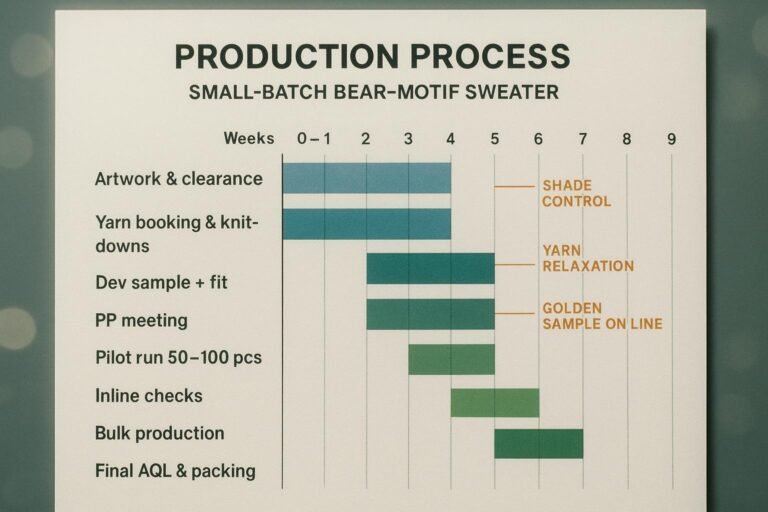
For simple garments and small batches, expect a lead time of 6-8 weeks from sample approval to delivery.
Most orders take 8-12 weeks from the time you confirm your sample until you get your finished pieces.
If you choose complex designs or a large production run, the timeline can stretch to 4-9 months.
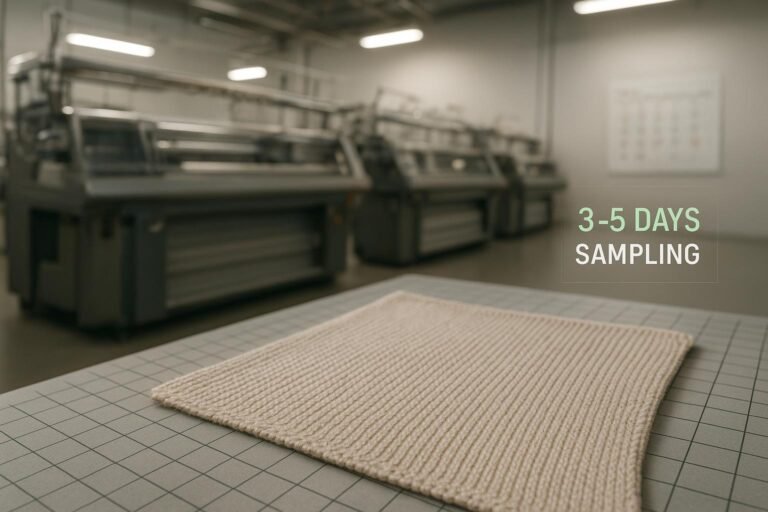
Sample development usually takes 2 to 6 weeks, depending on how detailed your design is and if the fabric is available.
You should set deadlines for each stage. Start with sample development, then move to full production. If you order samples, you can check the fit and quality before you approve the final order. This step helps you catch problems early and keeps your project on track.
Note: Always build in extra time for shipping and unexpected delays. Good planning helps you meet your launch date.
Budgeting
Budgeting is a big part of custom knitwear production. You need to know where your money goes so you can make smart choices. The cost of materials, manufacturing, and hidden fees all add up.
Cost Component | Impact on Budgeting |
|---|---|
Material Costs | Trims, labels, packaging, and special parts can add 8-20% to your total expenses. |
Manufacturing Costs | Direct and indirect costs often increase your actual costs by 20-40%. |
Hidden Costs | Payment fees and inventory costs can add 5-15% to your budget. |
When you pick materials, remember that fancy trims or custom labels will raise your costs. Manufacturing techniques also matter. Seamless knitting or special stitch patterns may cost more than basic methods. You should include every expense in your budget, even small fees.
If you want to save money, you can start with a small order or order samples first. This helps you test your design and avoid big mistakes. Careful budgeting lets you choose the best materials and techniques for your custom project.
Tip: Write down every cost before you place your order. This helps you avoid surprises and keeps your project on budget.
Sample Ordering Process
Ordering samples is a big step in custom knitwear manufacturing. You want to see and feel your design before you order a large batch. The sample lets you check the fit, color, and quality. Factories use a standard process to make sure you get what you expect.
Here’s how the sample ordering process usually works:
Share Your Design Details
You start by sending your sketches, measurements, and yarn choices to the factory. You talk about your vision and answer questions. The factory reviews your ideas and gives feedback.Discuss Sample Costs and Timeline
The factory explains the sample fee. Making a sample takes more than just yarn. It includes pattern work, machine setup, stitching, finishing, and shipping. Most sample fees range from $150 to $300. The factory does not ask for this fee right away. You pay after you both agree on the design and feel confident to move forward.Sample Creation
The factory begins making your sample. They adjust machines, test stitches, and follow your design. This step can take a few weeks, depending on the complexity. You get updates and photos during the process.Shipping and Review
The factory ships the finished sample to you. You check the fit, color, and details. You might want changes. You talk with the factory and ask for adjustments if needed.Sample Fee Credit
If you place a large order after approving the sample, the factory may credit part of the sample fee back to you. This helps you save money when you move to bulk production.
Tip: Always review your sample carefully. Look for color accuracy, stitching quality, and fit. Ask for changes before you approve the final design.
Some factories offer free samples, but they add the cost to the bulk price. This can make your final order more expensive. Paying a sample fee keeps pricing clear and avoids hidden costs. You know exactly what you pay for each step.
Step | What Happens |
|---|---|
Design Submission | You send sketches and details to the factory |
Cost Discussion | Factory explains sample fee and timeline |
Sample Creation | Factory makes your sample |
Shipping | Sample arrives for your review |
Fee Credit | Part of fee credited if you order in bulk |
Ordering a sample helps you catch mistakes early. You see your design in real life and make changes before full production. This step protects your budget and ensures your custom knitwear matches your vision.
Communicating with Your Manufacturing Partner
Information Pack Organization
You need your information pack to be easy to read. Use headers and bullet points to organize your notes. This helps the factory find things quickly. Add clear photos and neat sketches to show your designs. Make sure you write down the right measurements and describe each material.
A table can help you see what is important in your tech pack:
Importance | |
|---|---|
Clear Specifications | Helps manufacturers understand your needs |
High-Quality Visuals | Shows your designs and details clearly |
Consistent Formatting | Makes your pack look neat and easy to read |
Complete Bill of Materials | Stops delays and confusion during production |
Keep your style the same for every page. Use one font and save your pack as a PDF. Before you send it, check your list to make sure nothing is missing. This step helps you avoid mistakes and keeps your project moving.
Tip: If your information pack is neat, you can talk to the factory easily. This helps them make what you want.
Clear Documentation
Writing down every detail helps you avoid mistakes. When you give the factory clear notes, they know your ideas. Good design files help you get the right price. If your instructions are clear, you need fewer samples. This saves you time and money.
Here’s a table that shows how clear documentation helps you:
Benefit | Explanation |
|---|---|
Good design files help you get the right cost. | |
Fewer Sampling Rounds | Clear notes mean you need fewer changes. |
Consistent Quality | Detailed rules help every piece look the same. |
Faster Time to Market | Clear notes help the factory work faster. |
You also protect your brand and keep your schedule on track. When you share clear rules, everyone knows what to do. This helps your knitwear look good and arrive on time.
Note: Always check your notes before you send them to the factory.
Feedback and Revisions
Giving feedback is important when making custom knitwear. You need to see samples and ask for changes before making many pieces. Meet with your designer and manufacturer often to catch problems early. When you look at samples, you can ask for fixes and make sure your product looks right.
Here’s a table that explains the types of samples you might see:
Purpose | Importance in Quality Assurance | |
|---|---|---|
Fit Sample | Checks fit and design | Helps stop mistakes before making many pieces |
Pre-Production Sample | Checks quality, labels, and packaging | Makes sure bulk production matches your plan |
Bulk Sample | Final check for quality | Keeps every piece the same in big orders |
Talk clearly about any changes you want. The factory can fix problems and make your product better. Reviewing and changing samples helps you get the best results.
Meet with your team often.
Share feedback quickly when you see a problem.
Use sample reviews to make sure your knitwear is just right.
Tip: Always ask for changes if you need them. Your feedback helps the factory make the product you want.
Choosing a Reliable Partner
Finding the right manufacturing partner for your custom knitwear project can feel like a big decision. You want someone who understands your vision and can deliver quality sweaters every time. So, how do you know which factory is the best fit for you? Let’s break it down together.
Start by looking at what the factory can actually do. Ask about their machines and skills. Some factories use flatbed knitting machines for detailed patterns. Others use circular machines for faster production. If your design needs special stitches or textures, make sure the factory has the right equipment. You don’t want to end up with a partner who can’t handle your ideas.
Quality matters a lot. You should check if the factory follows strict quality rules. Look for certifications like ISO 9001. This shows they care about making things the right way. Oeko-Tex Standard 100 is another good sign. It means the materials are safe and tested for harmful substances. These certifications help you trust that your sweaters will be safe to wear and last a long time.
Capacity is another thing to think about. You need a partner who can keep up with your orders. Ask about their staff size and how many pieces they can make at once. If you plan to grow your brand, you want a factory that can handle bigger orders in the future. Check if they have a history of repeat business. This shows they can deliver on time and keep customers happy.
Here’s a simple table to help you compare factories:
Criteria | Description |
|---|---|
Technical Capabilities | Check if the factory has the right machines and skills for your designs. |
Quality Assurance Protocols | Look for certifications like ISO 9001 and Oeko-Tex Standard 100 for safety and reliability. |
Capacity and Scalability | Make sure they can handle your order size now and as you grow. |
You should also talk to other brands who have worked with the factory. Ask about their experience. Did the factory deliver on time? Was the quality good? Did they fix problems quickly? Honest feedback from others can help you avoid surprises.
Tip: Always visit the factory if you can. Seeing the workspace and meeting the team helps you feel confident about your choice.
Communication is key. You want a partner who answers your questions and explains things clearly. If you feel confused or ignored, it’s a sign to look elsewhere. Good partners listen to your ideas and help you solve problems.
Choosing a reliable partner takes time, but it’s worth it. When you find the right factory, your custom knitwear project will run smoothly. You’ll get sweaters that match your vision and make your customers happy.
Getting ready for custom knitwear helps your project go smoothly. When you organize your ideas, the factory knows what you want. Use this outline as a checklist before you talk to the factory. Gather your design assets, make your tech pack, and order samples. If you talk clearly at every step, you avoid mistakes and delays. You get the quality and fit you want for your custom knitwear. Here’s why being prepared is important:
Everyone knows your custom needs.
You get the results you want.
Problems get fixed fast during production.
FAQ
What is a tech pack, and why do I need one?
A tech pack is a document with all your design details. You need it to show the factory exactly what you want. It helps you avoid mistakes and saves time.
How many sweaters do I have to order?
Most factories ask for a minimum order. You usually need to order at least 50 to 300 pieces per design. Always check with your manufacturer first.
Can I choose any yarn color for my custom knitwear?
Yes, you can pick almost any color. Factories use color charts like Pantone. You just need to share your color codes or samples.
How long does it take to make custom knitwear?
Production usually takes 8 to 12 weeks after you approve your sample. Complex designs or big orders might take longer. Plan ahead to meet your deadlines.
What if I want to change my design after seeing the sample?
You can ask for changes after you see your sample. Give clear feedback to your factory. They will adjust your design before starting full production.
Do I need to visit the factory in person?
You don’t have to visit. You can share your ideas and feedback online. Many brands work with factories by email, video calls, and photos.
How do I make sure my sweaters fit well?
You should measure carefully and write down every size. Use a soft tape and double-check your numbers. Share these details with your factory for the best fit.