
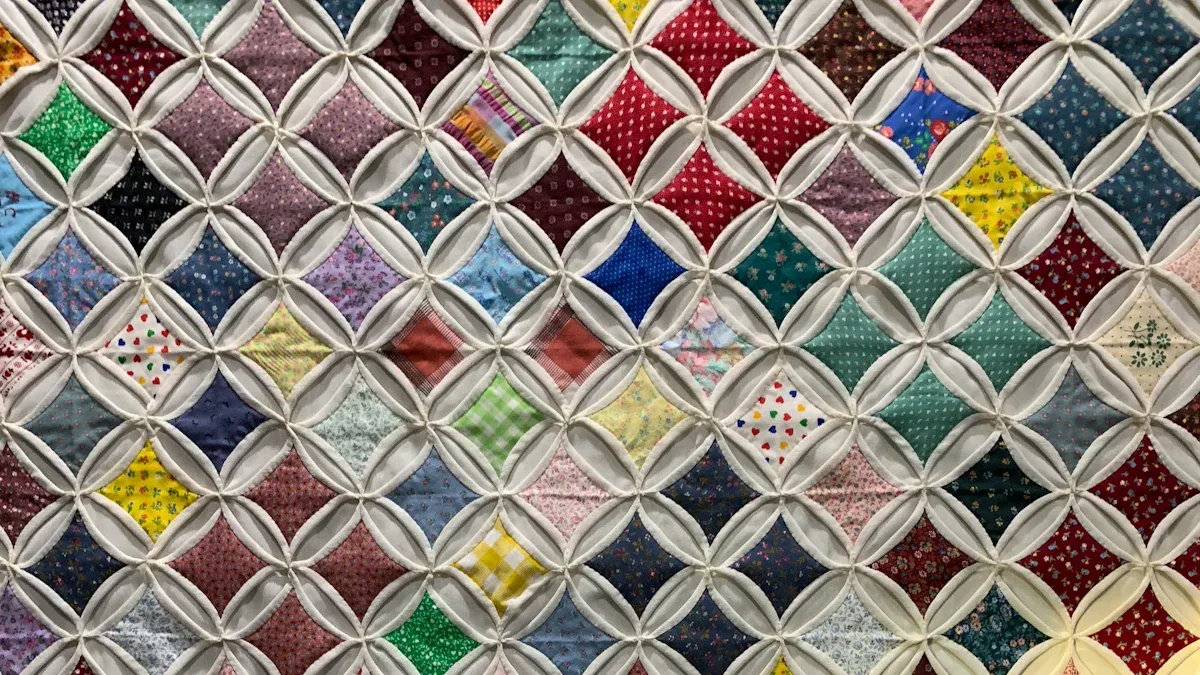
If you love sewing or quilting, you might have heard of a fat quarter of fabric. This handy piece measures 18 by 22 inches, which gives you a nice, usable rectangle. Many crafters pick a fat quarter because it feels more versatile than a long, skinny strip. Take a look at this comparison:
Type of Cut | Dimensions (inches) | Area (square inches) |
|---|---|---|
Fat Quarter | 18 x 22 | 396 |
Regular Quarter Yard | 9 x 44 (approx.) | 396 |
Both cuts give you the same amount of fabric, but the shape makes a big difference for your projects.
Key Takeaways
A fat quarter is 18 by 22 inches. It is a rectangle that works well for sewing and quilting. Fat quarters are easier to use than long strips. They are great for cutting shapes and blocks. You can find fat quarters in many sizes. In America, the usual size is 18 by 22 inches. Fat quarters help you collect many fabrics. You do not need to buy a lot of fabric. Fat quarters are good for small projects like bags, quilts, and home décor. Mixing prints and colors from fat quarters is fun. It helps you be creative and make special projects. You can buy fat quarters at quilt shops, craft stores, and online. They often come in bundles with many choices. Storing and organizing fat quarters is important. It keeps your fabric clean and ready to use.
Fat Quarter of Fabric: Size & Definition
What is a Fat Quarter
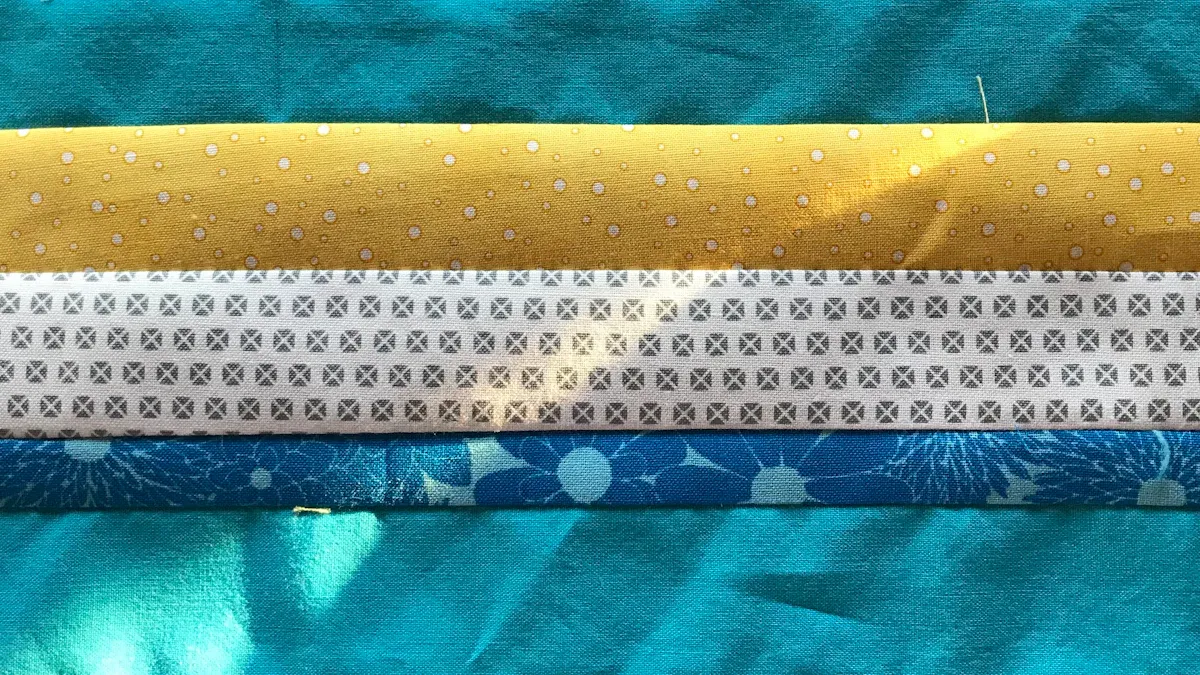
You might wonder what makes a fat quarter of fabric so special. Major fabric retailers and quilting organizations define a fat quarter of fabric as a piece measuring 18 inches by 22 inches. This size gives you a quarter yard of fabric, but it comes in a rectangle instead of a long strip. You get a chunk of fabric that feels easier to work with for many projects. When you pick up a fat quarter, you hold a piece that opens up more possibilities for cutting, piecing, and designing.
Standard Dimensions
Inches and Centimeters
Fat quarters come in slightly different sizes depending on where you shop. Most American stores offer a fat quarter of fabric that measures 18 inches by 22 inches. If you prefer metric measurements, that’s about 45 centimeters by 55 centimeters. Canadian shops sometimes cut their fat quarters a little larger, around 19.7 inches by 22 inches (49 centimeters by 55 centimeters). Here’s a quick look at the standard dimensions:
Country | Inches | Centimeters |
|---|---|---|
American | 18″ x 22″ | 45cm x 55cm |
Canadian | 19.7″ x 22″ | 49cm x 55cm |
You can also see the conversion for the classic American fat quarter:
Inches | Centimeters |
|---|---|
18″ x 22″ | 45.72cm x 55.88cm |
How Fat Quarters Are Cut
You don’t get a fat quarter of fabric by just slicing off a strip. The cutting method makes a big difference. Here’s how it works in most fabric stores:
A regular quarter-yard cut measures 9 inches by the full width of the fabric, which is usually 40 to 44 inches.
A fat quarter is cut as a rectangle, generally measuring 18 inches by 22 inches.
This cutting style gives you a nearly square piece, which helps you use the fabric for more patterns and shapes.
When you choose a fat quarter, you get a chunk that’s easier to handle and cut into blocks, strips, or shapes for quilting.
Why Choose a Fat Quarter
You might ask, “Why should I pick a fat quarter of fabric instead of another cut?” Quilters and sewists love fat quarters for several reasons:
You get a nearly square piece, which works better for many quilting projects.
Fat quarters are often pre-cut and displayed in quilt shops, so you can grab them quickly. This saves you time and lets you start your project right away.
Buying fat quarters helps you build a fabric stash without needing to buy large yardages. If you enjoy collecting different prints and colors, fat quarters make it easy.
Fat quarters give you flexibility, convenience, and variety. You can mix and match fabrics, try new patterns, and experiment with colors. If you want to make small projects or add a pop of color to your quilt, a fat quarter of fabric is a smart choice.
Difference Between a Fat Quarter and a Regular Quarter Yard
Regular Quarter Yard Explained
When you walk into a fabric store, you might see fabric sold by the yard. If you ask for a quarter yard, you get what many call a traditional 1⁄4-yard cut. This cut gives you a long, skinny strip of fabric. Here’s what you usually get:
A traditional 1⁄4-yard cut measures 9 inches by the full width of the fabric, which is often 44 inches wide.
This strip is great if you need long pieces for borders or sashing in quilts.
The fabric is cut straight across the bolt, so you get one continuous piece.
You might also hear about a traditional 1⁄8-yard cut. This is even skinnier, measuring about 4.5 inches by the width of the fabric. Both the traditional 1⁄4-yard cut and the traditional 1⁄8-yard cut are handy for certain projects, but their shape can limit your options.
Shape and Size Comparison
The main difference between a fat quarter and a regular quarter yard comes down to shape. Both cuts give you the same amount of fabric—396 square inches—but the way they are cut changes how you use them.
Type of Cut | Dimensions | Description |
|---|---|---|
Regular Quarter Yard | 9 inches x 44 inches | A long, narrow strip of fabric cut from the bolt. |
Fat Quarter | 18 inches x 22 inches | A chunkier, almost square piece, perfect for cutting blocks and shapes. |
A fat quarter cut gives you a piece that is almost square, while a regular quarter yard is a long rectangle. You can see how this makes a big difference when you start planning your project.
If you want to cut squares or larger shapes, the fat quarter makes it much easier. The regular quarter yard works better for long strips. You can think of the fat quarter as a more flexible option for many sewing and quilting needs.
Usability in Projects
You might wonder which cut works best for your project. The answer depends on what you want to make.
Fat quarters are great for quilting. You can cut many squares, rectangles, or other shapes from one piece. This makes them perfect for patchwork, appliqué, and small bags.
Regular quarter yards shine when you need long, continuous strips. Think about quilt borders, binding, or sashing. If your pattern calls for strips that run the length of the fabric, the traditional 1⁄4-yard cut is your friend.
If you work with a traditional 1⁄8-yard cut, you get even skinnier strips. These are useful for tiny details or narrow borders.
Here’s a quick look at how each cut fits different projects:
Type | Suitable Projects | |
|---|---|---|
Fat Quarter | More cutting options and versatility | Quilting blocks, appliqué, small crafts |
Quarter Yard | Better for longer strips | Quilt borders, sashing, binding |
You can see the difference between a fat quarter and a regular quarter yard in how you use them. The fat quarter cut gives you more options for creative projects, while the traditional 1⁄4-yard cut is best for long pieces. If you want to try both, you can mix and match to get the best of both worlds!
Why Fat Quarters Are Popular
Versatility in Sewing
You might notice that a fat quarter gives you more options than other cuts. This precut piece of fabric works for so many projects. You can cut it into long strips, squares, or even triangles. If you want to try patchwork or appliqué, you will find that fat quarters make it easy. You can also divide one into fat eighths, which are smaller pieces that work well for tiny details or accents. Many people use fat quarters for projects like:
Nine patch quilts, which are simple and avoid tricky edges.
Table runners or bed runners, even if you have only a little fabric.
Wall hangings or baby quilts, which you can make with just eight fat quarters.
Disappearing Pinwheel blocks or other creative quilt designs.
Tip: If you want to experiment with new patterns, start with a fat quarter. You can cut it into fat eighths for even more variety.
Fat quarters stand out because you can turn them into so many shapes and sizes. You get more cutting options than with a regular quarter yard. This flexibility helps you create almost anything you imagine.
Benefits for Quilters
Quilters love fat quarters for many reasons. You can use them for small projects like mini quilts or pillow covers. If you want to try a new technique, you do not need to buy a lot of fabric. You can just use a fat quarter or even cut it into fat eighths. Here are some reasons quilters choose fat quarters:
You get a wide range of colors and patterns without buying large amounts.
You save money and reduce waste by buying only what you need.
You can store and carry fat quarters easily. They are compact and lightweight.
You can bring them to workshops or classes without any trouble.
You can build a diverse collection of fabrics, much more than if you bought by the yard.
Note: Many quilters say that fat quarters help them stay organized and creative. You can mix and match, try new ideas, and always have the right piece on hand.
Cost and Accessibility
You might wonder if fat quarters cost more than buying fabric by the yard. The price per yard is a bit higher for a single fat quarter, but you get great value if you want variety. Take a look at this comparison:
Fabric Type | Cost | Cost per yard |
|---|---|---|
$3.75 | $15.00 | |
Yardage | $10.75 | $10.75 |
Buying fabric by the yard is the cheapest way if you need a lot of one print. If you want to try many colors or patterns, fat quarter bundles give you a good deal. The price difference between designer bundles and designer yardage is not very big. You can build your stash and try new looks without spending too much.
Remember: Fat quarters and fat eighths help you get just what you need. You do not have to buy extra fabric that might go unused.
You can find fat quarters at most quilt shops, craft stores, and online. They are easy to grab, easy to store, and perfect for your next project.
Ways to Use a Fat Quarter of Fabric
You might wonder about all the ways to use a fat quarter of fabric. You can turn this handy piece into so many fun and useful things. Whether you love quilting, sewing, or crafting, you will find endless ideas to try. Let’s look at some of the most popular projects you can make.
Quilting Projects
Quilters often reach for a fat quarter when they want to add color and variety to their quilts. You can use just one or mix several for a patchwork look. Many patterns are designed to help you use every bit of your fabric, so you waste less and create more. Here are some favorite fat quarter quilt patterns:
Quilt Pattern Name | Description | Link |
|---|---|---|
Fat Quarter Quilt Patterns | Designed to maximize the use of fat quarters with minimal waste. | |
A large block pattern perfect for modern traditionalists. | ||
Requires only 3 cuts per fat quarter, leaving minimal scraps. | ||
Designed to showcase larger prints, suitable for children. | ||
A patchwork design that uses fat quarters for a bed-sized quilt. |
Tip: Fat quarters make quilting easier for beginners. You can try new patterns, mix colors, and finish projects faster.
Sewing Projects
You do not have to be a quilter to enjoy fat quarters. If you like to sew, you can make all sorts of things. Many people love making an easy fat quarter bag, which is perfect for carrying snacks, books, or small toys. You can also sew pillow covers, aprons, or even simple skirts. Fat quarters work well for home decor, too. Try making a set of colorful napkins or a table runner to brighten up your kitchen.
Here are some ideas you might want to try:
Tote bags and zipper pouches
Pillowcases and cushion covers
Fabric baskets and storage bins
Placemats and coasters
Note: You can mix prints and colors to create something unique every time.
Craft and DIY Ideas
Fat quarters are not just for sewing and quilting. You can use them for all kinds of crafts and DIY projects. If you want to make gifts or decorate your home, you will find plenty of inspiration. Here are some creative ideas you can try:
Velcro wallet – a simple project that makes a great gift.
Baby bloomers – perfect for baby showers.
Easy drawstring bag – handy for storing small items.
Ruffle bib – cute and practical for little ones.
Bandana bib – quick to sew with a free pattern.
Hand sanitizer holder – keeps sanitizer close at hand.
Ruffle diaper covers – another sweet baby project.
Silk bow headband – a stylish accessory for any age.
Pom Pom Pin cushion – a fun addition to your sewing space.
Secret pocket pillow – a clever way to hide notes or treasures.
You can see that fat quarters open up a world of creative possibilities. Try mixing and matching your favorite prints. You might discover a new hobby or make a special gift for someone you love.
If you want to explore new ways to use a fat quarter of fabric, just start with a project that excites you. You will soon see how much you can do with just a small piece of fabric.
Buying and Storing Fat Quarters
Where to Buy
You have lots of options when you want to buy fat quarters. Many quilt shops and craft stores carry them, but you can also shop online if you want more choices or need something special. Some stores even offer bundles, so you can get a mix of colors and patterns in one go. Here’s a quick look at some popular places to shop:
Store Name | Offerings | Customer Service |
|---|---|---|
Fat Quarter Shop | Extensive range of quilting fabrics, including fat quarters, jelly rolls, and exclusive kits. | High commitment to customer satisfaction and a wealth of resources for quilters. |
Known for dyes but also offers cotton and silk fabrics, with a selection of ready-to-dye options. | Excellent customer service, responsive to issues with orders. |
You might also want to check out Dharma Trading Co for basics like cotton and silk, especially if you want to try dyeing your own fabric. Famous Fabrics is another good spot for designer and home decor options. Local quilt shops often have unique finds and friendly advice, so don’t forget to visit them if you can.
Choosing Fabrics
Picking out fat quarters can feel like the best part of any project. You get to choose colors and prints that match your style or the look you want for your quilt or craft. Try mixing bold patterns with solids for a fun effect. If you’re new to sewing, start with cotton because it’s easy to cut and sew. Look for high-quality fabric that feels smooth and sturdy. You can hold it up to the light to check for tight weaving. If you want your project to last, avoid fabric that feels thin or stretches too much.
Tip: When you shop for fat quarters, think about what you want to make. If you plan a quilt, pick a mix of light, medium, and dark shades. For crafts or gifts, go for prints that make you smile.
Storage Tips
Once you start collecting fat quarters, you’ll want to keep them neat and ready to use. Good storage helps your fabric stay clean and bright. Here are some easy ways to organize your stash:
Store your fabric in plastic tubs made of polypropylene. These keep out dust and moisture.
Keep your fat quarters wrong side out and tuck them in a dark closet. This helps prevent fading from sunlight.
Try fabric-lined wicker or cotton bins if you want a softer look. These bins protect your fabric without causing damage.
You can fold your fat quarters and stack them by color or print. Some people like to roll them up and store them in drawers. Find a system that works for you and makes it easy to see what you have. When your fabric is organized, you’ll spend less time searching and more time creating.
Tips for Working with Fat Quarters
Cutting and Preparation
Getting your fat quarters ready can make a big difference in your project. You want every piece to look neat and fit together well. Here are some steps you can follow to get the best results:
Stack and fold your fat quarters if you want to cut several at once. This saves time and helps you get matching pieces.
Use templates for shapes you need to cut again and again. Templates help you keep everything the same size.
Try strip cutting instead of cutting each piece by itself. You can cut long strips and then trim them into smaller shapes.
Always measure twice and cut once. Double-checking your measurements helps you avoid mistakes.
Lay your fabric flat and smooth on the cutting mat. Wrinkles or bumps can throw off your cuts.
Hold your ruler down firmly so it does not slip while you cut.
Go slow and steady. Rushing can lead to uneven edges.
Trim any jagged or uneven edges before you start cutting your main pieces.
Tip: Taking your time with cutting and preparation means your finished project will look more professional and last longer.
Maximizing Fabric Use
You can get a lot out of just one fat quarter if you plan your cuts carefully. Some people have made up to 99 small squares from a single piece! Careful cutting helps you use every bit and avoid waste. Here are some ways to make the most of your fabric:
Plan your cuts before you start. Draw out what you need on paper or use a cutting diagram.
Cut the largest pieces first, then use the leftovers for smaller shapes.
Practice your cutting skills. The better you get, the less fabric you waste.
Save your scraps. Even tiny pieces can work for appliqué or patchwork.
Note: Careful planning and practice help you stretch your fat quarters further and save money.
Mixing Prints
Mixing prints can make your projects pop. You do not need to be a designer to get great results. Try these ideas when you pick out your fat quarters:
Use the same print in different colors. This creates a look that feels pulled together.
Look for prints that share a common color. This helps tie everything together, even if the patterns are different.
Pair a busy print with a simple one. The contrast makes both stand out.
Mixing prints is fun and lets you show off your style. Try different combinations until you find one you love.
You can turn a single fat quarter into something special with the right tips and a little creativity.
Creative Project Ideas with Fat Quarters
Beginner Projects
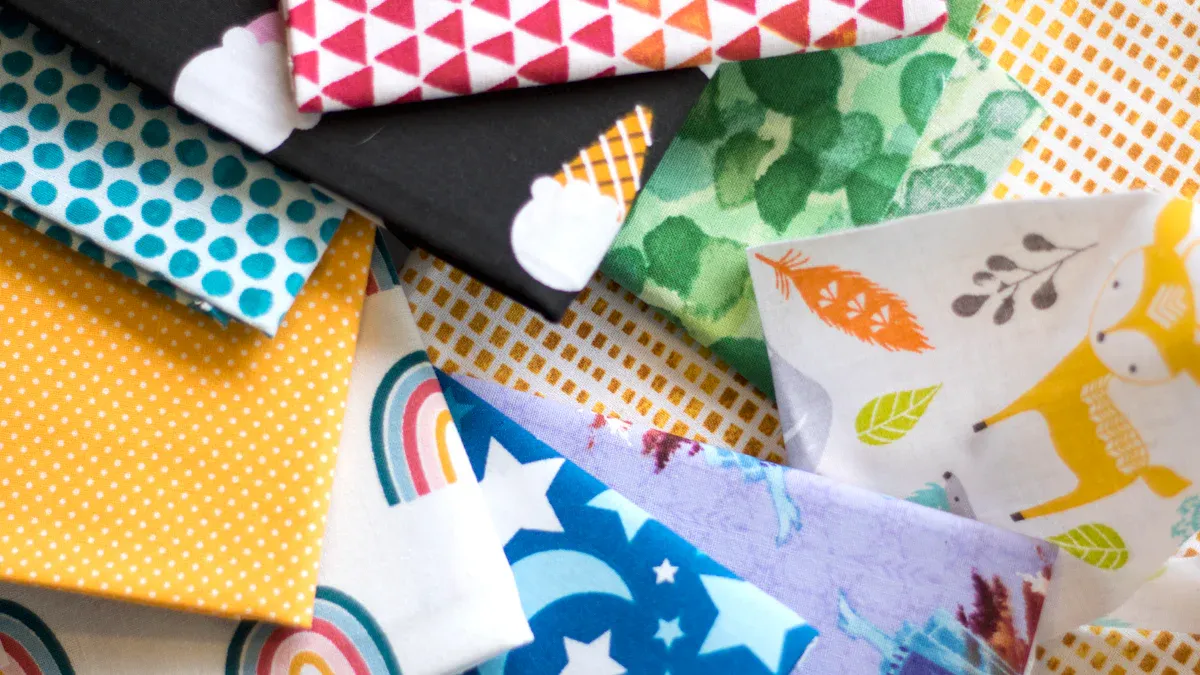
If you want to start sewing, fat quarters make it easy to try new things. You can finish a project in an afternoon and learn important skills along the way. Here are some beginner-friendly ideas you can try with just one or two fat quarters:
Lanyard for your keys or school badge
Reusable gift bag for wrapping presents
Cozy hand warmers for chilly days
Potato bag for quick snacks in the microwave
Potholder for your kitchen
Fabric memory game for kids
Fabric basket for storing sewing notions
Drawstring pouch for small treasures
Needle book to keep your needles organized
Simple wallet for cards and cash
Jewelry organizer to keep things tangle-free
Pencil holder for your desk
These projects help you practice basic sewing techniques, fabric cutting, and using simple patterns. You also get to try out sewing tools and learn how to add things like interfacing or batting. If you want to make a sturdy basket, you can follow a fat quarter basket tutorial and see how easy it is to create something useful.
Tip: Start with a project that excites you. You will learn faster and have more fun!
Gifts and Seasonal Items
Fat quarters are perfect for making gifts or decorations for any season. You can sew something special for a friend or brighten up your home with a pop of color. Here are some popular ideas:
Kitchen items like pot holders, hot pads, oven mitts, or aprons
Dining room essentials such as table runners, placemats, and napkins
Mug rugs or coasters for your coffee table
Wall art or mini quilts to hang up
Christmas decorations like a tree skirt, ornaments, or festive pillow covers
You can even try a fat quarter skirt tutorial to make a cute skirt for yourself or as a gift. These projects let you show off your favorite prints and make something that feels personal. Handmade gifts always feel extra special, and you can finish many of these in just a few hours.
Note: Seasonal projects are a great way to use up your fabric stash and keep your home looking fresh all year.
Upcycling and Scraps
Do you have leftover pieces from other projects? You can turn those scraps into something new and useful. Upcycling helps you reduce waste and get the most out of every fat quarter. Here are some creative ways to use your fabric scraps:
Make quick and easy zipper pouches for makeup or craft supplies.
Sew reversible fabric baskets that you can flip for a new look.
Craft aprons with pockets and ties, perfect for cooking or crafting.
You can mix and match different prints to create one-of-a-kind items. Even the smallest pieces can become part of a patchwork project or a fun appliqué. Saving your scraps means you always have material for a last-minute gift or a creative afternoon.
Try keeping a small bin for your scraps. When you need inspiration, dig through and see what you can make!
You’ve learned how a fat quarter can make sewing and quilting easier and more fun. Take a look at the main advantages:
Advantage | Description |
|---|---|
Versatility | Works for quilt blocks, crafts, and DIY projects. |
Space Efficiency | Gives you a generous cut without crowding your stash. |
Variety | Lets you try lots of colors and patterns in small amounts. |
Many quilters use fat quarters for bags, doll clothes, and even pocket linings. If you’re new, start with a simple project like a pouch or basket. Here are some beginner tips:
Try precuts to keep things easy.
Use a quarter-inch presser foot for neat seams.
Pick a good quilting ruler for accuracy.
Have you tried using fat quarters? Share your favorite projects or questions below!
FAQ
What can you make with just one fat quarter?
You can sew a small pouch, a fabric basket, a headband, or even a simple wallet. Many quick gifts and beginner projects only need one fat quarter. Try making a drawstring bag or a set of coasters for practice.
Do fat quarters always measure 18″ x 22″?
Most fat quarters measure 18″ x 22″, but some stores cut them slightly larger or smaller. Always check the label before you buy. If you shop outside the U.S., you might see different sizes in centimeters.
Can you wash fat quarters before sewing?
Yes, you can wash fat quarters before sewing. Pre-washing helps prevent shrinking and color bleeding. Use cold water and a gentle cycle. Press the fabric flat after drying so it’s ready to cut.
How many fat quarters do you need for a quilt?
The number depends on your quilt size and pattern. For a baby quilt, you might need 6 to 8 fat quarters. A throw quilt could use 12 or more. Always check your pattern for exact amounts.
Are fat quarters only for quilting?
No, you can use fat quarters for many crafts. Try them for sewing bags, home décor, or even clothing accents. Crafters love fat quarters for scrapbooking, appliqué, and DIY gifts.
Can you mix fat quarters from different fabric collections?
Absolutely! Mixing prints and colors makes your project unique. Look for a common color or theme to tie everything together. Don’t be afraid to experiment—sometimes the best combinations are unexpected.
Where can you find free patterns for fat quarter projects?
You can find free patterns on fabric shop websites, craft blogs, and YouTube. Many designers share tutorials for bags, quilts, and home décor. Search for “fat quarter free pattern” to get started.