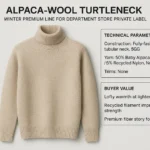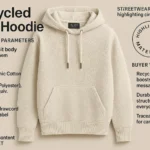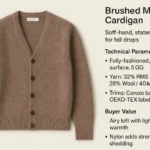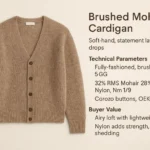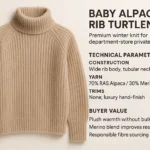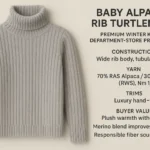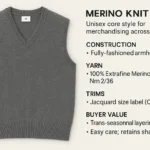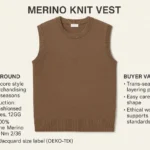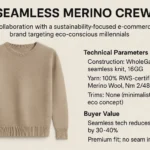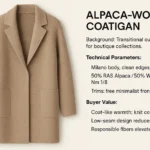

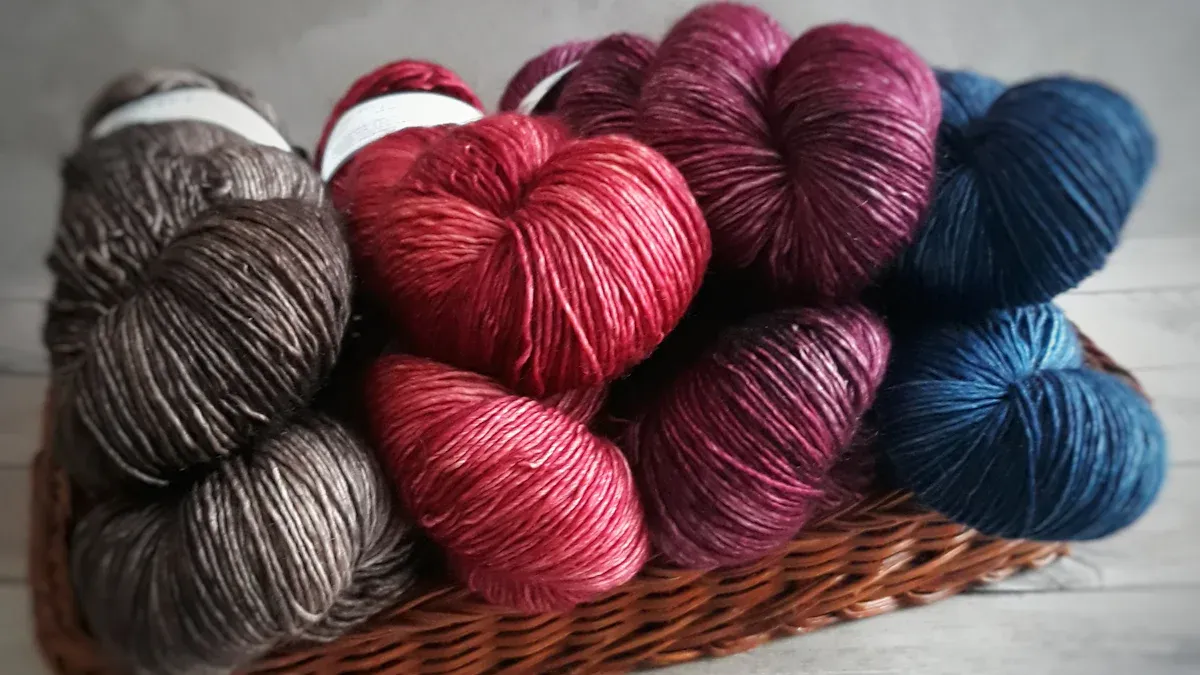
You find acrylic fabric in lots of clothes and things at home. This material is made from petrochemicals. It does not come from plants or animals. People invented it to look and feel like wool. It is easier to clean and lasts longer. You may like acrylic fabric because it feels soft. It also keeps you warm.
Check this table to see how it compares to natural fibers:
|
Feature |
Acrylic Fabric |
Natural Fibers |
|---|---|---|
|
Warmth |
Yes |
Varies |
|
Softness |
Yes |
Varies |
|
Lightweight |
Yes |
Varies |
|
Quick Drying |
Yes |
Varies |
|
Resistance to Moisture |
Yes |
No |
|
Resistance to Sunlight |
Yes |
No |
|
Resistance to Mildew |
Yes |
No |
|
Resistance to Shrinkage |
Yes |
No |
You make better choices when you know what makes acrylic fabric different.
Key Takeaways
-
Acrylic fabric is a man-made material from petrochemicals. It is made to feel soft and warm like wool. It is light and dries fast. It does not soak up water. It can handle sunlight and mildew. This makes it good for many things. You can take care of acrylic fabric easily. Wash it in cool water. Dry it on low heat to keep it nice. People use this fabric for clothes, home items, and outdoor things. It lasts a long time and has bright colors. Acrylic fibers hold heat well. They keep you warm like wool. This makes them good for winter clothes. Acrylic is cheap and simple to clean. But it does not let air through as well as natural fibers. This can make you feel hot and sweaty in warm weather. Acrylic fabric is hard to recycle. Try to buy things made from recycled acrylic to help the planet. For outdoor use, acrylic fabric does not fade or get mildew. This makes it great for patio furniture and outdoor gear.
What Is Acrylic Fabric
Definition
You might ask how acrylic fabric is different. Acrylic fabric is made by people, not by nature. Factories use chemicals from fossil fuels to make it. It does not come from plants or animals. Workers turn these chemicals into fibers. The fibers are spun into yarn. Then, the yarn is woven into fabric.
Acrylic fabric is a type of synthetic fabric. You can compare it to natural fibers in this table:
|
Aspect |
Acrylic Fabric |
Natural Fibers |
|---|---|---|
|
Chemical Composition |
Made from polyacrylonitrile, a synthetic polymer |
Derived from plants or animals |
|
Origin |
Fossil fuel-based |
Natural sources |
|
Production Process |
Created through a chemical process involving fossil fuels |
Grown and harvested naturally |
Acrylic fabric has a special chemical structure. It uses polyacrylonitrile for strength and softness. This makes the fabric light and warm. You see it in clothes and home goods. It dries fast and does not soak up water.
Tip: If you want something soft like wool but easier to wash, choose acrylic fabric.
Origin and Development
Acrylic fabric started in the 1940s. Scientists at DuPont wanted to make a new kind of fiber. They tried to make it look and feel like wool. They wanted it to be soft, warm, and simple to clean.
Here is a timeline that shows how acrylic fabric was made:
|
Year |
Event/Advancement |
Description |
|---|---|---|
|
1940s |
Creation of Acrylic Fabric |
Developed by the American DuPont Corporation, known for its work in synthetic fibers. |
|
1950s |
Introduction to Market |
DuPont introduced acrylic to the U.S. textile market as a wool alternative. |
|
1950s |
Market Acceptance |
Consumers began to see the benefits of acrylic fabric and started using it more. |
Acrylic fabric became popular very fast. People liked that it was soft and warm like wool. They also liked that it did not shrink or fade in sunlight. Soon, you could find acrylic fabric in sweaters, hats, blankets, and furniture.
Today, acrylic fabric is still used in many things. Its story shows how science can change what you wear and use at home.
Acrylic Fiber Composition
Polyacrylonitrile Polymer
Acrylic fibers begin with a polymer called polyacrylonitrile. This polymer is the main part of acrylic fiber. Factories make it by joining acrylonitrile molecules. These molecules connect in a long chain. The chain twists into a helix because of the -C≡N group. This twist gives acrylic fibers strength and softness.
Here is a table that shows the main properties of polyacrylonitrile:
|
Property |
Description |
|---|---|
|
Repeating Unit |
Derived from acrylonitrile with the formula (C3H3N)n |
|
Structure |
Polymer chains coil into a three-fold helix due to the -C≡N side group |
|
Order |
Exhibits pseudocrystalline order with strong interactions among chains |
|
Thermal Behavior |
Does not melt but degrades at elevated temperatures |
The acrylonitrile groups help the chains stick together. This makes acrylic fibers strong and bendable. The polymer does not melt when heated. It breaks down at high temperatures. This affects how you care for acrylic fabric.
Note: The twisted chains make acrylic fibers soft like wool.
Petrochemical Sources
Acrylic fibers are made from petrochemicals. The main part is acrylonitrile, which comes from oil or gas. Factories use acrylonitrile as the main monomer. They add other chemicals called comonomers, like vinyl acetate or methyl acrylate. These help improve acrylic fiber.
Here is a table that lists the main petrochemical sources:
|
Petrochemical Source |
Description |
|---|---|
|
Acrylonitrile |
The primary monomer used in acrylic fiber production, must constitute at least 85% of the polymer. |
|
Comonomers |
Typical comonomers include vinyl acetate and methyl acrylate, which may also be used in the production process. |
Most of the polymer comes from acrylonitrile. Comonomers make up the rest. This mix gives acrylic fibers special qualities.
Plastic Characteristics
Acrylic fibers act like plastic in some ways. Acrylic fabric feels soft and warm, but it also has plastic-like traits. It resists water and dries fast. It does not shrink or lose shape easily. You can compare acrylic fabric to other synthetic fibers like polyester.
|
Characteristic |
Acrylic |
Polyester |
|---|---|---|
|
Texture |
Softer, wool-like feel |
Smoother, can be modified |
|
Warmth |
Good insulator, used in sweaters |
Provides insulation, less warm |
|
Durability |
Less durable than polyester |
Known for strength and longevity |
|
Moisture-wicking |
Less breathable, traps moisture |
Dries quickly, does not retain moisture |
Acrylic fibers give you a fabric that feels like wool but acts like plastic. You get warmth and softness. You also get easy care and resistance to sunlight and mildew. Acrylic fabric is good for sweaters, blankets, and outdoor items.
Tip: Choose acrylic fabric if you want warmth and quick drying.
How Acrylic Fabric Is Made
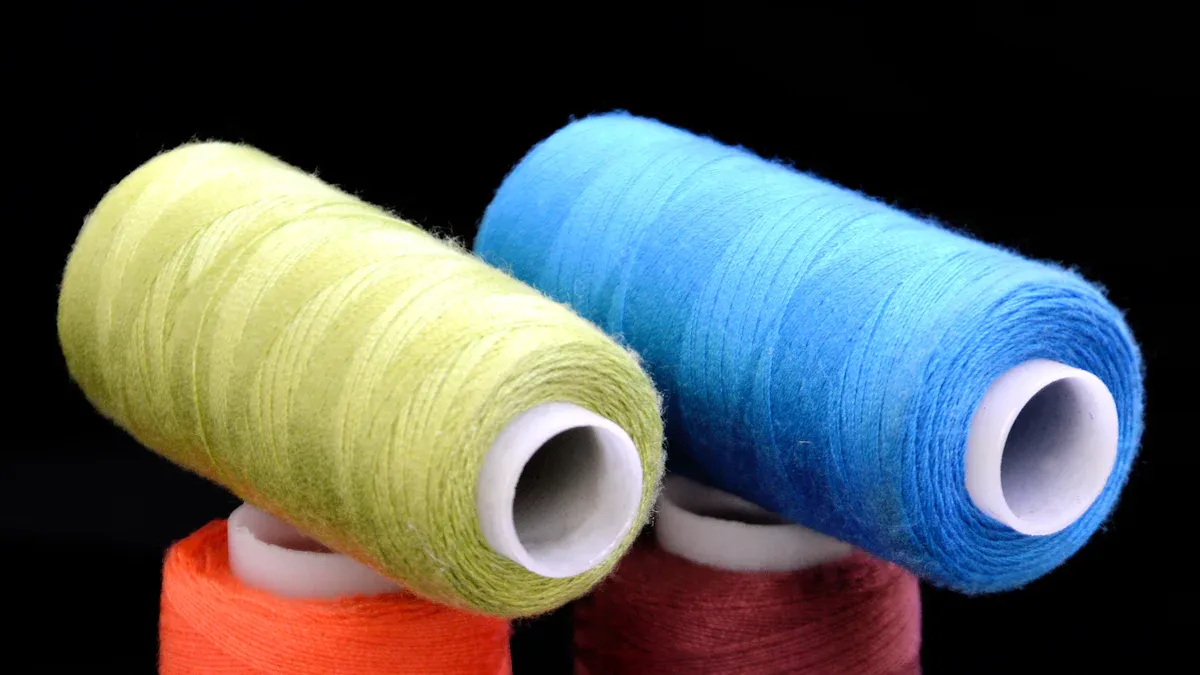
You might wonder how acrylic fabric is made. It starts as chemicals and ends up soft in sweaters and blankets. Factories use science and machines to make it. There are many steps to turn raw materials into fabric.
Manufacturing Process
Polymerization
The first step is called polymerization. Small molecules called monomers join together. They form long chains called polymers. These chains are the base of acrylic fibers. Factories use acrylonitrile as the main monomer. This process makes strong and bendy polymer chains.
Spinning Fibers
After polymerization, the polymer must become fibers. Here is how it happens:
-
Creating the Spinning Solution: The polymer is dissolved in a solvent. This makes a thick liquid called a spinning solution.
-
Spinning Through Spinnerets: The spinning solution is pushed through tiny holes in a spinneret. This forms long, thin fibers.
-
Stretching and Texturizing: The fibers are stretched to make them stronger. Machines add texture so the fibers feel soft like wool.
-
Drying, Crimping, and Cutting: The fibers are dried, crimped for more texture, and cut to the right length.
-
Converting to Yarn: The fibers are spun into yarn. This yarn can be woven or knitted into acrylic fabric.
Tip: Every step helps make acrylic fabric soft, warm, and easy to care for.
Dyeing and Finishing
After making the yarn, color and finishing are added. Dyeing and finishing are important steps. Special chemicals and machines are used. This makes sure the color is even and lasts a long time.
-
These agents work with 100% acrylic and blends with wool, polyester, or nylon.
-
Fast dyeing machines like jet, beam, winch, and package dyeing systems are used.
-
These methods are used for clothes, home textiles, upholstery, and technical fabrics.
Science and technology are used at every step. This gives you fabric that looks nice, feels soft, and lasts a long time.
Uses of Acrylic Fabric

Acrylic fabric is used in many things you see every day. You can find it in clothes, home goods, and some work items. The kind of acrylic fabric you pick depends on what you want. Some people want warmth. Others want something strong or easy to wash.
Clothing
Acrylic fabric is often used to make clothes. In 2024, about 40% of acrylic fibers are used for clothing. People like this fabric because it costs less and is easy to clean. Here are some ways acrylic fabric is used in clothes:
Sweaters and Accessories
Acrylic fiber is in sweaters, scarves, hats, and gloves. These things feel soft and keep you warm like wool. Acrylic knitting yarn helps you make warm things for cold days. Many people like these items because they do not shrink or lose color.
Sportswear
Acrylic fabric is also used in sports and workout clothes. It dries fast and does not soak up water. This makes it good for exercise. You get clothes that are light and bend easily. They keep their shape even after many washes.
Tip: If you want clothes that are simple to wash and keep their color, pick ones made with acrylic fiber.
Home Textiles
You can find many kinds of acrylic fabric in your house. These fabrics help make your home look nice and feel cozy.
Upholstery
Acrylic fibers are used in sofas, cushions, and chairs. They do not wear out fast or fade in the sun. This keeps your furniture looking new. Acrylic fabric is also used for outdoor chairs and awnings. It does not get ruined by water or mildew.
Blankets and Rugs
Blankets and throws made from acrylic fiber are soft and warm. They are easy to wash and do not shrink. Rugs and mats made with acrylic fibers do not stain or fade. You can use them in busy rooms without worry.
-
Blankets and throws are warm and light.
-
Rugs and mats last long and are easy to clean.
-
Upholstery keeps its color and feel, even if you use it a lot.
Industrial Applications
Acrylic fabric is not just for clothes and homes. It is also used in many work and factory items because it has special features. The table below shows some main uses and why acrylic fiber is good for each:
|
Application |
Properties |
|---|---|
|
Apparel |
|
|
Home furnishings |
Strong, water-repellent, holds color |
|
Car rooftops |
Fire resistance, UV protection |
|
Carbon fibers |
Conductivity, antimicrobial properties |
You can see that acrylic fabric is used for many things. If you need warmth, strength, or something that does not fade in the sun, acrylic fiber is a good choice.
Acrylic Fabric Properties
Durability
You want your clothes and home items to last. Acrylic fibers help make that possible. These fibers are strong and resist wear from daily use. When you compare acrylic fabric to other materials, you see some differences in how long they last.
-
Acrylic fabric stands between wool and polyester in abrasion resistance.
-
Polyester fabrics usually last 1,500-2,000 cycles in abrasion tests. This means polyester is the most durable.
-
Wool shows pilling and damage after only 500 cycles, so it is less durable than acrylic fibers.
-
Acrylic fiber does not pill as quickly as wool, so your sweaters and blankets look new for longer.
You can trust acrylic fibers to hold up well in clothes, blankets, and upholstery. They keep their shape and color even after many washes. If you want something that lasts, acrylic fiber is a smart choice.
Water Repellency
Acrylic fibers do not soak up water like cotton or wool. This makes acrylic fabric a good pick for things that might get wet. You see this in outdoor furniture, rain gear, and even some sportswear.
-
Water rolls off acrylic fibers instead of soaking in.
-
The fabric dries quickly if it does get wet.
-
You do not have to worry about mildew or mold growing on acrylic fabric.
If you need something for damp places or rainy days, acrylic fiber works well. You spend less time drying and cleaning these items.
Tip: Use acrylic fabric for outdoor cushions or blankets if you want them to stay dry and fresh.
Insulation and Softness
Acrylic fibers trap heat close to your body. This makes acrylic fabric a great insulator, especially in cold weather. You feel warm and comfortable when you wear clothes made from acrylic fiber.
-
Acrylic fabric stores heat well, keeping you cozy in winter.
-
It gives you warmth similar to wool, so you can use it for heavy sweaters and scarves.
-
Polyester does not keep heat as well, so it feels cooler than acrylic fiber.
You also notice that acrylic fibers feel soft and gentle on your skin. Many people choose acrylic fabric for its comfort and warmth. You get the feel of wool without the itch.
Note: If you want a soft, warm sweater that is easy to care for, look for one made with acrylic fiber.
Resistance to Sunlight and Mildew
You want your fabrics to last, even when you use them outdoors or in sunny rooms. Acrylic fabric stands out because it resists fading from sunlight and does not let mildew grow easily. The secret lies in its chemical structure. Acrylic fibers have built-in UV resistance. When manufacturers add special dyes and UV stabilizers, acrylic fabric becomes one of the best choices for places with lots of sun.
Look at this table to see how acrylic compares to other fabrics after 1,000 hours of sunlight exposure:
|
Fabric Type |
Fading After 1000h QUV |
Notes |
|---|---|---|
|
Acrylic (solution dyed) |
ΔE < 2 (virtually none) |
Best-in-class for lightfastness |
|
Polyester (dyed) |
ΔE ~5–6 |
Starts showing visible fading |
|
Cotton Canvas (dyed) |
ΔE > 10 |
Major discoloration or yellowing |
You can see that acrylic fabric keeps its color much better than polyester or cotton. The numbers show almost no fading for acrylic, even after long sun exposure.

Acrylic fabric also keeps its strength over time. After 1,000 hours in the sun, it loses less than 5% of its color and keeps all its strength. Even after 2,000 hours, it still holds up well.
|
Test Duration |
UV Color Degradation |
Structural Integrity |
|---|---|---|
|
1000 hours |
<5% fade |
100% retained |
|
2000 hours |
10–12% fade |
95% retained |
You do not have to worry about mildew either. Acrylic fabric often comes with an anti-mildew finish. This finish stops mold and mildew from growing, even in damp places. You can use acrylic for outdoor cushions, awnings, or poolside towels. The fabric stays fresh and clean longer than many natural fibers.
Tip: Choose acrylic fabric for outdoor furniture or curtains in sunny rooms. You get bright colors and strong fabric that lasts.
Care Requirements
You want your clothes and home items to look good and last long. Acrylic fabric makes care easy. You do not need special cleaners or hard-to-follow steps. You just need to follow a few simple rules.
Here is a table that shows how to care for acrylic compared to cotton and wool:
|
Fabric Type |
Washer Setting & Temperature |
Dryer Setting |
Do’s |
Don’ts |
|---|---|---|---|---|
|
Acrylic |
Low-spin cycle, cool water |
Tumble dry on low heat |
Use mild detergent, turn items inside out |
Avoid bleach and fabric softener, avoid heat and hot water |
|
Cotton |
Gentle care recommended |
Not specified |
Machine wash with care to avoid shrinkage |
Not specified |
|
Wool |
Not specified |
Not specified |
Not specified |
Not specified |
You should wash acrylic fabric in cool water. Use a low-spin cycle in your washing machine. Mild detergent works best. Turn your items inside out before washing. This helps keep the color bright and the surface smooth.
When you dry acrylic, use low heat. High heat can damage the fibers or make them lose their shape. Tumble dry on low or let your items air dry. Never use bleach or fabric softener. These can break down the fibers and cause pilling.
Note: Acrylic fabric dries quickly. You save time and energy compared to drying cotton or wool.
If you follow these steps, your acrylic clothes and home items will stay soft, bright, and strong. You do not have to worry about shrinking or fading. Acrylic fabric gives you easy care and lasting beauty.
Acrylic vs. Other Fabrics
Acrylic vs. Wool
You might want to know how acrylic fabric and wool are different. Both keep you warm, but they are not the same. Wool comes from sheep and is great at keeping heat in. It works well when it is very cold outside. Wool also helps your skin stay dry by moving sweat away. Acrylic fabric feels softer and smoother than some wool. It is gentle on your skin and costs less money. If you want something cheap and simple to wash, acrylic fabric is a good pick for cool weather.
Here is a table to help you compare:
|
Features |
Wool |
Acrylic |
|---|---|---|
|
Warmth |
Excellent insulation |
Not as warm as wool |
|
Softness |
Soft and luxurious |
Softer and silkier than some wools |
|
Cost |
Generally more expensive |
More affordable |
Wool keeps you warmer, but acrylic fabric feels softer and saves you money.
Acrylic vs. Synthetic Fabric
You may also wonder how acrylic fabric compares to other synthetic fabric like polyester and nylon. Acrylic fabric gives you more warmth than wool and other synthetics. It is the best at handling sunlight, so it is good for outdoor things. But acrylic fabric does not last as long as polyester or nylon if you use it a lot. If you need something strong for heavy use, polyester or nylon might be better.
|
Fabric Type |
Elasticity |
Warmth |
Light Resistance |
Abrasion Resistance |
Heat Resistance |
|---|---|---|---|---|---|
|
Acrylic |
High |
Higher than wool |
Best among fibers |
Worst among synthetics |
Second among synthetics |
|
Polyester |
Moderate |
Moderate |
Good |
Good |
Good |
|
Nylon |
High |
Moderate |
Good |
Excellent |
Excellent |
-
Acrylic fabric keeps you warmer than polyester or nylon.
-
It stands up to sunlight better than any other fiber.
-
It wears out faster than other synthetic fabrics if you use it a lot.
Pros and Cons
When you pick acrylic fabric, you get some good things and some bad things. Here are the main points to think about:
Advantages:
-
It is light and soft, so it is a good wool swap.
-
It stays bright and strong in the sun and rain.
-
It costs less and is easy to find in stores.
-
It does not cause allergies and moths do not eat it.
Disadvantages:
-
It does not let air through as well as natural fibers, so you might feel hot.
-
It can get fuzzy and lose its shape after some time.
-
It is not as good for the planet because it is synthetic.
-
It can make static and might not feel nice in hot weather.
Tip: Pick acrylic fabric for outdoor things or if you want something soft and simple to wash. If you want fabric that breathes or care about the earth, you may want to try something else.
Health and Environmental Considerations
Skin Sensitivity
You might wonder if acrylic fabric can bother your skin. Most people wear it with no problems. Some people with sensitive skin may feel itchy or get a little rash. This happens more if they wear it for a long time. Sometimes, chemicals in acrylic fibers can cause allergies, but this is rare.
Acrylates are known to cause allergies in many things, like medical devices and glues. In 2017, a study found that 12 out of 15 people using the Freestyle Libre glucose monitor had skin reactions to isobornyl acrylate in the sticky part. Another study showed that 81% of people with type 1 diabetes had allergies to isobornyl acrylate after using glucose sensors for a while.
Most people will not have a problem wearing acrylic fabric. If you have very sensitive skin or allergies, check for redness or itching when you try new clothes.
Environmental Impact
Acrylic fabric affects the environment in some ways. Factories need a lot of energy to make it. Most of this energy comes from electricity, which makes carbon emissions. Water use is also a problem, but new ways can help use less water.
-
Making acrylic fabric creates about 3.1 kg of CO2 for each kg of fabric.
-
Most of these emissions, about 3.03 kg CO2 per kg, come from using electricity.
-
Waterless processing is suggested to save energy and water during production.
Making acrylic fabric uses a lot of resources. Picking items made with less energy or water can help the planet.
Recycling and Sustainability
You might ask if acrylic fabric can be recycled. Right now, it is very hard to recycle. Most recycling centers do not take it. This means acrylic fabric often ends up in landfills. The textile industry is trying to find better ways.
-
There are no clear numbers for how much acrylic fabric gets recycled, showing that recycling is not common.
-
Acrylic is usually called non-recyclable, which makes it hard to be sustainable.
-
Thai Acrylic Fibre Co. Ltd. made a recycled acrylic fiber called Rege, which uses old acrylic waste to help make fashion more eco-friendly.
You can look for brands that use recycled acrylic fibers. These new products help cut down on waste and support a greener future. As technology gets better, you may see more recycled acrylic fabric in stores.
Acrylic fabric is soft, warm, and lasts a long time. It works well for clothes and things in your home. When you pick acrylic fabric, think about these things: It stays strong and keeps its color. It dries fast and does not fade in the sun. It feels soft and does not let mildew grow. To keep your stuff nice, try these tips: Wash with cool water on a gentle cycle. Dry knits flat and use low heat for woven items. Take off fuzz balls as soon as you see them. Knowing about synthetic fabrics helps you choose better. You can help the planet as fashion changes and people learn more.
FAQ
What makes acrylic fabric different from wool?
Acrylic fabric feels soft like wool but costs less. You can wash it easily. It dries quickly and does not shrink. Wool comes from animals, but acrylic is made in factories from chemicals.
Can you iron acrylic fabric?
You can iron acrylic fabric, but use a low heat setting. High heat can melt the fibers. Always check the care label first. Place a cloth between the iron and the fabric for extra safety.
Does acrylic fabric cause allergies?
Most people wear acrylic fabric with no problems. Some people with very sensitive skin may feel itchy. If you notice redness or discomfort, try wearing a layer underneath.
Is acrylic fabric good for outdoor use?
Acrylic fabric works well outdoors. It resists sunlight and mildew. You can use it for patio cushions, awnings, and outdoor furniture. The colors stay bright even after long sun exposure.
How do you remove pilling from acrylic fabric?
You can remove pilling with a fabric shaver or a lint roller. Gently run the tool over the fabric. This keeps your clothes and blankets looking new.
Can you recycle acrylic fabric?
Most recycling centers do not accept acrylic fabric. Some companies now make recycled acrylic fibers. Look for products labeled as recycled if you want a greener choice.
Does acrylic fabric keep you warm?
Acrylic fabric traps heat well. You stay warm in cold weather. Many people choose acrylic sweaters, hats, and scarves for winter.
What is the best way to wash acrylic fabric?
Wash acrylic fabric in cool water on a gentle cycle. Use mild detergent. Turn items inside out. Tumble dry on low or air dry. Avoid bleach and fabric softener.