
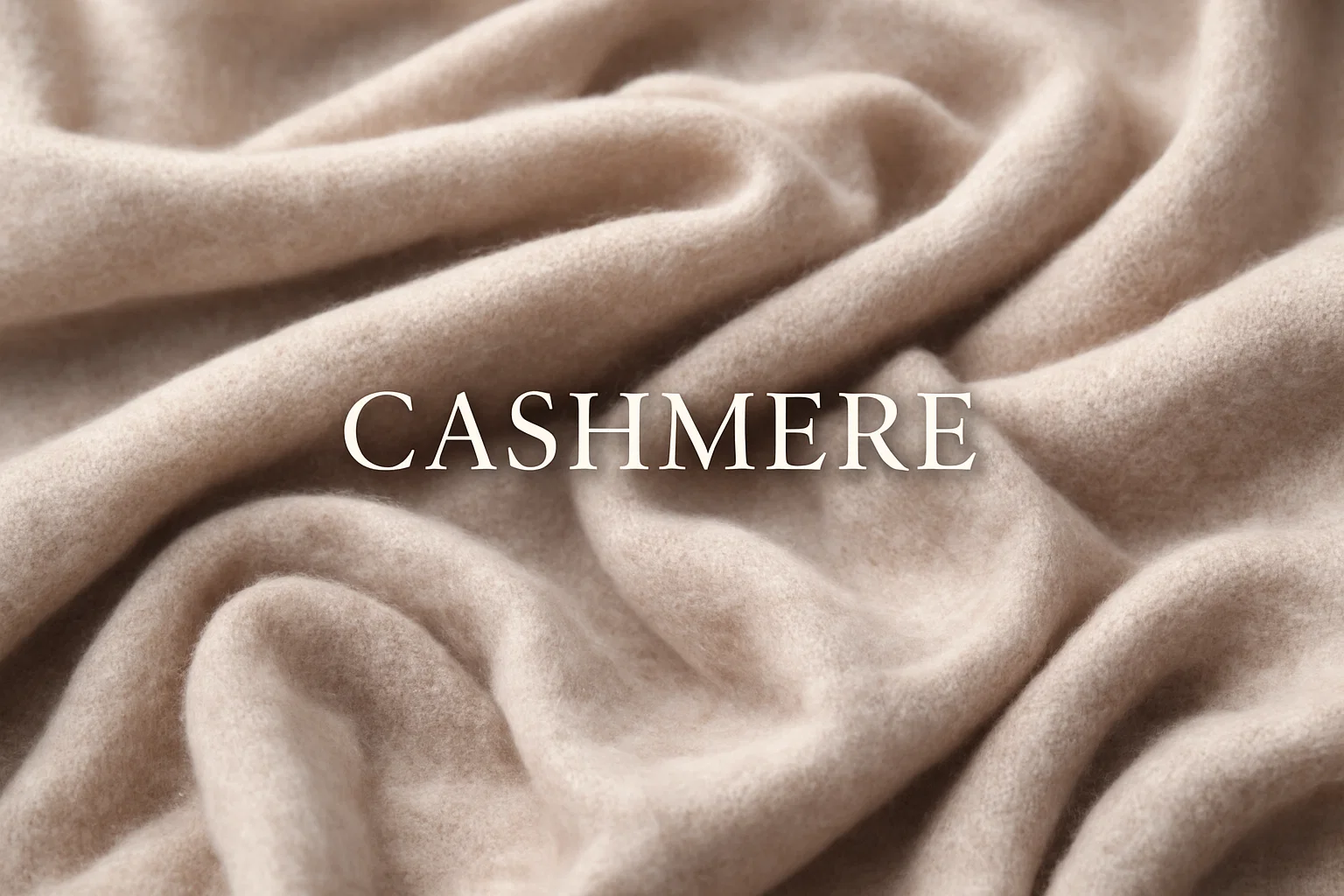
You may know cashmere as a very soft and fancy fiber. This natural material comes from the soft undercoat of special goats. These goats live in cold places in Central Asia. These areas have about 250.8 million hectares of land for animal fiber. Cashmere is known for being warm, light, and smooth. When you touch cashmere, you can feel why people like it so much.
Key Takeaways
-
Cashmere comes from the soft undercoat of cashmere goats. These goats mostly live in cold places like Mongolia and China.
-
People collect cashmere by gently combing the goats during their molting season. This way, the cashmere stays high-quality and the goats are not hurt.
-
Cashmere is lighter and warmer than other types of wool. It is great for wearing in layers when it is cold. It does not feel heavy or bulky.
-
Buying cashmere from good producers helps animals and the planet. It supports animal care and better ways to make clothes.
-
To keep cashmere soft and strong, wash it by hand in cold water. Store it flat in a cool and dry place.
Where Does Cashmere Come From
Cashmere Goats
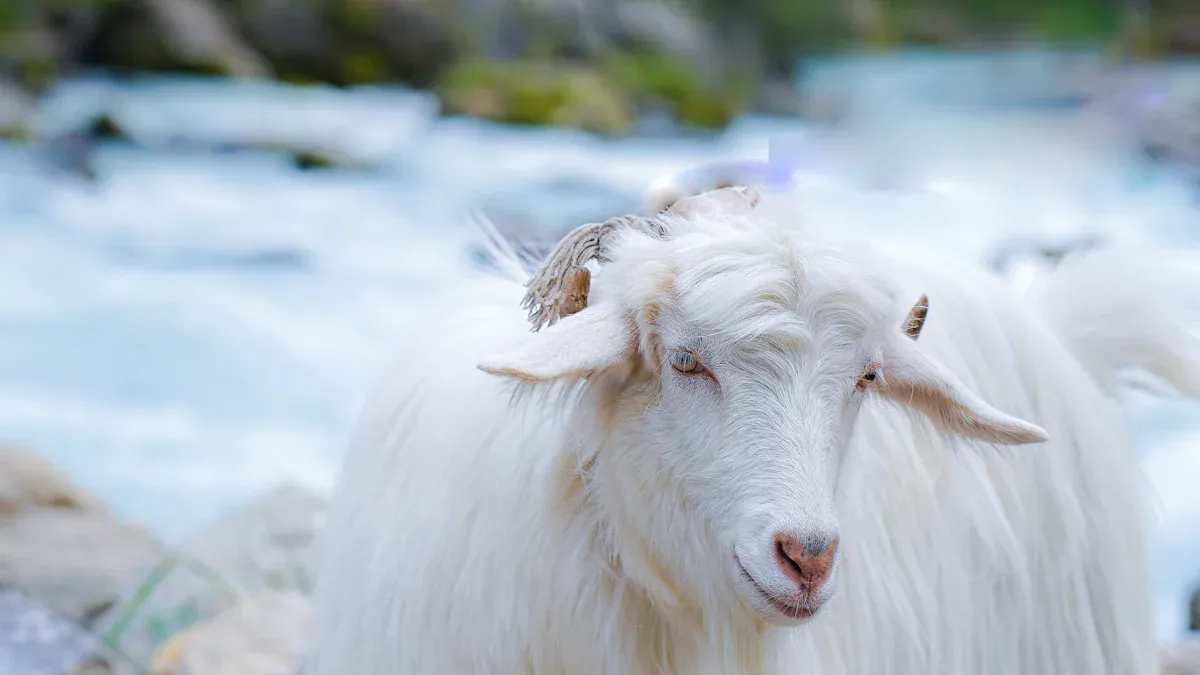
You may wonder where cashmere comes from. The answer starts with a special animal called the cashmere goat. These goats grow a soft undercoat that protects them from cold weather. You find this undercoat beneath the longer, rougher outer hair. People collect this fine fiber to make cashmere.
Cashmere goats are different from other goat breeds. They have unique genes, such as LHX2, FGF9, and WNT2, that help them grow soft and fine hair. The Inner Mongolia cashmere goat stands out for its long and high-quality cashmere. These goats produce cashmere from secondary hair follicles, which makes the fiber softer and finer than regular goat hair. The value of cashmere depends on its small diameter, shine, and stretchiness. You get the best cashmere from goats with these special traits.
Each cashmere goat gives you only a small amount of fiber every year. On average, one goat produces about 150 to 280 grams of cashmere down each year. This small yield is one reason why cashmere is so precious.
Note: Cashmere goats need cold, dry climates to grow their soft undercoats. If the weather gets warmer or changes too much, goats may not produce as much high-quality cashmere.
Geographic Origins
You find the best cashmere in some of the coldest and driest places on earth. The main countries that produce most of the world’s cashmere are:
-
Mongolia
-
China
-
Iran
-
Afghanistan
-
Kazakhstan
Mongolia leads the world in cashmere production, giving you over half of the global supply. China comes next, followed by Iran, Afghanistan, and Kazakhstan. These countries have the right climate for cashmere goats to thrive.
The regions of Mongolia, Tibet, and the Gobi Desert are famous for their cashmere origins. The cold winters in these areas help goats grow thick, soft undercoats. When the weather is harsh, goats need more protection, so they grow better cashmere. However, extreme weather events, like the Dzud in Mongolia, can hurt goat herds and lower the quality of the fiber. If the climate gets warmer or there is less rain, goats may not grow as much cashmere, and the fiber may not be as fine.
You can see that where cashmere comes from matters a lot. The right goat breed and the right environment work together to create the soft, warm cashmere you love.
Cashmere Wool Production
Harvesting Process
Every spring, you see a special event in cashmere-producing regions. Goats begin to shed their soft undercoat during the molting season. Skilled herders use this time to collect the valuable cashmere fibre. They do not harm the goats. Instead, they gently comb the animals to gather the fine undercoat. This careful process is essential for high-quality cashmere production. You can think of this as the first step in the journey from goat to garment.
There are two main ways to harvest cashmere from goats. Each method has its own benefits and drawbacks:
|
Method |
Description |
Advantages |
Disadvantages |
|---|---|---|---|
|
Combing |
Involves using a special comb to pull out fine undercoat fibres during moult |
Produces high-quality, clean cashmere |
Requires multiple sessions over 1-2 weeks |
|
Shearing |
Entire fleece is shorn off in one go |
Faster and less labor-intensive |
Results in mixed fibres needing extensive processing |
-
Combing: You use a special comb to pull out the soft undercoat. This method gives you the best cashmere fibre. It takes more time and care, but the result is cleaner and softer.
-
Shearing: You remove the entire fleece in one go. This method is faster, but it mixes the soft undercoat with rougher hair. You need more cleaning and sorting later.
Most herders prefer combing because it keeps the cashmere fibres pure and long. This step is very important for making soft and luxurious cashmere fabric.
Cleaning and Sorting
After the cashmere harvest, you need to clean and sort the raw fibre. First, you remove dirt, grease, and any plant material. This step helps you get pure cashmere fibre. Next, you sort the fibres by hand. You look for the finest, longest, and softest fibres. Sorting also separates the white fibres from the colored ones. White cashmere is easier to dye and often more valuable.
You must pay close attention during sorting. Only the best fibres go on to become high-quality cashmere fabric. The rest may be used for lower-grade products. This careful process ensures that the final cashmere fabric feels soft and smooth against your skin.
Spinning into Cashmere Fabric
Now you reach the stage where you turn clean cashmere fibres into yarn and then into cashmere fabric. The process involves several steps:
-
Shearing or combing: You collect the cashmere fibre from goats, usually in April.
-
Sorting: You separate the fibres by color, origin, and fineness.
-
Washing: You wash the fibres to remove any remaining dirt or grease.
-
Carding: You use a carding machine to fluff the fibres and remove coarse hair.
-
Dyeing: You can dye the fibres, yarn, or finished fabric, depending on the desired color.
-
Spinning: You twist the fibres into yarn using different spinning methods.
-
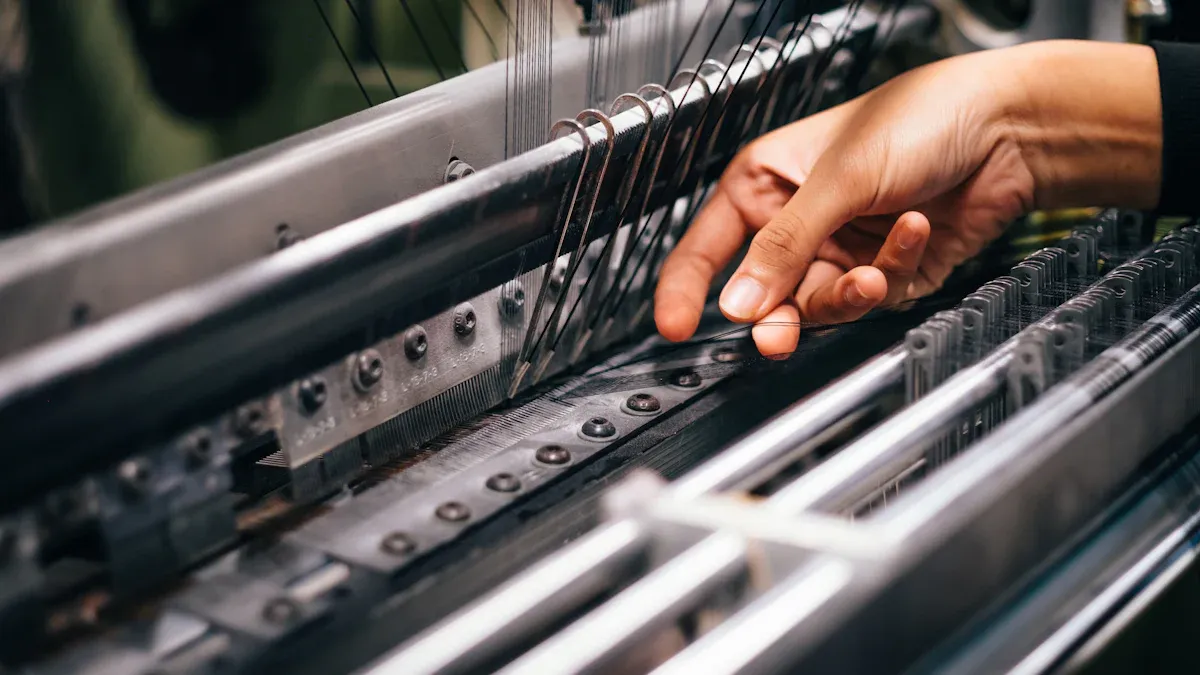
Weaving: You weave the yarn into cashmere fabric using warp and weft threads.
-
Inspection: You check the fabric for faults and repair any problems.
-
Finishing: You brush, full, dry, tease, shear, and steam the fabric to improve its feel and look.
-
Cutting and labeling: You cut the fabric to size and add labels for branding.
Each step in this process matters. If you want to know how is cashmere fabric made, you must follow these steps closely. The result is a soft, light, and warm cashmere fabric that stands out from other materials.
Tip: High-quality cashmere fabric comes from careful work at every stage. From the cashmere harvest to spinning and finishing, each step adds to the luxury you feel when you wear cashmere.
When you look at how is cashmere fabric made, you see a long and careful process. Cashmere production starts with the goat and ends with a beautiful piece of cashmere fabric. This journey shows why cashmere wool is so special and why people value it so much.
Cashmere Qualities
Softness and Lightness
When you touch cashmere, it feels very soft and light. This is because cashmere has fine fibers. These fibers are thinner than those in other luxury wools. You can see the difference in this table:
|
Micron Range |
|
|---|---|
|
Cashmere |
14 – 19 |
|
Merino |
17 – 25 |
|
Alpaca |
18 – 25 |
Cashmere fibers are much thinner than merino or alpaca. This makes cashmere smoother and softer on your skin. Scientists use tests to measure how light and soft cashmere is. They check the weight and thickness of the fabric. Cashmere is easy to wear and does not feel heavy.
Tip: Cashmere is so light that you can wear layers for warmth. You will not feel bulky when you do this.
Durability
You might wonder how long cashmere clothes last. The answer depends on the quality of the cashmere. Good cashmere can last for many years if you care for it. Merino wool is known for being very strong. Cashmere can also be strong if you pick high-quality fabric. Alpaca is tough too, but there is less information about how long it lasts.
Here are some things that can damage cashmere clothes:
-
Washing too often can make the fibers weak.
-
Using strong chemicals like bleach can hurt the material.
-
Zippers can tear the fabric if you are not careful.
-
Keys or other items in pockets can make holes.
-
The quality of the cashmere is most important for how long it lasts.
If you follow these tips, your cashmere will stay soft and nice.
Comparison to Other Wool
Cashmere keeps you warmer than other types of wool. The fibers trap heat better because they are finer. Here are some ways cashmere is different:
-
It is great for cold weather and layering.
-
Wool fibers are thicker and do not trap heat as well.
-
Cashmere is lighter and lets air pass through better than wool.
-
Cashmere can be seven or eight times warmer than merino wool.
Cashmere helps control your body temperature and absorbs moisture. This makes it good for tough weather. Many people like cashmere because it feels softer and warmer than other luxury fibers. In 2023, cashmere sweaters and coats made up 51.4% of luxury fiber sales. This shows people love how comfortable cashmere is.
Note: People now want cashmere that is good for the planet. Brands use organic and recycled fibers to help. Cashmere is special because it is soft and eco-friendly.
Ethics and Environment
Animal Welfare
When you buy cashmere, you help animal welfare. The cashmere industry uses rules to keep goats safe. These rules make sure goats get good food and a nice place to live. They also check the goats’ health and how they act with each other. Goats’ feelings and comfort are important too. Here is a table that shows the main parts of animal welfare:
|
Domain |
Description |
|---|---|
|
Nutrition |
Ensures proper dietary needs are met for the goats. |
|
Physical environment |
Focuses on the living conditions and habitat of the animals. |
|
Health |
Addresses the overall health and medical care of the goats. |
|
Behavioural Interactions |
Considers the social interactions and behaviors of the animals. |
|
Mental State |
Emphasizes the importance of the goats’ mental well-being and comfort. |
ISO 22786 gives rules for making cashmere. This rule covers how to prepare, track, and make sure cashmere is made right. Certifications like The Good Cashmere Standard help make sure goats are treated well.
Environmental Impact
Making cashmere can hurt the environment a lot. When herders get more goats, the land gets damaged. In Mongolia, 70% of green land is now ruined from too many goats eating plants. Goats eat plants all the way to the roots, so new plants cannot grow. Their sharp hooves break up the ground and make it worse. Here is a table that shows some facts about the environment:
|
Evidence Description |
Source |
Year |
|---|---|---|
|
70% of Mongolia’s once verdant land has been damaged due to overgrazing by cashmere goats. |
BBC |
2020 |
|
Cashmere goats are more destructive than sheep, as they eat plants down to the roots, preventing regrowth. |
New York Times |
2009 |
|
Cashmere is noted for having the most destructive environmental impact of all animal-derived fibers. |
N/A |
N/A |
The cashmere industry has problems with land damage and deserts growing bigger. In the past, herders kept a balance with fewer goats. Now, there are almost as many goats as sheep, which makes things harder for the land.
Sustainable Practices
You can help the planet by picking cashmere from good producers. Many people in the industry now use better ways to protect nature and animals. Here are some ways to make cashmere more sustainable:
-
Rotational grazing lets grass grow back and stops overgrazing.
-
Using water carefully helps lower the impact of making cashmere.
-
Animal welfare standards, like The Good Cashmere Standard, make sure goats are treated well.
-
Community support gives fair pay to breeders and helps local people.
-
Responsible shearing and better pasture care protect goats and the land.
-
Saving different plants and animals keeps nature healthy.
Programs like the Sustainable Fibre Alliance set rules for good cashmere. These programs check cashmere from herders to stores and use outside checks. They care about animal welfare, the environment, and fair pay. When you pick sustainable cashmere, you help people and the earth have a better future.
How Azknit Uses Cashmere for Superior Knitwear
Selection of Premium Cashmere Fibers
When you pick cashmere from Azknit, you get high-quality material. Azknit chooses cashmere that is long, fine, and shiny. Most of their cashmere comes from Inner Mongolia. Goats there make some of the best fibers. Azknit checks the quality in many ways.
|
Quality Control Measure |
Description |
|---|---|
|
Raw Material Selection |
Focuses on fineness, length, wool content, color, and gloss. |
|
Environmental Control |
Keeps storage clean, dry, and ventilated to protect the fiber. |
|
Eco-friendly Dyeing |
Uses dyes that are safe for the environment. |
|
Yarn Testing |
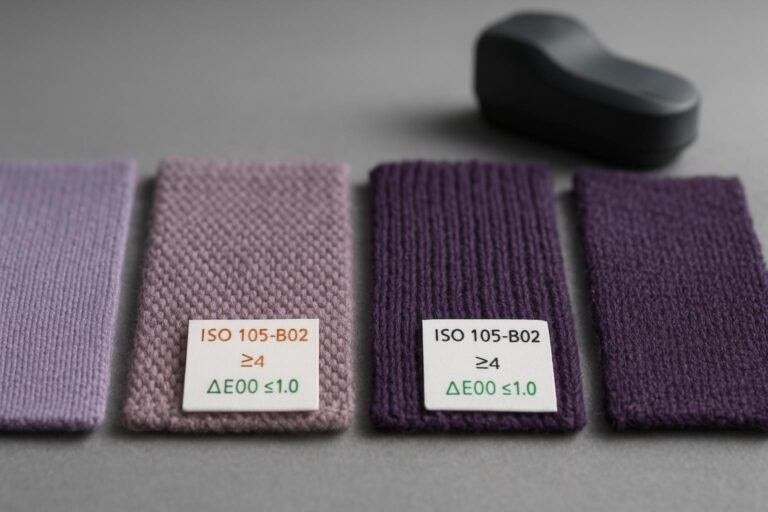
Checks yarn for strength, twist, and color fastness. |
|
Weaving Inspection |
Looks at stitching, size, and pattern accuracy. |
|
Final Product Inspection |
Reviews color, design, and measurements. |
|
Textile Finishing |
Ensures proper packaging and checks for metal contaminants. |
Azknit works with suppliers who can prove where their cashmere comes from. This means you get fabric that is good for people and the planet.
Innovative Spinning and Knitting Techniques
Azknit uses new spinning machines to make yarn soft and strong. These machines help the yarn stay smooth and even. This makes the fabric gentle when you touch it.
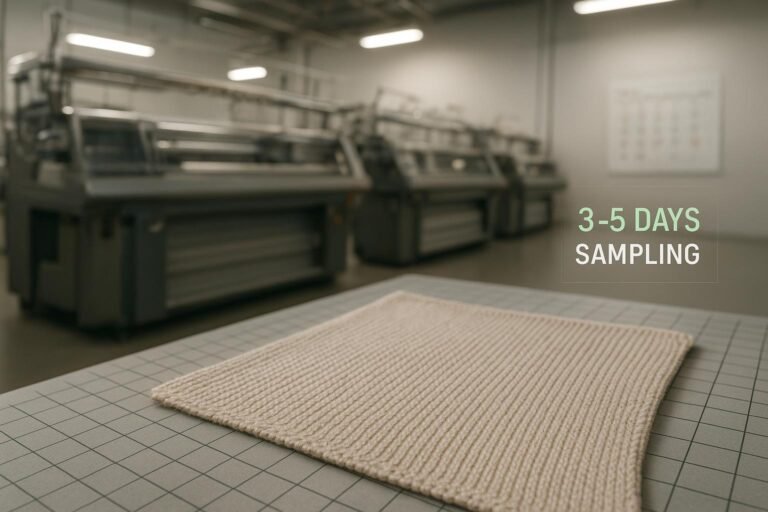
Azknit also has special ways to knit the yarn. The way they knit and the yarn they use make the clothes soft and tough. They treat the fabric with brushing and anti-pilling. These steps help your cashmere stay nice for a long time. Your clothes will look good and feel soft.
-
Special knitting makes the design better and the fabric tough.
Quality Control and Product Excellence
Azknit checks every step when making cashmere fabric. They test each batch of yarn for thickness, color, and evenness. They check the fabric during production to keep it soft and fitting right.
Here is a table that shows how Azknit checks for quality:
|
Stage |
Quality Control Measures |
|---|---|
|
Materials |
Selects high-quality cashmere and keeps it free from contaminants. |
|
Spinning |
Uses safe dyes and tests yarn for strength and color. |
|
Weaving |
Inspects stitching, size, and pattern for a perfect look. |
Azknit only buys cashmere from trusted suppliers. These suppliers have certificates like OEKO-TEX and Good Cashmere Standard. This means your cashmere is safe and meets top quality rules.
Cashmere comes from the soft undercoat of goats. These goats live in cold places like Mongolia and China. People collect the fiber by hand when goats shed in spring. This makes a fabric that is soft, warm, and light. When you buy cashmere, check the label for clear information. Make sure it says where the cashmere comes from and if it is pure. The table below shows what is important for good and fair cashmere:
|
Factor |
Description |
|---|---|
|
Origin |
Regions like Mongolia and China produce high-quality cashmere. |
|
Fiber Quality |
Fineness and softness mean better durability. |
|
Ethical Practices |
Animal welfare and environmental care matter. |
|
Traceability |
Transparent sourcing proves authenticity. |
FAQ
What makes cashmere different from regular wool?
Cashmere feels softer and lighter than regular wool. You get cashmere from the undercoat of special goats. Wool comes from sheep. Cashmere fibers are thinner, so you feel more comfort and warmth when you wear it.
How should you care for cashmere clothing?
You should wash cashmere by hand in cold water. Use mild soap. Lay your clothes flat to dry. Avoid hanging them. Store cashmere in a cool, dry place. You protect the fibers and keep your clothes soft.
Is cashmere always expensive?
You often see cashmere priced higher than other fibers. The reason is simple. Each goat gives only a small amount of cashmere each year. The careful process and limited supply make cashmere a luxury material.
Can you wear cashmere in warm weather?
You can wear cashmere in any season. The fibers help control your body temperature. Cashmere keeps you warm in winter and cool in summer. You feel comfortable because the fabric breathes well.
How do you know if cashmere is real?
You check the label for fiber content. Real cashmere feels soft and smooth. You can stretch the fabric gently. If it returns to shape, it is likely real. Many brands offer certificates for authenticity.