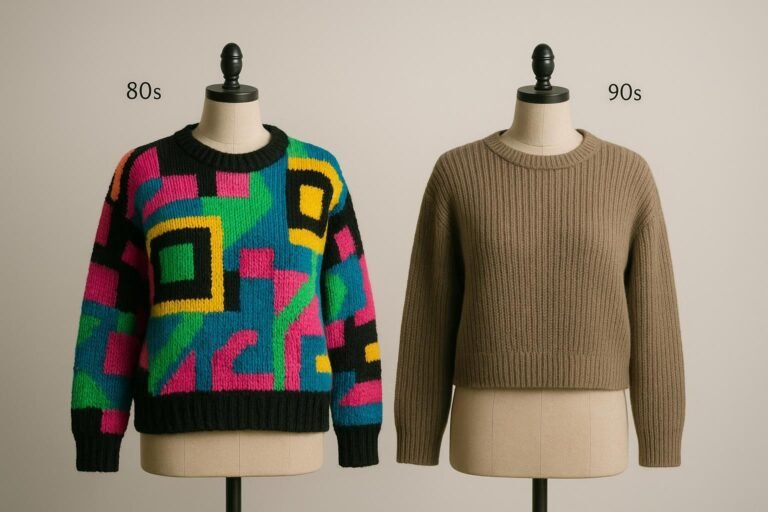
You can see chenille fabric in many places today, like warm blankets and cool sweaters. Chenille is easy to spot because it feels soft and thick. Its fancy texture makes you want to touch it. People like chenille for more than how it looks. It feels nice, hides stains, and lasts a long time. It stays strong even in homes with lots of kids. Chenille started in France a long time ago. It mixes old charm with new style. Chenille makes any room or outfit feel unique.
Key Takeaways
Chenille fabric feels soft and thick. People like it for blankets, sweaters, and furniture.
The word ‘chenille’ is French for ‘caterpillar.’ This matches how fuzzy the fabric looks.
Chenille uses different fibers like cotton and polyester. These fibers change how soft and strong the fabric is.
This fabric can be used in many ways. It comes in lots of colors. You can match it to any room or style.
Chenille is strong enough for homes with kids and pets. You need to clean it often to keep it looking nice.
Think about how you will use chenille before buying it. Polyester works well in busy places. Cotton feels softer.
Take care of chenille by washing it gently. Store it the right way to help it last longer and look good.
Chenille makes any room feel warm and cozy. It is a good pick for home decorations and clothes.
Chenille Fabric Overview
What Is Chenille?
You might wonder what makes chenille so special. Chenille is both a fabric and a type of yarn. The word comes from French, and it means “caterpillar.” If you look at chenille yarn, you will see why. It looks fuzzy and soft, just like a caterpillar. People love chenille because it feels plush and cozy. You can find chenille fabric in many things, like blankets, sweaters, and even furniture.
Here’s how the textile industry defines chenille fabric:
Chenille fabric is made from different fibers, such as rayon, cotton, or synthetic blends. These fibers make it soft and strong.
The word “chenille” describes both the fabric and the yarn. The name comes from the French word for “caterpillar” because of its fuzzy look.
To make chenille, workers twist short pile yarn between two core strands. This process gives chenille its fluffy and soft texture.
Fun Fact: The fuzzy look of chenille yarn is what makes chenille fabric so unique and touchable!
How Chenille Is Made
Yarn and Weaving
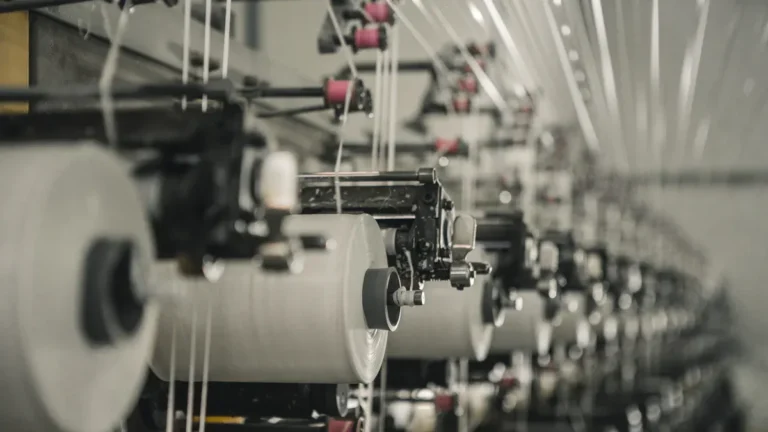
You might be curious about how chenille gets its famous texture. The process starts with making chenille yarn. Here are the main steps:
Fiber Preparation: Workers gather fibers like cotton or polyester and line them up to form a sliver.
Yarn Spinning: They twist the sliver into yarn, sometimes adding nylon to help it stay together.
Cutting Piles: The yarn is cut into short pieces, which creates the fluffy texture you see in chenille.
Steaming: The yarn is steamed to keep the piles in place.
Weaving or Knitting: Finally, the chenille yarn is woven or knitted into fabric. This step gives chenille fabric its soft, plush feel.
You may also hear about the process of making chenille on a bobbin and then rewinding it onto a cone or dye tube. This helps keep the quality high.
Materials Used
Not all chenille is the same. The material used can change how chenille feels and how long it lasts. Here’s a quick look at the most common materials:
Material | Description |
|---|---|
Cotton | Natural fiber, soft and comfortable |
Polyester | Synthetic fiber, strong and affordable |
Blended Fibers | Mix of fibers for extra softness or strength |
Polyester chenille is very popular. It is tough and costs less, so you see it a lot in sofas and bedding.
Blended chenille uses cotton or viscose for more softness. People who want comfort often choose this kind.
History of Chenille
Chenille has a long and interesting story. It started in France in the 1780s. The name “chenille” comes from the French word for caterpillar, which matches the yarn’s fuzzy look. You can even find the word “chenille” in old French magazines from the 1700s and 1800s.
Chenille fabric began in France and later moved to Britain. Alexander Buchanan helped bring it there, but French weavers already knew about chenille.
James Templeton and William Quigley made new ways to weave chenille, making it stronger and better for everyday use.
By the late 1800s, chenille became popular in home items, especially bedspreads. Catherine Evans helped make chenille bedspreads famous in the 1890s.
Note: The story of chenille shows how a simple, fuzzy yarn turned into a favorite for both fashion and home decor.
Now, when you see chenille fabric, you know it has a rich history and a special way of being made. The next time you touch a chenille blanket or sweater, you can remember how much work and creativity goes into every piece.
Chenille Texture and Features
Plush Feel
When you touch chenille, it feels very soft. The fabric is thick and smooth. This happens because short yarns twist around core threads. That makes the surface fuzzy and cozy. It feels nice on your skin. You might think of petting a soft animal. Or maybe you feel like you are on a fluffy pillow. Chenille gives warmth and comfort. It is great for snuggling on the couch. You can wrap up in a chenille blanket. The texture makes normal things feel special. If you want something gentle, chenille is a good pick.
Appearance and Pile
Chenille looks special and stands out. The pile is the raised part of the fabric. This pile gives chenille its soft feel. You can see and feel the difference. The pile can be short or long. This changes how chenille looks and feels. Here is a table that shows what makes chenille look interesting:
Attribute | Description |
|---|---|
Textured Look | The pile can be short or long. It gives a cool texture. This adds depth to clothes or furniture. |
Warm and Inviting | Chenille feels warm and cozy. It is great for sofas, chairs, and ottomans. |
Softness | Chenille is very soft. It feels plush and smooth when you touch it. |
Fuzzy Texture | The fuzzy pile looks like caterpillar fur. This makes chenille look unique. |
You feel the softness every time you touch chenille. The fuzzy pile is fun to use at home or in clothes. The pile also hides small stains or marks. Your furniture or clothes look nice for longer. If you want something soft and rich-looking, chenille is a smart choice.
Durability
You may wonder if chenille lasts a long time. Chenille is pretty strong for light or medium use. The fiber type matters a lot. Polyester chenille lasts longer than cotton chenille. A tighter weave makes chenille stronger. This is better for furniture. Here are some key points about chenille’s strength:
The fiber type changes how long chenille lasts. Polyester is stronger than cotton.
Tighter weaves make chenille last longer on furniture.
Chenille works best in places that are not used all the time.
It can wear out faster in busy spots, like a favorite chair.
You should clean chenille often. The pile can trap dust and dirt.
When you compare chenille to other fabrics, you see some differences. Chenille is strong but may show wear in busy places. Microfiber is the strongest and best for heavy use. Velvet looks fancy but can flatten and wear out faster than chenille or microfiber. If you want something soft and strong, chenille is a good choice.
Chenille in Home Decor
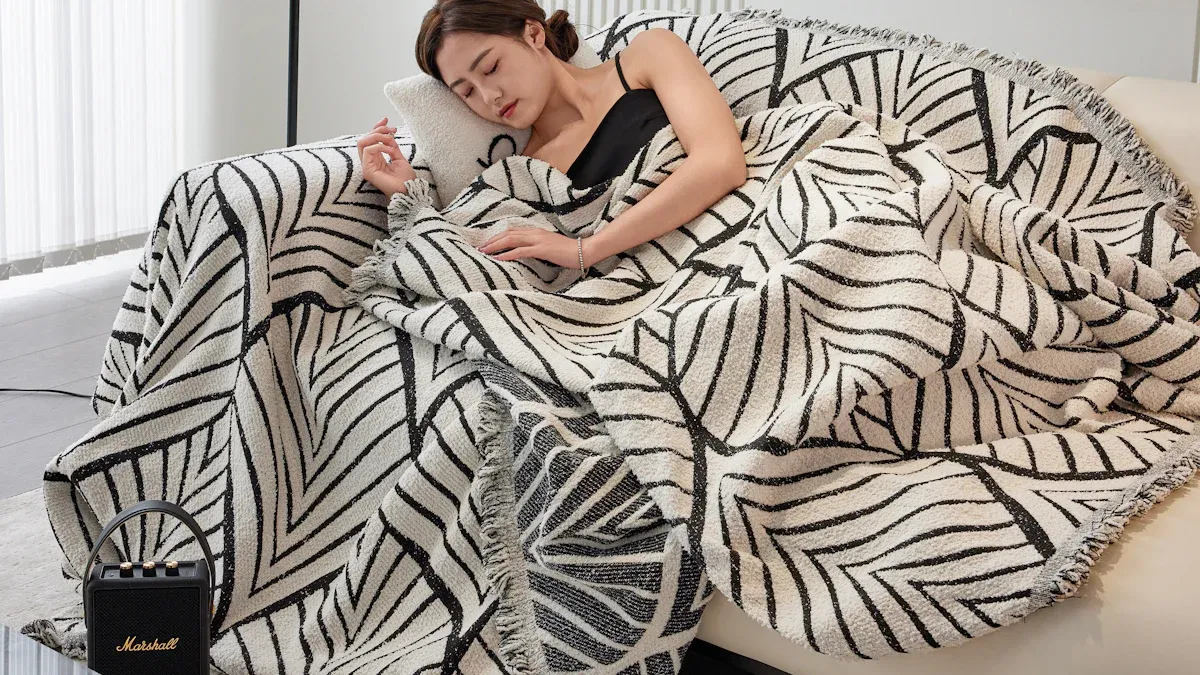
Chenille brings a cozy touch to your home. You see it everywhere, from sofas to plush pillow accents. The soft texture makes any space feel warm and inviting. If you want your home decor to stand out, chenille is a great choice.
Upholstery Uses
Chenille works well for furniture. You notice its comfort when you sit down. The fabric feels soft and looks rich. Many people pick chenille for living rooms and family spaces.
Sofas and Chairs
You find chenille on sofas and chairs in many homes. The fabric holds up well and keeps its shape. It feels nice when you relax after a long day. The texture adds depth to your furniture. You can choose from a variety of colors to match your style. Chenille makes your sofa look elegant and your chair feel extra comfortable.
Bar Stools and Ottomans
Bar stools and ottomans also use chenille. You get a plush seat that feels good every time you sit. The fabric resists wear, so it stays looking fresh. You can pick colors that fit your kitchen or living room. Chenille adds a touch of luxury to these smaller pieces.
Tip: If you want furniture that feels soft and looks stylish, chenille is a smart pick for your home decor.
Bedspreads and Throws
Chenille bedspreads and throws are popular in bedrooms and living rooms. You get warmth and comfort with every use. The raised texture gives a vintage look that many people love. Chenille throws add elegance to your couch or bed. They feel soft and keep you cozy during cold nights.
Here’s a quick look at the most common types:
Type of Bedspread/Throw | Characteristics |
|---|---|
Chenille Bedspread | Vintage look, solid colors or classic patterns, raised texture, drapes well, provides warmth |
Chenille Throw | Adds elegance, comforting warmth, durable, resists abrasions, attractive sheen |
Decorative Chenille Throw | Available in various designs, complements a range of decor styles from rustic to formal |
You can mix and match chenille bedspreads and throws to create a unique style. The texture stands out and makes your room feel special.
Color Variety
Chenille comes in a huge variety of colors. You can find shades that fit any room or mood. Major textile manufacturers offer hundreds of options. Whether you like bold reds or soft blues, you have plenty to choose from.
Color Family | Count |
|---|---|
Black – Gray | 117 |
Blue – Turquoise – Aqua | 142 |
Brown – Beige | 178 |
Green | 76 |
Orange – Coral | 27 |
Purple | 15 |
Red – Pink | 43 |
White | 92 |
Yellow – Gold | 34 |

You can see how easy it is to match chenille fabric to your home decor. The variety of colors lets you create the look you want. You might choose a plush pillow in a bright color for a fun accent. Or you might pick neutral tones for a calm space. Chenille gives you the freedom to decorate your home your way.
Chenille for Home and Fashion
Chenille brings comfort and style to both your wardrobe and your living space. You can spot chenille in cozy sweaters, soft scarves, and even in unique home accents. This fabric stands out in fashion and decor because of its plush texture and inviting look.
Clothing Applications
Chenille in fashion has become a favorite for designers and shoppers. You get warmth, softness, and a touch of luxury every time you wear it.
Sweaters and Scarves
You might notice that chenille sweaters and scarves feel extra soft. The fabric keeps you warm without feeling heavy. Many people choose chenille over other soft fabrics because it lasts longer and holds color well. Here’s why you see chenille fabric in so many closets:
Chenille feels soft and cozy against your skin.
Fashion designers love using chenille for sweaters and scarves.
The fabric keeps its color and looks new after many washes.
You get a sweater or scarf that stays beautiful and comfortable.
If you want a sweater that feels like a gentle hug or a scarf that keeps you warm on chilly days, chenille is a smart pick.
Accessories
You can find chenille in more than just sweaters. Fashion brands use chenille for hats, gloves, and even handbags. These accessories add a pop of color and a soft touch to your outfit. You might see chenille headbands or scrunchies that feel gentle on your hair. The texture makes every accessory stand out.
Other Home Uses
Chenille does more than cover sofas and beds. You can use it to add warmth and personality to your home in creative ways.
Curtains
Chenille curtains make any room feel cozy. The fabric blocks light and keeps your space warm. You can pick from many colors to match your style. The texture of chenille curtains adds depth to your windows. They work well in bedrooms, living rooms, or even a reading nook.
Decorative Pillows
You can never have too many cushions or pillows. Chenille makes decorative cushions and pillows that feel soft and look rich. These pillows add comfort to your couch or bed. The fabric’s texture hides small stains and keeps your space looking fresh. You can mix and match colors for a fun look or choose soft furnishings in calm shades for a relaxing vibe.
Here are some other creative ways people use chenille at home:
Make wall hangings that show off the fabric’s unique texture.
Create plush stuffed animals or handmade toys for kids.
Use chenille in sensory play items because it feels safe and soft.
Try chenille in classroom projects for a fun, tactile experience.
Tip: If you want your home to feel warm and inviting, add chenille cushions or pillows. They bring comfort and style to any room.
Chenille fabric gives you endless options in both fashion and home decor. You get a fabric that feels good, looks great, and lasts for years.
Pros and Cons of Chenille
When you want to use chenille at home or wear it, you should know the good and bad sides. Let’s see why people like chenille and what you need to be careful about.
Advantages
Comfort
You will feel how soft chenille is right away. The fabric is thick and plush, so it is great for relaxing. Many designers pick chenille because it makes rooms feel cozy. The thick fibers help keep you warm in cold weather. If you want something gentle on your skin, chenille is a smart choice.
The plush feel makes things seem fancy.
Chenille gives warmth and comfort for blankets, sweaters, and furniture.
The tight weave can help lower allergens, which is good for your health.
Versatility
Chenille works with almost any style. You can find it in lots of colors and patterns, so it fits any room or outfit. If you want something bold or classic, chenille is a good pick. Designers use chenille for sofas, scarves, and more.
Chenille comes in many colors and patterns.
It looks fancy and adds shine to your decor.
You can use chenille for furniture, bedding, curtains, and accessories.
Tip: Chenille is strong and lasts a long time. It works well in homes with kids or pets. It also costs less than you might think.
Disadvantages
Maintenance
You need to think about cleaning before you choose chenille. Chenille is easier to care for than velvet, but it still needs regular cleaning. The fabric can collect dust and pet hair, so you should vacuum or brush it often. If you spill something, blot it fast to stop stains. Synthetic chenille is usually easier to clean than natural chenille.
Chenille needs less cleaning than velvet, which often needs a professional.
Regular cleaning keeps chenille soft and looking new.
Cost
Chenille looks fancy, but it can cost more than some other fabrics. Here’s a quick look at the average price per yard:
Fabric Type | Average Cost per Yard |
|---|---|
Chenille | |
Velvet | $23.97 – $56.20 |
Microfiber | Starting at $19.98 |
Some chenille fabrics can stretch, shrink, or lose their shape if you do not care for them. Some types may soak up water or stains quickly unless treated.
Note: If you want chenille but worry about price, try it for small things like pillows or throws.
Chenille gives comfort, style, and lots of choices, but you should think about cleaning and price before you buy. Knowing these pros and cons helps you decide if chenille is right for your home or clothes.
Caring for Chenille Fabric
Taking care of chenille fabric is easy when you know what to do. You want your soft blankets, pillows, and clothes to last as long as possible. Here are some simple tips for cleaning, storing, and keeping your chenille looking great.
Cleaning Tips
Chenille feels soft, but it needs gentle care. You should always check the label for cleaning instructions before you start. Most chenille items do best with hand washing or a gentle cycle in the washing machine. Use cold water and a mild detergent. Hot water can damage the fibers and make the fabric lose its shape.
Wash chenille by hand or on a gentle cycle.
Use cold water and mild soap.
Never wring or twist the fabric. Press out water gently.
Lay flat to dry. Hanging can stretch the fabric.
If you spill something, blot it right away with a clean cloth. Don’t rub, or you might push the stain deeper. For tough stains, try a small amount of soap and water on a hidden spot first. If you have chenille upholstery, vacuum it once a week to keep dust and dirt away. This keeps the pile fluffy and fresh.
Tip: Regular cleaning helps your chenille stay soft and bright. Avoid harsh chemicals or bleach.
Storage Advice
Storing chenille the right way keeps it safe from damage. You want your fabric to stay clean, dry, and free from pests. Here’s how you can do that:
Always wash or dry clean chenille before storing. Dirt and oils can cause damage over time.
Fold chenille gently. Try rolling it instead of folding to avoid sharp creases.
Use acid-free boxes or tissue paper. Avoid plastic bags, which can trap moisture.
Store chenille in a cool, dry, and dark place. Sunlight and heat can fade or weaken the fabric.
Keep chenille away from wood surfaces. Wood can release acids that harm the fabric.
Use natural pest repellents like cedar chips. Check your stored items every few months.
A little care goes a long way. Clean and dry chenille before you put it away, and you’ll keep it looking new for years.
Extending Lifespan
You can make your chenille last longer with a few easy steps. Regular care keeps the fabric soft and strong.
Vacuum chenille upholstery every week to remove dust.
Use a soft brush to fluff up the fibers and keep the texture plush.
Rotate and flip cushions often. This stops one side from wearing out faster.
Blot spills right away. Quick action keeps stains from setting.
Clean stains with mild soap and water. Test on a hidden spot first.
Get professional cleaning once or twice a year for deep cleaning.
Use slipcovers on furniture in busy areas.
Keep chenille out of direct sunlight to prevent fading.
Remember: Gentle washing and regular cleaning help your chenille look and feel its best. With these simple steps, you can enjoy your favorite chenille pieces for a long time.
Choosing Chenille
Suitability for Needs
You want your fabric to fit your life. Chenille comes in many types, so you should think about what you need before you buy. Some chenille works better for outdoor furniture, while other kinds feel best indoors. Take a look at this table to help you decide:
Factor | Description |
|---|---|
Purpose | Choose outdoor chenille for outdoor furniture because it resists weather. Cotton chenille works well indoors. |
Durability | Polyester chenille stands up to stains and heavy use. Cotton chenille feels softer but does not last as long. |
Aesthetic | Velvet chenille looks fancy and fits formal rooms. Cotton chenille gives a relaxed, casual look. |
Maintenance | Polyester and outdoor chenille are easy to clean. Cotton chenille needs more care and cleaning. |
If you want a fabric for a busy family room, polyester chenille is a smart pick. For a cozy bedroom, cotton chenille feels soft and warm. Outdoor spaces need special chenille that can handle sun and rain.
Comparing Fabrics
You might wonder how chenille stacks up against other fabrics. Chenille feels soft and thick, but it also lasts a long time. Let’s see how it compares to velvet, a popular choice for both home and fashion:
Feature | Chenille | Velvet |
|---|---|---|
Softness | Soft, thick, and fluffy | Soft and luxurious |
Durability | Durable, abrasion resistant | Less durable than chenille |
Cost | More competitive than velvet | Generally more expensive |
Chenille gives you a plush feel and stands up to daily use. Velvet looks rich but can wear out faster and costs more. Here are some things you might like or dislike about chenille:
What you’ll love about chenille:
It feels soft and thick.
It resists wear and tear.
It keeps you warm on chilly days.
What you should watch for:
It can stretch or shrink if you do not care for it.
It may soak up spills quickly if not treated.
Making a Decision
Choosing the right fabric can feel tricky, but you can make it easier by asking yourself a few questions. Think about how you will use the fabric and what matters most to you. Here are some tips to help you decide:
Match the fabric to your project. Pick strong chenille for busy spots and softer types for comfort.
Check how much cleaning the fabric needs. If you want easy care, go for polyester chenille.
Think about the look you want. Do you like a fancy style or a laid-back feel?
Consider how the fabric affects the planet. Some chenille uses recycled or natural fibers.
Make sure the fabric fits your budget and your style.
Tip: Always touch and feel the fabric before you buy. You want something that feels just right for your home or clothes.
When you take time to think about your needs, you can pick the perfect chenille for any project. You get comfort, style, and a fabric that fits your life.
You can easily see why many people like chenille fabric for clothes and home items. It feels soft and thick, so it stands out from other fabrics. Chenille is warm and strong, which makes it special. Here are some important things to know:
Key Point | Description |
|---|---|
Luxurious Texture | It feels soft and smooth, and it shines nicely |
Versatile Applications | You can use it for sweaters, bedding, and decor |
Durable and Cozy | It lasts a long time and keeps you warm and comfy |
If you want something stylish and comfortable, chenille is a good pick for your next project.
FAQ
What makes chenille fabric different from velvet?
Chenille feels thicker and fuzzier than velvet. You get a plush, cozy texture with chenille. Velvet feels smoother and looks shinier. Both look fancy, but chenille works better for everyday comfort.
Can you machine wash chenille fabric?
You can machine wash some chenille items on a gentle cycle with cold water. Always check the care label first. Lay the fabric flat to dry. Never wring or twist chenille, or you might damage the fibers.
Does chenille fabric pill or shed?
Chenille can pill or shed, especially if you use it a lot. You can reduce pilling by washing gently and avoiding rough surfaces. Use a lint roller or fabric shaver to keep your chenille looking fresh.
Is chenille good for people with allergies?
Chenille’s tight weave can help keep dust and allergens out. You should vacuum or brush chenille often to remove dust. If you have allergies, clean chenille items regularly to keep your space healthy.
How do you keep chenille looking new?
Tip: Vacuum chenille furniture every week. Rotate cushions and pillows. Blot spills right away. Wash with mild soap and cold water. Store chenille in a cool, dry place. These steps help your chenille stay soft and bright.
Can you use chenille outdoors?
Most chenille works best indoors. Some outdoor chenille fabrics exist, but you should check the label. Outdoor chenille resists sun and rain better. Regular chenille can fade or get damaged outside.
Why does chenille feel so soft?
Chenille yarn has short, fuzzy piles twisted around core threads. This special structure gives chenille its famous softness. When you touch chenille, you feel the plush, velvety surface right away.