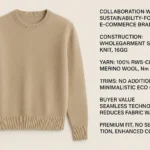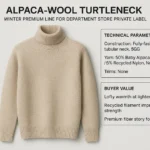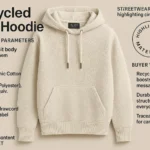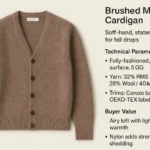

You might wonder, what is linking in sweater manufacturing? Linking connects sweater parts, like sleeves and the body, with careful stitches. This step makes the sweater look smooth and keeps the seams strong. What is linking in sweater manufacturing? It is important for making good quality sweaters. In 2025, linking gets more focus because it helps brands make sweaters that feel better and last longer. Learn how linking can change how you wear sweaters.
Key Takeaways
Linking joins sweater parts like sleeves and bodies. It makes seams smooth and keeps joins strong. Linking is not the same as sewing. It uses thin needles to keep the fabric stretchy and comfy. Quality control checks linking for strong seams. These seams last through wearing and washing. They do not break easily. Linking helps sweaters feel better and fit well. It keeps seams flat and soft on your skin. New machines make linking faster and more exact. This means sweaters are made better. More brands now use eco-friendly ways in linking. This helps the planet and is a new trend. People want sweaters made from natural fibers. This makes linking more popular in making sweaters. Factories train workers in linking skills. This helps them make good sweaters quickly.
What is linking in sweater manufacturing?
Linking defined
You might ask, what does linking mean in sweater making? Linking joins different knitted pieces like sleeves, collars, and panels. This step helps make a full sweater. People use special machines or skilled hands to link each stitch. Linking is a careful part of making sweaters. It helps make smooth seams and strong joins that fancy brands want.
Linking joins separate knitted parts, like sleeves, collars, and panels, stitch by stitch. People use special machines or do it by hand. This careful step makes sure every sweater meets luxury brand standards.
When you look at how sweaters are made, linking is very important. It connects the knitted pieces and turns flat panels into a sweater you can wear. Linking keeps seams flat and comfy, so you enjoy wearing your sweater.
How linking differs from sewing
You may wonder how linking is different from sewing. Both join pieces, but they use different ways and give different results. Linking uses fine needles to connect loops from knitted panels. Sewing uses a needle and thread to stitch pieces together. You can see the difference in the finished sweater.
Aspect | Traditional Sewing | |
|---|---|---|
Technique | Uses a linking machine with fine needles to interlock loops | Uses a needle and thread to stitch pieces together |
Seam Quality | Flat, comfortable, and visually clean | Can create bulky seams that may irritate the skin |
Elasticity | Maintains stretch and drape of fabric | May restrict movement due to bulkiness |
Durability | Stronger, less prone to puckering | More prone to puckering and wear |
Linking keeps the stretch and shape of the knitted fabric. Sewing can make seams thick and less bendy. Linking gives you a flat seam that feels soft on your skin. Your sweater moves with you and lasts longer.
History of linking in knitwear
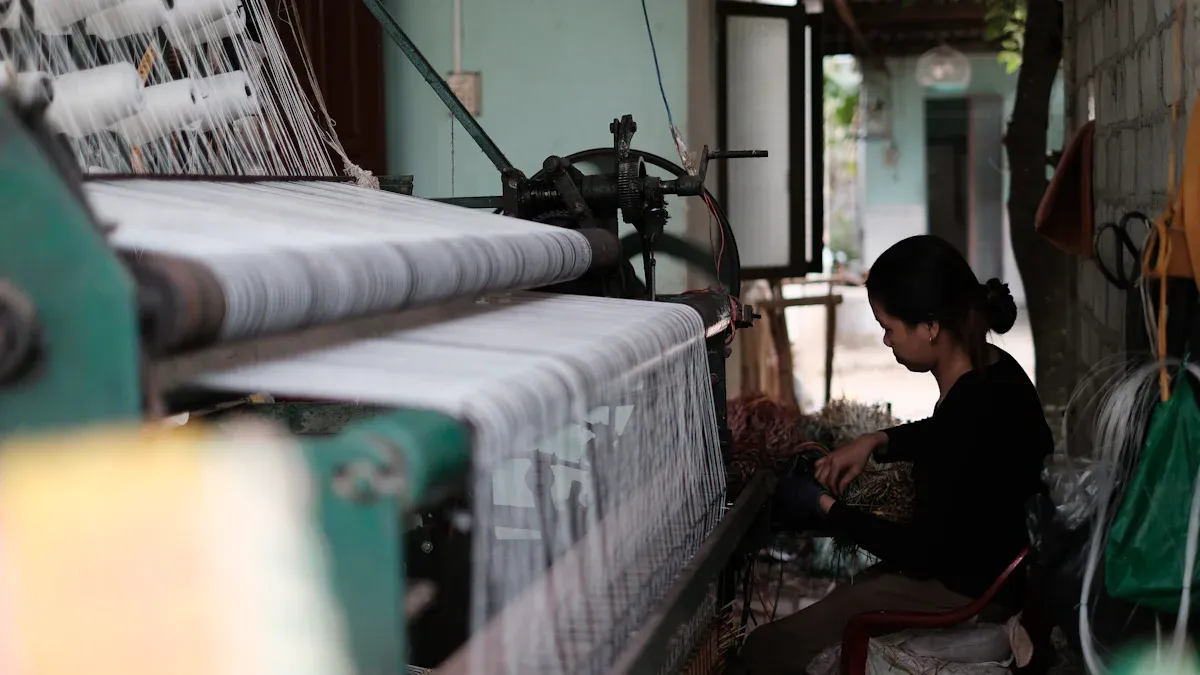
You might ask, what is linking in sweater making? To answer, you need to know some history. People started knitting by hand a long time ago. In 1589, William Lee made the stocking frame, a knitting machine. This made knitting faster and more even. The Industrial Revolution brought powered machines and better engineering. Factories took over from small home workshops, and mass production began.
Here are some big moments in the history of linking and knitting machines:
Year | Milestone Description |
|---|---|
1589 | William Lee made the stocking frame, a machine that changed how stockings were made. |
1831 | Timothy Baily used water power with the old stocking frame, the first powered machine for knitwear in America. |
1840 | U.S. patents for circular knitting machines were given, making production better. |
1863 | Q. U. Lamb made the first flat bed knitting machine, which could make wide, flat fabrics. |
1865 | Joseph Heginbothom started The Fidelity Machine Works, a big maker of circular knitting machines. |
1888 | The Fidelity Machine Works was sold but kept making knitting machines. |
1863 | William Cotton patented a hosiery knitting machine that could shape clothes while knitting. |
1870 | Henry J. Griswold made the automatic circular knitting machine, changing the industry even more. |
The Industrial Revolution made knitting machines, moving work from homes to factories.
Steam power and better engineering in the 1800s improved knitting machines, so factories could make lots of fine socks and sweaters.
You can see how sweater making changed over time. Linking became a special step as machines got better. Today, linking is key to making good sweaters. Linking helps you get sweaters that fit well, feel comfy, and last a long time.
Assembling and linking sweater parts
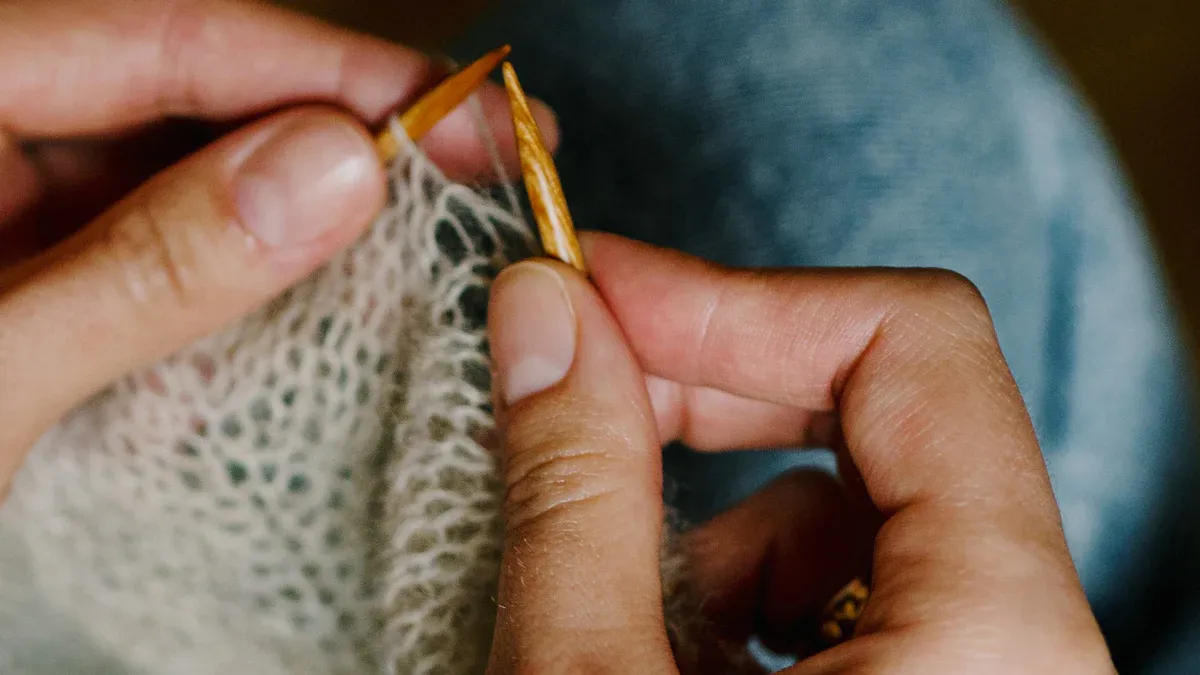
When you look at how sweaters come together, you see that assembling and linking is a careful process. You need to join each part, like the sleeves, collar, and body, so the sweater feels smooth and fits well. Let’s explore the basic linking processes step by step.
The linking process
Preparing panels
First, you prepare the knitted panels. You check each piece for size and shape. You make sure the edges are clean and ready for joining. This step helps you avoid mistakes later.
Aligning edges
Next, you align the edges of each panel. You match the stitches so the seams look neat. You keep the tension even, so the sweater does not stretch or shrink in the wrong places.
Joining with linking machines
Now, you use linking machines to connect the panels. These machines use fine needles to join each stitch. You get flat seams that feel soft and look smooth. Sometimes, you need to hand stitch small areas, like the waist or collar, where machines cannot reach. You trim and finish these spots for a perfect look.
Tip: Always check the tension when assembling and linking. This keeps the sweater size correct and avoids wrinkles.
Here is a simple list of the main steps in assembling and linking:
Link the semi pieces, including side seam, armhole, center front, collar, and sleeve.
Ensure proper tension during linking to avoid size differences.
Use a linking circular machine to connect the pieces smoothly without wrinkles.
Hand stitch areas that cannot be joined by the machine, such as waist yarn removal, trimming, picking, and bumping.
Tools and machines for linking
You need special tools for assembling and linking. Linking machines are the main tool. They use fine hooks to join each stitch. You also use small scissors, needles, and yarn for hand finishing. Linking machines work best for elastic knit fabrics and flat knits. They keep the seams flat and stretchy.
Here is a table that shows why linking is perfect for these fabrics:
Characteristic | Benefit |
|---|---|
Maintains the aesthetic appearance of elastic knit fabrics. | |
Minimal seam thickness | Reduces bulk, preserving the fabric’s drape and flexibility. |
High elasticity | Allows the stitch to stretch and conform to the fabric, enhancing comfort. |
When you use linking machines, you get sweaters that look neat and feel comfortable. Assembling and linking helps you make sweaters that last longer and fit better.
Why linking matters for quality
Durability and strength
You want your sweater to last through many seasons. The way you join the panels affects the strength of the seams. When you use linking in manufacturing, you get seams that hold up to stretching and daily wear. The stitches interlock tightly, so the panels stay together even when you pull or move. This process gives you a sweater with high quality because the seams do not break easily.
Quality control and inspection teams check the seams for gaps or weak spots. They look for even tension and smooth joins. If you see a sweater with flat seams and no puckering, you know the linking process worked well. You can trust the durability of the garment. Strong seams mean you do not have to worry about holes or unraveling after washing.
Tip: Always check the inside seams of your sweater. Flat, even seams show good quality and careful manufacturing.
Comfort and fit
You want your sweater to feel soft and fit your body well. Linking helps you get a garment that moves with you. The seams stay flat, so you do not feel rough edges against your skin. This is important for quality, especially when you wear the sweater for long hours.
Manufacturing has changed with new yarns and machines. You now get knitwear that feels better than woven fabrics. Many people want clothes that stretch and fit close to the skin. Linking supports this need by keeping the seams flexible and smooth. You get a sweater that hugs your body without causing discomfort.
Seamless designs have become popular in sportswear. These designs help you avoid irritation from bulky seams. Linking makes it possible to create these smooth joins. You feel more comfortable, especially during movement.
Here is a table that shows how fit affects comfort and quality:
Clothing Fit | Impact on Quality and Comfort |
|---|---|
Tight-fitting | Can reduce heat loss, may feel less airy, but gives a sleek look |
Loose-fitting | Improves air flow, feels cooler, and increases thermal comfort |
Quality control and inspection teams test how the sweater fits and feels. They check for moisture movement and breathability. You want a sweater that keeps you dry and comfortable. Fabrics with good moisture properties improve thermal comfort. You notice the difference when you wear high-quality knitwear.
The tightness of bands can affect comfort.
Moisture movement through the fabric matters for quality.
Dynamic fabrics help you stay cool and dry.
Appearance and finishing
You care about how your sweater looks. Linking gives you clean seams that do not show on the outside. The panels line up perfectly, so the garment looks neat and professional. High quality means you see smooth edges and no bulky joins.
Quality control and inspection teams look for even stitching and perfect alignment. They check the finishing details, such as trimmed yarns and neat edges. You notice the difference when you compare a high-quality sweater to a lower-quality one. The finishing touches make the garment stand out.
If you want a sweater that looks sharp and feels great, pay attention to the linking process. You get a garment with a polished look and lasting quality. The seams stay flat, and the panels match up, so you enjoy wearing your sweater every time.
Note: Quality control and inspection at every step ensures you get a sweater with excellent appearance and finishing.
Linking vs. other joining methods
When you look at sweater manufacturing, you find more than one way to join the parts. Linking stands out from other methods, such as overlock stitching or basic sewing. You might wonder why linking gets so much attention in 2025. The answer lies in the quality you get from each method.
You can see the main differences in this table:
Quality Outcome | Linking Method | Other Joining Methods |
|---|---|---|
Structural Integrity | Ensures secure attachment for durability | Varies, may be weaker |
Aesthetic Quality | Results in smooth, invisible seams | Often visible seams |
Fit and Comfort | Maintains intended shape and comfort | May alter fit |
Efficiency | Streamlines production process | Typically slower |
Versatility | Allows diverse stitch and material combinations | Limited options |
When you use linking, you get strong seams that hold up over time. Other joining methods can create weak spots. You want your sweater to last, so structural integrity matters. Linking gives you smooth seams that you cannot see from the outside. Other methods often leave bulky or visible lines. This affects how your sweater looks and feels.
Fit and comfort also change with the joining method. Linking keeps the shape of the sweater. You feel the difference when you move. Other methods can make the sweater tight or loose in the wrong places. You might notice seams that rub against your skin. Linking avoids this problem.
You also save time with linking. The process works faster and more smoothly than hand sewing or overlock stitching. You get more sweaters made in less time. This helps brands keep up with demand.
Versatility is another reason to choose linking. You can use many types of stitches and materials. Other methods do not offer as many options. You get more creative freedom with linking.
Tip: When you shop for sweaters, check the seams. Flat, smooth seams often mean the brand used linking. You get better quality and more comfort.
In 2025, you see more brands using linking because it gives you a better sweater. You enjoy a garment that looks good, feels soft, and lasts longer.
Linking trends in 2025
New technology in linking
New technology is changing how sweaters are made. Linking machines now use computers to control them. These machines join sweater panels faster and more accurately. Some factories use robots to move fabric and check seams. You can set these machines for different yarns and patterns. This makes linking more flexible. There are fewer mistakes and better sweaters. New machines also use less energy. This saves money and helps the environment.
Sustainability in linking
Many brands care about the planet. In 2025, more factories use green energy and eco-friendly tools for linking. Some companies put solar panels on their roofs. These panels save 5.9 tons of CO2 every year. Some factories use electric presses powered by clean energy. This lowers carbon emissions even more. Brands earn certifications like GOTS, RAF, and GRS. These show the factory follows strict rules for being green and fair.
Solar panels help cut CO2 by 5.9 tons.
Electric presses use clean energy and lower carbon.
Certifications like GOTS, RAF, and GRS show green and fair production.
Note: If you buy a sweater from a certified brand, you help make the world cleaner and safer.
Market demand and consumer focus
Your choices help change the market. Lately, shoppers want clothes that feel good and help the planet. In 2023, cotton, wool, and silk made up over 48.5% of knitwear sales. This means people like eco-friendly and natural options. You look for sweaters made from soft, breathable, and earth-friendly materials. This makes brands use linking in their factories. Linking works well with natural fibers and keeps sweaters soft and strong.
Cotton, wool, and silk are the most popular materials.
People want eco-friendly and sustainable clothes.
Comfort, breathability, and biodegradability are important.
Brands listen to what you want. They use linking to make sweaters that fit your style and values.
Challenges and opportunities
Skills and training
Factories need skilled workers to use linking machines. Workers must learn how to use new machines. Technology changes quickly, so training is important. Training helps workers avoid mistakes and make better sweaters. You need many skills to work with linking machines:
You must know how to set up and run machines.
You need to notice small mistakes in seams.
You should fix problems fast when they happen.
You must be ready to learn new ways and tools.
You need to follow safety rules to stay safe.
You should talk and work well with your team.
You need to keep your work neat and organized.
Brands spend money on training to teach these skills. You can find online classes and hands-on workshops. When you learn these skills, you help your company make better sweaters.
Tip: If you want to work in sweater factories, learn machine skills and teamwork.
Balancing tradition and innovation
Many factories use both old and new ways to make sweaters. Some brands like traditional linking for a classic look. Other brands use new machines for faster work. It can be hard to mix old and new methods. Sometimes, new ideas upset customers who like classic styles.
Factories must change quickly because the market changes fast. Brands check their methods often and try new things. They keep some traditions but also follow new trends. This helps companies stay strong and meet what customers want.
Here is a table that shows the main challenges when mixing tradition and new ideas:
Challenge | Impact on Brands |
|---|---|
Tension between old and new | Slower decision-making |
Risk of losing loyal customers | Lower sales for classic styles |
Need for agility | Faster response to market shifts |
Ongoing reassessment | Continuous improvement |
Note: You help your brand do well by being open to both old and new ways.
Cost and scalability
Linking machines and training cost a lot of money. Small factories may not have enough money for new machines or training. Big companies can grow faster because they have more money. Advanced linking machines help make more sweaters quickly. This helps meet more orders.
You must think about cost and quality together. Buying new machines can save money later. You waste less and work faster. Brands try to make linking cheaper for all factories. Some companies share machines or training to lower costs.
Tip: If you have a small factory, work with others or share training to save money and grow.
Sweater factories face many problems, but they also find new chances. When you learn new skills, mix old and new ways, and manage costs, you help your brand grow and do well.
The future of linking
Industry predictions
Big changes are coming to linking soon. Factories will use smarter machines and better software. These machines will work faster and make fewer mistakes. Linking will help brands make more styles and sizes. Factories will use less energy and waste fewer materials. Linking will also support new ways to make clothes, like on-demand production. This means you can order a sweater made just for you, and it will arrive quickly.
Experts say linking will help factories react faster to what you want. You will see more choices and better quality in stores.
Impact on fashion
Linking will change fashion in many ways. Three big trends will stand out: sustainability, customization, and technology. Brands will use more eco-friendly materials and try to recycle old clothes. You will have more ways to personalize your sweater, like picking colors or fit. Technology will add new features, like smart fabrics that track health or change color. These changes will make your clothes more useful and fun.
Linking will help these trends grow. It lets brands use new yarns and designs. You will get sweaters that match your style and help the planet. Fashion will become more creative and responsible.
Brand adaptation
Brands are changing how they work to use new linking technology. Factories will have new systems that help workers and machines work together. These systems make production faster and smarter. Here is a table that shows how top brands are changing:
Technology Type | Description |
|---|---|
Modular Production Systems | Factories use flexible modules to make different styles quickly. |
Real-time Data Operations | Machines collect data instantly to improve quality and speed. |
Decentralized Decision-Making | Smart systems let machines make quick choices without waiting for managers. |
Virtualization (Digital Twins) | Factories create digital copies of their production lines to test ideas and reduce waste. |
Service Orientation | Brands focus on making custom solutions for each customer. |
These changes help brands make better sweaters and meet your needs. Factories will waste less and use resources wisely. You will see more styles and better quality in stores. Brands will keep getting better at making sweaters to stay ahead.
Tip: When you shop, look for brands using new linking methods. You will get clothes that last longer and fit better.
You have learned that linking affects how good a sweater is. Careful linking makes seams flat and keeps patterns neat. This helps your sweater feel nice and look good. In 2025, brands use new machines and green ways to make sweaters. They do this because people want style and care about the planet. When you pick a sweater, look at the small details. If the linking is done well, your sweater will be comfy, strong, and feel special.
FAQ
What is linking in knitwear production?
You join knitted panels together using linking. This process connects each stitch, making seams flat and strong. Linking helps you get a smooth finish and better comfort in your clothes.
Why do brands prefer linking over sewing?
You get softer seams with linking. Sewing can make seams bulky and less stretchy. Linking keeps the fabric flexible and helps your clothes fit better.
Can linking be done by hand?
You can link by hand, but machines do most of the work in factories. Hand linking takes more time and skill. Machines help you finish more garments quickly.
Does linking affect the durability of a sweater?
You get stronger seams with linking. The stitches interlock tightly, so your sweater lasts longer and resists wear. Linking helps prevent holes and unraveling.
What tools do you need for linking?
You use linking machines with fine hooks. Sometimes, you need small scissors and needles for finishing. These tools help you join panels neatly and quickly.
Is linking suitable for all types of knit fabrics?
You can use linking for most flat knits and elastic fabrics. Linking works best when you want stretchy, comfortable seams. Some thick or textured knits may need special handling.
How does linking support sustainability?
You waste less material with linking. Machines use less energy and help brands choose eco-friendly methods. Linking supports greener production and helps you care for the planet.
Tip: When you shop, check the seams. Flat, smooth seams often mean better quality.