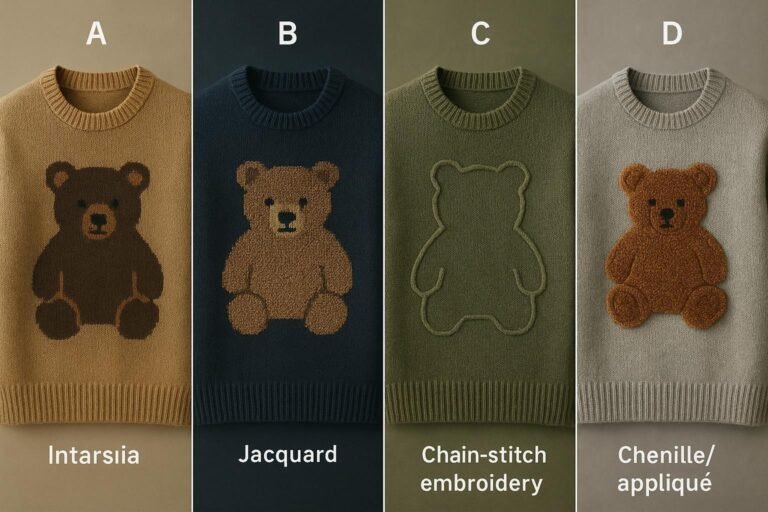

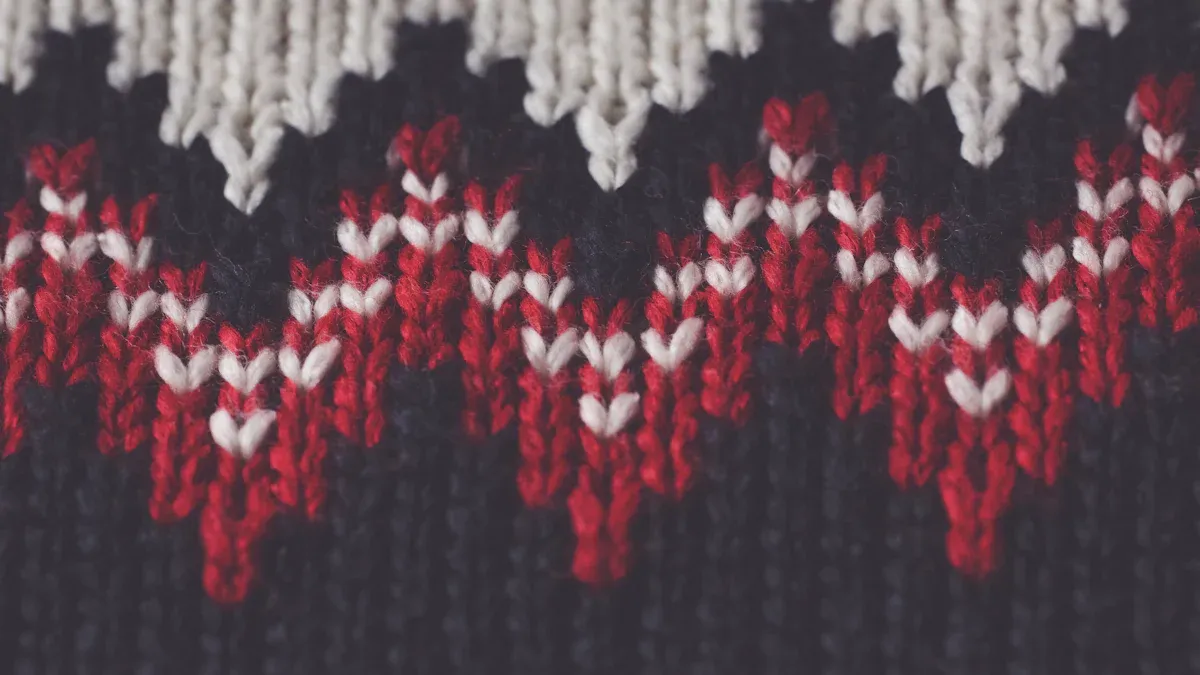
When deciding on a knitting technique, it’s important to ask: what is the difference between jacquard and intarsia? Jacquard is ideal for repeating designs, warmth, and creating thick fabric, while intarsia works best for large color blocks or a single bold pattern. The main difference between jacquard and intarsia is in how the yarn is used. Jacquard carries yarn across the back of the work, whereas intarsia uses separate yarns for each color section. If you want to know what is the difference between jacquard and intarsia, examine the pattern in your knitting.
Technique | Common Project Types |
|---|---|
Intarsia | Single main designs (like shapes or logos) |
Big areas of one color | |
Jacquard | Many colored repeating patterns (like stripes or bands) |
Knitting mostly in the round | |
Both jacquard and intarsia allow you to create unique patterns. Understanding what is the difference between jacquard and intarsia helps you choose the best method for your project and skill level.
Key Takeaways
Jacquard knitting works well for repeating patterns. It makes thick and warm fabric. Intarsia knitting is good for big, bold designs. It gives a smooth look. Jacquard uses many yarns at the same time. The yarn not in use goes behind the work. Intarsia uses a different yarn for each color part. Pick Jacquard for warm things like winter sweaters. Use Intarsia for lighter things like pretty pillows. Jacquard makes fabric that is thick and has two layers. Intarsia makes fabric that is light and has one layer. You must handle yarn well in both methods. This stops tangles and keeps colors neat. Try small projects first to learn both ways. This helps before you make bigger things. Think about what you want your project to do. Use Jacquard for strong and warm items. Use Intarsia for soft and creative items.
What Is The Difference Between Jacquard And Intarsia?
Jacquard Knitting Explained
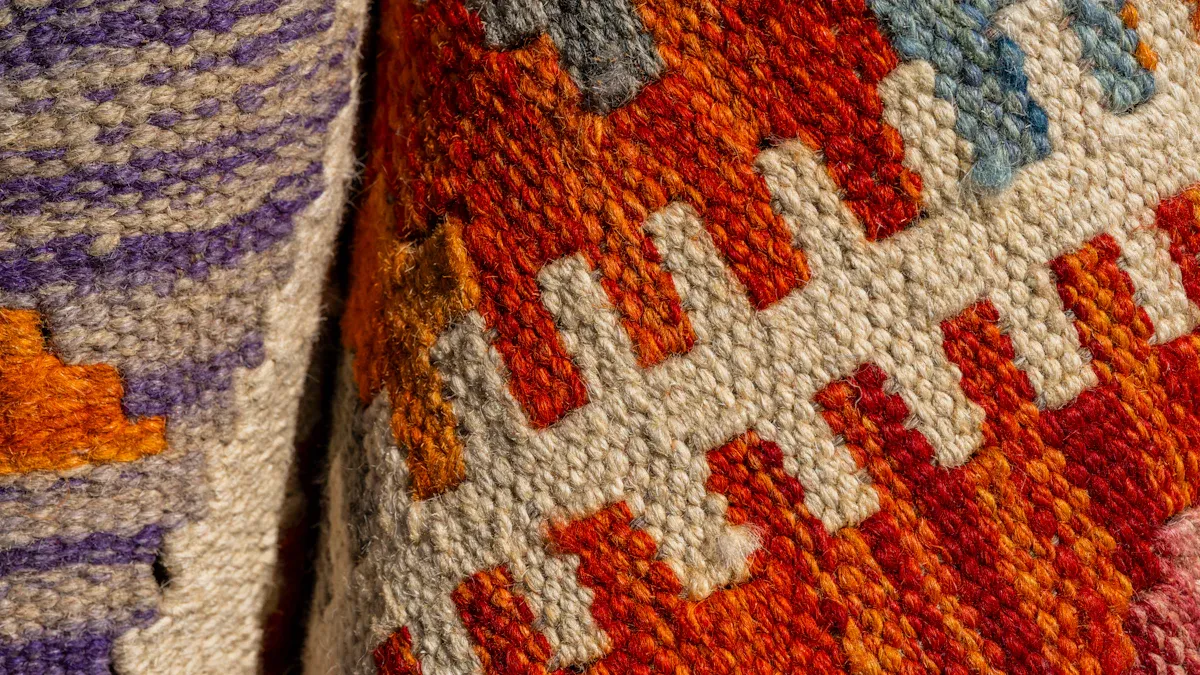
Jacquard knitting makes fabric with repeating patterns and bright colors. You use more than one yarn strand at the same time. When you are not using a color, you carry it behind your work. These carried yarns are called “floats.” Floats make the fabric thicker and warmer. Jacquard knitting often creates fabric with two layers. You can see this in sweaters with shapes or Nordic patterns. The Jacquard loom was invented in 1801. Joseph-Marie Jacquard made weaving hard designs much faster. Today, machines use computers to make detailed patterns quickly.
Jacquard knitting is special because it makes detailed and pretty patterns. The fabric is thick and warm and lasts a long time. You will see loose yarn on the back, and that is normal.
Here is a table that shows how jacquard knitting is different from other ways to knit:
Feature | Jacquard Knitting |
|---|---|
Yarn Management | Uses floating yarns to make cool patterns |
Fabric Construction | Makes a double-layered fabric with floats |
Ideal for | All-over patterns like Nordic or geometric designs |
Finished Appearance | Patterns that repeat |
Fabric Feel | Thick and warm |
Intarsia Knitting Explained
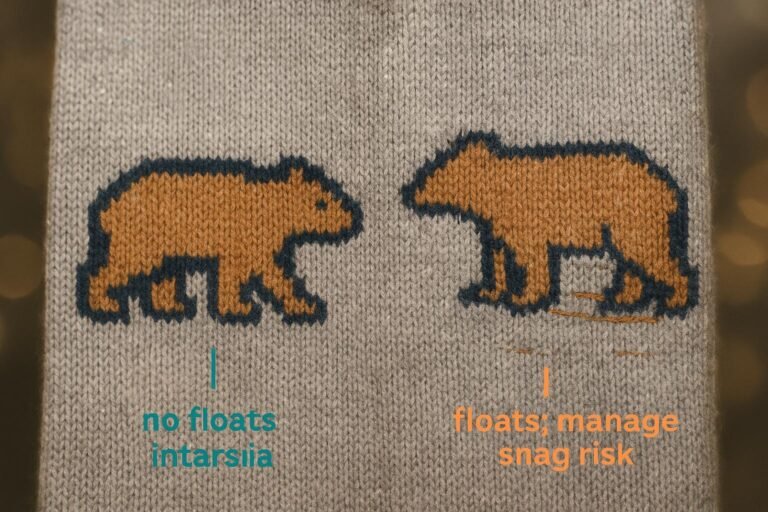
Intarsia helps you make big, bold designs with lots of color. You use a new yarn strand for each color part. You do not carry yarn behind your work. Instead, you drop one color and pick up the next. You bring the new yarn under the old one. This stops holes between colors. Intarsia makes a single-layer fabric that is lighter and stretches more. You often see intarsia in projects with shapes, logos, or pictures.
Intarsia is different because you work with each color block by itself. There are no floats, so the back looks neat and smooth. Intarsia is good for handmade or small projects. The fabric is lighter and lets air through, but it may not last as long as jacquard.
Intarsia knitting is best when you want sharp color changes and clear shapes. You can make big designs without making your project heavy.
Intarsia vs Jacquard: Key Features
To know the difference between jacquard and intarsia, look at how they use color, yarn, and fabric. Jacquard uses floats and makes thick, double-layered fabric. Intarsia uses a new yarn for each color block and makes light, single-layer fabric. Jacquard is great for hard patterns. Intarsia is best for simple, bold designs.
Here is a table that shows the main differences:
Feature | Jacquard Knitting | Intarsia Knitting |
|---|---|---|
Color Complexity | Can make very detailed designs | Best for big, clear color blocks |
Fabric Weight | Heavier because of floats | Lighter and lets air through |
Durability | Strong and lasts long | Not as strong as jacquard |
Production Method | Usually made by machine | Usually handmade or small projects |
Backside Appearance | Has loose floats or yarn | Smooth and clean, no floats |
Best Suited For | Geometric, flower, or art patterns | Bold designs with separate colors |
Cost of Production | Costs more because of machines | Costs less if handmade |
You can also see the difference in how the finished fabric looks and feels:
Technique | Finished Appearance | Fabric Feel |
|---|---|---|
Jacquard | Patterns that repeat | Thick and warm |
Intarsia | Separate color areas | Light and stretchy |
To sum up, what is the difference between jacquard and intarsia? Jacquard gives you warmth, strength, and hard patterns. Intarsia gives you clear color blocks, soft fabric, and a smooth look. Pick jacquard for repeating patterns and thick fabric. Pick intarsia for bold shapes and light projects. Both ways let you be creative in your own style.
Appearance
Colorwork In Jacquard
When you use jacquard knitting, you create colorful patterns that repeat across your project. This method lets you work with two or more yarns at the same time. You carry the yarns not in use along the back of your work, which forms floats. These floats can sometimes show through the front, making the pattern look less sharp. Jacquard works best for designs with many small shapes or repeating motifs. You often see this style in sweaters with Nordic or geometric patterns.
Here is a table that compares the clarity and complexity of colorwork in jacquard and intarsia:
Technique | Clarity | Complexity |
|---|---|---|
Intarsia | High clarity due to clean patterns without floats | Less complex, ideal for large blocks |
Jacquard (Fair Isle) | Lower clarity due to visible floats | More complex, suitable for colorful repeating patterns |
You will notice that jacquard gives you more complex designs, but the floats can make the edges of shapes look softer.
Colorwork In Intarsia
Intarsia lets you create large, bold areas of color with crisp edges. You use a separate ball or bobbin of yarn for each color section. This means you do not carry yarn across the back, so your fabric stays flat and neat. You can make big shapes, like hearts or letters, that stand out clearly. Intarsia is perfect for projects where you want one main design or a few large color blocks.
You use separate bobbins or balls of yarn for each color section.
This technique allows for distinct and large areas of color without stranding.
It is particularly effective for designs that require large blocks of color.
Unlike jacquard, intarsia does not carry multiple colors along the back of the work.
This results in a clean and flat fabric on both sides.
You get high clarity in your patterns because there are no floats to blur the lines between colors.
Visual Texture
The texture of your finished project changes depending on the method you choose. Jacquard knitting often feels thicker and warmer because of the floats on the back. Sometimes, these floats can make the fabric feel bulky or cause puckering, which affects how smooth your garment looks. You may notice a slight unevenness on the surface.
Intarsia gives you a smooth and even texture. The color changes look clean, and the fabric stays light and flexible. You do not get extra thickness from floats, so your project feels softer and more comfortable to wear. Intarsia works well for designs that need clear shapes and a flat finish.
Tip: If you want a project with bold, clear shapes and a smooth feel, intarsia is a great choice. If you want warmth and detailed repeating patterns, jacquard will give you the look and feel you need.
Technique
Choosing the right knitting technique helps you get the best results for your project. Both jacquard and intarsia have their own steps and tricks. You can master each technique with practice and patience.
Jacquard Knitting Method
Jacquard uses more than one yarn at a time. You create patterns by switching colors as you knit. This technique works well for repeating designs and warm, thick fabric.
Managing Multiple Yarns
You need to handle several yarns at once when using the jacquard technique. Here are some steps to help you:
Learn the basics of jacquard, such as how to hold two or more yarns.
Cast on using a method like the Long Tail Cast-on for a strong edge.
Use circular needles or double-pointed needles if you knit in the round.
Read charts to follow the pattern and know when to switch colors.
Carry the unused yarn behind your work to create floats.
Keep your yarns from tangling by holding each in a different hand or using yarn guides.
Tip: Practice with a small swatch before starting your main project. This helps you get used to the jacquard technique and manage your yarns better.
Preventing Tension Issues
Tension problems can happen with the jacquard technique. If you pull the floats too tight, your fabric will pucker. If you leave them too loose, you may catch your fingers on the back.
Stretch your stitches out on the right needle as you carry the floats.
Try to keep the floats no longer than five stitches.
Knit a swatch to check your gauge and adjust your tension before starting the main piece.
Use tips like wrapless short rows or paired increases to keep your fabric even.
A table can help you remember key points:
Problem | Solution |
|---|---|
Tight floats | Stretch stitches on needle |
Loose floats | Keep floats short and even |
Uneven fabric | Swatch and check your gauge |
Intarsia Method
The intarsia technique lets you make big, bold color blocks. You use a separate yarn for each color section. This keeps your fabric light and smooth.
Joining Colors
You need to join new colors smoothly in intarsia. Follow these steps:
Cast on with your first color, then add the second color where needed.
Knit to the color change, then lay the old yarn over the new yarn to join.
On the wrong side, purl to the color change and switch yarns the same way.
Wind each color onto bobbins before you start. This keeps your yarns neat.
Note: Always bring the new yarn up from underneath the old yarn. This locks the colors together and keeps your pattern clean.
Avoiding Holes
Holes can appear where you change colors in intarsia. You can avoid this with the right technique.
Keep your tension even as you switch yarns.
Bring the new yarn under the old yarn every time you change colors.
Practice with scrap yarn to get comfortable with the technique.
Use a row counter to track your progress and avoid mistakes.
You will find that intarsia gives you crisp shapes and a flat, neat back. This technique works best for projects with large color areas, like pictures or logos.
If you want a smooth, colorful design without extra thickness, intarsia is the technique for you.
Warmth And Durability
Jacquard Fabric Thickness
When you choose jacquard for your project, you get a fabric that feels thick and cozy. This happens because you carry extra yarn behind your work to create the patterns. These floats add another layer to your knitting. The result is a fabric that traps more air and keeps you warmer. Many knitters pick jacquard for winter sweaters, hats, and mittens because of this extra warmth.
You can see how jacquard compares to standard single-layer knitting in the table below:
Fabric Type | Thickness Comparison |
|---|---|
Jacquard Fabric | Generally thicker due to complex patterns and additional yarn. |
Standard Single-Layer | Generally thinner due to smooth, uniform stitches. |
If you want a project that blocks the wind and holds in heat, jacquard gives you that advantage. The extra thickness also makes your finished piece feel sturdy and strong.
Intarsia Fabric Thickness
Intarsia creates a different kind of fabric. You use separate yarns for each color block, but you do not carry yarn across the back. This means your fabric stays single-layered and light. You get a smooth, flat surface on both sides. Intarsia works well for projects where you want a lighter feel, like spring sweaters or decorative pillows.
You will notice that intarsia fabric bends and stretches more easily than jacquard. This makes it comfortable for garments that need to move with you. If you want a blanket or scarf that drapes softly, intarsia is a smart choice.
Tip: If you want to avoid bulk and keep your project lightweight, intarsia helps you achieve that goal.
Durability Comparison
Durability matters when you want your project to last. Jacquard stands out for strength. The extra yarn floats reinforce the fabric, making it less likely to wear out or stretch over time. You can wash and wear jacquard items many times, and they will keep their shape.
Intarsia, on the other hand, creates a lighter fabric. It feels soft and flexible, but it may not hold up as well to heavy use. Large color blocks can sometimes pull apart if you do not join the yarns tightly. You should take care when washing intarsia projects. Gentle hand washing helps them last longer.
Here are some quick points to remember:
Jacquard: Thick, warm, and strong. Great for outerwear and items that need to last.
Intarsia: Light, soft, and flexible. Best for decorative pieces or garments with less wear.
When you pick a method, think about how you will use your finished project. If you need warmth and durability, jacquard is a solid choice. If you want a soft, lightweight piece, intarsia gives you that result.
Practical Tips
Managing Yarn
Yarn management can make your knitting experience smoother. You often work with several colors at once, especially in jacquard projects. You can use bobbins or center-pull balls to keep yarn organized. Wind each color onto a bobbin and keep them close to your needles. This helps you avoid tangles and keeps your workspace neat. If you use center-pull balls, place them in a box and weigh them down so they do not jump out. For short strands, let the yarn hang loosely behind your work. This prevents mess and makes it easier to pick up the next color.
Wind yarn around bobbins for each color section.
Use a box to organize center-pull balls by color.
Measure yarn lengths before starting to avoid tangling.
Let short strands hang behind your work for easy access.
If you knit a scarf with intarsia, you will notice that bobbins help you switch colors quickly. For a jacquard sweater, keeping yarns separated stops knots from forming.
Fixing Mistakes
Mistakes happen, but you can fix them with patience. Uneven tension is common in intarsia, especially at color changes. You can pull tighter on the first stitch after a color change to improve tension. Many knitters find tension problems on the purl side. Practice helps you get better at keeping your stitches even.
Ladderback jacquard puts knit stitches in the middle of each float section. This technique gives extra yarn and helps you achieve even tension in stranded colorwork.
If you see a hole or loose stitch, use a crochet hook to pull the yarn through and tighten it. For missed color changes, carefully unpick the stitches and re-knit that section. You can always practice on a small swatch before starting your main project.
Common Mistake | How to Fix It |
|---|---|
Uneven tension | Pull tighter on first stitch, practice |
Holes at color change | Bring new yarn under old, tighten |
Tangled yarn | Use bobbins, organize workspace |
Care Instructions
Proper care keeps your knitted items looking new. Always check the care label for instructions. For machine-washable jacquard, use cold water and mild detergent. Select the gentle cycle and place your item in a mesh laundry bag. For hand washing, swish gently in cold water with mild detergent and rinse thoroughly. Avoid machine drying. Lay your item flat to air dry and reshape while damp. Iron on the reverse side with low heat and a pressing cloth.
Wash in cold water with mild detergent.
Air dry flat and reshape while damp.
Iron on the reverse side at low heat.
Store folded in a cool, dry place.
Avoid bleach and high temperatures.
If you knit a jacquard hat, air drying helps it keep its shape. For an intarsia pillow cover, gentle washing prevents colors from fading.
Tip: Store your finished projects folded to avoid sharp creases and keep them looking fresh.
When To Use Jacquard Or Intarsia
Best Projects For Jacquard Knitting
You can use jacquard knitting when you want to create a project with repeating patterns and extra warmth. This method works well for items that need to keep you cozy. Many people choose jacquard for a sweater because the floats on the back make the fabric thick. You see jacquard in traditional Nordic designs, geometric shapes, and colorful motifs. You can knit a sweater with snowflakes, zigzags, or stripes. The patterns repeat across the whole piece, so you get a bold look.
Jacquard is also a good choice for accessories. You can make a hat, scarf, or mittens that match your sweater. The extra layer from the floats helps block cold air. If you want a sweater for winter, jacquard gives you the warmth you need. You can use this method for blankets, too. The thick fabric feels soft and sturdy.
Here is a table that shows popular jacquard projects:
Project Type | Why Jacquard Works Well |
|---|---|
Sweater | Thick, warm, and patterned |
Hat | Cozy and matches sweater designs |
Scarf | Repeating motifs for style |
Mittens | Extra warmth for cold weather |
Blanket | Durable and decorative |
You can choose jacquard when you want your sweater to stand out with color and texture. The patterns make each piece unique.
Best Projects For Intarsia
Intarsia knitting lets you create big, bold designs with clear shapes. You use a separate yarn for each color block, so your sweater stays light and smooth. This method works best for projects where you want one main design to stand out. You can knit a sweater with a large heart, star, or animal on the front. The edges of the shapes look crisp because there are no floats.
Intarsia is perfect for personal expression. You can turn a drawing or picture into a knitted design. One knitter shared how they transformed a childhood drawing into a sweater. This project became a lasting memory. You can use intarsia to make a sweater that tells your story. You can knit a logo, a favorite animal, or a special message. The technique helps you show your creativity.
You can also use intarsia for home decor. You can knit a pillow with a big flower or a blanket with colorful blocks. The fabric feels soft and flexible, so it works well for items you use every day.
Here are some ideas for intarsia projects:
Sweater with a large picture or logo
Pillow with bold color blocks
Blanket with big shapes
Wall hanging with a special design
You can choose intarsia when you want your sweater to have a clear, personal touch. The technique helps you make each project special.
Inspiration And Examples
You can find inspiration for your next sweater by looking at finished projects. Many knitters use jacquard and intarsia to create unique pieces. Here are some notable examples:
“Lola” a very special dog for a wonderful person
“Shortbread” in the Badlands
The Creation of Old Friends Senior Dog Sanctuary
You can see how each project uses color and pattern to tell a story. You can knit a sweater with a picture of your pet or a place you love. You can use jacquard for repeating motifs or intarsia for a bold image. Each method gives you a way to show your style.
Tip: You can start with a small project, like a hat or pillow, before you knit a full sweater. This helps you practice the technique and build your skills.
You can use jacquard when you want warmth and repeating patterns. You can use intarsia when you want clear shapes and personal designs. You can make a sweater that fits your needs and shows your creativity.
Troubleshooting
Avoiding Holes And Gaps
Holes and gaps can appear when you change colors in both jacquard and intarsia knitting. You might notice these problems at the point where two colors meet. To prevent holes, always cross the yarns when you switch colors. Bring the new yarn up and under the old yarn. This action locks the yarns together and closes any gaps.
You can also avoid gaps by keeping your tension even. If you pull too tightly, the fabric puckers. If you leave it too loose, you get holes. Practice helps you find the right balance. Here are some tips to help you:
Let yarn lengths hang freely instead of trying to organize them tightly. This reduces tangling and makes it easier to manage color changes.
Use longer yarn lengths from each ball. This method means you do not have to splice yarn as often, which saves time and keeps your work neat.
If you miss a wrap or notice a gap, stop and fix it right away. It is easier to fix a small mistake than to rip out many rows later.
Tip: Organize your yarn balls in your lap or a box. This keeps strands separate and helps you spot mistakes quickly.
Keeping Edges Neat
Neat edges make your project look professional. You can keep edges tidy by planning your color changes before you start. Think about where each color will begin and end. This helps you avoid confusion as you knit.
When you reach the edge of a color block, twist the two yarns around each other on the wrong side. This locks the yarn in place and prevents loose threads. You should secure the yarn every third or fourth stitch. This step stops long floats from forming on the back of your work.
Twist yarns together at the edge of each color block.
Secure yarn every few stitches to keep the back tidy.
A neat edge not only looks good but also makes your project stronger.
Smooth Color Transitions
Smooth color transitions help your design stand out. You want the change from one color to the next to look clean and even. Follow these steps for the best results:
Start with your first color and knit until you reach the color change.
Cross the threads at the color change. This prevents holes and keeps the fabric tight.
Continue knitting with the new color, leaving the old color waiting until you need it again.
Repeat these steps for each color change in your pattern.
You can use this method in both jacquard and intarsia. Always cross the yarns in the same direction for a consistent look.
Note: Practice on a small swatch before starting your main project. This helps you master color changes and build confidence.
If you follow these tips, you will see fewer holes, neater edges, and smoother color transitions in your knitting. Your finished project will look polished and last longer.
Intarsia vs Jacquard: Quick Checklist
Choosing The Right Method
You want your knitting project to look great and feel comfortable. To make the best choice, you need to think about your design, the fabric you want, and how you plan to use your finished item. The intarsia vs jacquard decision depends on several important factors. Here is a quick checklist to help you choose the right technique for your next project:
You want a single, bold image or motif in the center of your work.
You need your fabric to be lightweight and stretchy.
You prefer clean color blocks with sharp edges.
You plan to knit a project with well-defined areas of color.
You want to avoid carrying yarn across the back of your work.
If these points match your project, intarsia will suit your needs.
You want to create multi-colored patterns that repeat across your project.
You need extra warmth and a thicker, denser fabric.
You plan to knit in the round, such as for hats or sweaters.
You like geometric or Nordic designs with many small shapes.
You do not mind floats showing on the back of your work.
If these points fit your project, jacquard (also called Fair Isle) is the better choice.
Tip: Always look at your pattern first. Decide if you want bold shapes or repeating motifs. This helps you choose the right technique and get the results you want.
Summary Table
You can compare intarsia and jacquard side by side. This table shows the main advantages and disadvantages of each method. Use it to decide which technique matches your project goals.
Method | Advantages | Disadvantages |
|---|---|---|
Intarsia | Lightweight, clean patterns without floats, perfect for large blocks, very stretchy | Long to knit, requires several yarns/bobbins, difficult if there are many color changes |
Jacquard (Fair Isle) | Simple repeats, warm, ideal for geometric patterns, easy in the round | Floats visible at the back, thicker fabric, limited to two colors per row |
You can use this checklist and table to make your decision easier. When you choose the right technique, you get a project that looks good and feels just right. Try both methods on small swatches before starting a big project. This helps you learn new skills and find your favorite style.
You can pick Jacquard if you want a thick and warm project. It is good for patterns that repeat over and over. Intarsia is better for big, colorful designs with sharp edges. The table below shows how they are different:
Technique | Color Management | Fabric Structure | Best For Patterns |
|---|---|---|---|
Intarsia | Each color area uses its own yarn | Lighter and stretchy fabric | Big, detailed patterns |
Jacquard | Two yarns work at once, floats on the back | Thick and warm fabric | Patterns that repeat or have shapes |
Try both ways to see which one you like best. If you want to learn more, check out these links:
FAQ
What is the main difference between Jacquard and Intarsia knitting?
You use Jacquard for repeating patterns with floats on the back. You use Intarsia for large color blocks with separate yarns for each section. Jacquard creates thicker fabric. Intarsia gives you a smooth, lightweight finish.
Can beginners try Jacquard or Intarsia techniques?
You can start with either method. Intarsia works well for simple shapes. Jacquard may need more practice to manage yarn tension and floats. Try small projects first to build your skills.
How do you prevent holes when changing colors in Intarsia?
You bring the new yarn under the old yarn at each color change. This locks the yarns together and closes gaps. Practice this step to keep your fabric neat.
Which method is better for warm sweaters?
You choose Jacquard for warmth. The floats on the back add thickness and trap heat. Intarsia creates lighter sweaters that work well for mild weather.
Do you need special tools for Jacquard or Intarsia knitting?
You use bobbins or yarn guides for both methods. Bobbins help you manage multiple yarns in Intarsia. Yarn guides keep strands separate in Jacquard. Regular needles work for both techniques.
How do you fix mistakes in colorwork knitting?
You spot mistakes early by checking your work often. Use a crochet hook to adjust loose stitches. Unravel a few rows if needed. Practice helps you fix errors quickly.
Can you mix Jacquard and Intarsia in one project?
You can combine both techniques. Use Jacquard for repeating backgrounds. Add Intarsia for bold images or shapes. Mixing methods lets you create unique designs.