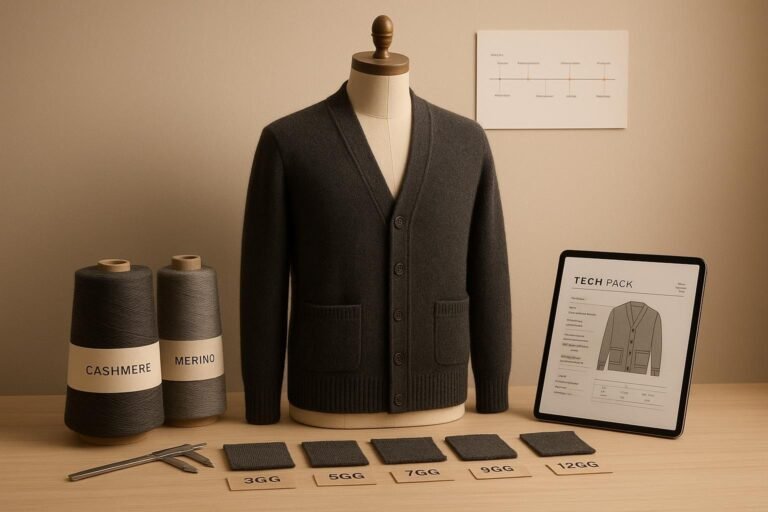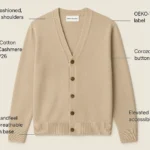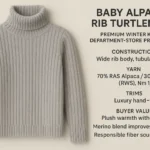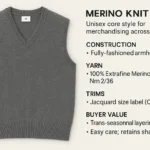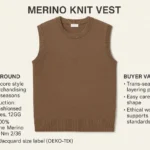

To answer the question, what is the process for manufacturing custom sweaters?, you begin by deciding exactly what you want to create. The process starts with choosing your design and style. Many people now use digital tools to develop a design for custom knitwear. The global sweaters market continues to expand, with experts predicting it will surpass USD 120 billion by 2033.
The sweaters market size was USD 111.2 billion in 2024.
It could reach USD 195.79 billion by 2031.
When considering what is the process for manufacturing custom sweaters?, you also explore new trends such as fashion knit sweaters and custom knit sweaters. Throughout the design process, you make important decisions about yarn, patterns, and technology.
Key Takeaways
First, pick your sweater design and style. Use digital tools to help you choose. This makes your choices more accurate.
Find a good manufacturing partner. This helps your sweaters get made on time.
Always order samples first. Samples let you check the quality. Do this before making many sweaters.
Use advanced technology like AI and machines. These tools make knitting better and faster.
Check quality at every step. This helps you find problems early. Good quality control keeps customers happy.
Pick eco-friendly packaging for your sweaters. This protects your sweaters. It also shows you care about the environment.
Sell your sweaters in many places. Use your website and online stores. This helps you reach more customers.
Tell stories and use social media to market. This helps you connect with your audience. It builds a strong brand.
What Is the Process for Manufacturing Custom Sweaters?
You may wonder how custom sweaters are made. In 2025, people use both old and new methods. Each step is important for making good custom knit sweaters. Digital tools and machines help make the process faster and more exact. Here is a simple list of steps:
Pick a manufacturing partner who can make sweaters when you need them.
Create your custom knitwear design and think about color and material choices.
Order samples to check if the quality is good.
Start selling your sweaters after you like the samples.
Use different ways to tell people about your custom sweaters.
New technology changes how you do each step. Machines can knit hard patterns very well. Digital design software helps you change fit and texture right away. Automated cutting and 3D tools make production faster and more correct. On-demand manufacturing helps you avoid making too many sweaters. Automated cutting also helps save fabric. You can make customers happy by offering sweaters that fit them well and look how they want.
Order Confirmation
First, you confirm your order. You pick your design and send it to your manufacturing partner. You check the size, color, and style. You make sure your order is just what you want. Many companies let you order only what you need. This helps you save money and avoid waste.
Tip: Always check your order before you send it. This can help you avoid mistakes and waiting longer.
Yarn Selection & Inspection
Next, you choose and check your yarn. You pick yarn that matches your design and quality needs. You look at the yarn to see if it is even, the right color, and has no problems. You want yarn that makes strong and bendy sweaters. Here is a table with important quality checks:
Quality Control Measure | Description |
|---|---|
Quality Check | The yarn is checked closely for evenness, color, and problems to stop issues when knitting. |
You also look at these things when checking yarn:
Inspection Criteria | Importance |
|---|---|
Tenacity | Makes the fabric last longer. |
Yarn Count | Changes how good the sweater is. |
Yarn Elongation | Shows how strong and bendy the yarn is. |
You check yarn while making sweaters and after. This helps you find problems before sweaters go to stores.
Yarn Storage
You keep your yarn in a clean, dry place. You do not let sunlight or water touch it. Good storage keeps yarn nice for the next steps. You put labels on each batch to track color and quality. You organize yarn so you can find it fast. Good storage helps your custom knit sweaters stay the same.
Note: Storing yarn the right way stops damage and keeps sweaters looking good.
Now you know how custom sweaters are made. You see how each step, from order to storage, uses technology and careful planning. You make smart choices at every step to get custom sweaters that fit your needs.
Pattern & Grading
Fixing Patterns
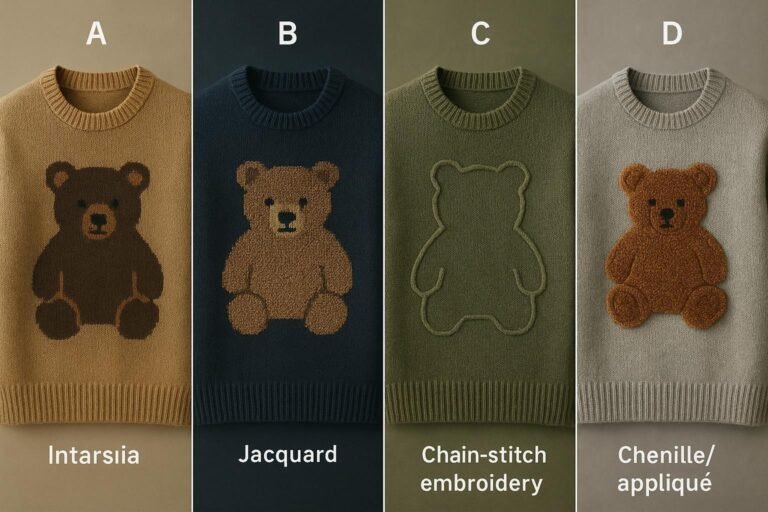
You begin by fixing patterns for your sweater. This step decides how your sweater will look and feel. You pick the style, texture, and details you want. In 2025, you use new technology to make cool patterns. You can choose from many ways to add special touches to your knitwear. Here are some common techniques you might use:
Printing: You put your design on the fabric with screen or digital printing.
Embroidery: You sew patterns onto the sweater for a textured look.
Jacquard: You make hard patterns in the fabric using a Jacquard loom.
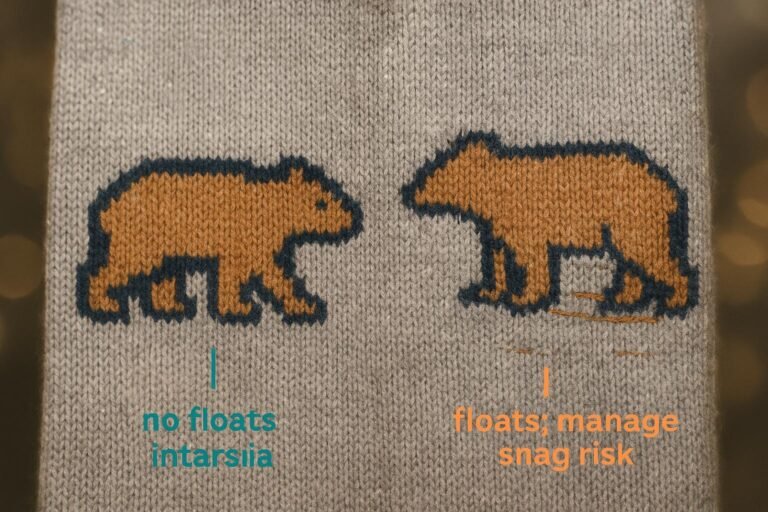
Inlay: You knit yarns of different colors to make designs.
Crochet: You use a hooked needle to add loops and stitches.
Applique: You attach fabric shapes for extra style.
Beading: You add beads or sequins for sparkle.
Ribbing: You make stretchy textures for cuffs and hems.
Cable Knitting: You create raised patterns that look like cables.
Patchwork: You join different fabric pieces for a bold look.
Hand-Dyeing: You use dyes to make custom colors and patterns.
You pick the technique that matches your design ideas. Each method gives your knit sweater a special look. You can mix techniques to make your sweater even more unique.
Tip: Try using two or more pattern techniques to make a one-of-a-kind knit sweater.
Grading Sizes
After you fix your pattern, you grade sizes. Grading means changing your pattern for different body shapes and sizes. You want every customer to get a sweater that fits well. You use digital tools to make grading faster and more exact. Good grading helps you avoid sweaters that are too tight or too loose.
Here is a table that shows why grading sizes is important for custom knit sweaters:
Benefit | Explanation |
|---|---|
Proportional Adjustments | Makes sure sweaters fit well for all body sizes. |
Prevents Ill-fitting Garments | Helps stop returns and keeps your brand strong by making sure sweaters fit. |
Improves Customer Satisfaction | Makes customers happy and helps them trust your brand. |
You check each size to make sure the fit is right. You use software to test how the knit fabric stretches and holds its shape. You make changes if you find any problems. This step helps keep your customers happy and your brand strong.
Note: Always test your graded sizes with sample sweaters before making a lot of them.
Knitting Custom Sweaters
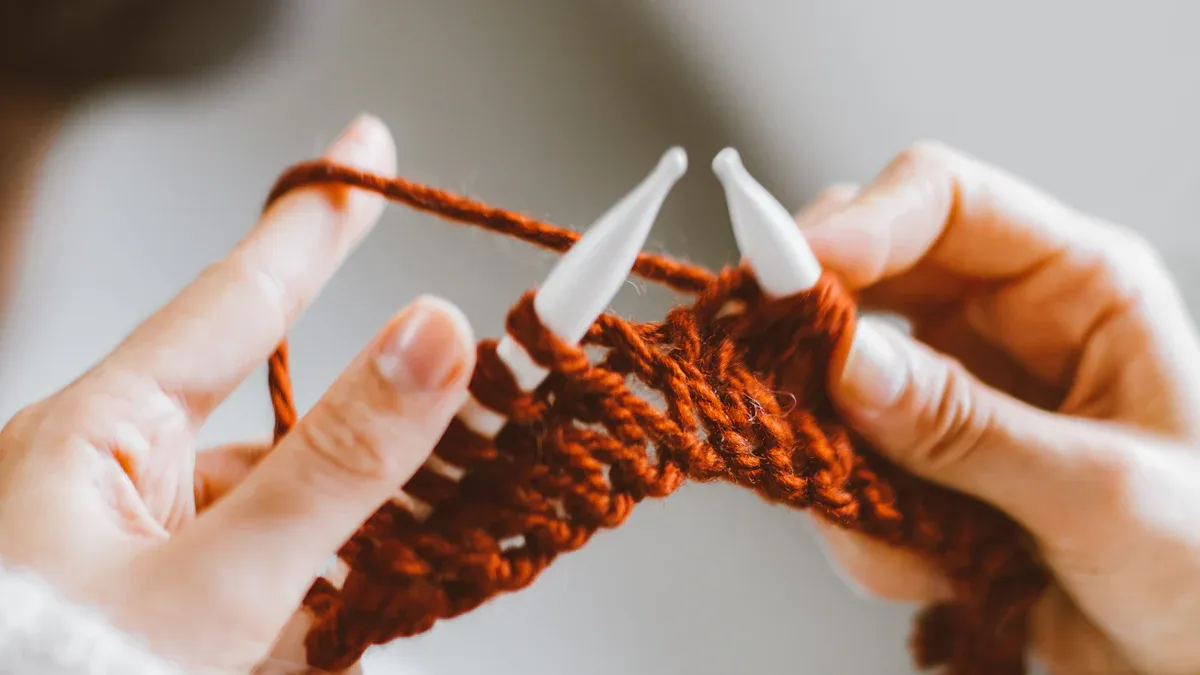
Knitting Process
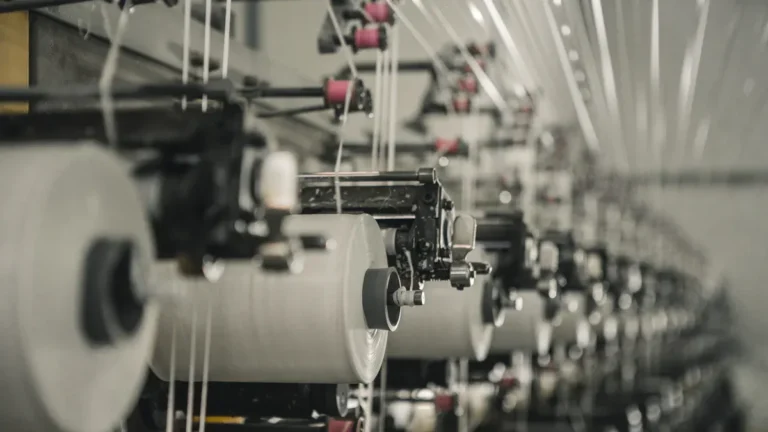
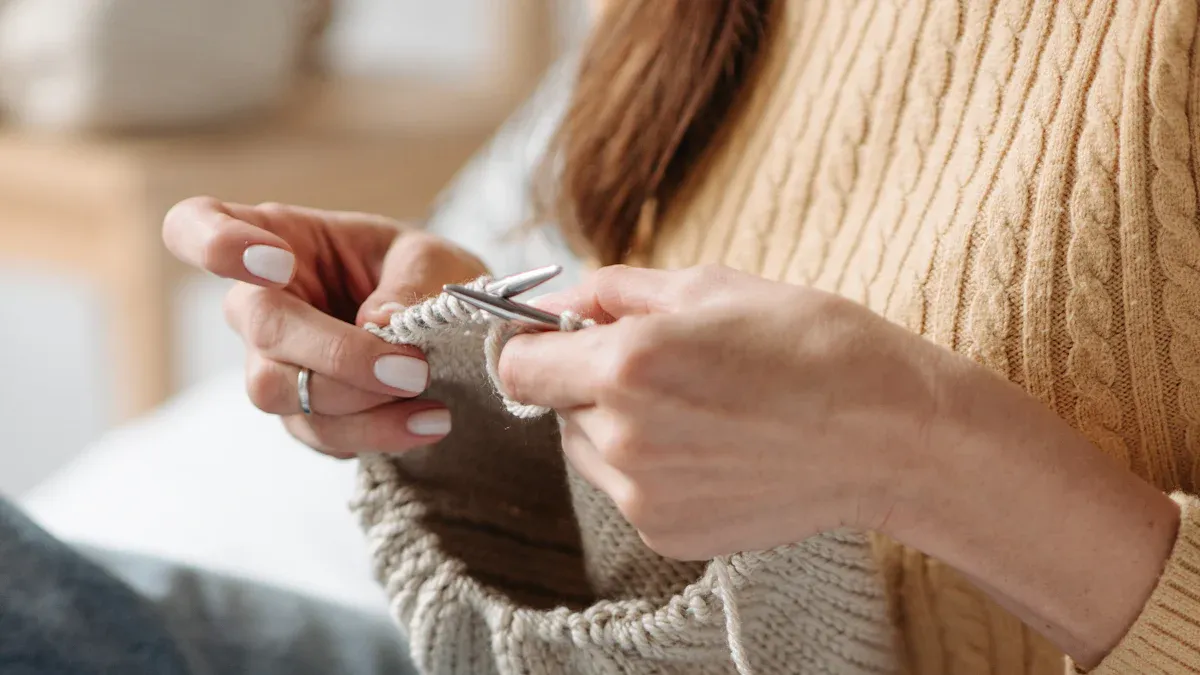
You start the process by setting up your knitting machines. In 2025, you use advanced technology to make custom knit sweaters faster and better. You choose your design and program it into the machine. Touchscreen controls help you pick the right settings. You watch the machine as it knits each part of the sweater. The machine uses high-speed carriage systems that move up to 1.5 meters per second. This speed doubles how many sweaters you can make without losing quality.
You use dynamic stitch and sinker technology. This lets you change stitch lengths for different yarns. Artificial intelligence helps you pick the best settings for each yarn type. You can knit whole garments in one go. This means the machine makes the entire sweater at once, which cuts assembly time in half. You save energy with machines that recycle power and use low-power modes.
Here is a table showing the most advanced knitting features in 2025:
Feature | Description |
|---|---|
High-Speed Carriage Systems | Carriages move at speeds up to 1.5 meters per second, doubling output without sacrificing quality. |
Dynamic Stitch and Sinker Tech | Enables variable stitch lengths, optimized by AI for different yarn types. |
Whole Garment Capabilities | Knits entire sweaters in one go, reducing assembly time by 50%. |
Energy Efficiency and Sustainability | Machines with low-power modes and regenerative braking to recycle energy. |
User-Friendly Interfaces | Touchscreen controls and software integration for intuitive programming. |
You check the knit fabric as the machine works. You look for even stitches and smooth texture. You make sure the process matches your design. If you see a problem, you stop the machine and fix it. You keep track of each step so you can make changes if needed.
Tip: Always watch the first few sweaters closely. This helps you catch mistakes early and keep quality high.
Over-Locking Edges
After knitting, you finish the edges of your sweaters. You use a process called over-locking. This technique stops the fabric from fraying. Over-locking creates strong seams that hold up well, especially in stretchy knit materials. You want your custom sweaters to last through many washes and wears. Over-locking helps keep the shape and look of your sweaters.
You use special machines for over-locking. These machines sew the edges quickly and neatly. You check each seam to make sure it is tight and smooth. If you see loose threads, you fix them right away. Over-locking makes your custom knit sweaters more durable and keeps them looking new.
Note: Over-locking is important for every sweater. It protects the edges and helps your sweaters stay strong.
You finish this part of the process by checking all the edges. You make sure every seam is secure. You get ready for the next steps in making your custom sweaters.
Prototyping & Testing
Sample Creation
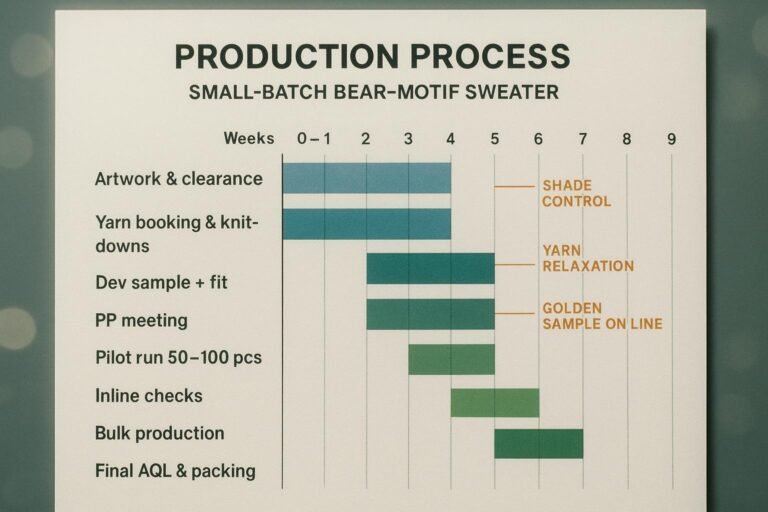
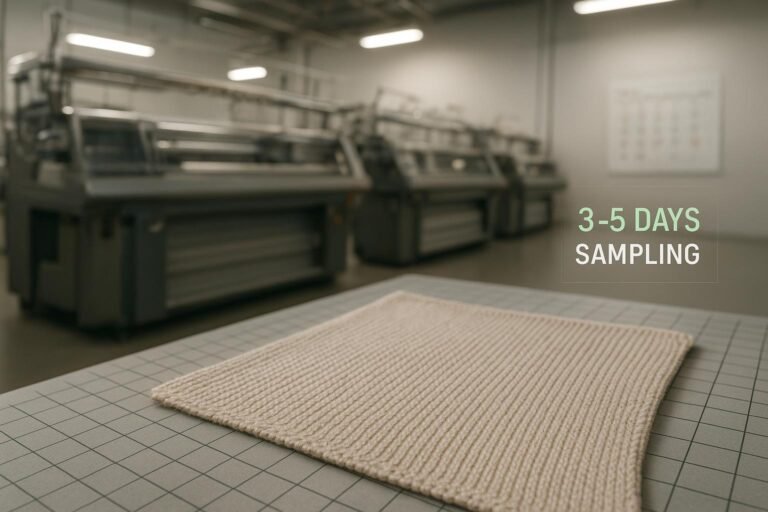
You begin by making a sample sweater. This helps you see your design before making more. You use on-demand production to make one or two samples. This saves time and materials. Most factories use advanced machines to knit samples fast. The whole process takes two to four weeks. This includes making and shipping the sample. Here is a simple timeline:
Stage | Estimated Time |
|---|---|
Production | 7–14 days |
Shipping – Economy | 7–14 days |
Shipping – Express | 3–5 days |
Total Timeline | 2–4 weeks |
You check the sample for color, fit, and texture. You want the sample to match your idea for custom knit sweaters. If you find problems, you fix them before making more.
Design Accuracy Check
After you get your sample, you check the design. You use digital and physical ways to see if the knit pattern is right. Many brands use 3D software to test looks without wasting yarn. You can also make real samples to check fit and build. Here are some common ways to check your design:
Method Type | Description |
|---|---|
Initial Digital Exploration | Use 3D software to test design changes fast. |
Critical Physical Prototypes | Make real samples to check fit and build. |
Digital Communication | Share virtual samples with teams far away. |
Material Testing | Test digital fabric and real swatches together. |
Comprehensive Tech Packs | Make files with measurements and notes. |
Research Similar Garments | Study other sweaters to learn what works. |
Prototype Strategy | Plan steps and set time and budget for changes. |
Focus on One Issue at a Time | Fix big problems first, then small ones. |
Document Every Change | Write down every change and what it does. |
Test in Realistic Conditions | Try the sample in real-life situations. |
Seek Diverse Feedback | Ask people with different body types to try it. |
Compare Against Benchmarks | Check your sample against top sweaters in stores. |
You follow these steps to make sure your custom sweater is good. This careful process helps you avoid mistakes later.
Sample Approval
When you finish checking your sample, you decide if it is ready. You use a tech-pack file to help with this step.
The tech-pack file is very important. It shows what the product looks like and lists key details. These include measurements, colors, sizing, functions, and fabrics. These things help you decide if the sample is good.
You look at every detail in the tech-pack. You check if the sample matches the colors, size, and fabric listed. You also test the sweater in real life to see if it works well. If the sample passes all checks, you approve it for on-demand manufacturing. This step makes sure your knit product will meet customer needs and keep your brand strong.
Bulk Production
Cutting & Assembly
You begin by getting the knit fabric ready to cut. You use patterns that were approved before. It is important to be exact when cutting. You cut big pieces to match your design shapes. If you have a small order, you cut by hand. For big orders, machines help you cut and sew faster. You use marker planning to save fabric. This means you arrange pattern pieces to use less material. You put labels on each piece to keep them organized.
Here is a table that shows the best ways to cut and put sweaters together:
Method/Process | Description |
|---|---|
Fabric Cutting Process | You cut big pieces using final patterns after samples are approved. |
Manual vs Automated Cutting | Hand cutting is good for small orders; machines are better for big orders. |
Minimizing Fabric Waste | Marker planning helps you waste less fabric. |
Sewing and Assembly | You put all the parts together to make a sweater. |
Production Line Setup | Workers or machines do the same jobs to keep things moving. |
Quality Control During Stitching | You check the sewing to make sure it meets the right standards. |
Tip: Always look at your cut and sewn pieces before putting them together. This helps you find mistakes early and keeps things going well.
Sewing Process
After cutting, you start sewing the sweater pieces. You use special machines to sew the parts together. Linkers and sergers help you make strong and neat seams. These machines make sure the sweater stays together. You follow step-by-step instructions for each sweater. You check every seam to see if it is strong and smooth. You look for problems while sewing so you can fix them fast. If you see loose threads or seams that are not even, you fix them right away.
You set up a line where each person or machine does one job. This makes sewing faster and easier. You can change the line for different sweater designs or sizes. You do not have to stop everything to make changes.
Note: Using the right sewing machines helps you make sweaters that last a long time and look nice.
Production Workflow
You make your production workflow better to save time. You pick what kind of sweater you want to make. You choose the right machine for your yarn size. You check if your knitter has extra machines like linkers or sergers. You see if the knitter knows how to use design software. You give clear steps for each order or get help to make them.
Here is a table that shows how making your workflow better helps you:
Benefit | Description |
|---|---|
Improved overall efficiency | You make things run smoother and faster. This saves time and uses resources better. |
Reduced waste | You do not make too many sweaters and save fabric. This saves money and helps the planet. |
Shorter lead times | You can change things quickly. This means customers get their sweaters faster. |
Better resource utilization | You use machines, workers, and materials in the best way. This helps you make more and earn more. |
You use on-demand production so you do not make too many sweaters. You keep track of every step in the sewing process. You change your workflow if you get new designs or special orders. This helps you make custom sweaters fast and with good quality.
Quality Control for Custom Knit Sweaters
Inspection Procedures
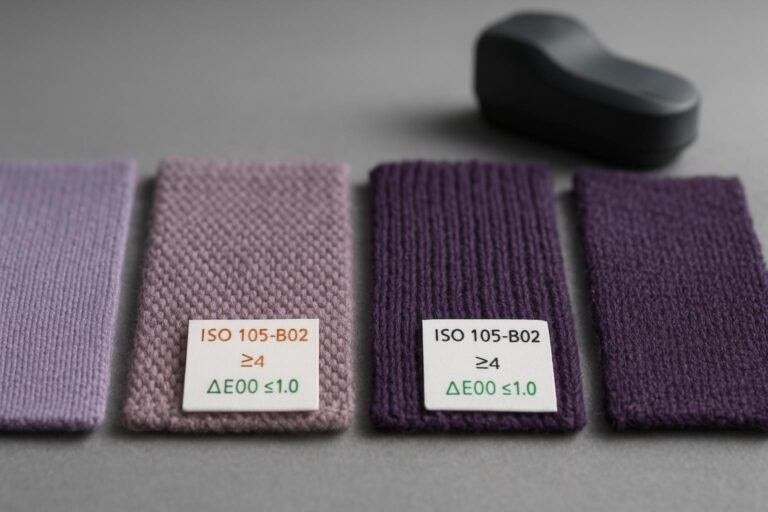
You need good inspection steps to make sure sweaters are high quality. The first step is dye lot management. You keep dye lots the same so colors match in every batch. You use the same fabric, dyes, and dyeing methods each time. This helps stop color problems.
You check the fabric for problems. You look at how it looks, how strong it is, and if it is safe. You make sure the colors match your approved samples. You check if patterns line up and are graded right so sweaters fit well. You test if the stitching and seams are strong. You measure how close the stitches are and test if seams slip. You check if every part is put together in the right order. You look for loose threads that could come undone. You make sure all labels and tags are right and follow the law.
Here are the most important steps for checking quality and finding defects:
Manage dye lots to keep colors the same.
Inspect the finished fabric, cutting, sewing, and assembly.
Use systems to track quality at every step.
Train workers to spot defects.
Inspect often while making sweaters.
Always look for ways to get better.
Use digital tools to find problems right away.
The last inspection is your final chance to find mistakes. If you skip this, you might send out sweaters with hidden problems. This can hurt your brand and make customers unhappy.
Final Finishing
You use finishing steps to make sweaters look and feel nice. Blocking shapes the sweater and sets the stitches. Wet blocking works best for strong fibers. It helps the sweater keep its shape for a long time. Steam blocking is good for soft knits. It relaxes the fibers and helps you get the shape you want.
After knitting, you wash and dry the sweaters. This makes them soft and helps them keep their shape. You join and finish the panels with care. This makes the sweater look smooth and last longer. You check for yarn problems, panels that do not line up, color mistakes, and stitching errors before packing.
To keep sweaters strong and the same every time, you pick yarn carefully and use the right knitting gauge. You use strict quality checks at every step. Special finishing steps make each sweater look better and last longer. These steps help you give customers sweaters that match your design and last a long time.
Tip: Always finish each sweater with care. Good finishing makes your sweater special and keeps customers happy.
Packaging & Delivery
Packaging Methods
You want your sweaters to arrive safely. The packaging process starts with picking a good box. Strong sweater packaging boxes protect your knit products from damage. You should choose boxes that fit your order size. This helps you avoid extra space and lowers shipping costs.
You can help the planet by using recyclable materials. Many brands now use eco-friendly packaging. This makes your process better for the environment. It shows customers you care about nature.
To keep sweaters safe, fill empty space in the box. You can use SpiroPack or tissue paper. These materials stop sweaters from moving during shipping. They also make opening the box more fun.
Here are some main packaging methods you can use:
Pick strong, custom-sized boxes for each order.
Use recyclable and reusable materials to help the planet.
Add void fill like SpiroPack or tissue paper to stop movement.
Make sure the box fits your knit product well.
Tip: Good packaging protects your sweaters and makes your brand look professional.
Shipping to Customers
After packaging, you get ready to ship your sweaters. On-demand shipping lets you send orders right away. This helps you avoid delays and keeps customers happy.
You can choose from different shipping options. Standard shipping works for most orders. Express shipping is best when customers need sweaters fast. You should always give tracking numbers so customers can follow their orders.
A table can help you compare shipping choices:
Shipping Option | Speed | Best For |
|---|---|---|
Standard | 5-10 days | Regular orders |
Express | 2-4 days | Rush or special orders |
On-demand | Varies | Custom, made-to-order |
You should check each package before shipping. Make sure the address is right and the box is sealed tight. On-demand production means you can ship each knit design as soon as it is done. This keeps your business flexible and your customers satisfied.
Note: Fast and careful shipping builds trust and makes customers want to order again.
Marketing Custom Sweaters
Brand Story
You can make your brand stronger by telling its story. People like to see how you make each sweater. Show videos that speed up the making process. Let designers talk about their ideas and steps. Ask customers to share photos and stories in your sweaters. This helps you build a group of fans for your brand. You can also work with micro-influencers who care about being real and helping the planet. They can show your sweaters to new people. When you tell stories, people feel closer to your brand and what you believe in.
Tip: Share behind-the-scenes videos on social media. This helps people trust your brand and feel connected.
Here are some ways to tell your brand story:
Show how sweaters are made with videos and interviews.
Ask customers to share their sweater stories.
Work with influencers who care about the planet.
Use ads to reach people who like handmade things.
Sales Channels
You have many ways to sell your sweaters. You can sell them on your own website. This lets you control your brand and how you treat customers. You can also use sites like Etsy or Amazon to find more buyers. Some brands sell in local shops or at pop-up events. This helps you meet people in your town.
A table can help you compare sales channels:
Sales Channel | Benefits | Challenges |
|---|---|---|
Own Website | Full control, brand building | Need to drive traffic |
Online Marketplace | Large audience, easy setup | Less control, fees |
Local Stores | Community connection | Limited reach |
Pop-up Shops | Direct feedback, brand buzz | Temporary, setup needed |
Pick the ways to sell that fit your goals and what you have. Try different choices to see what works best for your sweaters.
Promotion Strategies
You can use many ways to tell people about your sweaters. Content marketing is a good way to start. You can share stories about how you make sweaters. Social media like Instagram and TikTok help you show your designs and meet new fans. Email marketing lets you send special deals and news to your customers.
You can also work with micro-influencers to find new buyers. They help people trust your brand and show your sweaters to their followers. Tools that help your website work better make it easier for people to buy sweaters.
Here are some top ways to promote your sweaters:
Share stories about how you make sweaters.
Use Instagram and TikTok to show your designs.
Send emails with special deals just for your customers.
Work with micro-influencers to build trust.
Make your website easy to use for shopping.
Note: Try different ways to promote your sweaters and watch what works. This helps you find the best ways to grow your business.
You now know each step to create custom sweaters in 2025. Start by planning your design and placing your first order. Always test samples before a big order. Use quality materials and track every order with digital tools. Collect feedback after each order to improve your next design. Remember, 42% of returns come from size issues, so check fit before every order. Watch for new trends like AI, smart textiles, and on-demand order systems. Stay curious and keep learning to make every order a success.
FAQ
How long does it take to make a custom sweater in 2025?
You can expect your custom sweater to take about 2 to 4 weeks. This includes design, sample creation, and shipping. Fast machines and digital tools help speed up the process.
What yarns work best for custom sweaters?
You should choose yarns like cotton, wool, or recycled blends. These yarns offer comfort and durability. Many brands now use eco-friendly yarns for better quality and sustainability.
Can you order just one custom sweater?
Yes, you can order a single custom sweater. On-demand manufacturing lets you buy small quantities. This helps you test designs before making larger orders.
How do you make sure the sweater fits well?
You use digital grading tools to adjust patterns for different sizes. You should always test samples and check measurements. This helps you avoid size issues and returns.
What technology helps with sweater design?
You use 3D design software, automated knitting machines, and AI-powered grading tools. These technologies help you create accurate patterns and speed up production.
How do you keep sweaters from shrinking or fading?
You pick high-quality yarns and use proper finishing steps like blocking and washing. You should follow care instructions on the label. This keeps your sweater looking new.