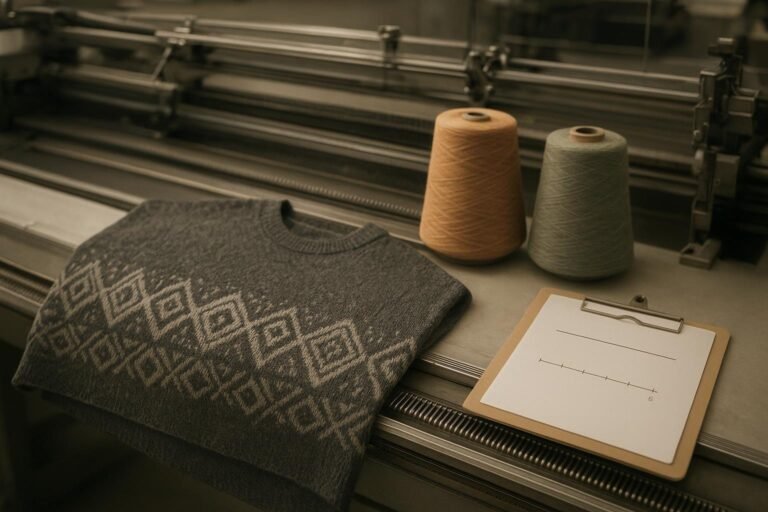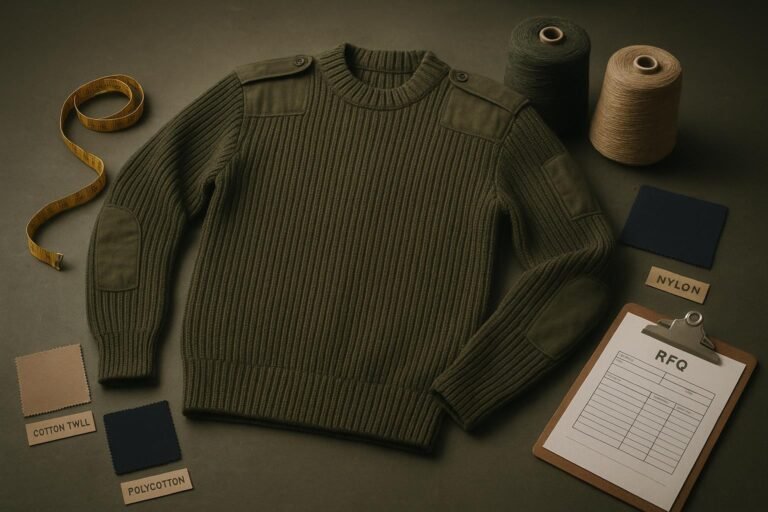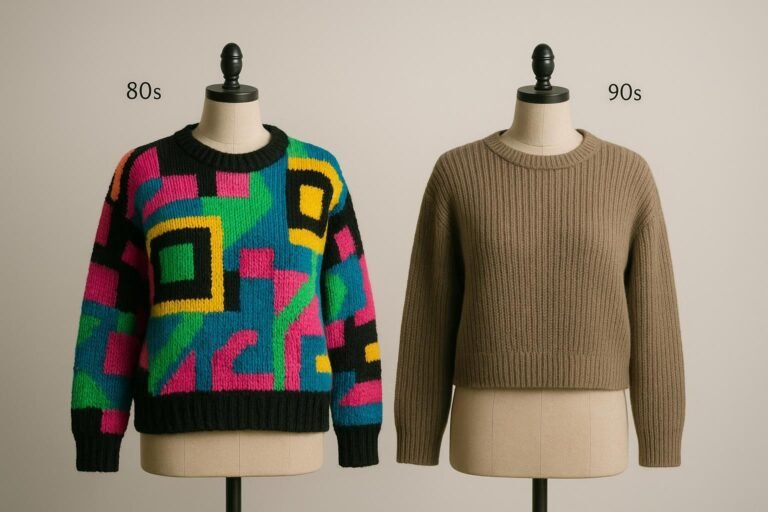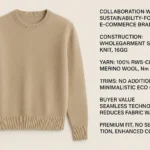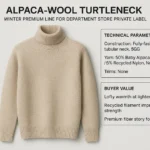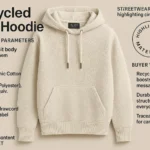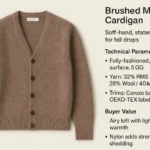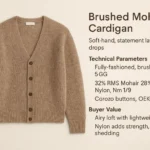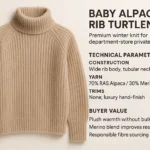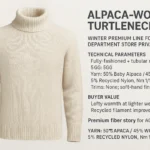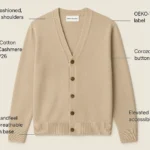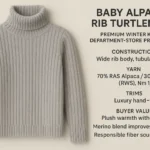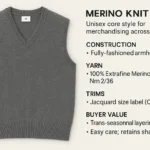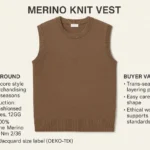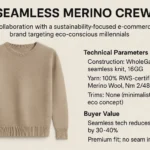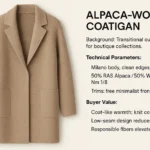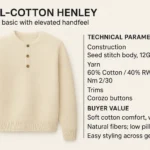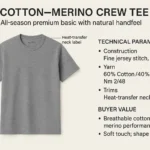

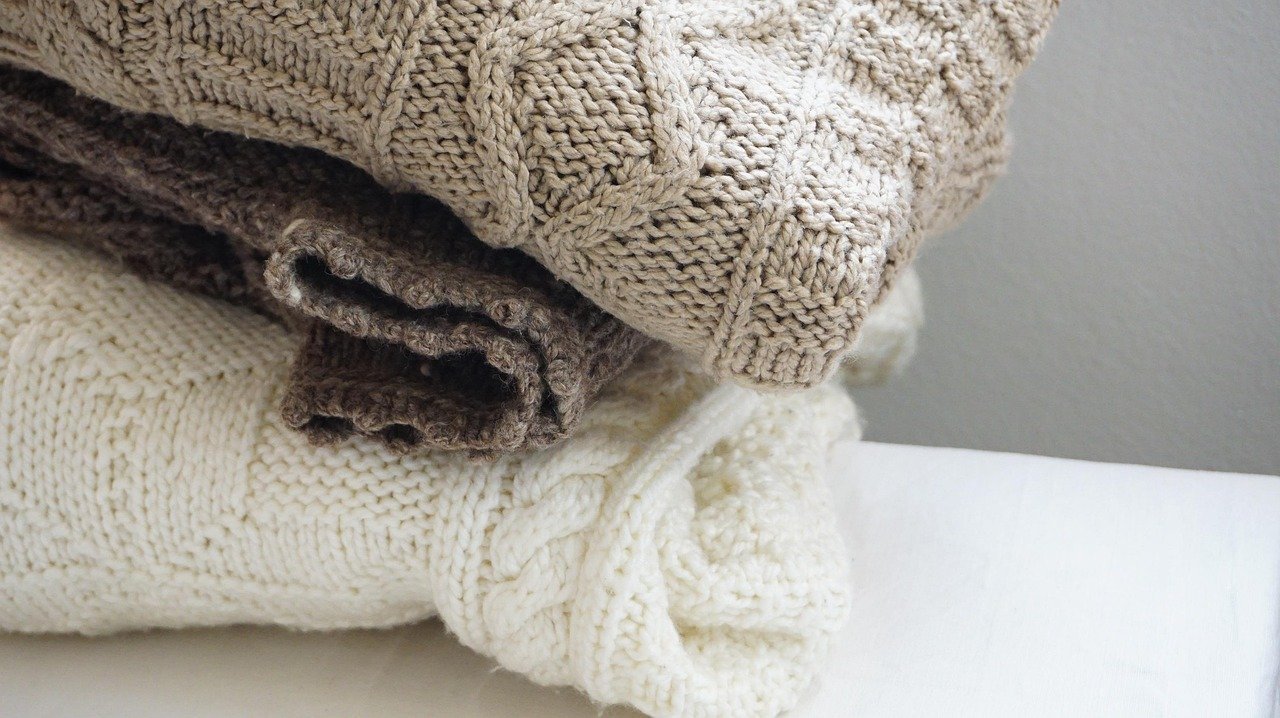
If you’re wondering what knitwear styles suit low MOQ production, consider options like crewneck sweaters, cardigans, lightweight pullovers, beanies, scarves, vests, and minimalist dresses. These styles are ideal for low MOQ because they have a classic look and a relaxed fit that appeals to many customers. Using fabrics such as jersey, fleece, or waffle knit makes sourcing materials easier and more cost-effective. Print-on-demand services also allow you to experiment with new colors or patterns with minimal risk. Timeless designs, including cable knits and Fair Isle motifs, are especially popular in women’s knitwear and consistently in demand. Focusing on these knitwear styles that suit low MOQ production can help you confidently launch your brand.
Key Takeaways
Pick classic styles like crewneck sweaters and cardigans for low MOQ production. These styles are liked by many people and are simple to make.
Go for simple designs with fewer steps. This saves time and lowers costs. It makes starting your brand easier.
Choose materials like jersey, fleece, and waffle knit. These fabrics are easy to find and fit many styles.
Use print-on-demand services to try new colors and patterns. You do not need to spend a lot of money first. This helps lower risk and waste.
Use standard sizing to make production faster. Common sizes help stop delays and keep costs low.
Begin with a small color palette and size range. This makes production easier and helps you manage your stock well.
Use small batch production to follow trends quickly. You can change your products based on what customers say.
Work with manufacturers who know low MOQ well. Good communication and trust help you get better deals and quality.
Criteria for Low MOQ Knitwear
If you want to start a knitwear brand with low moq, pick styles that are easy to make and simple to change. Here are the main things to look for when choosing knitwear for small batches.
Simple Designs
Fewer construction steps
Simple designs make things easier. Sweaters or dresses with fewer panels save time and money. One brand changed from a six-panel skirt to a four-panel one. They used regular buttons instead of custom ones. This helped them lower their minimum order and spend less. You can do this by picking styles with fewer seams and basic shapes.
Minimal detailing
Less detail means faster work and fewer mistakes. You do not need fancy embroidery or lots of trims. Clean lines and classic shapes are good for low moq. You can add color or prints later. This way, you can try new ideas without spending a lot.
Tip: Start with basic things like ribbing or simple cable patterns. These are easy to make and look nice on many knit fabrics.
Material Availability
Jersey, fleece, waffle knit
Picking the right knit fabric is important. Jersey, fleece, and waffle knit are popular because they are easy to find and work for many styles. Waffle fleece is made from polyester blends. It is light and warm. It has a grid-like texture that feels good. Bonded brushed fabrics use synthetic fibers and give extra warmth. These are great for activewear-ready fabrics.
Easy sourcing
You need to get your materials quickly. Many suppliers have stock programs for knit fabric. You do not have to wait for custom orders. One brand picked a premium stock fabric instead of a custom one. This helped them get better quality and lower their moq. If you want sustainable fabric, check if suppliers have organic and recycled fibers in stock. This makes it easier to get what you need and helps you build an eco-friendly brand.
Criteria | Description |
|---|---|
MOQ Requirements | Know if the manufacturer allows small orders. |
Lead Times | Make sure production fits your schedule. |
Sample Production | Test before making a lot. |
Quality Control Measures | Check their inspection process. |
Efficient Production
Standard sizing
Standard sizing helps you avoid delays. Using common sizes means your knitwear gets made faster and costs less. Suppliers know these sizes well and can work quickly.
Streamlined process
A smooth process helps you get products on time. If you finish your specs early and work with suppliers who know knit fabric, you can speed up production. Good logistics and expert work help you deliver quality products fast.
Production Method | Lead Time (Days) | MOQ Range (Pieces) | Cost Control Impact |
|---|---|---|---|
Standard Sizing | 15 to 35 | 100 to 1000 | Makes sourcing easier, cuts delays |
Early Spec Finalization | Varies | N/A | Cuts lead time a lot |
Efficient Fulfillment | N/A | N/A | Gives quick and reliable delivery |
Using standard sizing can make production faster.
Finishing specs early helps avoid delays.
Supplier flexibility and good logistics help control costs.
If you focus on these things, it is easier to launch your brand with small batches. You can try new techniques, test different knit fabrics, and look for sustainable options. Getting materials and working with suppliers who have organic and recycled fibers will help you stand out. If you want activewear-ready fabrics, find suppliers who know these knit styles. Picking the right things helps you succeed and grow your brand step by step.
What Knitwear Styles Suit Low MOQ Production?

Crewneck Sweaters
Classic fit
You can never go wrong with a classic crewneck sweater. This style has a simple, round neckline and a relaxed shape that works for almost anyone. When you ask, what knitwear styles suit low moq production?, crewneck sweaters always top the list. The reason is simple: they use basic fabrics like cotton jersey, polyester blends, or fleece. These materials are easy to find and come in smaller rolls, so you can order just what you need. You do not have to worry about leftover fabric or high costs.
Popular choice
Crewneck sweaters are a favorite for new brands. They have a timeless look and fit into any collection. You can dress them up or down, and they work for all ages. Many low MOQ manufacturers, like Argus Apparel, focus on these sweaters because they are quick to make. The design is straightforward, with fewer pattern pieces and fast sewing times. This means you get your sweaters faster and spend less money. Take a look at how crewneck sweaters compare to other popular knitwear styles:
Knitwear Type | Reason for MOQ Level | |
|---|---|---|
Cashmere Knitwear | Lower MOQs | Luxury status and flexibility in testing |
Knit Cardigans | Starts from 100 pcs | Versatile and staple in many collections |
Knit Hoodies | 50-100 pieces (local suppliers) | Lower MOQs from local suppliers for small batch needs |
You can see why crewneck sweaters are a smart pick if you want to launch your brand with low risk and high wearability.
Cardigans
Button-up basics
Cardigans give you even more options. The button-up cardigan is a staple in many wardrobes. It is easy to make and does not need fancy details. You can use the same fabrics as crewneck sweaters, which helps keep costs down. Many brands start with cardigans because they are easy to customize. You can change the buttons, add pockets, or use different colors. This makes it simple to create a unique look for your brand.
Open-front options
Open-front cardigans are another great choice. They do not need buttons or zippers, so they are even faster to produce. You can offer them in different lengths and fabrics. Customers love them because they are easy to layer and work for any season. If you want to test new ideas, cardigans let you do that without a big investment. They also fit well with the question, what knitwear styles suit low moq production?, because you can make small batches and see what your customers like best.
Lightweight Pullovers
Versatile wear
Lightweight pullovers are perfect if you want to offer something fresh and easy to wear. These sweaters use thin, soft fabrics that feel good all year round. You can make them in small quantities, which helps you avoid extra inventory. Lightweight pullovers are popular with shoppers who want something unique or eco-friendly. You can use organic cotton or recycled fibers to stand out.
Lightweight pullovers help you test new styles without spending a lot.
You can launch limited-edition collections and see what sells best.
Customers like having more choices, especially if you offer sustainable options.
Easy layering
Layering is a big trend, and lightweight pullovers fit right in. Your customers can wear them over a T-shirt or under a jacket. This makes them a must-have for any collection. You can play with colors, prints, or even add a small logo. Because you can order just a few at a time, you do not have to worry about waste. Lightweight pullovers make it easy to keep your brand flexible and ready for new trends.
Tip: Try offering a few colorways or limited prints to see what your customers like. You can always add more styles as your brand grows.
By focusing on these sweater styles—crewneck sweaters, cardigans, and lightweight pullovers—you set your brand up for success. These options are easy to produce, cost-effective, and give you lots of room to experiment. If you want to know what knitwear styles suit low moq production?, start with these tried-and-true favorites.
Beanies and Scarves
Beanies and scarves are must-haves for any knitwear brand. You can add them to your collection with little risk. These accessories are easy to make and do not need complex patterns. You can use leftover fabric from your sweater production, which helps you save money and reduce waste.
Ribbed beanies
Ribbed beanies are always in style. You can knit them with simple stitches and basic yarns. They stretch to fit most head sizes, so you do not need to worry about lots of sizing. You can offer them in many colors or add a small logo patch. If you want to test new ideas, ribbed beanies let you do that without a big investment.
You can make small batches and see what sells best.
You can switch colors or yarns quickly.
You can add custom labels or tags for your brand.
Flexible production planning helps you adjust your orders based on what your customers want. You can respond to trends fast and keep your collection fresh.
Straight scarves
Straight scarves are another smart choice. You can make them with the same yarn as your sweater or beanie. They do not need shaping or special tools. You can offer different lengths or add simple details like fringe. Scarves are great for all ages and seasons.
You can use leftover yarn from other products.
You can try new textures or patterns without much risk.
You can bundle scarves with a sweater or beanie for gift sets.
Here are some reasons why beanies and scarves work well for new brands:
Flexible production planning lets you change your product mix quickly.
You can scale up or down based on demand, which is perfect for seasonal items.
You can manage different products at the same time without long setup times.
Vests and Tanks
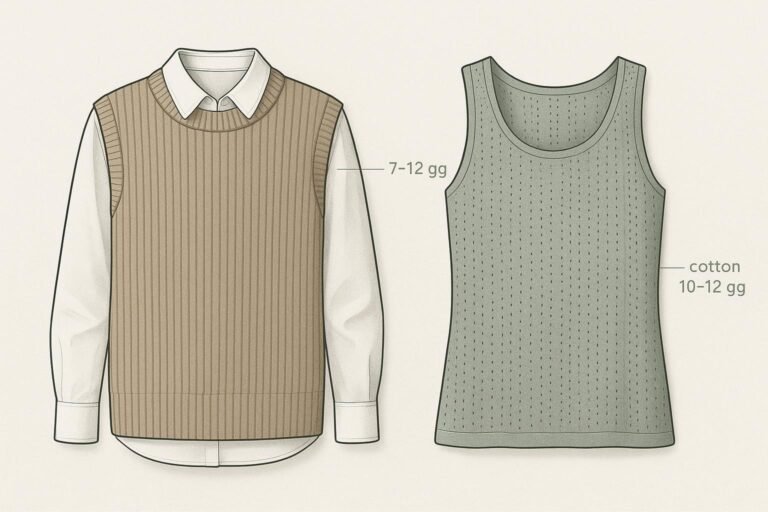
Vests and tanks are simple, sleeveless pieces that add variety to your knitwear line. You can make them with the same machines and yarns as your sweater collection. These styles are easy to size and fit many body types.
Sleeveless styles
Sleeveless vests and tanks are easy to produce. You do not need to sew sleeves, which saves time and money. You can use ribbed edges or simple hems. These pieces work well for layering over a shirt or under a jacket. You can offer them in solid colors or add stripes for a sporty look.
You can make vests and tanks in small batches.
You can test new colors or patterns without a big commitment.
You can use the same yarn as your main sweater styles.
Minimal shaping
Minimal shaping means you do not need complex patterns or special machines. You can use straight lines and basic construction. This keeps costs low and makes it easy to change your designs. You can add pockets or small details later if you want to update your collection.
You can keep your production simple and fast.
You can add new styles as your brand grows.
You can focus on quality and comfort.
If you wonder what knitwear styles suit low moq production?, vests and tanks are always a good answer. They give you flexibility and help you build a strong collection.
Minimalist Dresses
Minimalist dresses are a great way to add something special to your knitwear brand. These dresses use simple shapes and easy-fit designs. You can make them with the same yarns and machines as your sweater line. They work for many occasions and have high wearability.
Straight silhouettes
Straight silhouettes are easy to sew and fit many body types. You do not need darts or complex shaping. You can use basic stitches and simple hems. This keeps your costs low and your production fast.
Garment Type | Typical MOQ Range | Key Complexity Factors |
|---|---|---|
Basic Tops & Tees | 100-200 pieces | Simple construction, few components |
Woven Blouses | 150-300 pieces | Collars, cuffs, plackets, more detailed sewing |
Dresses | 200-400 pieces | Combination of top and bottom construction |
Tailored Trousers | 250-450 pieces | Waistbands, pockets, complex fitting |
Jackets & Blazers | 300-500+ pieces | Lining, interfacing, multiple components |
Evening Wear | 400-1000+ pieces | Embellishments, delicate fabrics, intricate work |

Easy-fit designs
Easy-fit designs mean you do not need to worry about tricky sizing. You can offer dresses in a few sizes and still fit most people. You can use soft, stretchy yarns for comfort. You can add pockets or a belt for style. Minimalist dresses are perfect if you want to know what knitwear styles suit low moq production?. They let you test new ideas and grow your brand step by step.
Mill minimums for custom fabrics can be high, but basic yarns are easy to source.
Delicate materials need special care, but simple knits are easy to handle.
Pattern matching can waste fabric, but solid colors or simple stripes keep things efficient.
Some fabrics are only available in certain seasons, so plan ahead for your launches.
You can see that minimalist dresses, vests, tanks, beanies, and scarves all work well with your sweater collection. They help you keep costs low, respond to trends, and offer more choices to your customers.
Benefits for New Brands
Lower Costs
Less material waste
You want to keep costs down when you start a new brand. Low MOQ knitwear lets you do that. You only make what you need. This means you do not end up with piles of unsold products. You save money and help the planet at the same time. Here’s how low MOQ helps with material waste:
You match production to real customer demand, so you avoid overproduction.
You keep extra inventory low, which is a big win for sustainability.
New techniques like smart fabric cutting and AI tools help you use every bit of knit fabric.
You can see how small-batch development makes your business leaner and greener.
Affordable sampling
Sampling can get expensive in traditional manufacturing. With low MOQ, you can test new designs without a huge investment. You do not need to order hundreds of pieces just to see if a style works. Here’s what you get:
Flexibility to try out new ideas.
Less risk if a design does not sell.
Lower upfront costs, so you can spend more on quality or marketing.
You can focus on sourcing the best knit fabric for your samples. This helps you improve quality before you launch a full collection.
If you choose low MOQ, you may pay a bit more per piece, but you avoid big inventory bills. You get to test, learn, and grow without wasting money.
Fast Turnaround
Quick prototyping
Speed matters when you want to stand out. Low MOQ knitwear makes it easy to move fast. You can create samples and get feedback quickly. This helps you spot trends and respond before your competition. You can work with suppliers who know the sweater production process and can help you with sourcing and development.
Short lead times
Let’s look at how turnaround times compare:
Order Type | Turnaround Time |
|---|---|
Low MOQ Orders | May be deprioritized, potentially 60+ days during peak seasons |
Standard Bulk Orders | Typically prioritized, faster turnaround if capacity allows |
You can plan your launches better when you know how long things take. If you build a good relationship with your supplier, you can sometimes speed things up. Good sourcing and clear communication help you get quality products on time.
Customization
Color and design options
You want your brand to stand out. Low MOQ knitwear gives you the freedom to try new colors, patterns, and details. You can offer limited editions or seasonal drops. You can test what your customers like best. This flexibility helps you build a unique brand story.
Print-on-demand flexibility
Print-on-demand technology changes the game for new brands. You only make what you sell, so you do not waste money or materials. You can offer custom designs, special graphics, or even knit-in logos. There is no need for big orders or storage space. You get premium products that show off your creativity.
Print-on-demand knit sweaters let you launch fan collections, test new ideas, or add high-margin items to your shop. You do not need a big investment to get started.
You can use these techniques to keep your collection fresh and exciting. You can focus on sourcing the right knit fabric and making sure every piece meets your quality standards.
Inventory Control
Small batch flexibility
You want your brand to stay nimble. Small batch production gives you that power. You can make just a few pieces at a time. This means you do not have to guess what your customers want. You can test new designs and see what sells before making more. If a style does not work, you do not get stuck with piles of unsold sweaters.
Small batches let you react fast. Maybe a color trend pops up on social media. You can add that color to your next order. You do not need to wait for a big production run. You can also try out new fabrics or patterns without a big risk. If your customers love them, you can make more. If not, you move on to the next idea.
Here are some smart ways to manage your inventory with low MOQ knitwear:
Use pre-orders or crowdfunding to match production with real demand. You only make what people buy.
Partner with other brands to share costs and reach minimum order quantities. This helps you get better prices and more options.
Negotiate with suppliers for lower MOQs. Many suppliers will work with you if you ask.
Tip: Pre-orders give you real-time data about what your customers want. You can plan your production better and avoid making too much.
You can also use made-to-order production. This means you only make a sweater after someone buys it. You do not need to store extra stock. You save money and space.
Reduced risk
Starting a new brand feels risky. Small batch production helps you lower that risk. You do not have to spend a lot of money upfront. You can test your ideas with a small investment. If something does not sell, you do not lose much.
Here’s how small batch production keeps your risk low:
You avoid overproduction. No more boxes of unsold knitwear in your garage.
You can change your collection quickly if trends shift.
You get to learn what works for your customers without a big commitment.
Small batches also help you build a brand that cares about quality. You can focus on making each piece special. Customers notice when you pay attention to detail.
Note: Made-to-order and small batch production fit well with brands that want to be sustainable. You make less waste and show your customers that you care about the planet.
If you want to grow your brand step by step, small batch flexibility and reduced risk make it possible. You can try new things, learn from your customers, and build a business that lasts.
Launch Tips for Low MOQ Knitwear
Manufacturer Selection
Low MOQ specialists
You should pick a manufacturer who knows small batch production. Not all factories can do low MOQ orders, so check their rules first. Find specialists who are flexible and help new brands. Here’s a table to compare what matters:
Criteria | Description |
|---|---|
MOQ Policy | Make sure the manufacturer’s minimum order quantity fits your needs. |
Design Complexity | Ask if they can handle the level of detail in your designs. |
Quality of Materials | Check the quality of yarns and fabrics they use. |
Communication | Find out if they respond quickly and clearly to your questions. |
Garment Durability | Look for strong, long-lasting knitwear. |
Specialized Capabilities | See if they offer special techniques or finishes you want. |
Think about these things too:
How good the garments are
How well you can talk to them
The fabric quality
How well the garments are made
How long the garments last
Communication tips
Talking clearly makes your launch easier. You need to share your ideas and get updates often. Try these tips:
Use simple sketches and tech packs.
Ask for updates often.
Set up video calls to look at samples.
Give feedback fast so changes happen quickly.
Tip: If you build a good relationship with your manufacturer, you can fix problems and avoid delays.
Sample Development
Prototyping process
Making samples is an important step for your brand. You want to see and touch your designs before making more. Start by making a few samples. Check each one for loose threads, bad stitches, and color problems. Make sure every sample matches your design plans. This helps you find problems early and fix them.
Try these best practices too:
Look at every garment for mistakes.
Make sure each sample matches your design.
Add labels and branding to make your brand look better.
Do final touch-ups for a nice finish.
Pack samples carefully so they arrive safely.
You can also try eco-friendly ideas. Recycle leftover fabric from natural fibers. Try seamless knitwear to make less waste. Digital garment simulation can help you use fewer real samples.
Feedback cycles
Feedback is important. Show your samples to friends, family, or possible customers. Ask what they like and what needs work. Share this feedback with your manufacturer. Make changes and ask for new samples if needed. Repeat this until you feel good about your product.
Note: Fast feedback helps you make products people really want.
Colorways and Sizing
Limited options
When you start, keep your color and size choices simple. Fewer choices mean less risk and easier production. Pick two or three colors and a basic size range. This helps you save money and avoid extra stock.
Planning for growth
As your brand grows, you can add more colors and sizes. Watch what your customers buy and ask for. Use this to plan your next steps. You can grow your collection slowly and safely.
Tip: Start small, learn from your customers, and grow your brand at your own speed.
Overcoming Challenges
Launching a knitwear brand with low MOQ sounds exciting, but you will face some challenges. If you know what to expect, you can solve problems before they grow. Let’s look at the main hurdles and how you can overcome them.
Sourcing Small Quantities
Supplier negotiation
You may find it tough to get small amounts of knit fabric. Many suppliers want big orders. You can change this by talking with them and asking for lower minimums. Some manufacturers focus on small batch production and will work with you. If you build a good relationship, you can get better deals and more flexibility.
You might see inconsistent quality in small orders. Defects, poor stitching, or uneven dyeing can ruin your products.
You can ask for sample runs before placing a full order. This helps you check the knit fabric and see if it meets your standards.
You should always ask about their experience with low MOQ brands.
Reliable sourcing
Getting reliable knit fabric is key. Sometimes, shipments arrive late or the material does not match your needs. You can avoid delays by planning ahead and adding extra time to your schedule. Keep in touch with your supplier and ask for updates often.
Look for suppliers who care about ethical sourcing. They should follow fair labor rules and use sustainable materials.
Build a list of backup suppliers. If one has a problem, you can switch quickly.
Set up a simple table to track your suppliers:
Supplier Name | MOQ | Lead Time | Sustainability | Contact Person |
|---|---|---|---|---|
KnitCo | 50 | 21 days | Yes | Jane Smith |
YarnWorks | 100 | 30 days | No | Mike Lee |
Quality Control
Inspection steps
You want every piece to look great. Good quality control helps you catch problems early. Here are some steps you can use:
Check incoming yarns for color, strength, and contamination.
Review pre-production samples to see if the fit and construction match your design.
Make sure size grading stays consistent across all garments.
Watch for defects during knitting by checking panels as they come off the machine.
Inspect finished panels before assembly.
Do a final check before packaging.
Tip: If you use these techniques, you can spot mistakes before they reach your customers.
Setting standards
Set clear standards for your brand. Write down what you expect for color, stitching, and fit. Share these standards with your supplier. Ask them to follow your rules every time. You can use a checklist to make sure each item meets your quality goals.
If you find problems, talk to your supplier right away.
Keep records of every inspection. This helps you track issues and improve over time.
Style Variety
Focused collections
You might want to offer many styles, but starting small works best. Pick a few designs that use the same knit fabric and techniques. This keeps production simple and helps you control costs. You can test what your customers like and build your brand step by step.
Focus on styles that are easy to make and sell well.
Use feedback from early buyers to guide your next collection.
Gradual expansion
Once you know what works, you can add new styles. Try new techniques or colors in small batches. Watch sales and listen to your customers. If a new style does well, you can make more. If not, you can move on without losing much.
Note: Growing slowly helps you keep quality high and avoid big mistakes.
You can overcome challenges in sourcing, quality control, and style variety by planning ahead and staying flexible. Your brand will grow stronger with each step.
Case Studies: Small Batch Success
Sweater Launch
Streamlined collection
You want to launch your knitwear brand fast, but you do not want to get stuck with too much stock. Many new brands start with a small, focused sweater collection. They pick just a few classic styles, like crewneck or v-neck sweaters, and stick to two or three colors. This approach keeps things simple. You can manage your costs and avoid overcomplicating your first launch.
A streamlined collection helps you see what your customers like. You do not need to guess. You can watch which colors or fits sell best. If you see a trend, you can add more options later. This method lets you build your brand step by step.
Fast market entry
When you work with low MOQ, you can get your sweaters to market quickly. You do not have to wait for a huge production run. You can order a small batch, get your products in hand, and start selling right away. This speed helps you catch trends before they fade. You can also respond to customer feedback fast. If someone asks for a new color or size, you can add it to your next order.
Tip: Use social media to show off your first collection. Ask your followers what they want to see next. This keeps your brand fresh and helps you grow your audience.
Accessories First
Beanies and scarves
Some brands start with accessories like beanies and scarves. These items are easy to make and do not need many sizes. You can use leftover yarn from your main collection, which saves money. Beanies and scarves also make great gifts, so they sell well during the holidays.
You can try out new colors or patterns with accessories. If a certain color sells out, you know your customers love it. You can then use that color in your next sweater or dress.
Brand building
Accessories help you build your brand identity. You can add your logo to a beanie or use special packaging for scarves. These small touches make your products feel special. Customers remember your brand when they wear your accessories every day.
A smart move is to bundle a beanie and scarf together. This gives your customers a reason to buy more and helps you increase your average order size.
Minimalist Dresses
Niche focus
Minimalist dress brands often start with low MOQ production. This strategy lets you test your ideas without spending a lot of money. You can focus on a specific style or market, like simple knit dresses for everyday wear. By starting small, you avoid overproduction and keep your risk low.
Here are some lessons you can learn from these brands:
You reduce financial risk by making only what you need.
You stay flexible and can change your designs quickly.
You test the market and get feedback before making more.
You keep better cash flow because you do not have to store lots of inventory.
You support sustainability by cutting down on waste.
You can target a niche audience with custom designs.
You keep quality high with smaller batches.
Scaling up
Once you know what your customers love, you can grow your collection. You might add new colors, sizes, or even new dress styles. Because you started with low MOQ, you already know what works. This makes it easier to scale up without wasting money or materials.
Note: Many successful brands started small and grew by listening to their customers. You can do the same. Start with a focused collection, learn from your buyers, and expand when you are ready.
You can launch your knitwear brand with crewneck sweaters, cardigans, pullovers, beanies, vests, and minimalist dresses. These styles work well for low MOQ production and give you lots of benefits:
You lower your risk and keep costs down.
You react fast to trends and test new ideas.
You keep cash flow healthy and avoid waste.
You control quality and support sustainability.
Tip: Start by researching manufacturers, making samples, and trying print-on-demand for even more flexibility.
FAQ
What does MOQ mean in knitwear production?
MOQ stands for “minimum order quantity.” It tells you the smallest number of pieces you must order from a manufacturer. Low MOQ means you can start your brand with fewer items and less risk.
Can I customize colors and sizes with low MOQ?
Yes! Many suppliers let you pick your own colors and sizes, even with small orders. You can test what your customers like before making more.
Which knit fabrics are easiest to source for small batches?
You can find jersey, fleece, and waffle knit fabrics easily. These materials work well for most knitwear styles and help you keep costs low.
How do I find a manufacturer that accepts low MOQ?
Look for factories that say “low MOQ” or “small batch” on their websites. You can also ask other small brands for recommendations. Always check reviews and ask for samples first.
Is print-on-demand a good option for knitwear?
Print-on-demand works well for simple styles like sweaters, beanies, and scarves. You only make what you sell, so you avoid extra stock and waste.
How can I control quality with small orders?
You should always ask for samples before placing a big order. Check each piece for fit, stitching, and color. Give feedback to your supplier to fix any problems.
What are the best knitwear styles for beginners?
Start with crewneck sweaters, cardigans, beanies, and straight scarves. These styles are simple to make, easy to sell, and let you test your ideas with less money.