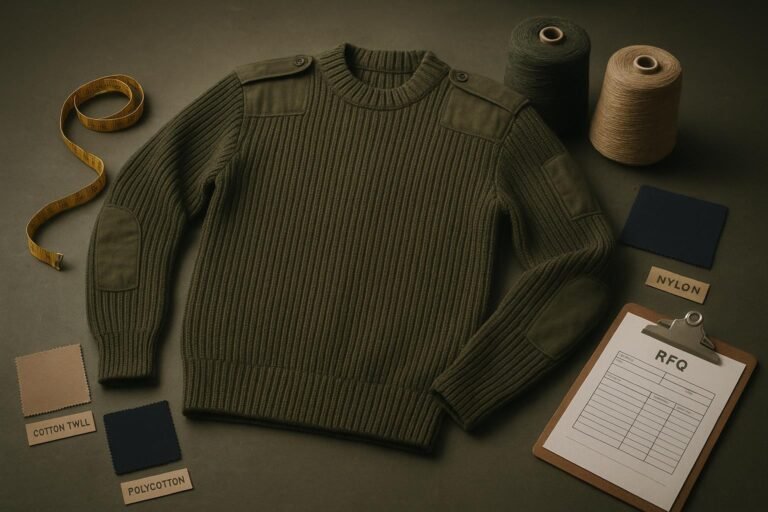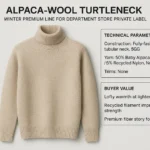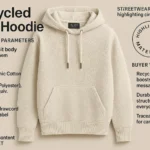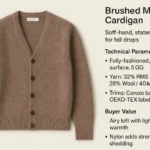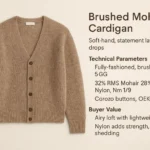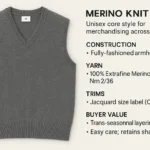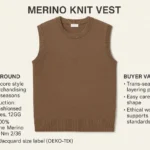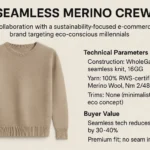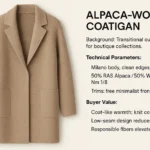

You might wonder what QC tests are required for custom knitwear. These tests help you identify problems early on and ensure that each custom knit sweater is of high quality. Knitwear quality control begins with yarn checks and continues through every step of the sweater-making process. When you understand what QC tests are required for custom knitwear, you can create garments that fit well and look great. Specifically, what QC tests are required for custom knitwear? You need to check colorfastness, measure size, and examine the fabric. Effective knitwear quality control ensures that your products maintain consistency and reliability. What QC tests are required for custom knitwear? These assessments lead to satisfied customers and reduced return rates.
Happy customers return and recommend your products to others.
Garments that fit well, look appealing, and feel comfortable foster customer loyalty.
Quality control ensures product consistency and minimizes returns and complaints.
Diligent work demonstrates to customers that you value their experience.
Key Takeaways
Quality control tests help make sure custom knitwear is good. – Begin with yarn inspection to find problems early and stop waste. – Watch the fabric during making to keep it nice and even. – Check if sweaters keep their shape after washing. – Do stretch and pull tests to see if seams are strong and last long. – Test colorfastness to keep colors bright and stop fading. – Look for defects and dirt to make sure clothes are clean and look good. – Check labels and packaging to give correct info and keep products safe when shipping.
Essential QC Tests for Custom Knitwear
If you want to make good knitwear, you need to check five main things. These checks help you find problems early. They also make sure your custom knit sweaters are made well. Here are the five most important QC tests you should know:
Yarn inspection
Fabric monitoring
Dimensional stability
Stretch and pull tests
Colorfastness checks
Each check is important in making knitwear. Yarn inspection helps you stop defects that can ruin the product. Fabric monitoring helps you find problems while making the sweaters. Dimensional stability checks make sure sweaters keep their shape after washing. Stretch and pull tests show if the fabric stays strong and comfy. Colorfastness checks help keep colors bright and stop fading.
Tip: If you use these checks, you can waste less, save money, and make customers happy.
Here is a table that shows why each quality inspection checkpoint matters in knitwear manufacturing:
Quality Control Measure | Importance |
|---|---|
Yarn Inspection | Makes sure the yarn is good, so the final product does not have defects. |
Fabric Monitoring | Checks the fabric while making it to keep quality high. |
Dimensional Stability | Makes sure sweaters stay the right size after washing, which is important for customers. |
Stretch/Pull | Checks if the fabric can stretch and still fit and feel good. |
Colorfastness | Makes sure colors do not fade or run, so the sweater looks nice for a long time. |
Yarn Inspection
Yarn inspection is the first thing you do for custom knitwear. You need to look at the yarn before you start knitting. This step helps you stop problems that waste time and materials.
Detecting Yarn Defects
You should look for yarn defects because they can make up to 15% of the fabric go to waste. Common defects are snags and needle lines. These problems slow down making sweaters and cost more money. If you find defects early, you can fix them before they mess up the whole batch.
Verifying Yarn Quality
You must check the yarn for color changes, shifting, and evenness. You also need to look for stains, bad smells, or things like broken pins or hairs. Make sure the yarn matches your order and does not have loose thread ends. Careful checking helps you make knitwear that lasts longer and looks better.
Fabric Monitoring
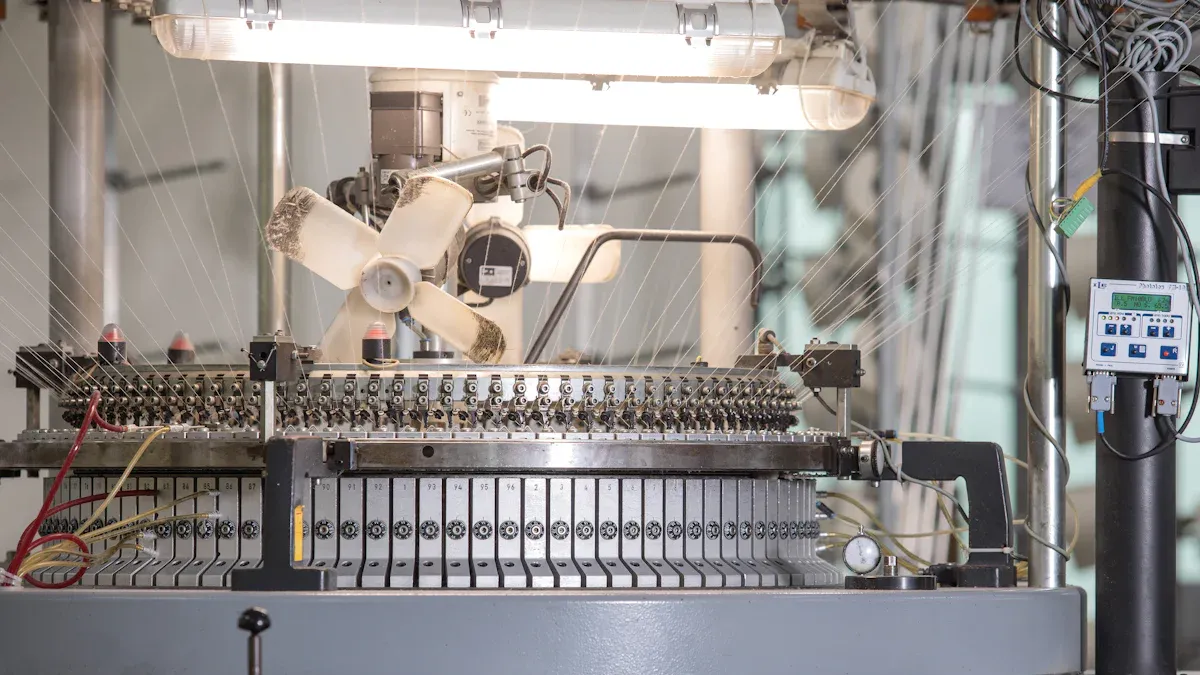
Fabric monitoring is another big part of checking quality in knitwear. You need to watch the fabric as it is made to find problems fast.
Identifying Knitting Issues
You should use different ways to check the fabric. For example, you can use a light check to find small holes or linking problems. You can also check the fabric after washing to see if it shrinks too much or if the dye runs. These steps help you find problems before the sweaters get to customers.
Checking Stitch Consistency
Stitch consistency is very important for how long the sweater lasts and how it looks. Even stitches with no gaps or loose threads make the sweater last longer. If stitches are not even, the sweater can wear out fast or look messy. You should always check for tight, even stitches so your knitwear stays strong and looks nice.
Note: Automation and digital tools can help you check fabric faster and better. These tools can find problems right away and give you information to make your process better.
If you follow these QC tests, you can make your knitwear better and give customers what they want.
Dimensional Stability and Measurement
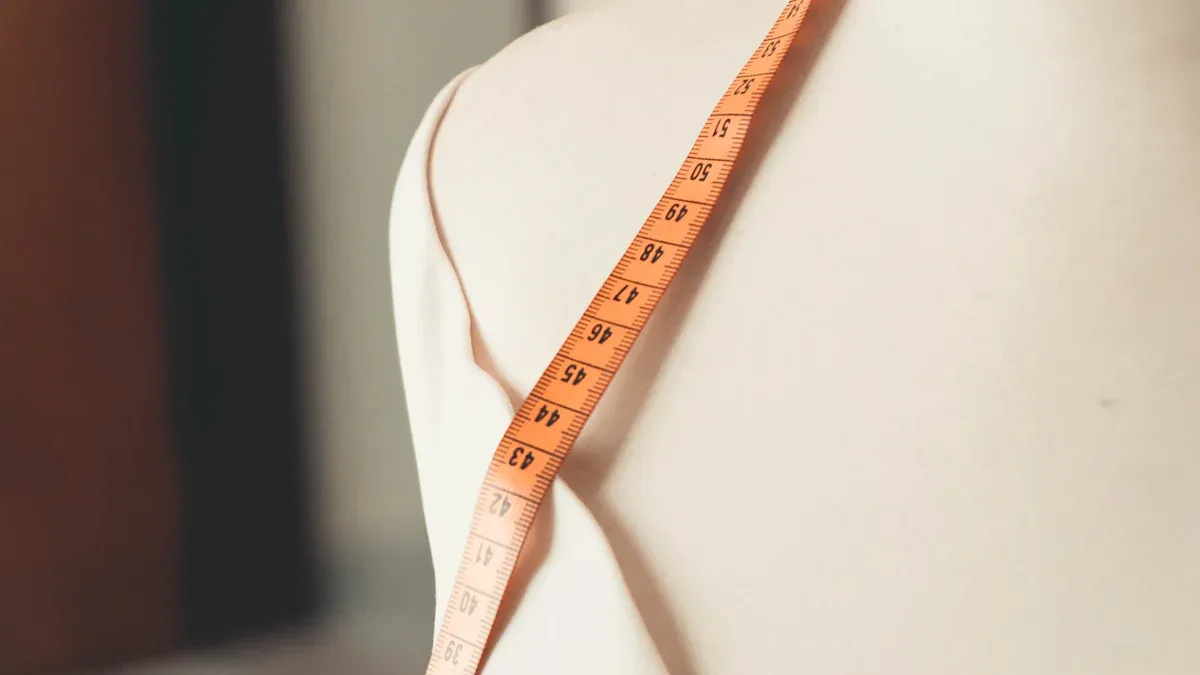
When you make custom knitwear, you need to check the size and fit of each garment. Dimensional stability means the sweater keeps its shape and size after you wash it. If you skip these checks, you risk making sweaters that shrink, stretch, or fit poorly.
Size and Fit Checks
Measuring Garment Dimensions
You should measure every sweater before you send it out. Use a tape measure to check the chest, sleeve length, body length, and shoulder width. Write down these numbers for each piece. This step helps you catch mistakes early. If you find a sweater that does not match your target size, you can fix it before shipping.
Tip: Always measure garments on a flat surface. This method gives you the most accurate results.
Comparing to Spec Sheets
After you measure the sweater, compare your numbers to the spec sheet. The spec sheet lists the correct sizes for each part of the garment. If your measurements match the sheet, you know the sweater fits as planned. If you see a difference, you need to adjust your process. Many brands use fit testing on real people or mannequins. This test checks how the sweater feels and moves. You want the sweater to fit well on different body types. Look for tight spots or loose areas. Make changes to your pattern if you find problems. Comfort matters as much as appearance.
Dimensional Stability Test
Shrinkage and Stretch Assessment
You need to test how the sweater reacts to washing and wearing. Dimensional stability tests show if the garment shrinks, stretches, or loses its shape. Start by measuring the sweater before washing. Wash the sweater using the care instructions. Measure it again after washing. Compare the numbers to see if the size changed.
Here is how manufacturers check dimensional stability in custom knit sweaters:
Test Type | What You Do |
|---|---|
Measure the garment before and after washing to check for shrinkage or stretching. | |
Shape Retention | Wash and wear the sweater several times to see if it keeps its shape. |
If you see big changes in size or shape, you need to fix your yarn choice or knitting method. Sweaters that keep their shape and size after washing make customers happy. You build trust when your products stay true to size.
Note: Dimensional stability checks help you avoid returns and complaints. Customers want sweaters that fit well every time they wear them.
Seam and Stretch Tests
When you make custom knitwear, you need to check how strong and durable the seams and stitches are. These tests help you make sure your sweaters do not fall apart when people wear or wash them. If you skip these checks, your customers may get sweaters that rip or lose their shape quickly.
Seam Strength
Seam strength tells you how much force the seams can handle before they break. You want every seam to stay strong, even when someone pulls or stretches the sweater. The seam strength of knitted fabrics depends on several things. Stitch density, sewing yarn count, and sewing needle count all play a role. If you increase the number of stitches per inch, you make the seam stronger, especially across the width of the sweater. Using finer sewing yarns or more needles can actually lower the seam’s strength. You need to understand these details to run an effective seaming strength test for your custom knitwear.
Pull and Stretch Testing
You can check seam strength by pulling and stretching the seams. Hold the sweater at the seam and gently pull it in different directions. Watch for any gaps, popped stitches, or breaks. If the seam holds up, you know it is strong enough for daily use. If you see the seam opening or threads snapping, you need to fix your sewing method or change your materials. Always test seams in both directions—across and along the seam—because knitwear stretches more in one direction than the other.
Tip: Test a few samples from each batch. This helps you catch weak seams before you send sweaters to customers.
Stitch Durability
Stitch durability shows how well the stitches hold up over time. Strong stitches keep the sweater together, even after many wears and washes. If stitches break or come loose, the sweater will not last.
Checking for Breakage
You can measure stitch durability by checking the stitches per inch, or SPI. Here is how you do it:
Mark a 1-inch section on the seam with a measuring tape.
Count the number of stitches in that inch.
Write down the SPI.
A higher SPI means the stitches are closer together. This makes the seam stronger and less likely to break. If you see a low SPI, the seam may be weak and could open up with use. Always check for broken or loose stitches along the seams. Run your fingers along the seam and look for any spots where the thread has snapped or pulled out. If you find any, fix them before shipping the sweater.
Checking SPI and looking for breakage helps you make sweaters that last longer and keep customers happy.
Colorfastness and Fabric Durability
When you choose custom knitwear, you want colors that stay bright and fabric that lasts. You need to check both colorfastness and fabric durability to make sure your sweaters look good and feel strong over time.
Colorfastness Checks
Colorfastness checks help you see if the color stays on the fabric. If the color fades or rubs off, your sweater will not look new for long. You can use different tests to check colorfastness. These tests show how well the dye sticks to the yarn and fabric.
Wet and Dry Rub Tests
You can use rub tests to see if color comes off when you touch or rub the sweater. For the wet rub test, you rub a damp white cloth on the fabric. For the dry rub test, you use a dry cloth. If the cloth picks up color, the dye is not strong enough. You want little or no color to come off. This means the sweater will not stain other clothes or skin.
Wash Test for Fading
A wash test helps you see if the color fades after washing. You wash the sweater as the care label says, then check if the color looks lighter or patchy. If the color stays the same, you know the dye is good. If it fades, you may need to change your dye or washing process. You should always do a color fastness test before sending sweaters to customers.
Here is a table that shows the main colorfastness tests for custom knitwear:
Test Type | Description |
|---|---|
Color fastness to washing | Tests the fabric’s resistance to washing under specific conditions, assessing color retention. |
Rubbing color fastness | Evaluates the fabric’s color stability when rubbed against a standard cloth, both wet and dry. |
Color fastness to sunlight | Measures how well the fabric maintains its color when exposed to light, comparing it to a standard. |
Tip: Good colorfastness means your sweaters will look new and bright even after many washes.
Fabric Weight and Pilling
Fabric durability depends on both the weight of the fabric and its resistance to pilling. You want sweaters that feel right and keep their smooth look.
Assessing Fabric Weight
You should check the weight of the fabric to make sure it matches your design. Use a scale to weigh a sample piece. Compare the weight to your target range. If the fabric is too light, the sweater may feel thin or wear out fast. If it is too heavy, it may feel bulky or uncomfortable. The right weight gives the sweater a good drape and feel.
Pilling Resistance
Pilling happens when small balls of fiber form on the surface of the sweater. This makes the sweater look old and worn. You can test pilling resistance by rubbing the fabric or washing it several times. Look for pills, especially in areas that get a lot of friction, like under the arms or at the sides.
Pilling starts when friction loosens fibers and forms pills, especially in high-contact spots.
Washing with harsh detergents or rough cycles can make pilling worse.
Humid weather or rough surfaces can also cause more pilling by breaking and tangling fibers.
If you choose yarns and knitting methods that resist pilling, your sweaters will look better for longer. Customers will notice the difference.
Note: Strong fabric and good pilling resistance help your sweaters last and keep their shape.
Defect and Contamination Inspection
Quality inspection does not stop at checking yarn and seams. You must also look for defects and contamination before sending custom knitwear to customers. Careful inspection helps you catch problems that affect how the sweater looks and feels.
Visual Defect Checks
You need to use your eyes and hands during inspection. Look closely at each sweater for signs of damage or mistakes. Many visual defects can appear in custom knitwear. You should check for the following issues:
Horizontal lines that run side to side. These lines often come from problems with thread tension or bobbin faults.
Shade variation. You may see differences in color depth from roll to roll. This happens when fabrics mix or production changes.
Dirt or stains. Spots of different colors can show up from dyeing or handling.
Uneven dyeing, printing, or dye marks. Irregular patches may appear if the fabric or production quality is low.
Drop stitches. Holes or missed stitches can result from loose stitching or incorrect yarn setup.
Misprinting. Sometimes the print does not match the design. Patterns may be missing or in the wrong place.
Crease marks. These are visible deformations in the fabric.
Barre. Unintentional stripes or bars can form in the fabric.
Neps or knots. Small, tangled masses of fibers look like tiny pinheads.
You should run inspection on every piece. Use good lighting and a flat surface. If you find any of these defects, set the garment aside for repair or rework.
Snags, Holes, and Uneven Texture
Snags and holes weaken the sweater. You can spot them by gently stretching the fabric and looking for gaps. Uneven texture feels rough or bumpy. Run your hand over the surface to check for smoothness. If you find snags, holes, or rough spots, you need to fix them before shipping.
Tip: Stay alert during inspection. Small defects can hide in seams or under patterns.
Odor and Cleanliness
Inspection also includes checking for odors and stains. Cleanliness matters because customers expect fresh, neat garments.
Detecting Odors
Smell each sweater during inspection. Bad odors can come from chemicals, dyes, or poor storage. If you notice a strong smell, air out the garment or wash it again. You want every sweater to smell clean and pleasant.
Checking for Stains
Look for stains in bright light. Dirt, dye marks, or oil spots can ruin the look of custom knitwear. Stains often appear near seams or on cuffs. You should remove stains before packing the sweater. Regular inspection helps you catch these problems early.
You can prevent contamination by keeping machines clean and training staff to handle garments with care. Regular inspection and tidy workspaces reduce dust and loose fibers. When you trim threads neatly and check for misaligned seams, you lower the risk of contamination. Good inspection leads to better quality and happier customers.
Note: Clean workspaces and careful inspection save time and money. You spend less time fixing mistakes and more time making great knitwear.
Packaging and Label QC
Before you send out custom knitwear, you must check packaging and labels. These checks help stop mistakes that upset customers or damage sweaters. You want every sweater to arrive safely with the right information.
Label Verification
Labels tell buyers about each sweater. You need to make sure every label is correct. Labels should show the right size, care steps, and brand name. If you miss a mistake, customers might wash sweaters wrong or get the wrong size.
Size, Care, and Brand Info
You should look for four main things on each label. These details help customers know what they are buying and how to care for it. Here is a table that shows the key criteria for label verification in custom knitwear quality control:
Key Criteria | Description |
|---|---|
Fiber Content | Tells you what the sweater is made of. This affects how it stretches, wears, and washes. |
Country of Origin | Shows where the sweater was made. This can tell you about the quality and rules followed. |
Manufacturer/Importer/Distributor ID | Names the company responsible for the sweater. This helps with tracking and accountability. |
Care Instructions | Explains how to wash and care for the sweater. This helps the sweater last longer. |
You need to check labels at the start, during, and after making sweaters. These steps help you find errors before sweaters go to customers.
Packaging Integrity
Good packaging keeps sweaters safe while shipping. You need to pick strong materials and pack each sweater the right way. If packaging is weak, sweaters can get wrinkled, wet, or torn.
Protection During Transit
You should use packaging that keeps sweaters safe. Here is a table that shows how different packaging materials help protect custom knitwear:
Packaging Material | Benefits |
|---|---|
Double-walled corrugated cardboard | Gives strong support and absorbs shocks. |
Moisture-resistant coatings | Keeps sweaters dry if there is humidity or spills. |
Secure tuck flaps or adhesive seals | Stops boxes from opening by accident. |
Bulk packaging with dividers | Separates sweaters so they do not wrinkle or rub together. |
Desiccant packs | Prevents mold in humid places or long trips. |
You need to check packaging before you ship sweaters. Look for common packaging problems before sending:
Wrong or missing shipping marks and barcodes
Wrong packing method
Wrong spelling, words, or pictures on packaging
If you see any problems, fix them before shipping sweaters. Careful checks help you send good products every time.
Tip: Always do a last check before shipping. This step saves you time and money by stopping returns and complaints.
Knitwear Quality Control Checklist
Summary Table of QC Tests
You need a simple checklist to help make custom knit sweaters. A summary table lets you see all the important steps quickly. Use this table to find problems early and fix them before sweaters go to customers.
Inspection Criteria | Solutions | |
|---|---|---|
Fabric Defects | Holes, tears, color bleeding, unexpected shrinkage | Set clear rules with suppliers, check materials first, use a grading system. |
Stitching and Construction Errors | Loose threads, uneven seams, wrong stitch density | Keep machines working well, train workers, check seams while making sweaters. |
Fit and Measurement Inconsistencies | Garments not matching size chart | Use good measuring tools, compare samples to the right fit. |
Colorfastness | Fading, color transfer, uneven dye | Test colorfastness, change dye process if needed. |
Pilling and Fabric Durability | Surface fuzz, weak fabric, quick wear | Pick strong yarns, test for pilling, use better knitting methods. |
Label and Packaging Errors | Wrong size, missing care info, damaged packaging | Check labels twice, look at packaging, fix mistakes before shipping. |
This table gives you an easy way to check each step when making custom knit sweaters. You can use it to teach your team and keep quality high.
Quick Reference for Custom Knit Sweater QC
You want every custom knit sweater to be good. Follow these steps to build a strong quality control routine:
Choose the right yarn and trims for your design.
Check your patterns and tech packs before starting.
Test all materials for shrinkage, color bleeding, and strength.
Make samples and check fit and function.
Look at all fabrics and trims before cutting.
Watch production and check for mistakes as you go.
Inspect every finished custom knit sweater before packing.
Tip: Use both visual checks and measurements. Look for stains, holes, loose threads, and wrong labels. Always compare your finished custom knit sweater to your approved sample.
You can print this checklist and use it every time you make sweaters. When you follow these steps, you lower the chance of returns and keep customers happy. A good checklist helps you catch small problems before they get worse. You save time, money, and build trust with every custom knit sweater you send out.
You make custom knitwear better by using good quality control tests. These checks help you spot problems early. Sweaters last longer when you test them well. Careful testing means fewer mistakes and happy customers. You get less returns if you follow each step. Sometimes, quality control is hard, but a checklist helps you stay organized. Try these ways to keep your process strong:
Strategy | Description |
|---|---|
Training and Development | Teach your team about quality rules and smart ways to work. |
Communication and Collaboration | Talk and work with suppliers and makers to meet goals. |
Utilising Technology | Use digital tools to check quality faster and easier. |
Continuous Improvement | Change your checklist often to fix issues and get better results. |
Begin each production run with your checklist. This helps you build trust and send out better sweaters every time.
FAQ
What is the most important QC test for custom knitwear?
You should focus on yarn inspection first. Good yarn prevents many problems later. If you start with strong, even yarn, your sweaters will last longer and look better.
How often should you check for defects during production?
You need to check at every stage. Inspect yarn, fabric, and finished sweaters. Frequent checks help you catch mistakes early and fix them before shipping.
Why does colorfastness matter in knitwear?
Colorfastness keeps your sweaters looking new. If the dye fades or rubs off, customers will not be happy. Always test for colorfastness before sending out your products.
How can you prevent pilling on sweaters?
Choose high-quality yarns and use tight knitting methods. Test for pilling by rubbing the fabric. If you see pills, try a different yarn or adjust your knitting process.
What should you do if you find a defect in a finished sweater?
Set the sweater aside for repair or rework. Do not ship it to customers. Fixing defects before shipping keeps your brand strong and your customers satisfied.
Do you need to check labels and packaging for every order?
Yes, you should check every label and package. Correct labels and strong packaging protect your sweaters and give customers the right information.
Can you use machines for quality control checks?
You can use machines for some checks, like measuring or scanning for defects. Machines help you work faster and find small problems that are hard to see.
What tools help you measure sweater size and fit?
Use a tape measure for chest, sleeve, and length. Compare your measurements to the spec sheet. Fit tests on mannequins or real people also help you check comfort and style.