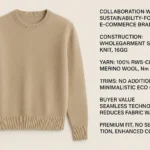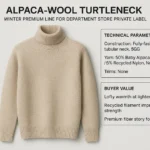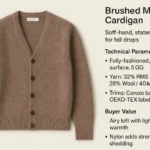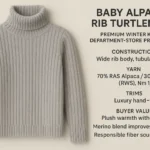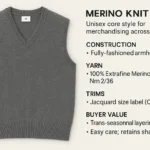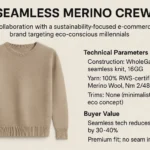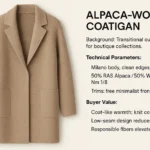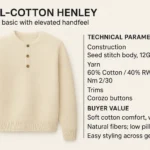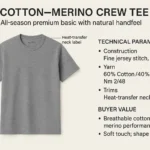

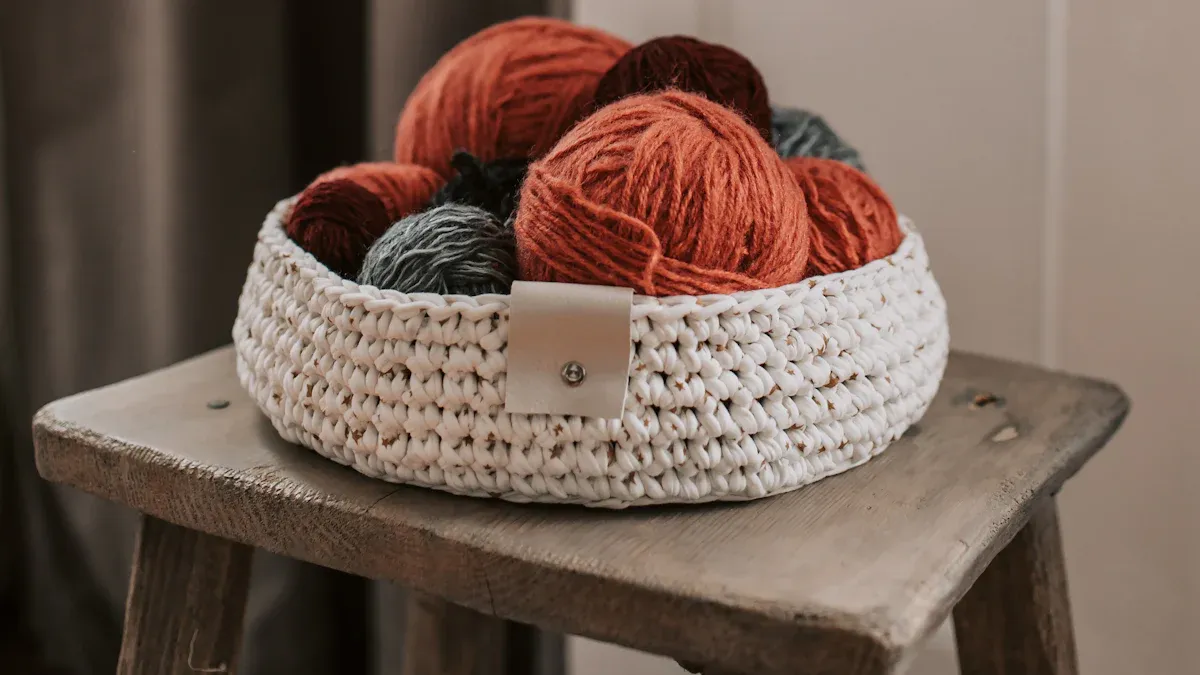
If you’re wondering what yarns are best for sustainable knitwear, consider options like organic cotton, recycled wool, hemp, linen, bamboo, alpaca, TENCEL, plant-based alternatives, and yarns that are naturally dyed or OEKO-TEX certified. These choices help reduce pollution, minimize chemical waste, and promote fair labor practices. When deciding what yarns are best for sustainable knitwear, think about the environmental impact of each fiber and the working conditions of those who produce it. Also, consider factors like softness, durability, and origin to select the best yarn for your sustainable knitwear project.
Key Takeaways
Pick yarns like organic cotton, recycled wool, and hemp for eco-friendly knitwear. These yarns are good for the planet.
Check for certifications like GOTS and OEKO-TEX. These show yarns are safe and sustainable.
Plant-based yarns like bamboo and linen use less water and energy. They are better for nature.
Recycled yarns help cut down on waste. They use old materials again, which is smart.
Always see how yarns are made. This helps you avoid bad chemicals and supports fair work.
Think about how soft and strong the yarn is. Pick yarns that fit your project.
Buy yarn from local shops or makers. This helps small businesses and lowers pollution.
Sustainable yarns can cost more money. But they last longer and help the earth.
Criteria for Choosing Sustainable Yarns
Renewable Fiber Sources
Plant-Based vs. Animal-Based
There are two main types of yarns. Some yarns come from plants. These include cotton, bamboo, hemp, and linen. Plant-based yarns grow from the ground. They often use less water and fewer chemicals. Other yarns come from animals. These include wool, alpaca, and cashmere. Animal-based yarns depend on how animals are treated. Both types can be good for the earth if made the right way. Organic cotton and bamboo grow fast and need few chemicals. Recycled wool and cashmere use old fibers. This helps save resources.
Fast-Growing Crops
Some plants grow much faster than others. Bamboo and hemp are fast-growing crops. These are great for making sustainable yarns. Bamboo grows quickly and does not need much water. It also does not need many pesticides. Hemp grows fast and helps the soil. These crops use fewer resources and grow back quickly. This makes them better for the environment.
Biodegradability
Compostable Fibers
It is good if your knitwear breaks down naturally. Compostable fibers like organic cotton, hemp, bamboo, and wool do this. They return to the earth over time. These fibers do not leave harmful waste behind. Choosing compostable yarns helps keep landfills smaller. It also helps keep the planet clean.
Microplastic Issues
Some yarns are made from synthetic fibers. These can shed tiny plastic pieces called microplastics. Microplastics pollute water and hurt animals. To avoid this, pick natural fibers or biodegradable yarns. Tencel and some special nylon are good choices. These help keep water clean and safe for wildlife.
Ethical Sourcing
Animal Welfare
If you use animal-based yarns, check how animals are treated. Look for labels like Responsible Wool Standard or Sustainable Fibre Alliance. These show that animals live in good conditions. They also mean the land is cared for.
Fair Trade
Fair trade means workers get fair pay and safe places to work. Yarns with fair trade or GOTS certification help farmers and workers. These labels make the yarn industry more honest and open.
Tip: Always look for certifications on yarn labels. These help you pick yarns that are good for people and the planet.
Certification | Description |
|---|---|
Focuses on animal welfare, herder livelihoods, and biodiversity. | |
GOTS (Global Organic Textile Standard) | Requires organic fiber and fair labor practices. |
RWS (Responsible Wool Standard) | Ensures animal welfare and land management. |
Low-Impact Processing
Picking yarns made with low-impact processing helps the earth. These yarns use less water, less energy, and fewer chemicals. When you choose these yarns, you help cut down pollution. You also help save natural resources.
Water & Energy Use
Water and energy are important in making yarn. Some fibers need lots of water to grow and process. Others use much less water. Organic cotton, linen, hemp, bamboo, and wool have a smaller carbon footprint than synthetic fibers. These natural fibers often use less water and energy.
Organic cotton grows without bad pesticides and uses less water than regular cotton.
Linen and hemp need little water and can grow in many places.
Bamboo grows fast and needs very little water, so it is a good eco-friendly yarn.
Wool from good farms cares for animals and the land.
Synthetic fibers like acrylic, nylon, and polyester come from oil. Making these fibers uses lots of energy and water. They also make pollution and do not break down in nature. Picking natural fibers helps lower the need for these polluting materials.
Tip: Try to find yarns called “low-impact” or “sustainably processed.” These yarns usually use less water and energy.
Chemical Treatments
Many yarns get chemical treatments to make them softer or brighter. Some chemicals can hurt workers and pollute water. They can stay in the environment for a long time. Low-impact processing uses safer chemicals or skips them.
Yarns with labels like OEKO-TEX, GOTS, and GRS show they are free from harmful stuff. These labels mean the yarn is made with safer ways. Certifications help you know your yarn is better for you and the planet.
Description | |
|---|---|
GOTS | The Global Organic Textile Standard checks the whole process for organic fibers, from farm to finished yarn. |
GRS | The Global Recycled Standard makes sure recycled materials are good and tracks them through the supply chain. |
OEKO-TEX | This label means the yarn is tested for bad chemicals and is safe for you and the earth. |
FAIR TRADE | Fair Trade yarns help workers get fair pay and safe jobs. |
RWS | The Responsible Wool Standard makes sure sheep are treated well and land is cared for. |
When you see these labels, you can trust your yarn was made with care. Choosing yarns dyed with plants also helps. Plant dyes use fewer chemicals and make less waste.
Note: Always check yarn labels for these certifications. They help you pick yarns that match your values and protect the earth.
What Yarns Are Best for Sustainable Knitwear?
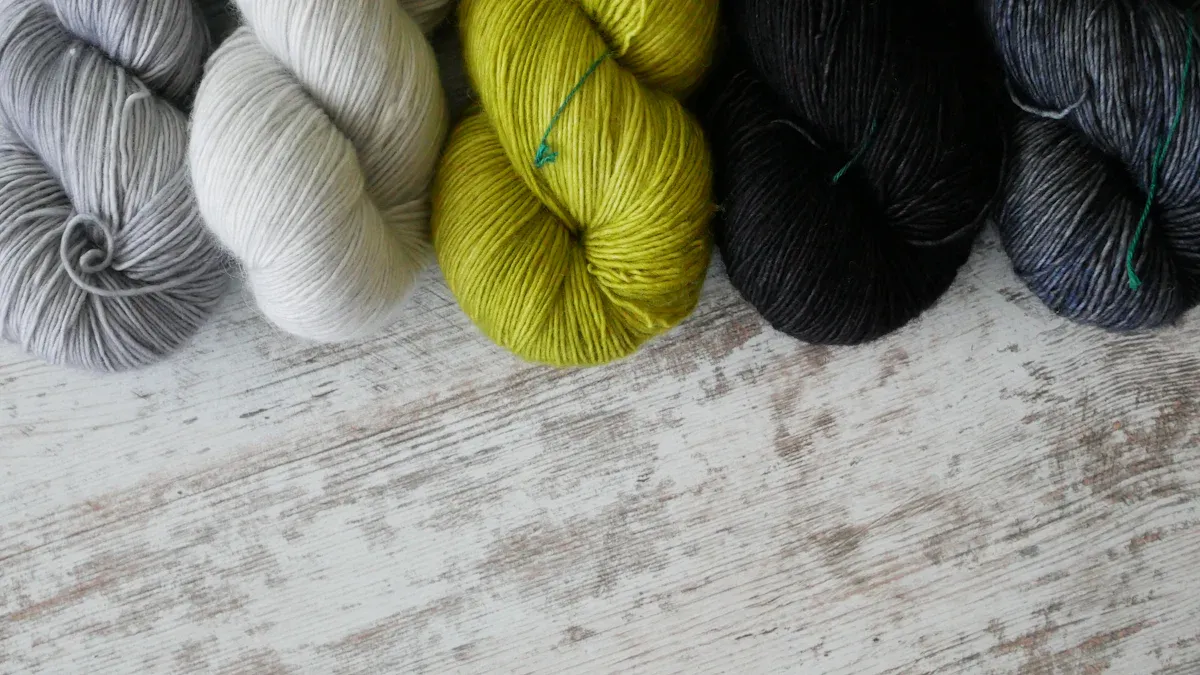
When you want to know what yarns are best for sustainable knitwear, you should look for yarns that help the earth and treat people fairly. These yarns also make clothes that last a long time. There are many good choices, but three types are very popular. These are organic cotton, recycled wool, and hemp. Let’s learn about these yarns and see how they help the planet.
Organic Cotton
Pros
Organic cotton yarn is a favorite for eco-friendly knitwear. Farmers grow organic cotton without using bad chemicals. They use crop rotation and natural ways to stop bugs. This helps the soil and lets more plants and animals live. Organic cotton uses much less water than regular cotton. This saves water and helps the earth. The yarn does not have toxic chemicals, so it is safe for farmers and you. Organic cotton yarn feels soft and gentle. It is a great choice for people who care about the planet.
Organic cotton yarn uses earth-friendly farming.
You save water and avoid bad chemicals.
The yarn is soft and good for sensitive skin.
Cons
Organic cotton yarn has some downsides. It costs more than regular cotton because farmers work harder to grow it. The yarn can pill or stretch if you use it for heavy clothes. There are not as many colors or textures as synthetic yarns. Sometimes, stores have fewer choices.
Organic cotton yarn is more expensive.
It can pill or stretch with heavy use.
There are fewer colors and textures.
Best Uses
You can use organic cotton yarn for many things. It is great for baby clothes, summer shirts, and light accessories. You can also make dishcloths, bags, and home items. Organic cotton yarn is perfect for people who want soft and eco-friendly clothes.
Tip: Pick organic cotton yarn for projects that need to be soft, like baby blankets or summer tops.
Recycled Wool
Pros
Recycled wool is a smart choice for sustainable knitwear. You help the earth by using old clothes and leftover fibers. This keeps trash out of landfills. Making recycled wool uses much less water and energy than new wool. You do not need animal farms, so there is less pollution. Recycled wool yarn is warm and strong. It often comes in cool mixed colors. You support good fashion and fair treatment when you pick recycled yarns.
Recycled wool gives old wool new life.
You save water, energy, and materials.
The process uses fewer dyes and makes less pollution.
You help cut down on waste and save resources.
Cons
Recycled wool yarn has some problems. It can feel rougher than new wool. Sometimes, it has bits of other fibers mixed in. The colors depend on the old clothes, so you might not find every color you want. Recycled yarns may not stretch as much, which can change how your clothes fit.
Recycled wool can feel rough.
There are fewer color choices.
The yarn may have mixed fibers.
Best Uses
You can use recycled wool yarn for sweaters, hats, scarves, and blankets. It is good for warm and strong clothes and accessories. Recycled wool is great for people who want eco-friendly yarns and like unique colors.
Note: Try recycled wool for warm winter projects and help lower waste in the clothing world.
Hemp
Pros
Hemp yarn is another great choice for sustainable knitwear. Hemp is a carbon-negative plant. It takes in more carbon dioxide than it gives off. You need less land and water to grow hemp than cotton. Hemp makes the soil better by adding nutrients. The plant fights bugs on its own, so farmers use fewer chemicals. Hemp yarn is strong and lasts a long time. It gets softer every time you wash it. Hemp has natural antibacterial powers and blocks UV rays. Hemp yarn breaks down in nature, so it does not hurt the earth.
Hemp yarn is renewable and carbon-negative.
You use less land and water.
The yarn is strong and gets softer over time.
Hemp fights germs and blocks UV rays.
It helps the earth and is eco-friendly.
Cons
Hemp yarn can feel stiff before you wash it. It is not easy to find in every store, and it can cost more than other plant yarns. Hemp yarn does not stretch much, so it may not work for all projects. You might need to mix it with other yarns to make it softer.
Hemp yarn feels stiff at first.
It can be pricey and hard to find.
The yarn does not stretch much.
Best Uses
You can use hemp yarn for bags, hats, summer shirts, and home items. It is good for things that need to be strong and last a long time. Hemp yarn is perfect for people who want eco-friendly and tough knitwear.
Tip: Use hemp yarn for strong accessories and clothes that need to last, like market bags or sun hats.
Benefits | |
|---|---|
Bamboo yarn | Soft, silky, and lets air through; grows fast and is renewable; best when made without chemicals. |
Ethically sourced wool | Renewable and breaks down in nature; keeps you warm and stretches; pick options that are kind to animals. |
Recycled yarns | Made from old clothes; keeps trash out of landfills; warm and strong. |
Wool-recycled blends | Mixes warmth and strength; helps the earth by lowering impact. |
When you want to know what yarns are best for sustainable knitwear, you can pick organic cotton, recycled wool, and hemp yarn. These yarns are good for the earth, last a long time, and treat people and animals fairly. They help you make nice clothes while caring for the planet and supporting good fashion.
Linen
Pros
Linen comes from the flax plant. You help the planet when you choose linen for your knitwear. Linen yarn uses much less water than cotton. It only needs about 2,500–3,000 liters of water for each kilogram, while cotton needs around 10,000 liters. Linen also uses fewer pesticides and synthetic fertilizers. This means you avoid many chemicals that can harm the earth. Linen feels cool and strong. It lasts a long time and gets softer with every wash. You can wear linen in warm weather because it lets air flow and keeps you comfortable.
Linen yarn uses less water than cotton.
Fewer pesticides and chemicals are needed.
The fiber is strong, breathable, and softens over time.
Linen works well for summer knitwear.
Cons
Linen yarn can feel stiff when you first use it. You may notice it wrinkles more than other fibers. Sometimes, linen costs more than cotton or synthetic yarns. You might find fewer color choices in stores. Linen does not stretch much, so it may not suit every project.
Linen can feel rough at first.
It wrinkles easily.
The price is sometimes higher.
Limited stretch and color options.
Best Uses
You can use linen for summer tops, lightweight sweaters, and scarves. Linen is perfect for eco-friendly yarns that keep you cool. Try linen for home items like dish towels or table runners. You get a natural look and a strong, lasting fabric.
Tip: Wash linen knitwear a few times to make it softer and more comfortable.
Bamboo
Pros
Bamboo yarn is soft and smooth. It feels gentle on your skin and lets air pass through, which keeps you cool. Bamboo grows very fast and does not need much water or land. This makes it a popular choice for sustainable knitwear. Bamboo plants can grow without many pesticides. The yarn is also naturally antibacterial, so it helps keep your clothes fresh.
Bamboo grows quickly and uses little water.
The yarn is soft, silky, and breathable.
Bamboo is naturally antibacterial.
Good for people with sensitive skin.
Cons
You need to know how bamboo yarn is made. Many companies use a process called viscose to turn bamboo into yarn. This process uses toxic chemicals like sodium hydroxide and carbon disulfide. These chemicals can harm workers and pollute the environment if not managed well. While bamboo farming can help rural communities, the chemical use and waste can hurt local ecosystems. You may also find that bamboo yarn pills or loses shape over time.
Viscose production uses harmful chemicals.
Chemical waste can damage the environment.
Yarn may pill or stretch out.
Not all bamboo yarn is truly eco-friendly.
Best Uses
You can use bamboo yarn for baby clothes, summer tops, and lightweight scarves. It works well for knitwear that needs to be soft and cool. If you want to make an eco-friendly choice, look for bamboo yarn made with closed-loop or safer processes.
Note: Always check how your bamboo yarn is made before you buy it.
Alpaca
Pros
Alpaca yarn is a great option for sustainable knitwear. Alpacas graze in ways that protect the land and help plants grow. Their grazing does not damage the soil and even promotes biodiversity. Alpaca farming supports local economies and gives a higher wool yield than sheep. Farmers shear alpacas in a humane way, which means the animals stay healthy and happy. Alpaca yarn feels soft, warm, and lightweight. It does not have lanolin, so it is less likely to cause allergies.
Aspect | Alpaca Yarn | Sheep Wool |
|---|---|---|
Sustainability | Grazing promotes biodiversity; minimal land damage | Can lead to land degradation due to grazing habits |
Animal Welfare | Shorn humanely; environmentally friendly practices | Varies; some practices may not prioritize welfare |
Economic Impact | Supports local economies; higher wool yield | Varies; generally lower yield compared to alpaca |
Alpaca grazing helps the land and plants.
Farming supports local people.
Alpacas are shorn kindly.
The yarn is soft, warm, and hypoallergenic.
Cons
Alpaca yarn can cost more than regular wool. You may find fewer color choices in stores. Sometimes, alpaca yarn can shed or pill. It may feel too warm for summer knitwear.
Higher price than sheep wool.
Limited color options.
Can shed or pill.
May be too warm for hot weather.
Best Uses
You can use alpaca yarn for sweaters, hats, scarves, and blankets. It is perfect for knitwear that needs to be warm and soft. Alpaca works well for people with wool allergies. Try it for cozy winter projects.
Tip: Choose alpaca yarn for soft, warm, and sustainable knitwear that supports animal welfare.
TENCEL
Pros
TENCEL yarn comes from fast-growing eucalyptus trees. These trees need very little water and almost no pesticides. You help the planet when you choose TENCEL for your knitwear. The production uses a closed-loop process. This means almost all the solvents get reused, so there is very little waste or pollution. TENCEL feels soft, smooth, and cool against your skin. It is strong and holds up well over time. You can compost TENCEL because it is biodegradable. This makes it a sustainable choice for your projects.
TENCEL uses wood pulp from forests that are managed well.
The process uses much less water than regular cotton.
The closed-loop system recycles 99% of solvents.
TENCEL breaks down in nature and does not harm the earth.
Step | Description |
|---|---|
1 | Wood pulp is sourced from sustainably managed forests |
2 | The wood pulp is broken down with an organic solvent to create a wet mixture |
3 | The mixture is forced through small holes to form threads |
4 | The threads are spun into yarn |
5 | The yarns are turned into fabrics |
6 | The fabrics are treated for softness, durability, and breathability |
7 | The finished fabrics are made into clothing or accessories for you to enjoy |
Cons
TENCEL yarn can cost more than other yarns. You may not find as many color choices in every store. Sometimes, TENCEL can feel slippery when you knit with it. It may not hold shape as well as wool or hemp. TENCEL can also shrink if you wash it in hot water.
Higher price than some other yarns
Fewer color options in some shops
Can feel slippery to work with
May shrink if washed in hot water
Best Uses
You can use TENCEL for summer tops, scarves, and lightweight sweaters. It works well for knitwear that needs to be soft, cool, and drape nicely. TENCEL is a good choice for people with sensitive skin. Try it for eco-friendly baby clothes or accessories.
Tip: Wash TENCEL knitwear in cool water and lay flat to dry to keep it looking its best.
Plant-Based Wool Alternatives
Soy
Soy yarn comes from the byproducts of tofu and soy milk production. You help reduce waste when you use soy yarn. It feels soft and silky, almost like cashmere. Soy yarn lets your skin breathe and keeps you comfortable. It works well for lightweight garments and is a vegan-friendly choice. You can use soy yarn for summer tops, shawls, and baby items.
Soft and silky texture
Breathable and moisture-wicking
Vegan and eco-friendly
Good for lightweight knitwear
Corn
Corn yarn is made from corn starch. This yarn is biodegradable and comes from a renewable resource. Corn yarn feels smooth and holds color well. It is strong and resists pilling. You can use corn yarn for socks, baby clothes, and light sweaters. Corn yarn is a plant-based alternative to animal fibers and supports a sustainable lifestyle.
Made from renewable corn starch
Biodegradable and compostable
Smooth and strong
Holds color well
Plant-based fibers like soy and corn give you soft, breathable, and lightweight options for your knitwear. These yarns work best for warm-weather garments or layering pieces. Animal-based fibers, like wool or alpaca, keep you warm and cozy in cold weather. You can choose the best yarn for your needs and values.
Naturally Dyed & OEKO-TEX Certified Yarns
Plant-Based Dyes
Naturally dyed yarns use colors from plants, roots, and flowers. These dyes lower the environmental impact of the dyeing process. You help protect water and soil when you pick naturally dyed yarns. These yarns often use less water and fewer chemicals. You get beautiful, earthy colors that are safe for you and the planet.
Aspect | Description |
|---|---|
Natural Dyes | Reduce the environmental footprint of the dyeing process. |
Certification Benefits
OEKO-TEX certified yarns are tested for harmful substances. You can trust that these yarns are safe for your skin and the environment. The certification also means workers stay safe during production. When you see the OEKO-TEX label, you know the yarn meets strict safety standards.
Aspect | Description |
|---|---|
OEKO-TEX Certification | Ensures yarns are free from harmful substances, promoting safety for the environment and workers. |
Environmentally friendly methods
Reduced water usage
Limited chemical dyes
Sourcing renewable fibers
Note: Look for OEKO-TEX or naturally dyed yarns to make your knitwear both safe and sustainable.
How to Choose Eco-Friendly Yarns for Knitwear
Fiber Properties & Project Needs
Softness & Durability
Think about how the yarn feels and how long it lasts. Some yarns are soft and gentle. Others are strong and tough. You want your knitwear to stay nice after many washes. Here is a table that shows which fibers work best for different projects:
Fiber Type | Key Properties | Best For |
|---|---|---|
Organic Cotton | Soft, breathable, grown without harmful pesticides | Lightweight sweaters, baby clothes |
Warm, eco-friendly, made from wool scraps | Sweaters, outerwear, cozy blankets | |
Hemp | Durable, grows quickly, needs little water | Summer tops, reusable produce bags |
Bamboo | Soft, cool to the touch, made from bamboo pulp | Summer garments, drapey projects |
You can see how yarns work for softness and durability:
Re-Cashmere is as soft as new cashmere. Use it for cozy sweaters and fancy accessories.
Re-Alpaca gives warmth and lets air through. It works for light sweaters and winter clothes.
Love My Jeans yarn is very strong. Use it for light sweaters and home decorations.
Prato Cotton feels gentle on your skin. It is great for summer tops and accessories.
Wool-Nylon Blend is warm and soft but also strong. Use it for outdoor clothes.
Cotton Blends are soft and let air through. These are good for clothes worn close to your skin.
Acrylic Blends last a long time and are easy to clean. Use them for home decorations.
Garments vs. Accessories
Pick yarn that matches your project. Soft yarns like organic cotton and bamboo are good for clothes that touch your skin. These work for sweaters and baby clothes. Strong yarns like hemp and recycled wool are better for things that need to last. Use them for bags and blankets. If you want to make hats, scarves, or socks, choose yarns that are both soft and strong.
Tip: Always check the yarn label for care instructions. This helps your knitwear stay nice and last longer.
Personal Values
Vegan Choices
Your values matter when you pick yarn. If you want vegan yarn, choose plant-based options. These include organic cotton, hemp, bamboo, soy, or corn. These yarns do not use animal products. Many people pick vegan yarns to be kind to animals and support good practices.
Local Sourcing
You help your community when you buy yarn from local makers. Local yarns travel less, so they have a smaller carbon footprint. Supporting local businesses helps the economy and builds strong communities. Your choices can change fashion and help the planet.
Certifications & Labels
GOTS, OEKO-TEX, RWS
Certifications help you find yarns that are safe and eco-friendly. GOTS is a strict certification. It checks everything from growing the fiber to making the product. GOTS also makes sure workers are treated fairly. OEKO-TEX tests yarns for bad substances. RWS focuses on animal welfare and land health for wool.
Certification | Description | Key Features |
|---|---|---|
GOTS | Global Organic Textile Standard | Requires 95% organic fibers, covers all stages, third-party certification |
RWS | Responsible Wool Standard | Focuses on animal welfare and land health, certification at every step |
OEKO-TEX® | Standard for testing textiles | Covers all stages, applies to all fibers, tests finished products |
GOTS makes sure fibers are organic and workers are treated well.
RWS checks animal welfare and the health of the land.
OEKO-TEX tests for bad substances in finished products.
Reading Yarn Labels
Always read yarn labels before you buy. Look for certification logos and fiber information. Labels tell you if the yarn is organic, recycled, or made with safe dyes. If you see GOTS, OEKO-TEX, or RWS on the label, the yarn meets high standards for safety and sustainability.
Note: Picking certified yarns helps you make eco-friendly knitwear that is safe for you and the planet.
Budget & Availability
Cost Comparison
When you choose yarn for your knitwear, you need to think about your budget. Sustainable yarns often cost more than regular yarns. You pay extra for yarns like organic cotton or recycled wool because they use eco-friendly methods. These methods protect the earth but take more time and care.
Several things can change the price of yarn:
Material source: Yarn made from rare or organic fibers usually costs more.
Production methods: Eco-friendly processes, like using less water or safer dyes, can raise the price.
Scale of production: Small farms or companies may charge more because they do not make as much yarn as big factories.
Conventional yarns, like acrylic, are cheaper. Factories make them quickly and in large amounts. Synthetic yarns use oil and chemicals, which lowers the cost. Natural fibers, like cotton or wool, need more work to grow and process. This makes them more expensive.
Here is a simple table to help you compare:
Yarn Type | Average Price (per 50g skein) | Notes |
|---|---|---|
Acrylic | $2–$4 | Cheap, made from oil, not eco-friendly |
Organic Cotton | $6–$10 | Eco-friendly, soft, costs more |
Recycled Wool | $7–$12 | Sustainable, warm, unique colors |
Hemp/Linen | $8–$14 | Durable, uses less water, higher cost |
Bamboo | $6–$12 | Soft, price depends on processing |
Tip: Sometimes, paying more for sustainable yarn means your knitwear lasts longer and feels better.
Where to Shop
You can find sustainable yarns in many places. Local yarn stores often carry eco-friendly brands. Shopping in person lets you feel the yarn and ask questions. Many online shops also sell sustainable yarns. They offer a wide range of choices and ship to your home.
Some places to look for sustainable yarns:
Local yarn shops: Support small businesses in your area.
Online retailers: Websites like KnitPicks, WEBS, and LoveCrafts have eco-friendly options.
Farmers’ markets or craft fairs: Sometimes, local farmers or artisans sell yarn made from their own animals or plants.
Direct from brands: Some companies, like Quince & Co. or Blue Sky Fibers, sell sustainable yarns on their websites.
When you shop, check the yarn label for certifications like GOTS or OEKO-TEX. These labels show the yarn meets high standards for safety and sustainability.
Note: Buying in bulk can save money if you plan a big project. If you want to try a new yarn, buy a small amount first to see if you like it.
You can find a sustainable yarn that fits your budget and your project. Take your time, compare prices, and look for sales or discounts. Your choices help support a better world for knitters and the planet.
Where to Find Sustainable Yarns
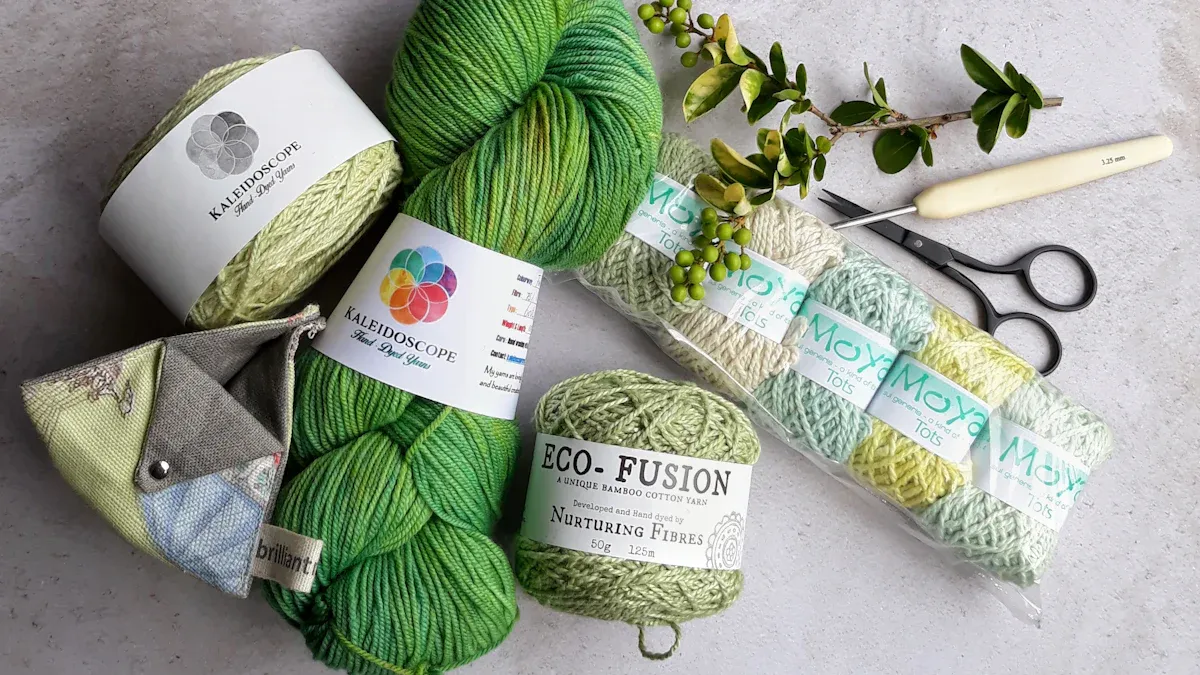
Recommended Brands & Retailers
Online Shops
You can find lots of sustainable yarns online. Some brands care about the planet and treat workers fairly. Here are some trusted choices:
Indilisi: This brand honors old crafts. Indilisi makes yarn from leftover fabrics and deadstock. Buying from them helps cut down on waste.
Artknit Studios: Artknit Studios uses only lower-impact materials for their knitwear. They work to avoid waste and use just what is needed.
Many online shops offer many kinds of sustainable yarns. You can read reviews and check for certifications before buying. Shopping online gives you more options and helps you compare prices.
Local Stores
Local yarn shops often sell eco-friendly yarns. You can feel the yarn and ask questions about its source. Some stores work with local farmers or artisans. This helps your community and lowers pollution. Farmers’ markets and craft fairs sometimes have special yarns. You may find colors or blends that are not sold online.
Tip: Ask your shop owner about each yarn’s story. You might find a new favorite.
Recognizing Certifications
Product Descriptions
Always check the product description when shopping for sustainable yarn. Look for certifications like GOTS for organic textiles. These labels show the yarn meets strict rules for the earth and workers. Brands that share clear supply chain details are more trustworthy. You should see where the fiber comes from and how it is made.
Avoiding Greenwashing
Some brands say “eco-friendly” without proof. Be careful with claims that are not clear. Look for real facts and certifications. The FTC’s Green Guides help you understand these claims. Brands that follow these guides give honest info. You can also check if a company has EPR programs or uses circular models. These steps show true care for sustainability.
Shopping Tips
Bulk vs. Small Quantities
Buying yarn in bulk can save money for big projects. Many shops give discounts when you buy more at once. If you want to try a new yarn, buy a small amount first. This lets you test the yarn before spending more.
Supporting Artisans
Support artisans by buying yarn from small businesses or local makers. You can reuse old knits by unraveling unused projects. Thrift stores and estate sales sometimes have second-hand yarn or sweaters made from natural fibers. Join online groups or second-hand yarn shops to find good deals and help good causes.
Reuse old knits to make new yarn.
Buy discontinued yarns during sales.
Plan projects and buy yarn when discounts happen.
Look in thrift stores for second-hand yarns.
Join buy/sell groups for cheap, sustainable options.
Note: Every time you pick sustainable yarn, you help the planet and support fair work.
You have lots of choices for sustainable knitwear. Each yarn helps you and the planet in different ways. Look at the table below for a simple guide:
Yarn Type | Environmental Benefits | Ethical Benefits | Best Uses |
|---|---|---|---|
Hemp | Grows fast, makes soil better | Lasts long, fights germs | Summer tops, produce bags |
Bamboo | Grows fast, needs no pesticides | Soft, cool | Shawls, cardigans |
Alpaca | Needs less water, low impact | Good for allergies, soft | Scarves, sweaters |
Linen | Uses little water, no pesticides | Strong, gets softer | Tanks, cardigans |
Certifications | Shows good practices | Fair pay | N/A |
You can help by picking eco-friendly yarns, buying from local makers, and checking for trusted labels. Every time you knit, you help the earth and people. Knit with care to make a greener world.
FAQ
What makes a yarn sustainable?
You choose a sustainable yarn when it uses renewable resources, breaks down naturally, and comes from ethical sources. Certifications like GOTS or OEKO-TEX help you find yarns that protect the planet and people.
How do you check if a yarn is eco-friendly?
You look for labels like GOTS, OEKO-TEX, or RWS on the yarn package. These labels show the yarn meets strict environmental and safety standards. You can also ask your local shop for details.
Can you use sustainable yarns for any knitting project?
You can use sustainable yarns for most projects. Some yarns work better for clothes, while others suit accessories or home items. Always check the yarn’s strength and softness before you start.
Are plant-based yarns always vegan?
You get vegan yarns when you pick plant-based options like cotton, hemp, bamboo, soy, or corn. Some yarns may mix animal fibers, so you should read the label to make sure.
Do sustainable yarns cost more than regular yarns?
You often pay more for sustainable yarns. Eco-friendly farming and fair labor raise the price. You help the planet and workers when you choose these yarns.
Where can you buy sustainable yarns?
You find sustainable yarns at local shops, online stores, and farmers’ markets. Many brands sell certified yarns on their websites. You can also look for second-hand yarns in thrift stores.
Why should you avoid synthetic yarns?
Synthetic yarns come from oil and do not break down in nature. They can shed microplastics and pollute water. You help the earth when you choose natural or recycled yarns.