
You might notice fuzz on your clothes or see tiny fibers on your knitting projects and wonder, why do some yarns shed more than others? Shedding happens because yarns have different fiber types, construction styles, and finishing processes. You do not need to worry if you spot loose fibers—this is common. Recent textile studies show that cotton/polyester blends shed more than 100% polyester fabrics. The way yarns are made and the fibers used can change how much shedding you see. Shedding is normal, and you can manage it with a few simple steps.
Key Takeaways
Yarn shedding is normal. You can control it with easy steps. Natural fibers like wool and cotton shed more. Synthetic fibers like acrylic and nylon shed less. Yarns with long staple lengths shed less. Yarns with tight twists also shed less. How you wash yarn matters. Hand washing delicate yarns helps stop fiber loss. Store yarn in bags that let air in. This keeps out dust and moisture. Pick yarns labeled ‘superwash’ or ‘mercerized’ for less shedding. Take care of your projects by brushing and de-pilling them. This keeps them looking new. Knowing about fiber types and yarn construction helps you pick the best yarn.
Why Yarn Sheds: Fiber Types
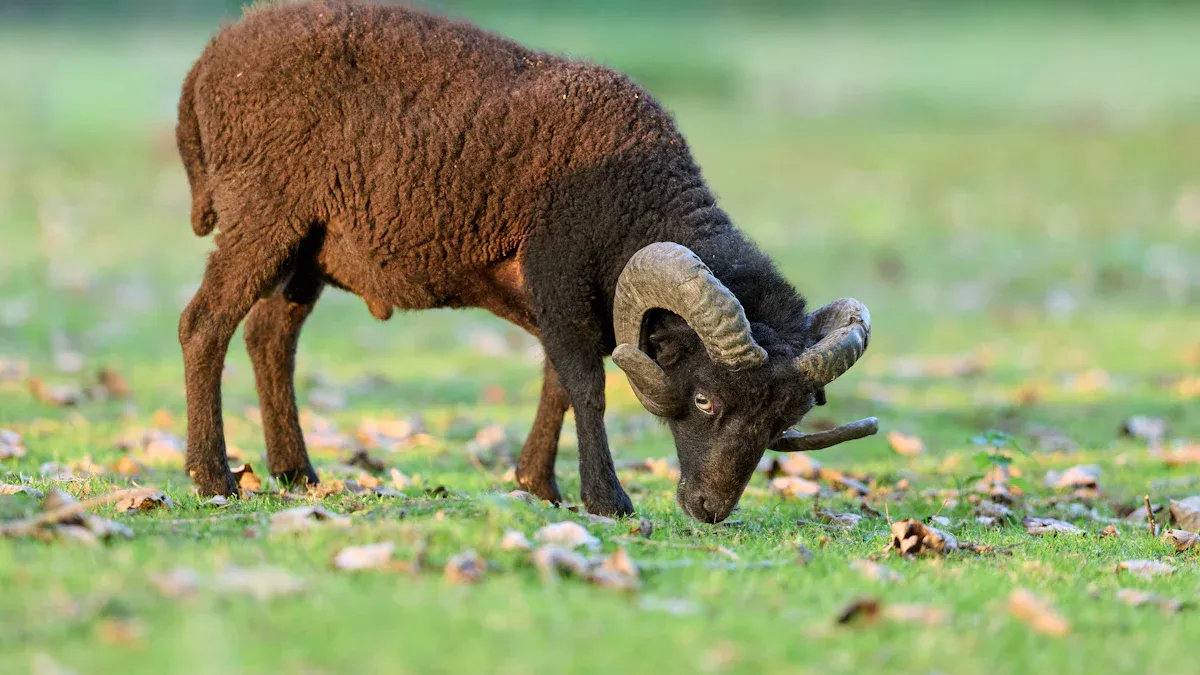
You see yarn shedding for many reasons, but the type of fiber plays a big role. Some fibers let go of tiny strands more easily than others. When you learn about fiber types, you understand why yarn sheds and how to choose the best yarn for your project.
Natural vs. Synthetic
Natural fibers and synthetic fibers behave differently. You notice more shedding with natural fibers because of their structure.
Animal Fibers (Wool, Alpaca, Mohair)
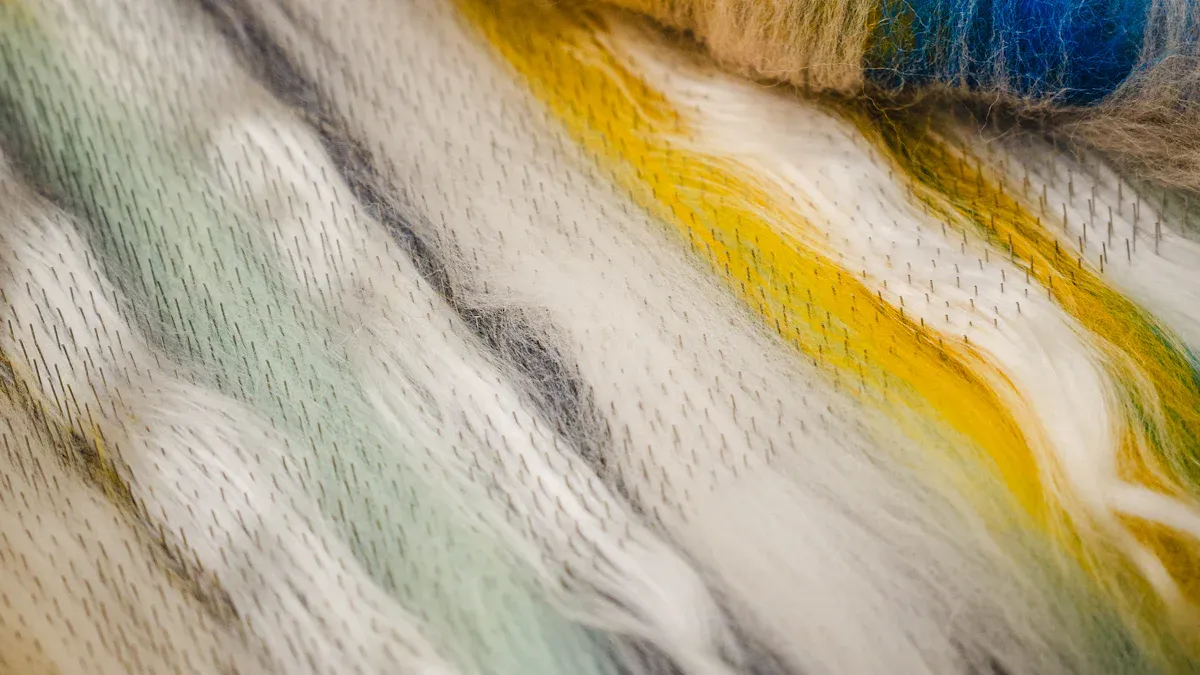
Animal fibers like wool, alpaca, and mohair come from animals. Wool is popular for its warmth and softness. You often see shedding with wool, especially with shorter staple wool. Shorter staple wool has shorter fibers, so they slip out of the yarn more easily. Long staple wool uses longer fibers, which stay in the yarn better and shed less. Alpaca and mohair also shed, but mohair can shed even more because it has a fuzzy texture.
Tip: If you want less shedding, look for yarns made with long staple wool.
Plant Fibers (Cotton, Linen)
Cotton and linen come from plants. Cotton yarn sheds more than linen. Cotton fibers are short and can slip out during washing or wearing. Linen fibers are longer and smoother, so they shed less. You may notice fuzz on your clothes after using cotton yarn.
Synthetic Fibers (Acrylic, Nylon)
Synthetic fibers like acrylic and nylon are made in factories. These fibers are smoother and stronger. You see less shedding with synthetic yarns because the fibers hold together tightly. Acrylic yarns shed less than wool, but some types can still release fibers if the yarn is loosely spun.
Here is a table showing how different yarn types shed:
Yarn Type | Shedding Level | Notes |
|---|---|---|
PET-4 | High | Released twice as many fibers compared to other fabrics. |
PET-S | Moderate | Larger degree of shedding than some other polyester fabrics. |
PET-1, PET-2, PET-3 | Low | Shed fewer fibers due to tighter knitting structure. |
Staple Length
Staple length means how long the fibers are in the yarn. Shorter fibers slip out more easily, causing more shedding.
Short vs. Long Staple
Shorter staple wool and cotton shed more because their fibers do not stay in the yarn as well.
Long staple wool and linen shed less because their fibers are longer and stronger.
Textile research shows that shorter staple fibers lead to higher shedding rates during washing. Hairier fabrics also shed more because more fibers stick out and rub off.
Natural materials like cotton and wool shed a lot due to their short spun-staple yarn construction.
Cotton textiles lose more fibers than polyester during laundry because of fuzz formation and yarn hairiness.
Fiber Texture
Texture affects shedding too. Some fibers feel smooth, while others feel fuzzy.
Smooth vs. Fuzzy
Smooth fibers like linen and nylon shed less. Fuzzy fibers like mohair and some wool types shed more. Coarser yarns shed more microfibers because more fiber ends stick out from the yarn. Polyester yarns release fewer microfibers than cotton, no matter how they are spun.
Note: If you want a yarn that sheds less, choose one with smooth, long fibers.
You now know why yarn sheds and how fiber type, staple length, and texture make a difference. When you pick yarn, think about these features to get the results you want.
Yarn Construction: Why Do Some Yarns Shed More Than Others?
When you ask, “why do some yarns shed more than others?”, you need to look at how yarns are made. Yarn construction changes how fibers hold together. This affects how much shedding you see in your projects. You can learn about spinning methods, ply structure, and yarn structure to understand why shedding happens.
Spinning Methods
The way yarn is spun makes a big difference in shedding. You see many spinning methods in yarn production. Each method twists fibers together in a unique way. Some methods create yarns that shed more than others.
Loose vs. Tight Twist
Loose twist yarns have fibers that are not tightly held. You notice more shedding because fibers slip out easily. Tight twist yarns keep fibers close together. This reduces shedding and makes the yarn stronger. If you want less shedding, choose yarns with a tight twist.
Here is a table showing common spinning methods and their features:
Spinning Method | Description |
|---|---|
Air-jet Spinning | High output, suitable for many staple fibers, produces yarn with good hairiness. |
Friction Spinning | Uses machine surface friction to twist yarn, does not need high-speed rotating parts. |
Dust Cage Spinning | A type of friction spinning using suction to twist fibers into yarn. |
Centrifugal Spinning | Uses a high-speed centrifugal tank for twisting and winding yarn. |
Ring Spinning | Draws and twists fiber strips, often used for fine yarn like wool. |
Binder Spinning | Bonds fibers together using a binder to form yarn. |
Loose spinning methods, like air-jet and friction spinning, often create yarns with more hairiness. This leads to more shedding. Ring spinning is popular for wool and fine yarns. It gives a tighter twist, so you see less shedding.
Roving Yarns
Roving yarns have very little twist. You find these in hand spun yarns and some commercial yarns. Roving yarns feel soft and fluffy, but they shed a lot. Fibers are loosely held, so they escape easily. If you use hand spun yarns with a roving style, expect more shedding.
Tip: If you want to avoid shedding, look for yarns with a firm twist instead of roving yarns.
Ply Structure
Ply structure means how many strands are twisted together to make the yarn. This changes how strong the yarn is and how much it sheds.
Single vs. Multi-Ply
Single-ply yarns use one strand. You see more shedding because fibers are not locked in tightly. Multi-ply yarns twist several strands together. This makes the yarn stronger and reduces shedding. Wool yarns often come in both single and multi-ply forms. Multi-ply wool yarns shed less than single-ply ones.
Firmly Plied Yarns
Firmly plied yarns twist strands tightly. You notice less shedding because fibers stay inside the yarn. If you want a durable project, choose a yarn with multiple plies and a firm twist.
Here is a table showing how knitting structure affects durability and shedding:
Knitting Structure | Durability Impact | Shedding Impact |
|---|---|---|
MS | High shrinkage due to loose loops, leading to agglomeration of yarns | Significant shedding during washing |
CB | Maintains structural stability, distributes tension effectively | Reduced yarn movement, limiting shedding |
PN | Minimal deformation under external forces, but allows more yarn movement | Higher potential for shedding compared to CB structure |
You see that loose loops and single-ply yarns shed more. Firmly plied yarns and stable knitting structures help limit shedding.
Yarn Structure
Yarn structure also answers the question, “why do some yarns shed more than others?” The way yarns are woven or knitted changes how fibers behave.
Twill vs. Plain Weave
Twill and plain weave are two common structures. Twill weave uses diagonal lines and longer floats. Plain weave uses a simple over-under pattern. You might think twill sheds more, but studies show plain weave can release more fibers.
Twill weave structures emit fewer microplastic fibers (4500 particles/L) than plain weave structures (4847 particles/L).
The tensile strength of twill weave (4.4 N/cm²) is higher than plain weave (3.4 N/cm²). This means twill resists stress better during washing.
Higher tensile strength leads to less fiber shedding.
You see that yarn structure matters. Twill weave holds fibers better, so you see less shedding. Plain weave lets more fibers escape, especially during laundry.
Note: If you want a project with less shedding, choose yarns and fabrics with strong structures like twill.
You also find different construction techniques in textile studies:
Cam shedding uses simple cams for basic weaves.
Dobby shedding uses devices to select harnesses for complex patterns.
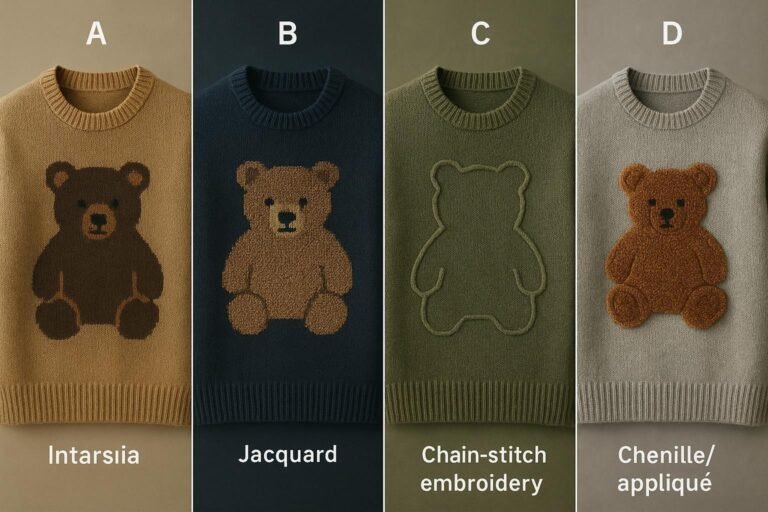
Jacquard shedding controls each yarn for intricate designs.
Complex structures like jacquard can hold fibers tightly, reducing shedding. Simple structures may let more fibers escape.
When you choose yarns, think about spinning method, ply structure, and yarn structure. These features help you answer, “why do some yarns shed more than others?” If you use wool, hand spun yarns, or roving yarns, expect more shedding. If you pick tightly twisted, multi-ply yarns with strong structures, you see less shedding. You can control shedding by understanding how yarns are made.
Processing & Finishing Effects
When you look at yarn, you might not notice how much processing changes it. These steps can make yarn stronger or softer. They can also make yarn more colorful. Processing and finishing also change how much fiber comes loose.
Chemical Treatments
Superwash, Mercerization
Chemical treatments help yarns work better for everyday use. Superwash coats wool fibers so you can wash them in a machine. This stops wool from shrinking. The process smooths the scales on wool. This helps keep fibers from coming loose. Mercerization treats cotton with a special solution. This makes cotton fibers stronger and shinier. You see less fuzz and fewer loose fibers after mercerization. Both treatments help yarns stay together. You notice less shedding in your finished projects.
Tip: If you want your project to look neat, pick yarns labeled “superwash” or “mercerized.”
Dyeing Methods
Hand-Dyed vs. Commercial
Dyeing gives yarn its color, but it also changes how fibers act. Some dyeing uses lots of heat or chemicals. These steps can make fibers weaker. Weak fibers break or shed more. Hand-dyed yarns often use gentle methods. Commercial dyeing can be harsher.
Short-staple fibers like cotton let go of more pieces than long filament yarns.
Fabrics with loose weaves or knits shed more than tight ones.
Dyeing can hurt fiber strength. Most fiber loss during production happens at this stage.
If you want yarn that sheds less, pick tightly spun yarns. Check how the yarn was dyed. Yarn dyed gently holds together better.
Fiber Stability
Impact of Processing
How yarn is spun and finished affects fiber stability. Stable fibers stay in the yarn. Unstable fibers slip out and cause fuzz. You can see how spinning and finishing change shedding in the table below:
Evidence Description | Findings |
|---|---|
Reduces fiber damage and microfiber release | |
Yarn hairiness correlation | High correlation (R2 = 0.997) with microfiber release |
Optimal spinning method | Siro Compact Spinning with twist factor of 400 minimizes shedding |
You also see different shedding rates based on how yarns are made:
Yarn Structure | Shedding Rate of FFs | Key Factors Influencing Shedding Rate |
|---|---|---|
Interlock Knitted | Higher | More shedding during washing compared to rib and jersey |
1×1 Rib | Lower | Less shedding due to structure |
Single Jersey | Lower | Less shedding due to structure |
Compact Woven | Lowest | Very tight structure and high twist in yarn |
Ring Spun | Higher | More hairiness leads to more fuzz |
Airjet Spun | Lower | Parallel fibers reduce shedding |
Rotor Spun | Lower | Twisted core fibers lower shedding |
You can see that compact woven and airjet spun yarns shed less. Ring spun and interlock knitted yarns shed more because of their structure. When you pick yarn, check how it was processed. This helps you choose yarns that stay neat and last longer.
Handling & Washing: Stop Yarn from Shedding
You can control how much yarn sheds by paying attention to how you wash, wear, and store your projects. Simple changes in your routine help keep fibers in place and make your creations last longer.
Washing Techniques
Washing yarn projects the right way helps you stop yarn from shedding. You need to think about the type of fiber and the method you use.
Hand Wash vs. Machine Wash
Hand washing works best for delicate yarns like wool. You fill a basin with cool water and add a pH-neutral cleanser. Gently move your project in the water. Avoid twisting or wringing, which can pull fibers loose. For synthetic yarns, you can use a washing machine, but you should sort blankets by material and color. Load the machine without overcrowding. Select the right water temperature for the fiber. Use the recommended amount of detergent for the size of your project.
Tip: Use enzyme-free detergents for synthetic yarns. For wool, choose a wool wash product to protect the fibers.
First Wash Effects
The first wash often releases extra fibers left from spinning and finishing. You may see more shedding after this wash, especially with wool or cotton. Adding half a cup of white vinegar to the rinse cycle helps set the fibers and reduce static. For synthetic yarns, a quarter cup of hair conditioner softens the fibers. Avoid fabric softeners on microfiber because they lower absorbency.
Washing Step | Benefit |
|---|---|
Pre-treat stains | Keeps yarn clean |
Use gentle cleansers | Protects fiber integrity |
Run full wash/rinse cycles | Removes loose fibers |
Add vinegar or conditioner | Reduces static and shedding |
Wearing & Friction
How you use your yarn projects affects shedding. Friction causes fibers to loosen and fall out.
High-Use vs. Decorative Items
Items you use every day, like blankets or sweaters, experience more friction. You see more shedding with these projects, especially if you use wool or other natural fibers. Decorative items, such as wall hangings or table runners, shed less because you handle them less often. If you want to reduce shedding, choose yarns with a tight twist for high-use items.
Note: Wool projects for daily use need gentle care to keep fibers in place.
Storage Tips
Storing yarn and finished projects the right way helps you keep fibers from shedding over time. You need to keep yarn clean and protect it from dust and moisture.
Wash your hands before handling yarn. Store yarn away from food and drinks to prevent dirt and spills.
Use protective bags for yarns that shed easily, such as those made with alpaca or mohair.
Avoid plastic bins unless they have ventilation. Plastic traps moisture, which can damage wool and other fibers. Vacuum bags protect against dust and moisture.
Choose breathable fabric bags or wooden boxes. Cotton or linen bags allow air to flow and keep yarn fresh.
Store yarn by fiber type. Wool, cotton, and synthetics need different conditions.
Give yarn enough space. Overcrowding can misshape fibers and increase shedding.
Tip: Organize your yarn stash by fiber type and use breathable storage to keep everything in good condition.
You can stop yarn from shedding by washing gently, reducing friction, and storing your yarn with care. These steps help you enjoy your projects and keep them looking their best.
How to Stop Yarn from Shedding
Choosing Low-Shedding Yarns
You want your finished project to look neat and last a long time. Choosing the right yarn helps you avoid problems with shedding. Yarn quality matters more than you might think. Low-quality yarns often shed or pill, which makes your project look worn out quickly. Poor manufacturing leaves short fibers in the yarn. These short fibers slip out and cause fuzz.
When you shop for yarn, look for these features:
Long, smooth fibers such as merino wool, cotton, or silk stay in the yarn and shed less.
High-quality yarn feels soft but not too fuzzy. Smooth yarns hold together better.
Yarn with a tight twist keeps fibers locked in place.
Multi-ply yarns shed less than single-ply yarns.
Check the label for words like “low-pill,” “superwash,” or “mercerized.” These yarns go through extra processing to reduce shedding.
Tip: If you want to handle shedding while knitting, start with yarn that uses long, smooth fibers and has a tight twist.
What to Look For
You can use this table to compare yarn features:
Yarn Feature | Why It Matters | What to Look For |
|---|---|---|
Fiber Length | Longer fibers shed less | Merino wool, silk, linen |
Yarn Twist | Tight twist holds fibers together | Firmly twisted, multi-ply |
Fiber Quality | High-quality fibers resist shedding | Soft, smooth, no fuzz |
Processing | Special treatments reduce shedding | Superwash, mercerized, low-pill |
Caring for Projects
You can keep your finished projects looking fresh by using the right care techniques. Washing, brushing, and de-pilling help you address shedding on a finished project.
Washing, Brushing, De-Pilling
Washing your project in a machine helps remove loose fibers, but only if the yarn is washable. Always check the yarn label before washing. If you use wool or other delicate fibers, hand wash with cool water and gentle soap. For sturdy yarns, use a gentle machine cycle.
Brushing your project with a soft garment brush lifts loose fuzz without damaging the yarn. You can also use a de-pilling tool to remove pills and fuzz balls. These tools shave off the loose fibers and keep your project looking new.
Wash your project gently to keep fibers in place.
Brush with a soft garment brush to remove surface fuzz.
Use a de-pilling tool for stubborn pills.
Discard old yarn that sheds too much. This saves you time and keeps your projects neat.
Note: Regular care helps you keep shedding under control and makes your handmade items last longer.
Quick Fixes
Sometimes you need a fast solution for shedding. You can try these quick fixes:
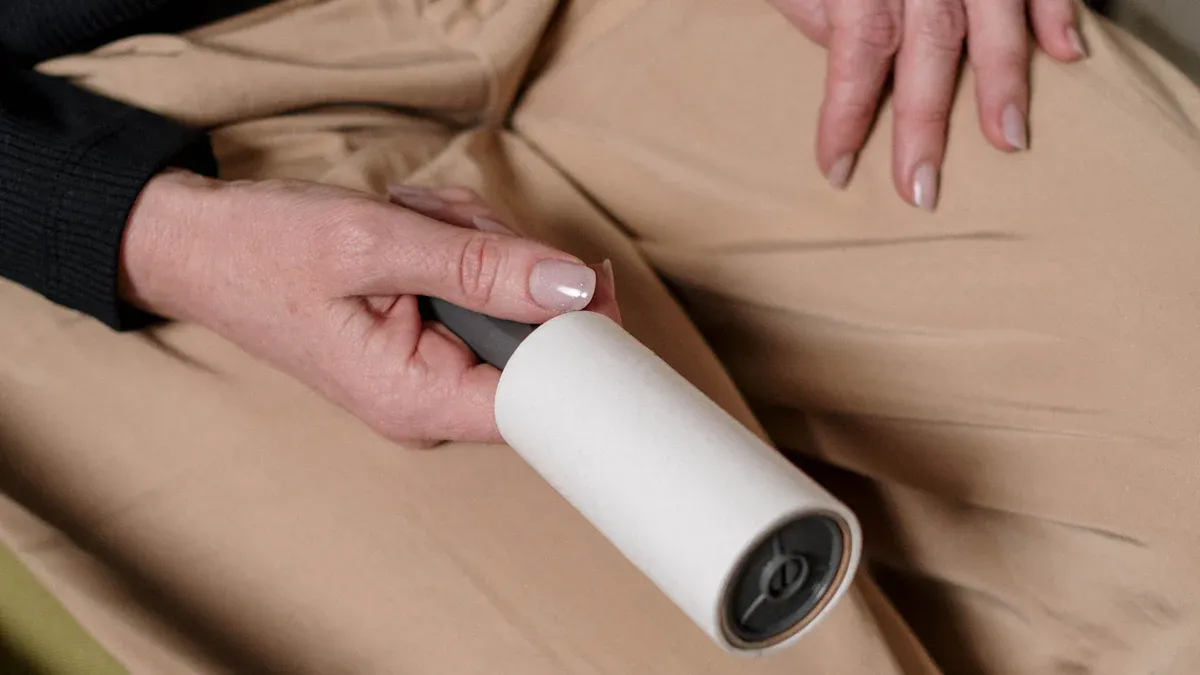
Use a lint roller to pick up loose fibers from your project.
Wrap your project in a damp towel and gently press. This helps set the fibers.
Spray a light mist of water and smooth the surface with your hand.
Store your project in a breathable bag to prevent dust and friction.
😊 These simple steps help you enjoy your projects without worrying about fuzz or loose fibers.
You can control shedding by choosing the right yarn, caring for your projects, and using quick fixes. These steps help you create beautiful, long-lasting items.
Myths About Why Yarn Sheds
Shedding vs. Quality
Some people think only cheap yarns shed, but that is not true. Expensive yarns can shed too, especially if they use certain fibers or have a loose twist. How a yarn looks or feels does not always show its real quality. Mohair and alpaca are luxury yarns, but they shed a lot because of their natural structure. Soft, fuzzy yarns often shed more than smooth, tightly spun yarns. This does not mean the yarn is bad. It just shows that fiber type and how the yarn is made matter. When picking yarn, check what fibers it uses and how it is made. Do not judge yarn quality just by how much it sheds.
Can Shedding Be Prevented?
Many people think you can stop yarn from shedding completely. But you can only make it shed less, not stop it. Studies show you can use different ways to lower shedding, but you cannot get rid of it all. The main goal is to lose less fiber and keep your projects neat. Shedding depends on the fiber’s natural traits and how the yarn is made. You can wash gently, pick yarns with a tight twist, and store your projects with care. These steps help, but you will still see some loose fibers.
You can lower shedding in many ways, but you cannot stop it fully.
The main goal is to cut down on microfiber pollution, not stop it.
Shedding is mostly affected by fiber traits and yarn properties.
You can control shedding, but you cannot stop it forever. All yarns will lose some fibers over time, no matter how good they are.
Price and Shedding
You might think expensive yarns shed less than cheap ones. But price does not always match how much a yarn sheds. The cost of polyester yarn changes with the price of oil and other raw materials. How fast factories make yarn also changes the price. Shedding from synthetic yarns like nylon and polyester depends more on how heavy and thick the fabric is, not the price. Heavier fabrics shed more because fibers come from both the top and inside layers.
Polyester yarn prices go up and down with oil and other raw material prices.
How much factories make affects yarn prices too.
Shedding from synthetic fabrics depends on how thick the material is.
Nylon and polyester shed more when the fabric is heavier per square meter.
This means fibers can come off from both the outside and inside of the fabric.
When you buy yarn, look at the fiber type, how it is made, and the overall quality. Do not think a higher price means less shedding. Always check the yarn’s features and pick what fits your project best.
Summary: Why Yarn Sheds & Solutions
Main Causes Recap
You have learned that yarn shedding happens for several reasons. Textile experts point out these main causes:
Fabric type affects how much yarn sheds. Polyester/cotton blends shed less than pure polyester or acrylic.
Washing conditions play a big role. More water during washing leads to more fiber release.
Structural characteristics matter. Loose fabric structures and worn fabrics shed more.
Yarn twist makes a difference. High-twist yarns hold fibers better and shed less.
Chemical processing, mechanical stress, and weathering also influence shedding.
You see that the way yarn is made, washed, and used all change how much shedding you notice.
Simple Steps to Stop Shedding
You can take simple steps to reduce yarn shedding in your projects. Textile finishing processes help secure fibers to the yarn. Manufacturers use coatings and treatments to keep fibers in place. Bio-polishing and special polymer finishes make yarn smoother and stronger. These techniques lower fiber breakage and shedding during washing.
You can also make smart choices at home. Use gentle washing methods and avoid rough handling. Choose high-twist yarns and tight fabric structures for less shedding. Store your yarn in breathable bags and keep your projects clean.
Here is a table to help you remember these steps:
Step | What You Can Do |
|---|---|
Pick high-twist, blended yarns | |
Wash gently | Use less water and mild detergents |
Handle with care | Avoid rough use and friction |
Store properly | Use breathable bags and clean hands |
Look for treated yarns |
You can also use domestic washing bags to catch loose fibers. Industrial filtration systems help in factories, but you control shedding best by choosing the right yarn and caring for your projects.
Encouragement
😊 You can manage yarn shedding with simple steps and smart choices. Every project teaches you something new. Do not worry if you see a little fuzz—this is normal. Textile research continues to find better ways to reduce shedding. You can enjoy your crafting and make beautiful items that last. Keep learning and experimenting. Your skills will grow, and your projects will look great!
Yarn sheds for many reasons. Fibers like polyester, nylon, acrylic, cotton, and wool let go of small strands when you wash or dye them. The amount of shedding changes with the fiber type and the environment.
Fiber Type | Shedding Characteristics |
|---|---|
Polyester | Lets out more microfibers, mostly when dyed. |
Nylon | Adds microfibers to the environment, especially in sports clothes. |
Acrylic | Used in sweaters, it sheds a lot of fibers. |
Cotton | Sheds fibers that break down naturally; some treatments can make this worse. |
Wool | Sheds less over time and is better for the planet. |
You can lower shedding by washing your yarn gently. Store your yarn so it is not packed too tight. Mesh bags help keep fibers from escaping. Check your yarn often to keep it nice. Have fun making things and do not worry—some fuzz is normal, and your crafts will still look awesome! 😊
FAQ
Why does my yarn shed after the first wash?
You see more shedding after the first wash because loose fibers left from spinning and finishing come out. Washing helps remove these extra fibers. You notice less shedding after a few washes.
Can I stop yarn from shedding completely?
You cannot stop shedding completely. You can reduce it by choosing tightly spun yarns, washing gently, and storing projects properly. Shedding is normal for most yarns.
Which yarn type sheds the least?
Synthetic yarns like acrylic and nylon shed the least. Yarns with long, smooth fibers and tight twists also shed less. You can check labels for “low-pill” or “superwash” yarns.
Does brushing my project help with shedding?
Brushing with a soft garment brush removes surface fuzz and loose fibers. You keep your project looking neat. Avoid hard brushes because they can damage delicate yarns.
Will expensive yarns always shed less?
Price does not guarantee less shedding. Expensive yarns like mohair or alpaca can shed more due to their fiber structure. Always check fiber type and yarn construction.
How do I store yarn to prevent shedding?
You keep yarn in breathable bags or boxes. Store by fiber type. Avoid overcrowding. Clean hands before handling yarn. Use vacuum bags for extra protection against dust and moisture.
Is shedding a sign of poor yarn quality?
Shedding does not always mean poor quality. Some high-quality yarns shed because of their fiber type or construction. You should look for smooth, tightly spun yarns for less shedding.