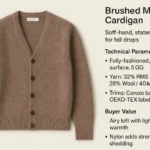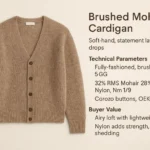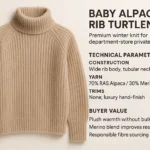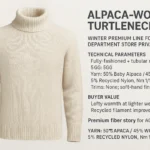

You may wonder why does yarn cost vary so much? There are a few main reasons for this. Fiber type, how it is made, store markup, and what people think it is worth all matter. These factors decide how much you pay. Here are the newest average yarn prices in world markets:
Yarn Type | 2024 Price (USD/kg) | 2025 Price (USD/kg) | Change (%) |
|---|---|---|---|
Average Price (Asia, FOB) | 3.637 | 3.47 | -4.59 |
Polyester/Cotton (65/35) | 2.543 | 2.425 | -4.64 |
Knowing these facts helps you see why yarn can be cheap or expensive. You can make better choices and see the value in each skein.
Key Takeaways
Yarn prices change because of fiber type, how it is made, and store markups. Natural fibers like wool and cotton cost more. They need extra care and more resources. Synthetic fibers are made for less money. But they can hurt the environment. Handspun yarn is special and costs more than machine-spun yarn. This is because it takes skill to make. Dyeing methods also change yarn prices. Simple dyeing costs less than hard dyeing. Buying yarn in bulk can help you save money. It also gives you the same quality for your projects. Local yarn shops give you personal service. But their prices can be higher than big chain stores. You can find better deals on yarn. Look for sales, use coupons, and check clearance sections.
Factors Affecting Yarn Prices
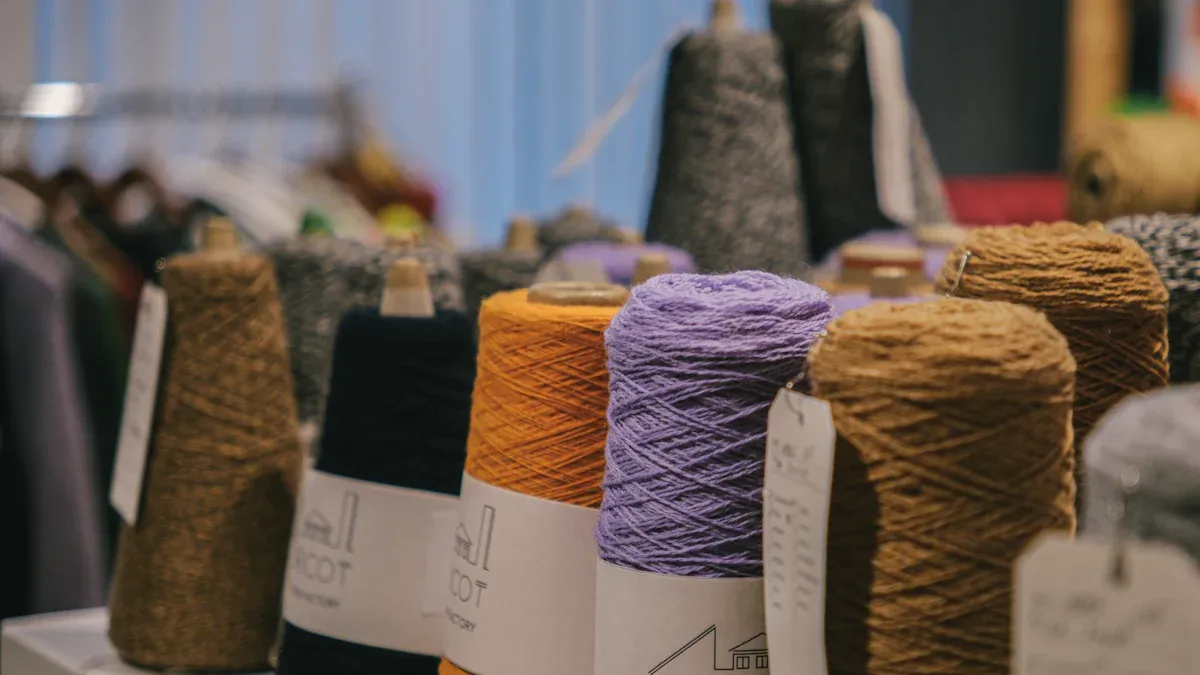
When you shop for yarn, prices can be very different. Many things change how much yarn costs. You can learn more by looking at fiber types and how yarn is made.
Fiber Types
Natural Fibers
Natural fibers come from plants or animals. Wool, cotton, and alpaca are common choices. These fibers cost more because they need special care. Farmers raise animals and shear them. They clean the wool and process it before selling. Alpaca wool is pricey because it takes a lot of work. Cotton costs more since it needs lots of water and land. Natural fibers feel soft and warm. You pay extra for their quality and the hard work.
Synthetic Fibers
Synthetic fibers are made from chemicals and oil. Acrylic and nylon are popular examples. Factories make these fibers fast with machines. You pay less for synthetic yarn because machines do most of the work. These yarns last longer and do not wear out quickly. Synthetic fibers use less water and land. But making them can hurt the environment.
Processing and Manufacturing
How yarn is made changes its price. There are differences between handspun and machine-spun yarn. Dyeing methods also matter.
Handspun vs. Machine-Spun
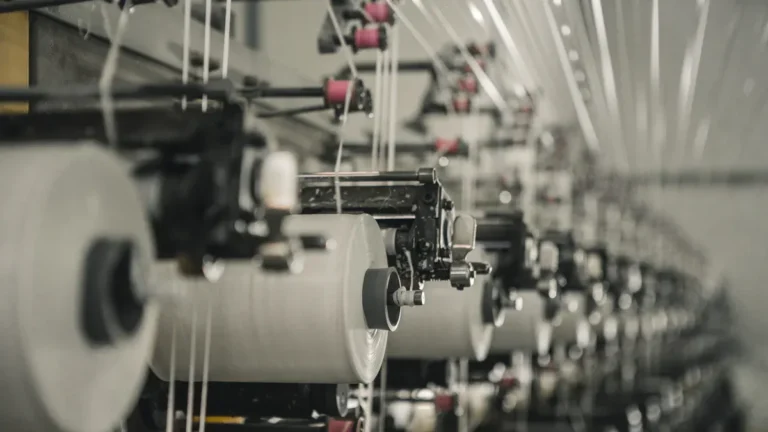
Handspun yarn costs much more than machine-spun yarn. People spin handspun yarn by hand. This takes time and skill. Machines make yarn quickly and in large amounts. Here is a table showing the price difference:
Yarn Type | Price per Pound |
|---|---|
Handspun Specialty | $101 – $110 |
Machine-Spun Wool | $52.80 – $82.24 |
Handspun yarn is unique and takes longer to make. That is why it costs more. Machine-spun yarn is cheaper because factories make a lot at once.
Dyeing and Finishing
Dyeing and finishing give yarn color and texture. Simple dyeing costs less. Special dyeing methods cost more. Each extra color adds to the price. Here is a table that shows how complexity affects price:
Complexity Level | Additional Cost |
|---|---|
Base Price | $0 |
Each Additional Color | $1 |
Yarn with many colors or special finishes costs more. These steps need skilled workers and special tools.
Tip: To save money, pick yarn with fewer colors or basic finishes.
Other Production Factors
Other things also change yarn prices. Making yarn starts with getting raw materials. This takes time and effort. Workers need training. Some yarns need careful packaging. Moving and storing yarn adds more costs. If many people want a type of yarn, prices go up. If few people want it, each skein costs more to make. Brands compete and spend money on ads and research.
Factories that make synthetic yarn use energy that pollutes the air. Cotton yarn needs lots of water and land. This can hurt the environment. Chemicals used in yarn can pollute water. Textile waste adds to landfill problems.
What buyers want also matters. Many people now want eco-friendly yarn. Brands offer more natural fibers. Brands that share clear price information build trust. When you know how yarn is made, you can choose what fits your needs and budget.
Why Does Yarn Cost Vary So Much?
You may wonder why yarn prices are so different. There are many reasons for this. Where the yarn comes from, how rare it is, how it is made, and how stores sell it all matter. When you see a price in a store, a lot has happened before that. Let’s look at the main things that make yarn prices change. This will help you see what affects the cost.
Sourcing and Rarity
Exotic and Imported Fibers
Some yarns use special or imported fibers. These fibers come from animals or plants that are not common. For example, cashmere, qiviut, and silk are rare. These yarns cost more because they are hard to get and ship. Bringing yarn from other countries adds extra costs. Tariffs and trade rules also change the price. Here are some ways world trade changes what you pay:
Tariffs make shipping yarn across borders cost more.
Brands add these costs to the price you pay.
Yarn from countries with trade deals may have lower tariffs.
Tariffs can make imported yarn cost more in stores.
Trade deals can lower tariffs, so yarn gets cheaper.
When you buy yarn made from rare fibers, you help keep the market diverse. You also pay more because of these extra steps.
Local vs. Global Production
Yarn made close to home often costs less than yarn from far away. Local yarn skips many shipping and tariff costs. You also help local farmers and small shops. Yarn from other countries gives you more choices, but prices can rise because of shipping and money changes. Yarn prices change when world events affect supply and demand. For example, the COVID-19 pandemic caused problems with shipping. Factories closed, and shipping slowed down. Prices went down, then up as things changed. Inflation and higher energy costs also made yarn more expensive. You see these changes in stores when prices go up or down.
Retail Markup
Operational Costs
Stores have to pay for rent, workers, and lights. These costs get added to the price of yarn. If you shop at a fancy store, you pay for nice displays and helpful workers. Online stores may have fewer costs, so prices can be lower. Stores also spend money on ads and packaging. These costs are added to the yarn price. You pay more in stores that offer more help.
Store Types
Different stores set prices in their own ways. Big chain stores buy lots of yarn at once, so they can sell it for less. Small shops and boutiques sell special yarns in small amounts. These stores charge more because they offer unique yarn and personal help. You might pay more at a local shop, but you get good advice. Chain stores keep prices low by selling a lot. Boutique shops focus on rare yarns, so prices are higher.
Note: Seasons and fashion trends also change what you pay. In spring and summer, people want lighter yarns and bright colors. This makes some yarns cost more. In fall and winter, people want warm yarns like wool. These changes affect how much yarn costs. You see prices go up and down as seasons change.
So, when you ask why yarn prices change, remember that where it comes from, how rare it is, how it is made, and how stores sell it all matter. Yarn prices change because of world trade, store types, and seasons. Knowing these things helps you make smart choices and get the best deal for your projects.
Yarn Prices and Quality
Quality Indicators
Weight, Ply, Texture
You can look at yarn quality to guess the price. Weight shows if yarn is thick or thin. Labels say things like lace, worsted, or bulky. Ply means how many strands are twisted together. More plies make yarn stronger and smoother. Texture is how the yarn feels in your hand. Some yarn feels soft and fluffy. Other yarn feels rough or firm. Natural fiber yarns are often softer and have deeper color. Synthetic yarn can feel smooth and last longer. When you compare yarn, softness, strength, and shine change the price.
Tip: Touch yarn before you buy it. You will notice the texture and weight.
Certifications
Certifications can make yarn cost more. You might see labels like organic, Fair Trade, or eco-friendly. These labels mean the yarn follows special rules. Producers must do extra steps to get these certifications. Fairtrade sets a lowest price for certified yarn. If the market price is higher, producers get that price or a better one. This helps farmers and workers stay safe and earn fair pay. You pay more for certified yarn because it supports good jobs and safe work.
Certification Type | Impact on Yarn Prices | Producer Benefit |
|---|---|---|
Organic | Higher | Healthier environment |
Fair Trade | Baseline price | Fair wages, safe work |
Eco-Friendly | Higher | Sustainable practices |
Perceived Value
Specialty and Premium Yarns
Perceived value is a big reason why yarn costs more. Specialty and premium yarns are more expensive because they are special. Handmade yarn is different because people make it with skill. You pay extra for real quality and care. Rare materials and fair production also raise the price. When you buy premium yarn, you help skilled workers and special ways of making yarn.
Handmade yarn costs more because it is unique and made with skill.
You pay more for real quality, which makes the value higher.
Rare materials and fair work make the price and value go up.
Yarn prices are not just about the cost of materials. Quality, certifications, and what people think of the yarn all matter. When you pick yarn, you help farmers, workers, and fair business. You get better results for your projects and help make the market better.
Business Scale and Distribution
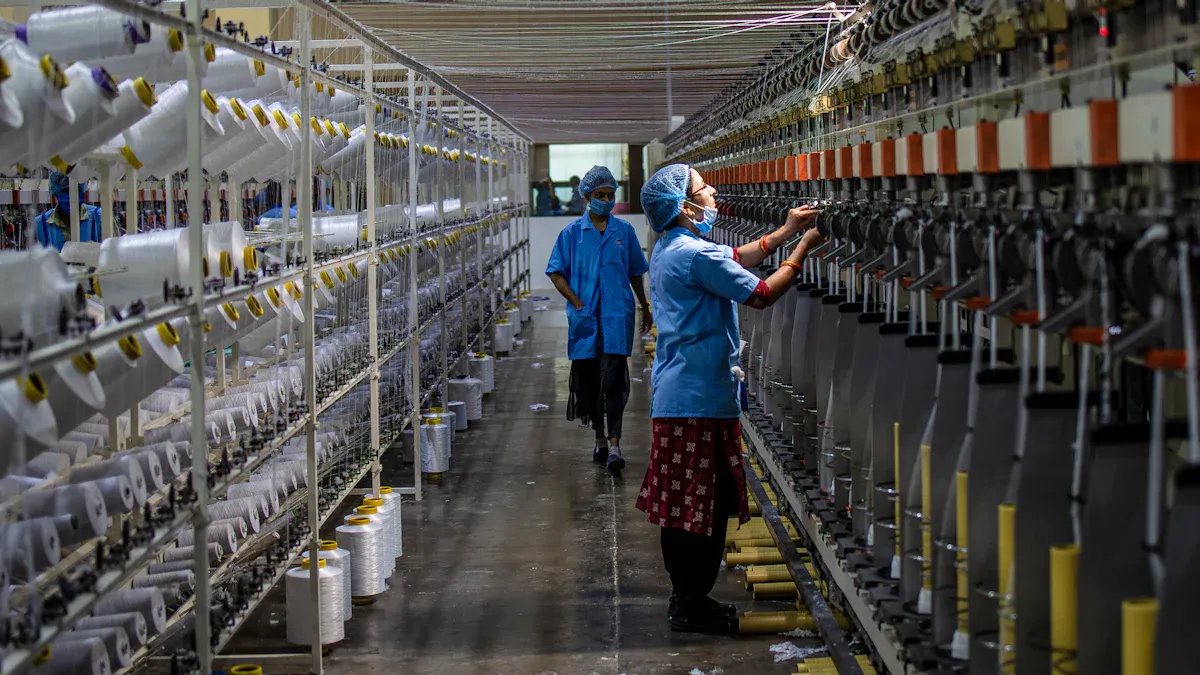
Indie vs. Large Brands
You see many choices when you visit a yarn shop. Indie brands and large companies both offer yarn, but they work in different ways. Indie brands often make yarn in small batches. They focus on quality and unique colors. Large brands produce yarn in big factories. They sell more yarn at lower prices.
Here is a table that shows how some brands compare:
Brand | Price Range | Quality | Specialty |
|---|---|---|---|
Lion Brand Yarn | $6-12/skein | High | Garment staples, specialty yarns |
Yarnspirations | $5-10 | Average | Budget-friendly acrylic yarns |
We Are Knitters | High | Luxury | High-quality yarns, limited inventory |
Indie brands like We Are Knitters offer luxury yarn with special colors. You pay more for these because they are rare and made with care. Large brands like Lion Brand Yarn and Yarnspirations sell yarn for less. They make yarn in big batches, so the price drops.
Small Batch vs. Mass Market
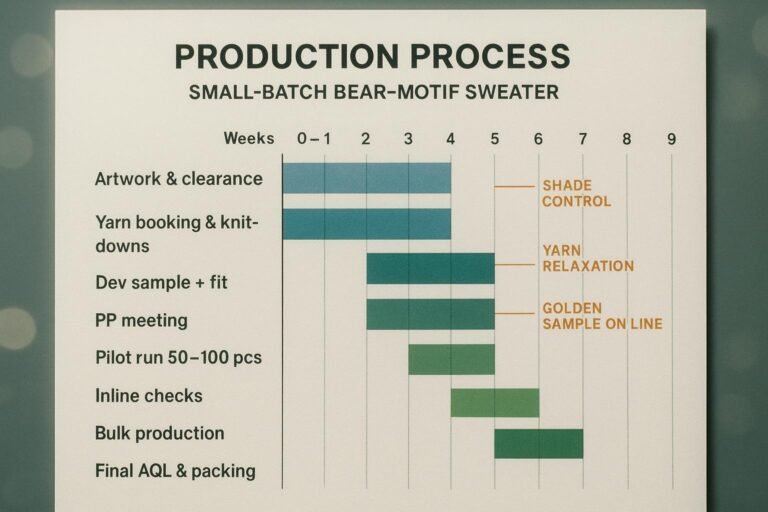
Small batch production means a yarn shop makes fewer skeins at a time. You pay more for these because the cost to develop each skein is higher. If a yarn shop makes 50 skeins, the cost for each is much higher than if they make 5,000. Mass market brands spread their costs over thousands of skeins. This makes each skein cheaper for you.
Tip: If you want a unique color or texture, try small batch yarn from an indie yarn shop. If you need lots of yarn for a big project, mass market brands help you save money.
Local vs. Chain Stores
You find different experiences when you shop at a local yarn shop or a chain store. Local stores give you a cozy feeling. You meet owners who care about your projects. Chain stores focus on selling lots of yarn at low prices.
Selection and Pricing
A local yarn shop has a small selection. You find acrylic yarn and some specialty yarns like Cascade or Lion Brand Fishermen’s Wool.
The owner of a local yarn shop welcomes you and hosts knitting gatherings. You feel part of a community.
Chain stores like Wal-Mart offer mostly synthetic yarn. You see little variety in fibers such as wool or alpaca.
Wal-Mart’s yarn selection is mostly synthetic, with some cotton. You do not find high-quality options.
Local yarn shops offer more choices in fiber types. You find wool, alpaca, and blends. Chain stores lack these options.
You notice that local yarn shops charge more for specialty yarns. Chain stores keep prices low but offer fewer choices. If you want advice and a friendly place to shop, visit a local yarn shop. If you need basic yarn for a simple project, chain stores help you save money.
Saving Money on Yarn
Comparing Yarn Types
You want to get the best value for your money when you buy yarn. Start by thinking about your project. Cotton works well for summer clothes. Wool keeps you warm in winter. Pick the fiber that fits your needs. Check the color and texture. Make sure they match across all skeins if you buy many at once. Look at the reputation of the supplier. Reliable brands test their yarn for quality. If you plan to store yarn for future use, choose types that stay strong over time.
Choose yarn based on your project’s needs.
Check color and texture for consistency.
Research the supplier’s reputation.
Think about how well the yarn stores for future use.
Shopping Strategies
You can lower the price of yarn by using smart shopping strategies. Many stores offer coupons. You can stack a coupon with a sale for bigger savings. For example, a 20% off coupon on top of a 25% sale gives you a better deal. Clearance sections often have yarn at deep discounts. Stores mark down yarn when they stop selling certain lines or change seasons. You find good deals if you shop at the right time.
Use coupons for extra savings.
Shop clearance sections for discounted yarn.
Wait for seasonal sales to get better prices.
Tip: Sign up for store newsletters. You get alerts about sales and special offers.
Bulk Buying and Substitutes
Buying yarn in bulk helps you save money. The cost per skein drops when you buy more at once. Bulk purchases also give you consistent quality. You avoid problems with color changes or discontinued lines. If you work on big projects, buying in bulk makes sense. You can join craft groups to buy together and split the cost. Local stores sometimes offer discounts for larger purchases. Community swap events let you trade yarn with others. Online marketplaces have seasonal sales and bulk deals.
Bulk buying lowers the price of yarn per skein.
Consistent quality in bulk yarn reduces waste.
Buying more helps you avoid color changes or discontinued lines.
Join craft groups or swap events for better deals.
Compare prices online and look for seasonal sales.
Note: If you cannot find the exact yarn for your project, look for substitutes. Many patterns work with different yarn types. You can use a similar weight or fiber to save money.
You can save money by comparing yarn types, using smart shopping strategies, and buying in bulk or finding substitutes. These tips help you get the most value for your projects.
Many things change how much yarn costs. Fiber type, how it is made, store prices, and what people want all matter. The table below shows how each thing affects the price:
Factor | Impact on Yarn Prices |
|---|---|
Raw Material Costs | If cotton or wool costs more, making yarn costs more. |
Supply Chain Issues | Slow shipping and not enough workers make prices go up. |
Retail Markups | Stores set prices in different ways. |
Competition | More choices can make yarn cheaper, but high demand can make it cost more. |
Market Demand | DIY crafts and eco-friendly yarn make prices higher. |
Economic Policies | Tariffs and trade rules change how much yarn costs. |
When you choose yarn, think about quality, price, and what you want to make. Soft yarn, pretty colors, and easy knitting help you enjoy your project. Cheap yarn lets you try new ideas and join group crafts. Have fun looking at colors and textures as you pick yarn for your next project! 🧶
FAQ
Why does the price of yarn change so often?
Yarn prices go up and down for many reasons. Suppliers change prices when demand or fiber supply changes. Shipping problems can also make prices rise. Stores change prices for new trends or seasons. When brands release new yarn, prices can shift. Big world events can also change how much yarn costs.
Does higher price always mean better quality?
A higher price does not always mean better yarn. Some yarns cost more because of fancy brands or nice packaging. You should look at the fiber type and how it feels. Check for certifications too. Sometimes, you find good yarn for less if you compare.
Why do natural fibers cost more than synthetic ones?
Natural fibers cost more because farmers work hard to raise animals or plants. Making these fibers takes more time and skill. Machines make synthetic yarn fast, so it costs less. That is why you see a price difference in stores.
How do store types affect yarn price?
Chain stores sell yarn for less because they buy a lot at once. Local shops charge more for special yarn and personal help. Boutiques cost more because they have unique yarns. Online stores can be cheaper since they have fewer costs.
Can I save money by buying yarn in bulk?
You pay less for each skein when you buy in bulk. Stores give discounts for bigger orders. You avoid price jumps if yarn gets discontinued. Craft groups sometimes buy together to save money.
What makes some yarns cost so much more than others?
Some yarns cost more because they use rare fibers or are hand-dyed. Small batch yarns are also pricier. Shipping from far away adds to the cost. Certifications and eco-friendly steps raise prices too. You can see these reasons on the label.
How do seasonal trends affect yarn price?
Prices go up for popular colors or fibers in some seasons. Wool costs more in winter, and cotton costs more in summer. Fashion trends also change prices when people want new styles.
Is there a way to predict future yarn price changes?
You can check market news and fiber supply updates. Brands tell you about price changes before new yarn comes out. Prices rise when shipping or raw materials get more expensive. If you stay informed, you can plan and avoid big price jumps.