

You may ask, Why Is Nothing 100% Cotton Anymore? Rising costs, climate change, and new synthetic blends make 100% cotton clothing hard to find in 2025. You see fewer cotton clothes because farmers struggle with drought and factories pay more for cotton. Brands now mix cotton with other fibers to save money and create stronger fabrics. You face higher prices and more searching when you want pure cotton. Look for tips here to help you find real 100% cotton garments.
Key Takeaways
-
Prices are going up and climate change is making 100% cotton clothes rare. Brands mix cotton with man-made fibers to save money. This also makes the fabric stronger. Always check the label for ‘100% cotton’ if you do not want blends. Look for certifications like GOTS and OKEO-Tex to make sure the cotton is good and eco-friendly. Cotton blends last longer and are easier to wash than pure cotton. You can find more real cotton at special stores and vintage shops. Ask store workers where their cotton comes from to know more. What you buy can make brands use better cotton in the future.
Why Is Nothing 100% Cotton Anymore?
Rising Costs of Cotton
Global price increases
You might ask why clothes are not 100% cotton now. The main reason is price. Between 2020 and 2025, cotton prices went down. This happened because fewer people wanted cotton and other countries grew more. Even with low prices, farmers pay a lot for seeds and water. Chemicals also cost a lot. There is too much cotton, but not enough people want to buy it. Farmers have trouble making money. Brands use cheaper ways to make clothes, so you see less cotton.
Labor and manufacturing expenses
Making cotton clothes costs a lot in factories. Workers need fair pay for their work. Factories have bills to pay too. If you buy cotton clothes from places with good working conditions, prices go up. Many brands mix cotton with synthetic fibers to save money. This keeps prices lower for you. But it means you see less pure cotton in stores.
Environmental and Climate Challenges
Drought and crop failures
Climate change makes growing cotton harder. Droughts and heat waves hurt cotton plants. Rain patterns keep changing. Cotton does not grow well when the weather is bad. Water shortages make it hard for farmers to grow enough cotton. Bad weather means smaller harvests. That is why you see fewer cotton clothes.
-
Water shortages make it hard to grow cotton.
-
Hot weather and droughts lower cotton crops.
-
Cotton plants have trouble with too much or too little water.
Sustainability concerns
Big cotton farms use lots of land and water. They sometimes use chemicals that hurt the soil and animals. People worry about how cotton farming affects nature. You want clothes made in ways that help the planet. Not all brands follow these rules. Some farms try to protect the land and workers, but it takes time. Only a few brands use mostly certified cotton.
-
Losing plants and animals from farming
-
Good jobs for cotton workers
-
Helping women in farming
-
Fighting climate change
-
Using fewer chemicals and keeping soil healthy
-
Saving water and helping farmers live better
Shift to Synthetics in Fashion
Industry trends in 2025
Fashion brands use more synthetic fibers now. In 2025, many clothes have more than half synthetic materials. Only a few companies use mostly cotton. Synthetic fibers like polyester and nylon are popular. They cost less and last longer. Brands want to save money and give you cheaper clothes.
-
Fashion uses more synthetic fibers now.
-
Brands do not always say where cotton comes from.
-
Only a few brands use mostly certified cotton.
Synthetic blends over cotton
Blended fabrics have many good points. Brands mix cotton with synthetic fibers to make clothes stronger. These blends are easier to wash and care for. Synthetics do not shrink or fade much. Clothes look neat after drying, so you iron less. Blends keep colors bright and cost less than pure cotton.
|
Reason |
Description |
|---|---|
|
Shrinkage |
Blends do not shrink much after washing. |
|
Durability |
Synthetic fibers make clothes last longer. |
|
Cost |
Cotton-poly blends cost less than pure cotton. |
|
Comfort |
Stretchy fibers make clothes comfy for sports. |
|
Ease of Care |
Blends do not wrinkle much and need less ironing. |
Brands pick blends because they are easy and cheap. Synthetics help clothes last longer and look good after many washes. Cotton blends give comfort and other benefits. You see less pure cotton, but you get more choices that fit your needs and budget.
Note: If you care about the planet, look for brands that use certified cotton and good farming methods. This helps nature and supports better ways to grow cotton.
Cotton Clothes vs. Blends
Common Blends in 2025
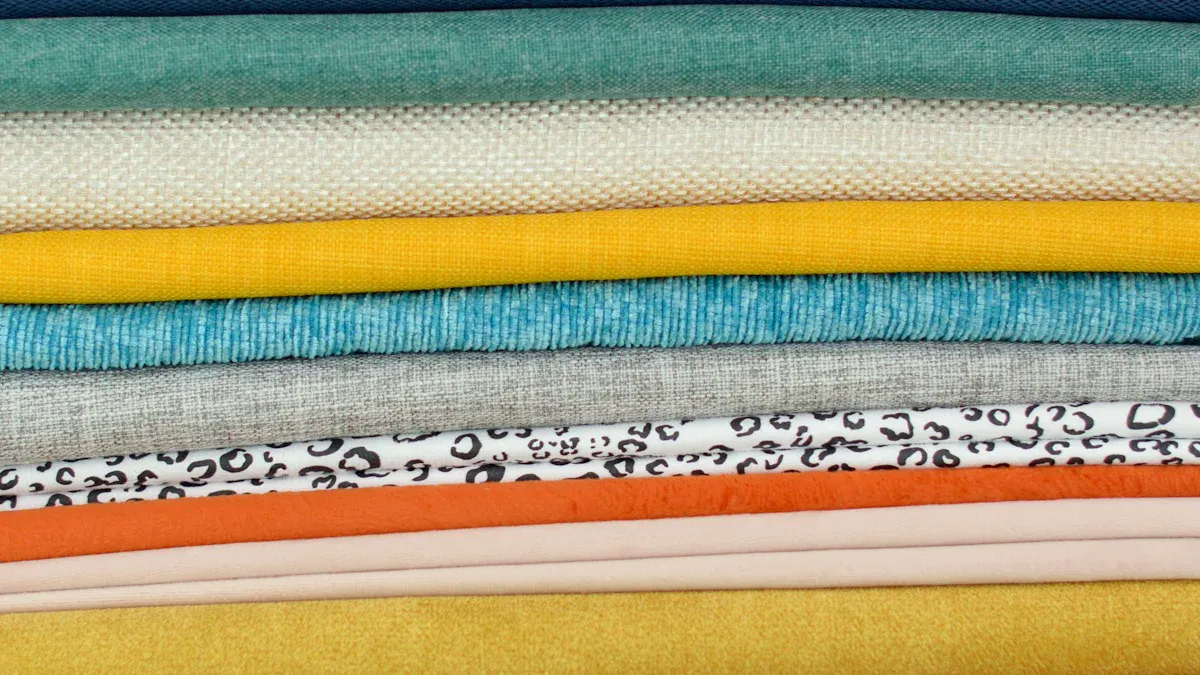
You see many types of cotton blends in stores today. Most brands mix cotton with other fibers to make clothes that fit your needs. Here is a table that shows the most common blends, their fiber makeup, and where you find them:
|
Cotton Blend |
Typical Fiber Composition |
Common Uses |
|---|---|---|
|
Cotton-Polyester |
Cotton + Polyester |
T-shirts, sheets, home decor, workwear |
|
Cotton-Linen |
Cotton + Linen |
Summer clothing, dresses, lightweight quilts |
|
Cotton-Modal |
Cotton + Modal |
Loungewear, dresses, luxurious quilts |
|
Cotton-Spandex |
Cotton + Spandex |
Activewear, leggings, form-fitting clothing |
|
Cotton-Nylon |
Cotton + Nylon |
Bags, outerwear, sporty projects |
|
Cotton-Rayon |
Cotton + Rayon |
Flowy dresses, quilting projects |
|
Cotton-Silk |
Cotton + Silk |
Elegant garments, upscale quilts |
You find cotton-polyester blends in many cotton clothes, like T-shirts and uniforms. Cotton-modal blends feel soft and smooth, so you see them in loungewear and dresses. Cotton-linen blends keep you cool in summer. Each blend gives you a mix of natural and synthetic fibers.
Cotton-polyester
Cotton-polyester blends stay popular in 2025. You get strong, easy-care cotton clothes that last longer. Polyester adds strength and helps the fabric dry fast. These blends work well for busy days and school uniforms.
Cotton-modal and others
Cotton-modal blends feel soft and smooth. You enjoy these blends in pajamas and dresses. Cotton-spandex blends stretch and move with you, so they fit well for sports and play. Cotton-linen blends keep you cool when it is hot. You find many choices that mix natural comfort with new technology.
Why Brands Choose Blends
Cost-effectiveness
Brands pick blends to save money. Making 100% cotton clothes costs more because cotton prices change and farming takes a lot of work. Blends use less cotton and more synthetic or natural fibers, which lowers the price. Here is a table that shows how costs compare:
|
Fabric Type |
Cost per Yard (2024) |
Cost Premium Over 100% Cotton |
|---|---|---|
|
100% Cotton Denim |
$3.80–$4.20 |
N/A |
|
Stretch Blends |
$5.20–$5.80 |
10–20% |
|
Optimized Blends |
$4.50–$4.80 |
Narrowed Premium |
You pay less for blends than for pure cotton. Brands can offer more styles and colors at lower prices.
Durability and flexibility
Blends make cotton clothes last longer. Polyester and nylon add strength, so your clothes do not tear or fade as fast. Spandex and elastane give stretch, so your clothes move with you and keep their shape. You get more use from each item.
-
Cotton blends last longer and stay strong.
-
Stretchy fibers help your clothes fit better.
-
You wash and wear blends many times without damage.
Pros and Cons for Consumers
Benefits of blends
You get many benefits from cotton blends. These blends last longer, cost less, and need less care. You spend less time ironing and washing. Blends work well for busy days and active play.
|
Feature |
100% Cotton |
Cotton Blends |
|---|---|---|
|
Comfort |
Soft and breathable |
Less breathable due to synthetic fibers |
|
Durability |
Wrinkles easily, can shrink |
More durable, resists pilling and fading |
|
Maintenance |
Requires more care |
Low maintenance, less ironing needed |
|
Cost |
Generally more expensive |
More affordable |
|
Environmental Impact |
Better for the planet, especially organic |
May contribute to microplastic pollution |
|
Skin Sensitivity |
Hypoallergenic, safe for sensitive skin |
May irritate sensitive skin |
Tip: Choose cotton blends for school uniforms, play clothes, and items you wash often. You save money and time.
Downsides for pure cotton seekers
You may miss the feel of natural cotton if you want only cotton clothes. Blends can feel less soft and may not breathe as well. Some blends use synthetic fibers that can bother your skin. If you care about the planet, you may worry about microplastics from synthetic fibers. Pure cotton, especially organic, feels gentle and safe for your skin.
-
Pick 100% cotton for sleepwear and innerwear if you want comfort and skin health.
-
Look for natural fibers if you have sensitive skin.
-
Think about the environment when you shop for new clothes.
The Impact on Shoppers
Finding 100% Cotton Clothing
Label checking tips
It can be hard to find 100% cotton clothes. Labels sometimes use confusing words. Brands mix fibers and use tricky names. Always check the tag inside your clothes. Look for “100% cotton” or “pure cotton” on the label. If you see “cotton blend,” it has other fibers. Some brands show the percentage of cotton and other materials. Read every label before you buy anything. When shopping online, zoom in on product photos. This helps you see fabric details. Ask store workers if you are not sure about the quality.
Tip: Labels with clear fiber percentages help you pick good cotton clothes. If you see unclear words, ask questions or choose something else.
Certifications to look for
Certifications help you trust your cotton clothes. Look for special marks that show the cotton is high-quality. These marks prove the cotton is real and safe. Here is a table with trusted certifications:
|
Certification |
Description |
|---|---|
|
GOTS |
Guarantees sustainable and organic practices, covering organic farming, fair labor, and eco-friendly manufacturing. |
|
OKEO-Tex 100 |
Ensures the product is free from over 100 harmful chemicals, promoting safety for consumers and the environment. |
|
USDA Organic |
Confirms that cotton is grown without GMOs, herbicides, or pesticides, ensuring authenticity. |
You see these marks on tags or packaging. They help you pick good cotton clothes and avoid fake ones.
Price and Value Changes
Why 100% cotton costs more
You notice 100% cotton clothes cost more now. Many things make prices go up. Farmers pay more for seeds, water, and workers. The support price for cotton rises, so factories spend more. Shipping delays and supply problems add extra costs. Fashion trends and demand for good cotton also raise prices. You pay more because brands use better materials and safer ways to make clothes.
|
Factor |
Description |
|---|---|
|
Minimum Support Price (MSP) |
Increased MSP for cotton raises costs for processors and manufacturers, leading to higher retail prices. |
|
Rising Input Costs |
Higher costs for fertilizers, pesticides, and labor increase production costs, affecting retail prices. |
|
Economic Conditions |
Strong economies boost consumer spending, increasing demand for cotton products and driving up prices. |
|
Fashion Trends |
Shifts towards organic cotton can raise prices due to higher production costs. |
|
Consumer Preferences |
Growing demand for sustainable materials leads to increased prices for eco-friendly cotton. |
|
Logistics Challenges |
Shipping delays and disruptions can raise costs, impacting retail prices. |
|
Supply Chain Bottlenecks |
Delays force manufacturers to pay more for raw materials, increasing production costs. |
|
Market Speculation |
Predictions by traders can cause price fluctuations, impacting retail pricing. |
Is it worth the price?
You may wonder if paying more for cotton is smart. When you buy 100% cotton, you get comfort and breathability. High-quality cotton feels soft and lasts longer. You avoid skin problems and enjoy better clothes. Many people pick cotton for sleepwear, shirts, and daily wear. You help better farming and safer factories. If you care about comfort and quality, paying more makes sense.
Note: Good cotton clothes last longer and feel better. You save money because you do not replace them often.
Shopping Experience in 2025
Scarcity of pure cotton
You see fewer 100% cotton clothes in stores. Brands sell more blends and synthetic fabrics. Pure cotton clothes become rare and special. You search longer and visit more shops to find them. Many shoppers feel upset by the small choices.
Increased research needed
You spend more time looking before you buy cotton clothes. You read labels, check certifications, and compare brands. Online shopping helps you find rare cotton clothes. The cotton industry uses new ads to win back shoppers. You see pop-up events and special deals for good cotton. E-commerce makes it easier to find cotton clothes, but you must watch out for fake claims.
|
Evidence |
Description |
|---|---|
|
The cotton industry is adapting its marketing strategies to regain market share lost to man-made fibers and foreign competitors. |
|
|
Digital Shopping Growth |
The rise of e-commerce has transformed consumer interactions with brands, making online shopping more prevalent. |
|
Consumer Engagement Events |
Events like the cotton pop-up shop in Dallas attracted hundreds of shoppers, showcasing the industry’s efforts to promote cotton clothing. |
Tip: Always check for certifications and read reviews before you buy. You find the best cotton clothes when you stay patient and informed.
Will 100% Cotton Come Back?
Market Trends and Predictions
You might wonder if more 100% cotton clothes will appear soon. Many people care about comfort and the planet. About 68% of shoppers say fabric quality is most important for casual clothes. This means lots of people want natural materials like cotton. Experts think the market for 100% cotton clothes will grow. More people want fashion that is good for the earth. Cotton breaks down easily and needs less energy to make than many synthetic fabrics. These facts make cotton a favorite for people who care about the environment.
Niche brands and slow fashion
You can find more cotton clothes from small brands and slow fashion. These brands focus on:
-
Using earth-friendly ways and fair sources, which makes more people want cotton clothes.
-
Making strong, long-lasting clothes from organic cotton.
-
Asking you to buy from small shops that care about nature and workers.
Slow fashion helps you pick better clothes that last longer. You help the planet and get more for your money.
Consumer advocacy
You help decide what brands sell. When you ask for more cotton clothes, brands pay attention. Many shoppers now want slow fashion and clear information. You can join groups or follow campaigns for better materials and fair work. Your choices help bring more cotton back to stores.
Barriers to a Comeback
Economic and environmental hurdles
You face big problems if you want more cotton clothes. Making organic cotton costs more at first because it needs extra work and gives smaller crops. Over time, using less water and fewer chemicals saves money and helps the earth. High-quality organic cotton can cost more in stores, but it makes customers loyal.
-
It is hard for many people to buy sustainable cotton because of high prices.
-
Many brands have trouble making real changes, which can make you trust them less.
|
Evidence Type |
Description |
|---|---|
|
Water Usage |
Cotton needs 2,700 liters of water for one shirt, as much as one person drinks in two-and-a-half years. |
|
Environmental Impact |
Cotton farming uses 24% of insecticides and 11% of pesticides, but only 3% of farmland. |
|
Regional Impact |
Heavy cotton farming in Central Asia almost dried up the Aral Sea by taking too much river water. |
-
The high price of earth-friendly ways makes it hard for brands to use cotton.
-
Recycled cotton costs more because it needs extra work.
-
Blended fabrics are everywhere, so it is hard to find pure cotton.
Competing textile innovations
You see new types of fabric in stores every year. The textile industry now sells smart fabrics, bio-based textiles, and self-healing materials. These new choices focus on being good for the planet and working well. Many shoppers want high-tech, earth-friendly clothes, so fewer people buy regular cotton. As you care more about the planet, you may pick these new fabrics instead of cotton. This change means cotton has strong competition from new materials.
Tip: If you want more cotton clothes, buy from brands that use earth-friendly cotton and slow fashion. Your choices can help change fashion in the future.
How to Find Real 100% Cotton Clothes
Where to Shop
Specialty stores and online
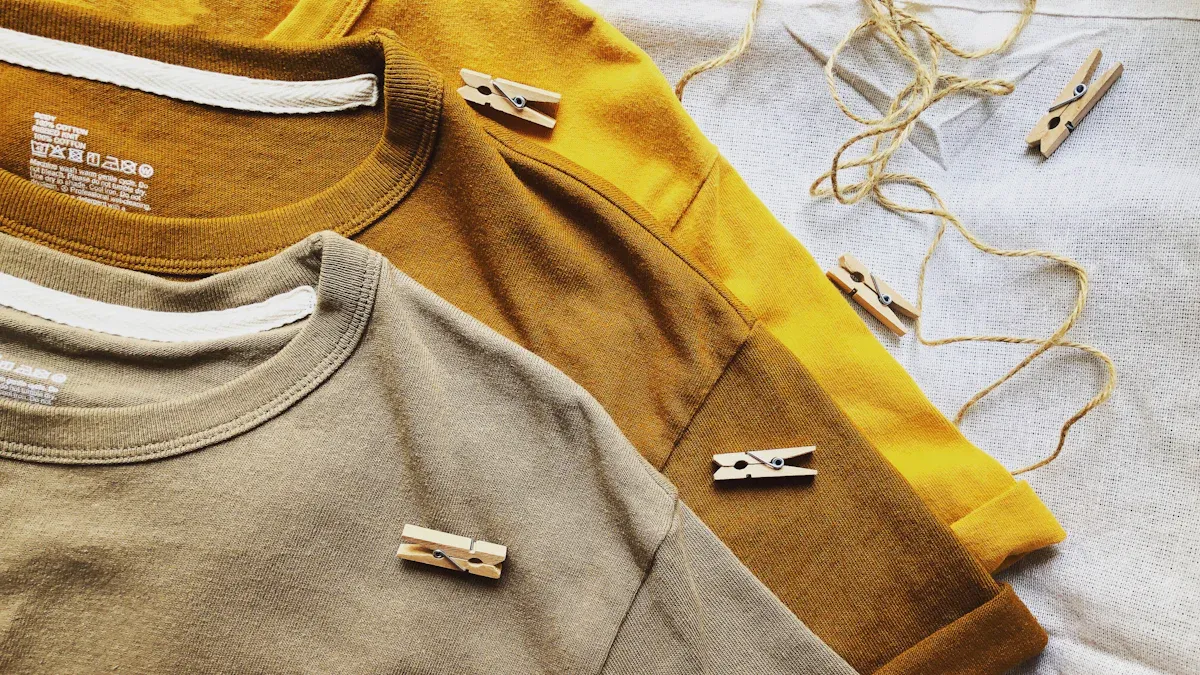
You can start your search for real 100% cotton clothes at specialty stores and trusted online shops. Some retailers focus on natural fibers and clear sourcing. Here are two reliable options you can try:
-
Cotton Natural: This store offers 100% cotton clothing made in Peru. You will find timeless comfort and coastal style here.
-
Cotton Mill: This retailer provides high-quality cotton garments made in the USA or Canada. You can also find organic options in their collection.
Shopping at these stores gives you a better chance to find genuine cotton clothes. You can also check their websites for detailed product information.
Vintage and secondhand
You can also look for cotton clothing at vintage shops and secondhand stores. Many older garments use pure cotton. Thrift stores and resale apps often have hidden gems. You help the planet by reusing clothes and may find unique styles that are not in regular stores.
What to Look For
Reading labels
Always check the label before you buy. The tag should say “100% cotton” or “organic cotton.” If you see words like “blend” or “polyester,” the item is not pure cotton. Look for clear fiber percentages. You can also check for organic cotton indications on the label or in the product description. If you are unsure, ask the retailer for more details.
Spotting blends and synthetics
You can spot blends and synthetics by feeling the fabric. Pure cotton feels soft and breathes well. Blends may feel smoother or stretch more. You can also use a simple burn test at home.
If the fabric is made of 100% cotton, it will not shrink away from the flame and will smell like burning paper or wood, leaving gray ash behind.
Burning organic cotton emits black smoke and continues to burn until only ashes are left, unlike conventional cotton.
You should only try this test on a small, hidden piece of fabric.
Questions for Retailers
Transparency and sourcing
You should ask questions to make sure you get real cotton clothes. Many shoppers want to know where their clothes come from. You can ask:
-
Who supplies the cotton for this garment?
-
Does the brand use GPS tracking or Permanent Bale Identification tags to trace the cotton?
-
Is the cotton certified organic or fair trade?
Most brands do not share details about their raw material suppliers. You can help change this by asking for more information. Many people and regulators now want brands to show where their cotton comes from. Your questions can push brands to be more open and honest.
Tip: One in three shoppers avoid brands that do not share enough information. Nearly half of shoppers want to know more about where products come from.
By shopping smart and asking the right questions, you can find real 100% cotton clothes that fit your values.
The Future of Cotton Clothing
Innovations in Cotton
Organic and regenerative cotton
Farmers are changing how they grow cotton. Many now use organic and regenerative ways. These methods help the earth and keep workers safe. Organic cotton does not use harmful chemicals. This keeps water and soil clean. It also protects farmers’ health. Regenerative farming helps the land even more. It makes soil better and brings back plants and animals. Farmers plant cover crops and do not plow the ground. These steps help nature and make cotton safer for you and the planet.
-
Regular cotton farming uses chemicals that hurt soil and water.
-
Organic cotton makes soil and water cleaner.
-
Regenerative farming helps more plants and animals grow.
Organic cotton uses less energy and makes less pollution. You get soft, safe clothes. Many people pick organic cotton because they want to help the earth.
Tech improvements
New technology makes cotton better for the planet and cheaper. Farmers use special tools to grow more cotton with less waste. They use sensors to give plants just enough water and food. Factories recycle water to save more. This can cut water use in half. These changes make cotton farming smarter and better for nature.
|
Innovation Type |
Impact on Sustainability |
|---|---|
|
Organic Cotton Farming |
|
|
Precision Agriculture |
Grows up to 30% more cotton |
|
Closed-Loop Water Recycling Systems |
Uses up to 50% less water in factories |
Cotton is still one of the cheapest natural fibers. You can also find high-quality cotton like Supima and organic cotton in stores.
Tip: Buying organic cotton helps the earth and the people who grow it.
Sustainable Alternatives
Hemp, bamboo, recycled fibers
More brands now use other materials instead of cotton. These choices are better for the earth. Hemp grows fast and does not need chemicals. Bamboo is strong and grows quickly without using too many resources. Recycled fabrics use old clothes or plastic to make new things. These options help you shop in a way that is good for nature.
|
Material |
Benefits |
|---|---|
|
Hemp |
Grows without chemicals; good for people who care about the earth. |
|
Bamboo |
Grows fast, is strong and flexible, and uses less than other materials. |
|
Recycled Fabrics |
Cut down on waste and keep clothes looking nice. |
Comparison to cotton
You might wonder how these choices compare to cotton. Most people still like cotton because it is soft and comfy. Cotton lets your skin breathe and is good for sensitive skin. Organic cotton gives you these good things and helps the planet. Many people want natural fibers in their clothes. About 75% of people say they will pay more for natural fiber clothes. Young people also pick eco-friendly options. They like cotton and will pay more for comfort and quality.
-
Cotton is still a top pick for daily clothes.
-
Organic cotton and other natural fibers are liked for comfort and low harm to nature.
-
Hemp, bamboo, and recycled fabrics give you more green choices.
You help shape fashion by picking natural fibers and earth-friendly options. As more people care about the planet, you will see even more choices in stores.
You do not see as many 100% cotton clothes now. Brands mix cotton with other fibers and use new materials. Cotton is still liked for being soft and comfy. It lets your skin breathe well. Many people want clothes made in fair ways. They also want labels that are easy to read. You should always check the tag before you buy. Ask questions if you are not sure about the fabric. Try shopping at stores that sell natural fiber clothes. Cotton works for lots of styles and fits many needs. When you pick eco-friendly fashion, you help make a better future. You also support brands that are honest about their products.
-
Cotton is still the best for comfort.
-
Most people, about 84%, say cotton feels best.
-
Shoppers like cotton pajamas because they are soft and let air in.
-
Many people want clothes made fairly and just for them.
Tip: Keep a positive attitude. Most people think cotton clothes will get better soon.
FAQ
Why do you see fewer 100% cotton clothes in stores?
You see fewer pure cotton clothes because brands mix cotton with other fibers. Rising costs, climate change, and new fabric technology make blends more common. You need to check labels carefully to find real cotton garments.
How can you tell if clothing is 100% cotton?
You should read the label inside the garment. Look for “100% cotton” or “organic cotton.” If you see words like “blend” or “polyester,” the item contains other fibers. Ask store staff if you feel unsure.
Are cotton blends better for you than pure cotton?
Cotton blends last longer and cost less. You get easy-care clothes that resist wrinkles. Pure cotton feels softer and breathes better. If you have sensitive skin, you may prefer 100% cotton.
Why does 100% cotton cost more now?
You pay more for pure cotton because farmers face higher costs for seeds, water, and labor. Brands spend extra on sustainable farming and fair wages. Shipping and supply chain problems also raise prices.
Where can you find real 100% cotton clothes?
You find pure cotton clothes at specialty stores, online shops, and vintage stores. Some brands focus on natural fibers and clear sourcing. You can also check thrift shops for older cotton garments.
What certifications should you look for when buying cotton clothing?
You should look for these certifications:
|
Certification |
What It Means |
|---|---|
|
GOTS |
Organic and fair practices |
|
OKEO-Tex 100 |
Free from harmful chemicals |
|
USDA Organic |
No GMOs or pesticides |
Do synthetic blends harm the environment?
Synthetic blends can release microplastics when you wash them. These tiny fibers pollute water and harm wildlife. You help the planet by choosing organic cotton or recycled fabrics.
Will 100% cotton clothing become popular again?
You may see more pure cotton clothes as shoppers demand natural fibers. Small brands and slow fashion support cotton. Your choices help shape future trends.