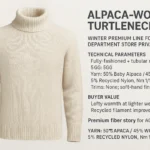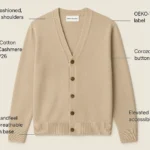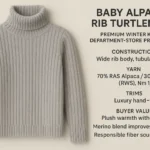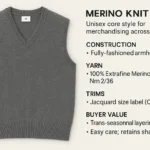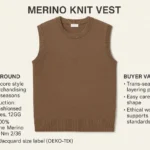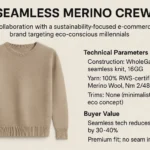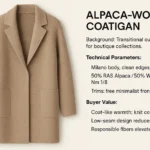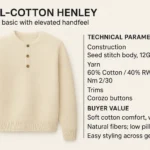


If you want a sweater that feels premium and keeps your customers warm, choose wool. Cotton works best if you value comfort and lower costs. Deciding between wool vs cotton sweaters depends on your brand’s audience and style. Think about what your customers want, the weather in your area, and how important eco-friendly materials are to your brand.
Key Takeaways
-
Wool sweaters keep you warm and last a long time. They are good for brands in cold places or selling high-end products. Cotton sweaters feel soft and cost less. They work well for relaxed looks and hot weather. Think about what your customers like and the weather before picking wool or cotton for your brand. Eco-friendly choices like recycled wool and organic cotton can make your brand more attractive to people who care about the environment. Mixing wool and cotton gives you the good parts of both. This helps your brand fit many seasons.
Wool vs Cotton Sweaters
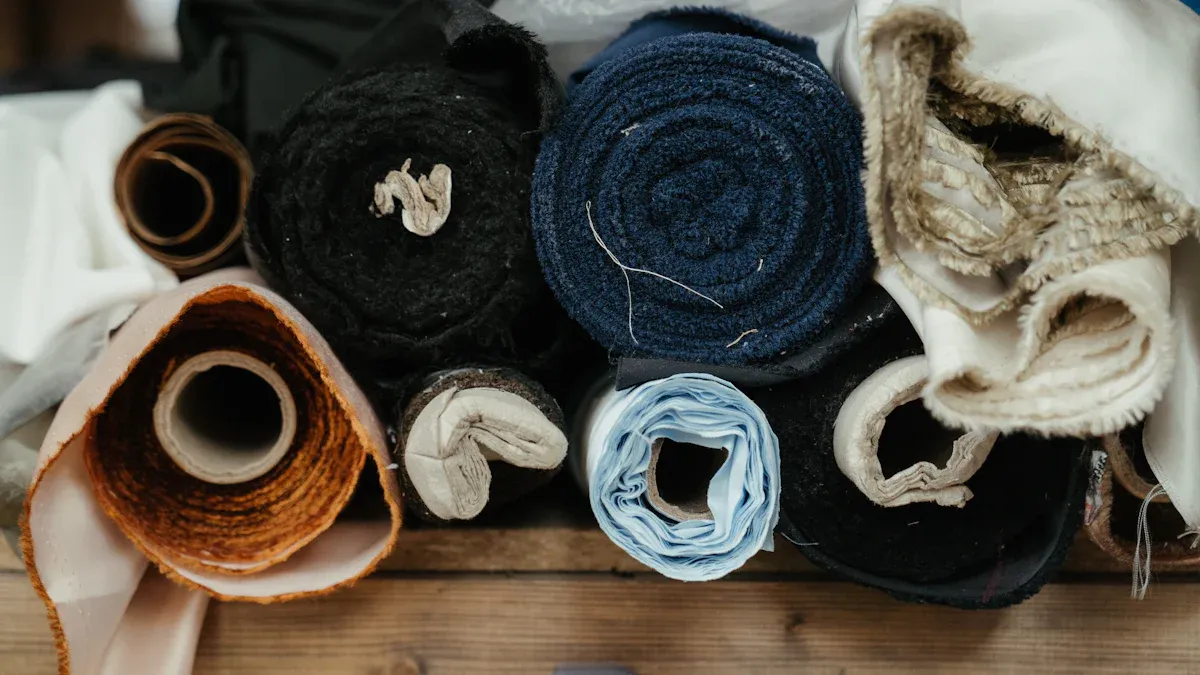
When you look at wool and cotton sweaters, you notice big differences. Wool sweaters are warmer and last longer. Cotton sweaters feel softer and cost less. Each one has special things it does well. Knowing these things helps you pick the best sweater for your customers.
Wool Sweater Benefits
Wool sweaters keep you warm and last a long time. If you want to sell high-quality sweaters, wool is a good pick. Here are some reasons why wool sweaters are great:
-
Wool keeps heat in but lets air move, so you stay warm but not sweaty.
-
Merino wool has a special shape that holds heat in tiny air pockets. This makes it even warmer.
-
Wool pulls sweat away from your skin, so you stay dry and comfy.
-
Wool can soak up a lot of water but still keeps you warm.
-
Wool sweaters last for years if you take care of them. They keep their shape and look nice.
-
Merino wool feels soft and does not itch like other wool. It is good for people with sensitive skin.
-
Wool sweaters do not wrinkle or smell bad easily, so you can wear them more before washing.
Tip: If your brand sells to people in cold places or those who want sweaters that last, wool is a smart choice.
|
Attribute |
Merino Wool |
Other Wools/Synthetics |
|---|---|---|
|
Comfort |
Much softer, less irritating |
Coarser fibers, more irritating |
|
Performance |
Excellent moisture management, breathability |
Lacks natural breathability, may mimic wicking properties |
|
Durability |
Good balance of durability, natural resilience |
Synthetics are strong but may lack other benefits |
Wool sweaters keep you warmer and last longer than cotton ones. They are best for brands that want to sell top-quality sweaters.
Cotton Sweater Benefits
Cotton sweaters are great if you want comfort and a good price. Many people like how soft and easy to wash cotton sweaters are. Here are some reasons why cotton sweaters are a good choice:
-
Cotton sweaters feel soft and gentle on your skin. They are comfy for daily use.
-
Cotton lets air move, so you stay cool when it is hot and get light warmth when it is cool.
-
Cotton stretches a little, so it fits well and lets you move easily.
-
Cotton sweaters are light and not bulky. They are good for layering or for places that are not too cold.
-
Cotton sweaters cost less than wool ones. You can find many styles and colors for less money.
-
Cotton sweaters are easy to wash and care for. You can buy new ones more often without spending a lot.
Note: If your brand is about casual looks, warm weather, or saving money, cotton sweaters are a great pick.
|
Climate Type |
Cotton Performance |
Wool Performance |
|---|---|---|
|
Warm Weather |
Breathable and comfortable |
Less suitable than cotton |
|
Cold Weather |
Provides less warmth, absorbs moisture |
Excellent insulation and moisture-wicking |
When you compare wool and cotton sweaters, cotton is best for comfort, easy care, and lower prices. Cotton sweaters work all year and many people like them.
Both wool and cotton sweaters are good for your brand. Wool sweaters give you warmth, strength, and high quality. Cotton sweaters give you comfort, coolness, and good value. You can choose the right one for your brand and your customers.
Cotton vs Wool Sweater: Key Differences
Warmth & Insulation
Wool sweaters keep you much warmer than cotton. Wool fibers are crimped, so they trap heat. Air pockets in wool hold warmth close to your body. Merino wool sweaters work well in very cold weather. Wool also pulls sweat away, so you stay dry.
Cotton sweaters feel lighter and are good for warm days. Cotton fibers are smooth and not dense. They do not trap much heat. If cotton gets wet, it loses warmth and feels damp. Wool sweaters still keep you warm when damp.
-
Wool fibers have crimp, so they trap heat well.
-
Cotton fibers are smooth and light, so they do not trap heat.
-
Wool pulls sweat away, so you stay dry.
-
Cotton soaks up sweat, so it can feel damp.
-
Cotton loses warmth fast when wet, but wool keeps heat.
Tip: Pick wool sweaters for cold weather. Choose cotton sweaters for warm or mild days.
Comfort & Texture
You want sweaters that feel nice to wear. Cotton sweaters feel soft and gentle on skin. People with sensitive skin like cotton because it is smooth. Cotton sweaters hang well and are comfy in warm weather.
Wool sweaters, especially Merino, feel warm and fancy. Some people think regular wool is itchy. Merino wool feels soft and comfy. Wool is best for cold days. Cotton gives you coolness and breathability.
-
Cotton yarn feels soft and gentle on skin.
-
Cotton’s softness helps sweaters hang nicely.
-
Merino wool feels warm and fancy, good for cold days.
-
Cotton is smooth and lets air move, so it is good for sensitive skin.
-
Cotton yarn is soft and smooth, so it feels nice.
-
Cotton lets air move, so it keeps you cool.
Note: For hot weather or sensitive skin, pick cotton sweaters. For warmth and a cozy feel, pick wool sweaters.
Durability & Longevity
Sweaters need to last for your brand. Wool sweaters last longer than cotton ones. Wool fibers bounce back and keep their shape. Cotton sweaters may stretch or fade after many washes.
|
Material |
Average Lifespan |
|---|---|
|
Wool |
|
|
Cotton |
Does not last as long as wool |
Wool sweaters do not wrinkle or smell bad easily. You can wear them more before washing. Cotton sweaters may stretch or fade faster.
Tip: If you want sweaters that last, wool is better.
Care & Maintenance
Think about how easy sweaters are to care for. Wool sweaters need gentle washing by hand or on a soft cycle. Lay them flat to dry so they keep their shape. Wool does not smell bad, so you wash it less.
Cotton sweaters are easier to wash. You can use a machine to wash and dry most cotton sweaters. This is good for busy people. Cotton sweaters may shrink or stretch if washed wrong.
-
Wool sweaters: Wash by hand or gentle cycle, lay flat, wash less.
-
Cotton sweaters: Machine wash and dry, easy care, but may shrink.
Note: Cotton sweaters are easy to care for. Wool sweaters need more care but last longer.
Cost & Value
Wool and cotton sweaters cost different amounts. Wool sweaters cost more because wool is harder to make and lasts longer. Cotton sweaters cost less and come in many styles. Cotton may wear out faster.
|
Price (USD) |
Wool Sweater |
|---|---|
|
$85.00 |
Yes |
|
$59.00 |
Yes |
|
$75.00 |
Yes |
|
$55.00 |
Yes |
|
$95.00 |
Yes |
|
$69.00 |
Yes |
|
$72.00 |
Yes |
|
$47.00 |
Yes |
|
$49.00 |
Yes |
|
$35.00 |
Yes |
|
$65.00 |
Yes |
-
Wool sweaters last longer and look nice for years.
-
Cotton sweaters cost less and come in many styles.
-
Cheaper cotton sweaters may stretch or fade fast.
-
Choose cotton or wool based on what your customers want.
Tip: Wool sweaters are best for premium brands. Cotton sweaters are good for budget brands.
Wool vs Cotton: Seasonal & Style Suitability
Climate & Seasonal Use
Think about the weather and season when picking sweaters. Woolen sweaters keep you very warm in winter. They trap heat and help you stay dry. Wool is good at moving sweat away from your skin. Merino wool sweaters are great for cold, wet days. They keep you comfy even if it is damp outside. Wool sweaters let air move, so you do not get too hot inside.
-
Woolen sweaters keep you warm and dry.
-
Wool sweaters are best for cold weather and pull sweat away.
-
Merino wool-polyester blends stop bad smells and move sweat fast, so they are good for active winter use.
Cotton sweaters are better for mild weather or all year. You can wear cotton on cool summer nights or in the fall. Cotton feels light and soft, so you can wear it under a jacket or over a dress. Choosing wool or cotton depends on the season. Woolen sweaters are best for winter. Cotton sweaters work for spring, summer, and fall.
Tip: Pick woolen sweaters for warmth in winter. Choose cotton sweaters for comfort and layering in mild weather.
Style Versatility
You want sweaters that fit many styles and needs. Woolen sweaters look classic and fancy. They often have rich patterns and textures. This makes them good for luxury brands. Cotton sweaters look more casual and are great for daily use. You can use cotton as a base layer in winter or as a top layer in summer.
-
Cotton sweaters are easy to wash in a machine.
-
Woolen sweaters need gentle washing and special care.
-
Cotton sweaters can have cool designs from different knitting.
-
Wool sweaters add texture and depth to your brand’s style.
Here is a quick table to help you choose:
|
Material |
Pros |
Cons |
|---|---|---|
|
Wool |
Warmer and lasts longer |
Can itch if you have sensitive skin |
|
|
Strong and tough |
Needs special washing |
|
|
Breathable and works in many climates |
Heavier than cotton |
|
Cotton |
Light and comfy |
Not as warm as wool |
|
|
Simple to care for |
May not last as long as wool |
Use woolen sweaters for fancy, cold weather collections. Use cotton sweaters for casual, all-year fashion. Wool sweaters make your brand feel high-end. Cotton sweaters give comfort and easy style.
Sustainability & Blends
Eco-Friendly Choices
You can help your brand stand out by picking eco-friendly sweater materials. Recycled wool is renewable because sheep grow new wool each year. This means you always have wool for your sweaters. Organic cotton grows without bad chemicals. It saves water and keeps soil healthy. These choices help you lower your impact on the earth.
Here are some facts about how wool and cotton affect the environment:
-
Wool production can help nature and soil if farmers use good grazing.
-
Cotton farming uses lots of bug sprays, even though it covers only a small part of farmland.
-
Wool has a bigger carbon footprint per sweater, but it lasts longer, which can help balance the impact.
-
Cotton farming can hurt rivers and lakes because fertilizer runs off into water.
|
Material |
Benefits |
|---|---|
|
Recycled Wool |
Renewable, breaks down naturally, lowers carbon emissions, needs fewer new resources |
|
Organic Cotton |
No bad pesticides, saves water, keeps soil healthy |
When you use recycled wool or organic cotton, you show customers you care about the planet. This can help your brand attract people who want to buy from responsible companies.
Cotton-Wool Blends
Cotton-wool blends give you good things from both materials. You get cotton’s softness and coolness, plus wool’s warmth and stretch. These blends help your sweaters work for more seasons and more people.
|
Benefit |
Description |
|---|---|
|
Comfort and Wearability |
Cotton feels soft, wool adds warmth and stretch |
|
Moisture Management and Breathability |
Cotton soaks up moisture, wool pulls it away, keeping you comfy all day |
|
Durability and Longevity |
Wool’s stretch and cotton’s strength help sweaters keep their shape and last longer |
|
Versatility Across Seasons |
Blends work well in warm and cool weather |
You can trust cotton-wool blends to last. The blend is less likely to stretch out or pill than pure wool or cotton. This makes it a smart pick if you want sweaters that stay looking nice and feeling good.
Other Fabric For knitwear
You have more choices than just wool or cotton for your sweaters. Many brands use other knit fabrics for different needs:
-
Jersey knit works well for T-shirts and hangs nicely. You can find it made from wool, cotton, hemp, or bamboo.
-
Rib knit has lines and stretches, so it is great for cuffs and turtlenecks.
-
Interlock knit is thick and good for pants or skirts.
-
French terry soaks up moisture and feels soft, so it is nice for all-year wear.
-
Fleece knit is warm and tough, perfect for active sweaters.
Picking the right fabric helps shape your brand’s image. If you use eco-friendly materials, you can attract customers who care about the earth. High-quality woolen wear or blends can make your brand special and build loyalty. Your fabric choices show what your brand stands for and help you connect with your audience.
Choosing for Your Brand
Know Your Customer
You should know who buys your sweaters. People want different things from wool and cotton. Some want warmth, but others care about comfort or style. You can use technology to learn what your customers like best. AI classifiers look at sweater pictures and find out which materials are popular. E-commerce sites can suggest sweaters based on what shoppers like. You can also collect data on how much wool or cotton you use. This helps you keep track of your eco-friendly goals.
|
Method |
Description |
|---|---|
|
AI Classifiers |
Look at sweater pictures to find materials and help customers. |
|
Integration into E-commerce |
Suggest sweaters based on what people like, making them happier and come back to shop. |
|
Sustainability Data |
Track natural and man-made materials to help with green goals. |
Demographics are important, too. Millennials and Gen Z like technology and care about the planet. Women follow trends and buy many styles. Men often want comfort and style, and more men now like cotton.
|
Demographic Factor |
Influence on Choices |
Material Preference |
|---|---|---|
|
Like tech, care about the earth, and want to do good |
Wool and Cotton |
|
|
Women |
Follow fashion, buy many kinds of sweaters |
Wool and Cotton |
|
Men |
Want comfort and style, and like new looks |
Cotton over Wool |
Tip: Ask your customers or use online polls to find out what they want to wear. This helps you pick the best fabric for you and your shoppers.
Brand Positioning
The materials you pick help shape your brand. If you choose strong and high-quality sweaters, you get shoppers who want sweaters that last. Many people now care about slow fashion and fair work. They want sweaters that last, not ones that wear out fast. You can show off labels for fairness and being green. This makes people trust your brand and helps you stand out.
-
Pick strong, high-quality materials.
-
Show that your sweaters are worth buying and last a long time.
-
Talk about both strength and being green for a good message.
Brands that use wool often seem fancy or care about the earth. Cotton is good for brands that want to give comfort and good prices. When you pick between wool and cotton, think about the story you want to tell.
Product Line Strategy
You can sell both wool and cotton sweaters to get more buyers. Try new materials before you make a big line. Use lab tests to check if the materials are good. Decide how many samples to test and keep reports for at least a year. This helps you stop problems before they start.
|
Testing Aspect |
Description |
|---|---|
|
In-house Lab Tests |
Check if materials are the same with trained workers and good labs. |
|
Sampling Size |
Plan how many samples to test for each material and trim. |
|
Testing Report Keeping |
Keep records for each material for one year. |
Work with suppliers who get their materials the right way. Look for labels like the Responsible Wool Standard. Try small batches before you order a lot. Use ads to show why wool blends are good, like keeping you cool or dry. Make sweaters for all seasons by using light cotton for summer and warm wool for winter.
Note: Teach your customers how to care for sweaters and why they are good. This helps them trust you and pick the best fabric for them.
You now know which is better for your brand. Wool sweaters give deep warmth and last longer, while cotton sweaters offer comfort and easy care. Use this table to compare:
|
Factor |
Wool |
Cotton |
|---|---|---|
|
Warmth |
Best for cold weather |
Good for spring and autumn |
|
Care and Durability |
Needs more care, lasts long |
Easy care, less durable |
|
Cost |
Higher, better value |
Lower, may need replacing |
Think about your customers and your goals. Ask yourself which is better for your brand. Review your products or talk to suppliers to make the best choice in the wool vs cotton debate.
Real-World Brand Examples — Wool vs. Cotton Knitwear
Brands Using Wool in Knitwear
-
Brunello Cucinelli
Known for luxury Merino wool and cashmere knitwear, offering premium quality and elegant style, especially in fall/winter collections. -
Icebreaker
Specializes in 100% Merino wool, focusing on sustainability, natural fibers, and performance for outdoor and active wear. -
John Smedley
Esteemed British brand using fine Merino wool, delivering classic and business-appropriate knitwear with a timeless touch. -
Patagonia
Innovates with wool and recycled blends, emphasizing environmental responsibility and outdoor performance.
These brands leverage wool for its warmth, durability, natural feel, and high-end appeal.
Brands Using Cotton in Knitwear
-
UNIQLO
Offers a wide variety of cotton sweaters with an emphasis on affordability, softness, and easy care, perfect for everyday and warmer seasons. -
Everlane
Focuses on organic cotton basics, ethical sourcing, and transparency, popular for their soft and lightweight cotton knits. -
Tommy Hilfiger
Brings versatile American casual cotton sweaters, well-suited for layering and a laid-back lifestyle. -
J.Crew
Known for a broad cotton knitwear range at mid-level prices, appealing to preppy and casual fashion fans.
These brands choose cotton for its breathability, comfort, universal appeal, and practicality across many settings.
FAQ
What makes wool sweaters warmer than cotton sweaters?
Wool fibers trap air and keep heat close to your body. You stay warmer in cold weather. Cotton fibers do not hold heat as well. Wool sweaters work better for winter.
Are cotton sweaters easier to wash than wool sweaters?
You can wash cotton sweaters in a machine. Wool sweaters need gentle washing by hand or on a soft cycle. Cotton sweaters are easier to care for if you want simple cleaning.
Which is better for sensitive skin, wool or cotton?
Cotton feels soft and smooth on your skin. Many people with sensitive skin choose cotton sweaters. Merino wool also feels soft, but some wool types may itch.
How do I decide between wool vs cotton for my brand?
You should think about your customers, climate, and style. Wool sweaters give warmth and last longer. Cotton sweaters offer comfort and lower cost. Your brand’s needs help you choose.